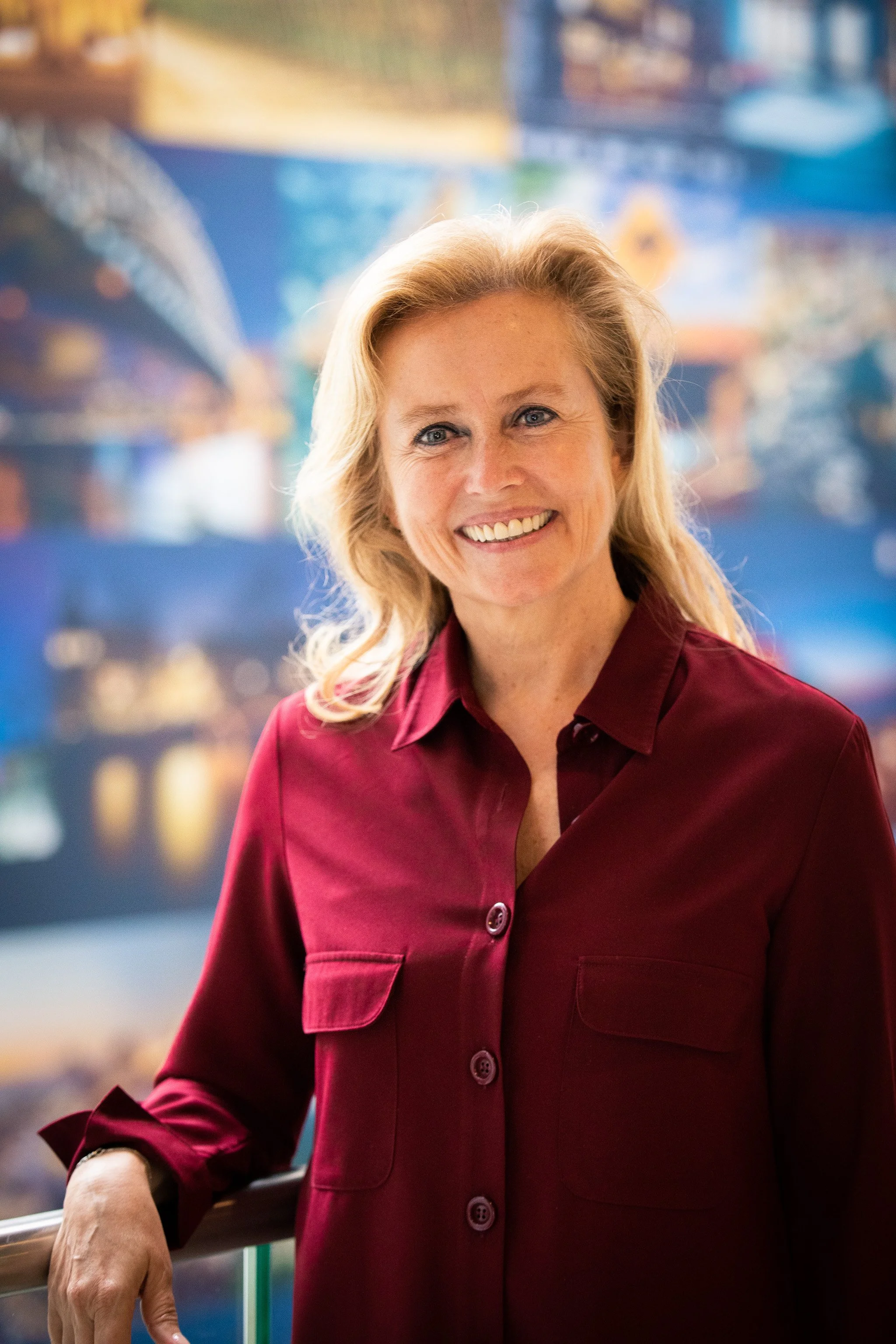
Inge De Lathauwer: Developing Sumba’s Next Generation of Sustainable Hospitality Stewards
By: Jeremy Tran
In recent years, Sumba has become shorthand for everything discerning travelers love — megalithic burial stones rising from savannah grass, centuries-old horseback traditions, and a coastline that still feels like a secret. For a certain kind of traveler, it is exactly what the world should look like before mass tourism arrives.
Beneath this postcard imagery, however, sit more stubborn realities: outward migration driven by the absence of stable livelihoods, thin pathways into formal work, and an education system that does not consistently convert schooling into employable opportunity.
According to Badan Pusat Statistik (Statistics Indonesia), Sumba’s poverty rate was over 25%, compared to the national average of 8.47% in 2025. Less than 50% of young people finish primary school. On a macro level, these are development challenges; but through a tourism lens, they become gatekeeping conditions — shaping who is prepared to access opportunity as tourism grows, and who is left to watch that growth from the sidelines.
As visitors flock to Sumba’s wild coasts and megalithic villages, the pivotal question is not whether tourism will grow. It likely will.
The question is what kind of economy this tourism arrival will produce. One trajectory is familiar: Sumba as brand, Sumbanese as labor pool, value extracted through land, rooms, and image.
The other is harder and more consequential: an island where local youth build the skills, confidence, and institutional footholds to not only service incoming arrivals, but also shape the rules of hospitality.
That is the space the Sumba Hospitality Foundation (SHF) aims to occupy. The second trajectory does not happen by accident. It has to be designed.
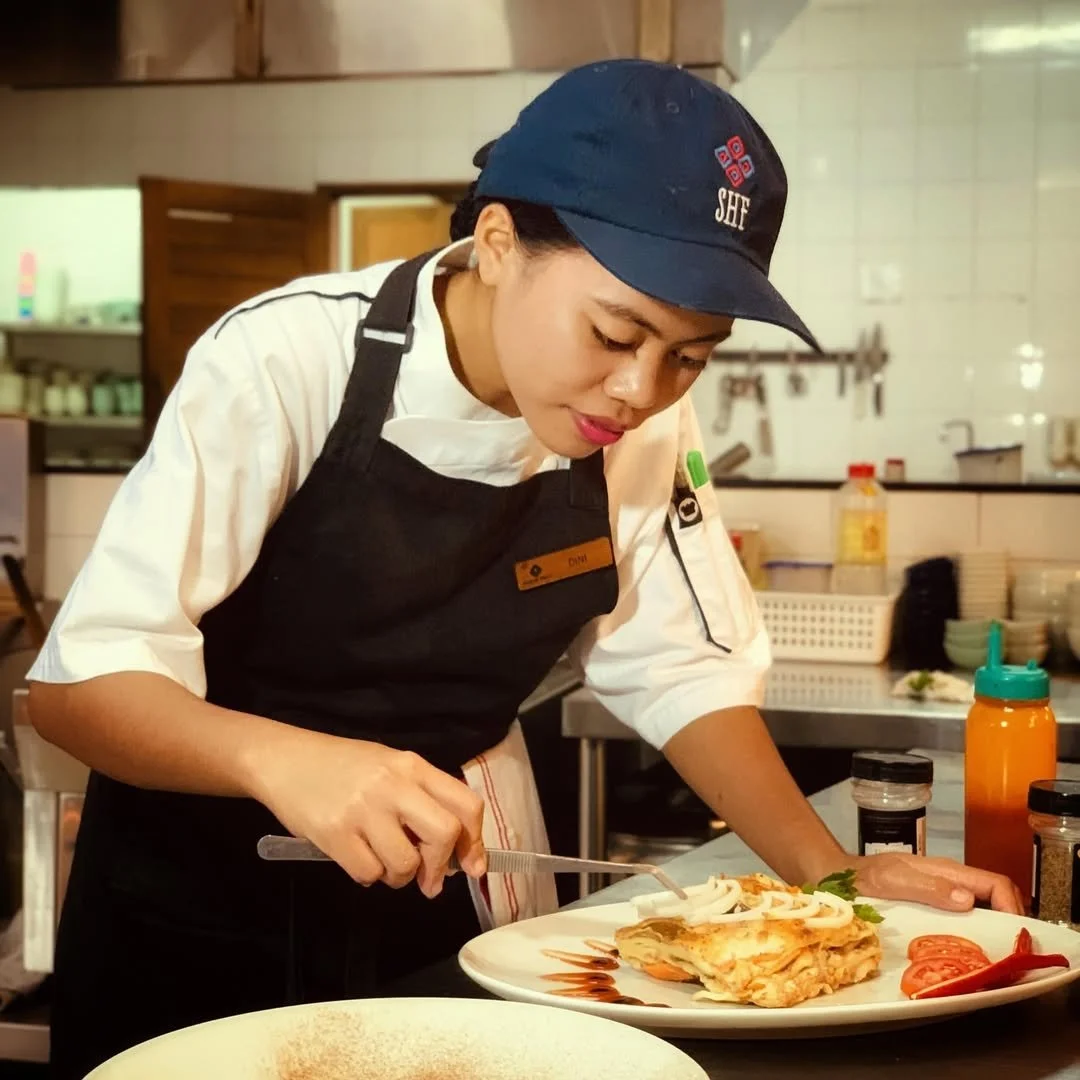
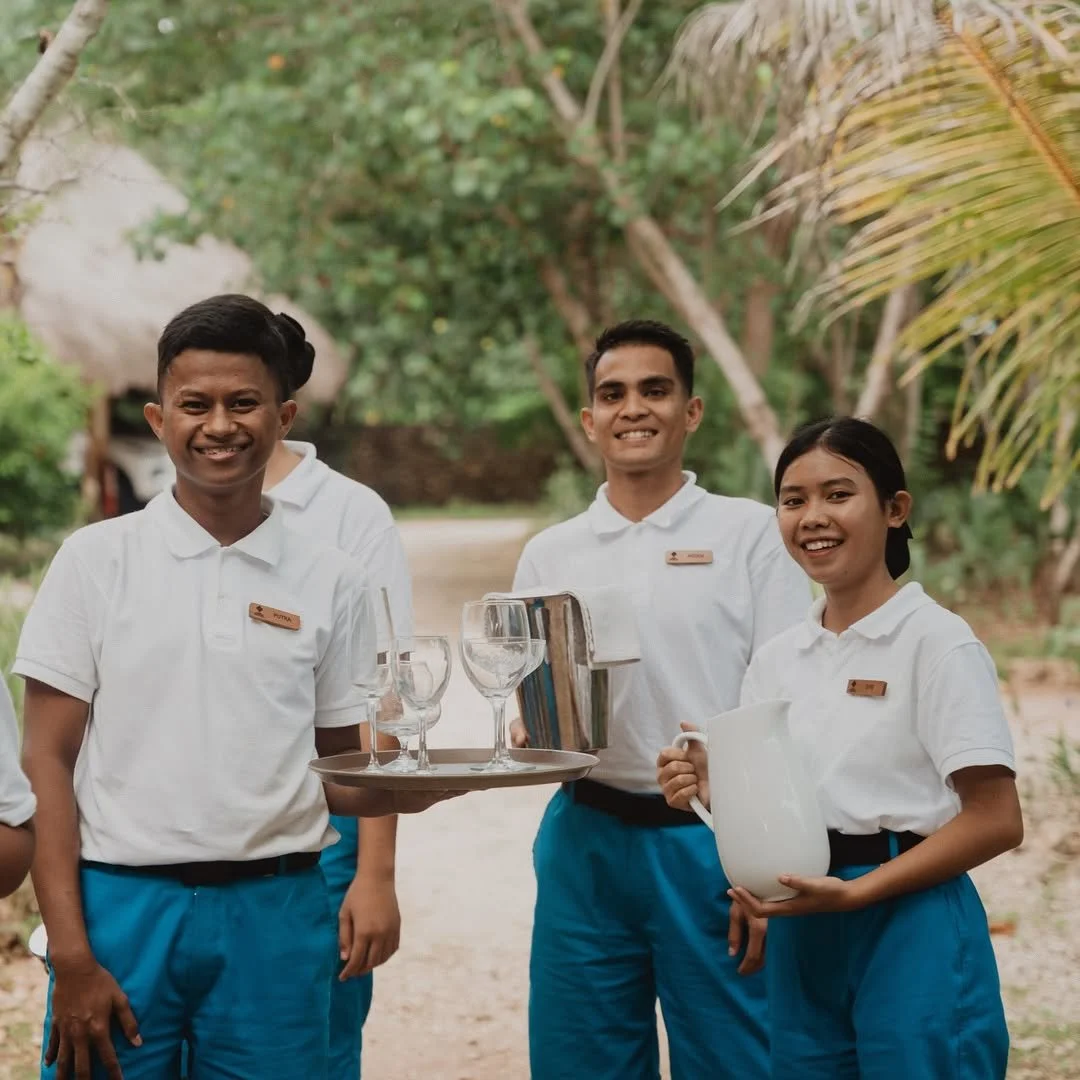
SHF positions itself not as a charitable add-on to tourism, but as a cog in the machine aiming to rebalance participation in the tourism economy through vocational education, employer partnerships, and real-world operations on Sumba and beyond. Since opening in 2016, SHF has offered vocational hospitality training for Sumbanese youth and pairs classroom instruction with practical learning through its flagship hotel, Maringi Sumba, and restaurant, Makan Dulu.
At the helm of this ecosystem is SHF’s founder, Inge De Lathauwer, a Belgian impact entrepreneur who first arrived on Sumba in 2013 and saw a gap that many visitors overlook: tourism can create jobs, but without preparedness and pathways, the highest-value roles — and the economic upside — rarely accrue locally.
What she built next is best understood as a strategic, operational response to a legacy tourism problem: if tourism is coming, people should have the capacity and agency to meet the moment before disenfranchisement and displacement take hold.
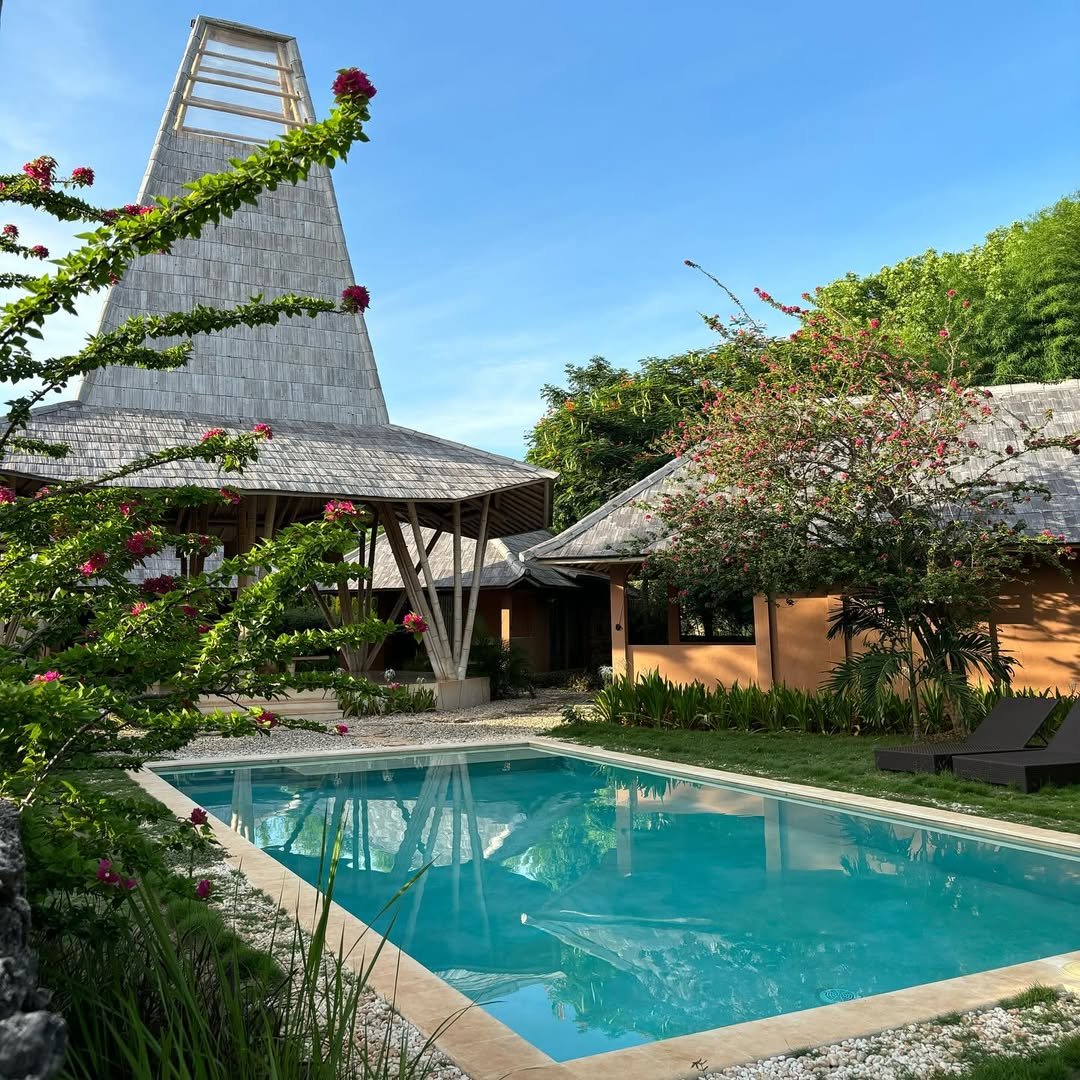
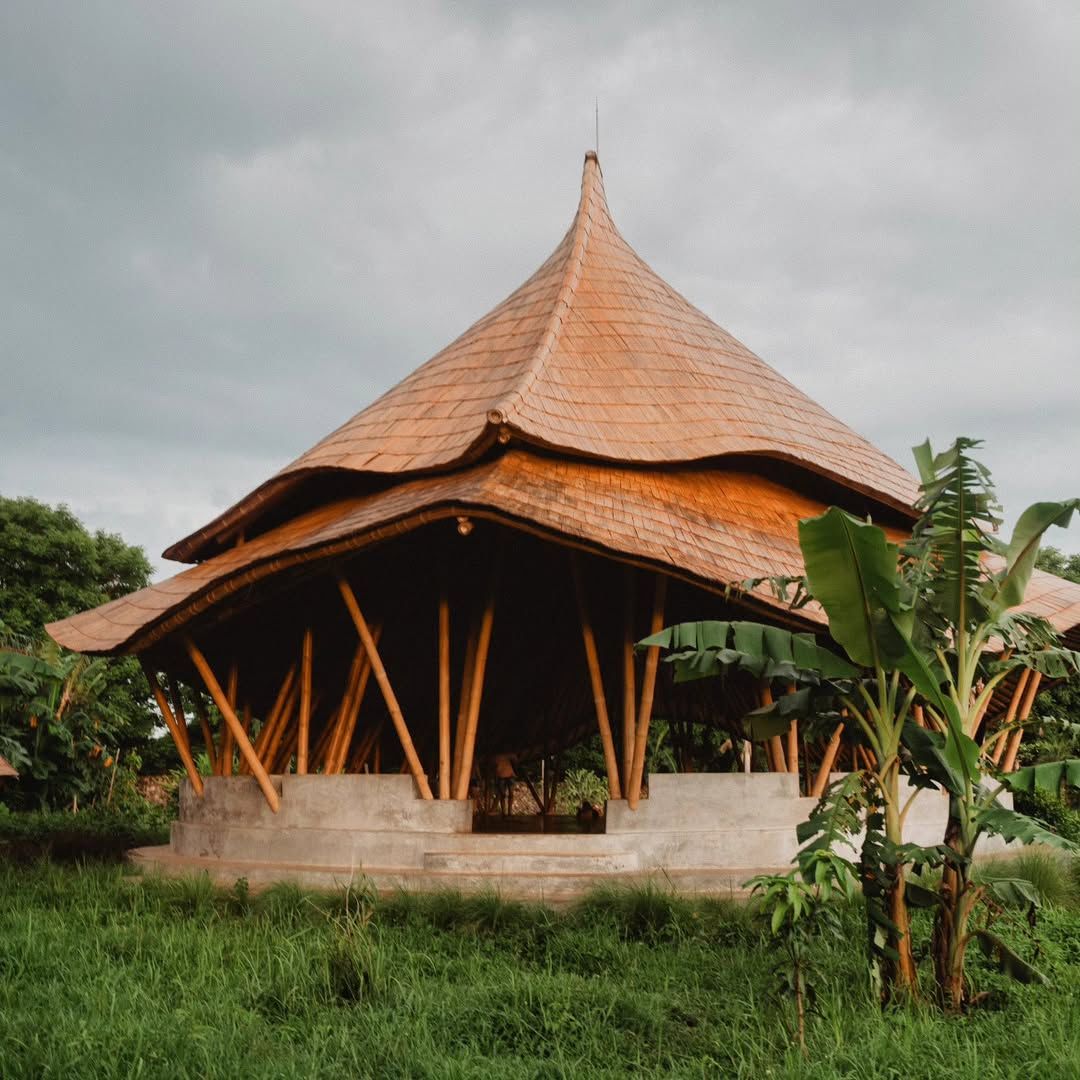
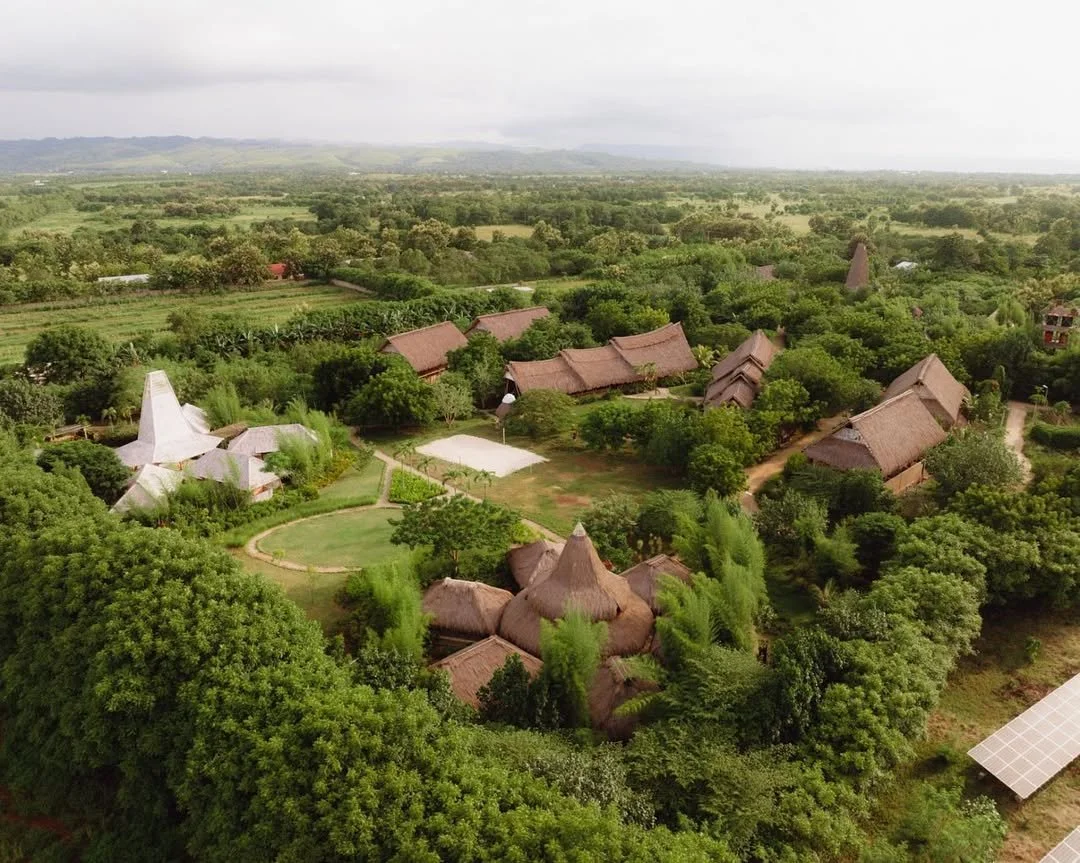
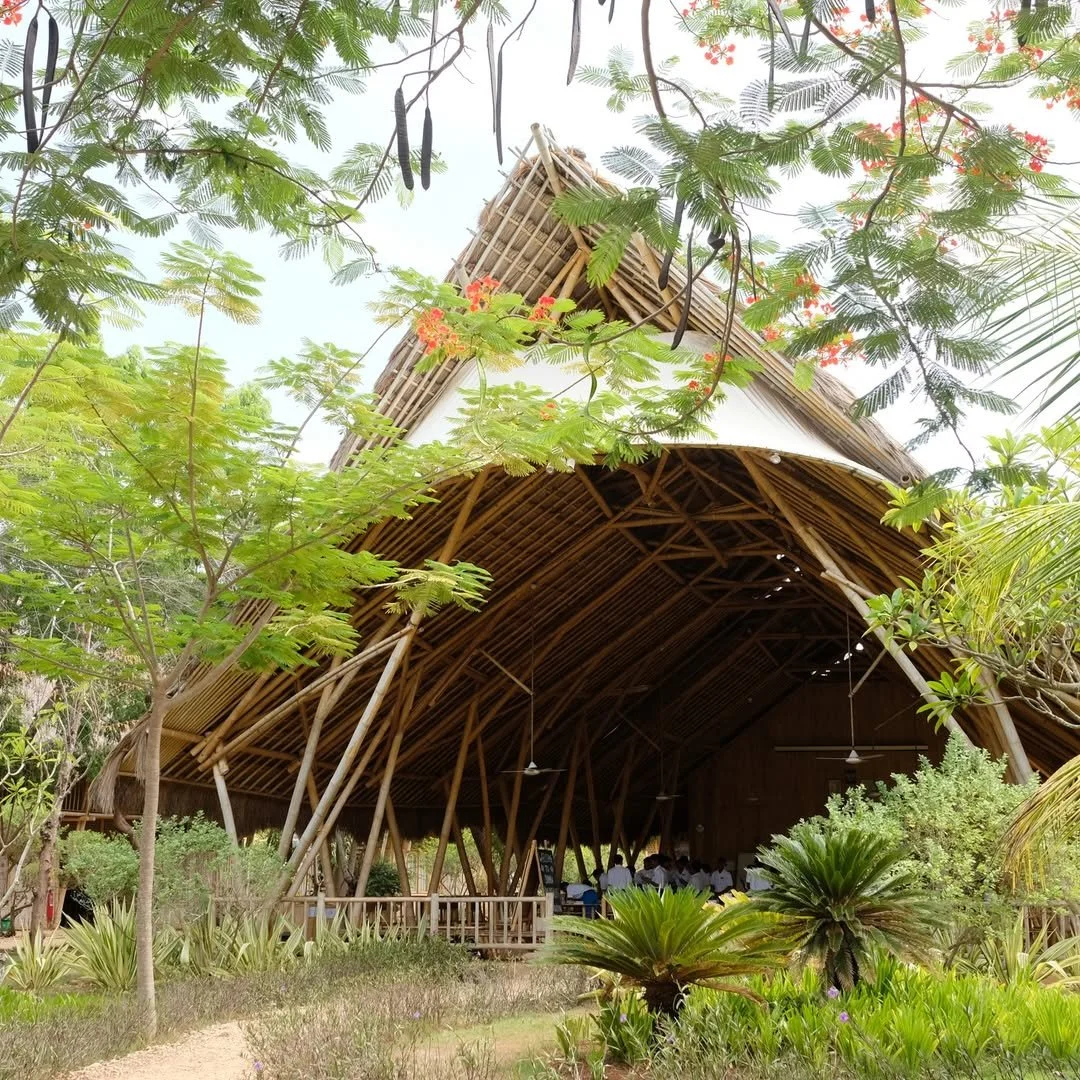
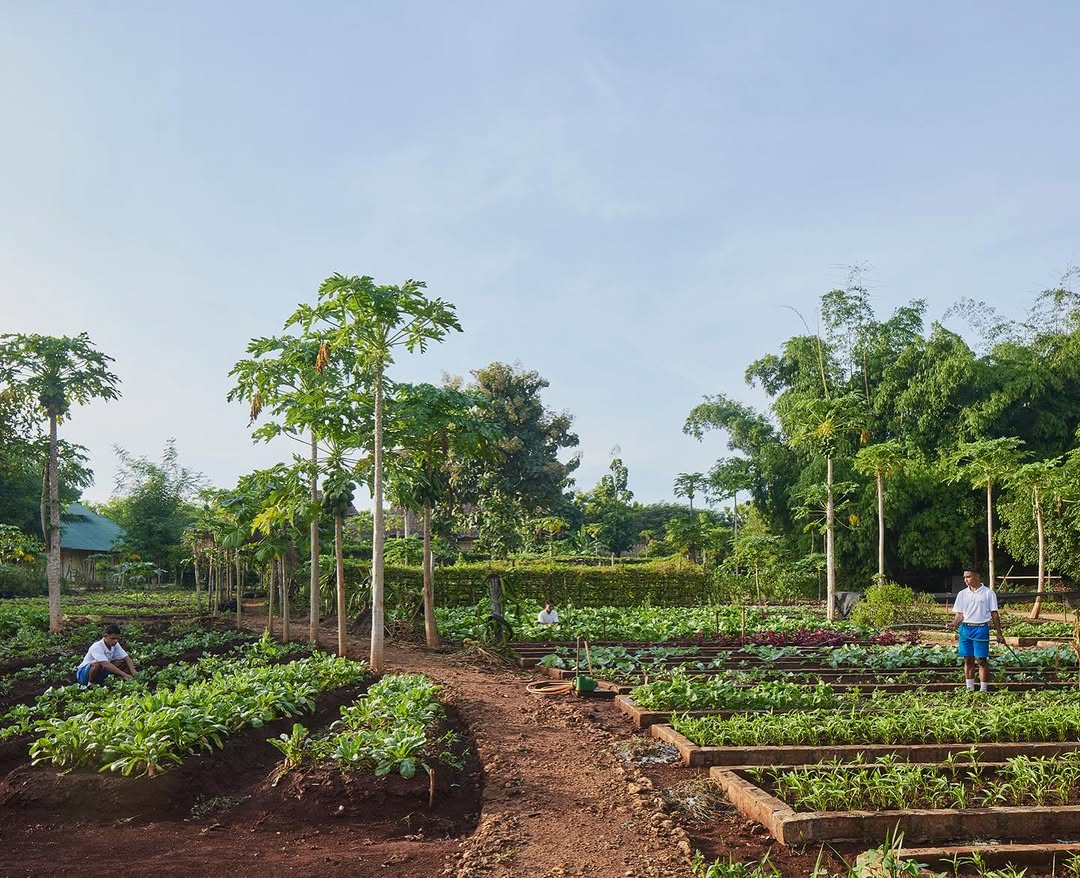
The Sumba Hospitality Foundation campus integrates Maringi Sumba - a fully functioning hotel, classrooms, dormitories, and a permaculture garden
The Moment Observation Turned to Responsibility
When we were at the open-air dining room at Maringi Sumba, the eco-resort SHF operates as both a learning lab and revenue engine, Inge recalled how accidental the beginning was. “Sumba was never on my radar,” she told me.
In 2013, a land prospector mentioned coastal land on a little-known island called Sumba. Curiosity prompted her to visit with two friends. It was meant to be a quick trip, but the reckoning arrived quickly.
From the moment she stepped ashore, the contrast was hard to ignore: wild, almost cinematic landscapes; quiet villages; and young people with nowhere obvious to go. Tourism was just beginning to appear on the horizon. Jobs were coming, but not necessarily for Sumbanese youth who lacked the preparation to claim them. The island risked becoming both postcard and labor pool — its people spectators of their own future.
On the last morning of that first trip, she woke up with clarity. “People have been talking about responsible hospitality,” she recalled, “but no one really knows what it looks like. To see it is to believe it. If I can build a model that shows what it’s about, it could have a much greater impact.”
That was the moment observation became responsibility. “I came initially as a tourist,” she said, “but I just couldn’t leave without doing something.”
What rooted her was not the allure of an “untouched” island. She was drawn instead to a question of agency: if tourism is inevitable, will Sumbanese youth have the credentials, confidence, and networks to move beyond entry-level service roles?
She also recognized something else: responsible hospitality is often discussed as an aspiration, but rarely built as a system. SHF’s bet is that credibility comes not from slogans, but from training tied to industry standards, and standards tied to employment.
Yet intention is the easy part. The hard part is execution, building a system strong enough to outlast enthusiasm and perform under real constraints.
“People have been talking about responsible hospitality, but no one really knows what it looks like. To see it is to believe it. If I can build a model that shows what it’s about, it could have a much greater impact.”
- Inge De Lathauwer
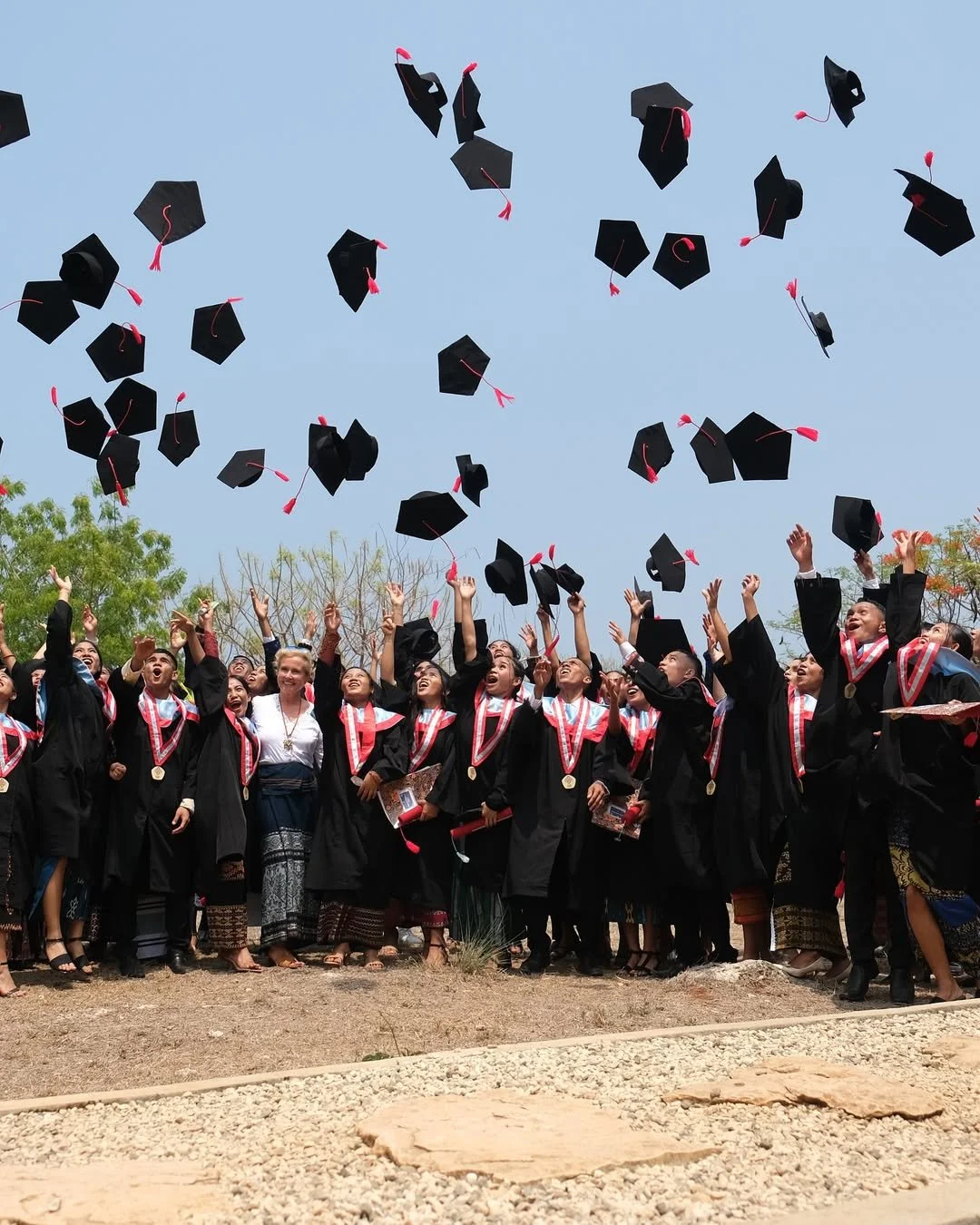
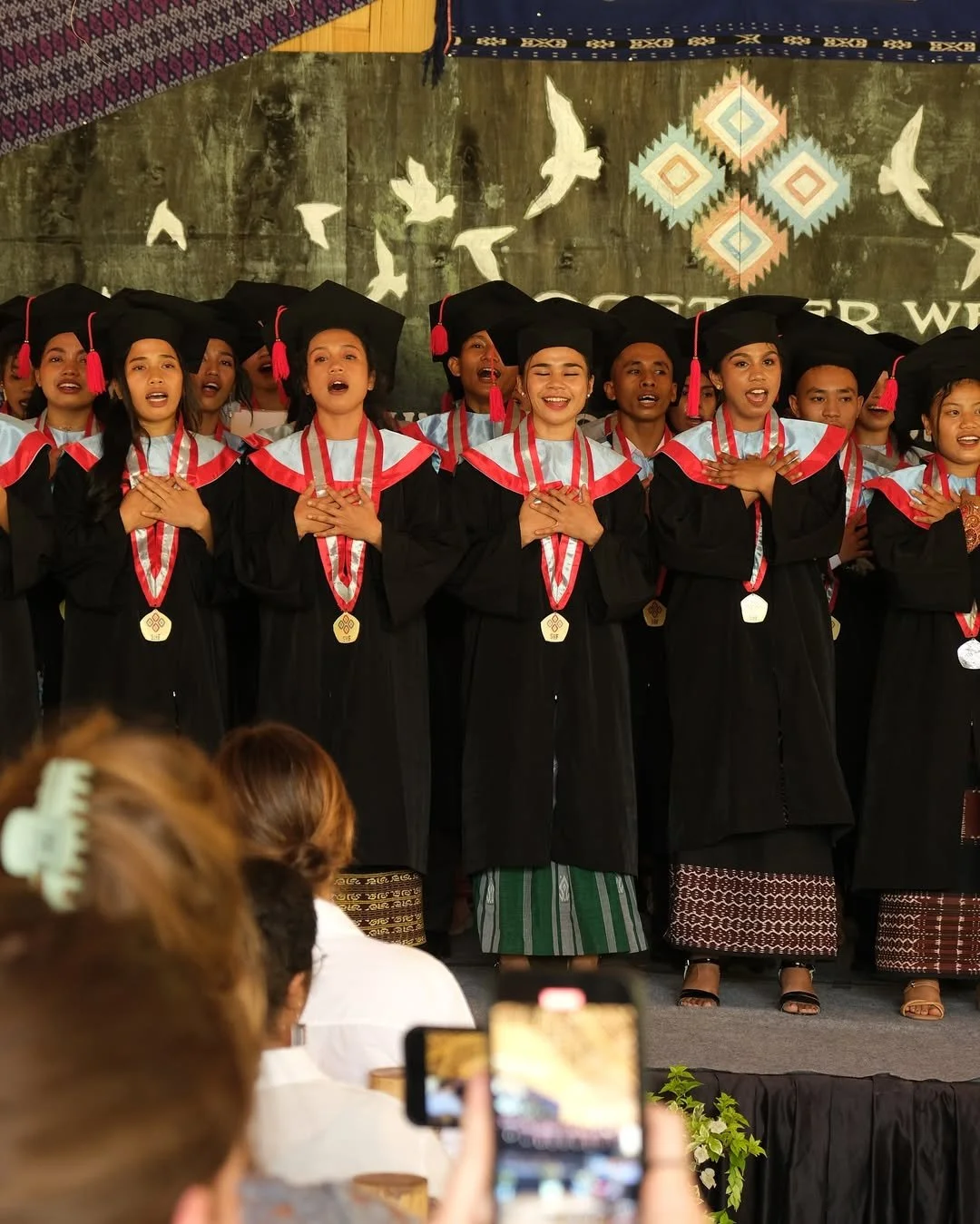
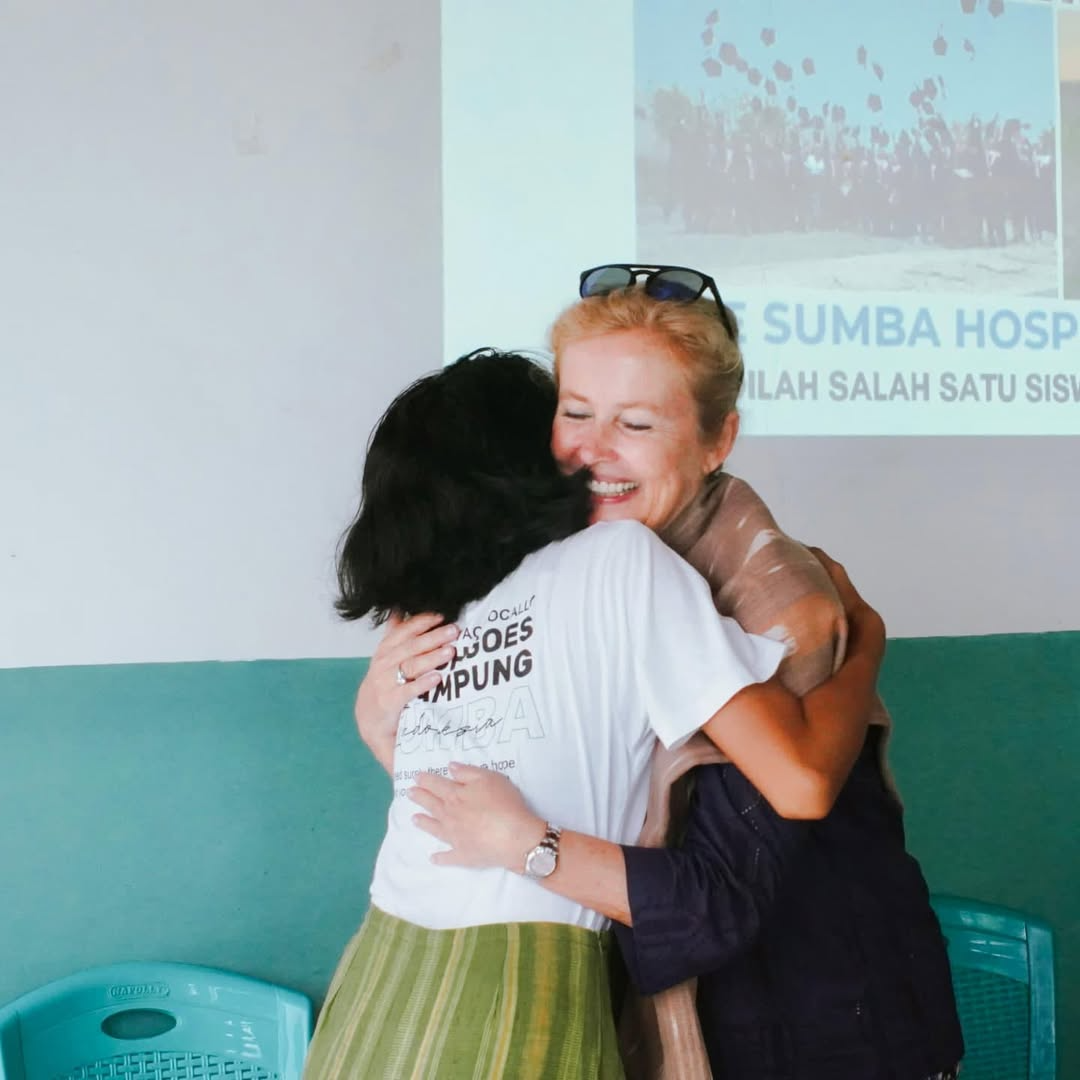
Inge and SHF students at graduation ceremony
Designing SHF for Outcomes, Not Optics
Inge’s approach to building SHF was shaped by a formative lesson from her previous philanthropic work: good intentions collapse when execution is missing.
She described visiting a clinic her family had supported, only to find that equipment remained unused because licensing and staffing requirements had not been solved. The clinic existed on paper. But in practice, it had never opened.
“People have great ideas,” she said, “but fail in the execution.”
That experience shaped SHF’s logic: infrastructure without human capacity is expensive inertia.
A tourism-ready workforce is not created by inspiration. It is built through a vigorous system of training, practice, feedback loops, and partnerships that turn learning into employability.
This is also where her hospitality management background comes into play. Hospitality can be unforgiving as it involves everything from staffing and compliance to guest expectations, logistics, maintenance, and cash flow. SHF applies that operational discipline by measuring what matters, tightening systems over time, and designing for long-term sustainability.
But employability is produced when industry agrees to recognize, test, and hire, so the next question becomes who stands on the other side of that bridge.
The Partnership Engine
I saw the reach of “Ibu Inge” and the Sumba Hospitality Foundation (SHF) first-hand across the industry. As I moved between Sumba and Bali, from Cap Karoso and NIHI Sumba to Viceroy Bali and LOCAVORE NXT, her name surfaced repeatedly, spoken of with genuine affection and respect.
This is not accidental. It reflects SHF’s one of its most strategic advantages: Inge’s deliberately cultivated network of partners, donors, and volunteers, spanning islands, countries, and continents – built to turn a remote training institution into a credible talent pipeline.
This is where her foresight is most visible. Inge did not design SHF as a remotely located classroom, sealed off from the market. She built an ecosystem, underpinned by collaborations that keep training relevant, resourced, and employable.
In practice, SHF’s partnership system does three things well.
It mobilizes sponsorships, from Maringi Sumba guests and individual supporters, to fund students’ studies. The Foundation also brings in subject-matter experts from within Indonesia and beyond to deliver targeted training aligned with industry standards. And it brokers pathways into employment with leading hospitality brands in Sumba and onward markets, including placements as far as The Maldives and Dubai.
In 2025, SHF supported 63 graduates, bringing the total to 500 alumni since 2016. The same year, it welcomed 17 volunteers from six countries and 4 hospitality professionals who delivered masterclasses, an external feedback loop that helps keep the curriculum calibrated to market expectations.
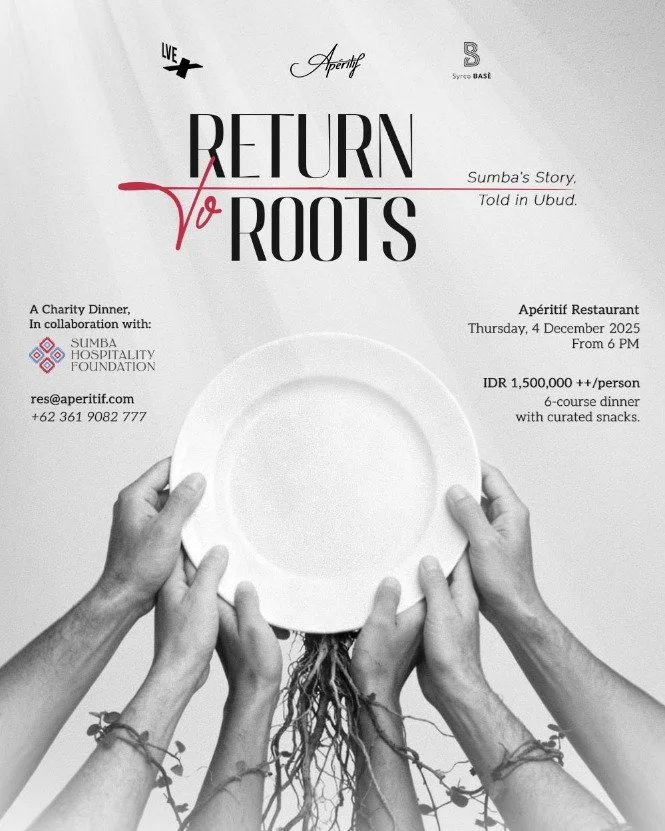
Financial sponsorship is equally important. In 2025, 21 students were sponsored, reducing the barrier that often decides whose potential gets developed. A Bali charity dinner raised IDR 197,940,000 (approximately USD 11,700) for SHF’s education and training programs, bringing alumni together to cook and share their stories about their SHF experience.
And the two SHF hospitality businesses supplied operational proof: 2025 marked record guest numbers, with 810 guests staying at Maringi Sumba and 8,200 dining at Makan Dulu. That output matters because it indicates real service conditions – repetition, pressure, standards – while bringing much-needed revenue to sustain the operation.
This is what an education-to-employment model looks like when partnerships are treated as infrastructure, making success repeatable, visible, and scalable.
Still, a talent pipeline is only as credible as the standards behind it. At SHF, the next test is whether “responsible hospitality” can be operational, not performative.
Sustainability Proof, Built In
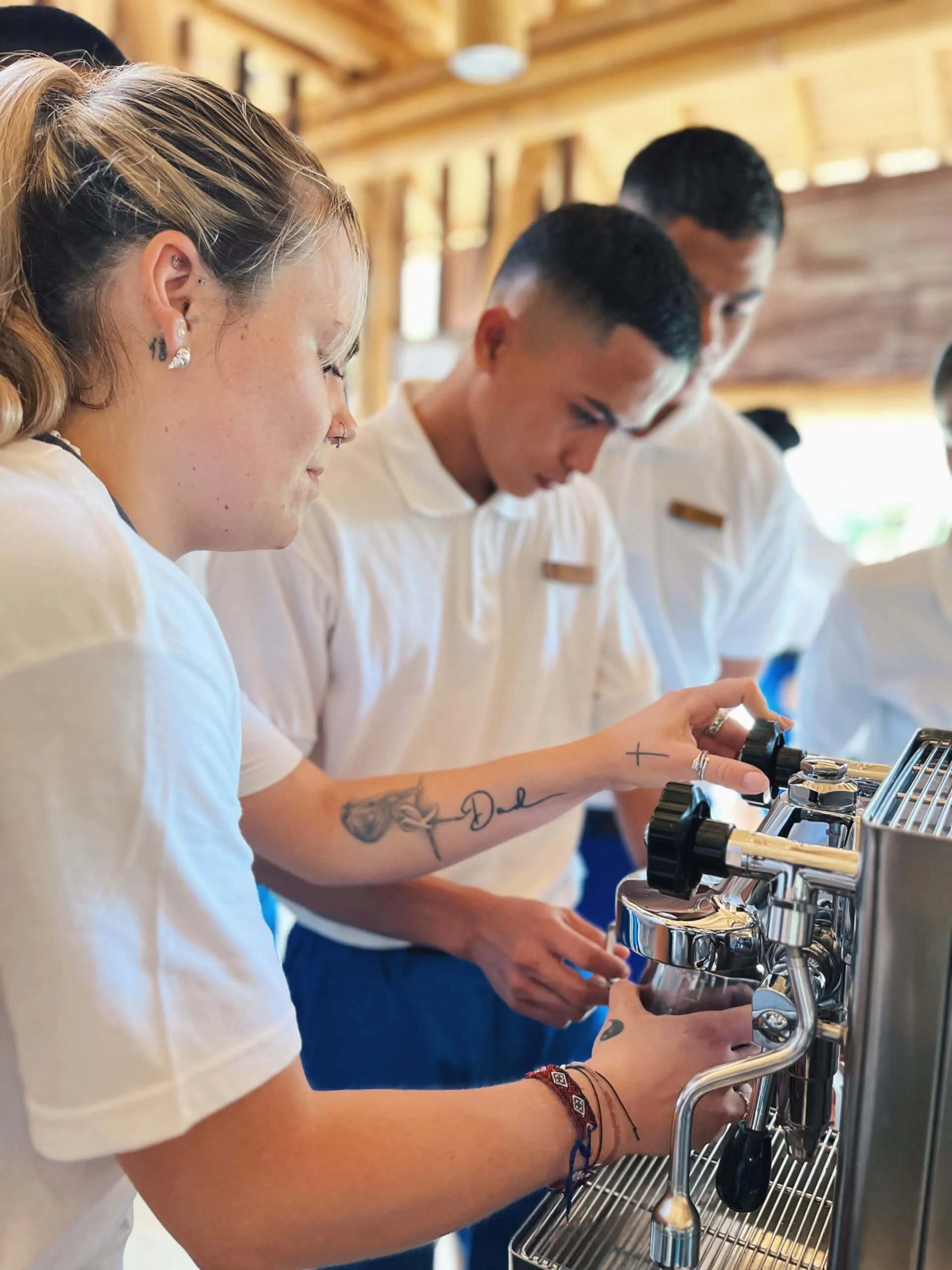
At SHF, sustainability is not taught as a side subject. It is the Foundation’s operating logic, anchored by the 6Cs framework — Climate, Conservation, Circularity, Culture, Community, and Commerce — which SHF uses to build impact from the ground up.
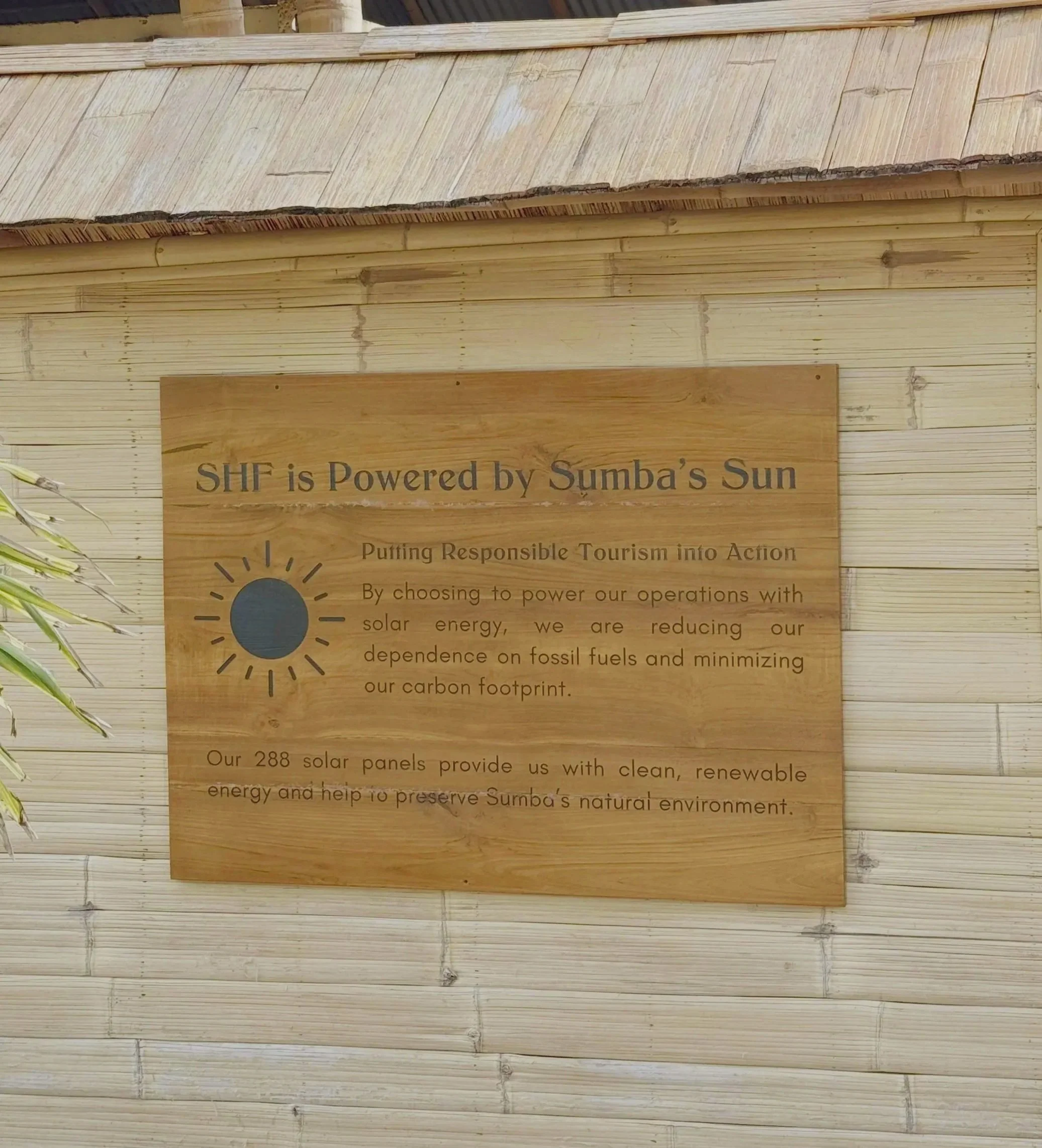
The infrastructure does the first round of teaching. Students live and train inside an off-grid system powered by a solar plant of 288 panels and 24 batteries, generating roughly 20 MWh of clean energy each year and covering up to 80% of the Foundation’s consumption. The campus avoids an estimated 16 tonnes of CO2 annually.
The on-site permaculture harvests more than 1,500 kg of food per month, reducing reliance on external suppliers while training students to understand food as a closed loop that begins in soil health and ends on a plate.
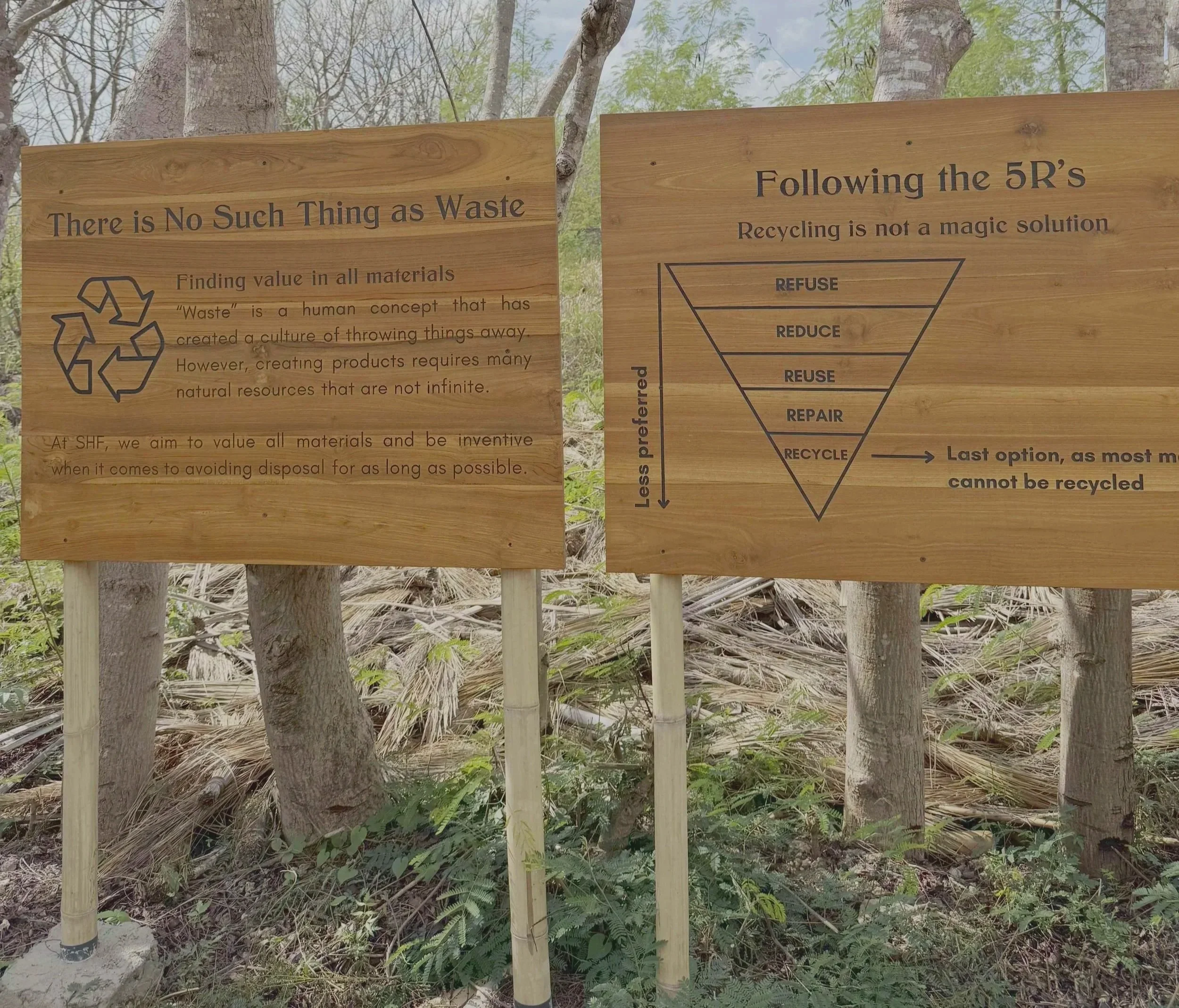
Then the curriculum makes those habits non-negotiable. In 2025, every student spent at least six hours per week sorting waste across 21 categories, contributing to a reported 50% reduction in landfill-bound waste.
SHF also reports producing 24 kg of waste per person per year, set against a stated global average of 270 kg, and a water filtration system that reduced bottled water consumption by 75% by turning “plastic reduction” into an operational default.
The result is not performative greenness. It is a graduate with a rare kind of readiness: someone who can deliver hospitality at a high standard while understanding the mechanics beneath a sustainable operation.
When SHF alumni step into hotels and restaurants beyond Sumba, they arrive as practitioners, proficient in the practical realities of energy, water, food, and waste. In an industry that increasingly demands proof over promises on sustainability, SHF prepares its students to be eco stewards.
The SHF model is working.
The question now is whether its benefits stay anchored on Sumba, and what it takes to shift from founder-led momentum to locally owned leadership.
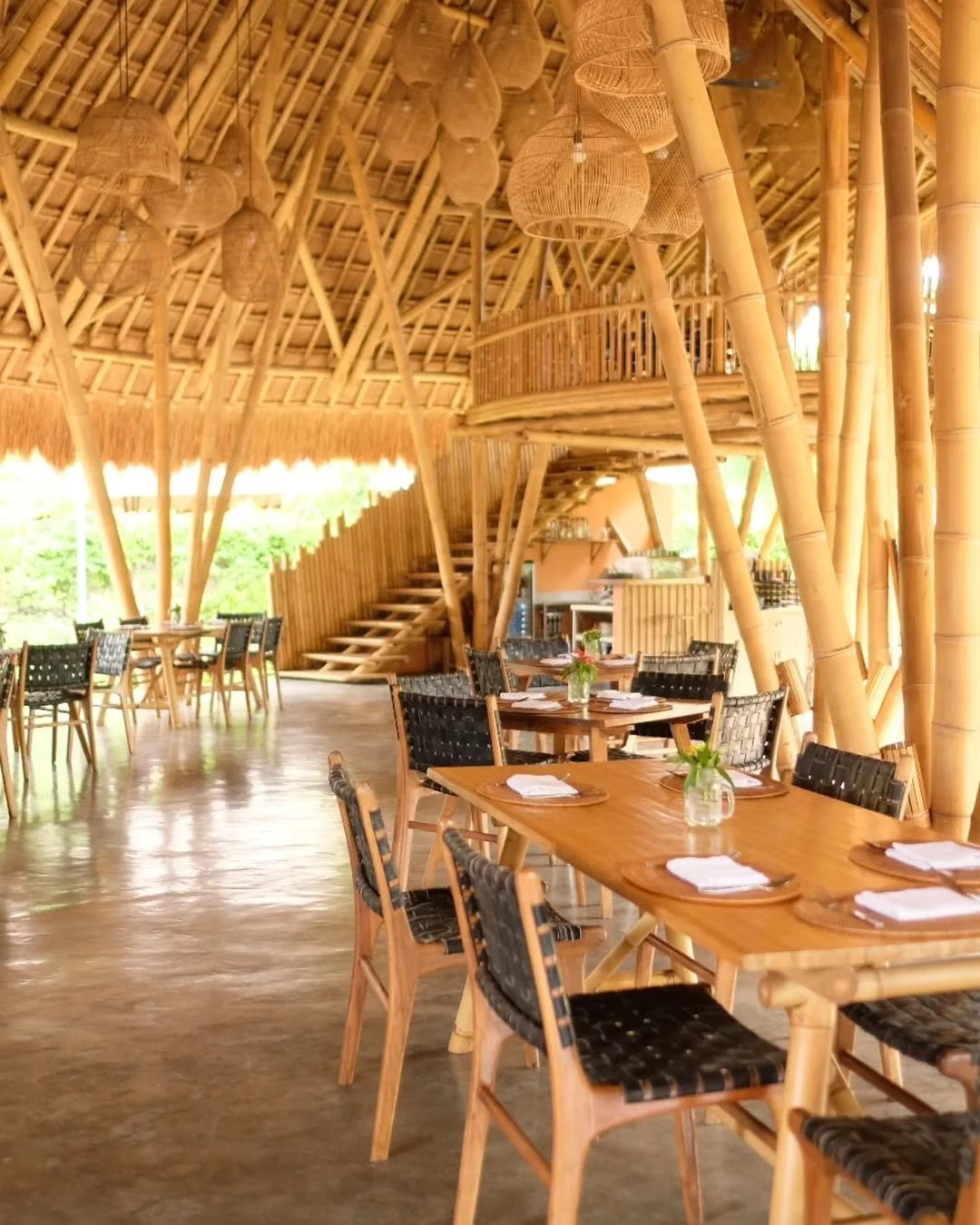
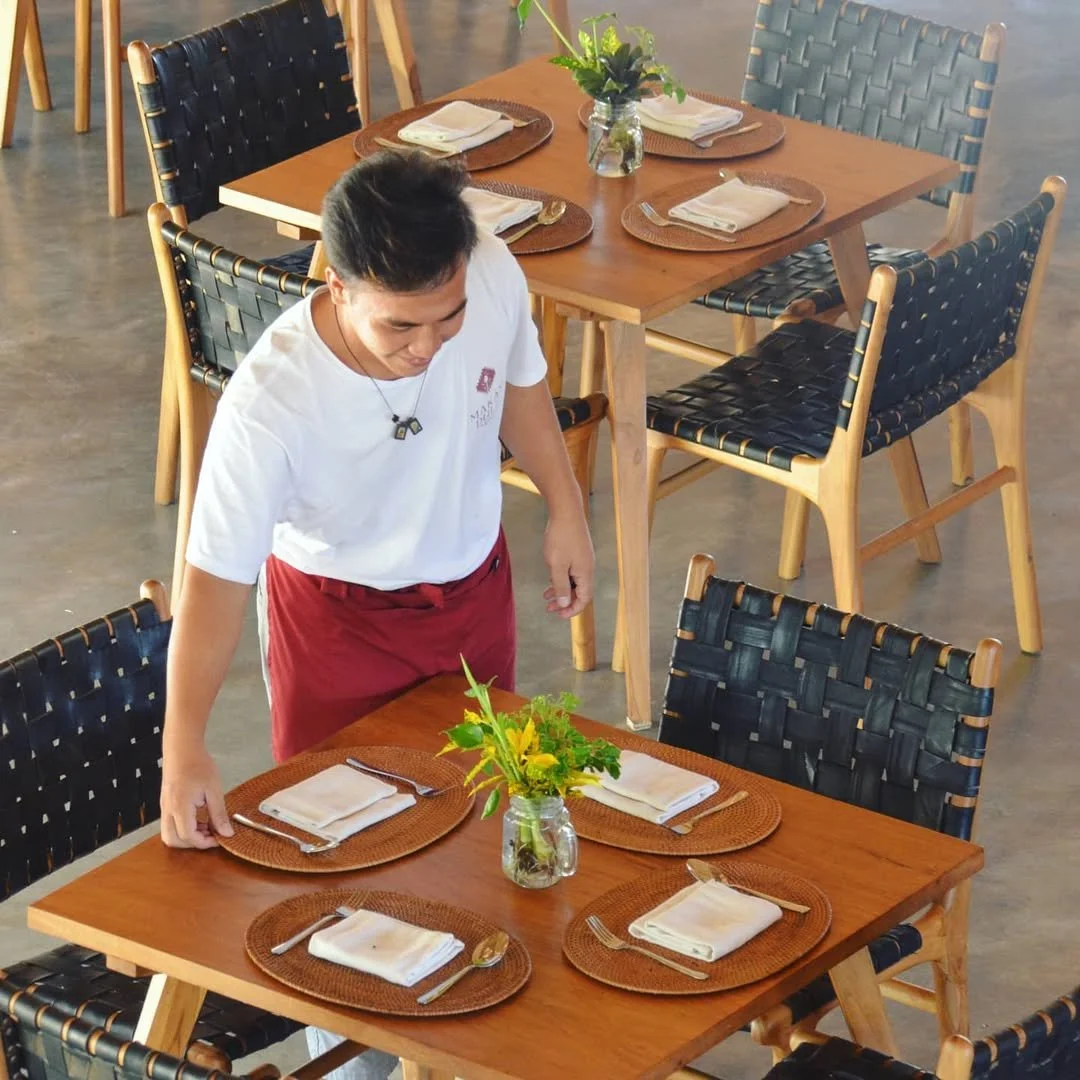
Next Phase: Strengthening and Expanding SHF’s Ecosystem
In 2015, Inge set out to build SHF to close a capacity gap to prepare the Sumbanese youths for the arrival of tourism.
A decade on, the more meaningful outcome has emerged: agency. Young Sumbanese who once stood at the periphery now have a clearer pathway into the industry, and increasingly, the confidence to move through it.
To make the argument fully credible, it helps to name the hard question: does this model keep talent on Sumba, or train it to leave?
Tourism wages and opportunities elsewhere can pull graduates outward. But one thing is certain: SHF has become an integral part of Sumba’s tourism economy. It connects three elements that are usually kept separate: hospitality revenue, vocational education, and place-based stewardship. Each element strengthens the others at SHF.
This holistic education-to-employment model has proven effective: training calibrated to industry standards, paired with hands-on experience, produces competent graduates with credible, employer-tested skills.
What that durability buys is social mobility with a longer horizon. When Inge talks about impact, she returns to confidence because confidence changes behavior and the trajectory of one’s life.
Graduates who can work, speak English, travel for placements, and support extended families don’t only lift household income.
They shift the psychological ceiling of their family. They become role models for their siblings and neighbors, the living evidence that leaving the island is no longer the only route to a future.
In an industry that often treats “responsible tourism” as messaging, SHF makes a more grounded claim: hospitality is not just about service, but about accountability to place.
It’s clear that strengthening local leadership, deepening on-island opportunity, and scaling what works without diluting what makes it credible is likely Inge and SHF’s next move.
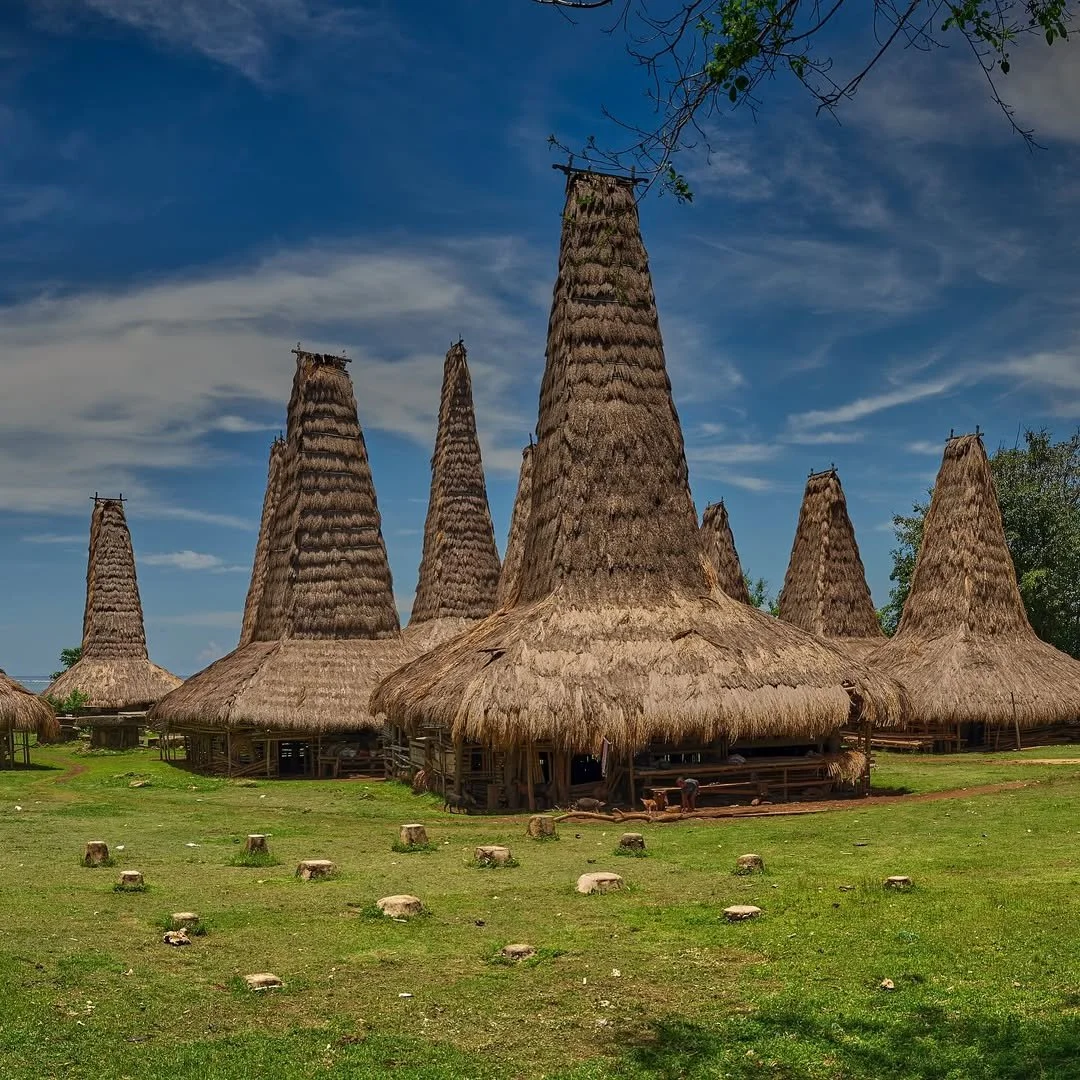
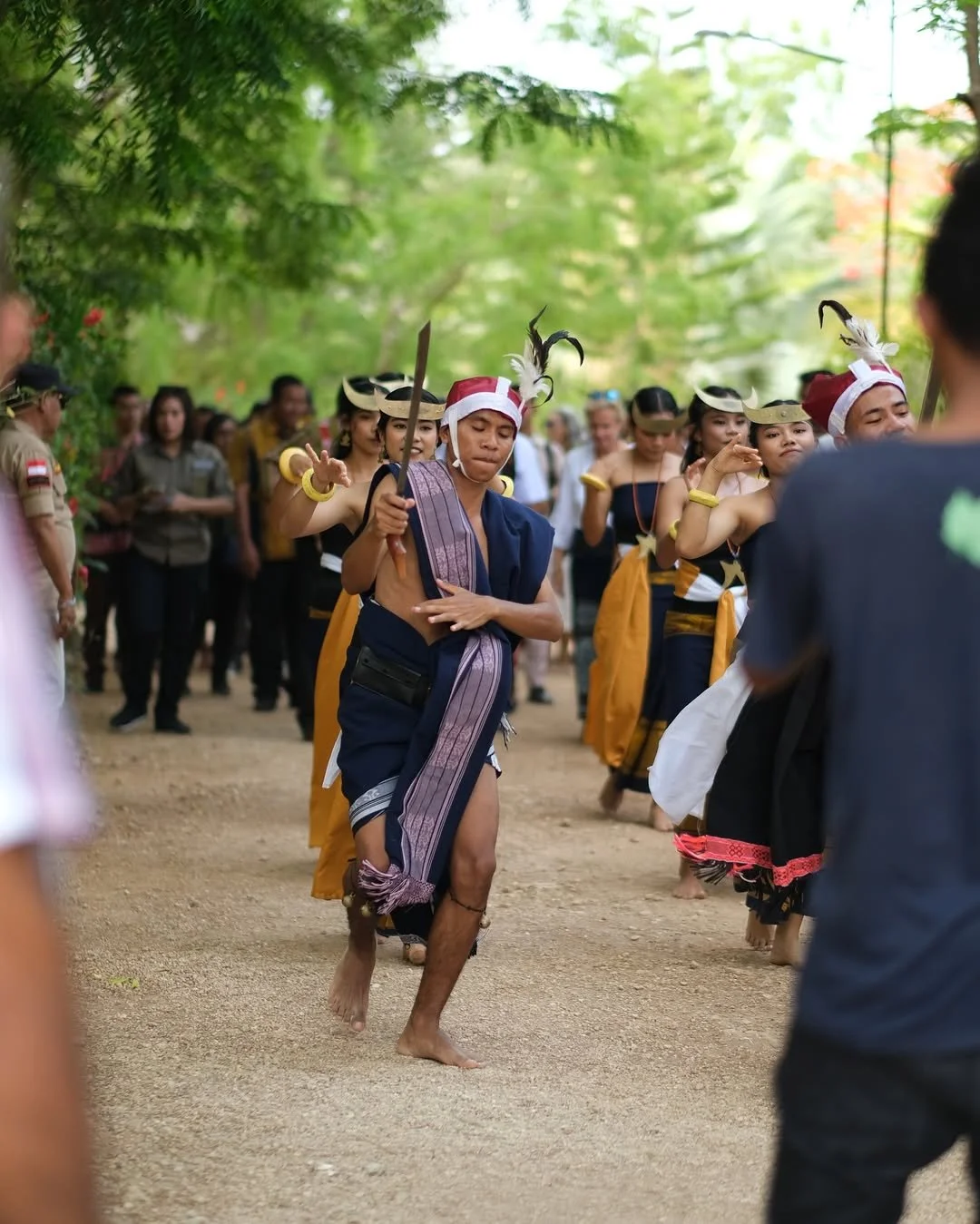
Left: Sumba’s megalithic village; Right: Sumbanese ceremony performance at a SHF graduation
All photos provided by Sumba Hospitality Foundation
If you know someone who deserves recognition as Asia’s Sustainable Travel Changemaker, please click on the link below to nominate your candidate or even yourself. Or you can also email us directly. Please read our privacy policy.
SELECTED FOR YOU

![[Exclusive] Sustainable Tourism Impact Fund: How Patient Capital Unlocks Investments Conventional Financing Overlooks](https://images.squarespace-cdn.com/content/v1/63f6cdbdc249663d72082ecd/1786501208510-5198Q2DTS0U08ZD8FRMS/Local%2BAlike%2B-%2B57.png)