Sustainable Tourism at the Edge: What These Two Remote Luxury Resorts Get Right

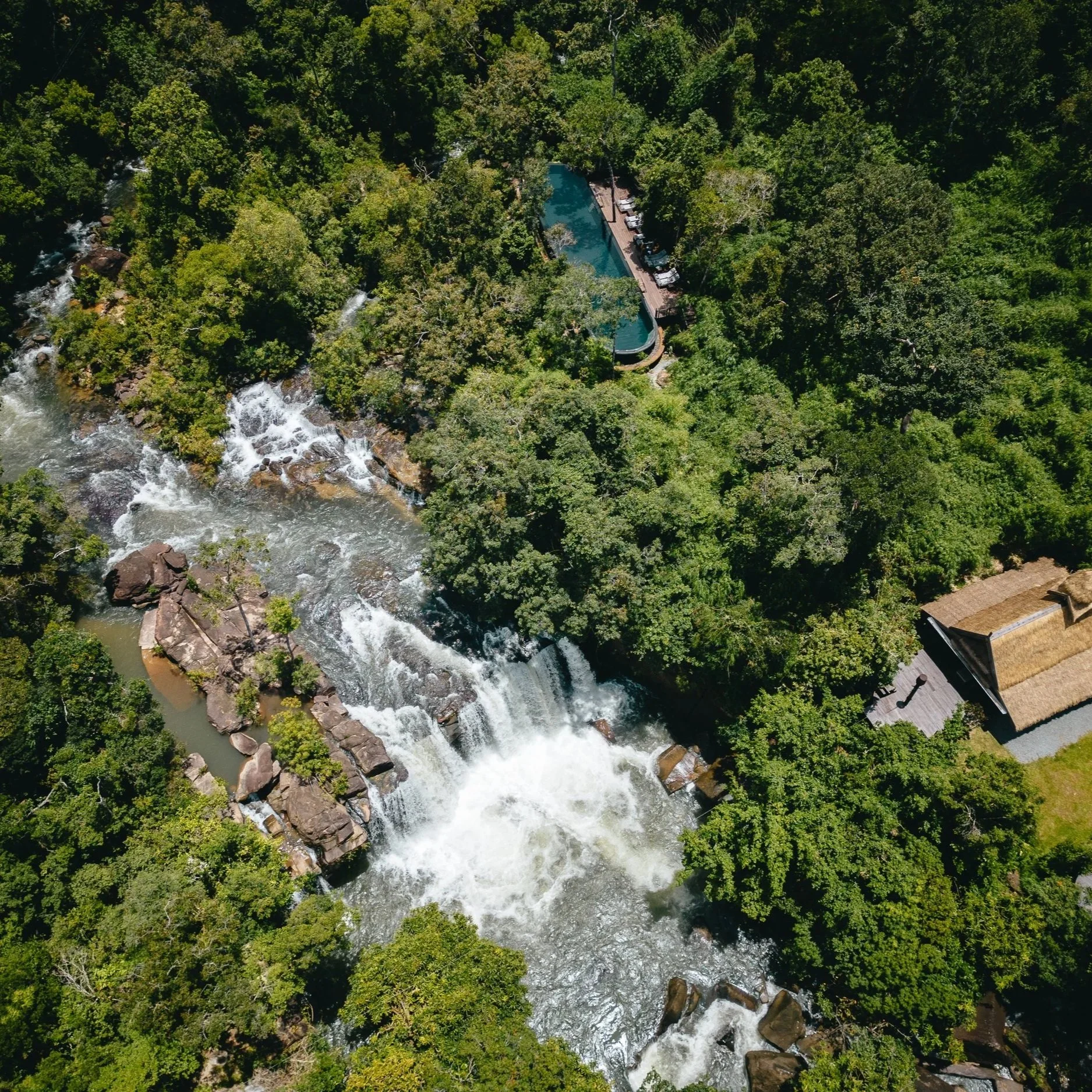
Zannier Bai San Ho. Photo by property.
Across Asia, tourism growth is entering a more selective and consequential phase. As overtourism pressures intensify in established hubs, attention is shifting toward peripheral regions — places with cultural and environmental heritage, yet previously excluded from mainstream circuits.
In these places, the question is no longer whether tourism should arrive, but how it arrives, at what pace, and under whose terms. This notion of overtourism versus under-tourism was discussed at length in a recent AST Webinar.
Two independent resorts — Cap Karoso in Indonesia and Zannier Bãi San Hô in Vietnam — offer a compelling response. Through deliberate design, deep local partnerships, and disciplined restraint, they demonstrate how hospitality can create economic value while protecting the very places that make it possible.
Together, they point to a future for Asian tourism that is smaller in footprint, but far more consequential in impact.
Cap Karoso: Celebrating Cultural and Ecological Assets
Reaching Cap Karoso requires a traveler to be intentional. Most international guests travel via Bali, then continue southeast to Sumba. But that remoteness is the point. On an island long overlooked by Indonesia’s mass tourism engine, distance protects Sumba’s rhythm of life. The resort was designed to honor it.
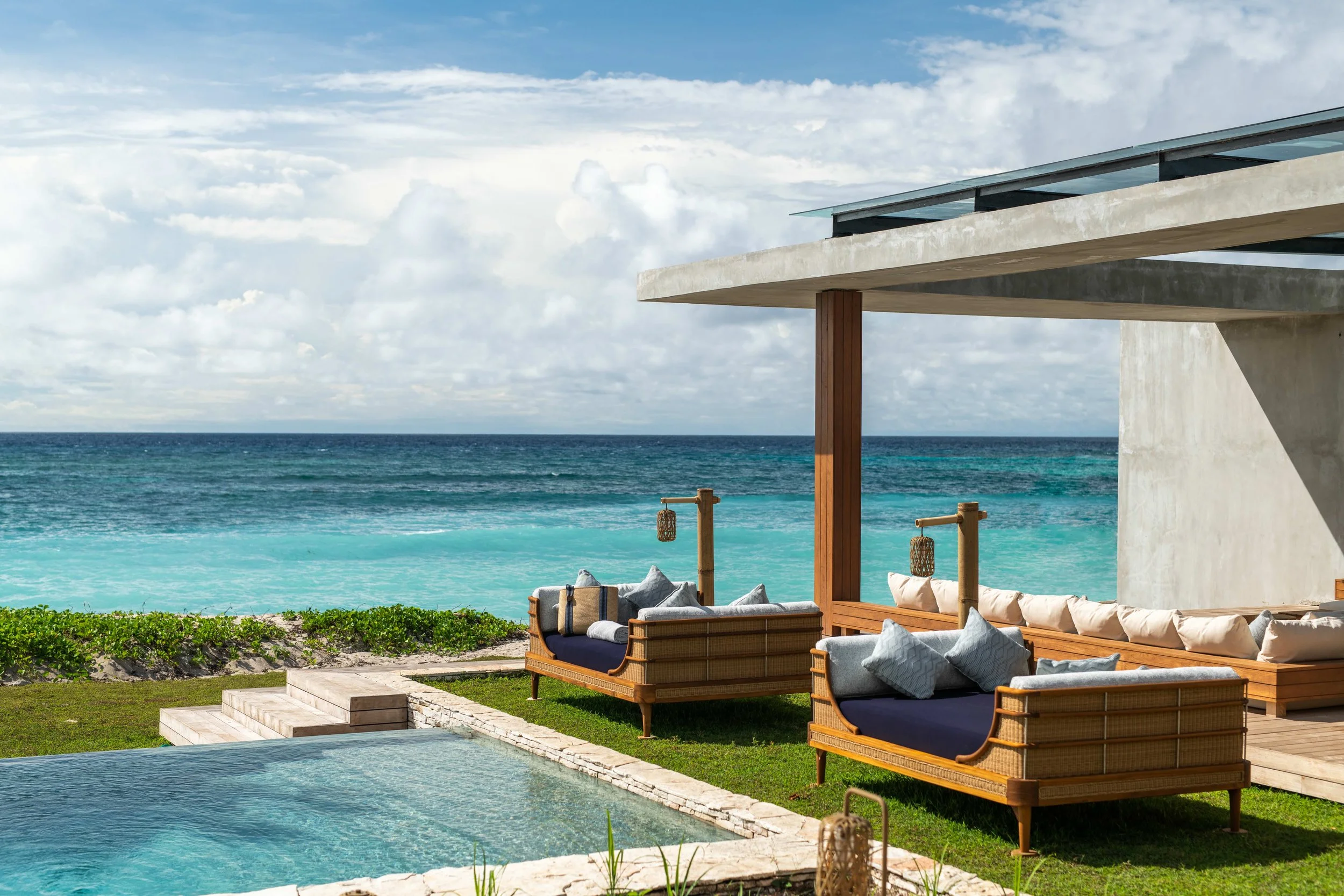


Photos by Cap Karoso
Sumba’s physical geography sets it apart from much of the Indonesian archipelago. As an Australian continental fragment that drifted north, the island does not have majestic volcanoes and dramatic mountain ranges. The landscape remains the real protagonist: wide savannahs, rugged limestone shores, and white sand beaches that still outnumber hotel pools by far. Its cultural geography is even more distinctive. Sumba is home to Marapu belief systems, ancestral villages, and megalithic tombs that structure daily life and ritual.

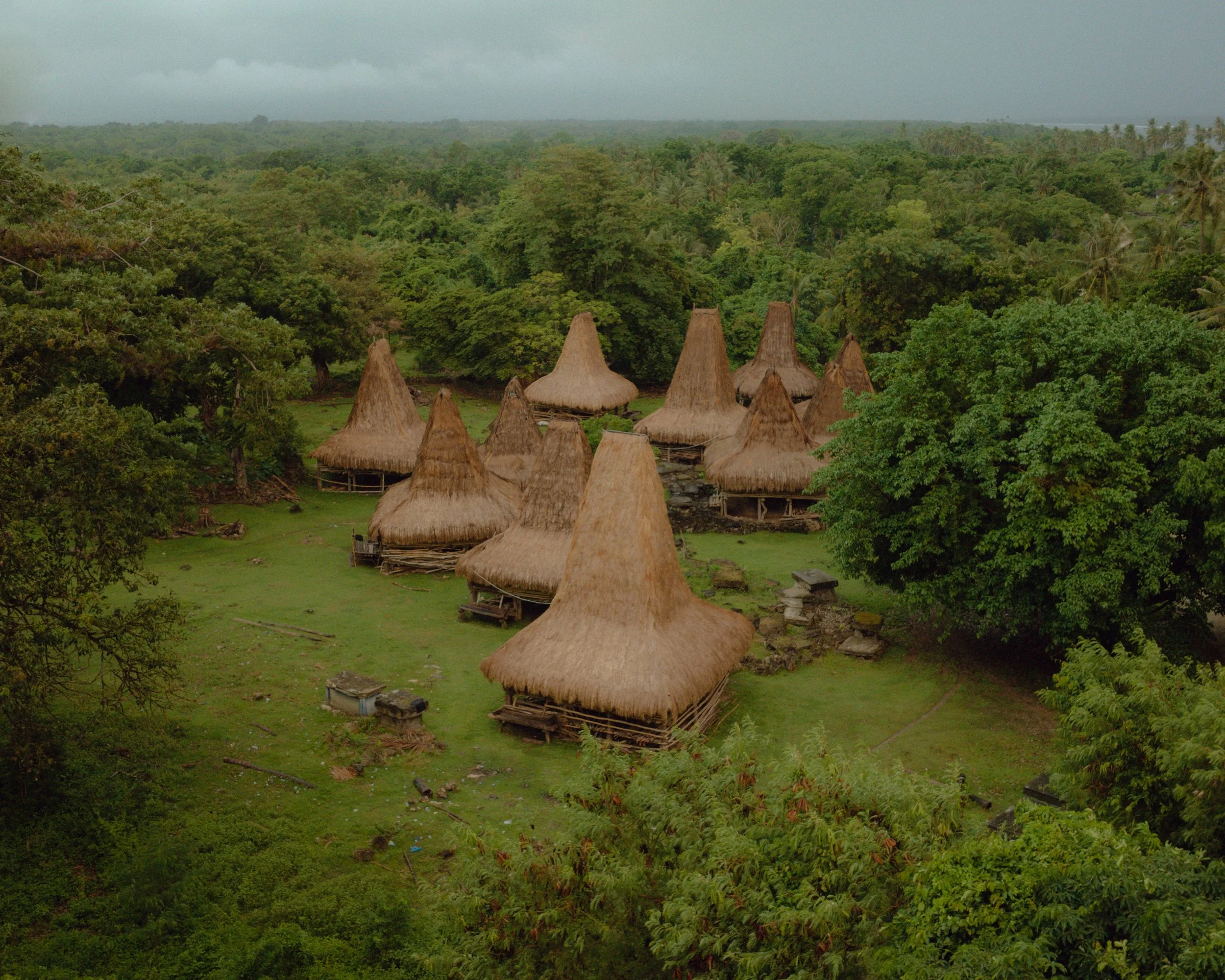

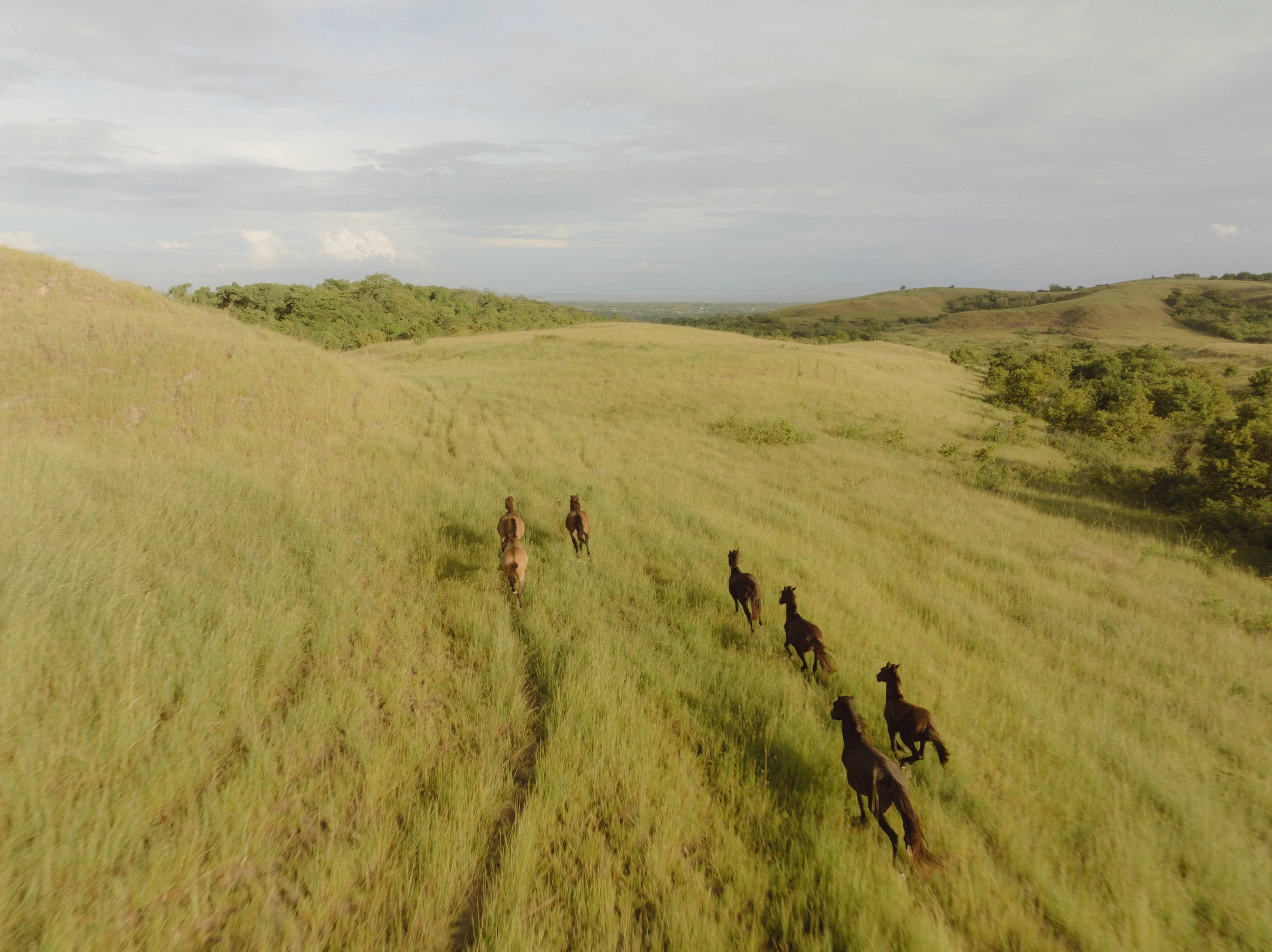

Photos by Cap Karoso
Earning Local Trust
Founders Evguenia and Fabrice Ivara wanted to prove that remoteness and refinement can coexist without losing the authenticity of place.
Before construction began, the founders spent years consulting with neighboring villages. This included seeking formal blessings from village elders, participating in rituals, and hosting two large ceremonies. The second ceremony was attended by more than 600 local residents. In this unique cultural context, these ceremonies provided the Ivaras with the social license to operate the resort.
That community bond now defines daily life at the resort. About 90 percent of its staff come from nearby villages, most of whom are trained through the Sumba Hospitality Foundation. No walls or gates are separating Cap Karoso from its neighbors. Employment has become an anchor, allowing young Sumbanese to stay home instead of migrating to other Indonesian islands for work.
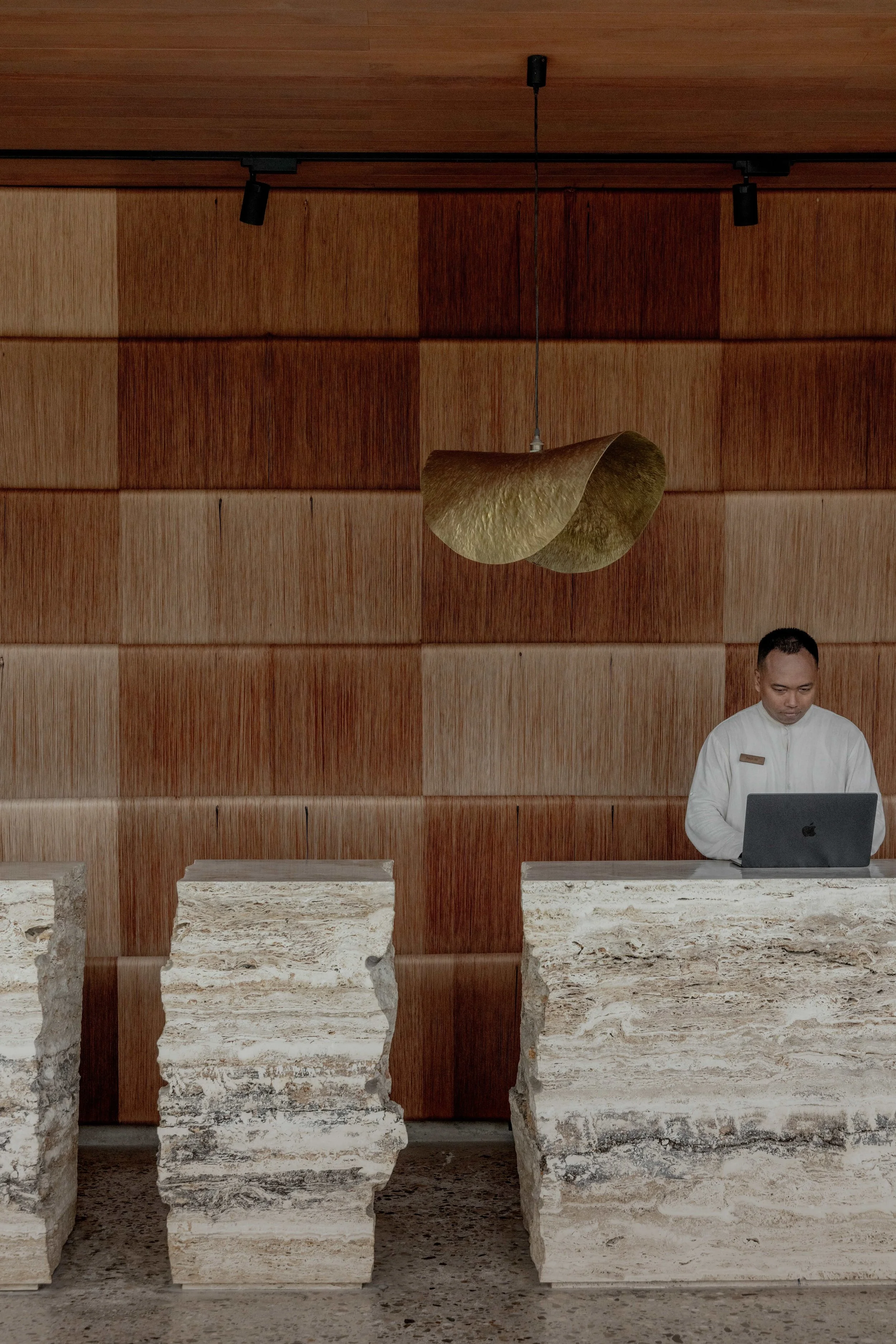

Photos by Cap Karoso
Guest Experience Centered on Discovery
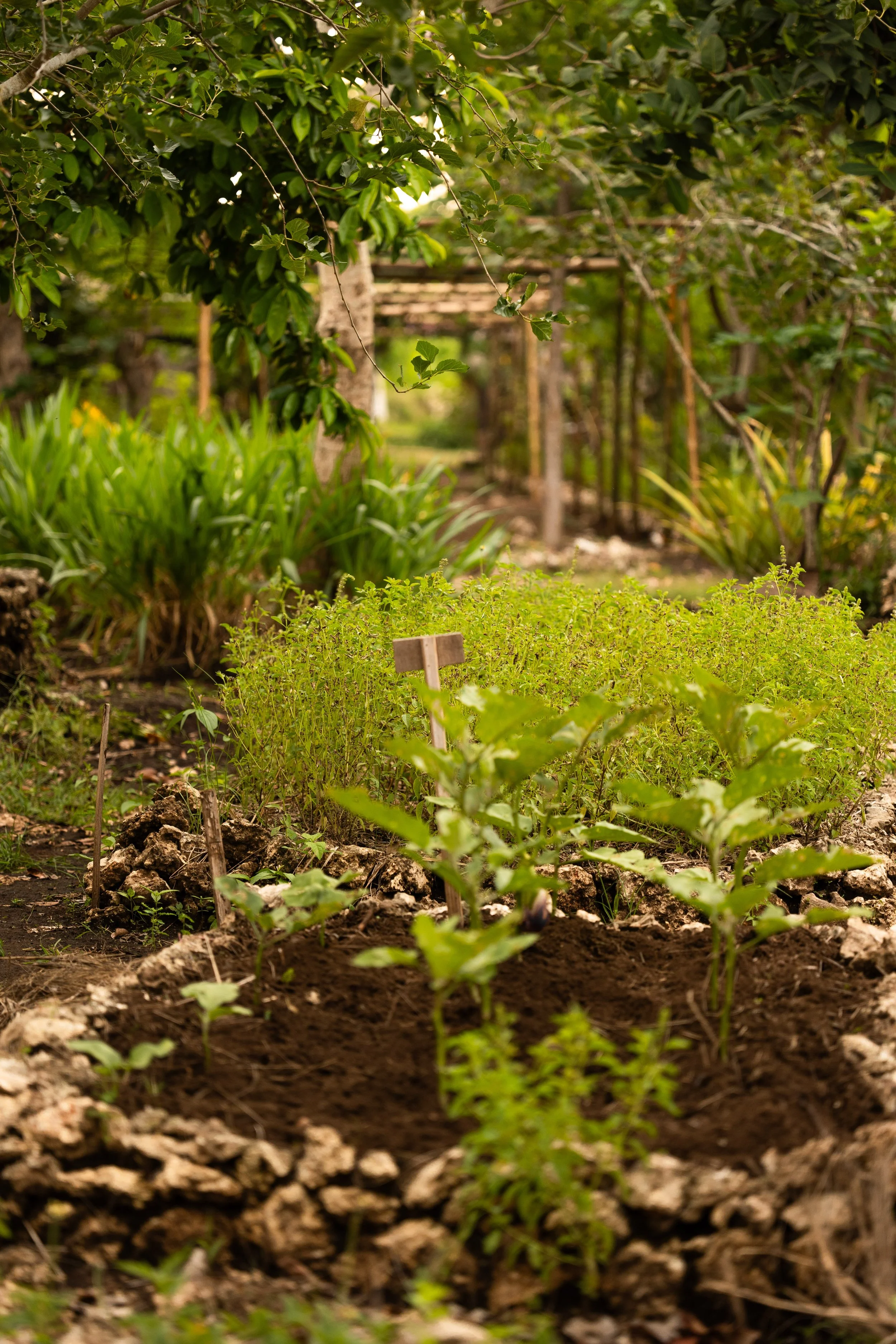
Guests, too, are invited into this shared rhythm. Instead of polished itineraries, they receive paper maps and the freedom to explore. They bike to traditional villages, swim in quiet lagoons, or join farming classes at the resort’s three-hectare organic farm — a project that’s as much about food security as it is about cuisine.
What began as dry, rocky soil now supports vegetables, herbs, and fruit trees, sustained by compost from the resort’s buffalo and an irrigation system that wastes almost nothing.
The farm doubles as a training ground, where locals and guests learn soil regeneration, plant propagation, and landscaping. It is both a classroom and kitchen supply chain — a simple but radical idea that tourism infrastructure can nourish the land it occupies.

Photos by Cap Karoso
Zannier Bãi San Hô: The Discipline of Small Footprint
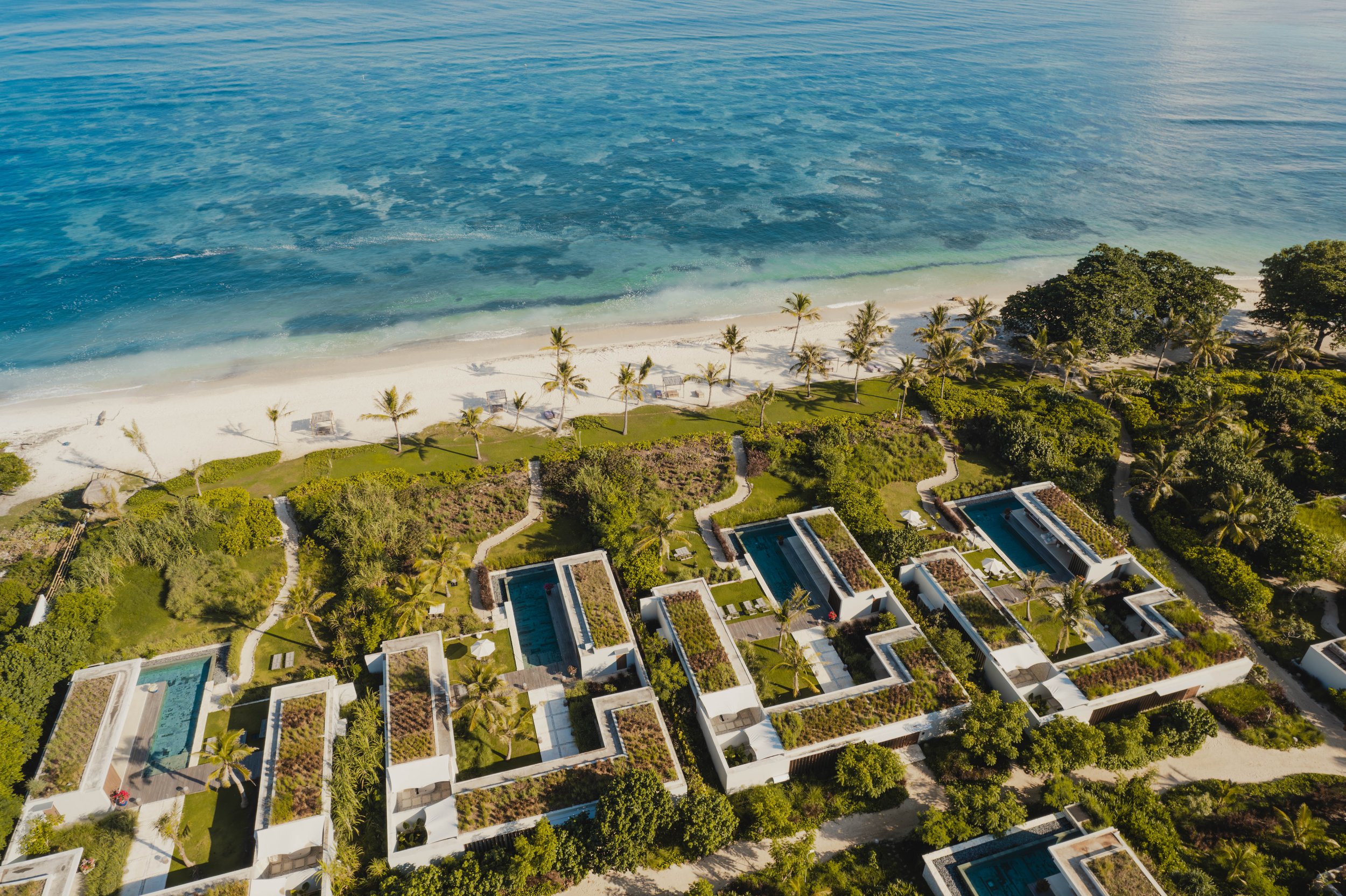
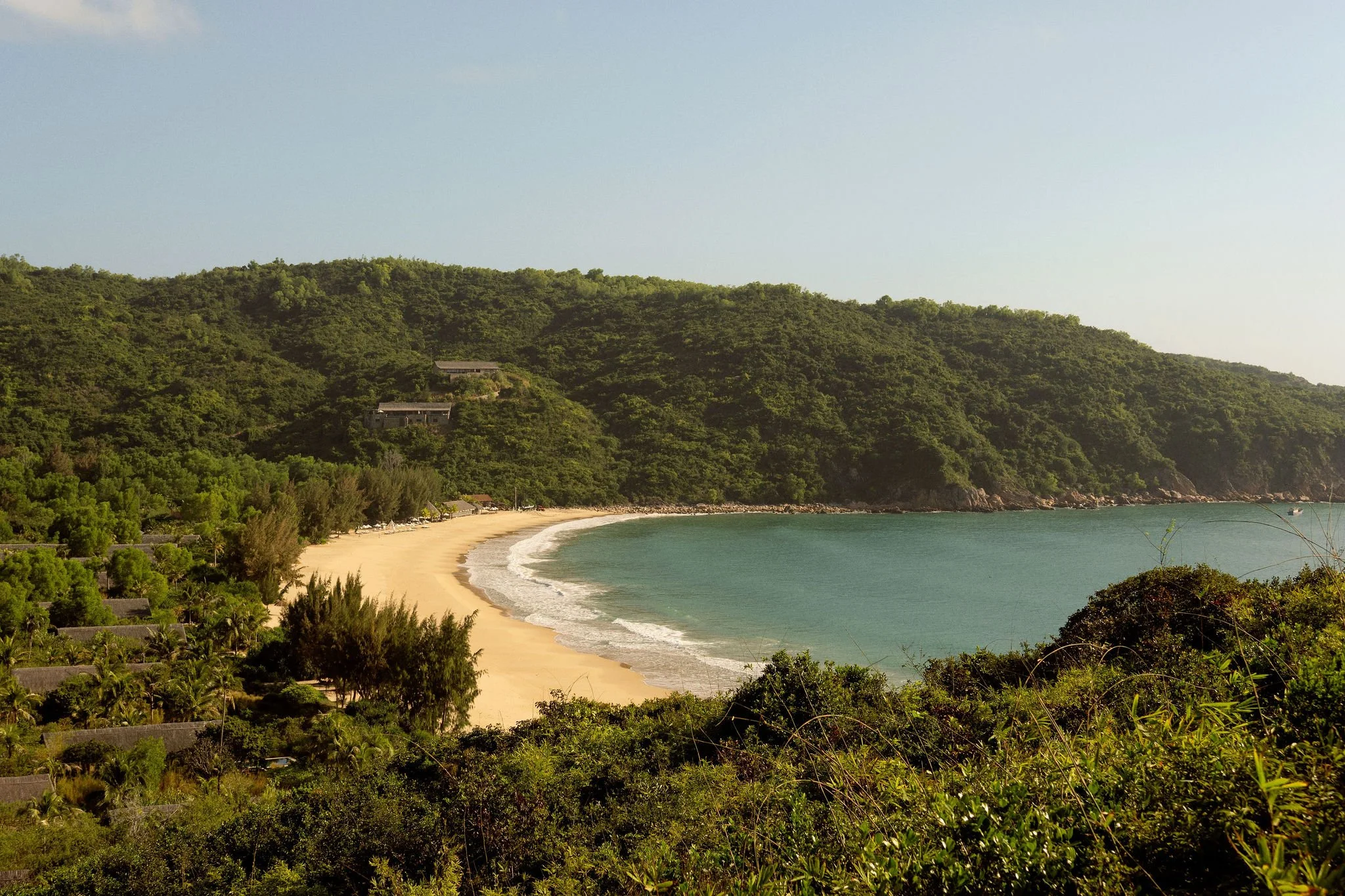
Located on a secluded peninsula in Phú Yên Province in Central Vietnam, the 98-hectare resort integrates ancient rice paddies, rolling hills, and a kilometer-long white-sand beach fronting a protected coral bay.
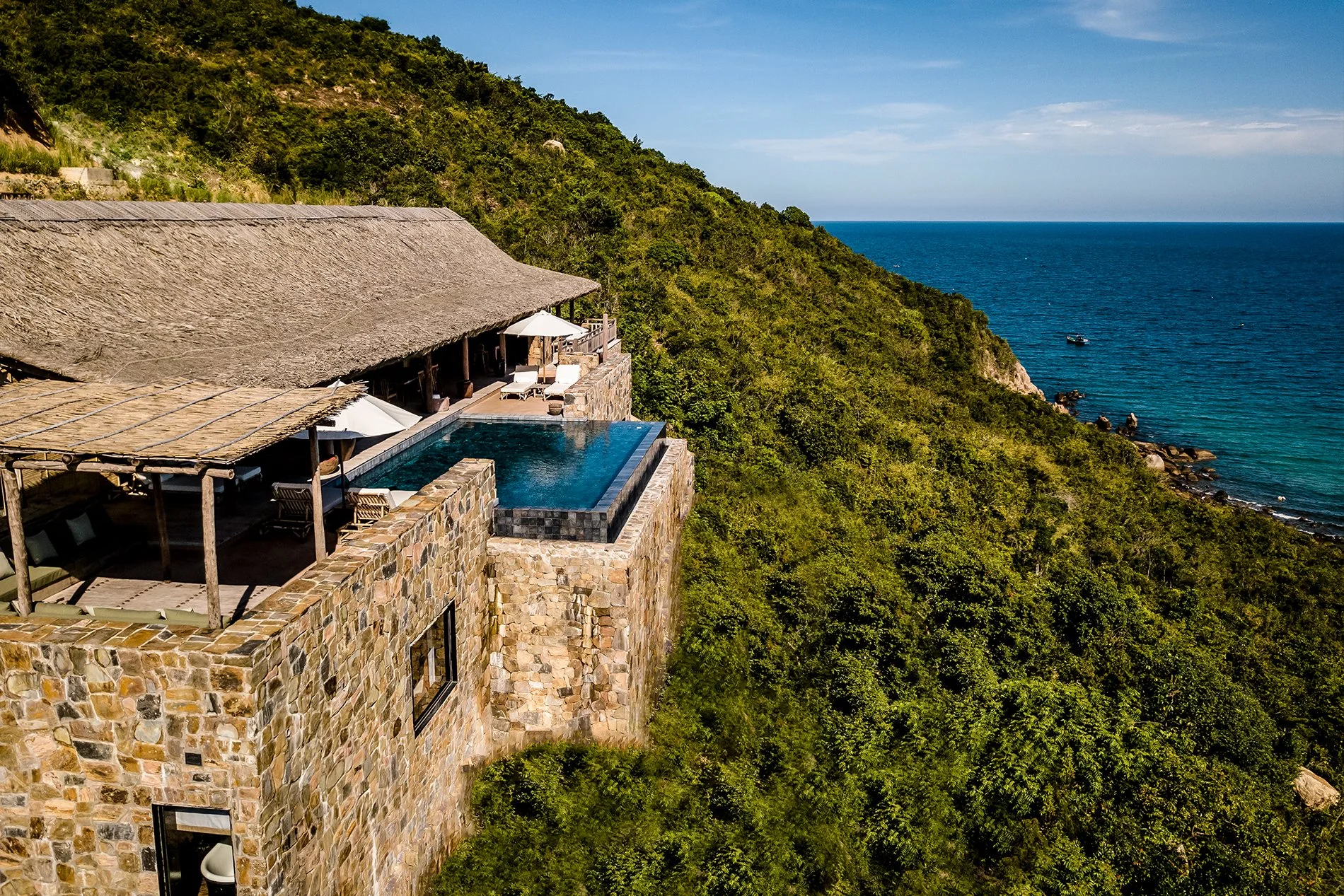
Zannier Bãi San Hô sits almost imperceptibly against the coastline. Its 98 hectares hold barely a trace of construction: around 3 percent of the grounds are built upon, and 97 percent remain cloaked in native vegetation. The resort seems less placed in nature than absorbed by it.


Photos by Zannier Bãi San Hô
Sustainability by Design
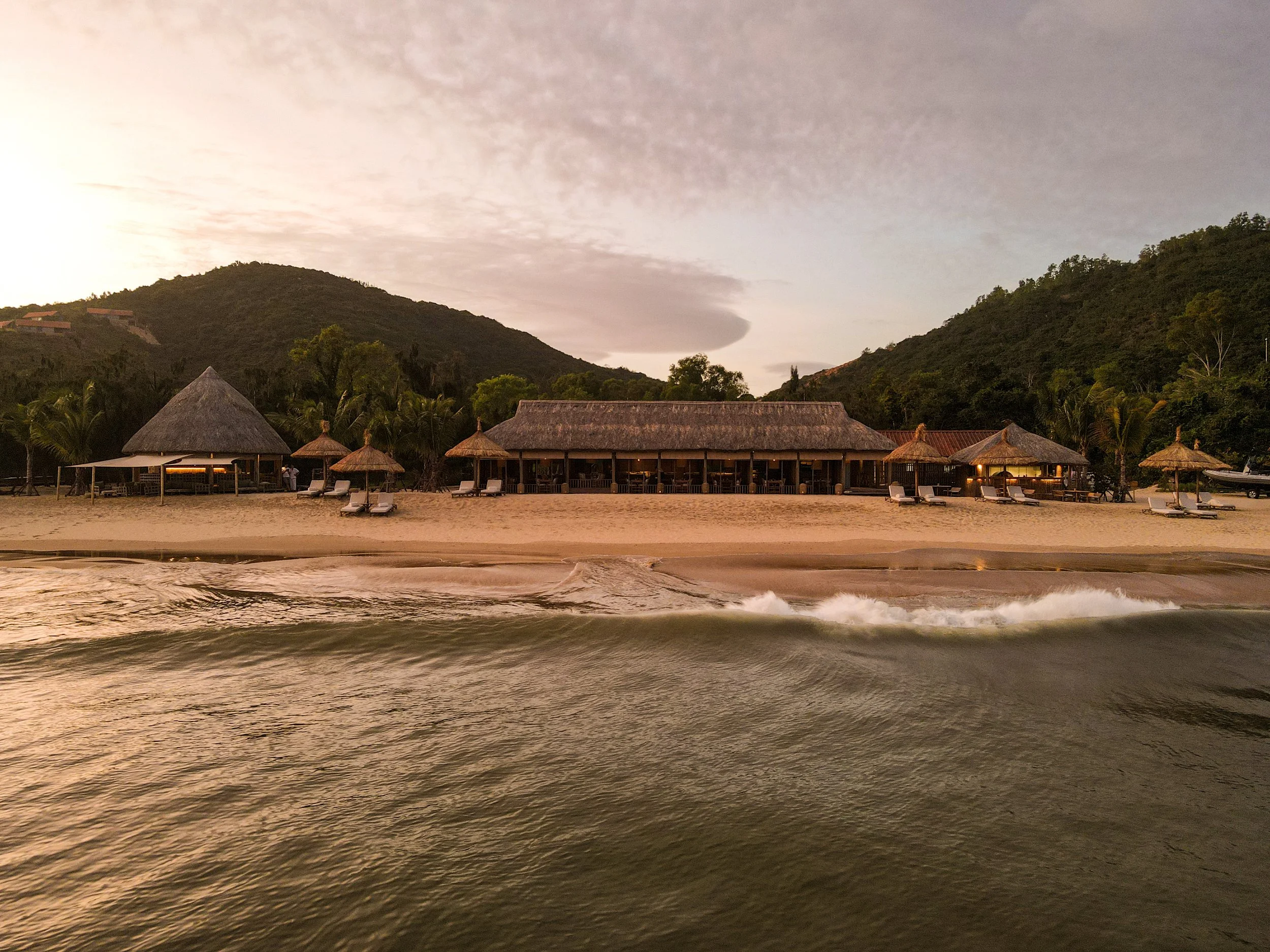
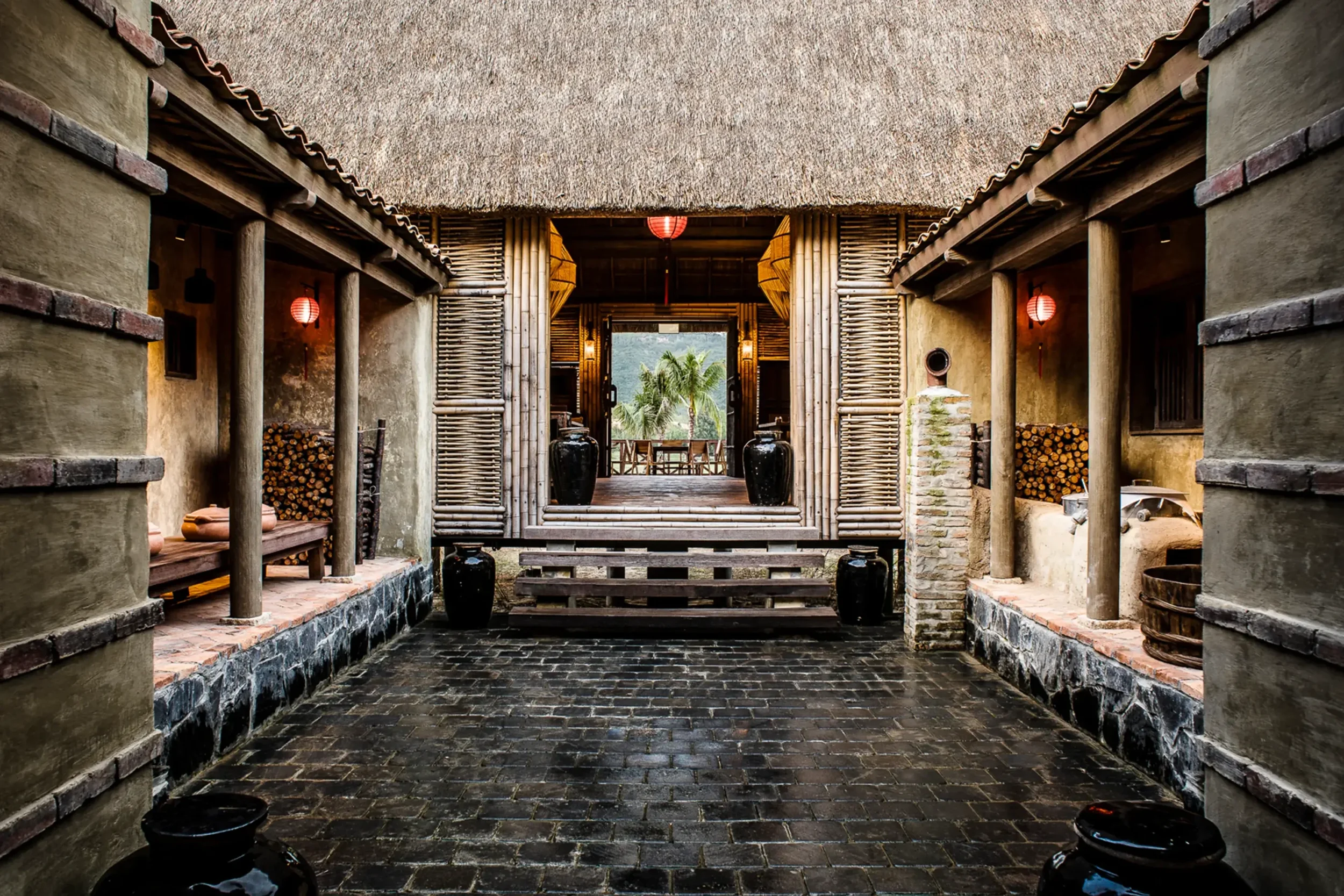
Villas balance on stilts above the terrain, nodding to the architecture of local fishing families and the stilt houses of the Êđê and Cham peoples. Reclaimed timber, palm roofs, and open-air corridors pull the breeze through, while the hills buffer sound and heat.
Zannier Bãi San Hô’s sustainability strategy is both comprehensive and quantifiable. The resort draws roughly 40 percent of its energy from 655 solar panels. Greywater is filtered and reused, waste is diverted through a thorough recycling system, and single-use plastics are replaced with corn husk and bamboo. Every policy, from procurement to power usage, maps back to a quantifiable goal. Green Globe certification, achieved in 2023, made those results official.

Photos by Zannier Bãi San Hô
Restoring Land and Sea
The environmental strategy extends from the hills to the sea.
On land, a plant nursery has cultivated tens of thousands of native species, used to restore six hectares of degraded soil and strengthen the site’s drought resilience. Offshore, a partnership with SASA Marine Animal Rescue has revived 63,000 square meters of coral reef, home to more than 40 coral species. Teams remove invasive starfish and reintroduce giant triton snails — a marine balancing act in which science and local knowledge align.
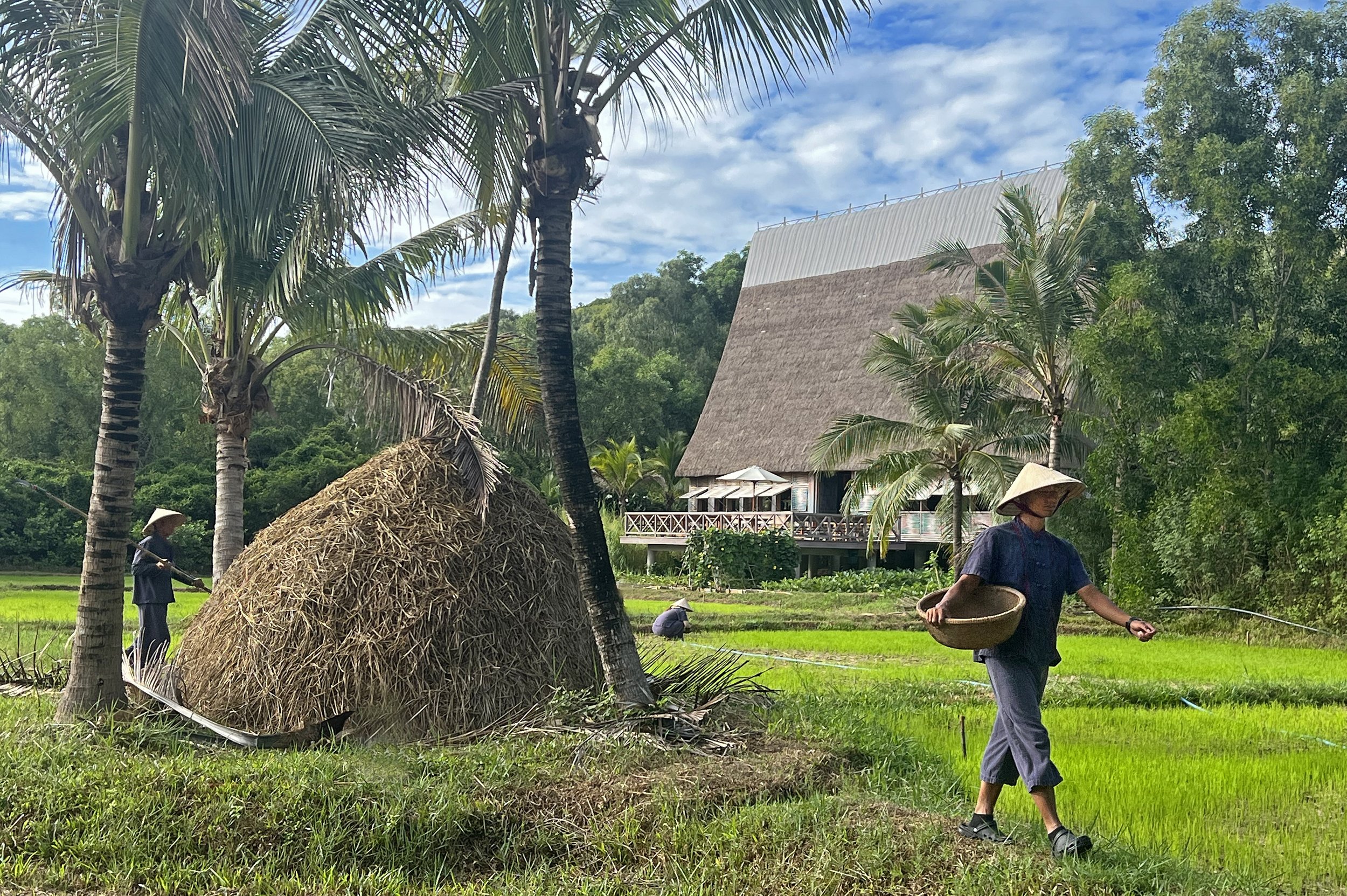
Agriculture threads quietly through the property. Eight hectares of rice paddies yield more than a ton per year, worked by local farmers who supply both the resort and surrounding villages. Twelve hectares of organic gardens fill kitchens with fresh produce, with plans underway for mushrooms, hydroponics, and small-scale livestock. These systems buffer the resort from global supply shocks but, more importantly, reconnect guests and staff to local food traditions.



Photos by Zannier Bãi San Hô
Strengthening Community Ties
Zannier Bãi San Hô frames community engagement as a core operational priority rather than a peripheral CSR function. The resort provides employment and continuous training for local residents, including language classes accessible to both team members and the wider community.
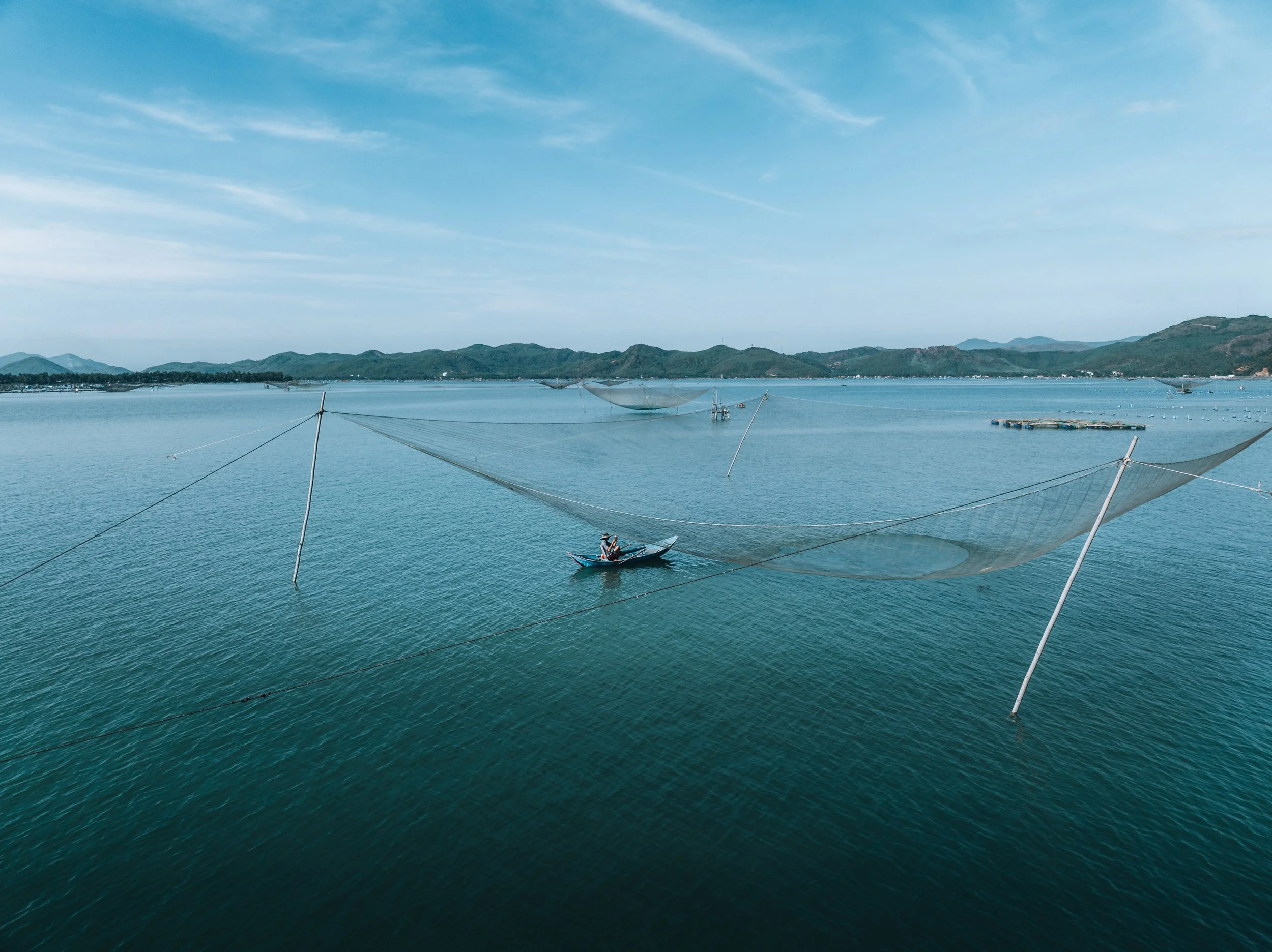
In 2023, the resort donated over two tons of rice to regional charities and supported traditional fishing practices and local craftsmanship to advance cultural continuity alongside economic participation.
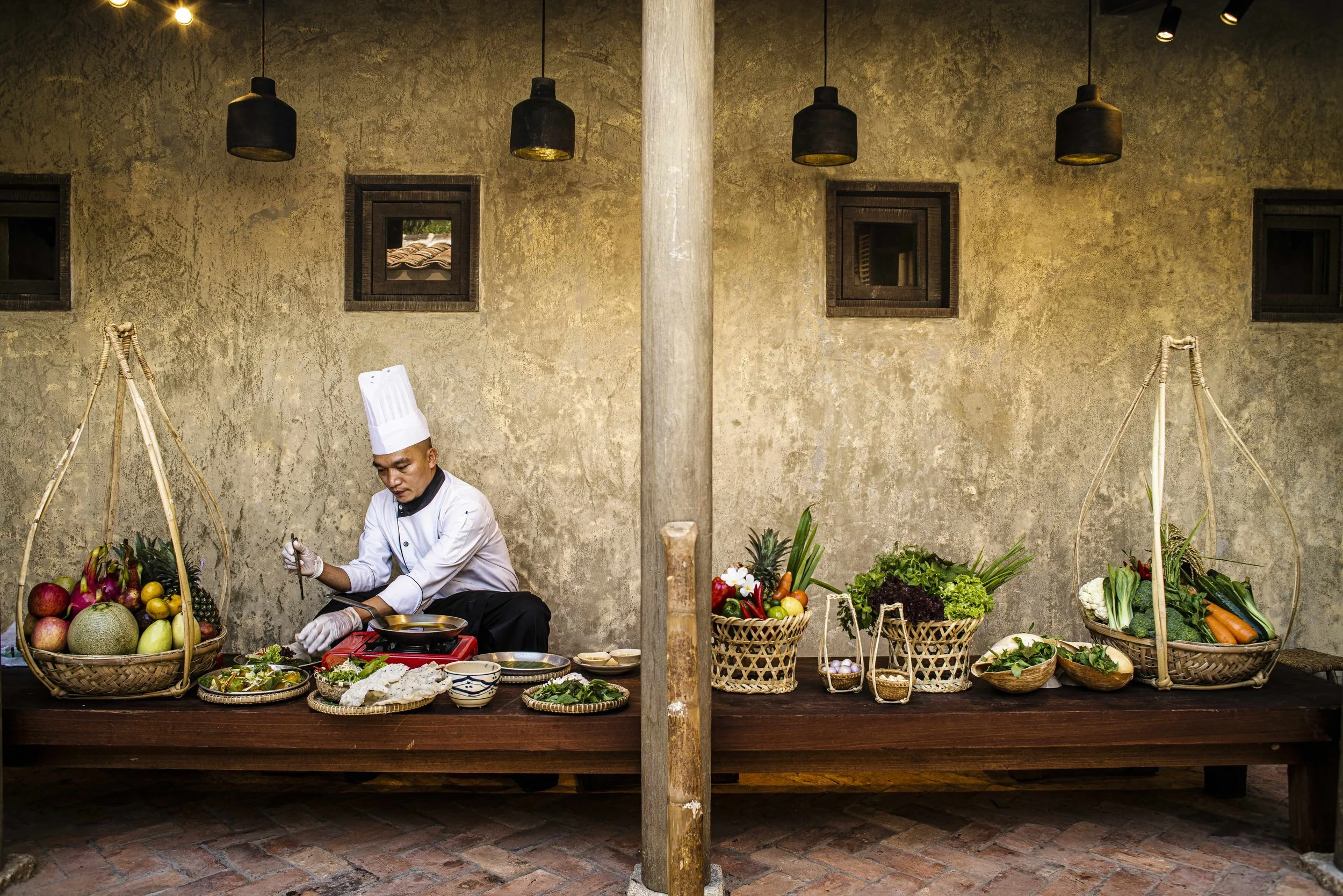
Its purchasing strategy, which sources 90 percent of its ingredients locally, keeps money within Phú Yên’s economy. Even simple choices, like serving regional seafood and rice grown on-site, become acts of preservation.
Due to Typhoon Kalmaegi and extensive floods in Central Vietnam at the end of 2025, Zannier Bãi San Hô has been undergoing refurbishment. The resort is reopening April 1, 2026.

Photos by Zannier Bãi San Hô
TL; DR: Asia’s Next Hospitality Blueprint
Cap Karoso and Zannier Bãi San Hô show how Asia’s hospitality future could look when ambition is matched with constraints and discipline.
Their success carries strategic lessons for a region standing at a crossroads.
First, anchor assets matter. This means that in remote regions, well-conceived hospitality projects can serve as both magnet and multiplier – attracting attention, investment, and skills that ripple through the wider economy.
Second, less is more. Low-density, low-impact design is not a sacrifice; it is a selling point. In a crowded market of overbuilt resorts, restraint becomes a competitive edge. Projects that keep nature and culture visible harness scarcity as part of their value proposition.
Third, culture thrives through participation. Traditions endure when communities have reason to stay: when jobs, education, and dignity are close to home. In Sumba and Phú Yên, tourism has become an anchor against outmigration and economic stability allows for local cultural preservation.
And finally, sustainability must be operational, not ornamental. Farms, solar fields, waste systems, and training programs are not just credentials. They are the new infrastructure of resilience. They cushion brands against global volatility, from climate shocks to supply-chain disruptions, proving that responsibility and profitability can evolve together.

![[Exclusive] Sustainable Tourism Impact Fund: How Patient Capital Unlocks Investments Conventional Financing Overlooks](https://images.squarespace-cdn.com/content/v1/63f6cdbdc249663d72082ecd/1786501208510-5198Q2DTS0U08ZD8FRMS/Local%2BAlike%2B-%2B57.png)