
Can These Two Regenerative Hospitality Models Fix The Industry? Lessons from Zero Foodprint Asia and Ngalung Kalla
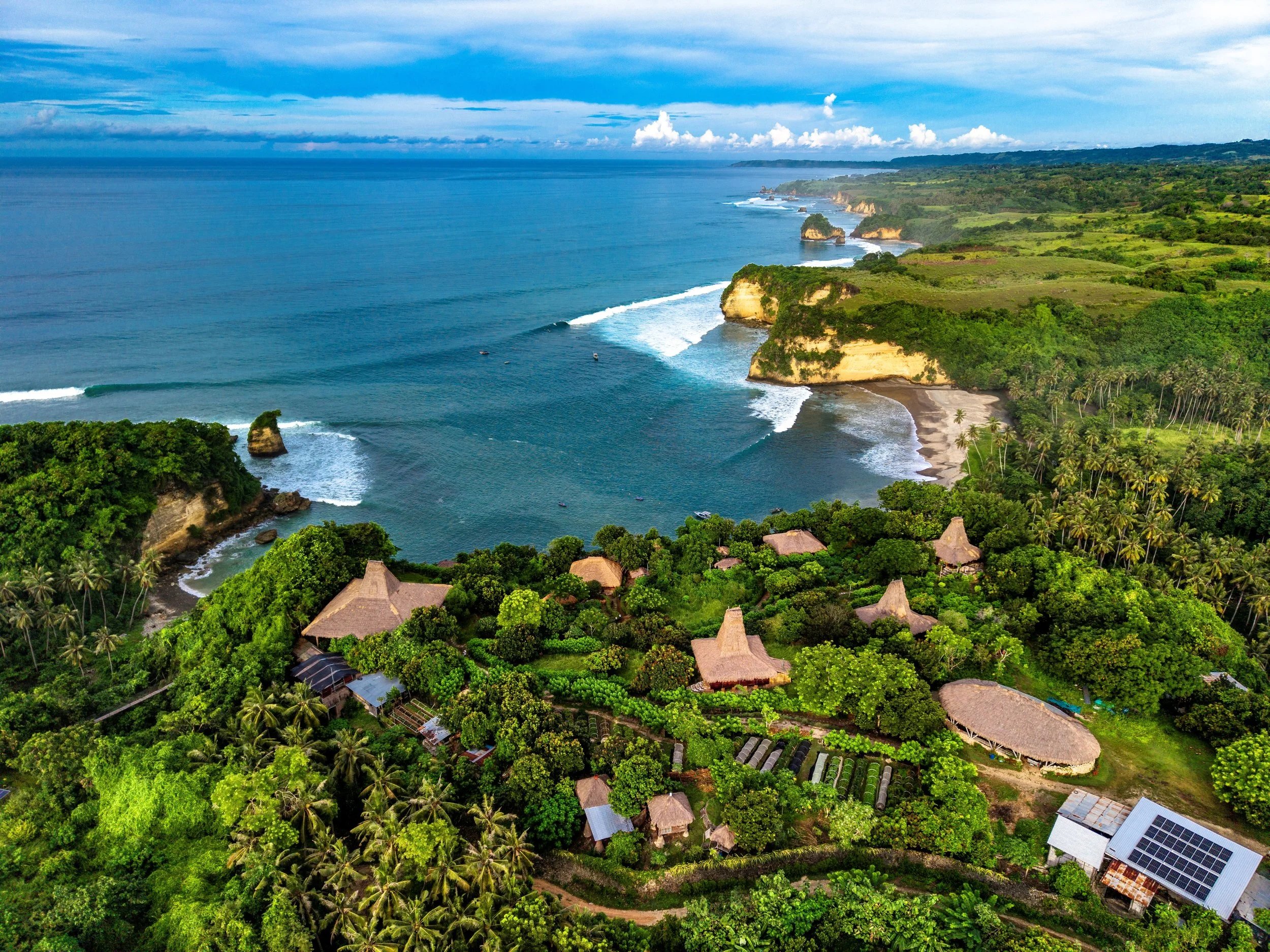
Ngalung Kalla on the island of Sumba
In Asian hospitality, sustainability and regeneration may often be discussed as though they must fit into a single model.
But the realities of the region tell a different story. A city hotel in Hong Kong, a regenerative retreat in Sumba, and a mountain resort in Nepal are not solving the same problems in the same way. What they share is a common challenge: how to move beyond “less harm” and toward something more enduring, more embedded, and more regenerative.
For this story, Asia Sustainable Travel spoke directly with Peggy Chan and Christian Sea, two hospitality changemakers working at opposite ends of the spectrum yet pushing toward the same goal. Their insights reveal why the future of sustainable hospitality in Asia will not be built through a single formula, but through multiple, complementary models.
Peggy, the executive director of Zero Foodprint Asia and the inaugural winner of the Champions of Change Award, as part of Asia’s 50 Best Restaurants 2026, has helped reshape the conversation around food systems by turning guest spending into a financing mechanism for regenerative agriculture.
Christian, co-founder of Ngalung Kalla in Sumba, has built a retreat that treats land, staff, food, and community as one integrated ecosystem, and now extends that philosophy through Permaculture Sumba, the retreat’s sister education platform.
Drawing on our conversations with both Peggy and Christian, this article examines how one model leverages capital across the value chain, while the other illustrates what regeneration looks like in practice. Their approaches are radically different, but they are not in conflict with each other. They reveal that there is no single path to pursue sustainability and regeneration in hospitality. There are many.
Zero Foodprint Asia: Shifting the Focus from Procurement to Financing
Peggy did not arrive at Zero Foodprint Asia because she wanted to build another sustainability program. She arrived there because she understood the limits of individual action.
For years, as a chef, she had worked with farmers and sourced organic ingredients. The work felt meaningful, but she kept running into the same wall. “We were essentially creating islands of better practice,” she says. “Supporting a handful of farmers while the broader system remained unchanged and, in many cases, continued to degrade soil, increase chemical dependence, and accelerate climate risk.”
The subsequent realization was clarifying. If the hospitality industry relied solely on conscious purchasing, the pace of change would never be fast enough. “The economics simply did not work for most farmers to transition without external support,” she says. A different kind of intervention was needed — one that changed the financial conditions that shaped how food was grown in the first place.
“So the inversion to ‘table-to-farm’ came from asking a different question,” Peggy says. “What if every meal could become a mechanism for change, not just a reflection of it?”
Zero Foodprint Asia’s model is built on that premise. Participating hotels and restaurants are asked to dedicate 1 percent of their sales to a pooled fund, called the Restore Grant, which helps farmers transition to regenerative practices such as composting and crop revitalization. To date, the organization has channeled more than HKD 8 million into farming projects across Asia. The simplest way Peggy explains it to partners is this: “Instead of waiting for the supply chain to become sustainable, you invest in making it sustainable.”
That inversion matters more than it might first appear. It moves sustainability “from procurement decision to a financing mechanism”, from the kitchen to the farmgate, and from a brand claim to a structural commitment. Asia’s 50 Best Restaurants recognized that contribution in January 2026 with the inaugural Champions of Change Award, an accolade that honors people making a meaningful impact on hospitality.
For the awards community to confer its first such honor on a systems architect rather than a chef is itself a signal: the region’s food and hospitality sector is beginning to understand that transformation requires more than great cooking. It requires reconfiguring the value chain to make it happen.

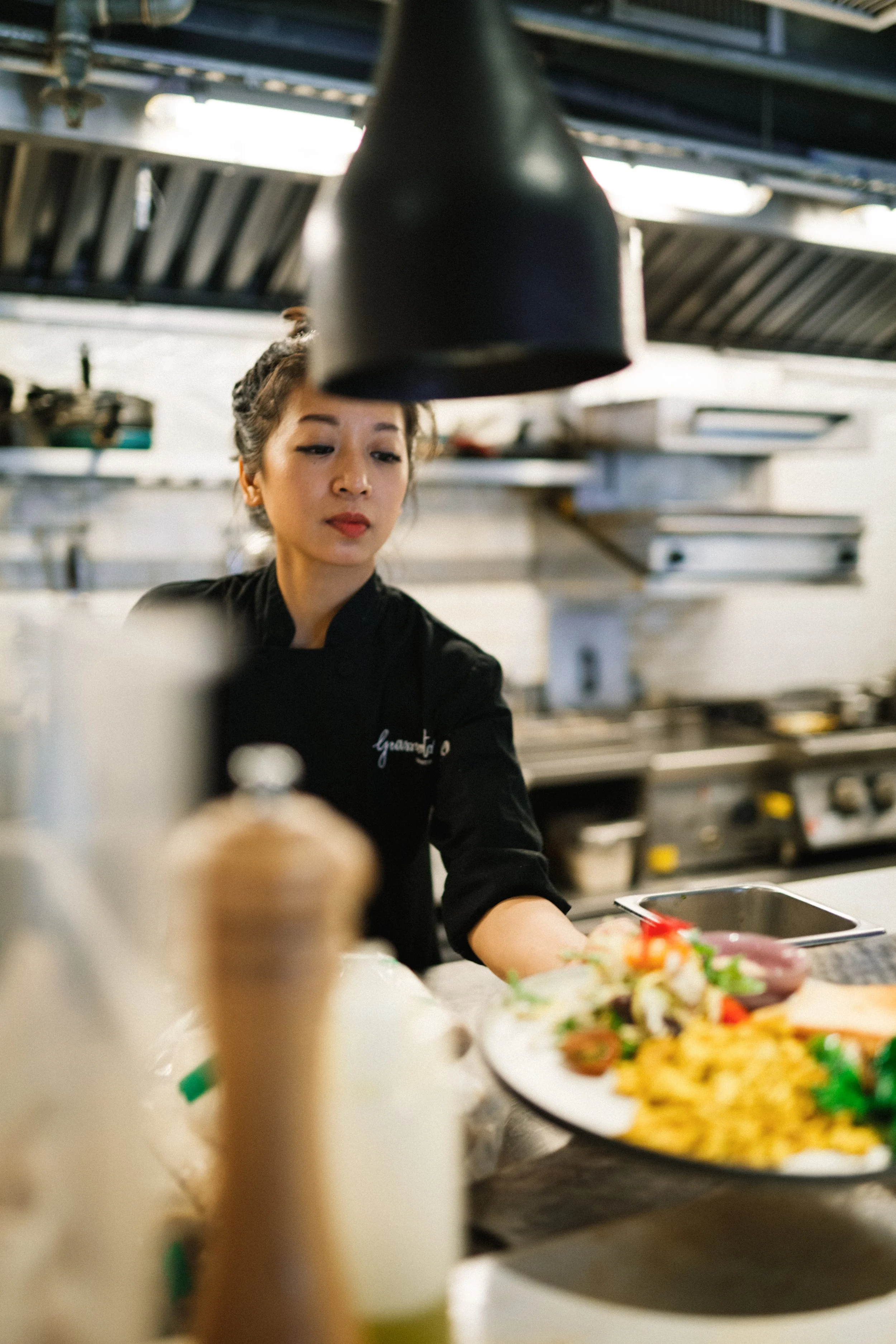

Peggy Chan, the inaugural winner of the Champions of Change Award, as part of Asia’s 50 Best Restaurants 2026
The Discipline Behind the Table-to-Farm Model
What makes Peggy’s approach compelling is not just the idea. It is the discipline and conviction required to carry it out.
In the early stages of Zero Foodprint Asia, there was a temptation to become something more visible: a direct connector between farms and restaurants, a kind of cooperative intermediary that might make the model more tangible for partners. In practice, that approach would have pulled the organization downstream — into logistics, procurement, and supplier relationships — and away from the upstream systems change it was designed to create.
“It blurred our role and diluted our message,” Peggy says. “We found ourselves acting like a supplier. More importantly, it shifted focus downstream, into logistics and procurement, rather than upstream, where the real systemic change is needed.”
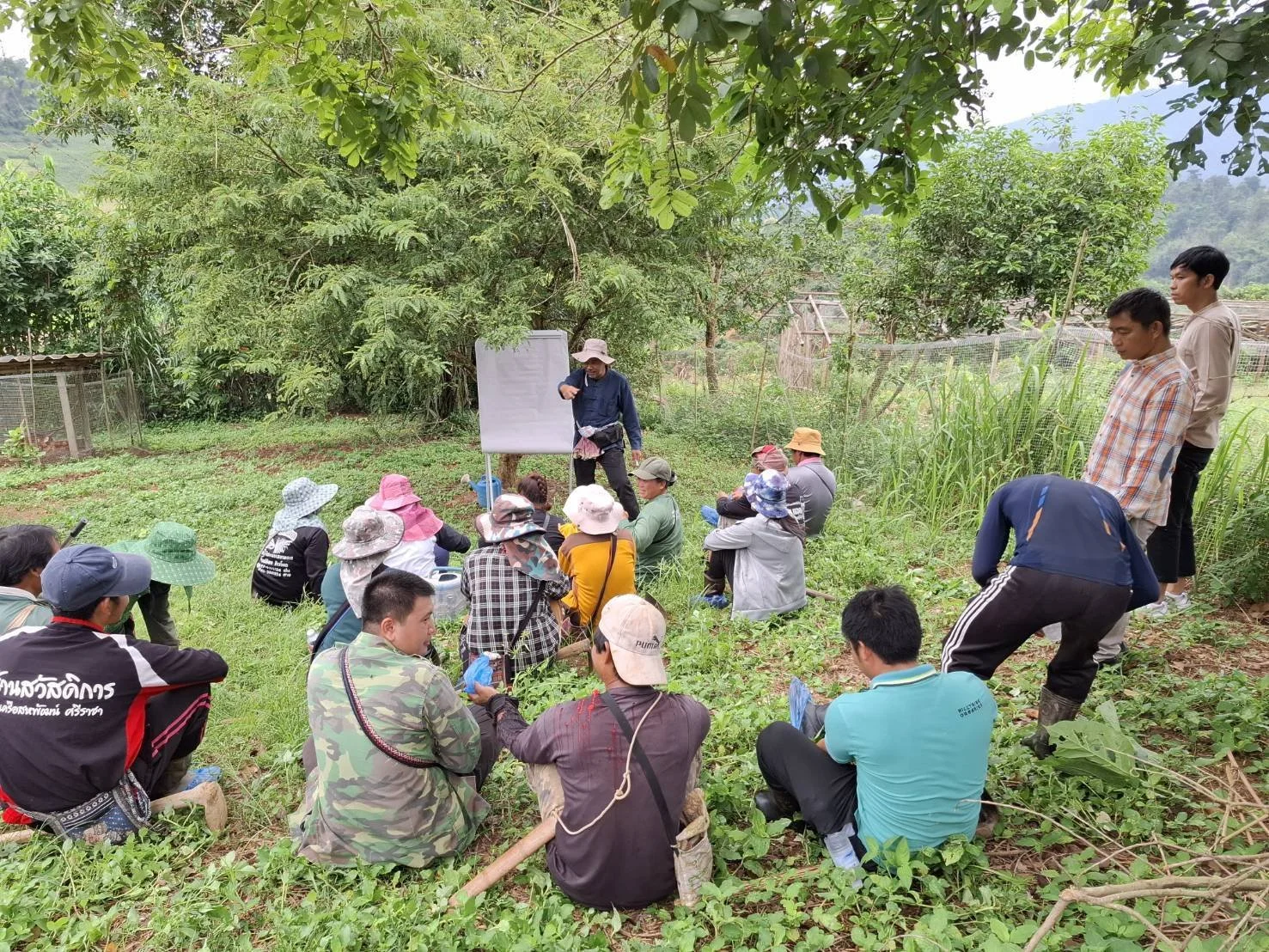
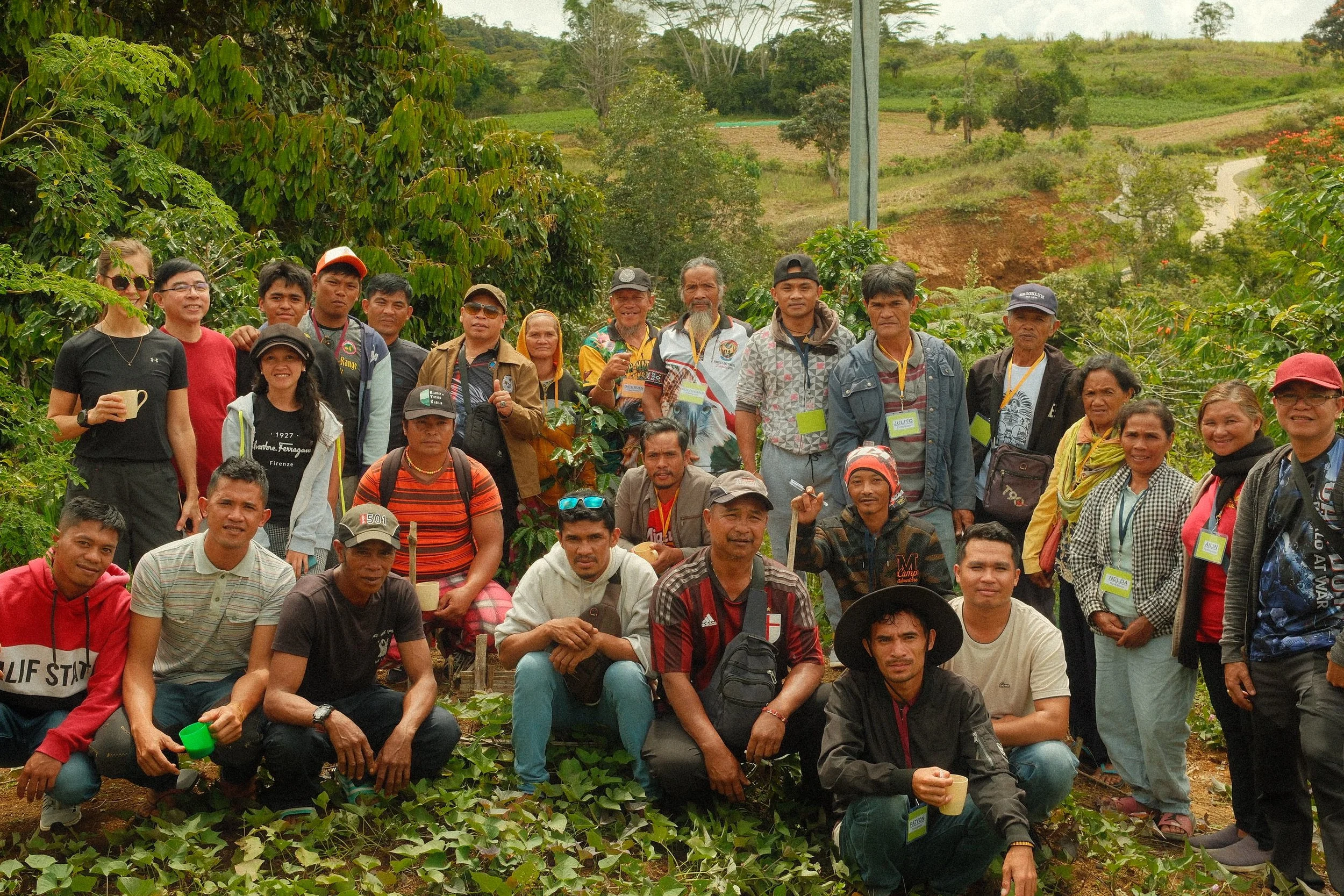
For hotel leaders, this is where the ZFPA model becomes genuinely instructive. It offers a way to move sustainability out of the CSR silo and into core business strategy, but only if the organization commits to it with intention. The Hyatt hotels in Hong Kong provide a clear example: their 1 percent restaurant pledges have funded regenerative projects in Wawee Valley in Rai, northern Thailand, and Bukidnon in the Philippines turning guest spend into multi-year investment in soil health, farmer livelihoods, and climate resilience.
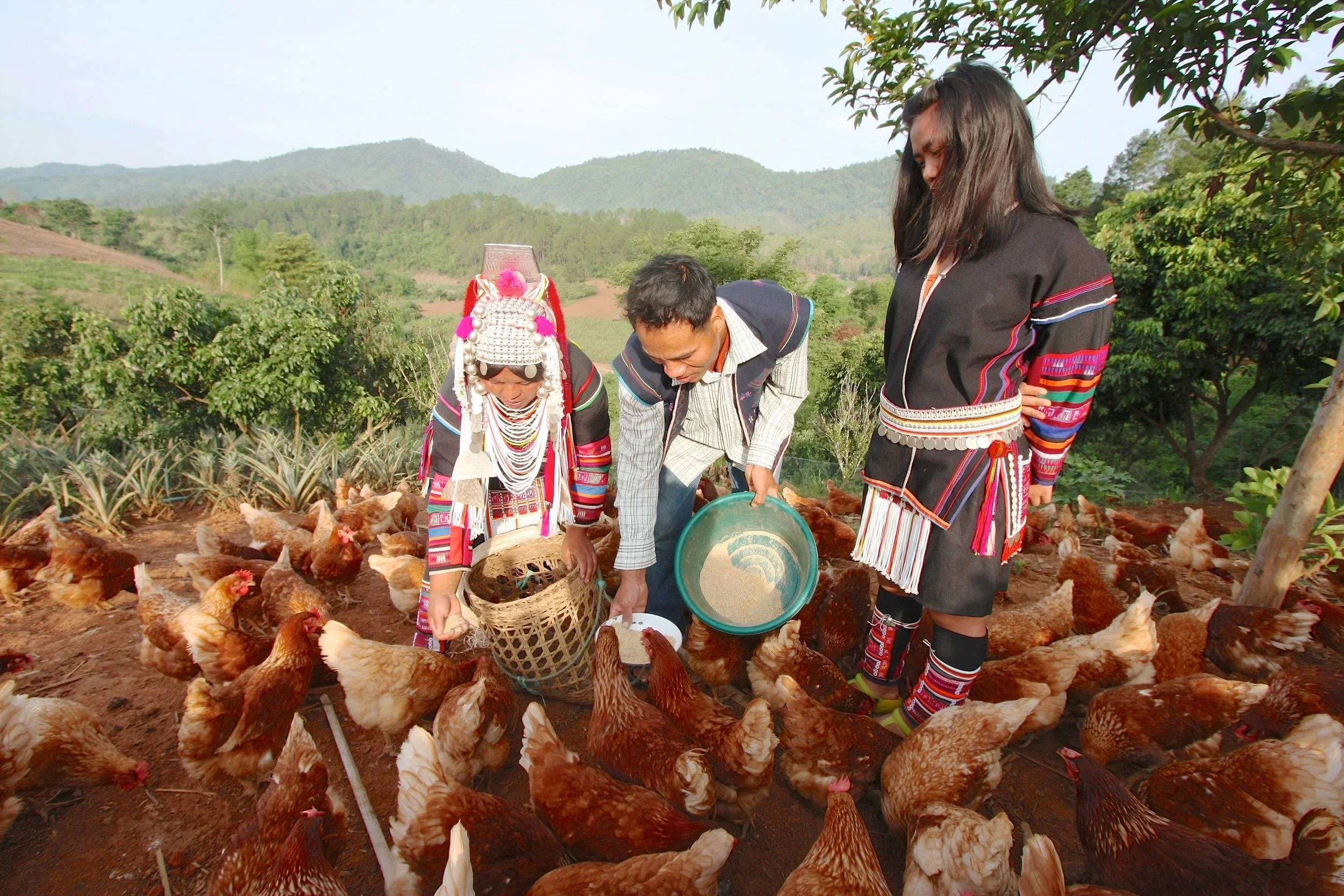
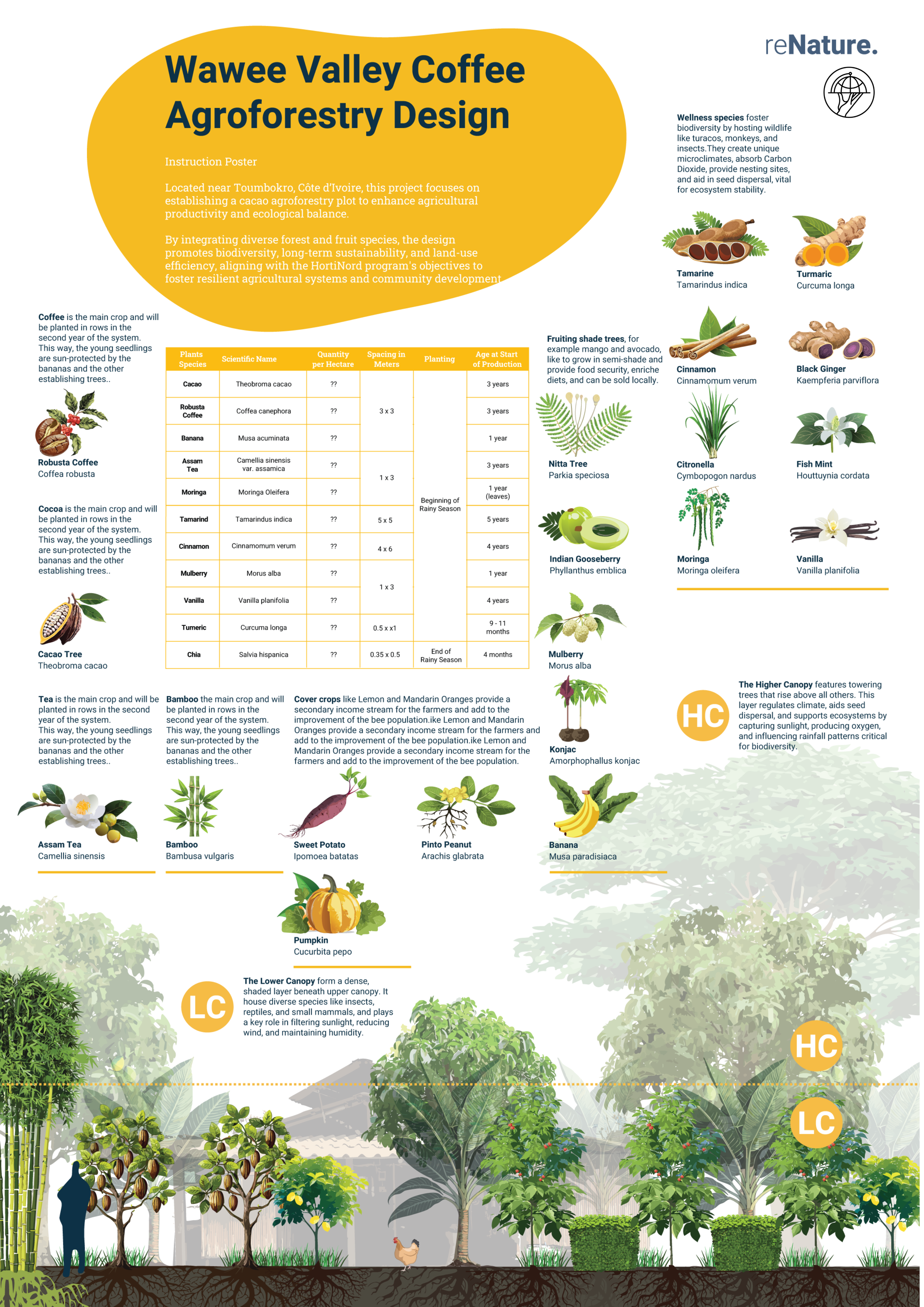
ZFPA in collaboration with reNature, Wawee Valley Foundation (WVF), and Hilltribe Organics in northern Thailand
What Soil Health Means to Business
One of Peggy’s most important contributions is her ability to translate ecological language into the terms that move business decisions.
Soil health on its own can sound distant and abstract to hotel owners, asset managers, and general managers. But Peggy has learned which words and metrics actually shift the conversation. “What resonates is translation into business-relevant terms,” she says, for example, “risk mitigation, supply-chain resilience, brand differentiation, regulatory readiness, and long-term ingredient quality.” “Metrics that work tend to bridge ecology and economics — carbon sequestration framed as future cost avoidance, water retention linked to climate resilience, yield stability over time.”
But she is also clear that data alone is never enough. “Metrics alone don’t move people. What shifts behavior is a combination of numbers and narrative — especially when leaders can see the human side: farmers transitioning, landscapes recovering, communities stabilizing.” That combination — rigorous impact measurement paired with honest human storytelling — is what makes Zero Foodprint Asia credible as a platform rather than simply a pledge.
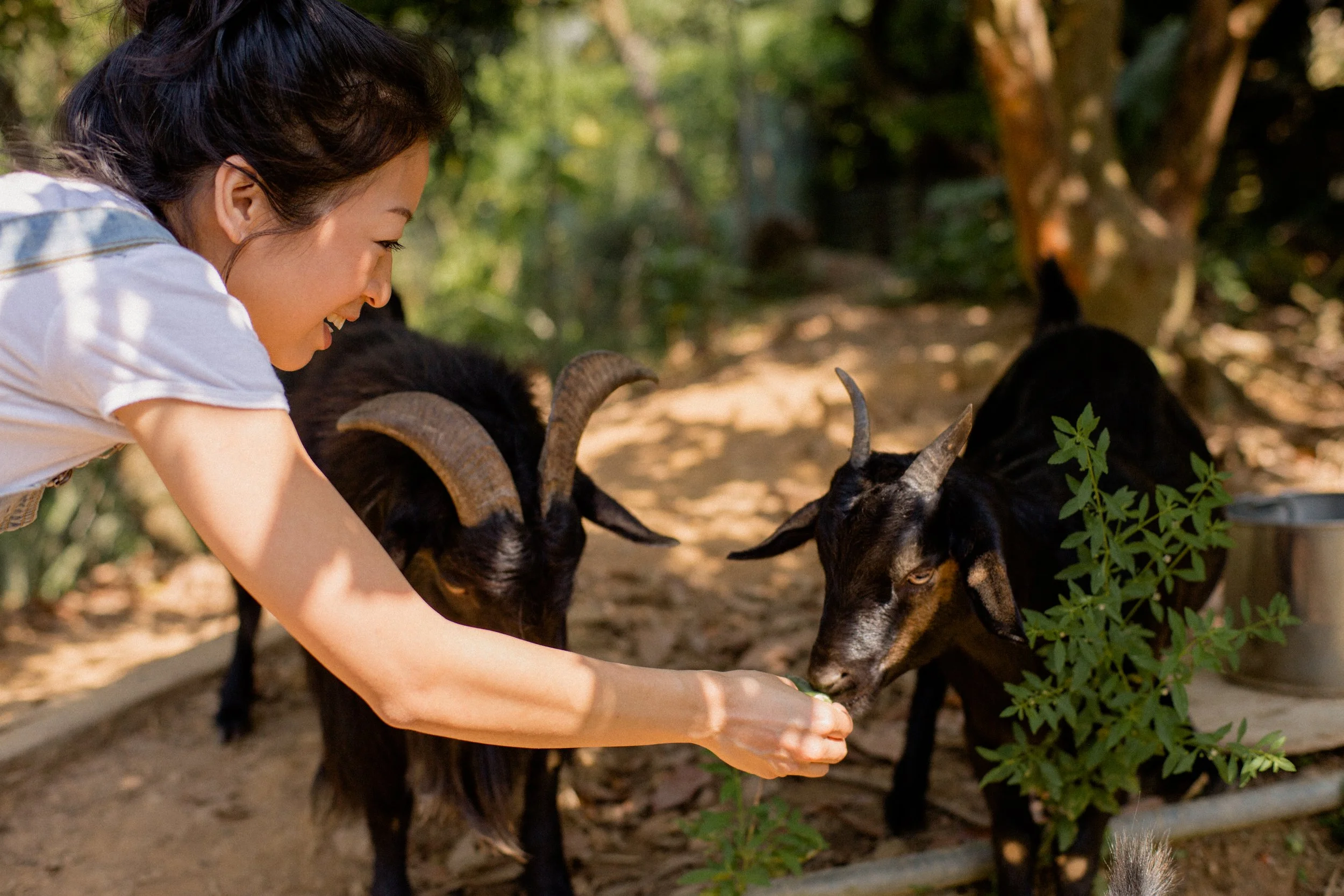
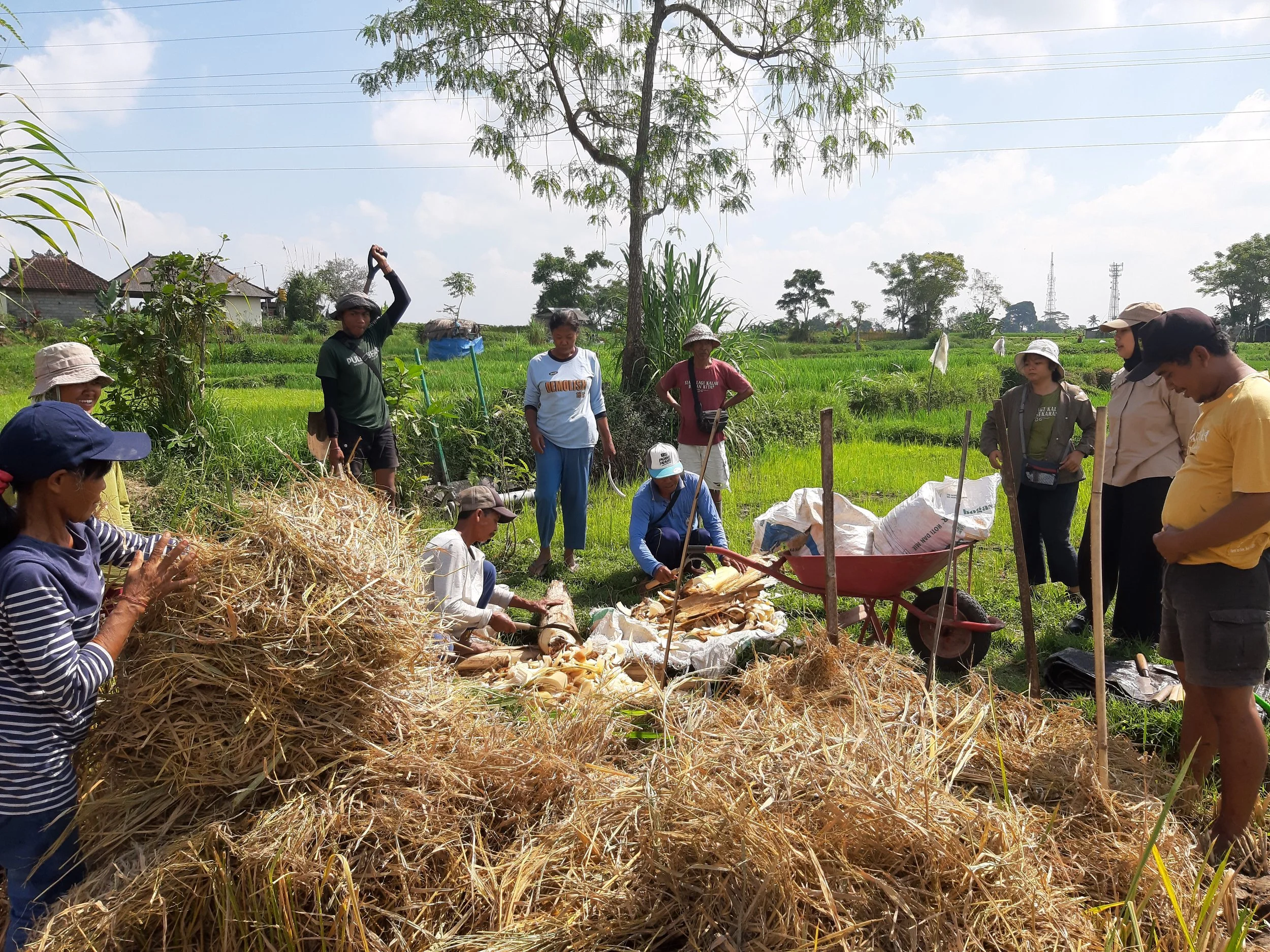
Photos by Zero Footprint Asia
Ngalung Kalla: Centering Sumba as An Operating System
If Peggy’s story is about moving the industry from consumer choice to capital investment, Christian Sea’s is about designing a business with deliberate restraint and deep involvement of the surrounding community.
Ngalung Kalla was founded in 2014 by husband-wife duo Christian and Ka’ale Sea on a 250-hectare stretch of oceanfront land on the southwest coast of Sumba. The name means “big wave” in the local Laboyan dialect, preserved from the village that stood on the same land roughly a century ago.
Christian and Ka’ale arrived here after a decade at Nihiwatu — now Nihi Sumba — one of the most celebrated resorts in the world. The departure was not without tension. “I felt that when the corporate structure came in, it made it really hard to make decisions in an efficient manner,” Christian says. “Simple decisions were taking a week where they used to take 30 minutes. That was hindering our performance — and resulting in unsafe situations and bad calls.”
What they built instead is not a conventional resort. It is a place where making the most use of local resources is a design principle. Bamboo soaked in seawater, old coconut trunks repurposed as beams, alang grass roofs, rainwater catchment, composting systems, and permaculture gardens shaped the property from the ground up. The retreat is powered by a 15 kWp solar array paired with a 49 kWh battery storage system, making it fully off-grid. Every guest room uses waterless dry-composting toilets, and all greywater is recycled into the on-site permaculture gardens.
The Seas deliberately chose to develop only a small fraction of the 250 hectares. “We knew there was gonna be only one chance for us to preserve as much as we could around us,” he says. “I know other partners investing are gonna put nature before their returns.” That decision — to build less so that more could be preserved and protected — defines the retreat’s identity as clearly as any flower or bird.
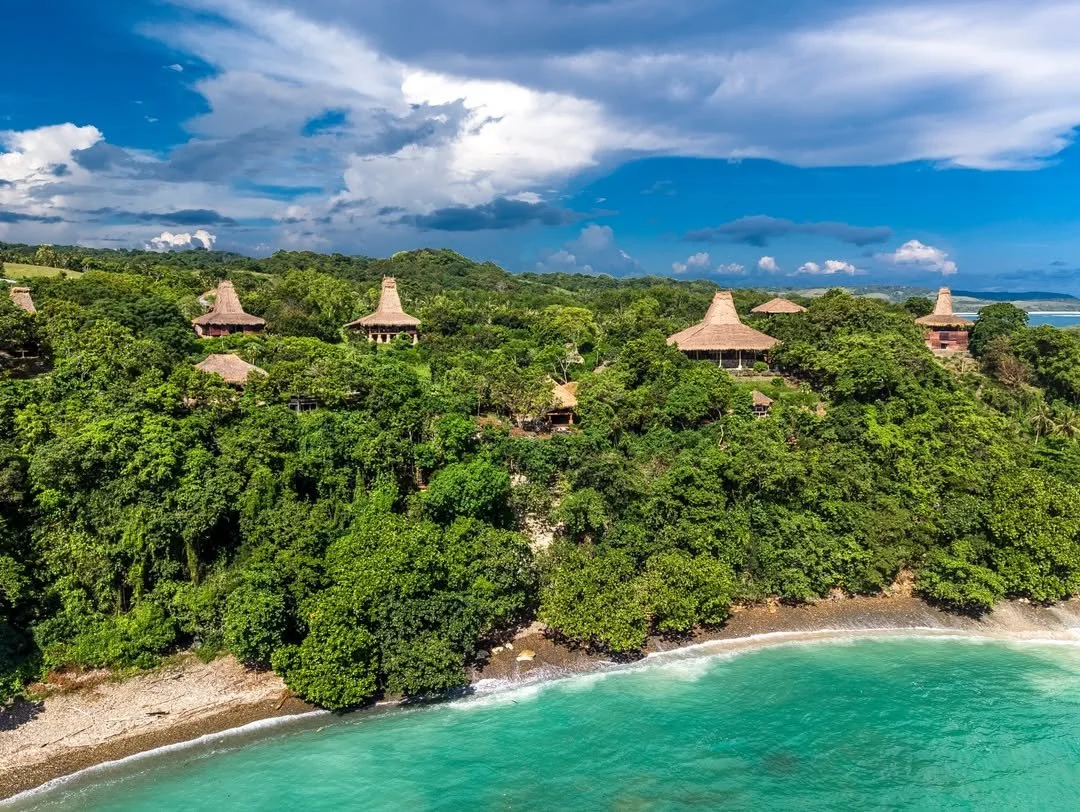


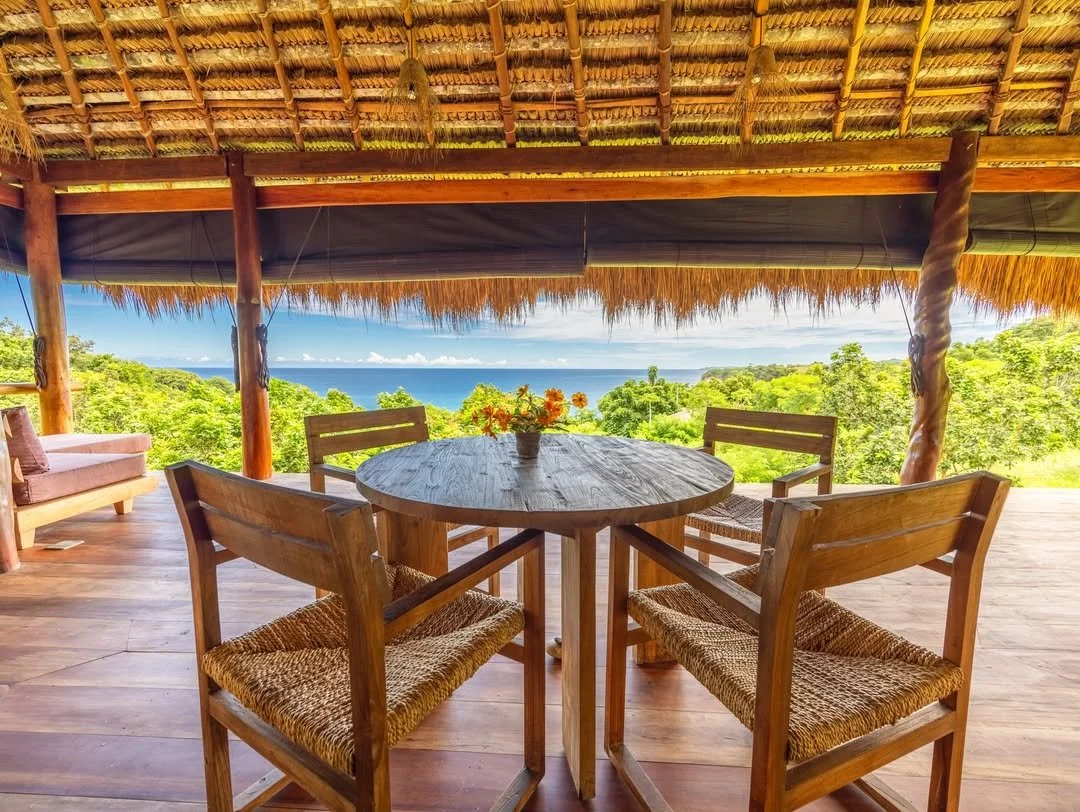
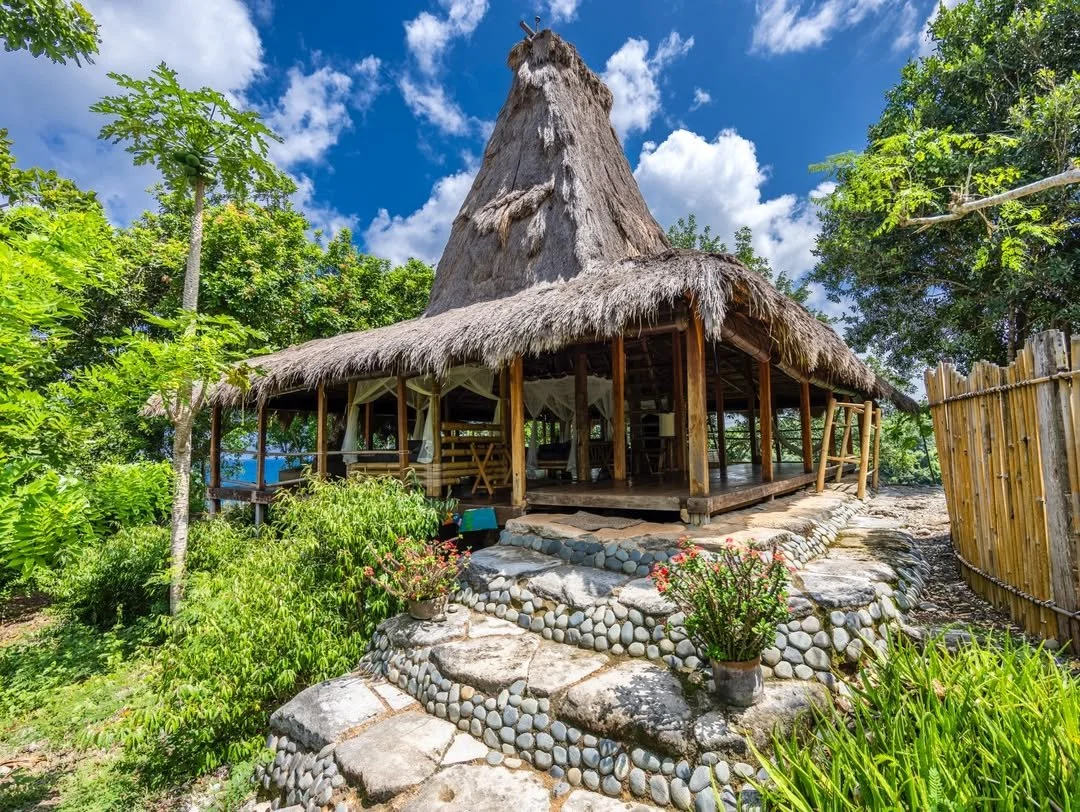

Photos by Ngalung Kalla
A Place That Teaches
What makes Ngalung Kalla especially relevant to an audience of hospitality professionals is that it also hosts courses and training.
Permaculture Sumba, the education platform founded alongside the retreat, offers permaculture courses, natural building workshops, and immersive learning experiences rooted in the ethics of earth care, people care, and fair share. From an outsider’s perspective, that matters because it transforms Ngalung Kalla from a singular destination into a living case study that is actively trying to make its philosophy relatable and transferable.
That educational dimension gives the retreat a significance beyond its room count or guest profile. It suggests that place-based hospitality can do more than host well. It can function as a living platform of knowledge transmission, helping travelers, practitioners, and hospitality peers understand what it means to design from ecological principles from the get-go rather than retrofit them later.
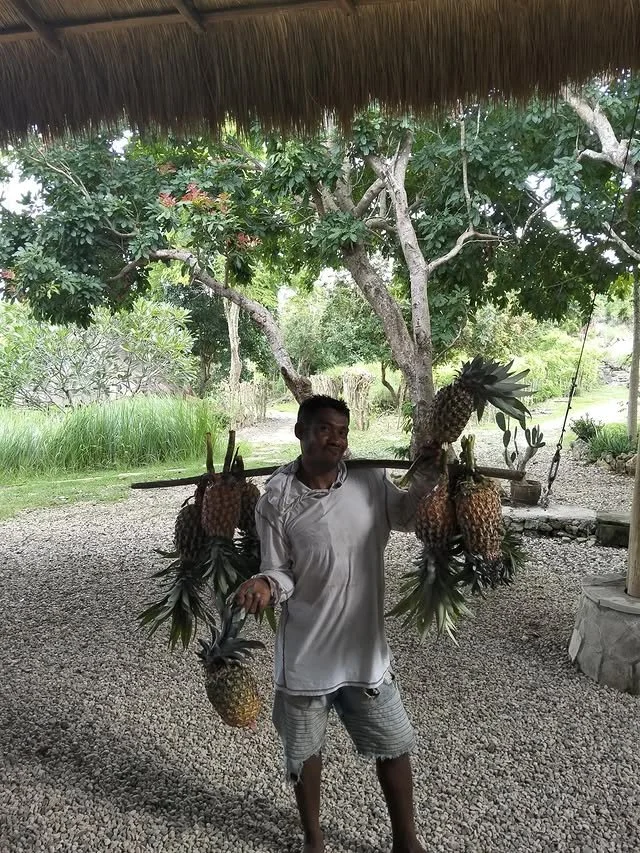
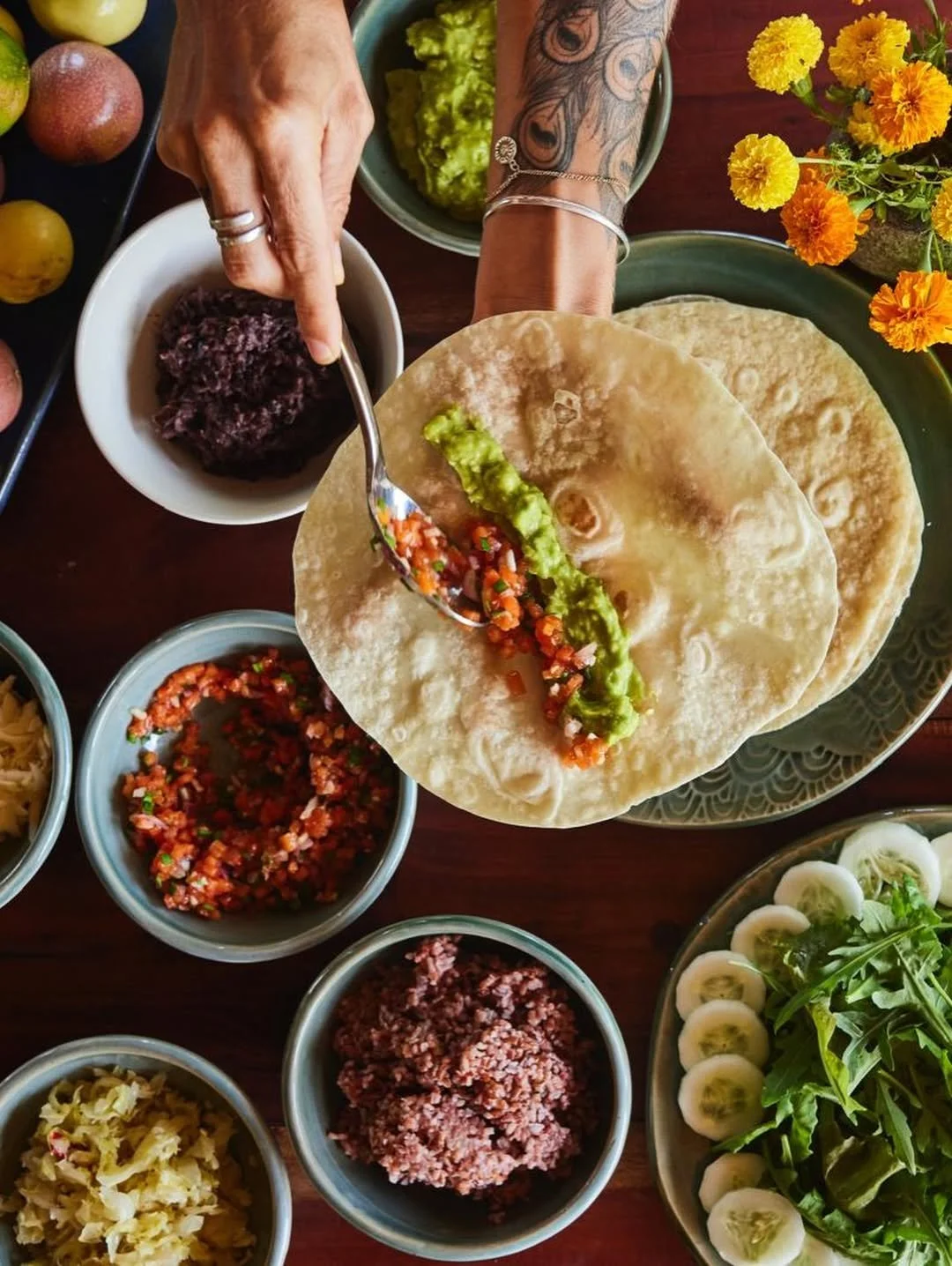
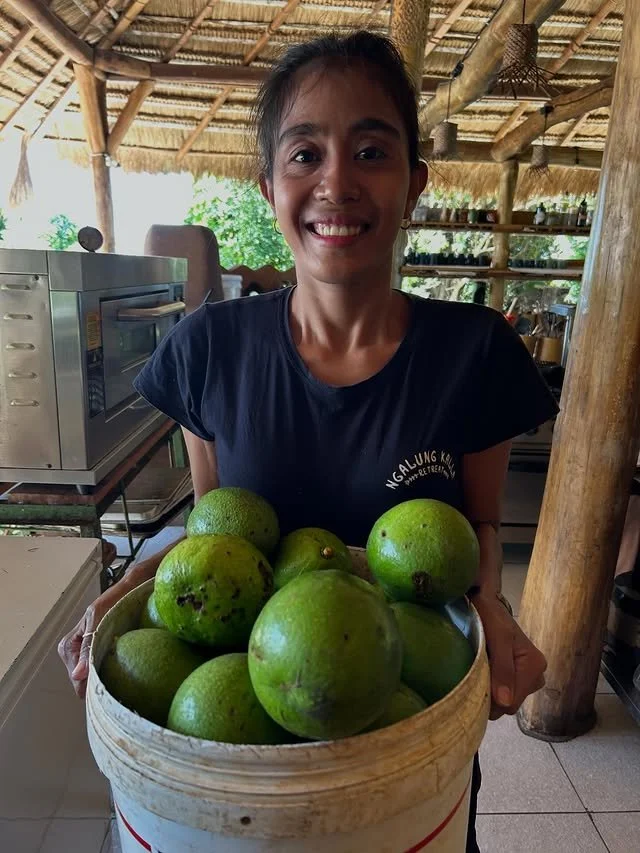
Most of the food served at Ngalung Kalla comes from the on-site permaculture
Building with the Community
Perhaps the most striking aspect of the Seas’ model is that its success depends on community relationships that cannot be outsourced.
When Christian and Ka’ale first arrived, they had to survey land, negotiate with multiple villages, and earn the trust of communities on all sides of the property. “We had to meet them and walk around with them and look at the land,” Christian says. “Every time you do that, the people who own all the other four sides of land have to come out from different villages. We would spend time in those villages talking with them.” That relational foundation — built slowly, face-to-face — is what allows Ngalung Kalla to design experiences rooted in genuine reciprocity rather than performative local color. “We know what they don’t like. We know what we don’t like doing. And we try to make a nice blend of that.”
Today, approximately 80 percent of Ngalung Kalla’s staff walk to work from surrounding villages. Fair-trade wages, education scholarships, and year-round employment have helped build a local economy in an area that previously had limited monetary income. During the monsoon season, when many island operations lay off staff, the property keeps its core team employed through Permaculture Sumba courses and maintenance projects. “Their quality of life is better,” Christian says. “The overall guest experience is better because of that. We treat it as training time.”
The retreat has also co-established a locally managed marine protected area with neighboring fishermen and tribal leaders, allowing only traditional hook-and-line methods within its boundaries. In practice, hospitality here means stewarding the land and the sea.
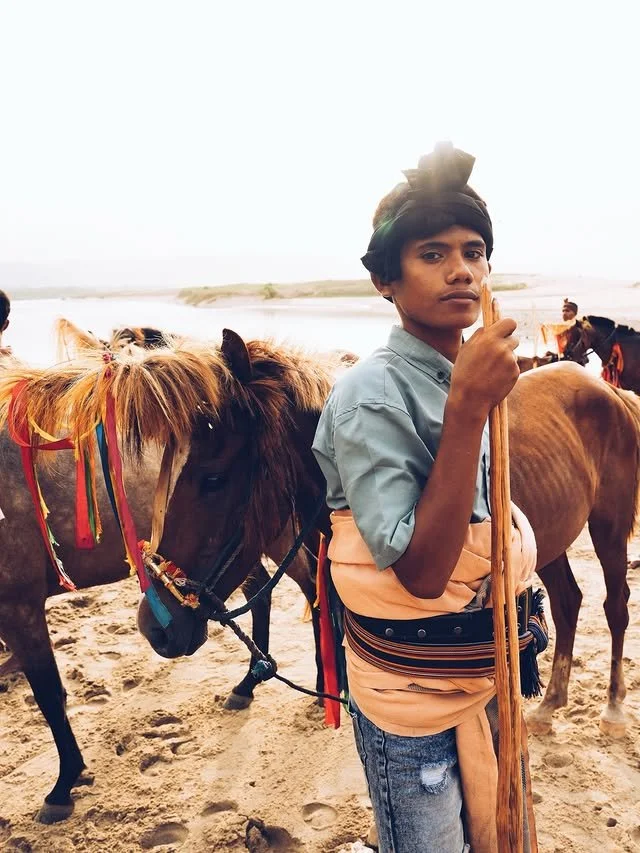

Pasola Wanokaka. Photos by Ngalung Kalla
Why Both Models Matter
It would be easy to cast Peggy and the Seas as opposites: one urban and scalable, the other remote and intimate. But that framing misses the point.
“Place-based models like Ngalung Kalla make depth possible,” Peggy says. “They can fully integrate land, community, and hospitality into a single, coherent ecosystem. Because they operate at a micro scale, they can respond to context, build real relationships, and demonstrate what regeneration actually looks like in practice — something that cannot be engineered at scale.” But she is equally direct about the limits of depth alone. “A systems-level approach makes reach possible. It can mobilize capital, align incentives, and influence behavior across entire supply chains. It works upstream, shifting the conditions that shape how food is grown in the first place — something micro models, by themselves, cannot achieve at speed or across geographies.”
Christian, for his part, is candid about the challenge of translation. When asked what a general manager of a 200-room city hotel could realistically take from Ngalung Kalla, his answer is honest. He emphasizes that much of what the retreat does is inseparable from its remoteness and context. "We're completely immersing guests in the bubble instead of removing them from a normal bubble of life," he says. Not every model should be scaled. Some should be understood on their own terms, then adapted in principle rather than copied in form.
What Peggy and the Seas have in common is their refusal to treat sustainability as a layer. For Peggy, the guest bill has become instrumental in transforming the current food chain. For the Seas, the property itself becomes an ecosystem of land, labor, learning, and care. Both insist that regeneration sits at the center of the business, not at its edges.
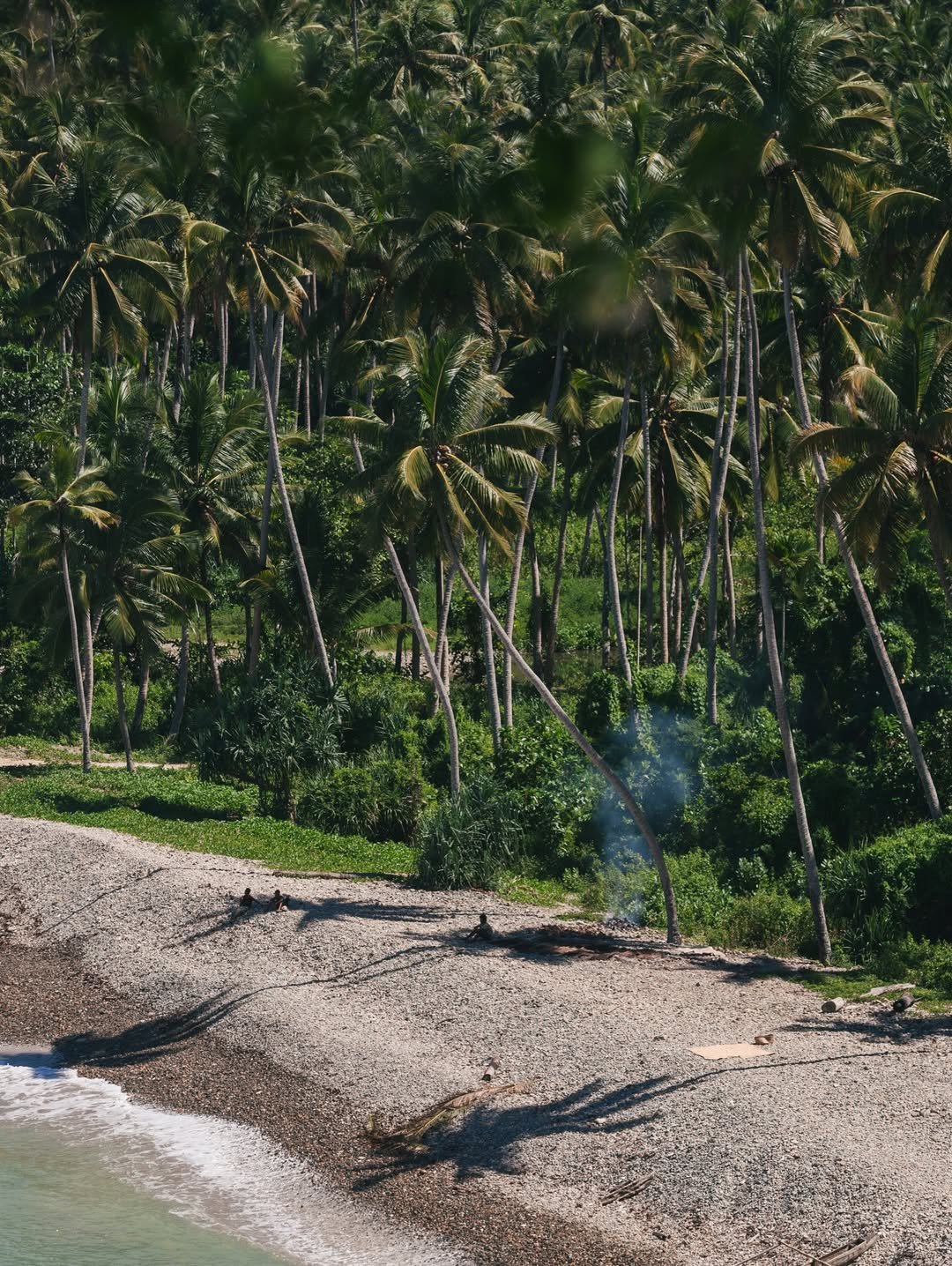

Photos by Ngalung Kalla
A More Honest Measure of Value
There is a deeper implication here for the hospitality sector, which is increasingly being asked to define its value in a world of climate disruption and social scrutiny.
The properties that are most interesting today are redefining that value as coherence: places where the design, the food, the staff culture, the ecology, and the guest experience all belong to the same story.
Peggy’s Champions of Change recognition is a marker of that shift, an industry signal that building the infrastructure for regeneration is as important as building the best kitchen. The Seas’ Permaculture Sumba courses are a marker of something equally important: the most valuable thing a place-based hospitality model can do, beyond operating well, is share what it has learned.
Christian captures it with characteristic directness when asked what he wishes the hospitality industry truly understood about what it takes to build and run a place like Ngalung Kalla. “It would be the starting point of where our staff is coming from,” he says — young people from villages with limited education, limited infrastructure, and no prior experience in hospitality.
“The gap of what the service is expected to be like for the guest and the place that the staff start from is so vast that it takes a lot of patience and training and time and consistency for them to grasp it.” What emerges from that patience, he argues, is something the industry rarely builds at speed: real capability, real loyalty, and a guest experience that simply cannot be manufactured. “The Sumbanese people are one with life and one with the environment. They are innately really happy, especially as their quality of life improves.”
Peggy frames the imperative at the structural level. “Regeneration is contextual,” she says. “There is no one-size-fits-all solution. Limits can be a strength. Community integration is non-negotiable. Land stewardship cannot be separated from the people who live there.”
For hotel and travel professionals, that is the essential message of both models. The next chapter of sustainable hospitality in Asia will not be written by one formula, one metric, or one model.
It will be written by our collective willingness to ask harder questions and persistence to come up with responses that endure – whether that means funding a regenerative farm in Hong Kong or teaching permaculture design on a hillside in Sumba.