How One Menu Can Be a Tool to Advance 10 UN Sustainable Development Goals
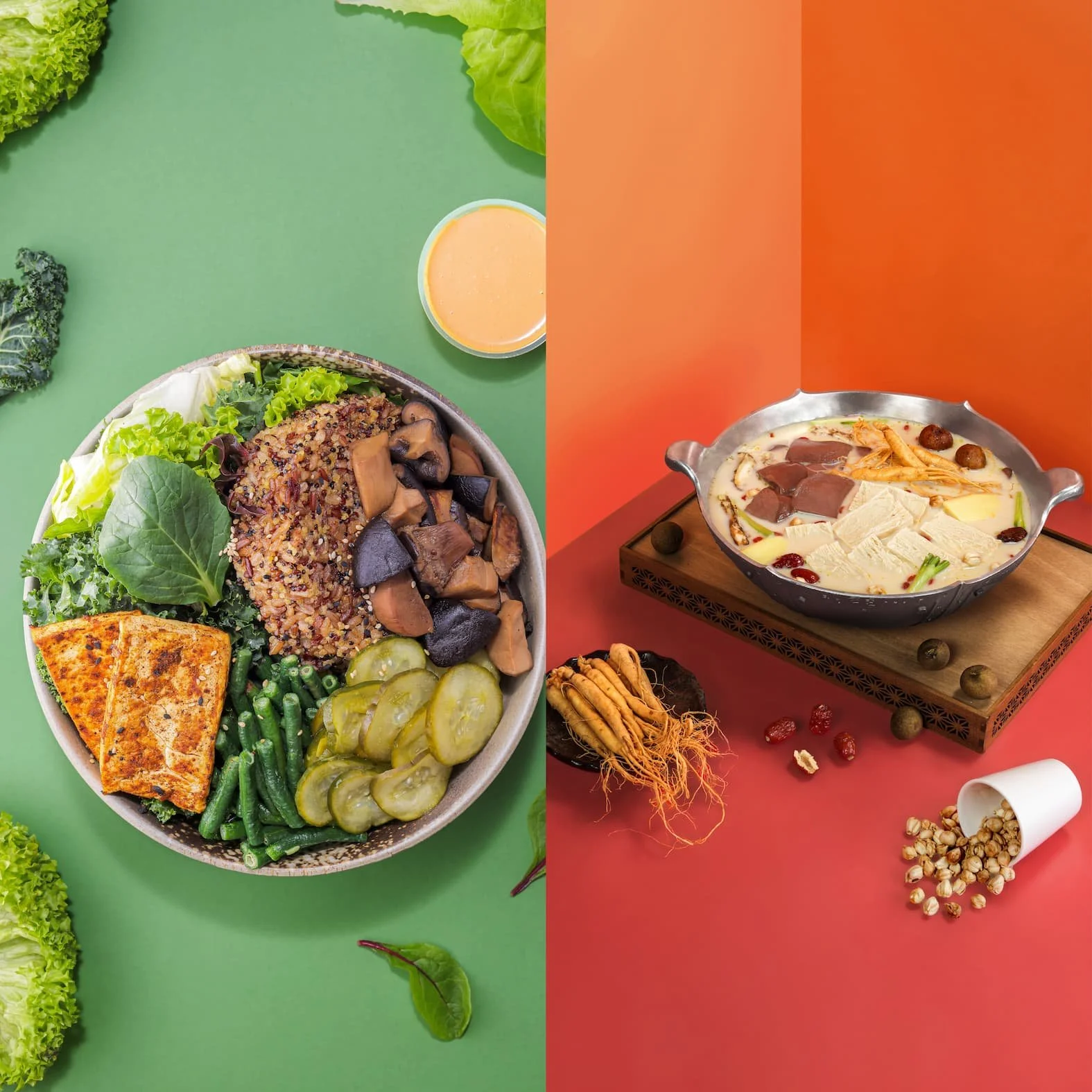
Image credit: Future Green Global
A single menu—the one your team designs, prepares, and serves daily—can be a quiet but powerful tool for advancing ten United Nations Sustainable Development Goals. It touches Zero Hunger and Good Health and Well-being. It reaches Climate Action, Life Below Water, Responsible Consumption and Production, and Partnerships for the Goals.
That was the premise of our recent AST Webinar, “The Eco-Conscious Kitchen: Designing Menus that Align with UN Sustainable Development Goals.”
We wanted the session to go beyond theory or greenwashing checklists. We focused instead on practical kitchen stories, hard numbers, and ideas that chefs, F&B directors, hoteliers, and restaurateurs could actually try the next day.
Anna Lees, Founder of Culinova Consulting; Heidi Spurrell, CEO and Founder of Future Green Global; and Chef Sandy Keung, owner of Table by Sandy Keung in Hong Kong, delivered exactly that. Each brought a different lens—from consulting large hotel groups and teaching future chefs, to running a restaurant and driving practical systems change from the group up. The conversation stayed grounded in the realities of running busy operations across Asia.
Here are the key insights and strategies that stood out most.
![[AST Webinar] The Eco-Conscious Kitchen_Designing Menus that Align with UN Sustainable Development Goals.jpg](https://images.squarespace-cdn.com/content/v1/63f6cdbdc249663d72082ecd/1777513535269-8PFL2WWM69HCAEBBI20I/%5BAST+Webinar%5D+The+Eco-Conscious+Kitchen_Designing+Menus+that+Align+with+UN+Sustainable+Development+Goals.jpg)
![[AST Webinar] The Eco-Conscious Kitchen_Designing Menus that Align with UN Sustainable Development Goals - Moderator - Rhea Vitto Tabora; Speakers - Anna Lees, Heidi Spurrell, Chef Sandy Keung.jpg](https://images.squarespace-cdn.com/content/v1/63f6cdbdc249663d72082ecd/1777513534942-Q7VVWZ85LKYYP46JG00E/%5BAST+Webinar%5D+The+Eco-Conscious+Kitchen_Designing+Menus+that+Align+with+UN+Sustainable+Development+Goals+-+Moderator+-+Rhea+Vitto+Tabora%3B+Speakers+-+Anna+Lees%2C+Heidi+Spurrell%2C+Chef+Sandy+Keung.jpg)
The Persistent Blind Spots in Commercial Kitchens
1. Siloed decision-making
Procurement focuses on cost. Chefs worry about execution. Marketing chases trends. There is little synergy across departments, especially in bigger organizations.
Anna put it plainly:
“Sustainability is being seen as a procurement task, not a menu decision. So, chefs, especially in the hotels, swap one ingredient, and yes, it does tick the box. But there is no discussion around it. Does this dish actually taste good? Will guests order it again?”
2. Limited awareness of actual impact
Many underestimate the scale of their choices. Anna illustrated this by swapping Malaysia’s beloved beef rendang for tempeh rendang.
“One kilogram of beef is 60 kilograms of CO2. Tempeh will be, let’s say, 2 kilograms. That’s overestimating, but that will be 30 times less. Once you calculate it for a banquet of 300 people, you can actually save about 500 to 600 kilograms of CO2… that’s about 2 or 3 return flights between Kuala Lumpur and Singapore.”
The water numbers are equally striking: roughly 15,000 liters per kilogram of beef versus around 600 liters per kilogram of tempeh—the equivalent of about 3,000 showers saved from just one banquet.
“Chefs are not aware of that. They think, oh, it’s a small thing. But it’s not.”
3. Visibility challenges in supply chains
Heidi pointed to supply chain visibility and time constraints as major obstacles.
Even trusted suppliers may not provide full details on farming practices. Measurement, however, need not be overly complex. Heidi explained that credible carbon baselines rest on three pieces of information: portion size, conventional or organic status, and country of origin.
The need for alignment across teams—marketing, procurement, chefs, sales, and HR—adds further friction.
4. Seafood-specific issues
Chef Sandy, who has run Table by Sandy Keung for 12 years, brought the perspective of an independent seafood restaurant facing unique challenges.
Hong Kong imports about 99% of live seafood, much of it air-freighted and shipped dry. Shellfish build up metabolic waste and bacteria during transit.
Sandy installed an in-house ozone depuration system and employed a resident marine biologist.
The depuration tanks reduce mortality rates, minimize food waste and associated costs, and deliver better quality to guests.
5. Customer behavior
Chef Sandy also noted the tension between awareness and action: some guests say, “This fish is going into extinction soon, let me eat more of it before it actually does.”
Designing Menus That Guests Actually Want
1. Flavor-First and Smart Positioning (Anna Lees)
Anna is firm that plant-forward dishes must be treated with the same rigor as luxury proteins.
“Flavor first… You have to put the same amount of time, the same amount of excitement sometimes, into R&D of those dishes, as you will put into lobster, wagyu beef, or any other expensive ingredient.”
Positioning matters just as much. A superb mushroom burger developed in a Kuala Lumpur hotel was labeled simply as “vegan burger” and buried at the bottom of the menu. Almost no one ordered it.
Hybrid dishes often give the best commercial results. Many large operators now replace 50% of minced beef in familiar preparations like lasagna, meatballs, or curries with lentils, mushrooms, or plant-based mince. This approach achieves substantial CO₂ reductions while keeping the taste and texture guests expect.
![[AST Webinar] The Eco-Conscious Kitchen_Designing Menus that Align with UN Sustainable Development Goals - Anna Lees-Culinova Consulting.jpg](https://images.squarespace-cdn.com/content/v1/63f6cdbdc249663d72082ecd/1777513856475-58V7X89I935TET9APWDW/%5BAST+Webinar%5D+The+Eco-Conscious+Kitchen_Designing+Menus+that+Align+with+UN+Sustainable+Development+Goals+-+Anna+Lees-Culinova+Consulting.jpg)

Left: Anna Lees showcases a flavorful, plant-forward dish. Right: Hasselback Tofu: a richly seasoned, crispy tofu block elegantly sliced and served atop creamy mashed potatoes. Photos by Culinova Consulting.
2. Cultural and Health-Driven Storytelling (Chef Sandy Keung)
Chef Sandy fuses Traditional Chinese Medicine (TCM) principles and the 24 Solar Terms with sustainability.
The 24 Solar Terms are an ancient Chinese seasonal calendar dating back more than 2,000 years. They divide the solar year into 24 periods of roughly 15 days each, based on the sun’s position, and have long guided agriculture and daily life. UNESCO recognizes them as Intangible Cultural Heritage. In TCM, the terms are used to align eating and lifestyle with seasonal energy to support health. Different periods correspond to different organs and bodily needs.
For example, the Beginning of Summer (Lìxià, around May 5) marks a “fiery” season. TCM advises nourishing the heart with cooling, hydrating ingredients such as squash and melon to balance heat and prevent issues like inflammation or restlessness.
Chef Sandy explained: “A lot of the principles of sustainability, as it relates to food, are actually already in our Chinese culture… The concept of eating seasonally is very deep-rooted, because it actually benefits health.”
Her practical implementations include:
a daily vegetable soup included in lunch sets—automatic nutrition
a seasonal welcome tea that introduces the current solar term and its TCM benefits
a QR code menu opens with a short note about the current solar term and recommended foods
“I put it at the top of my menu, before they even arrive at the food items. Those are the subtle ways I plug it in without kind of forcing them to look at it. It doesn’t cost me anything to do that. But it sparks awareness and interest.”
This approach creates an educational, health-focused dining experience that feels personal and beneficial rather than preachy.


Chef Sandy Keung incorporates seasonal, local ingredients according to Traditional Chinese medicine principles and the 24 Solar Terms to create 'Conscious Ingredient-Based Cuisine.'
3. Carbon Labeling, Team Alignment & Waste Reduction (Heidi Spurrell)
Heidi shared what works when implementing carbon labeling or new systems. Success requires stakeholder alignment and cross-departmental collaboration.
She brings marketing, procurement, chefs, and operations together in structured workshops so decisions stop happening in silos. Marketing budgets often support PR and influencer work. Chef champions drive adoption. Thorough team training ensures staff can speak credibly about the labels.
On waste, small operational changes deliver big results. One client dramatically increased the use of their food digester simply by moving it to a more accessible spot in the kitchen. Upcycling programs turn melon skins and pineapple trimmings into drinks. Fermentation chambers become profit centers and creative outlets for chefs.
Heidi referenced resources such as the World Resources Institute’s plant-forward guidelines and behavior science principles.
“Make it easy, make it accessible, make it visible. If you don’t make it easy for your teams, nothing’s gonna get done.”
Anna added two case studies. A London restaurant operates without a conventional waste bin, upcycling stale sourdough into fermented salad dressings. In Bangkok hotels, chefs turn watermelon rind into Thai papaya salad, tackling one of the highest-volume waste items while creating a marketable, traditional dish.
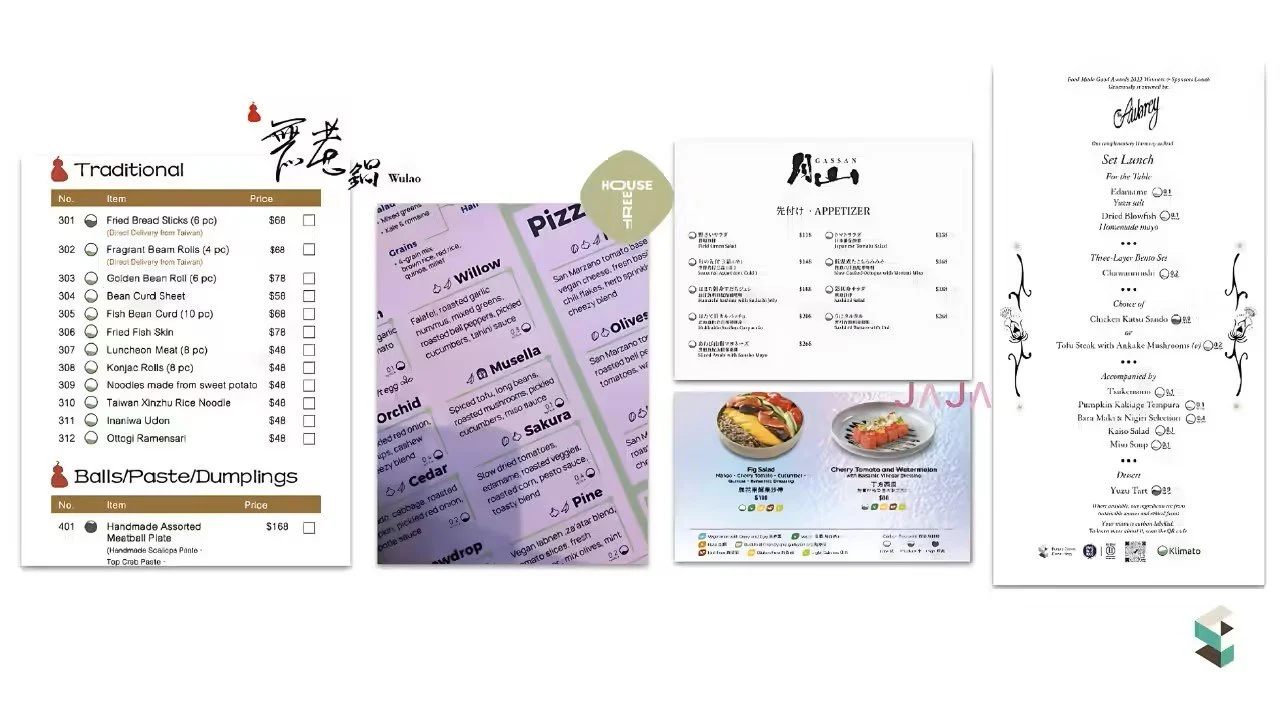
Examples of past carbon-labeled menus. Image credit: Future Green Global
Local Sourcing: Important, But Not the Whole Story
Anna delivered one of the clearest “aha” moments: “Local does not equal sustainable.”
Using calculators developed with Oxford University, she shows farm practices (fertilizers, feed, production method) usually matter far more for carbon than transport distance.
In a chocolate cake example she shared, the choice of milk matters more than whether the cocoa came from Ghana or Malaysia.
Local sourcing remains valuable for supporting communities, biodiversity, heritage foods, and economic development, but it must be evaluated thoughtfully.
Chef Sandy, as an independent operator, uses practical tools:
annual supplier questionnaires
partnership with Hong Kong’s government-backed Vegetable Marketing Organization for local organics
daily market visits to build relationships and source fresh local catch
sells freshness as a natural benefit of shorter supply chains (Chinese diners particularly value this)
Heidi reinforced that “local” is always context-specific. In Hong Kong, for example, a 500 km radius is more realistic than stricter definitions used in Europe.
The real focus should be on how food is grown—regenerative practices, avoidance of monocropping, responsible animal feed—rather than distance alone.
Looking Ahead: Data-Driven, Plant-Forward, and Cultural-Tech Blends
Anna expects data and spreadsheets to drive more menu decisions in the coming years—carbon calculations, waste metrics, and clear numbers replacing pure intuition. She sees plant-forward approaches (rather than strictly vegan) becoming more mainstream, supported by fermentation, aging, smoking, and upcycling.
Chef Sandy believes younger guests and chefs will accelerate the shift. She continues small-scale experiments, including drying coffee grounds above the grill for use as fertilizer in a nearby forest. She remains curious about lab-grown proteins and their real energy impact.
Heidi noted that larger hospitality groups already face Scope 3 reporting pressure from landlords and corporates, while smaller operators can focus on consistent small steps and flexitarian ideas such as 50% mushroom burgers, mixed tacos, or dumplings. The cumulative effect matters.
Immediate Actions You Can Take
Anna Lees: Look at your highest-spend ingredient (by cost, not volume). Start there. Reduce the portion, replace partially, or explore alternatives.
Chef Sandy Keung: In your set menus, elevate one course with a standout seasonal vegetable dish inspired by TCM or the 24 Solar Terms. “Make a really tasty, talked-about, surprising dish.”
Heidi Spurrell: Introduce one “element of surprise”—a beautifully executed plant-forward dish slipped into a tasting menu. Focus on behavior science: make sustainable choices easy, visible, and rewarding for both teams and guests.
A single menu really can touch multiple SDGs—reducing emissions and water use, supporting better health, minimizing waste, strengthening local economies, protecting marine life, and building meaningful guest connections.
The approaches shared by Anna Lees, Heidi Spurell, and Chef Sandy Keung show there is no single right way. What matters is choosing entry points that fit your kitchen size, team, guests, and context, then building from there with creativity, better internal alignment, honest measurement, and credible storytelling.
Start small, stay credible, align your team, tell authentic stories, and measure what matters. Whether you run a 300-room hotel, a beach resort, or an intimate restaurant, these principles scale—and help you build a business that truly resonates with today’s conscious guests while protecting the bottom line.
The experts’ collective message: Don’t wait for perfect. Get started, make it easy for your teams and guests, and keep iterating.
![[AST Webinar] The Eco-Conscious Kitchen_Designing Menus that Align with UN Sustainable Development Goals - Speaker - Anna Lees, Culinova Consulting.jpg](https://images.squarespace-cdn.com/content/v1/63f6cdbdc249663d72082ecd/1777514245778-0ATB0A8A9UWZ2D1102EP/%5BAST+Webinar%5D+The+Eco-Conscious+Kitchen_Designing+Menus+that+Align+with+UN+Sustainable+Development+Goals+-+Speaker+-+Anna+Lees%2C+Culinova+Consulting.jpg)
![[AST Webinar] The Eco-Conscious Kitchen_Designing Menus that Align with UN Sustainable Development Goals - Speaker - Heidi Yu Spurrell.jpg](https://images.squarespace-cdn.com/content/v1/63f6cdbdc249663d72082ecd/1777514249464-8AWRVSBYLB5RMMQ8ISF6/%5BAST+Webinar%5D+The+Eco-Conscious+Kitchen_Designing+Menus+that+Align+with+UN+Sustainable+Development+Goals+-+Speaker+-+Heidi+Yu+Spurrell.jpg)
![[AST Webinar] The Eco-Conscious Kitchen_Designing Menus that Align with UN Sustainable Development Goals - Speaker - Chef Sandy Keung 2.jpg](https://images.squarespace-cdn.com/content/v1/63f6cdbdc249663d72082ecd/1777514244911-KNJ4CRDT3QV0AH0AZZM4/%5BAST+Webinar%5D+The+Eco-Conscious+Kitchen_Designing+Menus+that+Align+with+UN+Sustainable+Development+Goals+-+Speaker+-+Chef+Sandy+Keung+2.jpg)
From left: Anna Lees, Founder of Culinova Consulting; Heidi Spurrell, CEO and Founder of Future Green Global; and Chef Sandy Keung, owner of Table by Sandy Keung in Hong Kong


![[Exclusive] Sustainable Tourism Impact Fund: How Patient Capital Unlocks Investments Conventional Financing Overlooks](https://images.squarespace-cdn.com/content/v1/63f6cdbdc249663d72082ecd/1786501208510-5198Q2DTS0U08ZD8FRMS/Local%2BAlike%2B-%2B57.png)