

Building Around the Trees: How The Farm at San Benito, Autograph Collection Built a Nature-First Healing Sanctuary
The Farm at San Benito in Batangas, Philippines, is known for its landscape, wellness programs, and a personalized approach to guest care. Its move into Marriott’s Autograph Collection makes this a useful moment to look at what stays intact and what changes when a unique independent healing sanctuary becomes part of a global hotel group.
Can Shinta Mani's Funding Model Withstand Cambodia's Tourism Downturn?
For more than two decades, Shinta Mani has been one of Asia's most compelling examples of hospitality as a force for social and environmental change: a business model in which hotel revenue helps fund education, healthcare, interest-free microfinance, practical support for rural communities, and environmental conservation.
Since 2004, the Foundation reports having delivered 360 hospitality graduates, over 2,000 water wells, over 20,000 water filters, over 4,600 bicycles, 270 interest-free micro-loans, and free dental care for nearly 24,000 Cambodian children.
Yet as Cambodia faces its sharpest tourism downturn since the pandemic, Shinta Mani confronts its toughest test: can a deeply committed, purpose-led hospitality brand remain commercially resilient — and keep delivering its social and environmental projects — when the guests who help fund it no longer arrive in the numbers they once did?
![[Exclusive] Sustainable Tourism Impact Fund: How Patient Capital Unlocks Investments Conventional Financing Overlooks](https://images.squarespace-cdn.com/content/v1/63f6cdbdc249663d72082ecd/1786501208510-5198Q2DTS0U08ZD8FRMS/Local%2BAlike%2B-%2B57.png)
[Exclusive] Sustainable Tourism Impact Fund: How Patient Capital Unlocks Investments Conventional Financing Overlooks
Every USD 1 from Agoda's Eco Deals program contributes to the World Wide Fund for Nature (WWF) Singapore’s conservation efforts. A portion of that funding is channeled to the Sustainable Tourism Impact Fund (STIF) and disbursed by the UnTours Foundation as enterprise loans to eligible tourism and hospitality businesses in Southeast Asia.
In under two years, STIF has backed five businesses that served 13,867 travelers, supported 221 jobs, and helped plant more than 220,000 corals.
The early figures suggest that a modest, well-designed financing model can support visible activity in a short time.
Based on on-the-record interviews with every partner in the model, this reporting by AST asks whether the five-business pilot can become a credible financing pathway for tourism's underserved micro-, small-, and medium-sized enterprises (MSMEs).

From Conviction to Infrastructure: What It Takes to Sustain APAC's Responsible Tourism Movement
Asia Sustainable Travel attended as the only media invitee to The Long Run's APAC Regional Hub Meeting this June. The Long Run's members collectively protect and regenerate over 23 million acres of nature globally, according to the organization. This year’s APAC gathering brought together responsible tourism and hospitality leaders from organizations including Khiri Travel, Minor Hotels, Lost Road, Knai Bang Chatt, The Datai Langkawi, The Habitat Foundation, Song Saa Private Island, Tiger Mountain Pokhara Lodge, and Nikoi and Cempedak Islands.
The author came with two things that he wanted to see for himself.
First, whether CTC's off-grid, conservation-led operation actually lives up to its promise that a guest's stay keeps the forest standing.
Second, what does it take to sustain responsible tourism in Asia-Pacific when travel demand, airline capacity, capital investment, public policy, and guest trust are all under pressure?
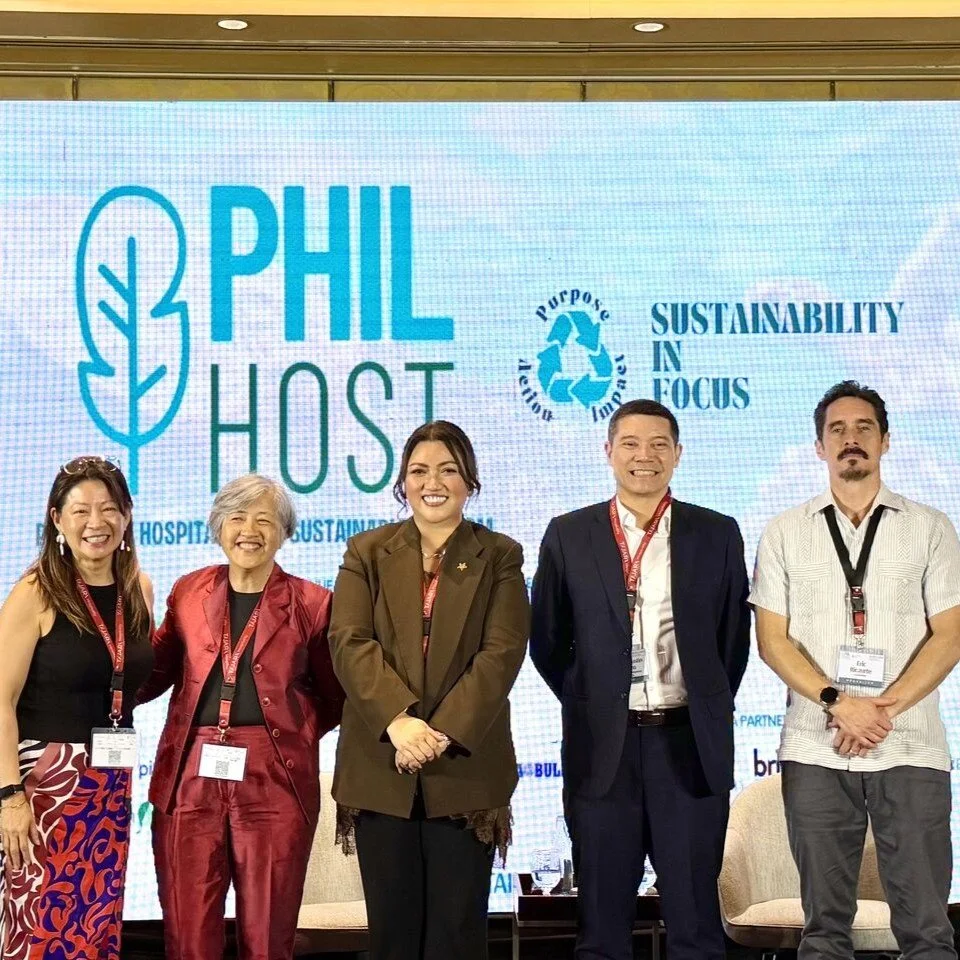
When Sustainability Meets Operations: Key Lessons from PHILHOST 2026
PHILHOST 2026 made one point impossible to miss: sustainability only matters if it survives operations. Across discussions on property-level execution, workforce resilience, natural capital, and financing, the forum pushed past stated commitments and focused on what it takes to hold standards under real-world pressure.
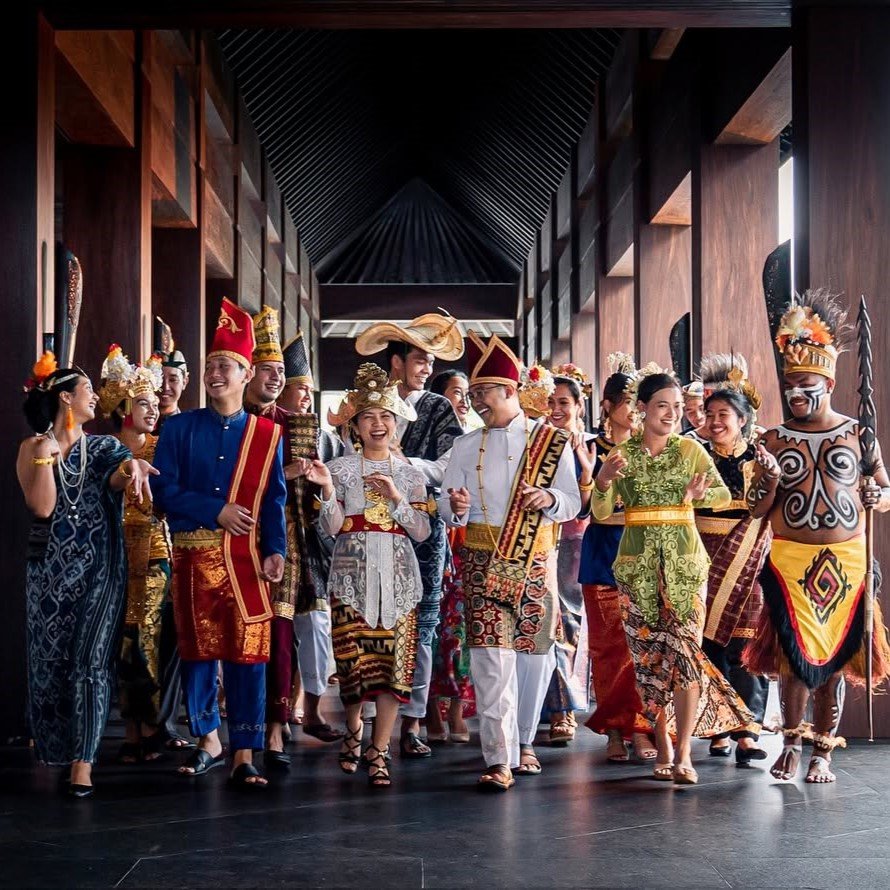
How Hospitality Brands Earn Trust Without Saying “We’re Sustainable”
At the recent AST Webinar, Tinu Mathur, Barbara Kitane, Danti Yuliandari, and Rhea Vitto Tabora discussed why credible sustainability communication starts long before the message—in operations, alignment, and proof that can stand up to scrutiny.
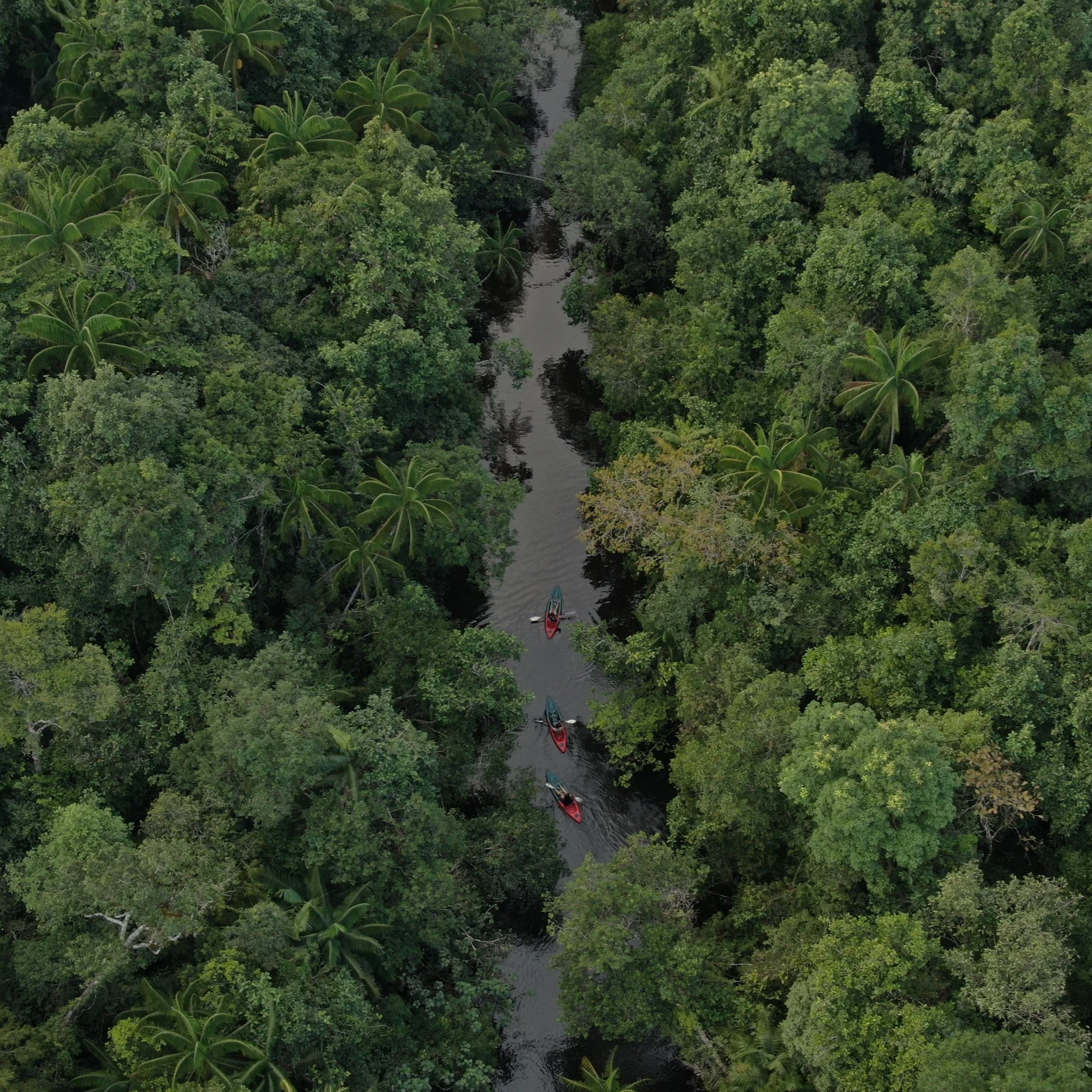
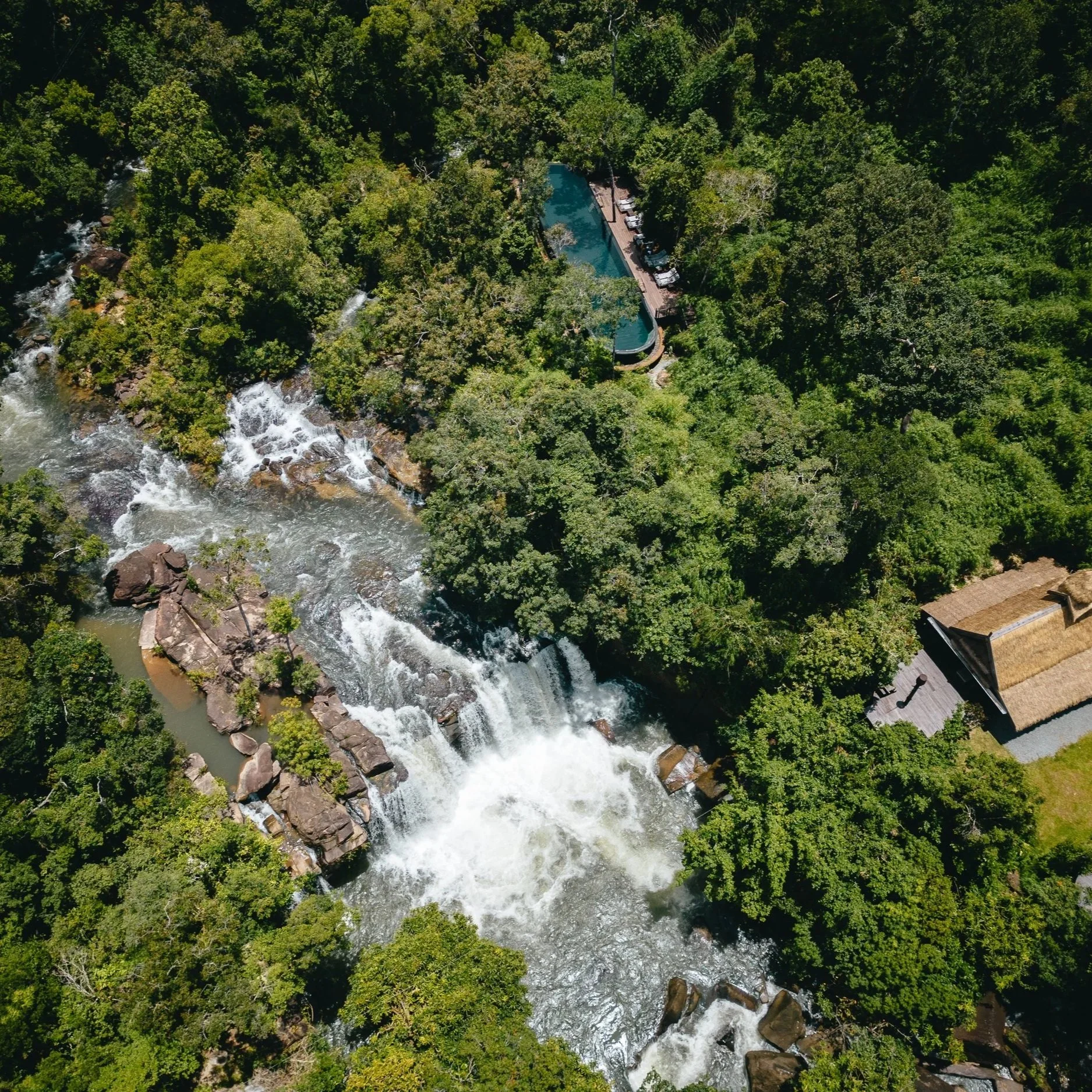
Custodians of the Cardamom Mountains: How a Tented Camp Helps Keep a Forest Standing
When the rangers assigned to Botum Sakor National Park, sitting in the foothills of the Cardamom Mountains in southern Cambodia, patrolled its lowland forests in 2013, they confiscated more than 3,000 snares, dozens of chainsaws, and dozens of homemade guns in a single year. The numbers are an outcome of a lack of robust policy enforcement, reflecting a national park stripped of meaning and protection, and a local population with few alternatives to the forest's extraction.
Botum Sakor National Park was, on paper, a protected area. In practice, the ecosystem and land had been hollowed out. According to the camp manager Allan Michaud, as much as 77% of the park had been sold off to various concession interests, leaving its biodiversity — home to sun bears, Sunda pangolins, Siamese crocodiles, and clouded leopards — with little institutional shield between itself and destruction.
The question of what could actually reverse that trajectory led, eventually, to an unlikely answer: a pier on a river with no road attached, and 9 tents that would grow to 12 in 2024.

How Secret Paradise Maldives Is Rethinking the Guest’s Role in Sustainability
Most tour operators treat sustainability as a back-office task that guests only hear about afterward. Secret Paradise Maldives is doing something different: bringing guests into the data behind conservation work, from logging waste collected to identifying turtles for a national database. The result is a more credible, participatory model of responsible travel — and a practical playbook for operators across Asia facing growing pressure to back their sustainability claims with evidence.

Six Senses Laamu: the Case for Nature-Positive Hospitality
For years, decarbonization has been the organizing principle of corporate climate action. Boards debate emissions trajectories. Brands announce net-zero commitments. Companies purchase carbon credits to cover what operational changes could not yet eliminate. It is a coherent, regulation-aligned framework that stakeholders can report against, investors can evaluate, and consumers can be persuaded by.
It remains a necessary strategy.
But as a complete account of what sustainability demands from the travel industry, it has always carried a significant blind spot.

No AI Can Replace A Travel Advisor With Human Empathy. But Where Does the Industry Go From Here?
For two decades, the online travel booking experience ran on a reliable, if imperfect, arrangement. Discovery flowed through Google. Brands and OTAs converted traffic into bookings. Influencers, media, travel advisors, and tour operators were compensated at every link in the chain. Whoever was closest to the customer held what mattered most: the data and sometimes also the relationship.
That architecture is now being dismantled faster than the industry could have anticipated.
Phocuswright reported that 33% of travelers typically use Generative AI ChatGPT, Claude, and Perplexity for trip research, compared with just 6% in the second half of 2024.

ASEAN-EU Sustainability Summit 2026: What Travel Must Act On Now
The first ASEAN-EU Sustainability Summit held on May 7, 2026 in the Philippines was not a tourism conference. Yet it offers actionable insights that are highly relevant to the travel and hospitality sector.
Why? Because the summit dealt with the issues affecting hotel operations, destination management, procurement, risk, and guest expectations: energy volatility, circular economy policy, supply chain integrity, food resilience, and credible sustainability delivery.
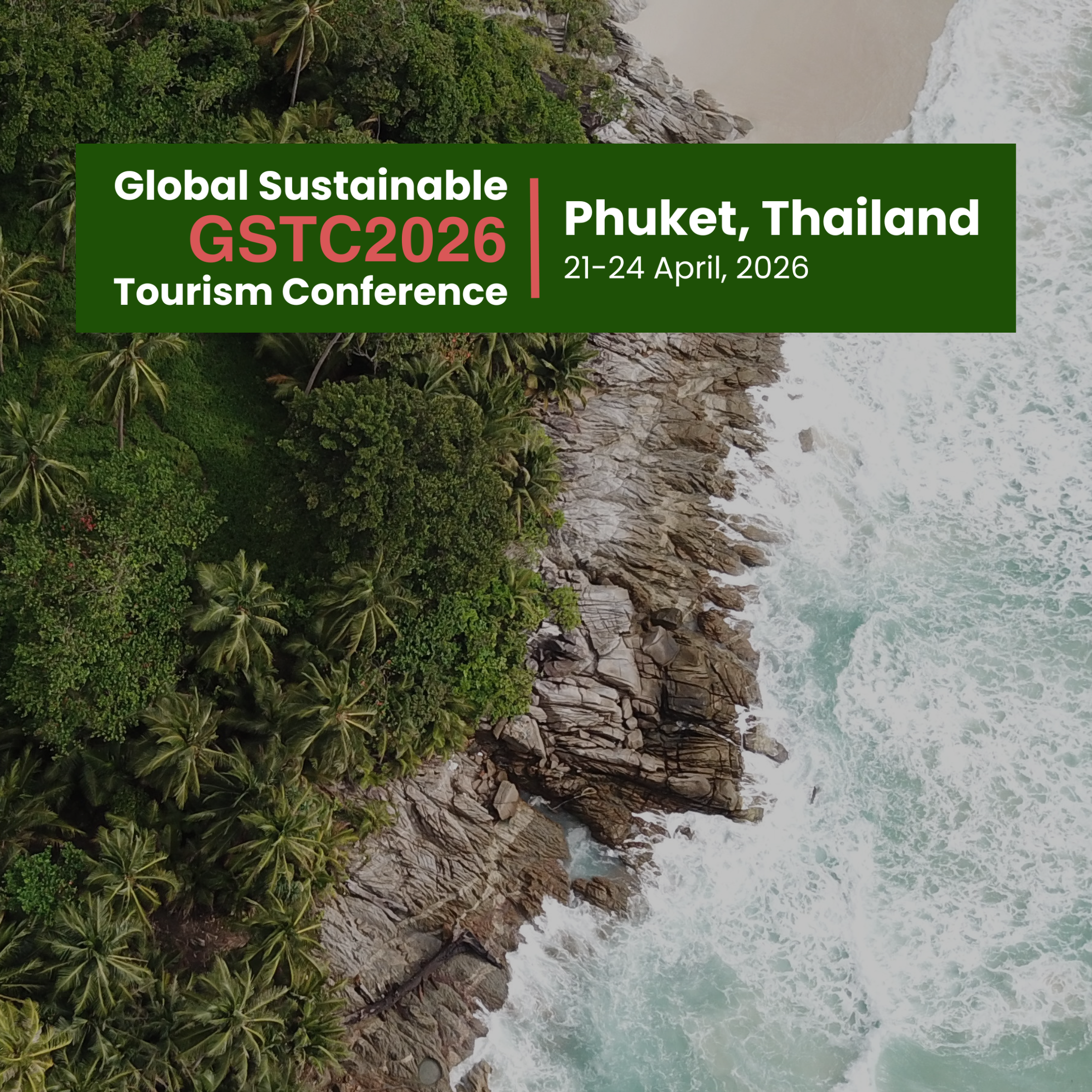
The Sustainability Dividend: Travel Industry Makes the Case at GSTC 2026 in Phuket
Of the three pillars of sustainability, profitability is the one that still attracts the most skepticism. It should not.
At the GSTC 2026 Global Sustainable Tourism Conference in Phuket — the annual gathering where the Global Sustainable Tourism Council convenes industry leaders to advance measurable progress on responsible travel — two panel discussions, “Sustainability is Profitable, Debunking the Myth of Sustainability Premium” and “The Digital Bridge: How Platforms Drive Sustainable Choice at Scale” – put that skepticism to rest.
Leaders from across the hospitality and travel sector presented hard data, candid operational lessons, and documented financial returns that collectively point to one clear conclusion: the cost of inaction now exceeds the cost of change.

Ancestral Superfoods From East to West Asia: Sustainable Nutrition for Asian Hospitality
Ancestral superfoods like kombu, bamboo shoots, holy basil, ulam raja, heirloom beets, amaranth, and extra virgin olive oil are integral to wellness-focused menus across Asia. This article highlights their cultural roots, nutritional value, and role in sustainable hospitality.

How One Menu Can Be a Tool to Advance 10 UN Sustainable Development Goals
Can a single menu really advance ten UN Sustainable Development Goals? In our latest webinar, Anna Lees, Heidi Spurrell, and Chef Sandy Keung proved it’s not only possible — it’s already happening in real kitchens. From dramatic carbon and water savings swapping beef for tempeh, to Chef Sandy’s TCM and 24 Solar Terms approach that makes sustainability feel personal and natural for guests, to menu carbon labeling and waste reduction, this session is packed with honest insights and actionable ideas you can start using immediately.

Can These Two Regenerative Hospitality Models Fix The Industry? Lessons from Zero Foodprint Asia and Ngalung Kalla
In Asian hospitality, sustainability and regeneration may often be discussed as though they must fit into a single model.
But the realities of the region tell a different story. A city hotel in Hong Kong, a regenerative retreat in Sumba, and a mountain resort in Nepal are not solving the same problems in the same way. What they share is a common challenge: how to move beyond “less harm” and toward something more enduring, more embedded, and more regenerative.
For this story, Asia Sustainable Travel spoke directly with Peggy Chan and Christian Sea, two hospitality changemakers working at opposite ends of the spectrum yet pushing toward the same goal. Their insights reveal why the future of sustainable hospitality in Asia will not be built through a single formula, but through multiple, complementary models.

The Overtourism Problem: How Smart Operators Can Rebalance the Heatmap
Asia has spent the better part of the past three years managing the consequences of too many visitors in too few places. Now, its most tourism-dependent economies face a sudden contraction of demand from source markets that were only just returning.
When visitor flows and aviation corridors are both concentrated, destinations prove simultaneously overwhelmed and exposed — two symptoms of the same underlying failure to distribute demand equitably.
It is precisely that failure — and the urgency of addressing it — that shaped the agenda for the GSTC2026 Global Sustainable Tourism Conference taking place in Phuket this April.
"GSTC selected these three themes because they reflect some of the most urgent and interconnected issues in tourism today," says Randy Durband, GSTC CEO.
The three themes — sustainable hospitality, resilient cities and communities, and carrying capacity and visitor distribution management, as Durban highlighted, “point to a more balanced and practical approach to tourism development, one that supports businesses, communities, and destinations alike.”

People Are the Strategy: Building Impact-Led Hospitality Through Next-Gen Talent
Impact-led hospitality is not a value exercise. At its most rigorous, it is a different theory of value creation. It is one that counts community capability, cultural continuity, and local ownership as assets on the balance sheet, not costs to minimize.
It is about recruiting, developing, and trusting people to lead.
The businesses and destinations that have internalized this are building something the market cannot easily replicate: teams who believe in what they do, guests who notice the difference, and communities that have a stake in the outcome rather than a seat at the service counter.
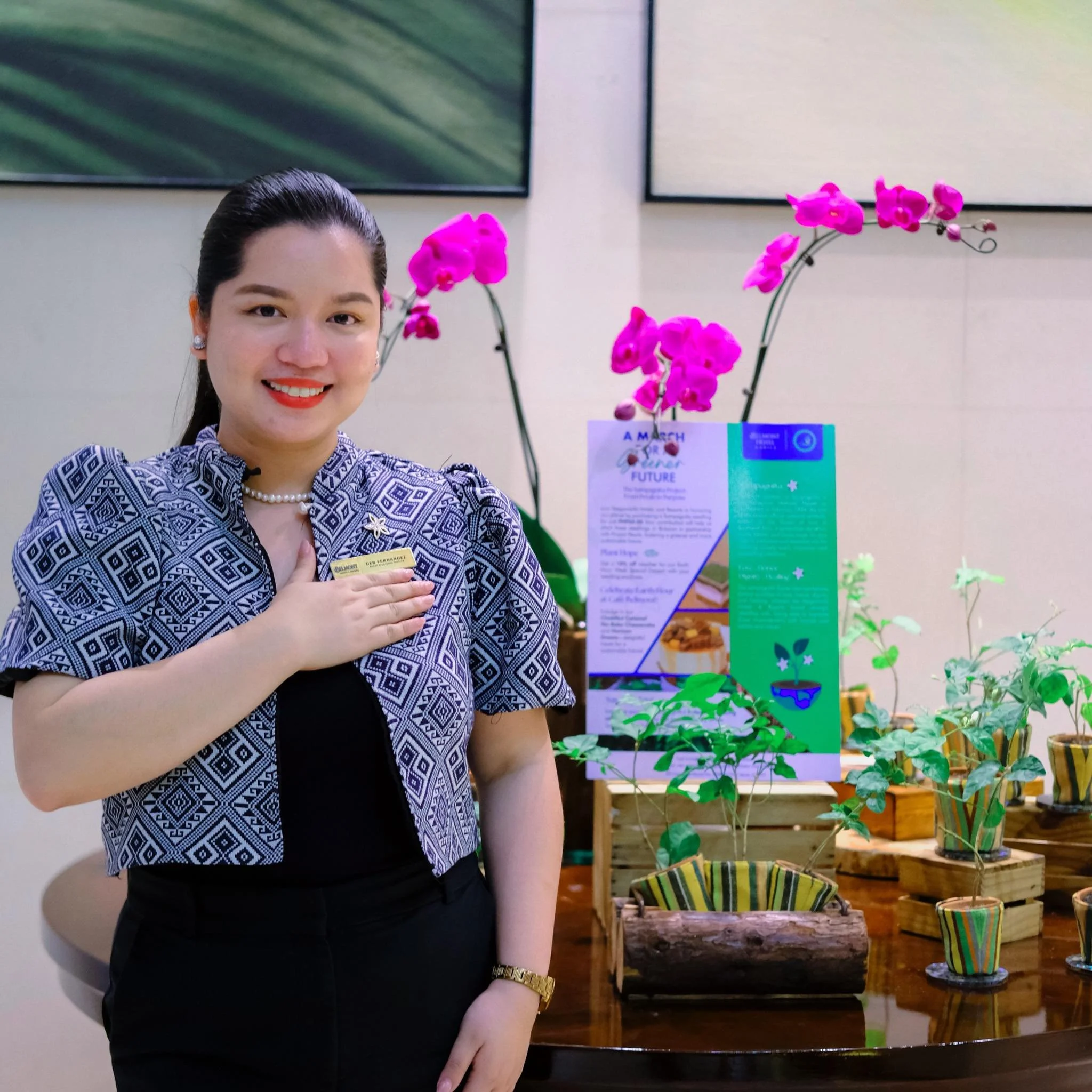
How Hotels Can Thrive in a Changing Hospitality Landscape
Hoteliers face a critical turning point as guest expectations shift toward mindful, personalized experiences. We gathered the actionable strategies from the Philippine Hotel Innovation Summit 2026 to help you navigate this transition. From smart layouts and genuine sustainability to practical AI applications, here is what you need to know to boost profitability and keep your property competitive.

Direct Bookings Done Right: A Sustainable Strategy for Hoteliers
Driving direct bookings is more than just cutting OTA commissions; it's about owning the guest relationship and building financial resilience. Learn advanced, actionable strategies from industry leaders on how to optimize your website, personalize the guest journey, and leverage video content and AI to build a more profitable, future-proof business for your hotel.

Sustainable Tourism at the Edge: What These Two Remote Luxury Resorts Get Right
Across Asia, tourism growth is entering a more selective and consequential phase. As overtourism pressures intensify in established hubs, attention is shifting toward peripheral regions — places with cultural and environmental heritage, yet previously excluded from mainstream circuits.
In these contexts, the question is no longer whether tourism should arrive, but how it arrives, at what pace, and under whose terms. This notion of overtourism versus under-tourism was discussed at length in a recent AST Webinar.
Two pioneering resorts — Cap Karoso in Indonesia and Zannier Bãi San Hô in Vietnam — show how thoughtful design, local partnerships, and light footprints can redefine what progress looks like.
Together, they suggest that the next phase of Asian hospitality could be smaller in scale but far bigger in consequence.

Become an AST member to unlock playbooks & connections to future proof your business. Join today.
Work with us
Ready to take your business to the next level — with purpose?
Take a look at our Media Kit.
From B2B content development, such as impact reports and newsletters, to speaking engagements and business match-matching, we offer a full suite of services designed to grow your business and drive enduring impact.
And we don’t stop there. 5% of all revenue goes directly to traceable social and environmental initiatives across Asia.