

Six Senses Laamu: the Case for Nature-Positive Hospitality
For years, decarbonization has been the organizing principle of corporate climate action. Boards debate emissions trajectories. Brands announce net-zero commitments. Companies purchase carbon credits to cover what operational changes could not yet eliminate. It is a coherent, regulation-aligned framework that stakeholders can report against, investors can evaluate, and consumers can be persuaded by.
It remains a necessary strategy.
But as a complete account of what sustainability demands from the travel industry, it has always carried a significant blind spot.

No AI Can Replace A Travel Advisor With Human Empathy. But Where Does the Industry Go From Here?
For two decades, the online travel booking experience ran on a reliable, if imperfect, arrangement. Discovery flowed through Google. Brands and OTAs converted traffic into bookings. Influencers, media, travel advisors, and tour operators were compensated at every link in the chain. Whoever was closest to the customer held what mattered most: the data and sometimes also the relationship.
That architecture is now being dismantled faster than the industry could have anticipated.
Phocuswright reported that 33% of travelers typically use Generative AI ChatGPT, Claude, and Perplexity for trip research, compared with just 6% in the second half of 2024.

How Hotels Can Thrive in a Changing Hospitality Landscape
Hoteliers face a critical turning point as guest expectations shift toward mindful, personalized experiences. We gathered the actionable strategies from the Philippine Hotel Innovation Summit 2026 to help you navigate this transition. From smart layouts and genuine sustainability to practical AI applications, here is what you need to know to boost profitability and keep your property competitive.

Will AI Drive or Derail Sustainable Travel? Solving the Industry’s Challenges
Artificial intelligence presents significant opportunities and risks for sustainable travel. This article highlights key insights from our recent Asia Travel Future Summit—a collaboration between Asia Sustainable Travel and Wise Steps Group—which featured experts from Travalyst, Archipelago International, Advant Labs, Lightblue, Lemongrass Marketing, Baotree, and the Pacific Asia Travel Association (PATA). Discover practical strategies for using AI to enhance efficiency and guest experiences, while managing its environmental impacts and ethical concerns, ensuring technology benefits people, the planet, and profits.

From Choice Simplification to Cosmic Itineraries: The 5 Trends Redefining Travel in 2026
The traveler of 2026 is not the traveler the industry designed for a decade ago. Findings from the Lemongrass Marketing Travel Trend Report 2026 and Booking.com’s “Era of You” show people entering this year with new psychological drivers shaped by cognitive overload, climate anxiety, identity change, and a clearer expectation that travel should align with their values and emotional needs.
These shifts are already shaping how travelers plan, choose, spend, and evaluate. In Asia — the world’s fastest-growing and most culturally diverse tourism region — the implications are immediate.
The following five structural shifts will define the competitive landscape for 2026.

The Business of Balance: Can Asia’s Wellness Boom Stay True to Its Soul?
Wellness, across Asia, is never a passing trend. Wellness practices are an inheritance, passed down through generations, woven into dawn rituals, temple offerings, forest walks, and herbal teas brewed by hand.
Long before “detox retreats” appeared on luxury itineraries, Ayurveda mapped the human body as a universe of balance, Thai massage offered preventive and rehabilitative benefits to the human body, and Zen Buddhism guided the Japanese to find serenity in simplicity.
But in the last two decades, the continent that originated many holistic healings has become the world’s largest wellness marketplace. Asia-Pacific’s wellness tourism sector is projected to reach US $290.4 billion by 2030 — a surge driven by rising incomes, digital fatigue, and the modern epidemic of burnout.
The paradox is stark: while wellness has never been more in demand, it is also facing the greatest risk of losing its essence.
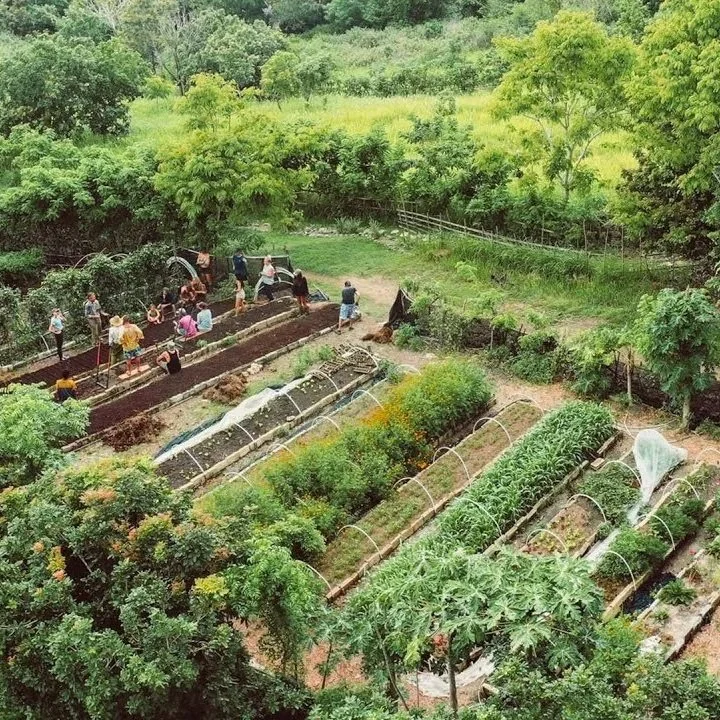
Breaking the Chain to Save It: How Asia’s Hospitality Can Fix Food Systems
Asia’s hospitality industry is in culinary reckoning. Climate shocks are hitting staple crops. Global supply chains remain fragile and expensive. Rising guest expectations are pushing hospitality into a culinary reckoning.
In short, the way Asia eats and how hotels and restaurants serve food must change.
At the recent AST webinar, Breaking the Chain to Save It: How Asia’s Hospitality Can Fix Food Systems, three leaders showed what change looks like on the ground:
Their message was clear. To shape sustainable food systems, hospitality must address both ends of the chain: upstream and downstream.

Become an AST member to unlock playbooks & connections to future proof your business. Join today.
Work with us
Ready to take your business to the next level — with purpose?
Take a look at our Media Kit.
From B2B content development, such as impact reports and newsletters, to speaking engagements and business match-matching, we offer a full suite of services designed to grow your business and drive enduring impact.
And we don’t stop there. 5% of all revenue goes directly to traceable social and environmental initiatives across Asia.