
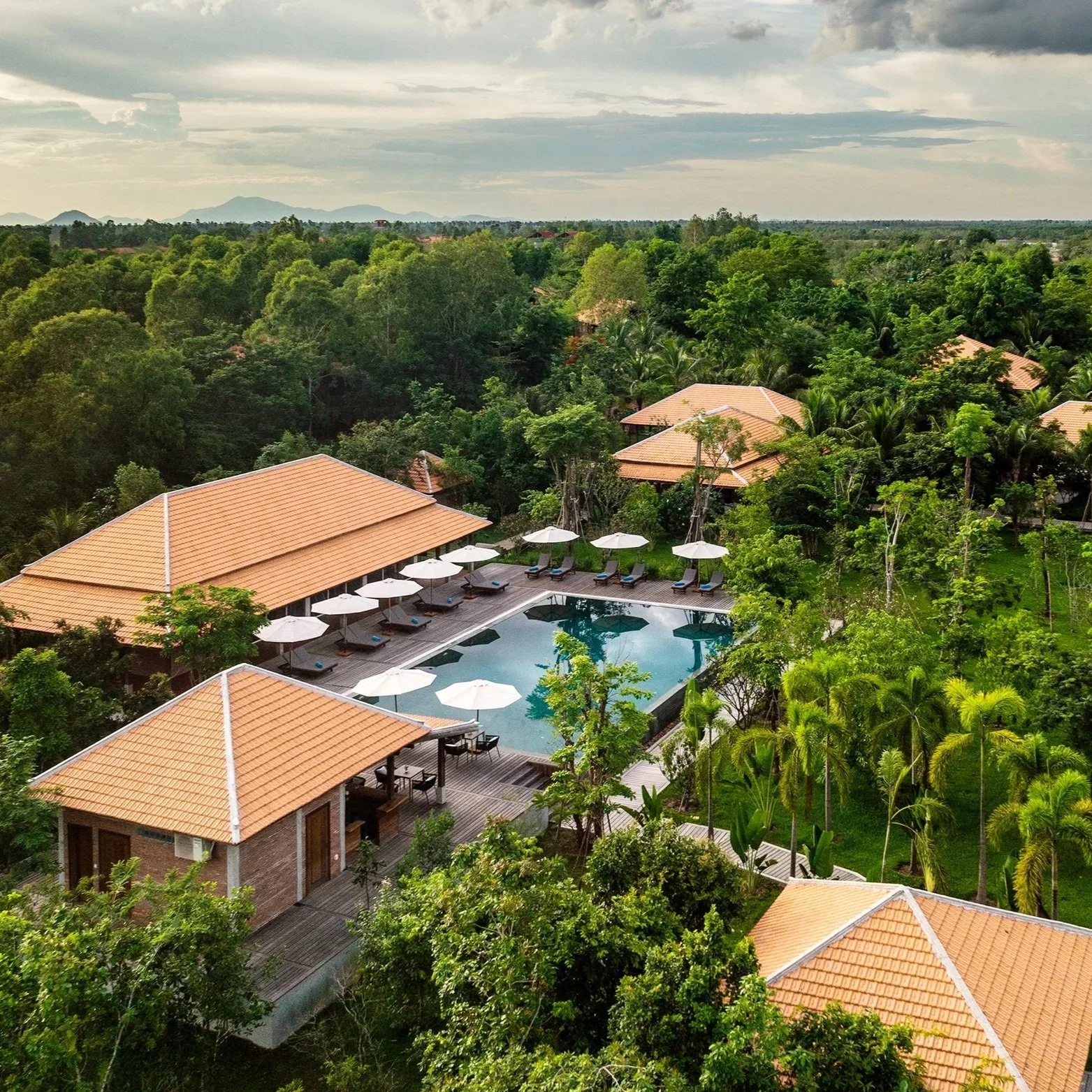
Can Hospitality Catalyze Enduring Change? Inside Smiling Gecko Foundation's Bet on Farmhouse Resort & Spa
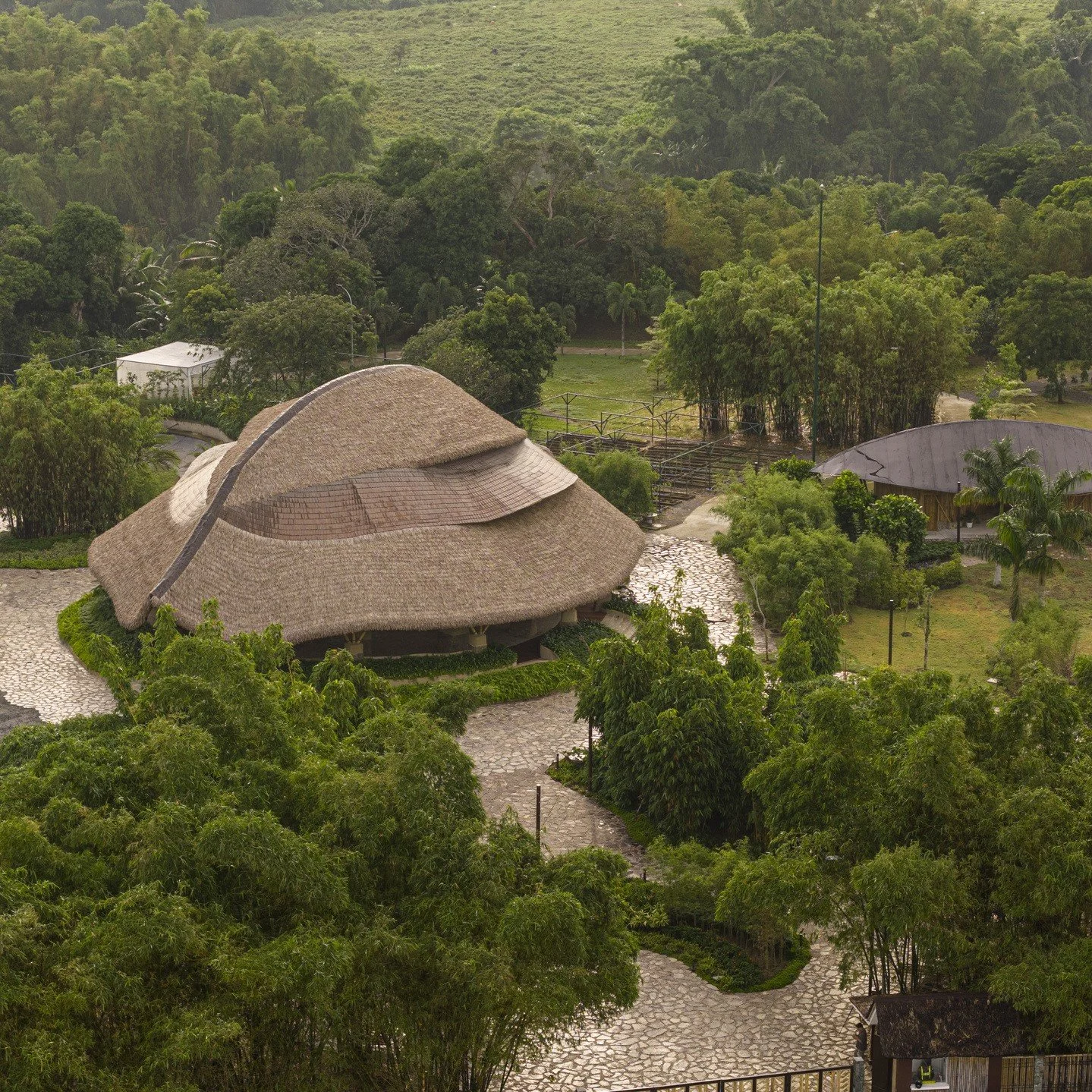
Inside The Gong's auditorium, students rehearse — one node in Smiling Gecko Foundation's 150-hectare Cambodian campus, where a boutique hotel funds free education, vocational training, and a working farm economy. Founder Hannes Schmid, once the photographer behind the Marlboro Man, built this after a 2012 encounter with child exploitation convinced him that charity alone could never break cycles of poverty. From Chef Mariya Un Noun's rise to Restaurant Un's helm to the carpentry workshop supplying 90 percent of the resort's furniture, Farmhouse shows what tourism can fund — and what it still cannot replace.
Why the Most Important Hotel Design Decisions Are Made Before a Guest Arrives
At the Hotel Design Summit Philippines, one of four summits at the 9th Hospitality Philippines Conference #HPC2026, architects, operators, and developers looked at how hotel performance is shaped before a property opens. Across nine panels on land, energy, technology, wellness, and community, the discussion returned to the same issue: early design and planning decisions carry long operational and commercial consequences.

Building Around the Trees: How The Farm at San Benito, Autograph Collection Built a Nature-First Healing Sanctuary
The Farm at San Benito in Batangas, Philippines, is known for its landscape, wellness programs, and a personalized approach to guest care. Its move into Marriott’s Autograph Collection makes this a useful moment to look at what stays intact and what changes when a unique independent healing sanctuary becomes part of a global hotel group.
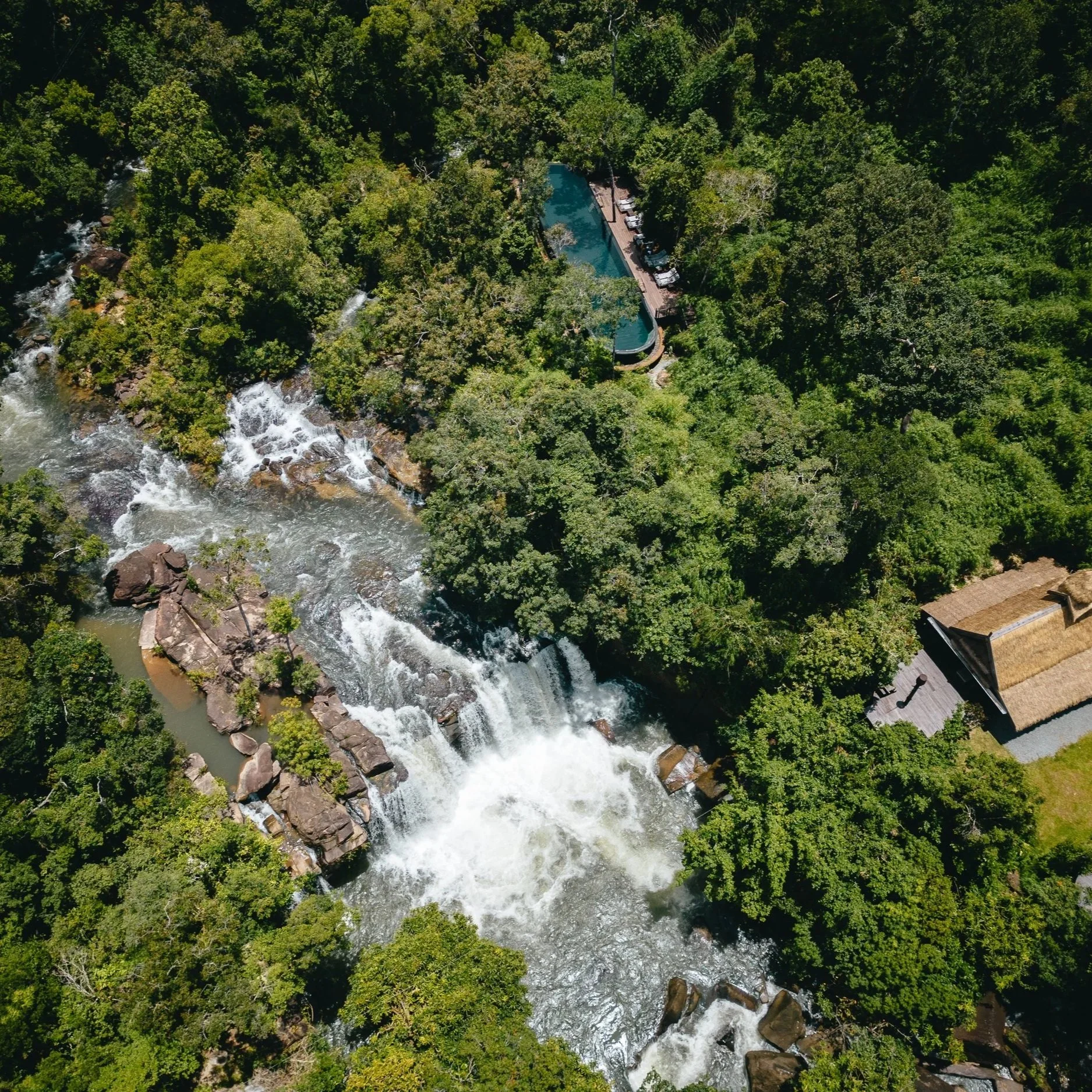
Can Shinta Mani's Funding Model Withstand Cambodia's Tourism Downturn?
For more than two decades, Shinta Mani has been one of Asia's most compelling examples of hospitality as a force for social and environmental change: a business model in which hotel revenue helps fund education, healthcare, interest-free microfinance, practical support for rural communities, and environmental conservation.
Since 2004, the Foundation reports having delivered 360 hospitality graduates, over 2,000 water wells, over 20,000 water filters, over 4,600 bicycles, 270 interest-free micro-loans, and free dental care for nearly 24,000 Cambodian children.
Yet as Cambodia faces its sharpest tourism downturn since the pandemic, Shinta Mani confronts its toughest test: can a deeply committed, purpose-led hospitality brand remain commercially resilient — and keep delivering its social and environmental projects — when the guests who help fund it no longer arrive in the numbers they once did?
![[Exclusive] Sustainable Tourism Impact Fund: How Patient Capital Unlocks Investments Conventional Financing Overlooks](https://images.squarespace-cdn.com/content/v1/63f6cdbdc249663d72082ecd/1786501208510-5198Q2DTS0U08ZD8FRMS/Local%2BAlike%2B-%2B57.png)
[Exclusive] Sustainable Tourism Impact Fund: How Patient Capital Unlocks Investments Conventional Financing Overlooks
Every USD 1 from Agoda's Eco Deals program contributes to the World Wide Fund for Nature (WWF) Singapore’s conservation efforts. A portion of that funding is channeled to the Sustainable Tourism Impact Fund (STIF) and disbursed by the UnTours Foundation as enterprise loans to eligible tourism and hospitality businesses in Southeast Asia.
In under two years, STIF has backed five businesses that served 13,867 travelers, supported 221 jobs, and helped plant more than 220,000 corals.
The early figures suggest that a modest, well-designed financing model can support visible activity in a short time.
Based on on-the-record interviews with every partner in the model, this reporting by AST asks whether the five-business pilot can become a credible financing pathway for tourism's underserved micro-, small-, and medium-sized enterprises (MSMEs).
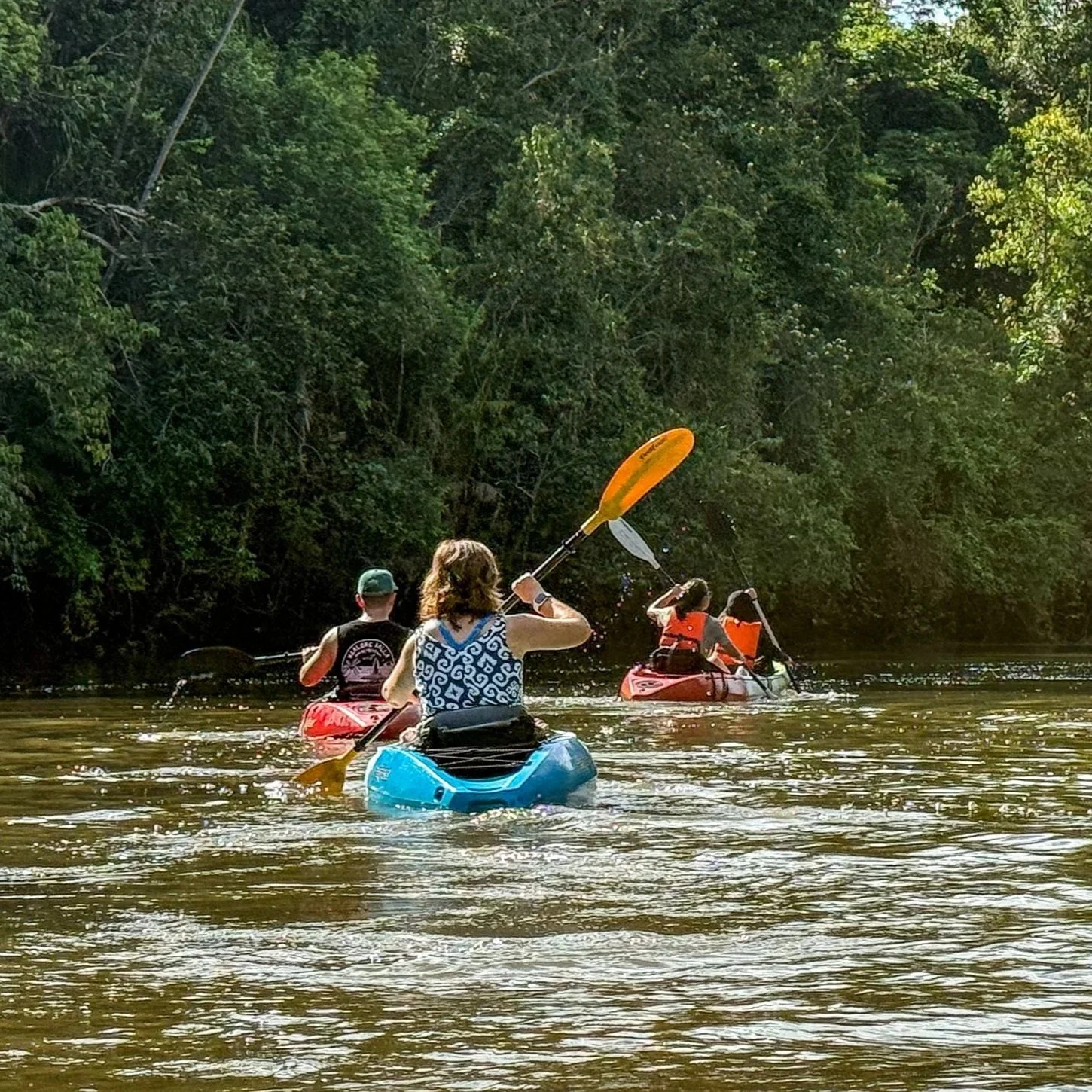
From Conviction to Infrastructure: What It Takes to Sustain APAC's Responsible Tourism Movement
Asia Sustainable Travel attended as the only media invitee to The Long Run's APAC Regional Hub Meeting this June. The Long Run's members collectively protect and regenerate over 23 million acres of nature globally, according to the organization. This year’s APAC gathering brought together responsible tourism and hospitality leaders from organizations including Khiri Travel, Minor Hotels, Lost Road, Knai Bang Chatt, The Datai Langkawi, The Habitat Foundation, Song Saa Private Island, Tiger Mountain Pokhara Lodge, and Nikoi and Cempedak Islands.
The author came with two things that he wanted to see for himself.
First, whether CTC's off-grid, conservation-led operation actually lives up to its promise that a guest's stay keeps the forest standing.
Second, what does it take to sustain responsible tourism in Asia-Pacific when travel demand, airline capacity, capital investment, public policy, and guest trust are all under pressure?
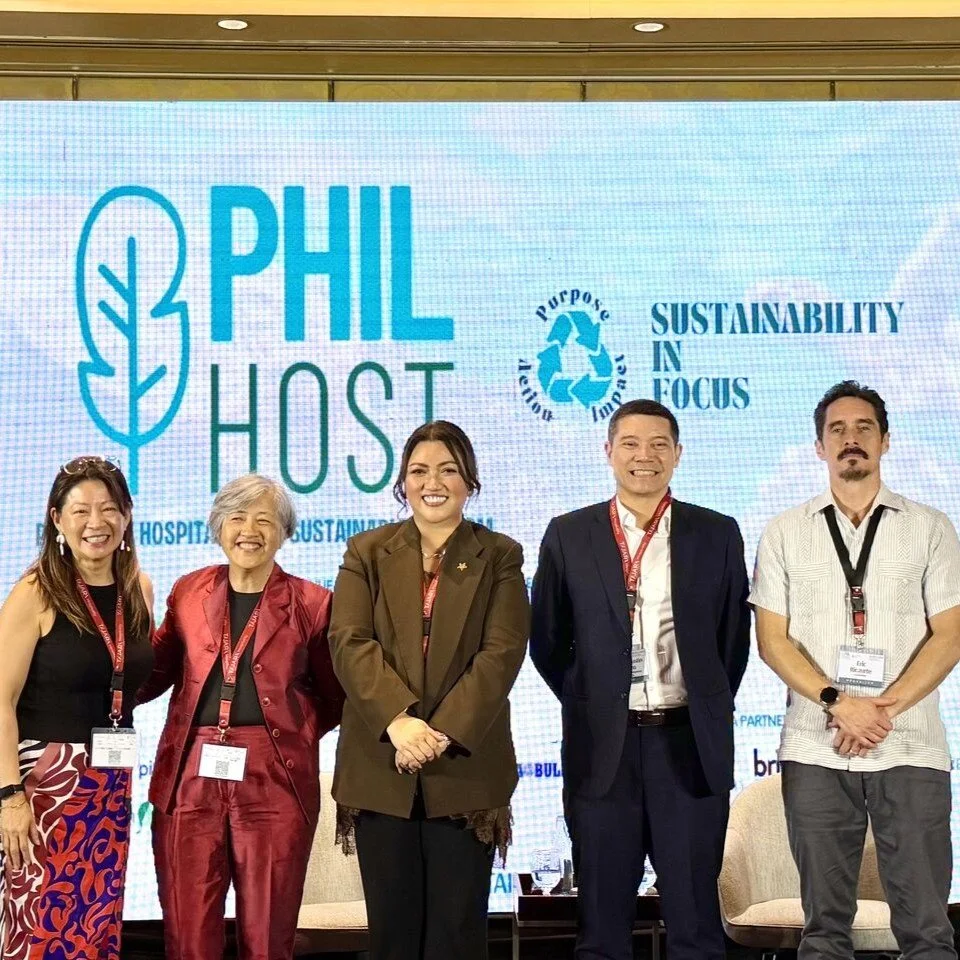
When Sustainability Meets Operations: Key Lessons from PHILHOST 2026
PHILHOST 2026 made one point impossible to miss: sustainability only matters if it survives operations. Across discussions on property-level execution, workforce resilience, natural capital, and financing, the forum pushed past stated commitments and focused on what it takes to hold standards under real-world pressure.
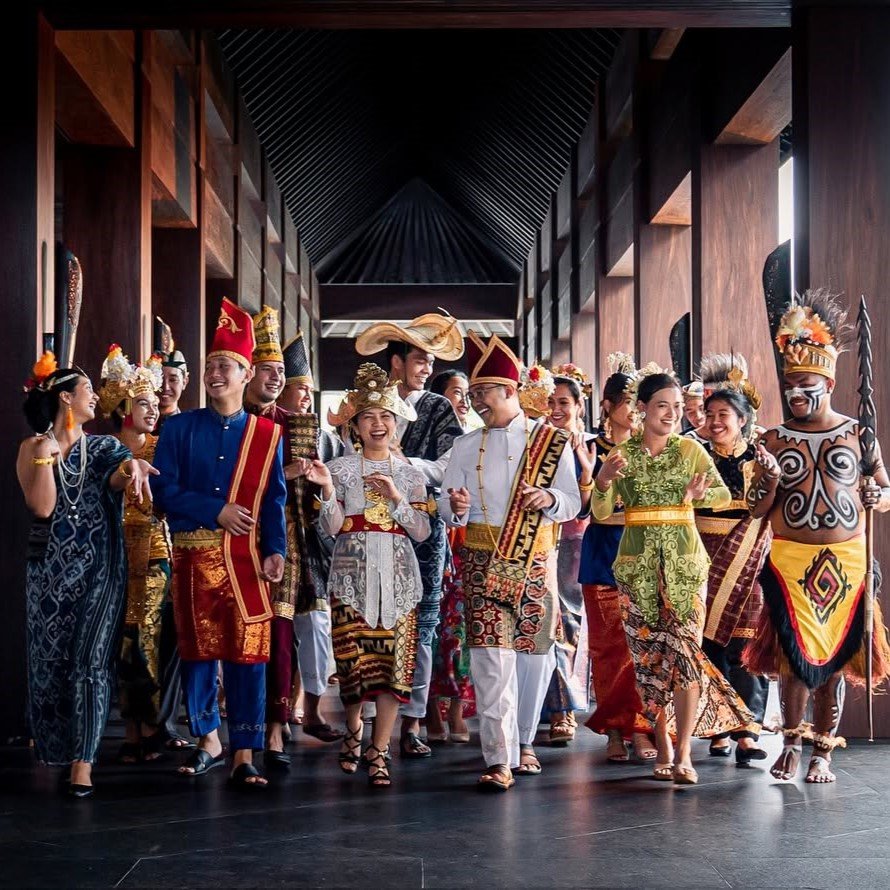
How Hospitality Brands Earn Trust Without Saying “We’re Sustainable”
At the recent AST Webinar, Tinu Mathur, Barbara Kitane, Danti Yuliandari, and Rhea Vitto Tabora discussed why credible sustainability communication starts long before the message—in operations, alignment, and proof that can stand up to scrutiny.
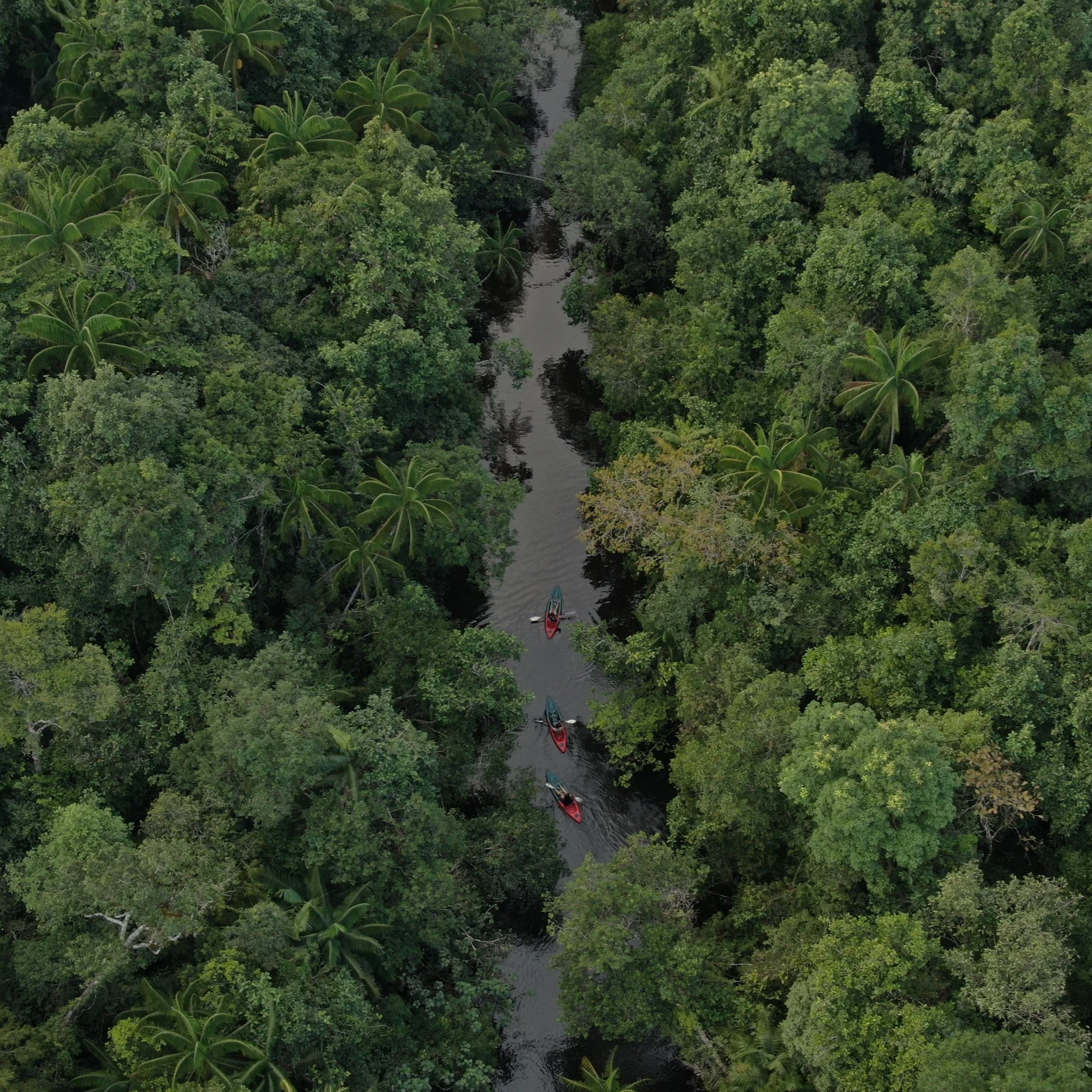
Custodians of the Cardamom Mountains: How a Tented Camp Helps Keep a Forest Standing
When the rangers assigned to Botum Sakor National Park, sitting in the foothills of the Cardamom Mountains in southern Cambodia, patrolled its lowland forests in 2013, they confiscated more than 3,000 snares, dozens of chainsaws, and dozens of homemade guns in a single year. The numbers are an outcome of a lack of robust policy enforcement, reflecting a national park stripped of meaning and protection, and a local population with few alternatives to the forest's extraction.
Botum Sakor National Park was, on paper, a protected area. In practice, the ecosystem and land had been hollowed out. According to the camp manager Allan Michaud, as much as 77% of the park had been sold off to various concession interests, leaving its biodiversity — home to sun bears, Sunda pangolins, Siamese crocodiles, and clouded leopards — with little institutional shield between itself and destruction.
The question of what could actually reverse that trajectory led, eventually, to an unlikely answer: a pier on a river with no road attached, and 9 tents that would grow to 12 in 2024.
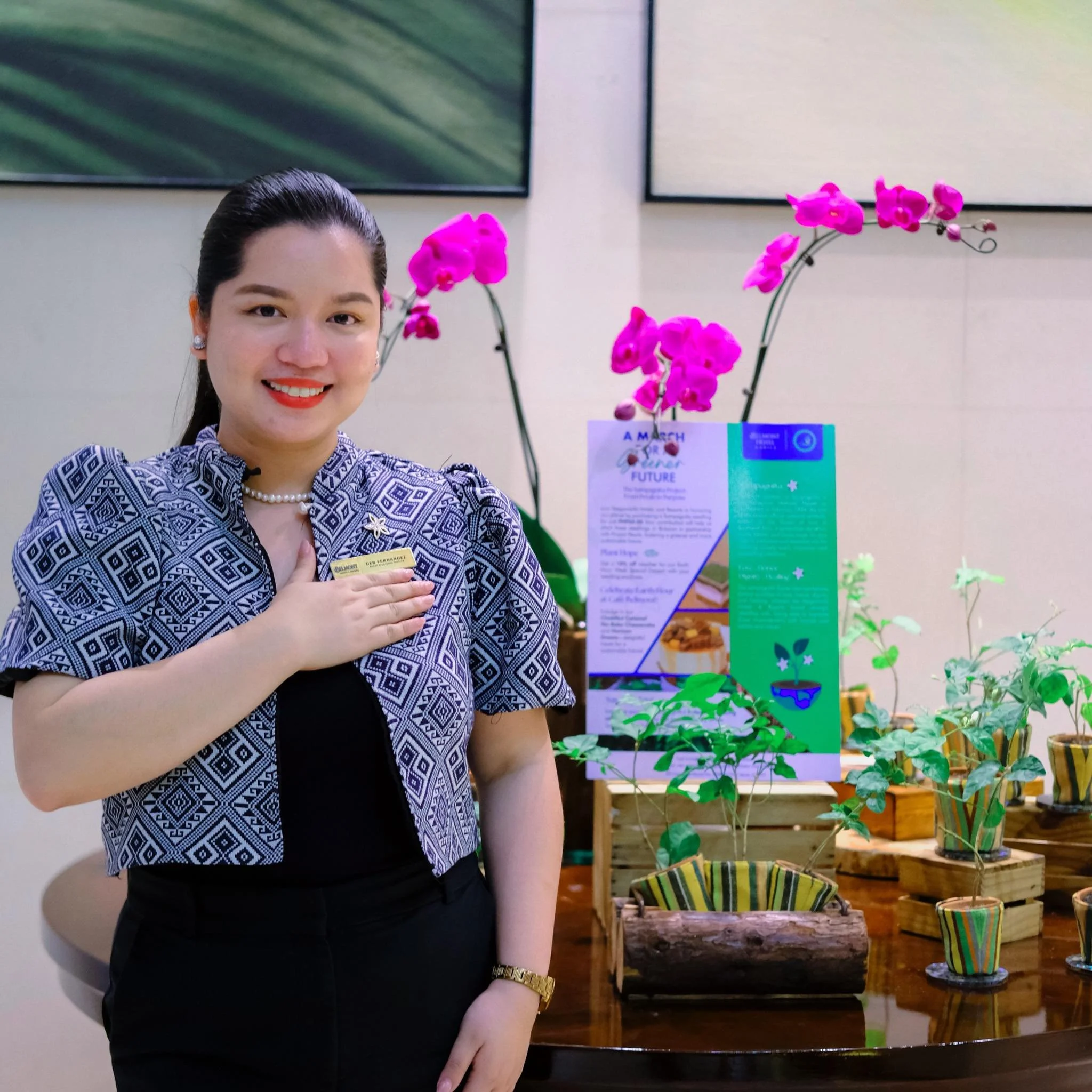
How Hotels Can Thrive in a Changing Hospitality Landscape
Hoteliers face a critical turning point as guest expectations shift toward mindful, personalized experiences. We gathered the actionable strategies from the Philippine Hotel Innovation Summit 2026 to help you navigate this transition. From smart layouts and genuine sustainability to practical AI applications, here is what you need to know to boost profitability and keep your property competitive.

Direct Bookings Done Right: A Sustainable Strategy for Hoteliers
Driving direct bookings is more than just cutting OTA commissions; it's about owning the guest relationship and building financial resilience. Learn advanced, actionable strategies from industry leaders on how to optimize your website, personalize the guest journey, and leverage video content and AI to build a more profitable, future-proof business for your hotel.
Is Triple Win Possible? Guests Return, People Prosper, Nature Thrives
For decades, tourism has focused for a narrow promise — happy guests and healthy profits — using growth indicators such as visitor arrivals and room occupancy to fuel an industry now worth nearly USD 10 trillion globally, according to the World Travel & Tourism Council.
This formula powered decades of growth across Asia. It created jobs, lifted communities out of poverty, and introduced millions of travelers to the region’s cultures and landscapes. However, this is achieved while externalizing costs that matter most to long-term viability, including biodiversity loss, infrastructure strain, socio-economic equity. It is notable, in many destinations, less than half of tourism revenue remains in local economies, as documented by a Travel Foundation report.
The question facing the industry today is no longer whether tourism needs to change — but how deeply.
That was the central focus of Asia Sustainable Travel’s recent webinar, “Is Triple Win Possible? Guests Return, People Prosper, Nature Thrives.” Bringing together a travel business founder, a conservation practitioner, and a systems designer, the discussion cut through surface-level sustainability claims to examine whether tourism can truly deliver value for guests, people, and nature — at the same time, and over the long term.
The answer from the webinar was neither idealistic nor dismissive. Triple-win outcomes are possible — but only if tourism stops treating sustainability as an add-on, and starts redesigning how value is created, measured, and shared.
This webinar also made clear that incremental fixes are no longer enough. What’s required is a structural reset.

The Hidden ROI of Community Investment: What Hoteliers Are Overlooking
If your hotel’s strategy still focuses only on room rates and marketing, you’re overlooking your strongest asset: your local community.
For hoteliers in Asia, where culture and community are deeply connected, collaborating with local communities builds loyalty, reduces risk, and delivers benefits beyond financial metrics.
This article reveals the hidden ROI and strategies to make community engagement a smart business move.

Three Mindset Shifts Asia Needs to Advance Sustainable Tourism in 2026
After years of debating whether sustainability matters to the future of tourism, the industry now confronts a more immediate and uncomfortable question: who can still be trusted?
The conversation has been overtaken by the loudest voices, many of whom are trading in sweeping claims unsupported by evidence. Unsurprisingly, consumers are growing skeptical, tuning out sustainability narratives that feel rehearsed and performative.
In this environment, success in 2026 will not belong to businesses making ambitious promises, but to those that can show verifiable impact, communicate with transparency, and scale responsibly.
That shift demands a reset, away from rhetoric and toward evidence-informed decisions, genuine community partnership, and outcomes that can be measured and verified.
Below are three high-level mindsets that must be reframed if the industry is to respond to the urgency and scale of the climate and sustainability challenge it now faces.

Can Tourism Regenerate Oceans? Why Community Ownership,Not Just Participation, is the Answer
Discover how Donsol in the Philippines transformed from a quiet fishing town into a global ecotourism success through community-driven marine preservation. Learn actionable strategies for integrating the Blue Economy into your business, from empowering local stakeholders to adopting science-based mangrove restoration. This article highlights lessons from the Environmental Planning Conference and the groundbreaking whale shark ecotourism model.

Will AI Drive or Derail Sustainable Travel? Solving the Industry’s Challenges
Artificial intelligence presents significant opportunities and risks for sustainable travel. This article highlights key insights from our recent Asia Travel Future Summit—a collaboration between Asia Sustainable Travel and Wise Steps Group—which featured experts from Travalyst, Archipelago International, Advant Labs, Lightblue, Lemongrass Marketing, Baotree, and the Pacific Asia Travel Association (PATA). Discover practical strategies for using AI to enhance efficiency and guest experiences, while managing its environmental impacts and ethical concerns, ensuring technology benefits people, the planet, and profits.

A Closer Look at Sustainability-Centric Loyalty Programs for Independent Hotels in Asia
As modern travelers seek meaningful experiences and eco-conscious choices, independent hotels in Asia are reimagining loyalty programs. From personalized guest moments to sustainability-driven rewards, discover how platforms like GHA Discovery, Journey, and SLH Club are helping independent properties stand out in a competitive market.

Sustainability Beyond the Manager: Engaging Your Entire Team
How can sustainability evolve from a series of isolated efforts into a unified mission championed by every member of your team?
This question was at the heart of our recent webinar, where Dimitri Syrris, Founder & CEO of Baotree, and Rhea Vitto Tabora, Co-Founder of Asia Sustainable Travel, explored how to transform sustainability into an inclusive, shared responsibility within hospitality operations.
They discussed why this approach is more critical than ever for the hospitality and travel sector and shared actionable insights, compelling examples, and innovative tools to help professionals create a team-driven sustainability roadmap.

Is ILTM Asia Pacific Ready to End ‘Beige-ification’ and Advance Sustainability?
As the leading luxury travel trade show in Asia, ILTM Asia Pacific occupies a position of profound influence in shaping the region’s high-end tourism sector. Its 2025 edition at Marina Bay Sands, Singapore, saw 740 luxury travel advisors and exhibitors engage in over 40,000 pre-scheduled meetings, a significant 12% growth from the prior year.
But behind the polished networking lounges and celebratory metrics, a more urgent question emerged: is the luxury travel sector, and ILTM Asia Pacific itself, ready to move beyond the aesthetic uniformity that increasingly defines much of global hospitality, and lead a shift toward cultural diversity, sustainability, and innovation?

Designing Desire: The Business and Wellness Case for Biophilic Hospitality
Hospitality has long been measured by its ability to provide comfort and luxury, but things are changing. With the rise of biophilic design, guests now want more than just a place to stay. They are looking for spaces that bring them closer to nature and rejuvenate them. It's now about blending the natural world into architecture and creating experiences that go beyond the built environment.
This article explores the core principles and growing importance of biophilic design, highlighting its benefits and successes. It offers hospitality professionals a practical guide to creating spaces that deeply resonate with guests while promoting sustainability.

Become an AST member to unlock playbooks & connections to future proof your business. Join today.
Work with us
Ready to take your business to the next level — with purpose?
Take a look at our Media Kit.
From B2B content development, such as impact reports and newsletters, to speaking engagements and business match-matching, we offer a full suite of services designed to grow your business and drive enduring impact.
And we don’t stop there. 5% of all revenue goes directly to traceable social and environmental initiatives across Asia.