From Choice Simplification to Cosmic Itineraries: The 5 Trends Redefining Travel in 2026
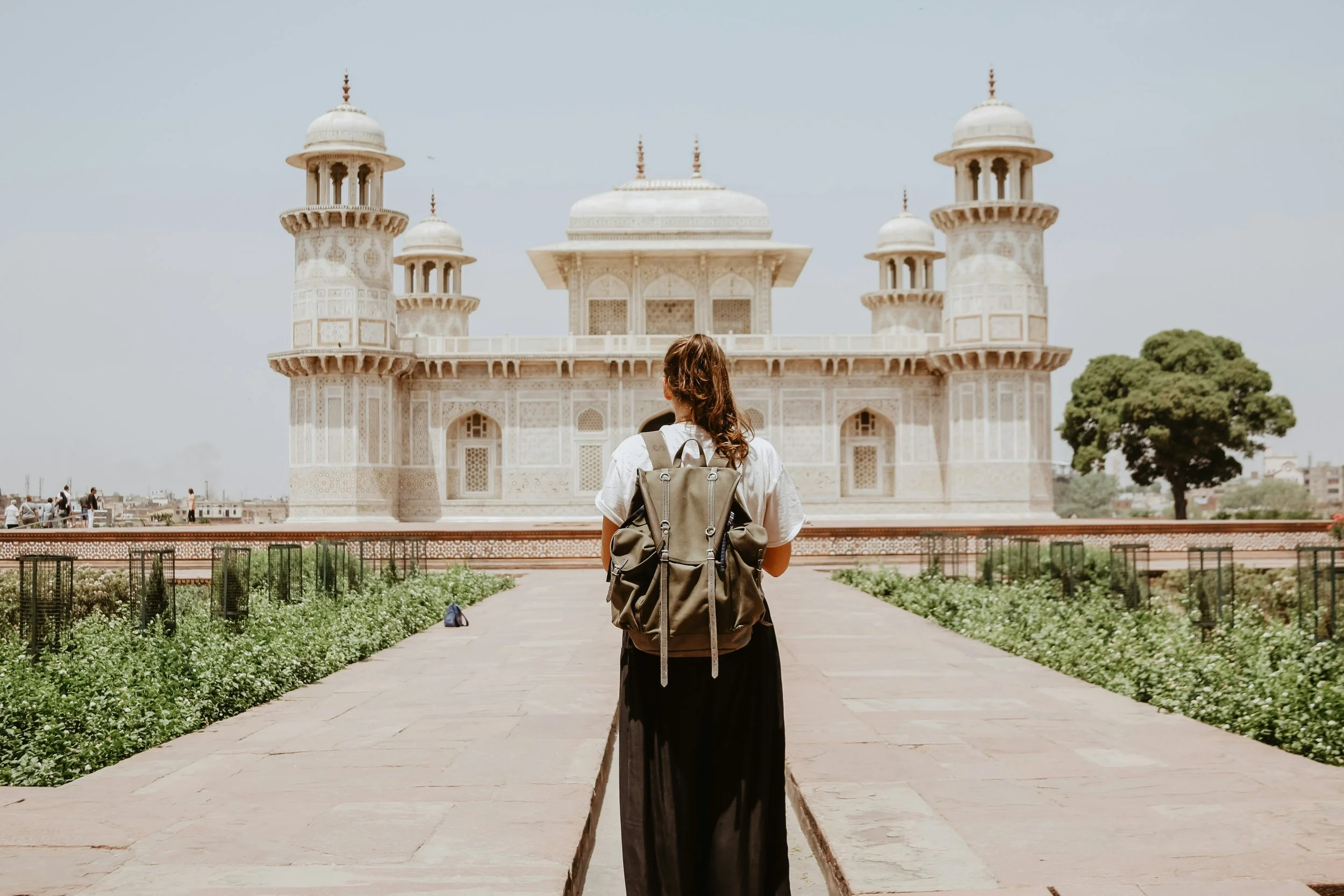
Photo by Ibrahim Rifath via Unplash.
Today’s travelers are a world apart from those a decade ago.
Findings from the Lemongrass Marketing Travel Trend Report 2026 and Booking.com’s “Era of You” show people entering 2026 with new psychological drivers shaped by cognitive overload, climate anxiety, identity change, and a clearer expectation that travel should align with their values and emotional needs.
These shifts are already shaping how travelers plan, choose, spend, and evaluate their experiences. In Asia, the world’s fastest-growing and most culturally diverse tourism region, the implications are immediate and profound.
The following five structural shifts will likely define the travel industry in 2026.
1. Decision fatigue is changing how people travel.
Travel planning has evolved into a high-effort exercise: comparing dozens of hotels, navigating group preferences, and assembling itineraries from endless online recommendations. The pressure to design an “ideal trip” now mirrors the cognitive load of work life.
Lemongrass identifies this as a “decision detox” moment, with travelers increasingly delegating choices to trusted operators, all-inclusive models, and curated programs that remove complexity rather than add to it.
Booking.com’s “Hushed Hobbies” underscores how this extends into the trip itself. 43% say they would take a vacation specifically to feel closer to the natural world, while one in four (25%) are turning to quieter, slower hobbies in search of calm. Interest in observational pastimes is rising sharply: 57% would try moth or butterfly watching, 73% would choose fishing or birdwatching, and 69% would stay at a property that includes guided foraging in nearby natural areas.
These trends reflect a broader demand for frictionless travel: fewer decisions, clearer options, and experiences that don’t need constant navigation.
Across Asia, brands that simplify the journey through streamlined stay packages, modular itineraries, and human-led curation appear to be outperforming those that rely on abundant choice.
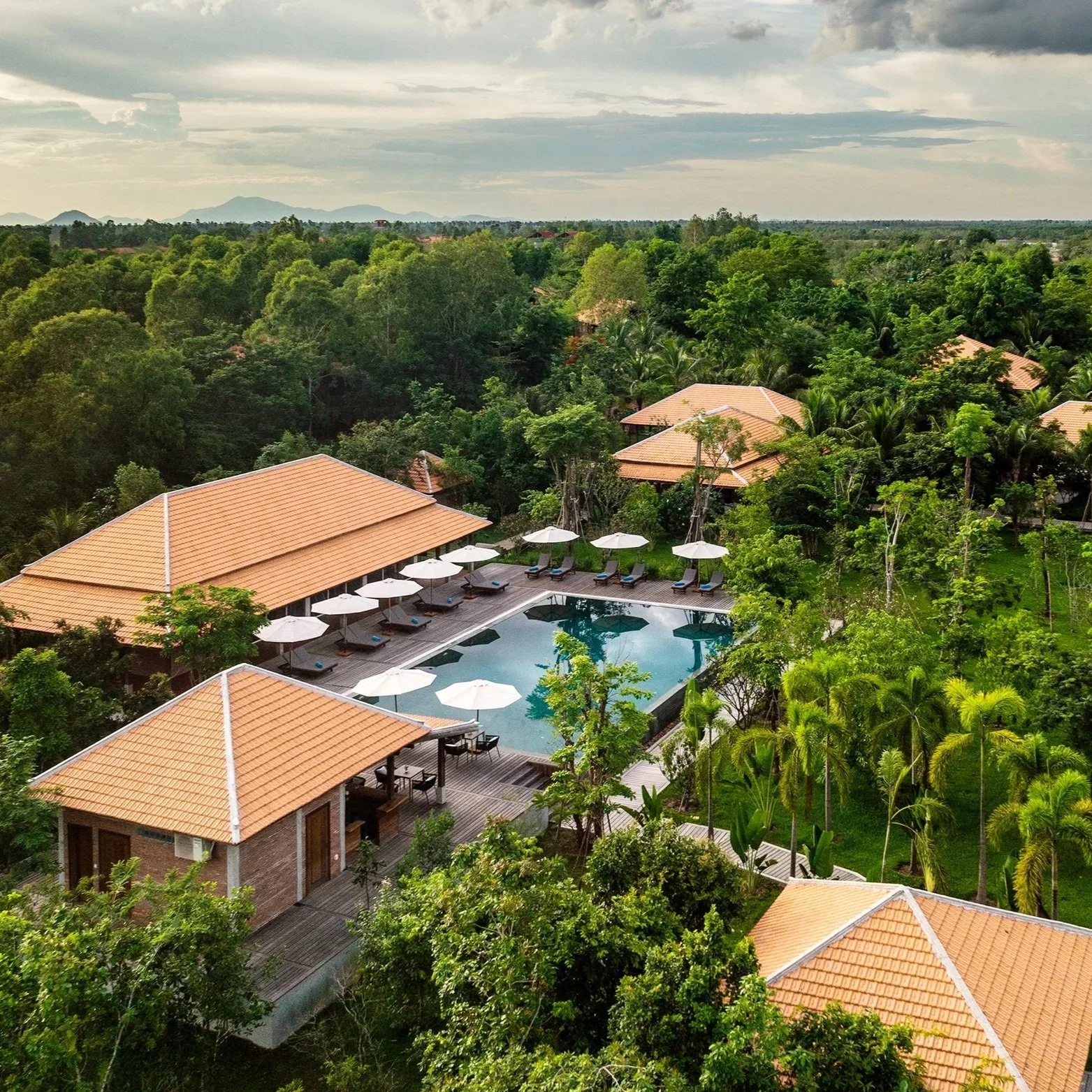
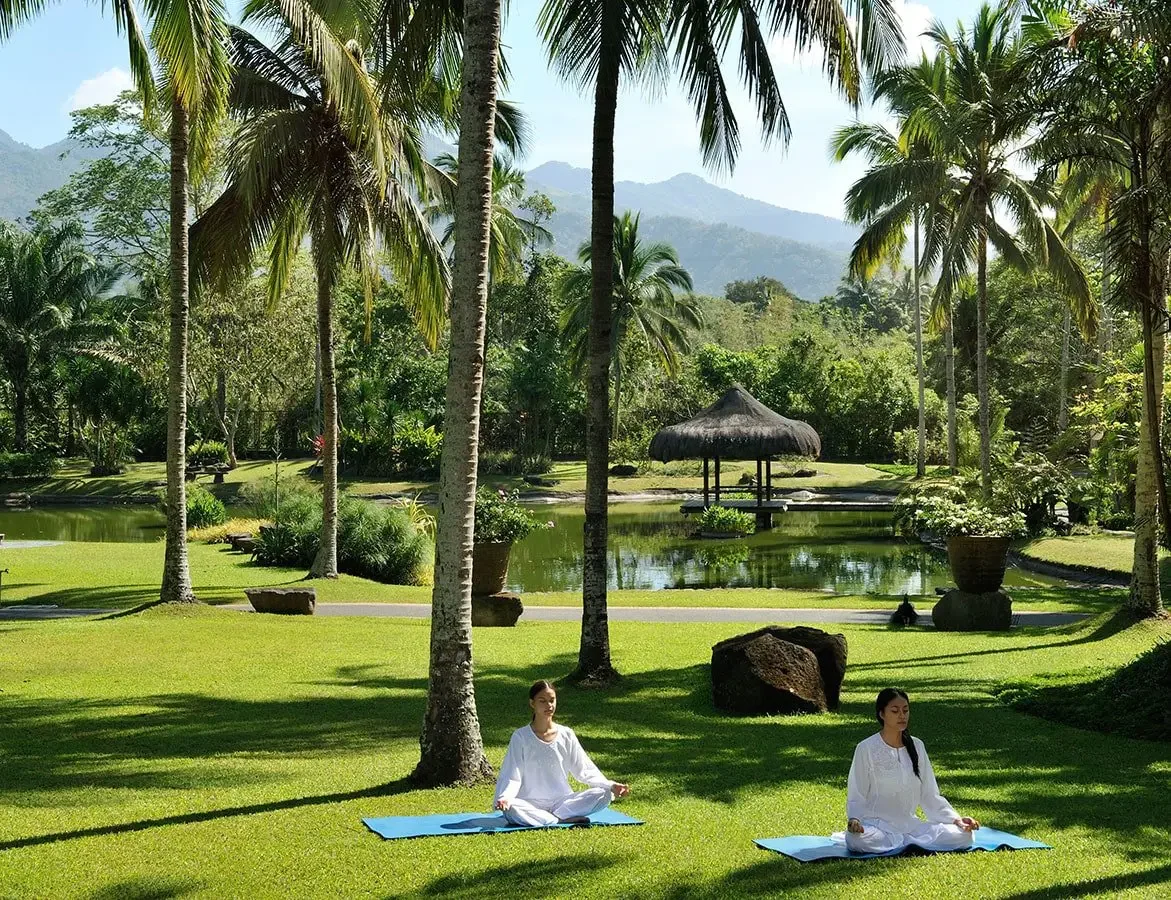
REVĪVŌ Wellness Resort, Fivelements Retreat, and Bagus Jati in Bali exemplify this shift by offering structured, restorative programs that eliminate decision fatigue and allow guests to focus on rest, not planning.
Strategic implication:
The new competitive advantage is reducing cognitive load.
Clarity outranks variety.


Photos by REVĪVŌ Wellness Resort
2. Travelers cautiously, increasingly seek places not yet defined by the algorithm.
More travelers are turning away from destinations that feel overly curated or algorithm-defined.
Lemongrass notes that while iconic cities still attract demand, travelers now pair them with second cities and lesser-visited regions — Tokyo with Kiso Valley, Seoul with Gangwon-do, Bali with Lombok or Sumba — to avoid crowds, rising costs, and the monotony of seeing the same “Top 10” spots repeated online.
Booking.com’s “Destined-ations” adds a revealing layer: nearly half of travelers say they would alter or cancel plans based on horoscopes, spiritual advice, or cosmic timing. This is accelerating interest in spiritually significant destinations across Asia, including Japan’s sacred mountains, India’s temple circuits, and Indonesia’s healing centers.
Together, these insights show a clear pattern: more travelers are rejecting algorithmic sameness and pursuing destinations that feel self-directed, spiritually aligned, and distinct from mass-market itineraries.
Strategic implication:
For Asia’s tourism leaders, this underscores the need to develop and promote lesser-known and underserved regions and preserve cultural authenticity beyond what social media rewards.


From left: Kumando Kodo Trail in Japan, photo by Oku Japan. Mera Peak in Nepal, photo by Himalayan Trekkers.
3. Travel is becoming a marker for key life milestones.
An increasing number of travelers are no longer confined to making trips around honeymoons or birthdays.
Lemongrass highlights demand for trips centered on mental health, menopause, neurodiversity, grief, aging, and major transitions. Travelers increasingly want experiences that support emotional and physical needs — from slow cycling retreats for peri-menopausal women to intergenerational craft trips or creative sabbaticals for neurodiverse adults.
Travel, in this context, becomes a tool for self-understanding and recalibration, not just leisure.
Booking.com’s “Modern Milestone Missions” confirms the trend. 67% of travelers say that they no longer need a reason to book a trip, and 75% believe working hard is reason enough. New triggers are emerging: promotions, tax refunds, breakups, sobriety, and fitness transformations.
Travel is becoming a recognized way to mark progress, process change, or reward effort.
These insights show that 2026 could be the year in which travel manifests as a life-stage companion. Whether someone is recovering, celebrating, transitioning, or reconnecting, they are using travel to acknowledge moments that matter to them personally.
Strategic implication:
This shift represents a significant opportunity to design experiences that are emotionally attuned, inclusive, and aligned with the diverse milestones travellers are now empowered to celebrate on their own terms.
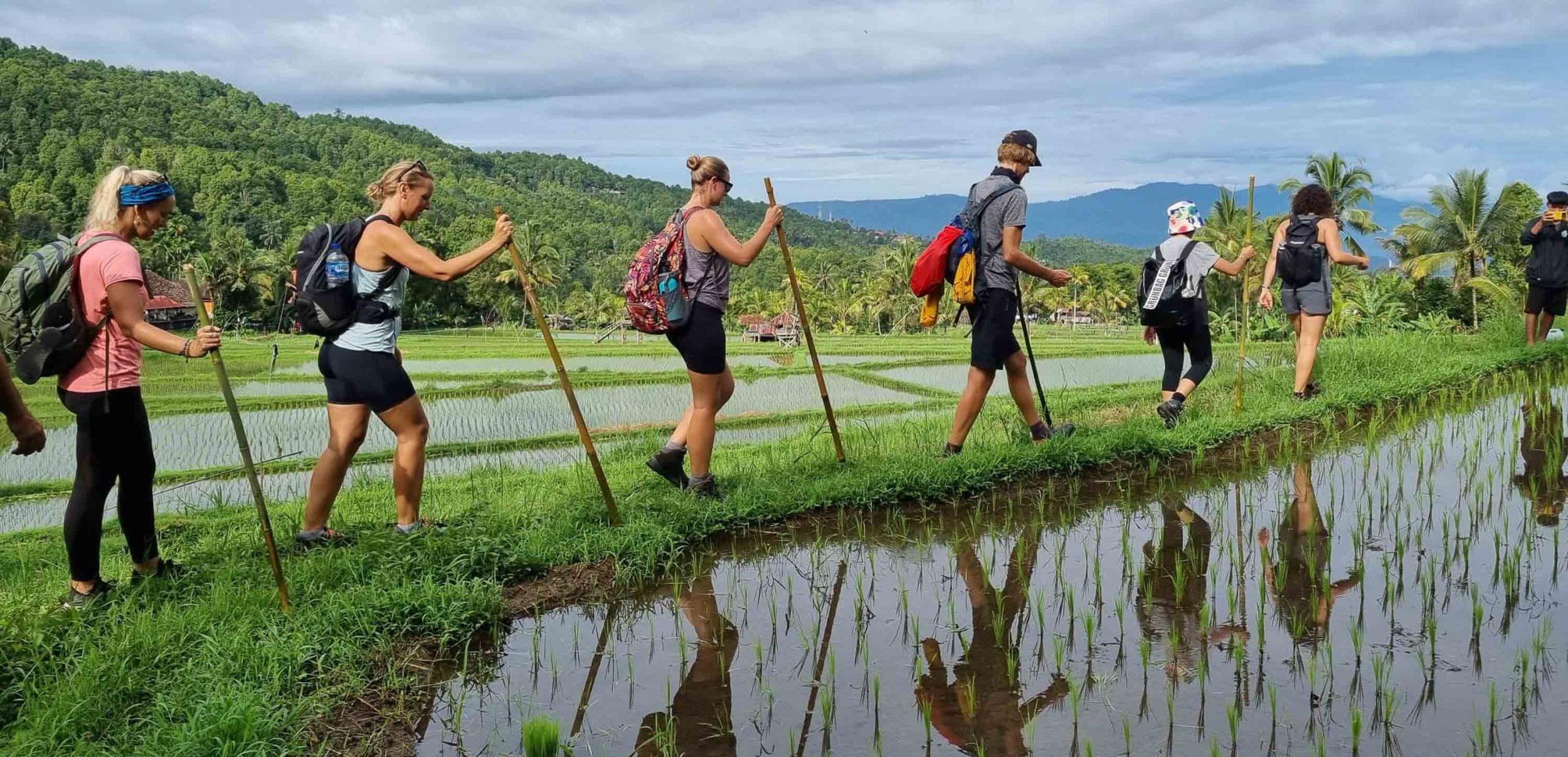
From left: Astungkara Way in Bali; The Farm at San Benito.
4. Tech & AI: Enhanced workflow meets further personalized guest experience.
AI in travel is moving past hype and into purposeful application. Both the Lemongrass Marketing 2026 report and Booking.com’s “Era of You” show that one of the most consequential roles of the technology is not in replacing people, but in fixing the parts of the travel ecosystem that are inefficient, carbon-intensive, or operationally strained.
In Asia, large regional groups like Archipelago International are also integrating AI to optimize revenue management, reduce unnecessary energy use, and streamline staff deployment across their Southeast Asian portfolio.
These examples illustrate a clear pattern: the most effective AI is subtle, infrastructure-focused, and designed to improve sustainability, accessibility, and service quality without disrupting the human experience.
On the guest-facing side, Booking.com’s “Humanoid Homes” shows travelers increasingly open to stays that incorporate robotic helpers, from cleaning bots to robotic chefs to smart systems that autonomously manage water, energy, and waste. 77% percent say they would consider booking such accommodations, motivated by convenience, novelty, and the appeal of future-forward living.
These two trajectories, invisible optimization and visible, practical automation, highlight AI’s dual role in 2026: stabilizing operations behind the scenes while offering functional enhancements that genuinely improve the guest experience.
Strategic implication:
Deploy AI where it reduces friction or strengthens sustainability, not where it replaces meaningful human interaction.

Photo by Booking.com
5. Regeneration has replaced sustainability as the benchmark of credibility.
Regenerative travel is often described as leaving a place better than it was found. At the same time, it helps reposition tourism as part of a broader environmental and social system.
Rather than simply avoiding harm, regeneration aims to restore ecosystems, strengthen community wellbeing, and contribute to long-term resilience. It acknowledges that tourism does not exist in isolation — every trip shapes local nature, culture, and livelihoods.
Across Asia, more operators are embedding this systems-based approach into their operations. The Datai Langkawi in Malaysia has become a leading example, integrating reforestation, wildlife monitoring, and one of Southeast Asia’s first resort-led marine nurseries into its core business model, supported by transparent annual impact reporting.
In Indonesia, Cempedak and Nikoi Island demonstrate what regenerative hospitality looks like at scale through zero-waste operations, bamboo design, and the Island Foundation, which reinvests tourism revenue back into local education and community development.
Travel platforms are also shifting. In Thailand, Local Alike works exclusively with community-owned experiences, ensuring revenue flows directly to villages while supporting cultural revitalisation and low-impact travel practices.
The need for regeneration is especially urgent in Asia, where overtourism has pushed destinations like Kyoto, Bali, and Phuket toward ecological and cultural thresholds. The issue is no longer whether overtourism exists, but whether these places can remain viable without systemic reform.
Sanya in Hainan may offer a working model. As highlighted in PATA’s 2025 report on tropical coastal cities, Sanya has invested in coral nurseries, marine ranching, and visitor-flow controls to stabilize fragile ecosystems. These measures are essential adaptations to climate change.
Strategic implication:
Regeneration is now a baseline expectation.
Destinations that cannot demonstrate a net-positive impact will likely lose credibility.


Coral Reef Restoration in Yalong Bay in Sanya, Hainan. Photos by Xinhua News
TL; DR
Here are the 5 trends driving the shifts in travel in 2026
1. Decision fatigue is reshaping travel.
Travelers want fewer choices, simpler options, and curated itineraries that remove friction. Ease — not abundance — now defines value.
2. More people are turning from algorithm-shaped itineraries.
They’re pairing major cities with second cities, seeking spiritually significant places, and avoiding overexposed destinations overwhelmed by social-media sameness.
3. Travel is becoming a life-stage companion.
From menopause retreats to sobriety milestones, promotions, breakups, and intergenerational bonding, travel is now a tool for recalibration and emotional reset.
4. AI and technology are enhancing backstage operations and can provide a hassle-free guest experience.
Travelers reject gimmicks but welcome AI that reduces waste, stabilizes operations, provides smart automation, and improves experience quality without replacing human warmth.
5. Regeneration is the new benchmark of credibility.
“Sustainability” is no longer enough. Tourism businesses that restore ecosystems, empower communities, and contribute measurable, net-positive impact are winning the long game.