The Hidden ROI of Community Investment: What Hoteliers Are Overlooking

The Ati Komunidad, Boracay's indigenous caretakers, participated in a 10-day nito weaving training—a traditional Filipino craft using durable nito vines—organized by Chancellor Hotel Boracay to preserve cultural heritage and create sustainable livelihood opportunities for the community. Photo by Megaworld Hotels & Resorts (MHR).
If your hotel’s strategy for profitability still focuses only on room rates and marketing, you may be missing your most valuable asset: your local community.
Many still see working with the community as just a CSR checkbox to tick or an extra cost. This view is outdated and can be risky. Today, as travelers care more and markets change quickly, connecting your business to the local area is essential. It builds loyalty, reduces risk, and brings benefits that conventional financial reports often overlook.
For hospitality professionals in Asia, where culture and community are closely connected, this approach is fundamental. Dismissing community involvement as just a cost is a missed opportunity. Supporting your local community is a smart business move that brings tangible results, from smoother operations to a stronger brand reputation that marketing dollars cannot buy.
This article explains the hidden ROI and offers strategies for integrating community investment into your business. It provides a clear roadmap for hoteliers who want to make the most of this often-overlooked opportunity.
The Micro-ROI: How Small Actions Drive Big Returns
The most compelling argument for community investment often begins with doable micro-moves.
Christian de Boer, Managing Director of Jaya House River Park in Siem Reap, Cambodia, built his hotel’s strong reputation by choosing community action over what he calls the "1980s playbook" of high marketing spend and transactional guest relationships. He shifted money from costly international trade shows to support his staff, guests, and the local area.
The result is word-of-mouth marketing and positive reviews online. "If I can convince my guests to say, 'Oh my god, I stayed at this hotel... where it was unbelievable,' that's my future guest booked," de Boer says.
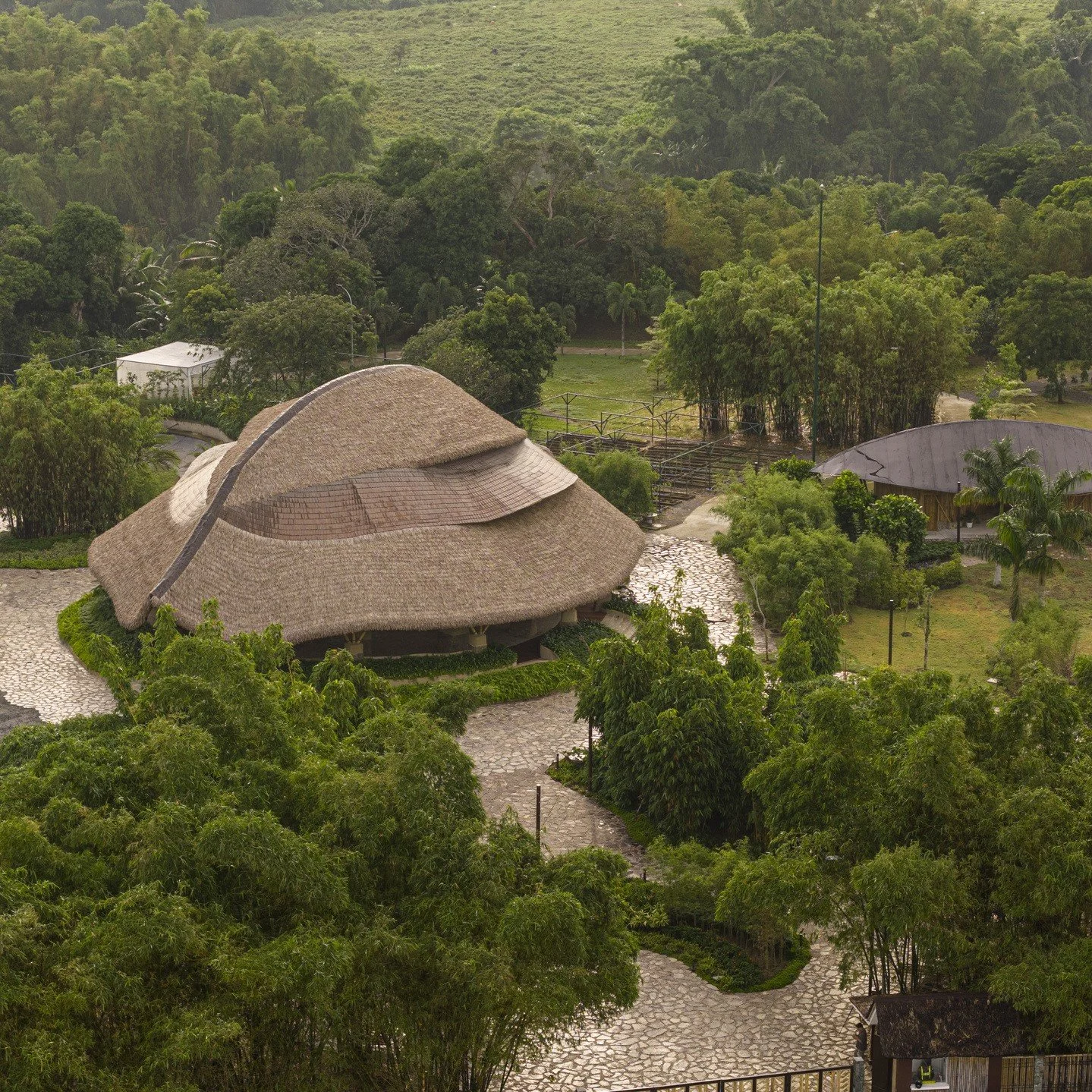
Jaya House’s commitment extends far beyond its walls. Facing a barren riverbank, the team didn’t just use a scenic name; they built a park. "We started to plant trees in 2016, and we've now planted 3,500 semi-mature trees along the river," de Boer notes. This initiative did more than add aesthetic value; it physically lowered the ambient temperature, enhancing the local environment for everyone. This is what de Boer means by "walking the talk."


Left: The Siem Reap riverside in 2016, barren and exposed, highlighting the urgent need for environmental restoration. Right: The Siem Reap riverside in 2021, transformed by Jaya House River Park's initiative, planted with native trees creating a lush and cooler environment.


The Jaya House Hotels team has been planting trees along the river and around the neighborhood since 2016. To date, they have planted around 3,500 trees, helping make the riverside cooler, more beautiful, and a greener space for everyone to enjoy. All photos by Jaya House River Park.
Another impactful initiative was reducing single-use plastics. As de Boer highlights, Cambodia’s tourism sector once generated an estimated 4.6 million plastic water bottles a month, posing significant public health and environmental challenges. By eliminating single-use plastics and introducing Jaya Organics, a line of refillable, recyclable spa products, the hotel not only reduced waste but also addressed a pressing local issue. These efforts contributed to cleaner surroundings, better public health, and reduced waste management costs.
A Framework for Value: The Three Pillars of Community ROI
Think of ROI in three concentric rings: destination stewardship, inclusive growth, and brand credibility. These connected areas reveal the hidden impact of community engagement, going beyond what can be easily measured.
1. Destination stewardship
When hotels support local environments and cultures, they help keep the destination attractive. This creates a strong base for long-term guest interest and makes the business more resilient, even if the benefits aren’t seen right away.
Cleofe Albiso, Managing Director of Megaworld Hotels & Resorts (MHR), the largest homegrown hotel group in the Philippines, states, "A hotel cannot thrive if its destination struggles. Only when communities are supported, engaged, and successful can tourism remain sustainable and attractive to the world."
For MHR, supporting communities means investing in the long-term future of their destinations. “It builds trust, ensures continuity, and creates an environment where tourism can grow responsibly,” she adds.
One example is MHR’s work in the MICE (Meetings, Incentives, Conferences, and Exhibitions) sector. Albiso points out that the group helped set up MICE partnerships in key Philippine destinations such as Iloilo, Boracay, and Cebu. These efforts focused on working together rather than direct commercial gain, and brought local stakeholders—including competitors—together to share a common goal.
"What emerged... was a stronger sense of community alignment," she explains. "This collaboration strengthened relationships, improved destination reputation, and translated into broader business opportunities for everyone involved."
By helping the destination get ready and build a strong reputation, the hotel creates more opportunities for everyone. This shows that "when communities and industry players work together, the benefits extend beyond individual brands."
2. Inclusive growth
Creating local jobs and supporting local businesses turns a hotel from an isolated entity into an economic engine for the community. The payback is a stronger, more stable relationship with the community.
MHR's Sampaguita Project illustrates this approach. In partnership with Dwellbeing, a social enterprise focused on upcycling, and Project PEARLS, a non-profit supporting underprivileged children, the initiative has provided meals to over 8,200 families. As of July 2025, MHR had used more than 18,000 liters of Sampaguita scent across its 13 properties and incorporated over 30,000 grams of food-grade buds into its culinary offerings.
The group is also creating a sustainable livelihood system. A 4,300-square-meter Sampaguita Park in Laguna will be cared for by local farmers, who will also make and sell products from Sampaguita. This way, the community grows together with the business.


Left: Megaworld Hotels & Resort (MHR) team and community members learning the delicate art of Sampaguita lei-making. Right: MHR spent a more meaningful Thanksgiving activity in 2024 with the young scholars of Project Pearls Foundation.


Left: 19 members of Ati Komunidad actively participated in the 10-day nito weaving training organized by Chancellor Hotel Boracay. Right: The Ati Komunidad is the chosen partner community of Boracay Newcoast properties under the MEGreen Mindful Stay initiative. All photos by MHR.
3. Brand credibility
Trust grows when you keep your promises through tangible actions. This leads to more referrals, repeat guests, and public recognition, as evidenced by positive media coverage and loyal guests.
The Sampaguita project has earned MHR industry accolades, including recognition for its Muslim-friendly and inclusive hospitality. But Albiso says the real result is “strengthened trust, industry recognition, and the ability to operate responsibly over time.”


Left: Megaworld Hotels & Resorts’ Managing Director, Cleofe Albiso, and Group General Manager, Arturo Boncato, accepted the Tourism Industry Excellence Award from Philippine Tourism Secretary Cristina Garcia Frasco, joined by Undersecretaries Verna Buensuceso and Rica Bueno at the first Philippine Tourism Awards.
Right: Cleofe Albiso (middle) holding the Muslim-Friendly Hotel Chain of the Year Award by CrescentRating, the world’s leading authority on halal-friendly travel, at the Halal in Travel Awards 2025 in Singapore. With her are Myra Paz Valderrosa-Abubakar, Undersecretary of the Philippine Department of Tourism, and Arturo Boncato Jr. Photos by MHR.
Practical Strategies for Hoteliers
Any hotel, no matter its size, can make a real difference by investing in the community. It doesn’t have to be expensive—often, it’s about using what you already have in better ways.
1. Start with your people.
Look first at your own team. They are your closest connection to the community.
Prof. Dr. Wolfgang Georg Arlt, Executive Director of the Meaningful Tourism Centre, advises, "Make the decisions on what to do together with the local employees, not from the desk of the GM."
Giving your team fair pay, training, and a say in community projects builds pride and motivation, which improves the guest experience. As Prof. Wolfgang says, "Happy hosts, happy guests. If employees are proud to work for the hotel and see the benefits to their local community, they will communicate this to guests.”
2. Reinvent your supply chain.
It’s valuable to source products and services locally. And don’t just focus on the kitchen—look at all areas.
Jaya House produces its own high-quality amenities under the Jaya Organics label. "We make it ourselves, thus reducing our CO2 output, and creating local jobs," de Boer explains.
By making products in-house, the hotel avoids import costs, reduces carbon emissions, and offers guests unique items they want to buy and remember. This changes a regular expense into a local business opportunity and helps the hotel stand out.


In 2019, Jaya House River Park launched Jaya Organics, its in-house body care and spa products, in refillable, recyclable glass packaging. Photos by Jaya House River Park.
3. Leverage underutilized assets.
Your hotel has resources that can be shared with the community. Prof. Arlt suggests some meaningful actions:
Offer free use of the business center or meeting rooms to local NGOs or book clubs during off-peak hours.
Invite students from local schools for internships to provide them with valuable work experience.
Host free cooking classes with your chef to share skills with the community.
These actions build goodwill, help the hotel become part of daily local life, and strengthen its good reputation, all without much extra cost.
The Future of Hospitality is Co-Created
The time when a hotel could operate as a self-contained entity is ending. The future of sustainable travel and hospitality lies in co-creation, where hotels work in partnership with their communities to build a shared, prosperous future.
The most resilient hotels recognize that their success depends on the well-being of their communities. When hotels and neighbors work together, support local culture and the environment, and listen to community needs, everyone benefits.
This means changing how we think about ROI. As Albiso suggests, hoteliers should approach sustainability with "openness and patience." She says returns manifest in many ways, such as "trust, partnerships, opportunities, and long-term privileges that strengthen a brand’s position in the market."
“When sustainability is embedded into how a hotel operates and engages with its community, financial performance follows naturally, even if not always immediately measurable. The key is consistency, authenticity, and alignment with purpose.”
Modern travelers are also now careful. They have access to plenty of information and can quickly spot fake marketing. "They don't believe your marketing words anymore," warns de Boer. "They just want to see it." This shift in consumer expectation gives hotels that are truly part of their communities a strong advantage.
The True Cost of Inaction
It’s time to see community investment not as an expense, but as a key part of your business’s long-term success. The returns, like strong brand loyalty, better operations, and a story that money can’t buy, are clear.
For hoteliers, the way forward is clear. The real question isn’t whether you can afford to invest in your community, but how much longer you can afford not to.

![[Exclusive] Sustainable Tourism Impact Fund: How Patient Capital Unlocks Investments Conventional Financing Overlooks](https://images.squarespace-cdn.com/content/v1/63f6cdbdc249663d72082ecd/1786501208510-5198Q2DTS0U08ZD8FRMS/Local%2BAlike%2B-%2B57.png)