Three Mindset Shifts Asia Needs to Advance Sustainable Tourism in 2026

Photo by John Gibbons via Unplash.
After years of debating whether sustainability matters to the future of tourism, the industry now confronts a more immediate and uncomfortable question: who can still be trusted?
The conversation has been overtaken by the loudest voices, many of whom are trading in sweeping claims unsupported by evidence. Unsurprisingly, consumers are growing skeptical, tuning out sustainability narratives that feel rehearsed and performative.
In this environment, success in 2026 will not belong to businesses making ambitious promises, but to those that can show verifiable impact, communicate with transparency, and scale responsibly.
That shift demands a reset, away from rhetoric and toward evidence-informed decisions, genuine community partnership, and outcomes that can be measured and verified.
Below are three high-level perspectives that must be reframed if the industry is to respond to the urgency and scale of the climate and sustainability challenge it now faces.
Move Beyond Net-Zero to Nature-Positive Tourism
State of play
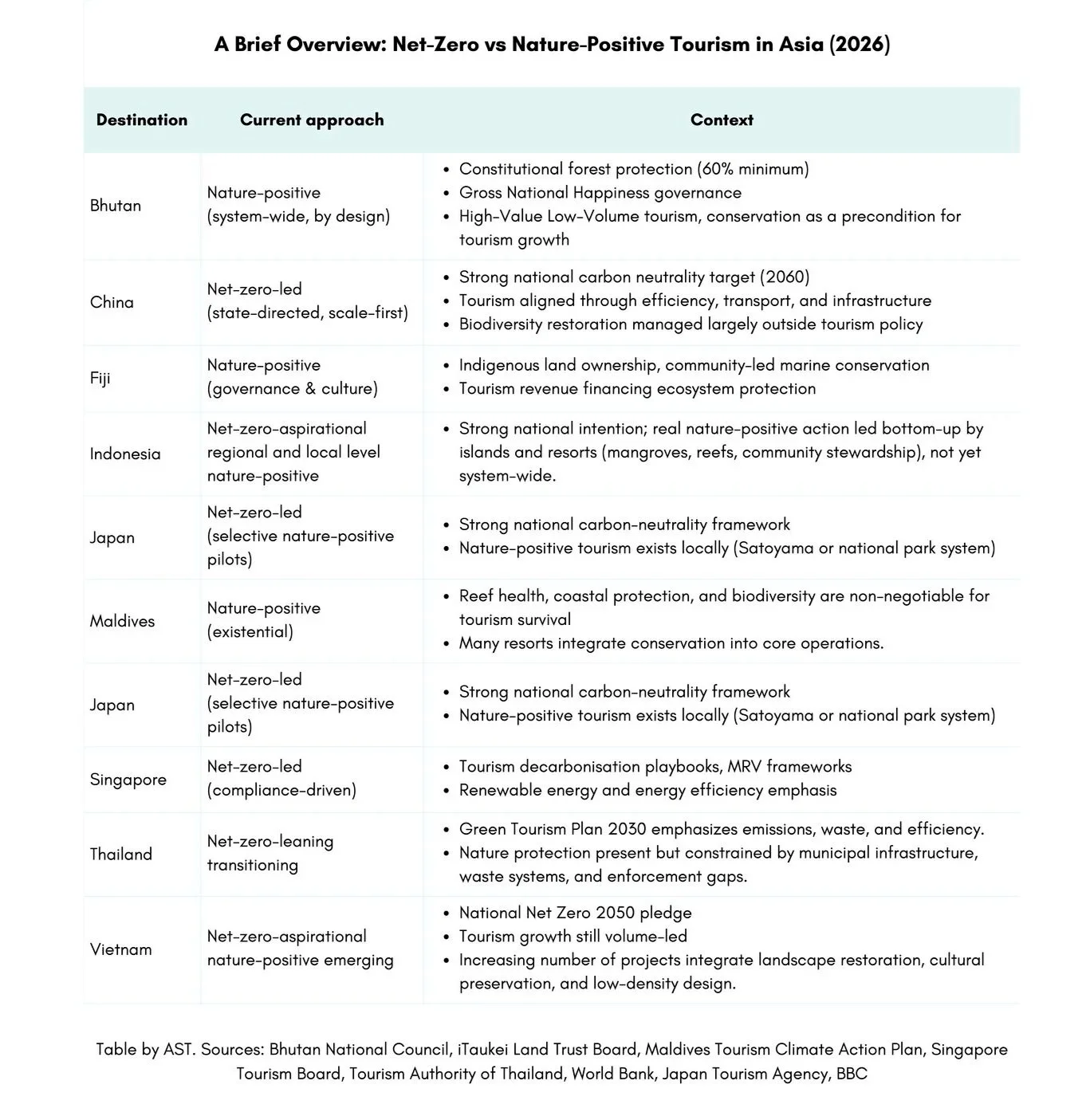
Across Asia, the integration of net-zero tourism remains uneven. Some destinations are still debating its relevance, while others have embedded decarbonisation into national policy. At the same time, a more advanced model, nature-positive tourism, where governance, ecology, and livelihoods are inseparable, is emerging. This is most visible in island and conservation-first economies such as Bhutan and Fiji, where environmental integrity is not an aspiration but a precondition for survival.
Net-zero has played an important role in shifting tourism’s climate conversation from intent to accountability. It focuses on measuring emissions, reducing what you can, neutralizing the rest. It is necessary, but incomplete. A tourism business can hit net-zero and still degrade reefs, drain watersheds, displace communities, or erode culture. Carbon math does not capture biodiversity loss, freshwater stress, soil health, or local livelihoods.
Nature-positive tourism takes a system-level view. It asks a harder question: Does this business leave ecosystems and communities better off than before? That means restoring habitats, regenerating landscapes, strengthening local inhabitants, and reducing pressure on natural assets, with carbon reduction embedded, not isolated. This framing aligns with how destinations actually function: as interdependent social-ecological systems.
Singapore illustrates what net-zero leadership looks like when executed well. Anchored by the Singapore Green Plan 2030, the city-state has translated ambition into action through partnerships with the Global Sustainable Tourism Council, sector-wide policy alignment, reporting frameworks, and time-bound roadmaps. These initiatives have made decarbonization operational rather than symbolic.
Thailand has also introduced the Thailand Green Tourism Plan 2030, setting the country toward low-carbon sustainable tourism with cross-sector collaboration.
In contrast, remote and island destinations, including the Maldives, Fiji, and Bhutan, have moved faster out of necessity. Facing existential climate risk, these destinations are integrating renewable energy, ecosystem restoration, and conservation financing directly into tourism operations.
A parallel shift is unfolding in the private sector. Asia’s leading hospitality groups are converging around 2030 as the real test year. International players such as Banyan Group and Mandarin Oriental Hotel Group have committed to ambitious, near-term emissions reductions, signaling a shift from the comfort of distant 2050 pledges toward targets being delivered this decade.
Alongside them, smaller and mid-sized brands such as Shinta Mani Collection and Plataran Indonesia have the agility to embed sustainability at the core of their operating models, rather than retrofitting it under pressure.

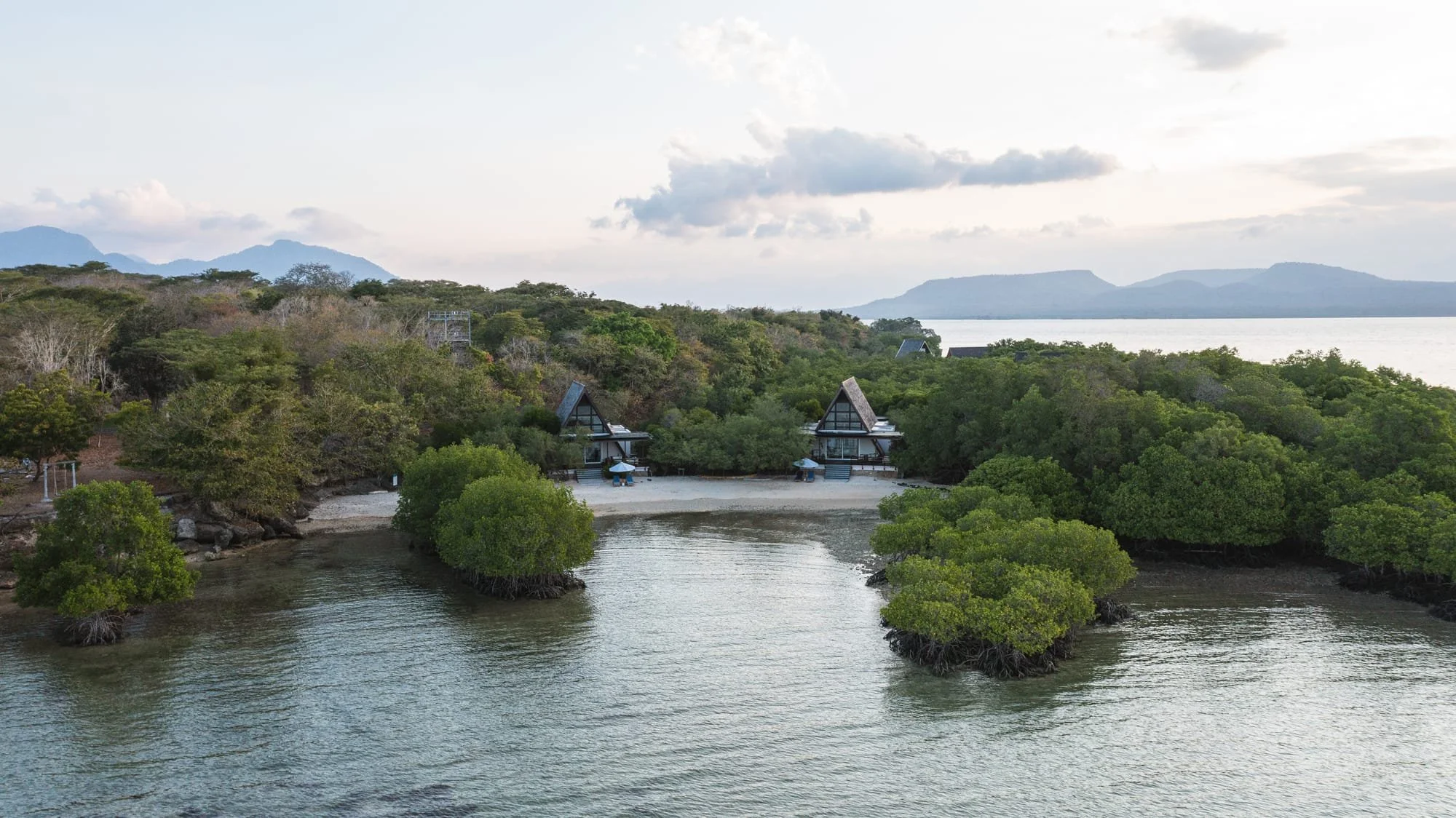

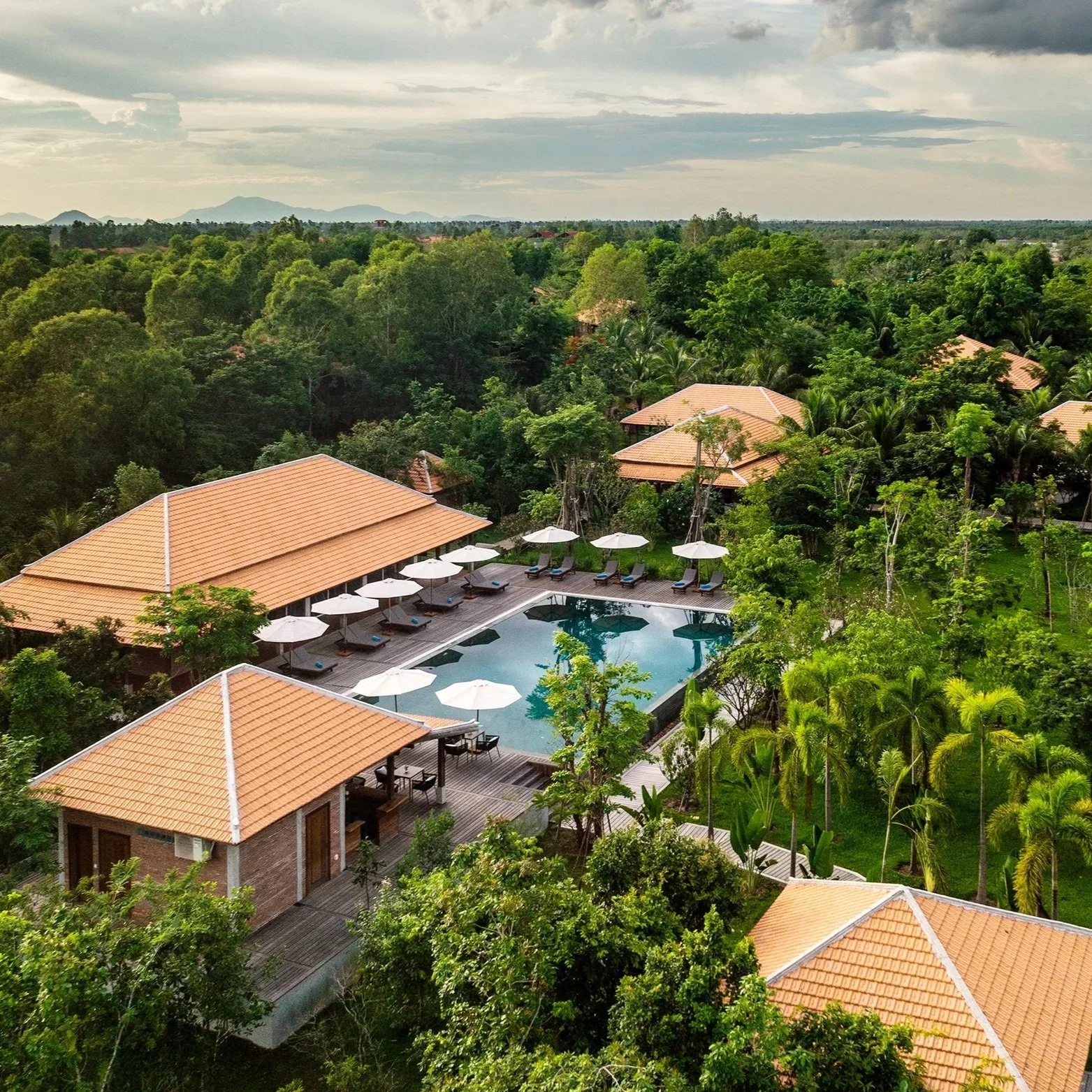
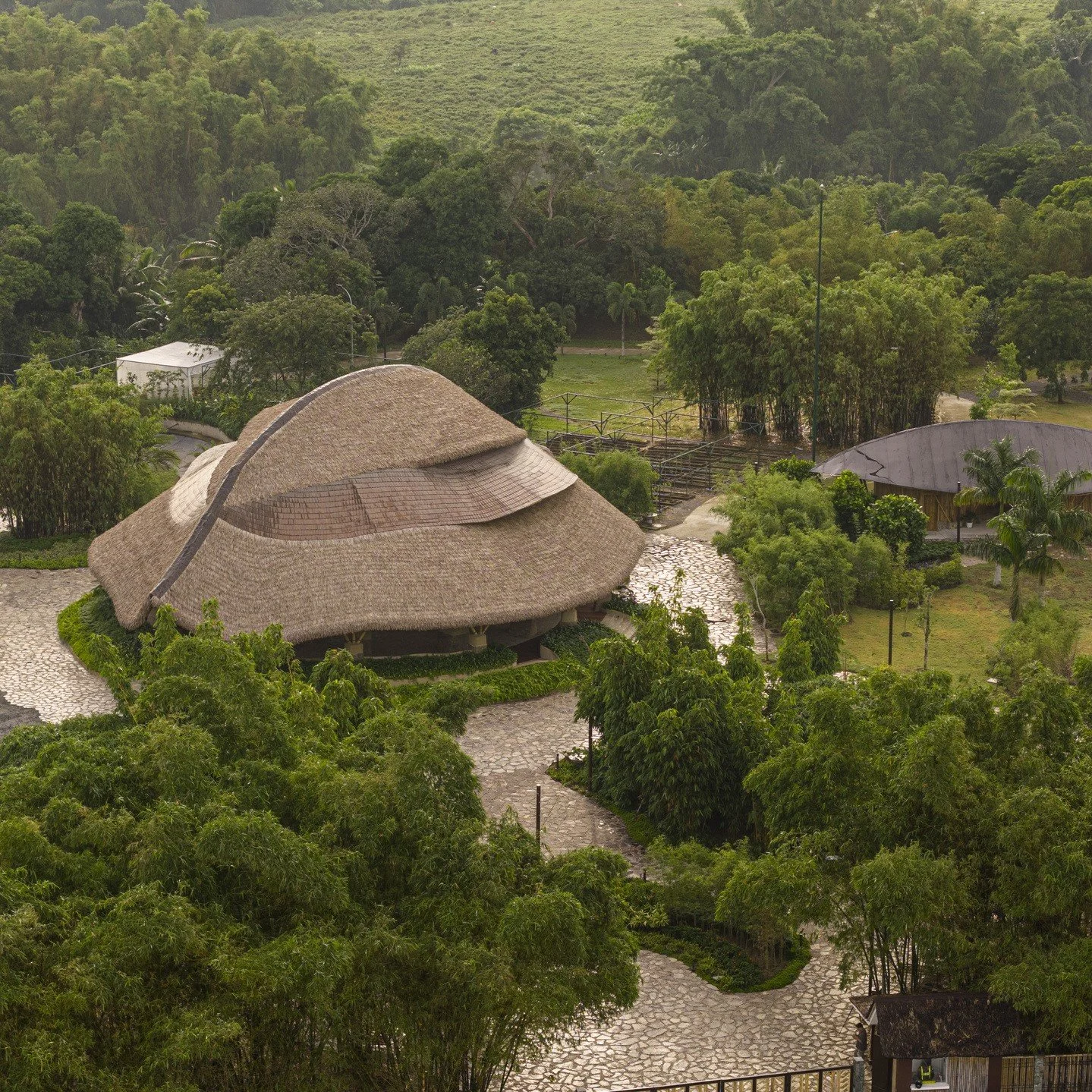
Left: Shinta Mani Mustang, Nepal. Middle: Plataran West Bali. Right: Mandai Rainforest Resort by Banyan Tree, Singapore. Photos by brands.
However, structural challenges remain. Aviation continues to dominate tourism’s carbon footprint, and offset-only “carbon-neutral” claims are increasingly exposed as greenwashing.
These realities underscore that sustainability credibility cannot be achieved through messaging alone, but through structural change in how tourism is designed, delivered, and governed.
Upfront trade-offs for long-term gains
Moving from net-zero to a nature-first tourism model requires a deep recalibration of KPI, capital flows, and risk tolerance. It requires destinations and travel businesses to look beyond cash and carbon balance sheets and prioritize nature-based solutions such as reef and mangrove restoration, watershed protection, and regenerative land use. At the same time, these investments must be underpinned with rigorous monitoring and a willingness to adjust course, rather than treated as one-off projects or marketing gestures.
It’s also worth noting that the trade-offs can cause immediate tension. Fragile destinations may need to cap visitor numbers. Governments and operators may face higher upfront costs to build the right infrastructure. However, making these payoffs is about building enduring structural resilience. It is because nature-first tourism is better equipped to adapt to long-term climate risk, protect the very assets tourism relies on, and create durable value that net-zero accounting alone cannot capture.
The case of Donsol brings this idea to life. By shifting from whale shark hunting to protection-led ecotourism, the municipality safeguarded its marine ecosystem while increasing incomes across the community. This case study shows how upfront restraint, paired with the right investments, can deliver long-term and inclusive gains.
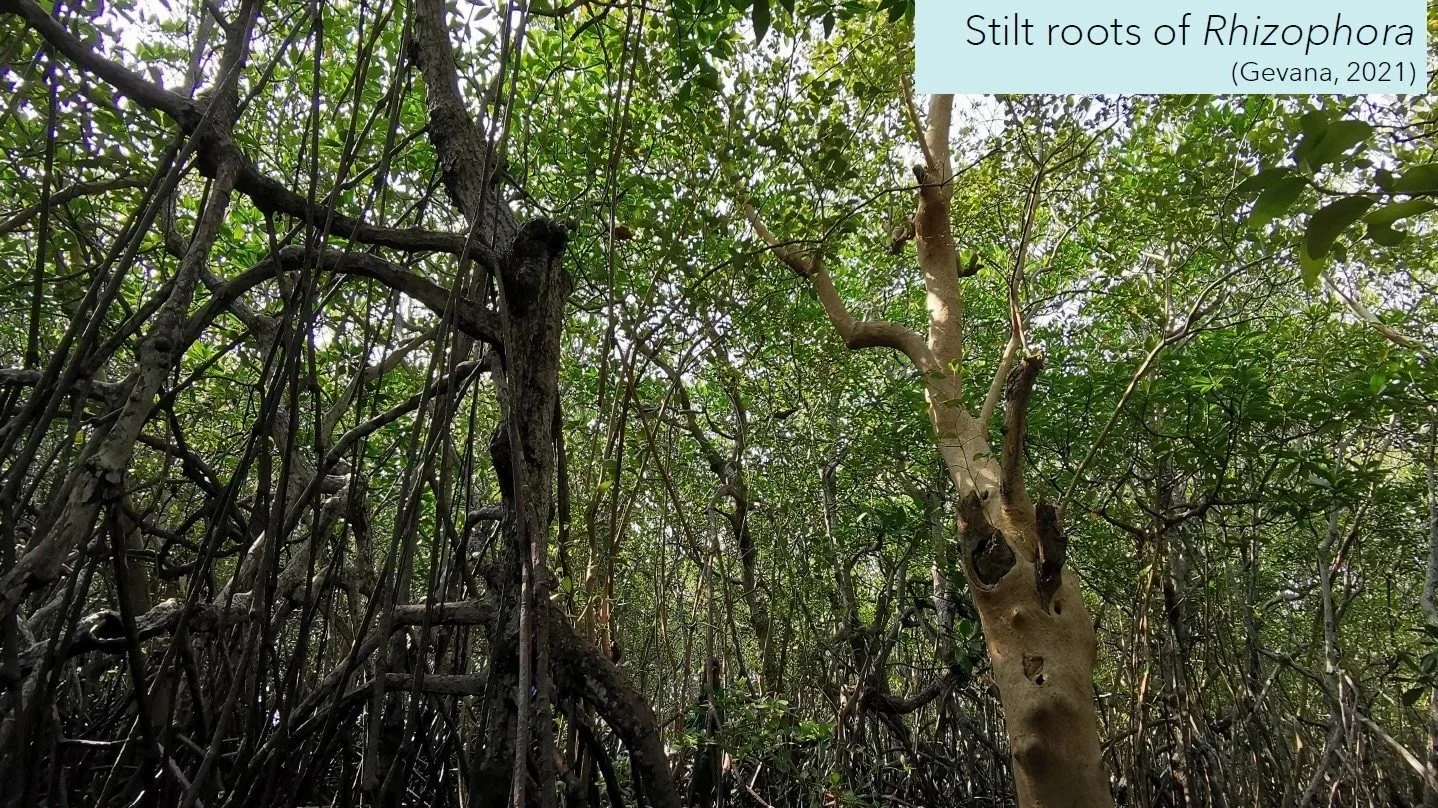
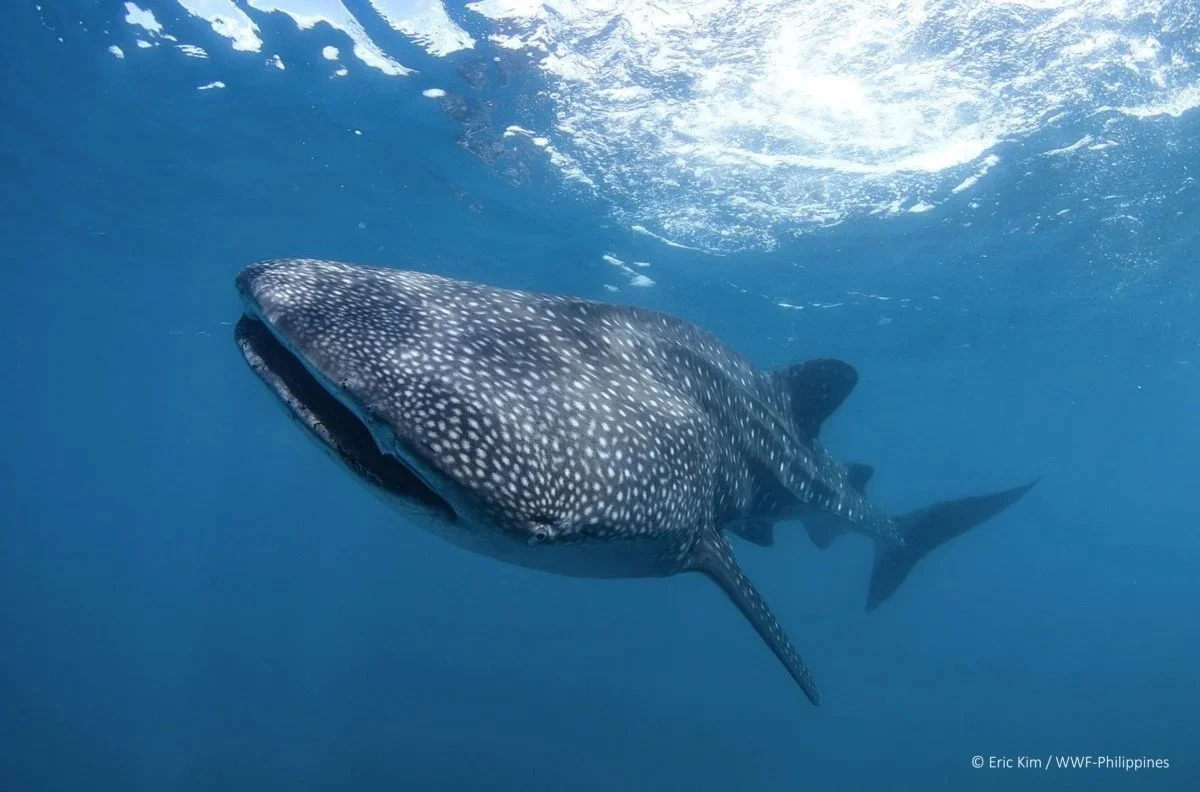
Left: The intricate stilt roots of Rhizophora mangroves form a natural fortress against coastal erosion, showcasing nature's engineering at its finest. (Screenshot from Ma. Andrea Jane Pimentel-Paz’s presentation). Right: Whale share by Eric Kim/WWF-Philippines
Bottom line
Net-zero tourism is a floor, and nature-positive is the ceiling. In the decade ahead, the most competitive destinations will be those willing to trade short-term scale for long-term system health and to invest accordingly.
2. Replace Visitor Counts with Destination Livability and Carrying Capacity
Overtourism and concentrated crowding are now mainstream headlines. They fuel locals’ frustration and tourists’ dissatisfaction with poor experiences.
It is a direct result of the long-held perspective that equates tourism success with visitor volume. This mindset is rooted in a nation’s history and collective psyche.
Across Asia, many economies have been shaped by periods of underdevelopment and are now driven by an imperative to catch up quickly. In that context, growth is not only an economic objective; it also serves as a form of psychological reassurance, a signal of progress, and national confidence. To achieve that, policymakers see tourism as one of the fastest routes for a country to create jobs and increase foreign currency reserves.
Layered onto this is the competitive logic of late-stage capitalism amplified by league ranking and regional rivalry. Destinations are benchmarked against one another, such as which welcomes more tourists and which “wins” the peak travel season.
Tourism becomes a zero-sum game, where one destination's gain in visitor numbers is believed to come at the expense of another. This mindset creates a feedback loop that prioritizes scale over substance.
For example, destinations such as Bali are grappling with overcrowding, waste management failures, and cultural dilution as growth outpaces infrastructure. As visitor numbers rise, local businesses often converge on what they believe mass travelers want: familiar café menus, globalized aesthetics, and standardized experiences. This leads to cultural homogenization that makes once-distinct places feel interchangeable. What begins as a strategy to capture demand gradually erodes the very character that attracted visitors in the first place.
Some destinations are considering adjusting the course. Japan, facing intense crowding in cities like Kyoto, has introduced accommodation and tourism taxes and is openly debating how to disperse demand beyond popular locations and peak seasons.
Bottom line
The lesson for Asia is not to reject growth, but to redefine it by moving from volume as the primary success metric to a comprehensive measurement framework.
For example, Destination Canada introduced the Wealth & Wellbeing Index, centered around the six E’s, as a holistic benchmarking tool and a new way to measure the value of tourism. The World Economic Forum also launched the Tourism and Travel Development Index in 2024 to measure a destination’s tourism readiness and robustness.
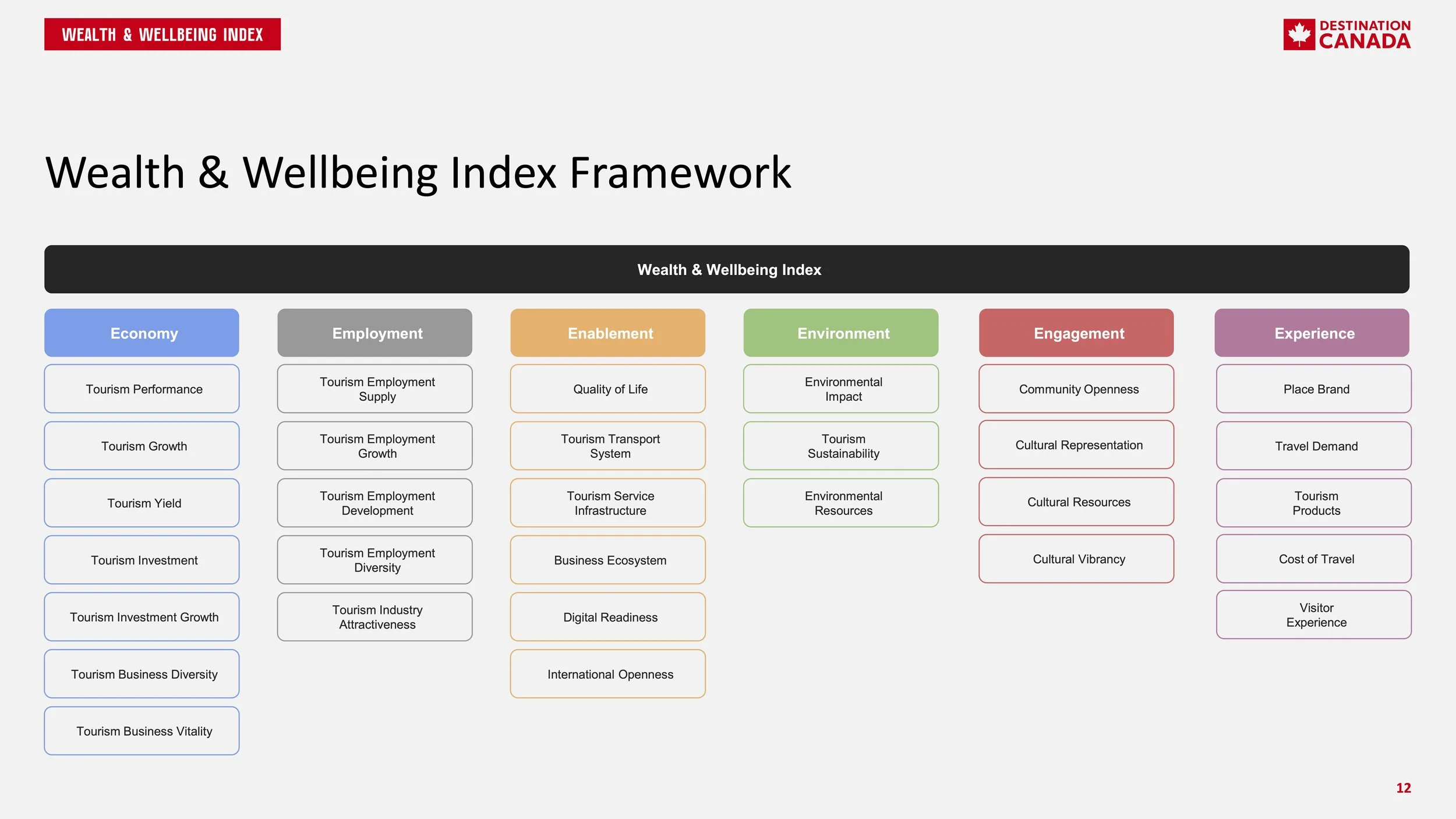
Source: “Wealth and Wellbeing Index: A New Way to Measure the Value of Destination” by Destination Canada
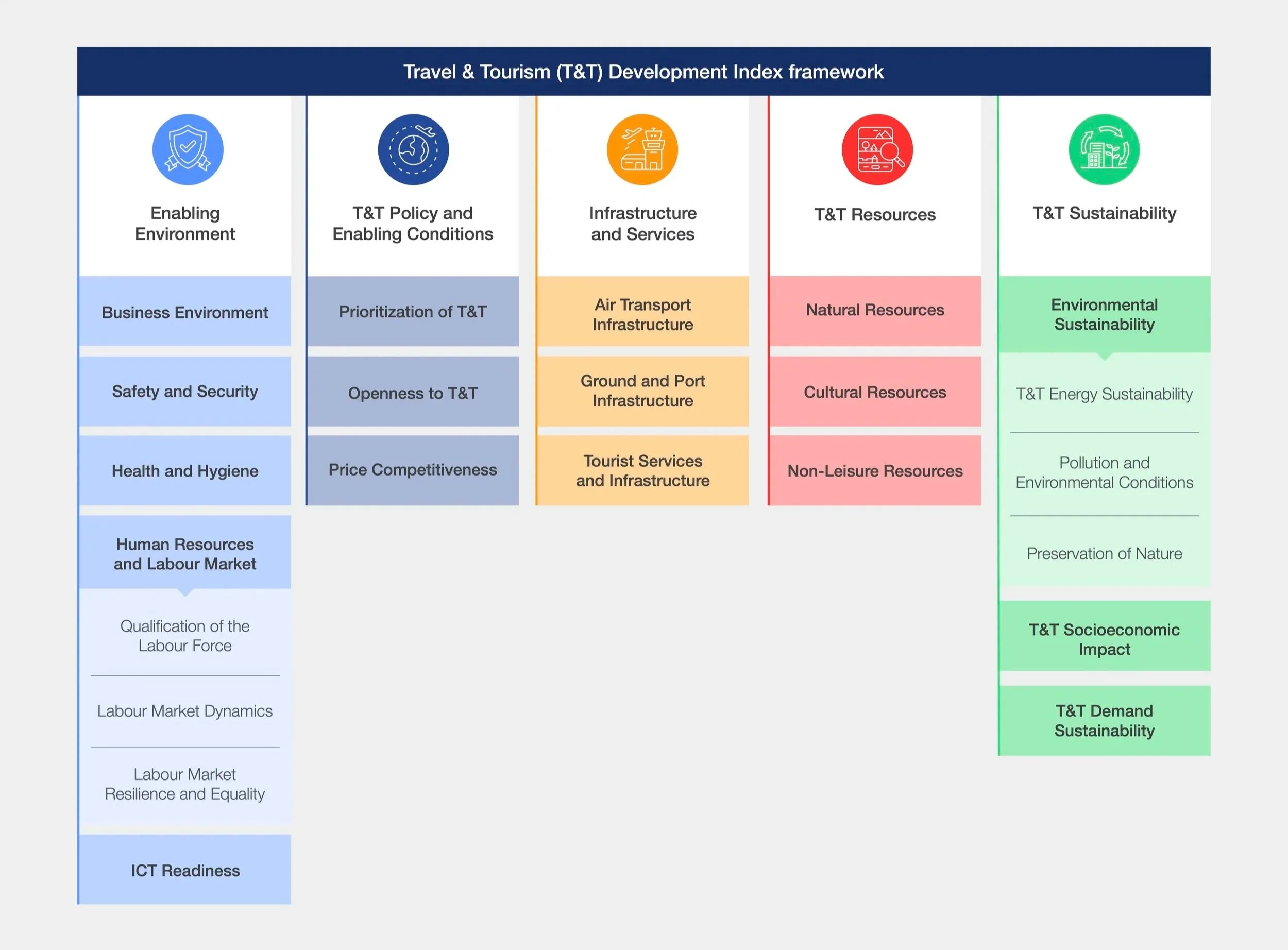
Source: “Travel & Tourism Development Index 2024” by World Economic Forum
3. Measure Impact First, Then Tell Your Story with Intention and A Call-to-Action
State of Play
The gap between sustainability messaging and verified impact is becoming a material risk for tourism businesses and destinations.
Net-zero and sustainability commitments continue to proliferate in Asia, but data tracking and measurement remain inconsistent, with many players communicating their claims faster than they can build credible tracking systems to substantiate them.
This has created a growing exposure to greenwashing allegations, particularly as regulators, investors, and travelers increasingly expect claims to be backed by recognized frameworks such as those from the Global Sustainable Tourism Council (GSTC), the Science Based Targets initiative, and the Taskforce on Nature-related Financial Disclosures.
Promoting any claims without verifiable data is a marketing malpractice and a strategic liability. Tourism brands that promote a message without a clear evidence-backed narrative risk eroding credibility as the market and consumers demand proof and accountability.
Recognizing this, AST partnered with Baotree to host a webinar unpacking the 5Ws and 1H Framework, offering brands a practical way to build substantiated storytelling that resonates with their target audience without overclaiming.

Collect Metrics That Matter
As tourism moves from a net-zero to a nature-first model, the indicators that matter most are those that connect operational performance to proven outcomes for ecosystems, communities, and guests.
Carbon reduction is foundational, but it is only the entry point. As mentioned in the previous segment, brands ought to track emissions reductions across Scopes 1, 2, and 3, water reduction, waste diversion, alongside place-based indicators such as reef health, forest restoration, watershed integrity, and local economic retention.
Then, these metrics must be translated into stories so people can relate. For consumers, this means shifting from abstract percentages to cause-and-effect narratives, for example, nights spent funding mangrove restoration,; menu choices saving water, and experiences booked sustaining local livelihoods.
When metrics are specific, time-bound, and visibly linked to guest choices, they report performance and also help encourage behavior change, nudging travelers toward lower-impact decisions and deeper engagement with place.

Storytelling that Shifts Behavior
The most effective stories are human-centric, place-based, and scalable. The role of anecdotes is to translate metrics into moments. For instance, a reef ranger gives a tour to a guest-funded coral nursery; a chef demonstrates how zero-waste cooking can be delicious and sustainable at the same time; a farmer explains how a hotel partnership stabilizes income during the low season.
These grounded narratives give credibility to the numbers and make the impact visible.
On social media, the strategy is not just about volume but consistency and format discipline. Short-form video, founder-led storytelling, and behind-the-scenes content outperform polished brand campaigns because they feel authentic, not overly scripted.
Pair each anecdote with one verifiable metric and one clear behavioral cue. For example: “Skipping daily linen changes in your room saves 20 liters of water per room - enough to cover a family’s cooking and drinking needs for a day.”
When audiences can see themselves in the story and understand the consequences of their choices, sustainability stops being abstract. It becomes personal, actionable, and repeatable, turning awareness into habit, and habit into impact.

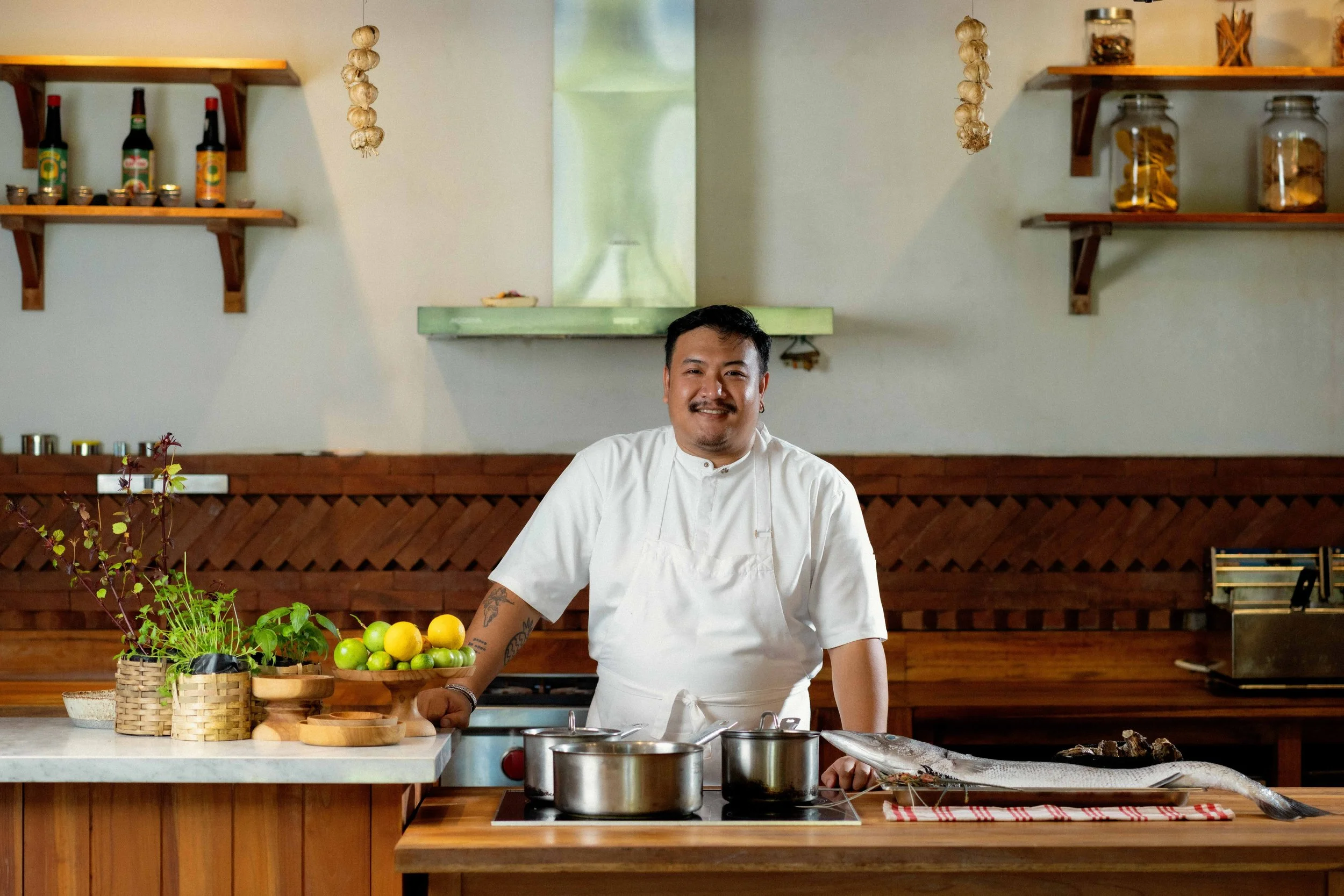
Founder-chef Summer Le of Nén (Da Nang) and chef Tommy Saputra of The Long Table by John Hardy (Bali) champion zero-waste cooking that honors the land and heritage cuisine. They regularly engage with guests in the dining room and on social media to explain how zero-waste practices translate into environmental, cultural, and culinary value.