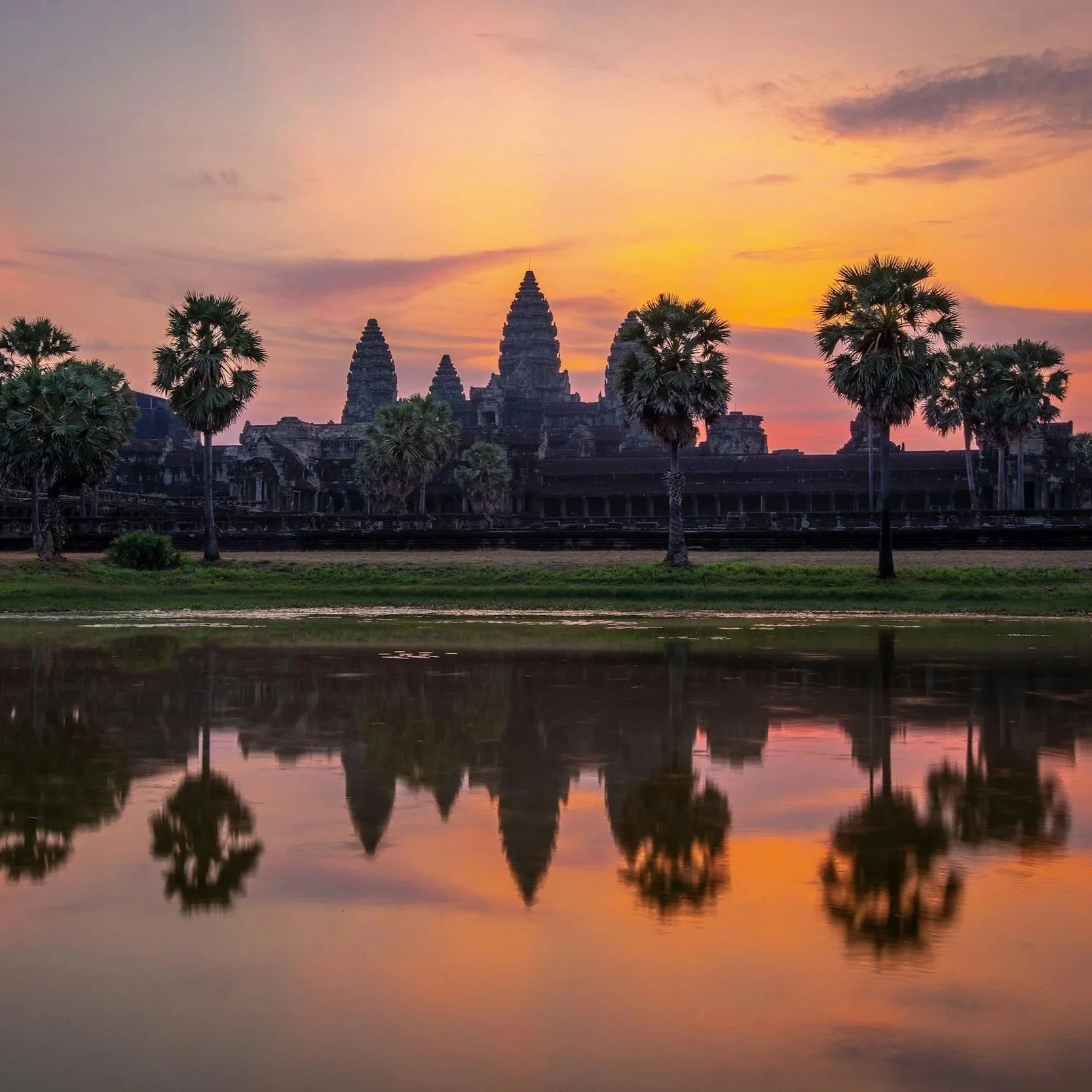
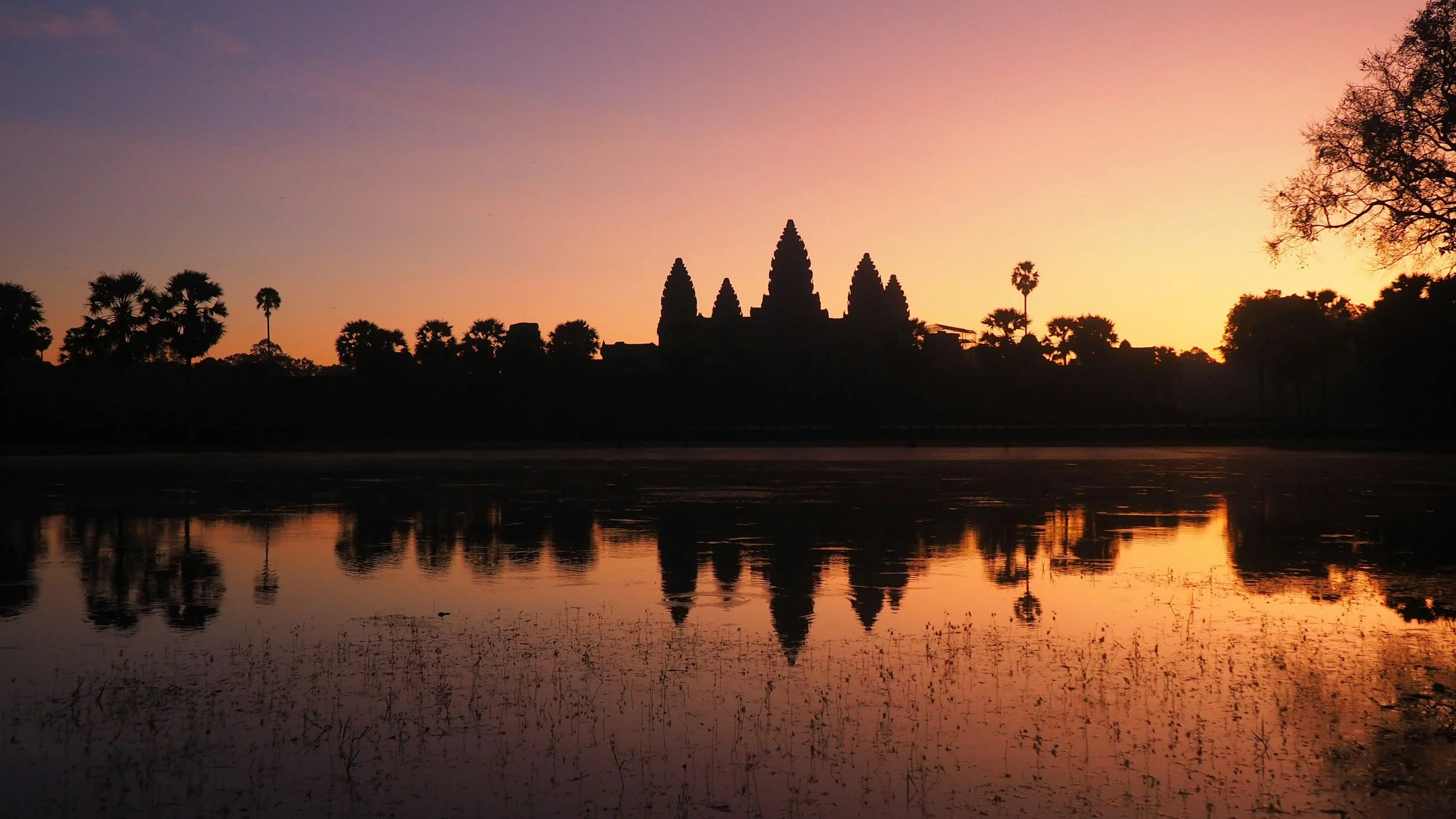
Angkor Wat in Siem Reap, Cambodia
Angkor Wat was built in the early 12th century, and the image of it still defines how the world sees Siem Reap. For many visitors, the city remains synonymous with the ancient temples.
A one-day pass for the Angkor Temples Complex costs US$37, but that fee is a small fraction of what visitors spend on a trip. Angkor's international ticket sales earned US$44.7 million in 2025, while Cambodia's tourism receipts were an estimated US$3.7 billion. This means ticket sales represent only about 1 percent of national tourism earnings.
The rest comes through hotels, restaurants, guides, workshops and shops, but not all of it stays in Cambodia. Siem Reap's tourism master plan estimates that about 30 percent of international visitor spending in 2019, or US$356 million, left the province. In August 2026, the tourism and agriculture ministries signed an agreement to supply hotels and restaurants with local produce, explicitly to curb food imports.
The stakes are rising. In 2025, Cambodia received 5.5 million international visitors, nearly 17 percent fewer than in 2024, while tourism receipts rose 3 percent. In the first nine months of 2026, international arrivals fell 43.7 percent nationwide. Siem Reap's fame rests on one iconic monument, but its economy depends on everything visitors spend around it. That makes the businesses around Angkor temples the real test of whether the city can withstand a downturn.
On a recent visit to Siem Reap, I looked for where that spending settles. Two businesses offered useful case studies. Jaya House River Park is built around cutting single-use plastic. HAVEN is a restaurant that trains young adults from shelters and poor rural areas. Each has built its own route from visitor to local benefit, yet those routes rarely meet, and local operators are now trying to connect them.
At the Cambodia Branding Forum on September 29, Millennium Destinations brought together 131 tourism professionals to discuss how to build on Angkor Temples, not only around them, to turn Siem Reap into a place where people choose to visit, live and work.
This article first examines how Jaya House River Park and HAVEN were built, what each claims to deliver and what the evidence supports. It then turns to the Forum's proposals to ask what would link such businesses into one economy. The answers suggest that Siem Reap's future depends less on adding another attraction than on keeping a visitor's money close to home.
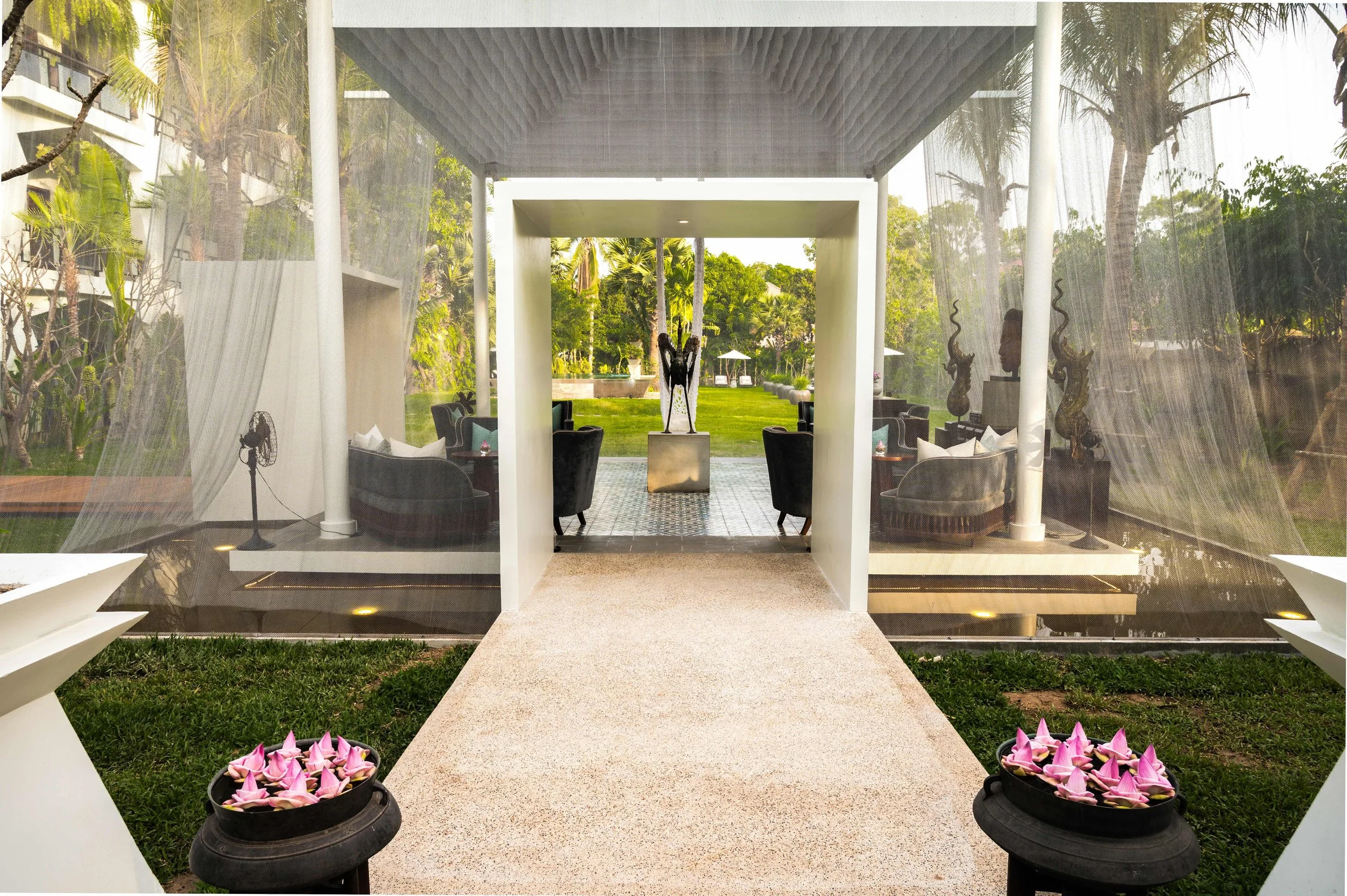
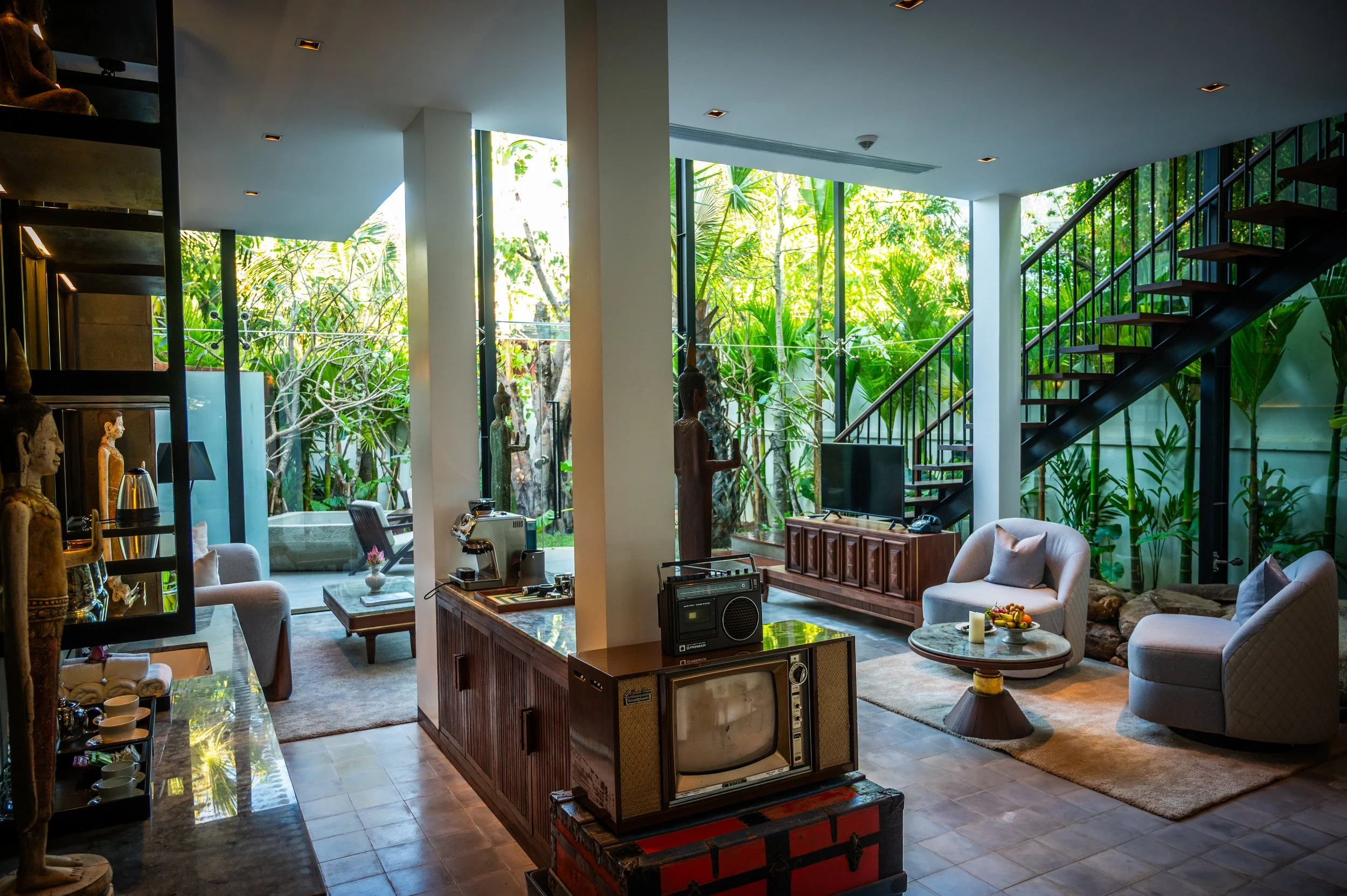
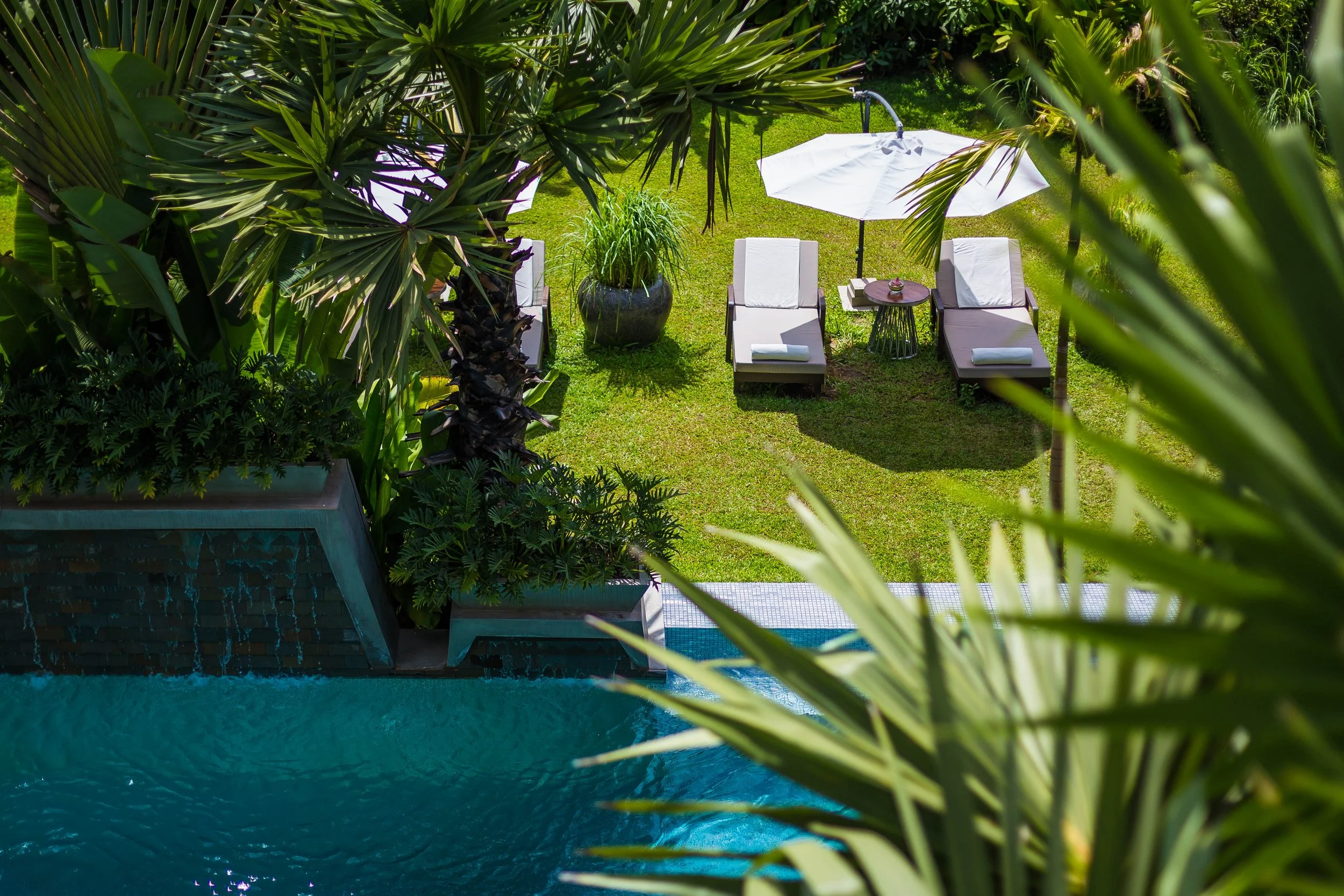
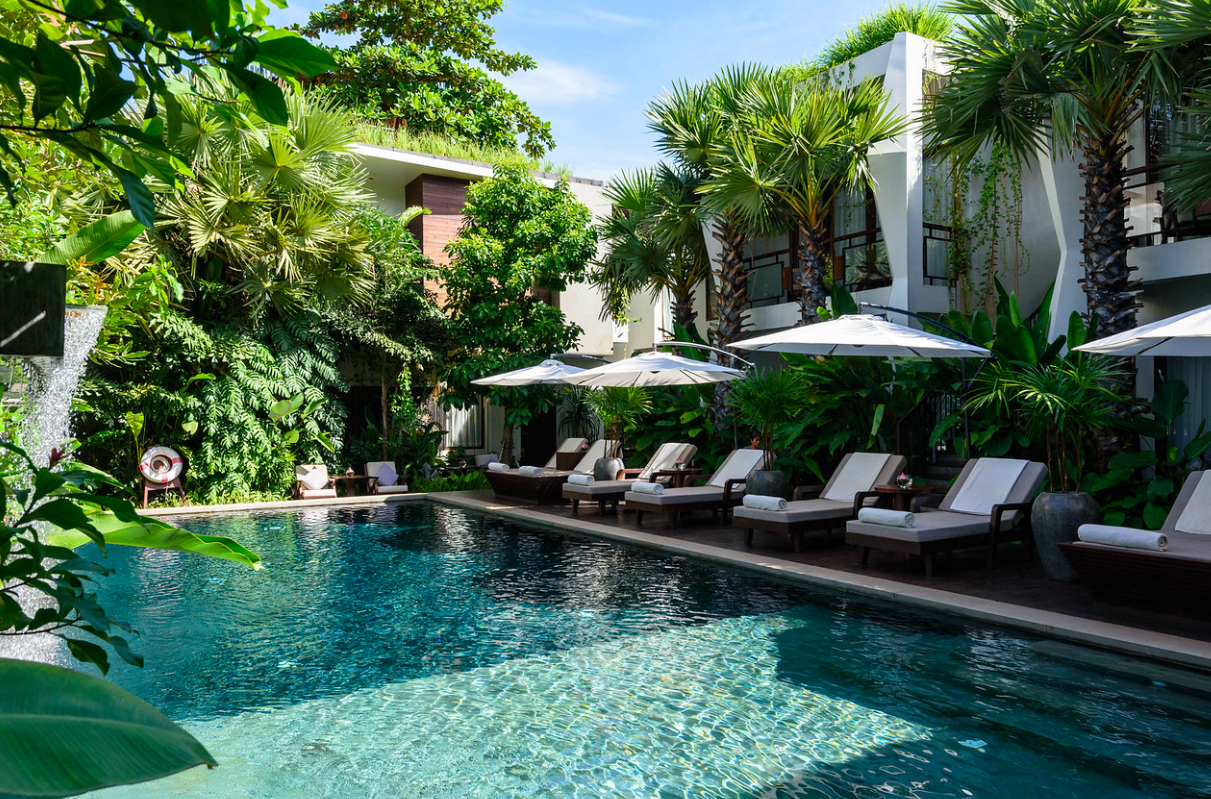
Photos by Jaya House River Park
Jaya House River Park Puts Local Benefit First, and the Business Case Follows
For a hotel, protecting the destination can begin with decisions as ordinary as what it buys, how it serves drinking water and which suppliers it works with. At Jaya House River Park, those decisions became the foundation of a luxury business and the starting point for a campaign extending far beyond Siem Reap.
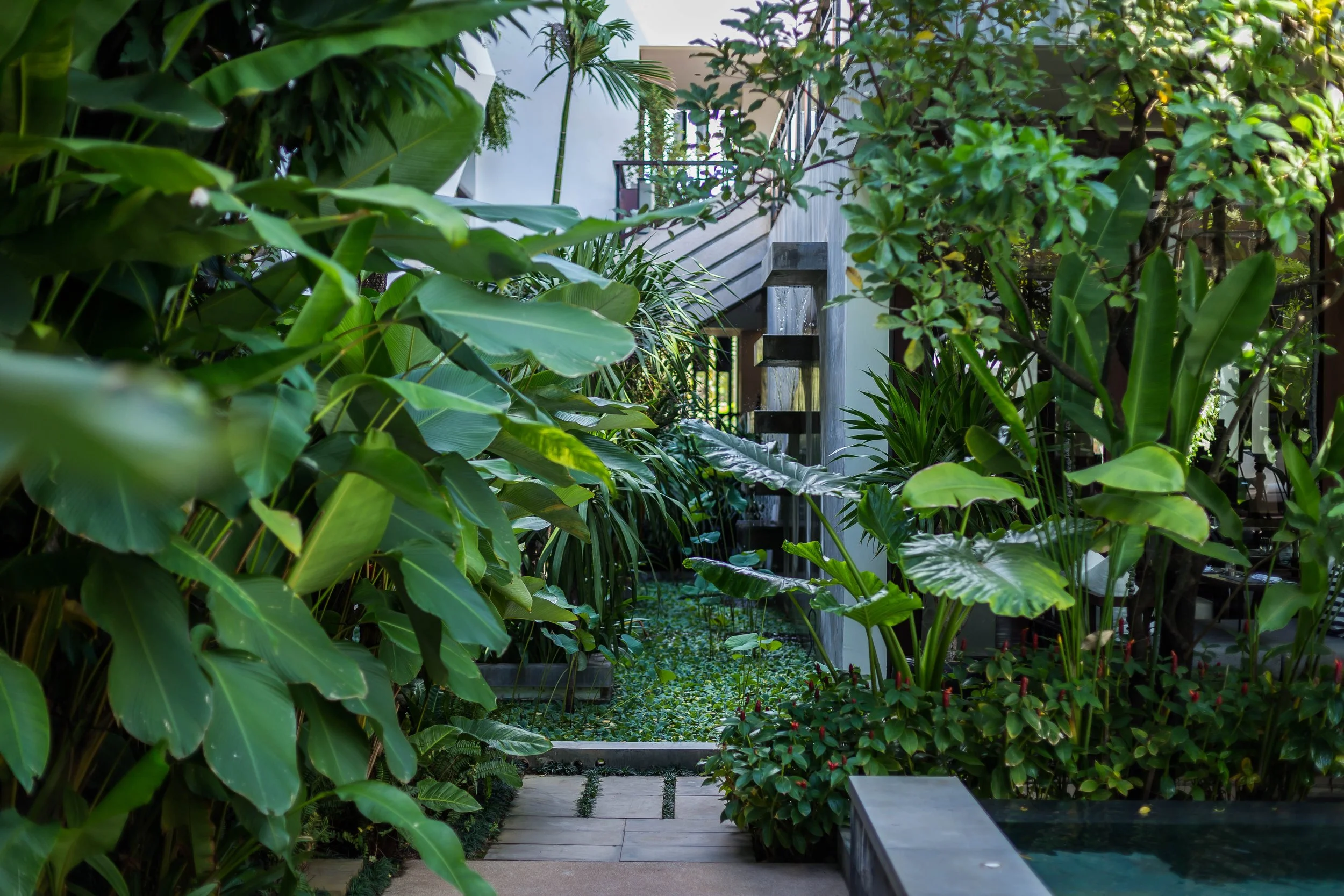
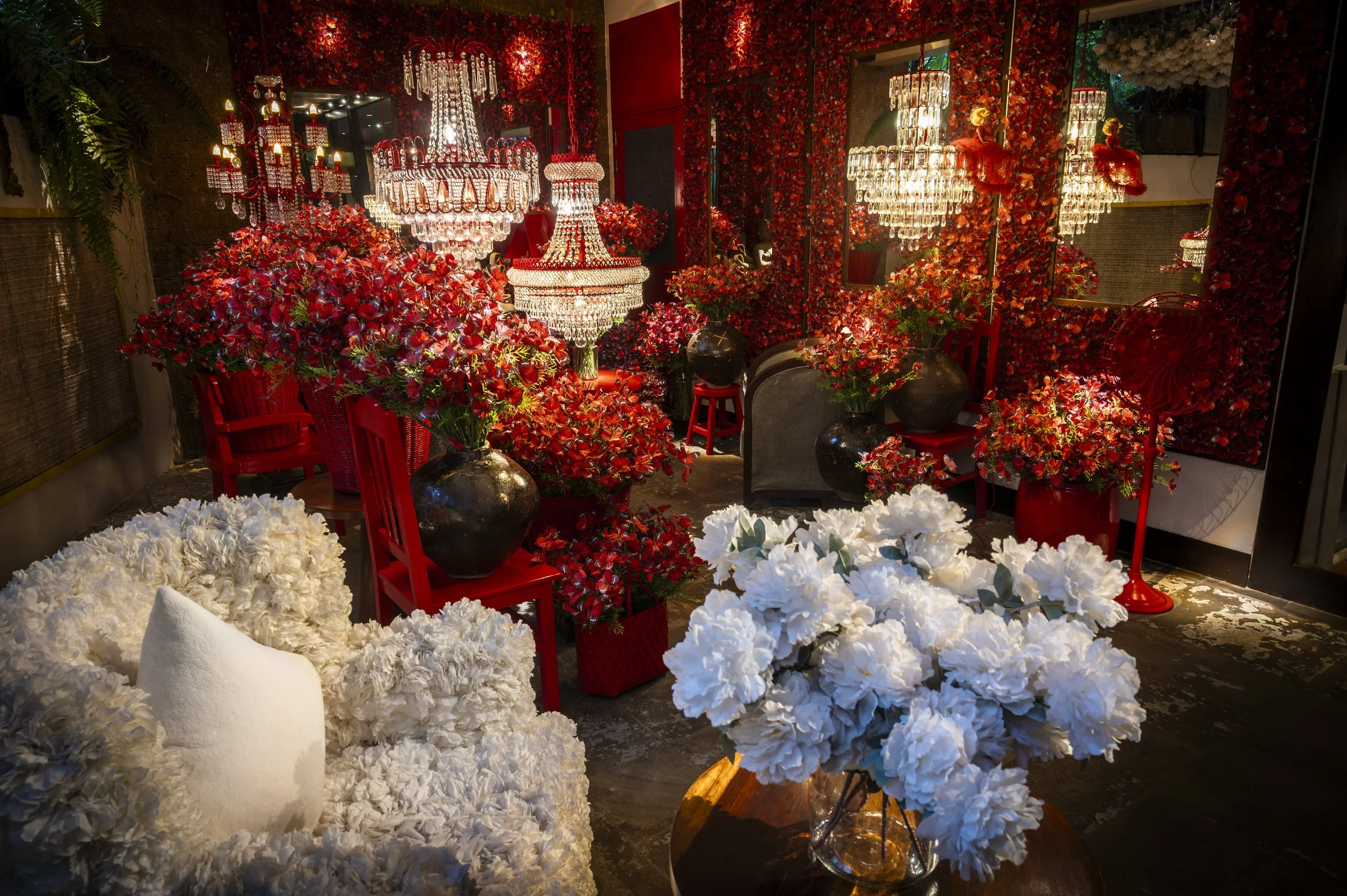
The riverside hotel opened in December 2016 with 36 rooms. Managing director Christian de Boer’s ambition was to demonstrate that reducing disposable plastic need not diminish the guest experience. Rather than asking travelers to accept fewer comforts, the hotel changed how those comforts were delivered. Bathroom products from its Jaya Organics range are made on site and supplied in glass containers. Kitchen delivery and storage boxes use non-plastic alternatives, supported by cleaning protocols, while purchasing requirements extend the policy to suppliers. The hotel says it has come close to eliminating single-use plastic across many guest and operational touchpoints.

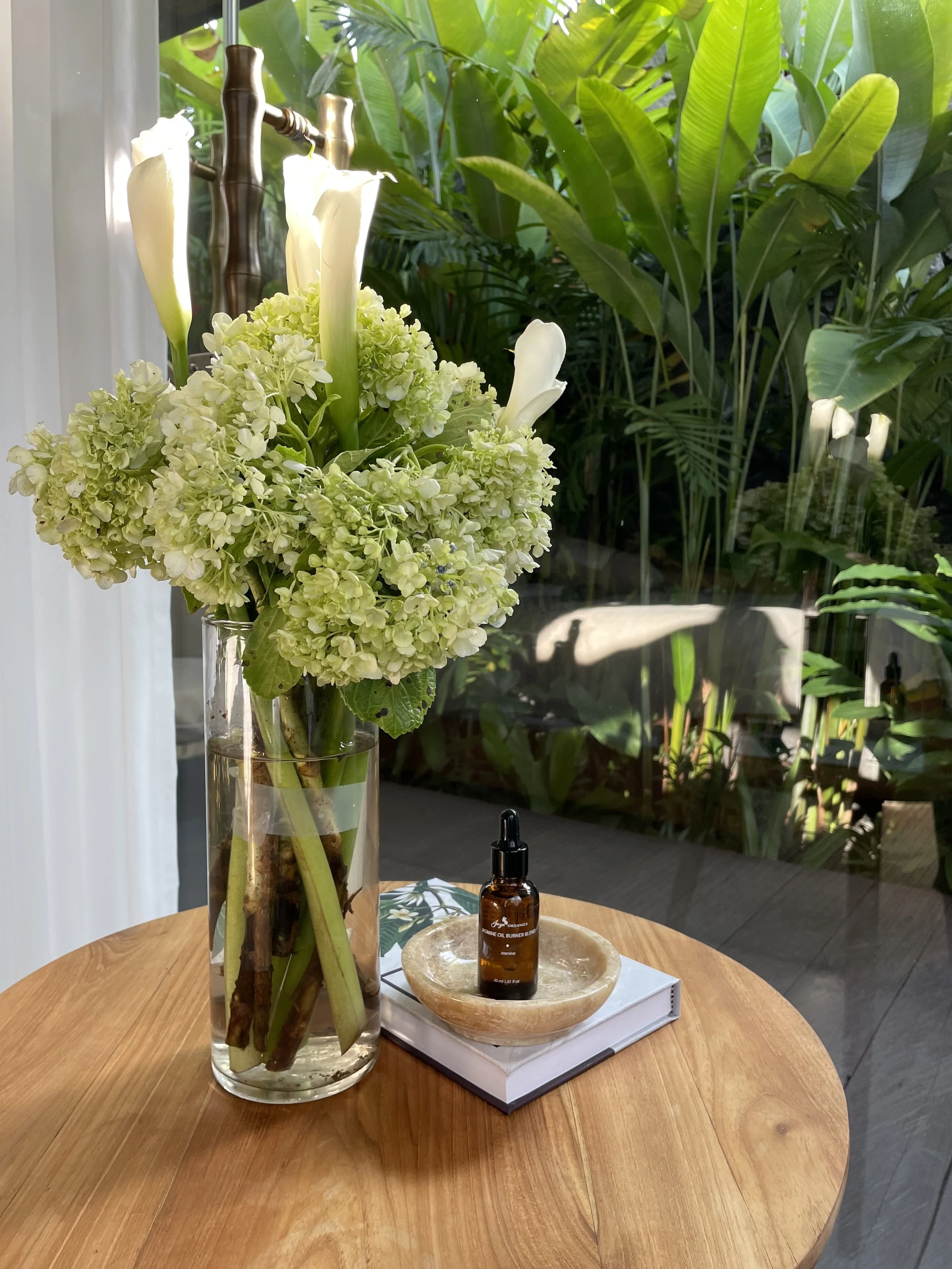
Jaya Organics by Jaya House River Park
The more consequential move was recognizing that guests would need these alternatives to work outside the property. A reusable bottle has limited value if travelers cannot readily find drinking water once they leave their accommodation. Refill Not Landfill, which de Boer co-founded in 2016 with Dean McLachlan, addressed that problem by connecting participating businesses offering free refills. Guests receive bottles with QR codes that direct them to nearby stations. By 2024, de Boer reported that the initiative was active across 19 countries and destinations.
The economics show how collaboration made the policy more affordable. In a July 2018 interview with Green Lodging News, de Boer said pooled purchasing with neighboring businesses had reduced the cost of each aluminum bottle from US$ 9 to US$3.10. Jaya House added US$1 per room night to help fund the bottles, while participating hotels reportedly gained revenue from the campaign. While these are historical figures, the principle remains relevant, because businesses buying together can reduce the premium on a lower-waste alternative and share the infrastructure needed to make it practical.

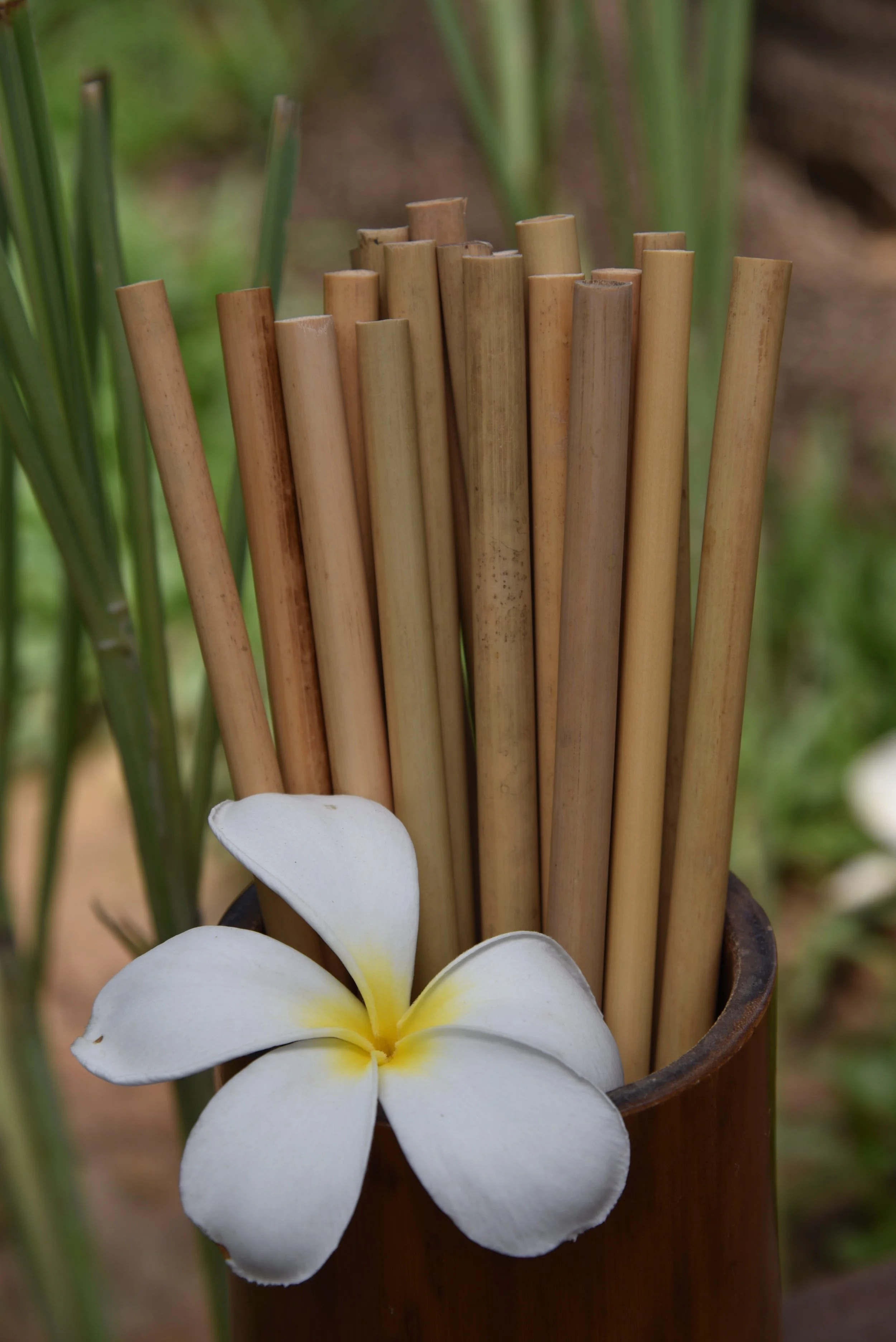
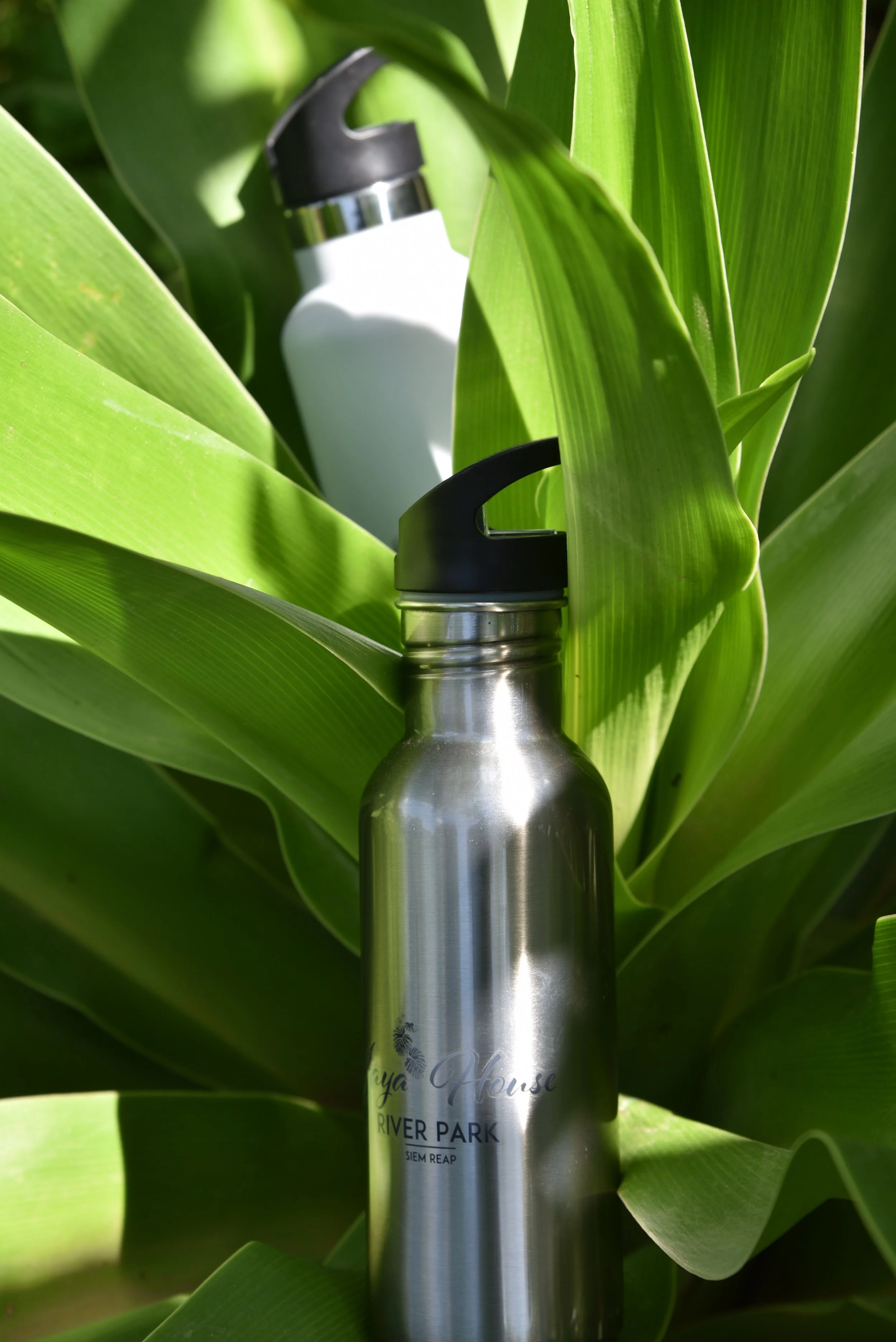
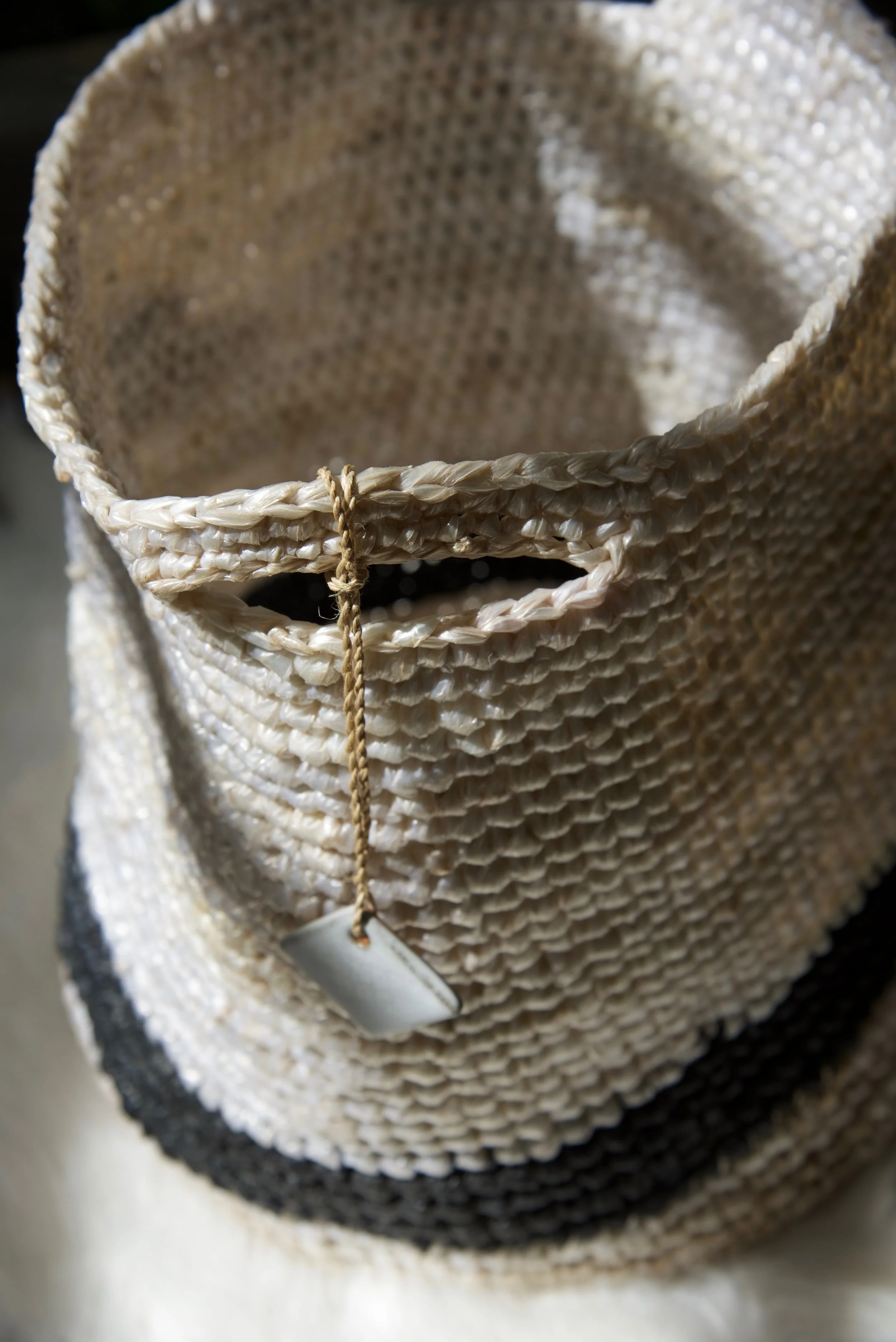
Plastic-free amenities at Jaya House River Park
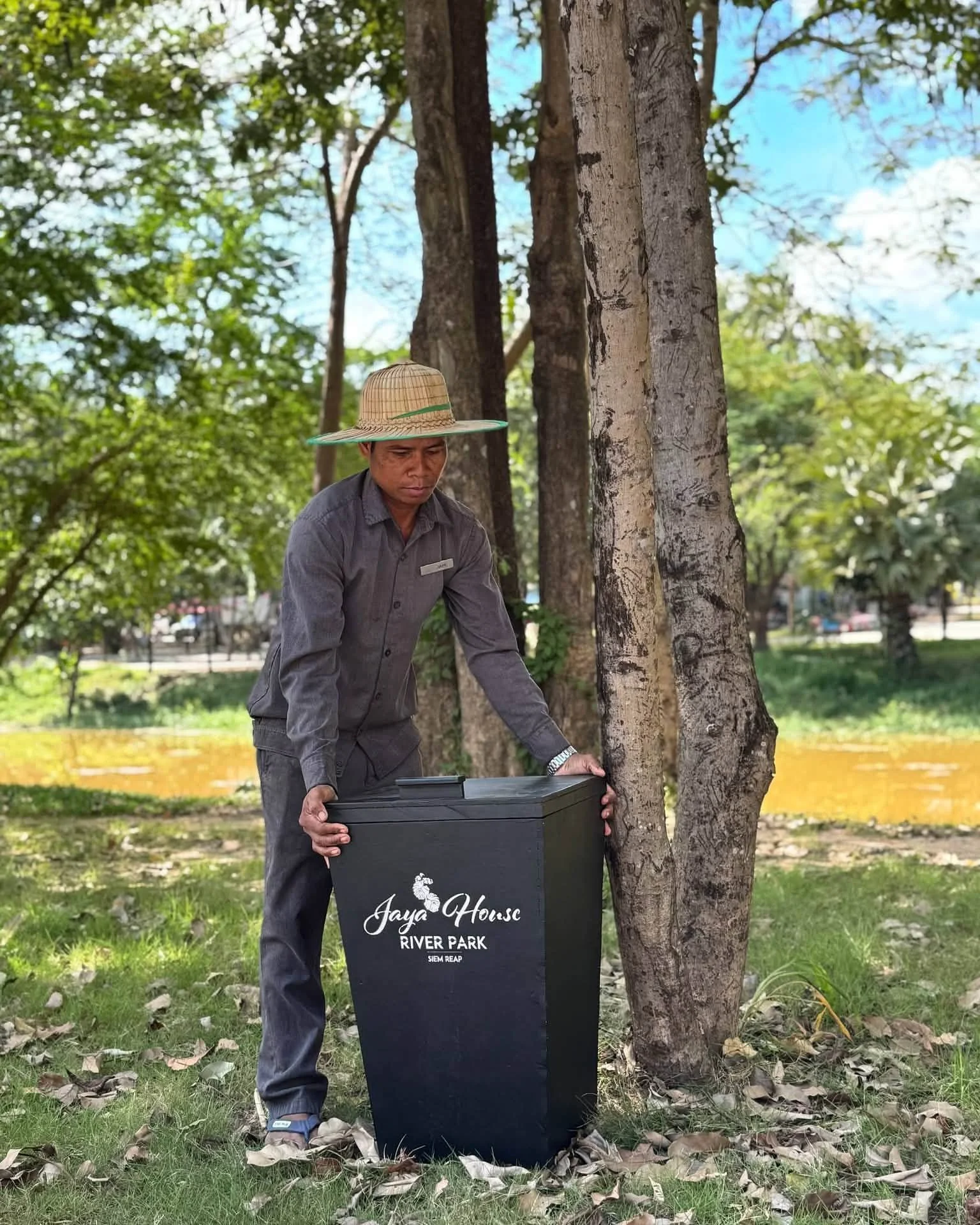
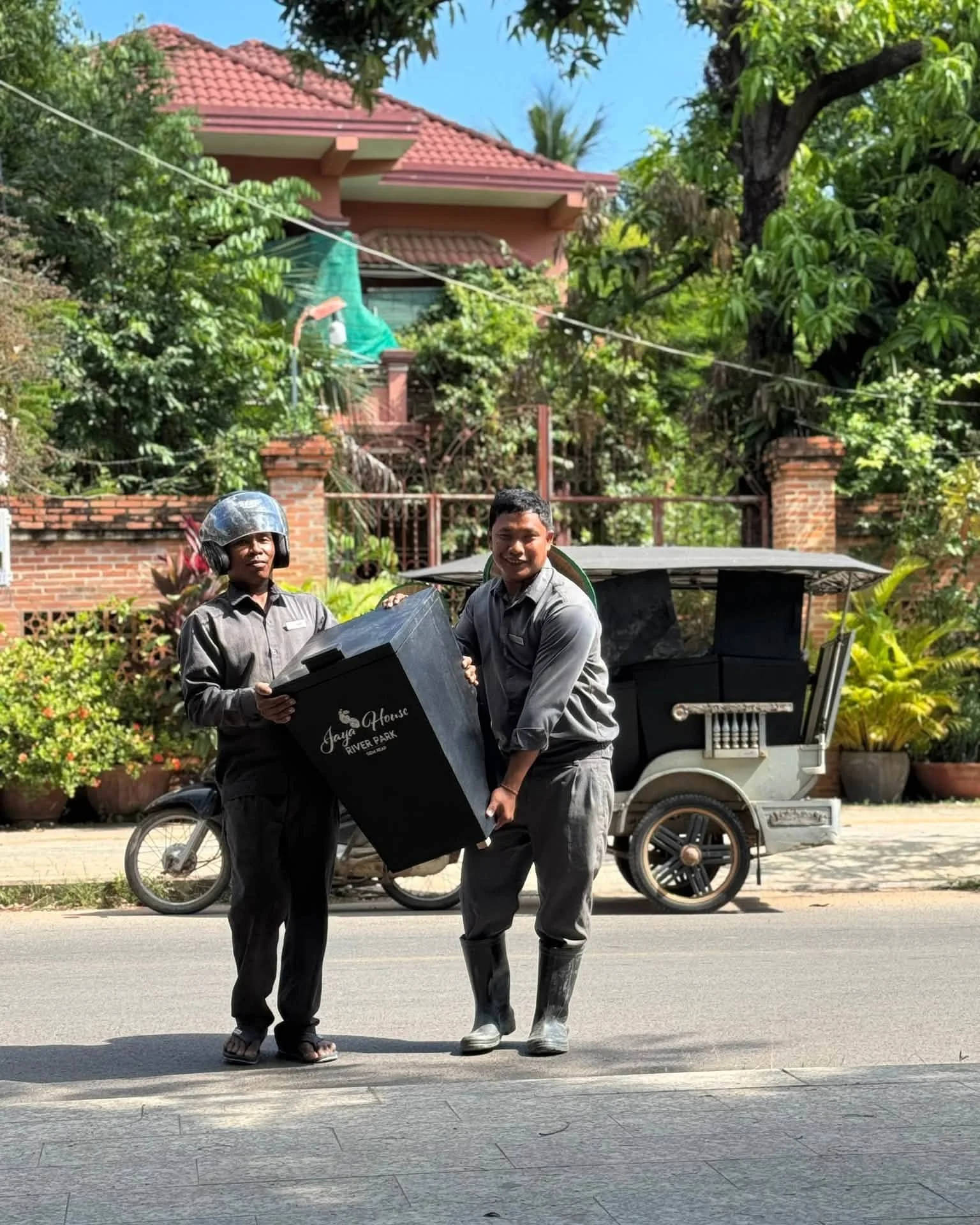
Jaya House River Park’s commitments extend beyond reducing waste to supporting local employment and community organizations. De Boer said the hotel relies largely on word of mouth rather than paid media so that profits could return to the community. The hotel employs only Khmer nationals. The hotel's community page says it sets aside US$5 from every occupied room night, divided equally among three NGOs: the Green Gecko Center for Street Children, the Cambodian Landmine Relief Fund, and the Small Art School. He highlights that donations exceeded US$150,000 over the years. During pandemic closures, the hotel joined two other properties in distributing 54,000 plastic-free meals, which suggests its commitments continued when revenue stopped.
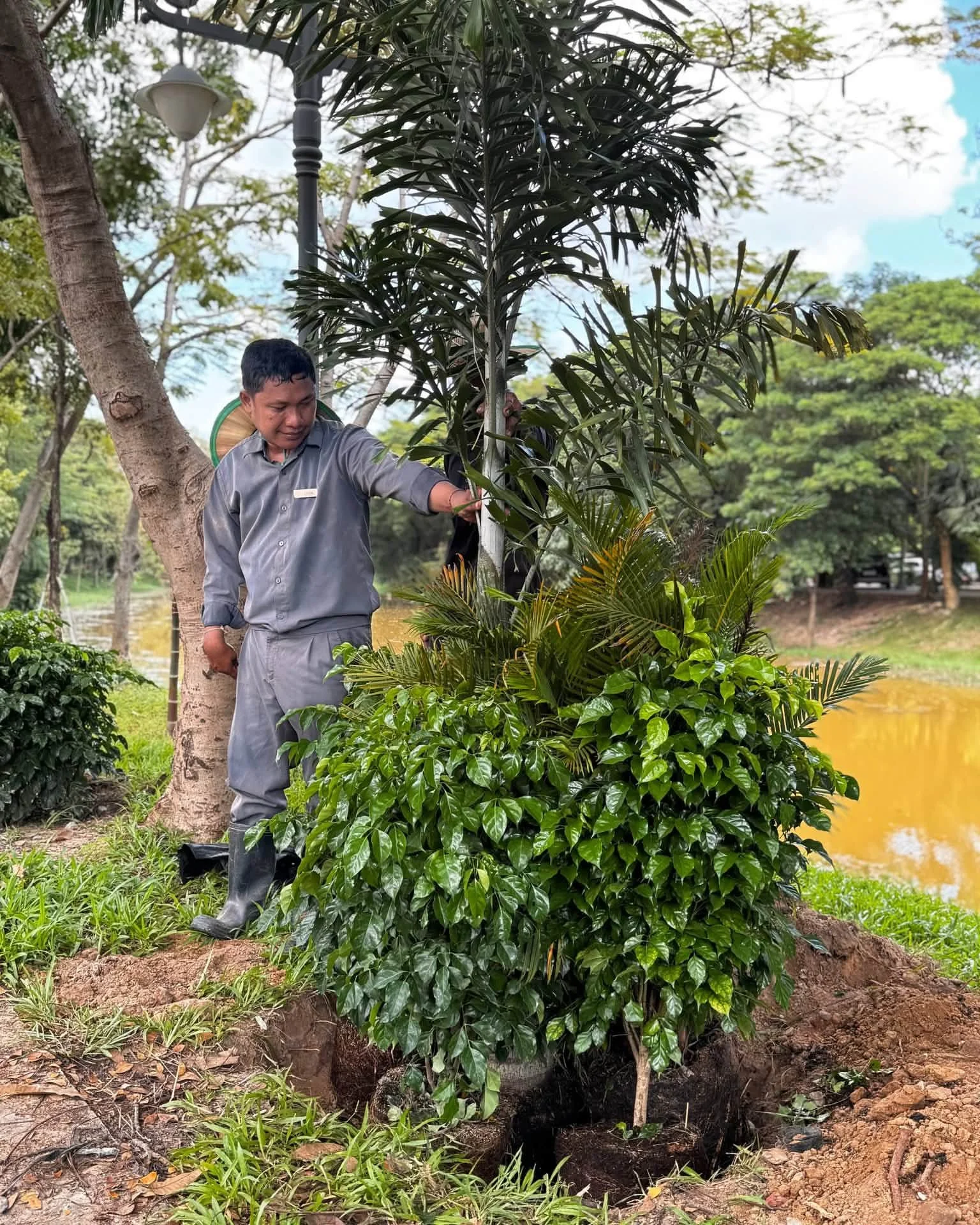
Photos by Jaya House River Park
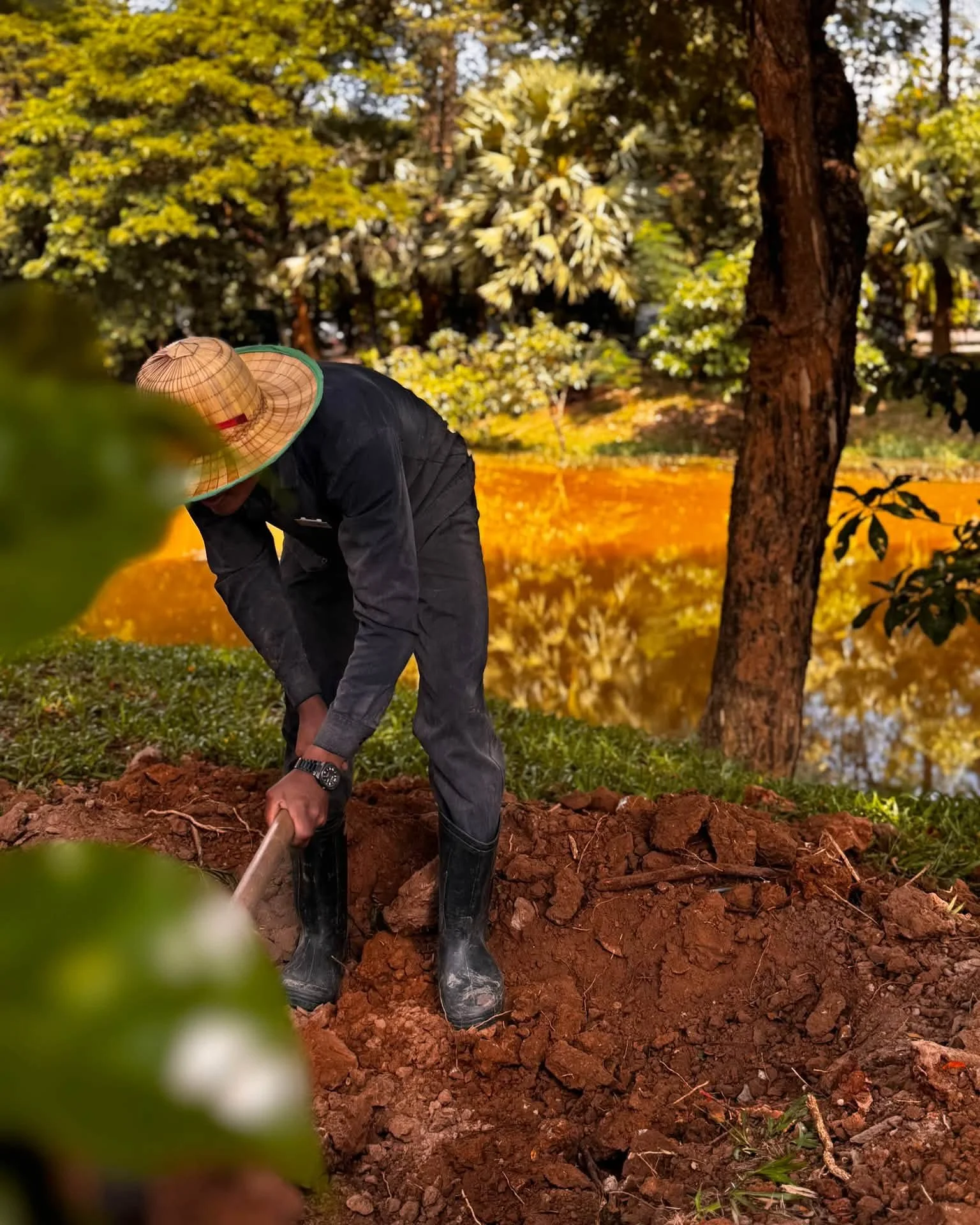
For a riverside hotel, the quality of its surrounding neighborhood is part of the experience, even when it sits outside the property boundary. Jaya House River Park reports planting more than 4,000 native trees along the Siem Reap River, an investment intended to improve the public spaces residents and guests share. The potential benefits extend beyond appearance. Trees shade streets and paths and cool the surrounding air by releasing moisture through their leaves, helping make outdoor spaces more comfortable to use.
For hotel owners, that provides a commercial rationale for investing beyond the ground. It improves the setting in which guests walk, explore and spend time, and can strengthen the experience the hotel sells.
Jaya House’s most transferable lesson is to make environmental and community commitments part of operating decisions, not a separate promotional exercise. Joint purchasing can make environmentally conscious alternatives affordable; a defined contribution can make giving more predictable; and investment in public space can improve the destination the hotel depends on.
Photos by Jaya House River Park
How HAVEN Trains Siem Reap's Next Hospitality Workforce
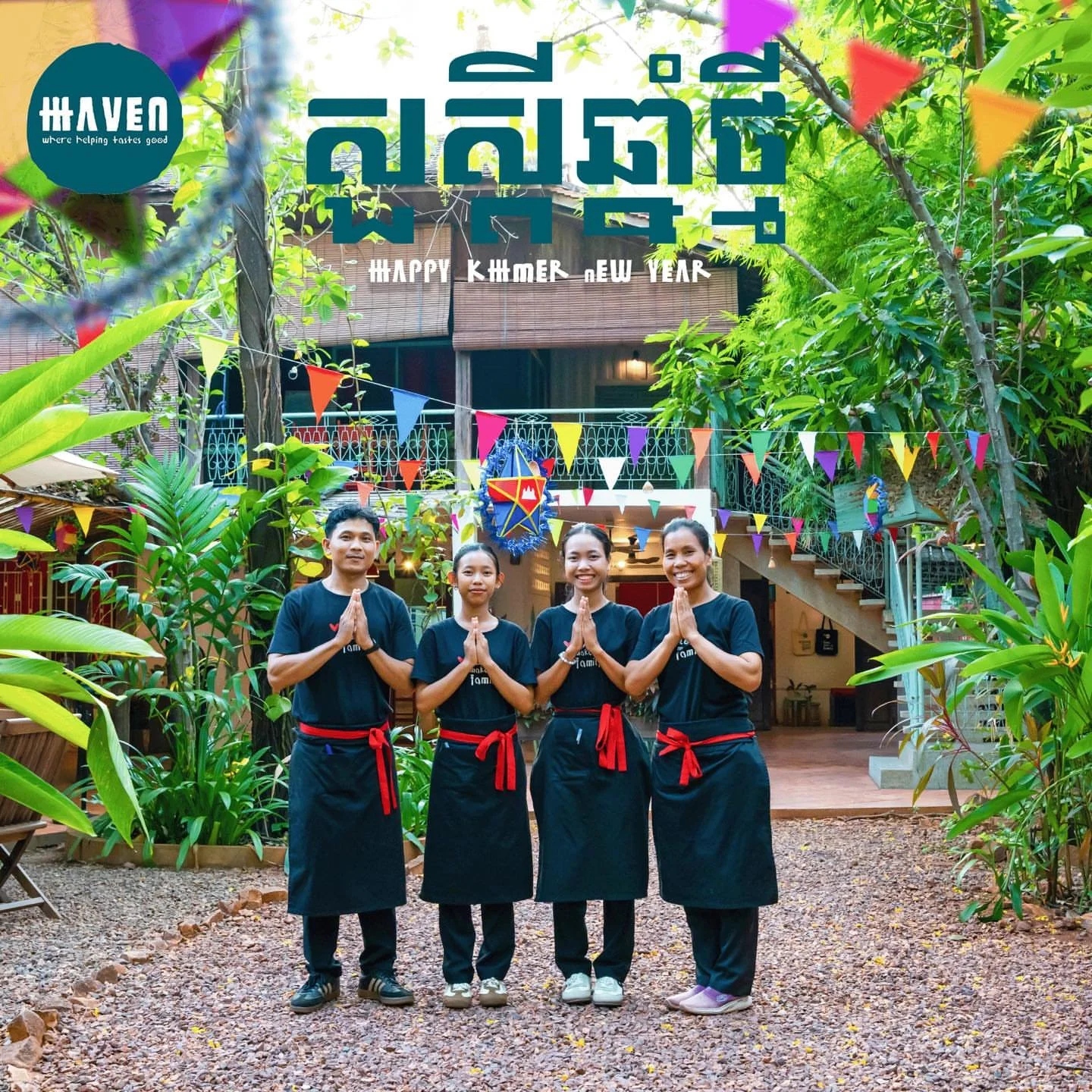
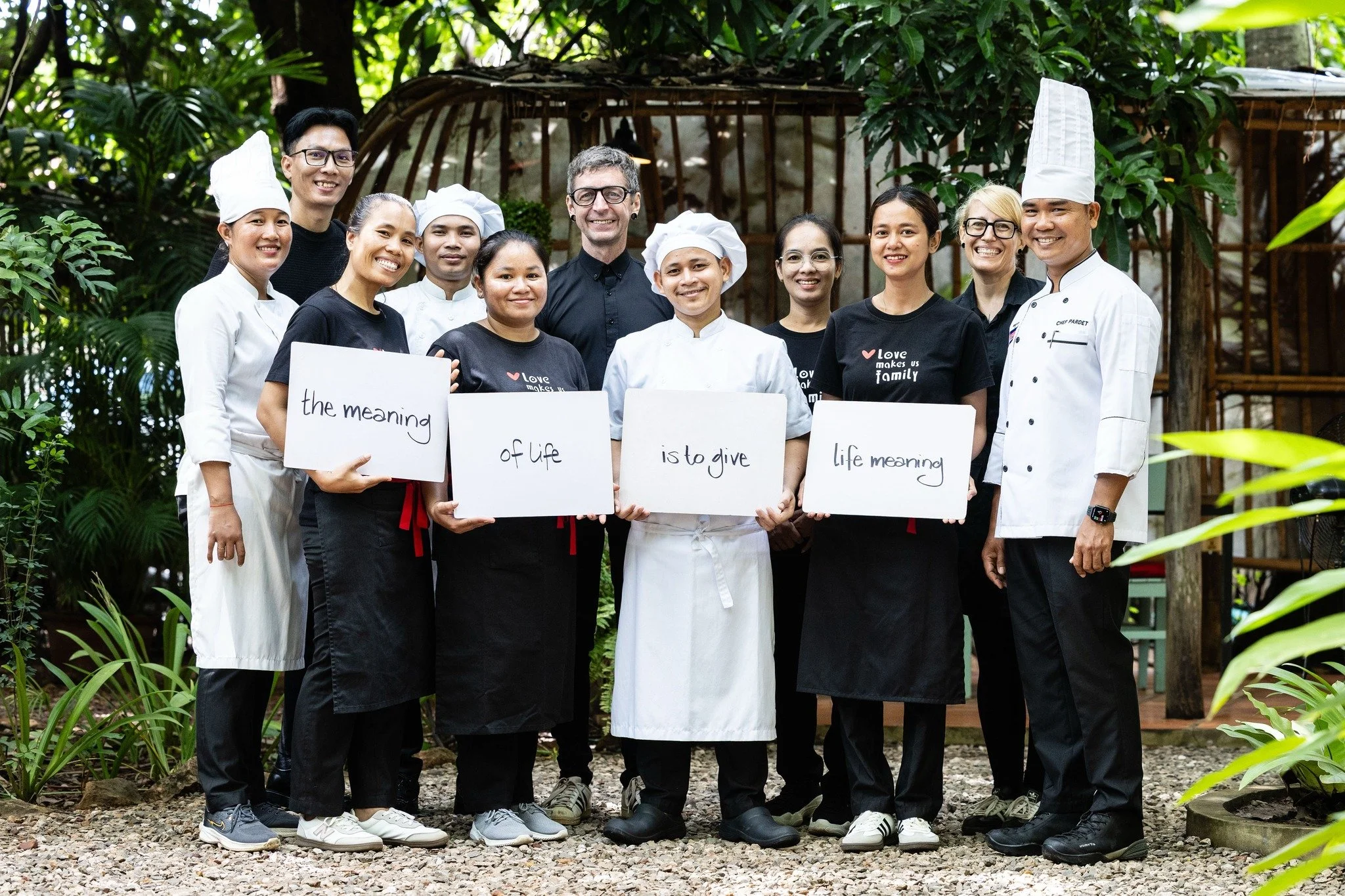
Located on Chocolate Road in Siem Reap, HAVEN operates as both a restaurant and a classroom, using restaurant income to help fund hospitality training. Founded by Swiss couple Sara and Paul Wallimann, it trains young adults from youth shelters and lower-income rural areas to prepare them for stable employment in the sector.
HAVEN’s training program adapts the Swiss apprenticeship system, which combines paid work with classroom study, to Cambodia. Trainees spend 12 months in supervised practice with classroom instruction, English lessons and life-skills workshops, followed by a four-month internship at partner hotels in Siem Reap. HAVEN also covers their housing, food, medical care, bicycles, clothing and a monthly allowance. Restaurant income and donations through Dragonfly, the non-profit Swiss association also founded by Sara and Paul Wallimann, pay for all of this.
Photos by HAVEN
HAVEN’s own figures, supplied to AST in September, give the model its first hard edges. Since 2011, HAVEN has accepted 173 trainees across completed cohorts, and 147 have graduated, about 85 percent. Completion since COVID stands at 90 percent, against a 15-year average of 86 percent, which suggests the program has held its strength after the pandemic. The trainees who leave, usually within the first three months, do so almost entirely because of family financial pressure, relocation, or health issues. HAVEN says it offers them re-entry in later cohorts where possible.
The internship is also where training meets the labor market. Every graduate moves directly into an internship that doubles as probation. HAVEN says its graduates start in junior cooking and service roles instead of dishwashing or running plates, and that 100% of them secure placements.
For hospitality businesses, HAVEN’s value lies in delivering trainees who arrive with technical preparation and social support that many individual hotels are not equipped to provide on their own. That division of labor, with HAVEN providing the support and employers the career, is the model's most practical feature.
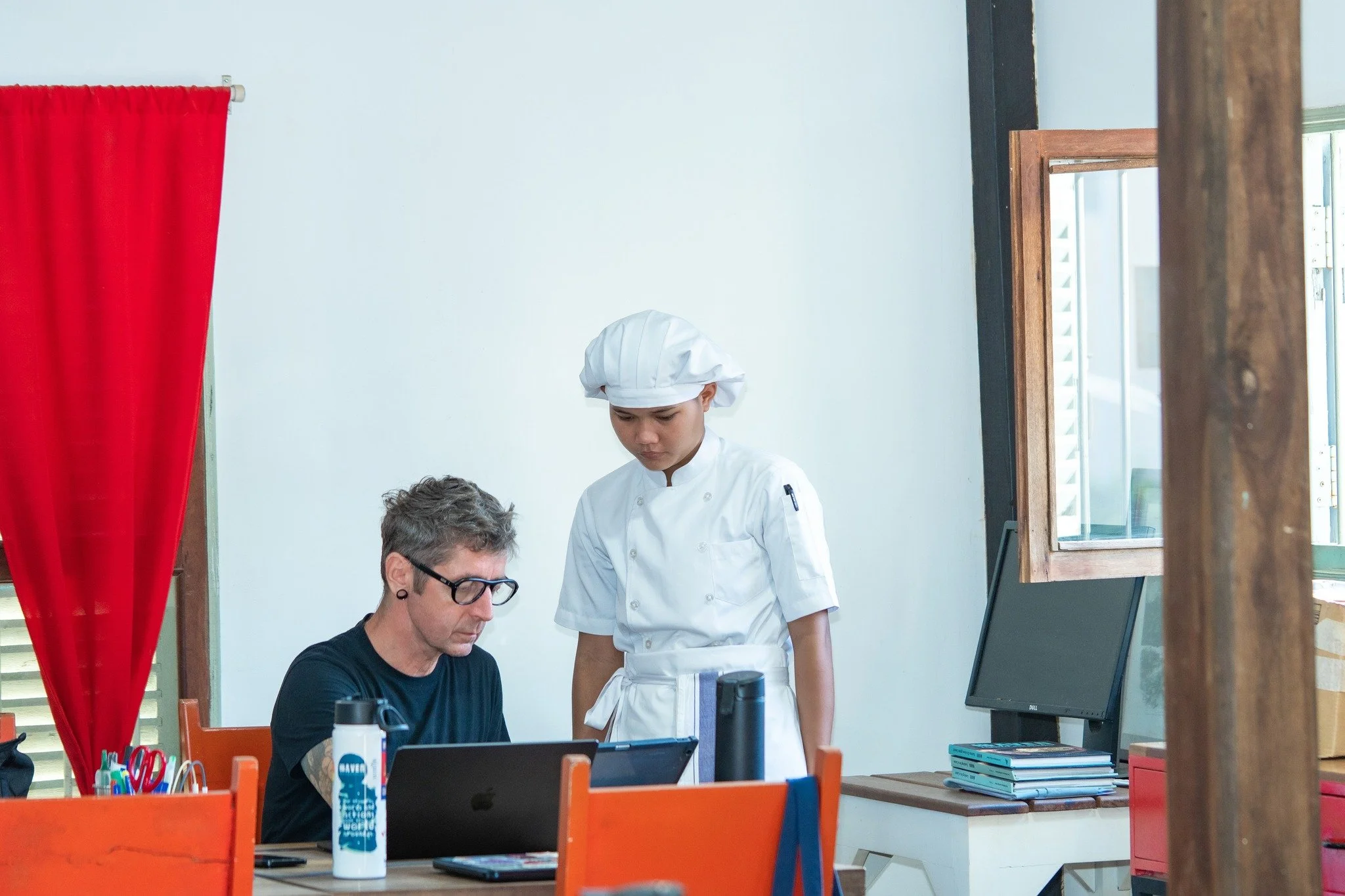
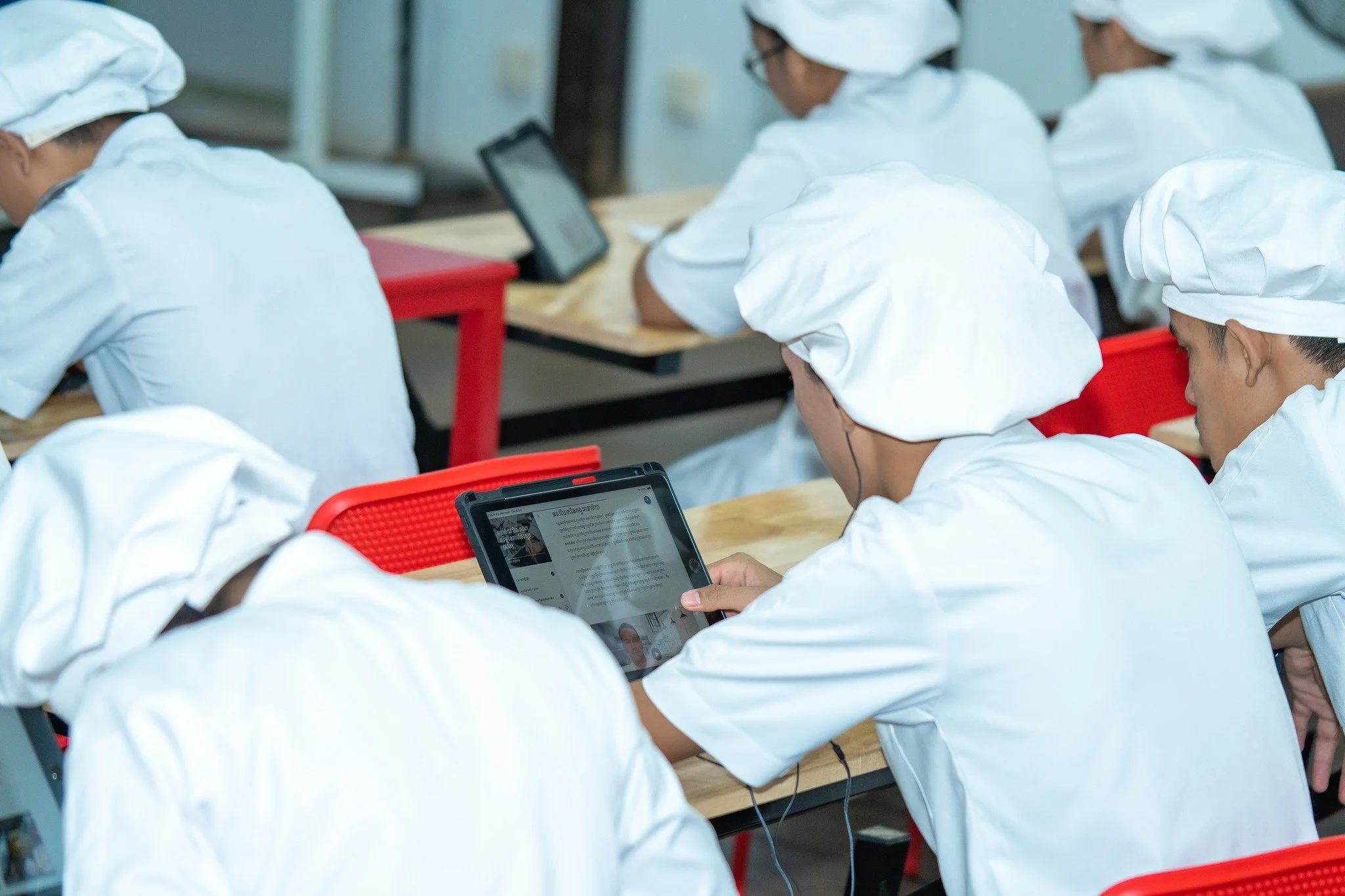
Photos by HAVEN
A fair question is how far the model reaches across the city's hospitality industry. An annual intake of 16 to 18 trainees compares with the 176 hotels the Ministry of Tourism recorded in Siem Reap in 2025, or roughly one trainee for every ten hotels. This makes it a proof of concept, rather than a definitive solution to the city's hospitality workforce supply. The Wallimanns say they keep cohorts small on purpose, because mentoring, housing, healthcare and social work demand a level of attention that larger numbers would dilute. HAVEN adds that donations cover training periods when the restaurant closes and protect the program during the off-season.
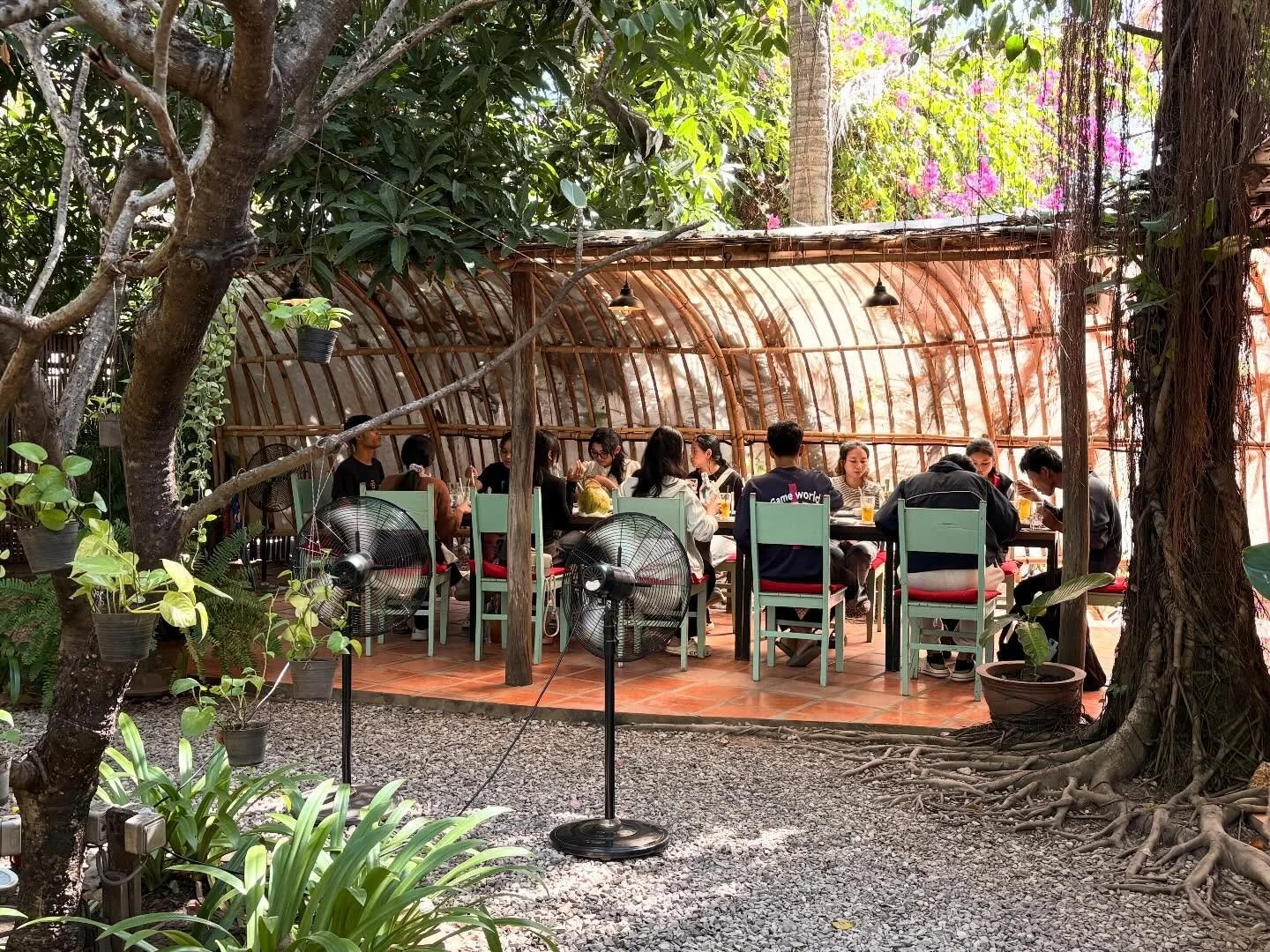
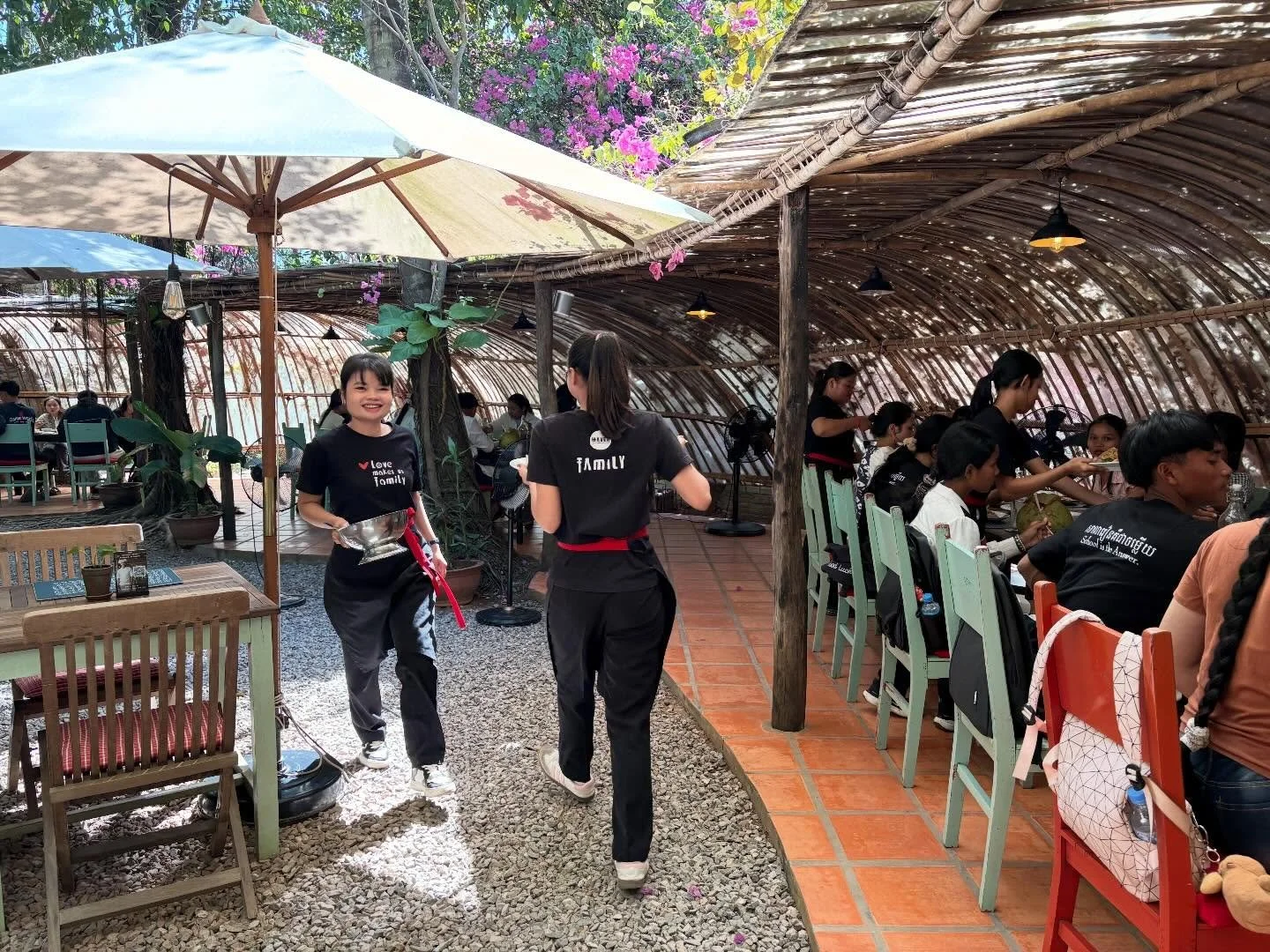
Photos by HAVEN
What Can Be Done to Integrate These Businesses Into One Economy?
Siem Reap's gap is not a shortage of purposeful businesses but a shortage of collaborations between them. Each one built its own route from visitor to local benefit, and those routes rarely meet. A Jaya House River Park guest may never see HAVEN.
That is why the Cambodia Branding Forum matters, for the ideas that it generated. Millennium Destinations, the consultancy led by Catherine Germier, built the platform on the premise that a destination's reputation must rest on the quality of the place, not on marketing campaigns. On 29 September, 131 hotel professionals, tour operators, artisan groups and community enterprises met in Siem Reap, shortly after the launch of the Siem Reap Tourism Development Plan 2026–2030.
The Forum replaced the question "How do we market Siem Reap?" with how to strengthen the visitor experiences in ways that keep more spending in the local economy.
That reframing is an ambition to make Siem Reap a destination in its own right, not only a gateway to the Angkor temples, and to connect its impact-led businesses into one local economy. The Forum's workshops on product, people and place point to three actions.
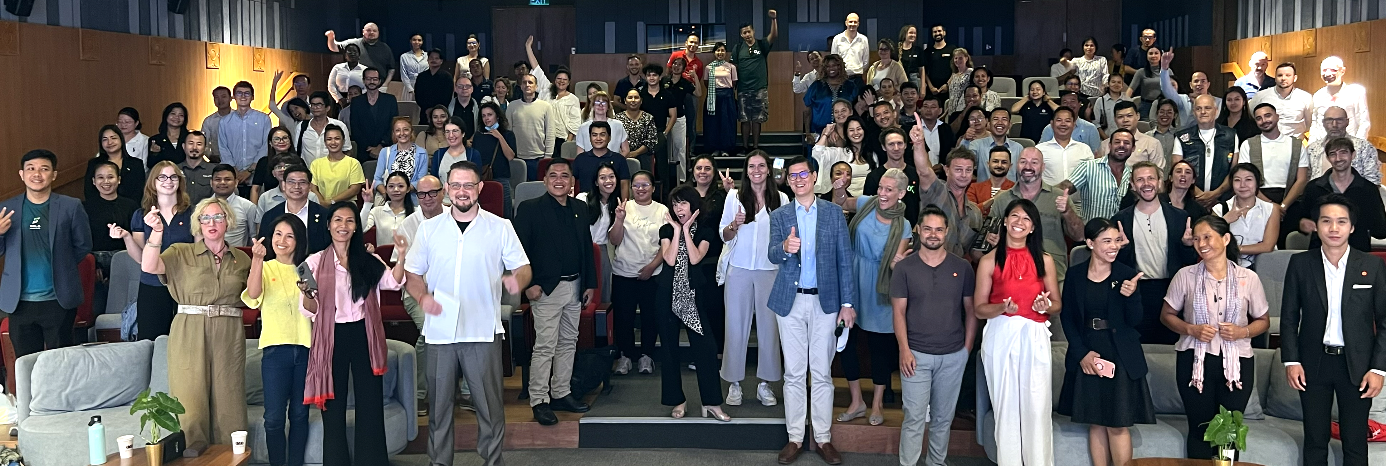
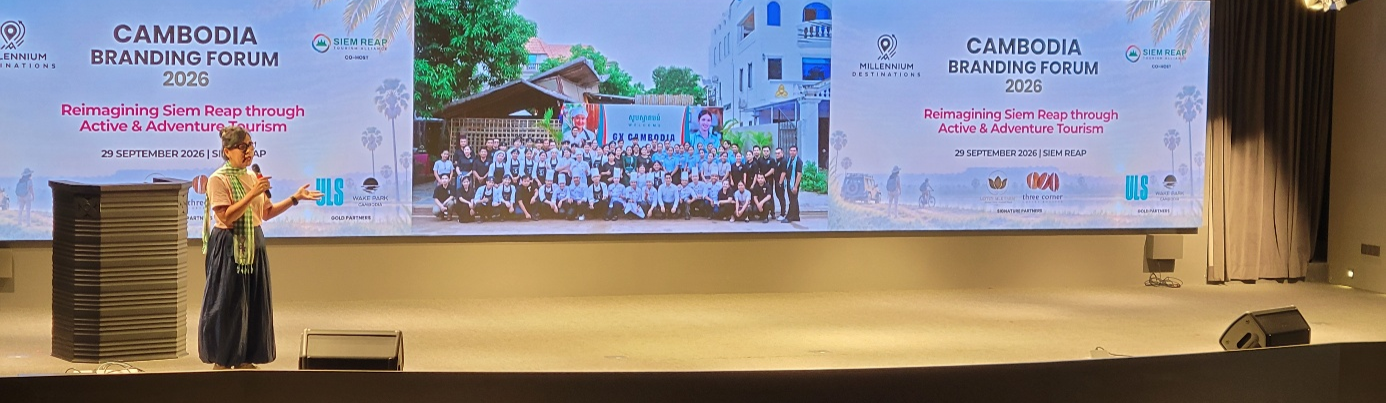
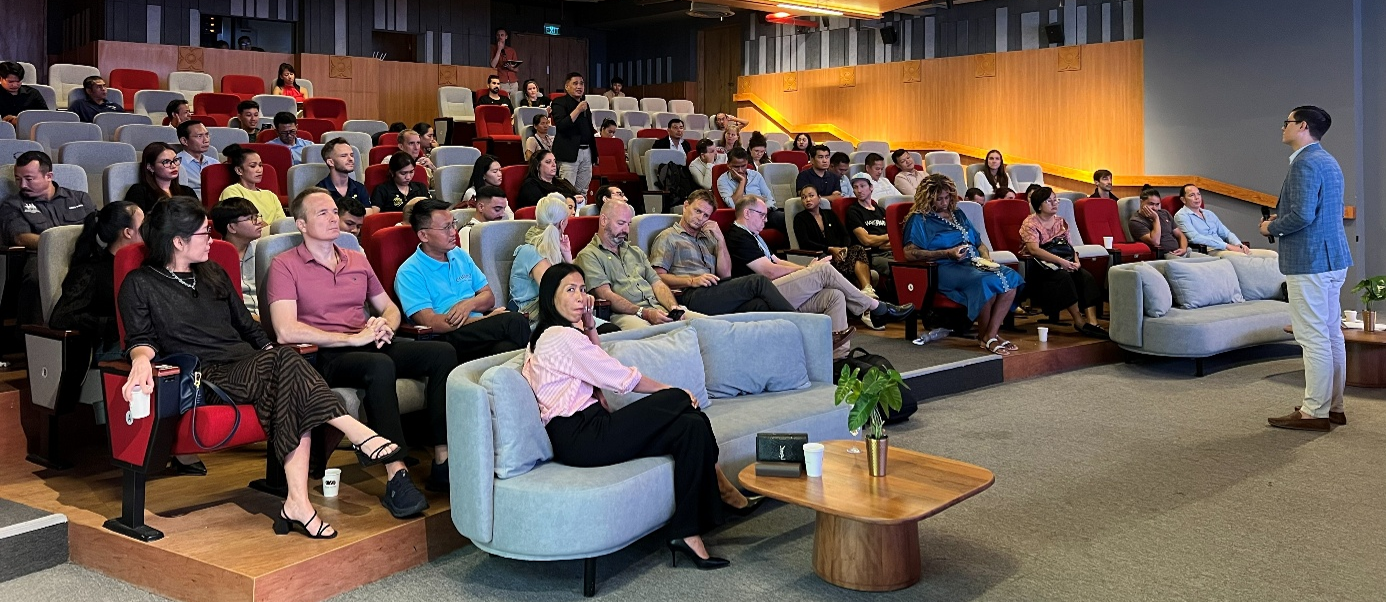
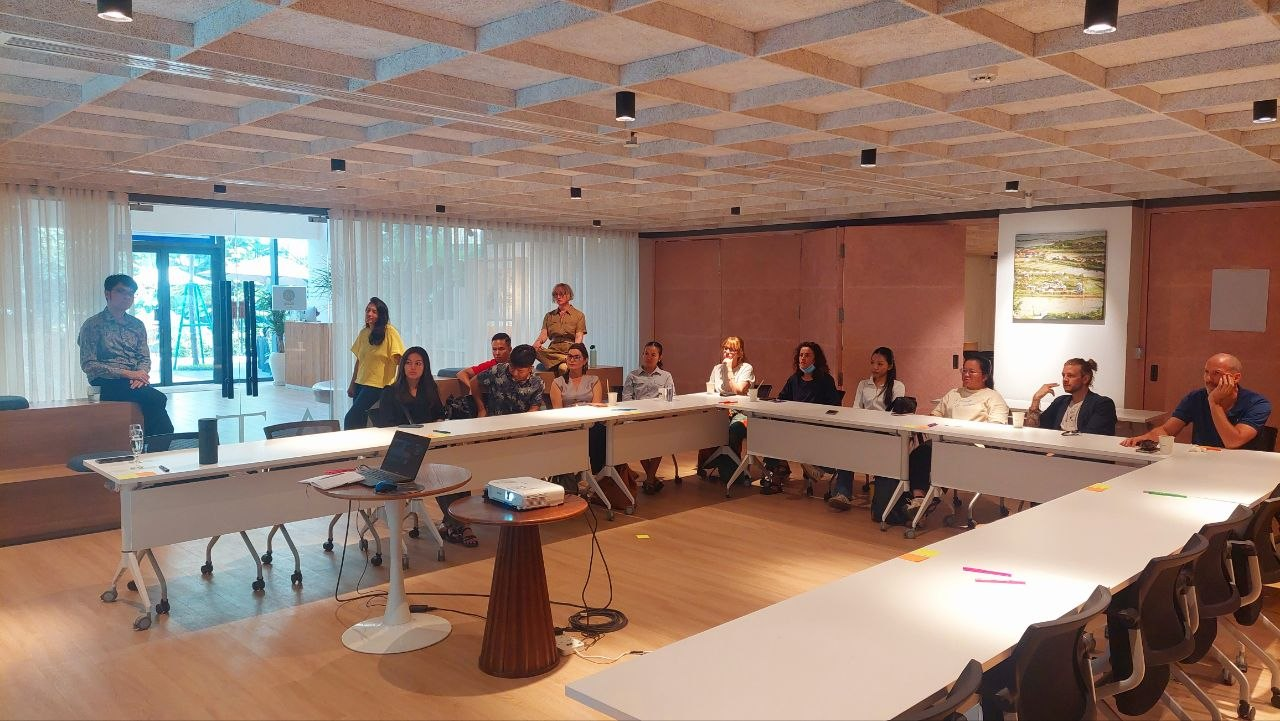
Photos by Cambodia Branding Forum
Strengthen Commercial Resilience with Robust Hotel-Supplier Partnership
At the Forum, ReMade in Cambodia, which turns textile waste into products, described two models. One repurposes discarded hotel textiles into accessories, and the other turns leftover fabric, known as deadstock, into uniforms designed by Khmer designers. Its founder, Alyssa Loera Kardos, asked fellow hotel participants to be willing to test the model. Three Corner Coffee shows the same logic in food and drink, working with Indigenous Bunong farmers in Mondulkiri and linking hotel demand to producers outside Siem Reap.
Repeat hotel orders came up as the most direct answer to give small producers predictable income that referrals sometimes cannot. That could be a sensible solution for businesses such as Lotus Silk Farm, whose export potential is limited by costs, capacity and long lead times. Buyers and set terms on volumes, deposits, payment timing and fair wages.

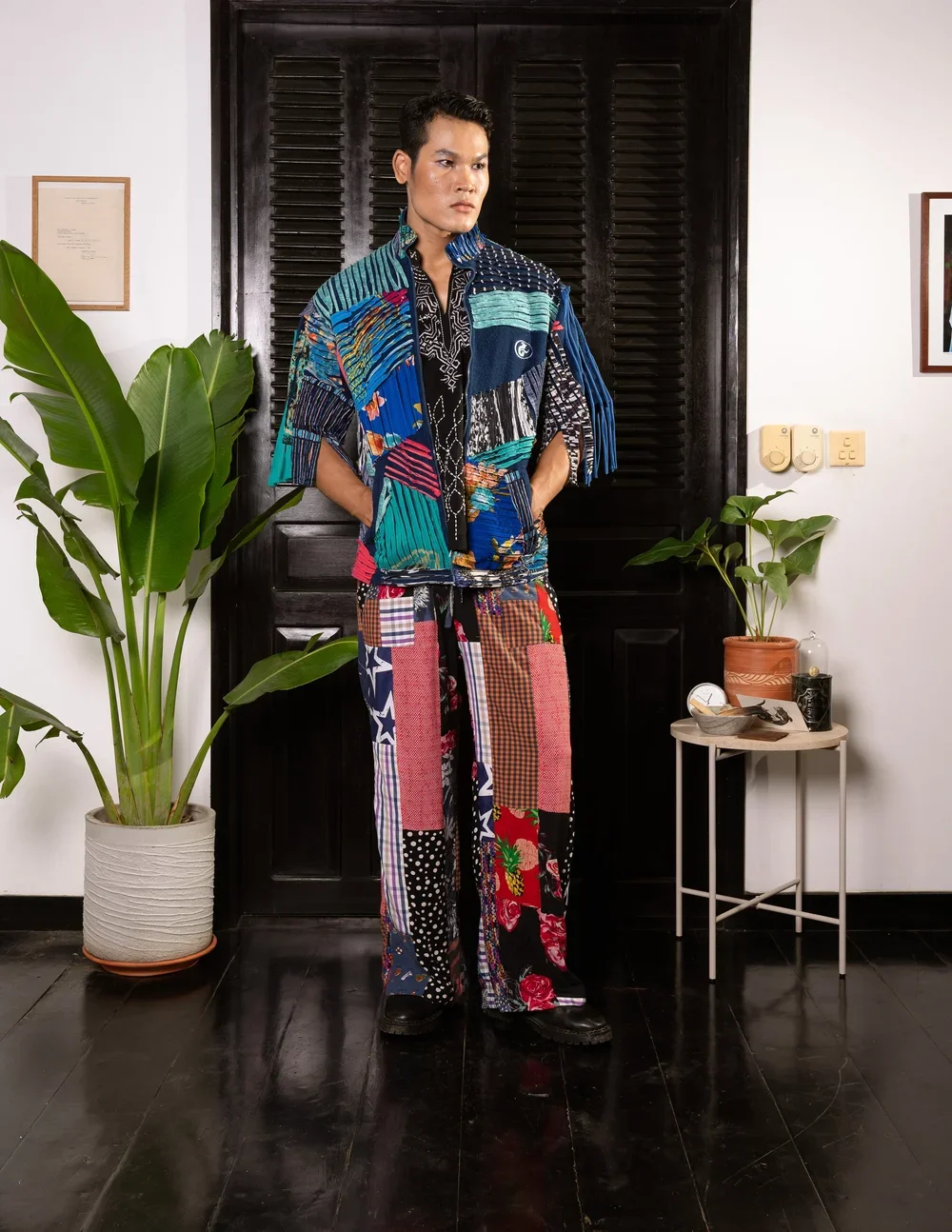
Photos by ReMade in Cambodia
2. Co-Design Experiences Worth an Extra Day on the Itinerary
At the Forum, Adventures Cambodia’s Founder Akim Ly, whose company takes guests around Angkor and the countryside by Vespa, vintage Jeep and e-bike, was asked where she would take a visitor for an extra day without visiting a temple. Any answer would need a seamless booking journey, a trusted referral and fair terms on commissions, cancellation and capacity, or the value would go to whoever controls access to the customer. Her own company shows the first element, since every tour on its website shows live availability, takes card payment and confirms instantly.
Lotus Silk Farm offers a more tangible example of what a non-temple extension could look like. During a field activity after the Forum, it combined a farm and atelier visit, a lotus-lake boat ride, and hands-on craft activities. It is an eventful experience that a hotel can introduce at its concierge desk. An afternoon workshop can deepen a guest's visit to Siem Reap, and also increase a hotel's revenue as it persuades the guest to add an extra night.
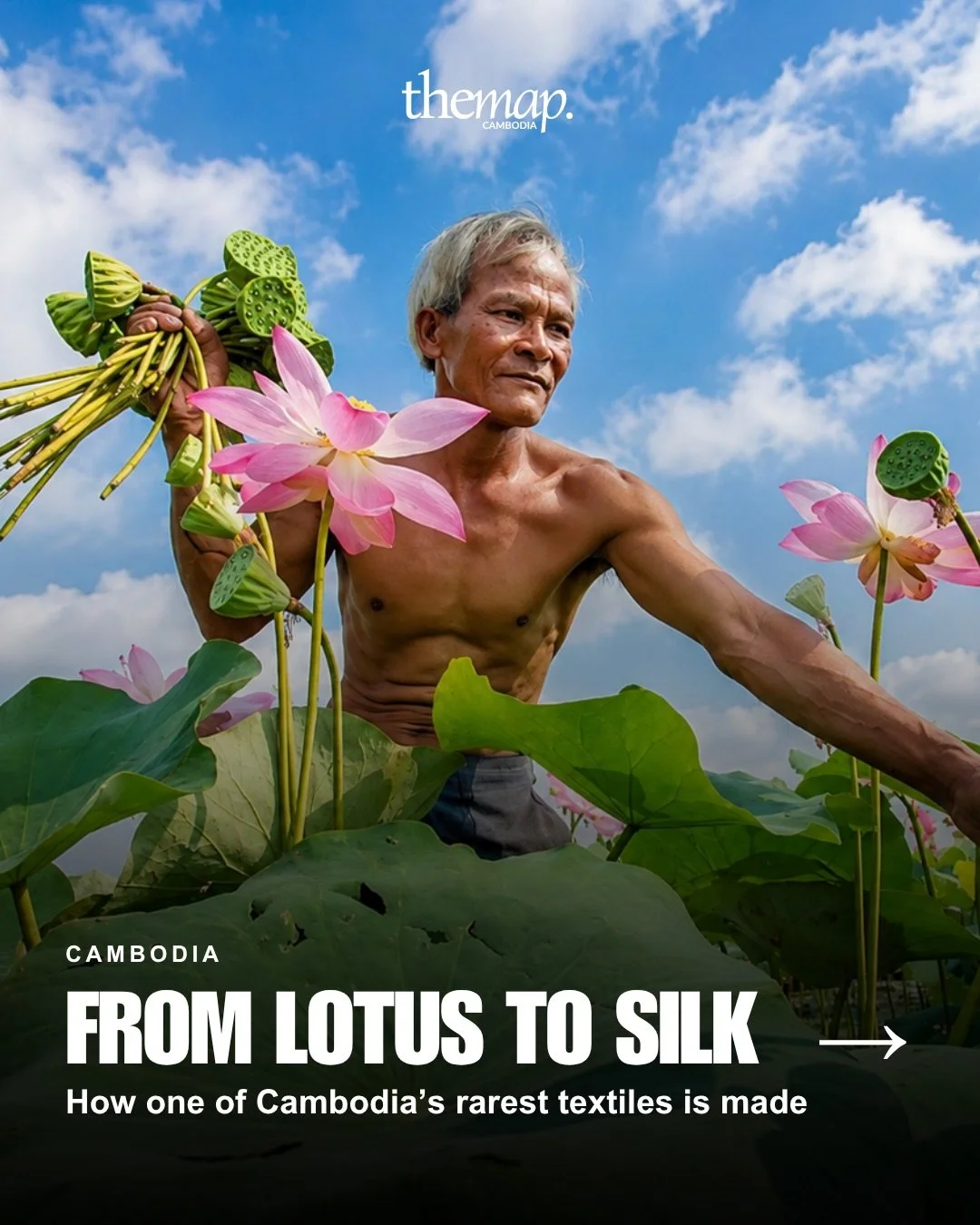
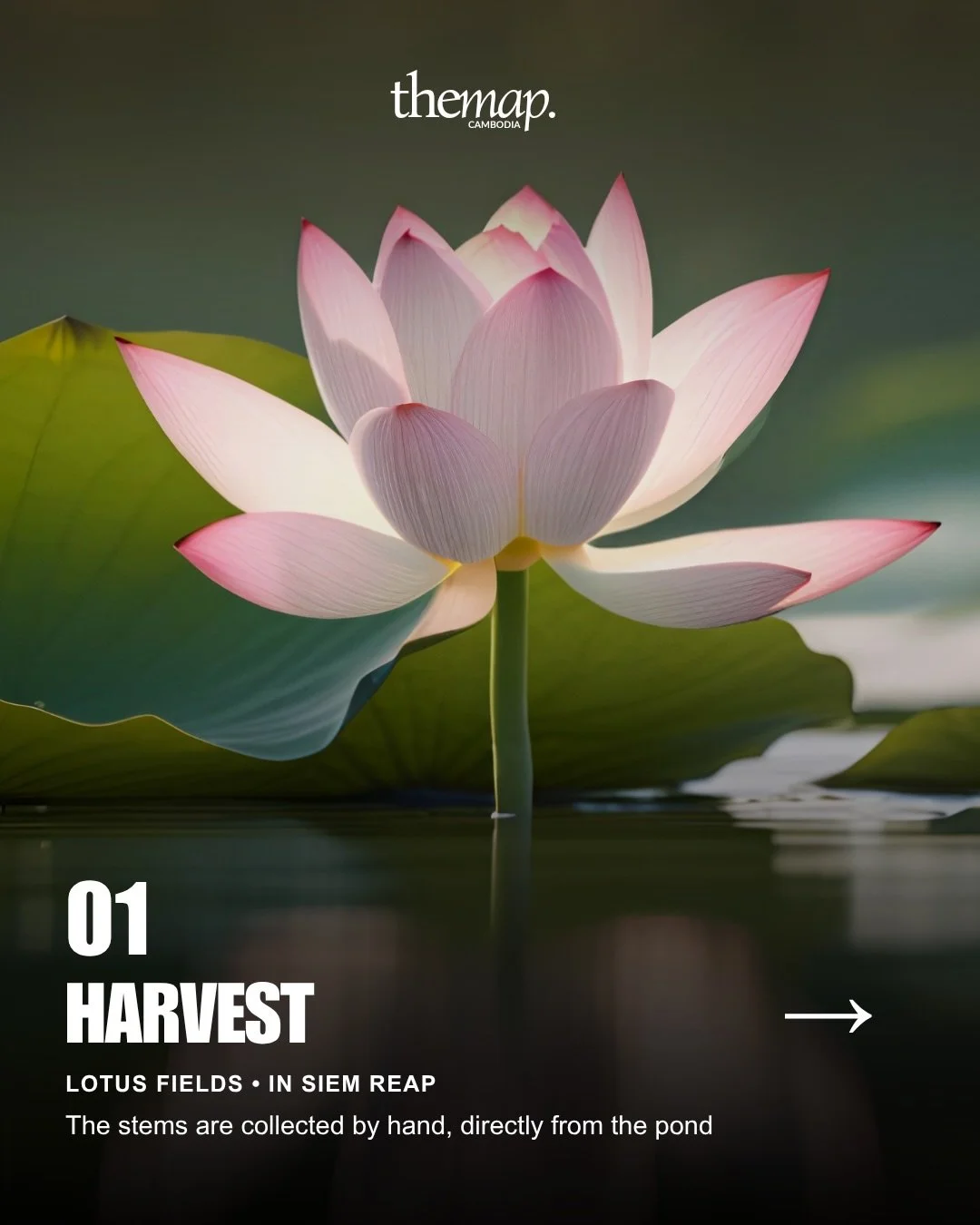
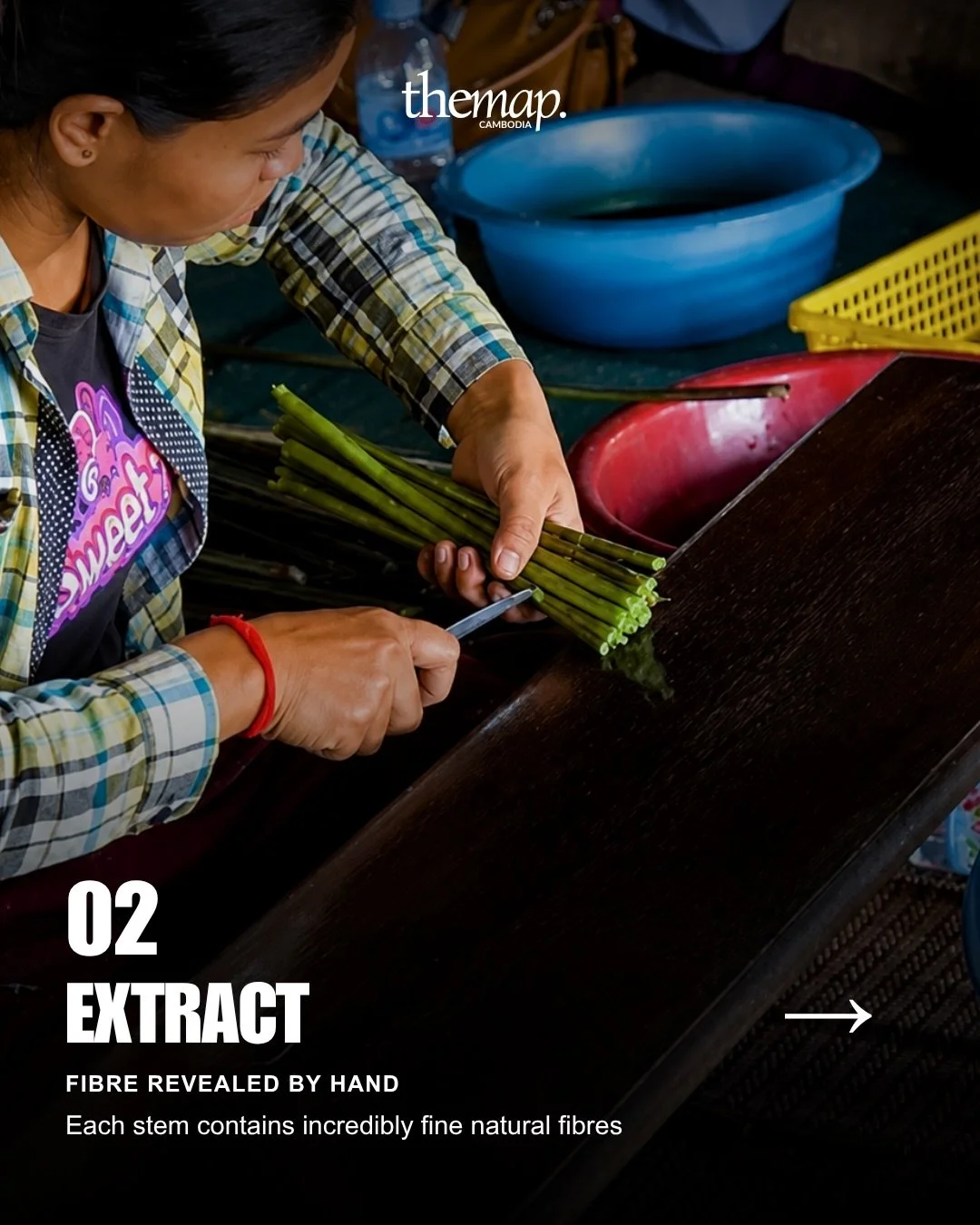
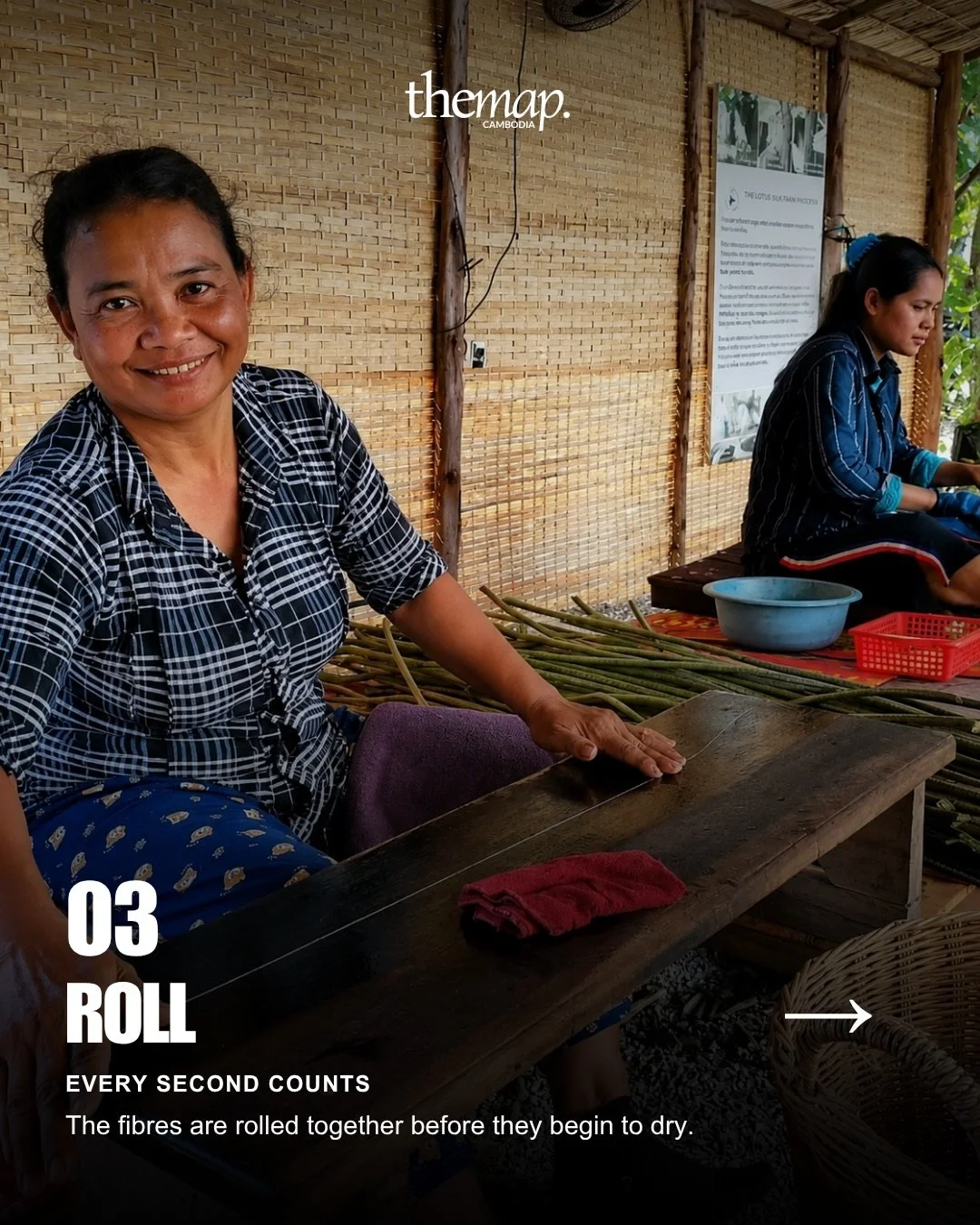
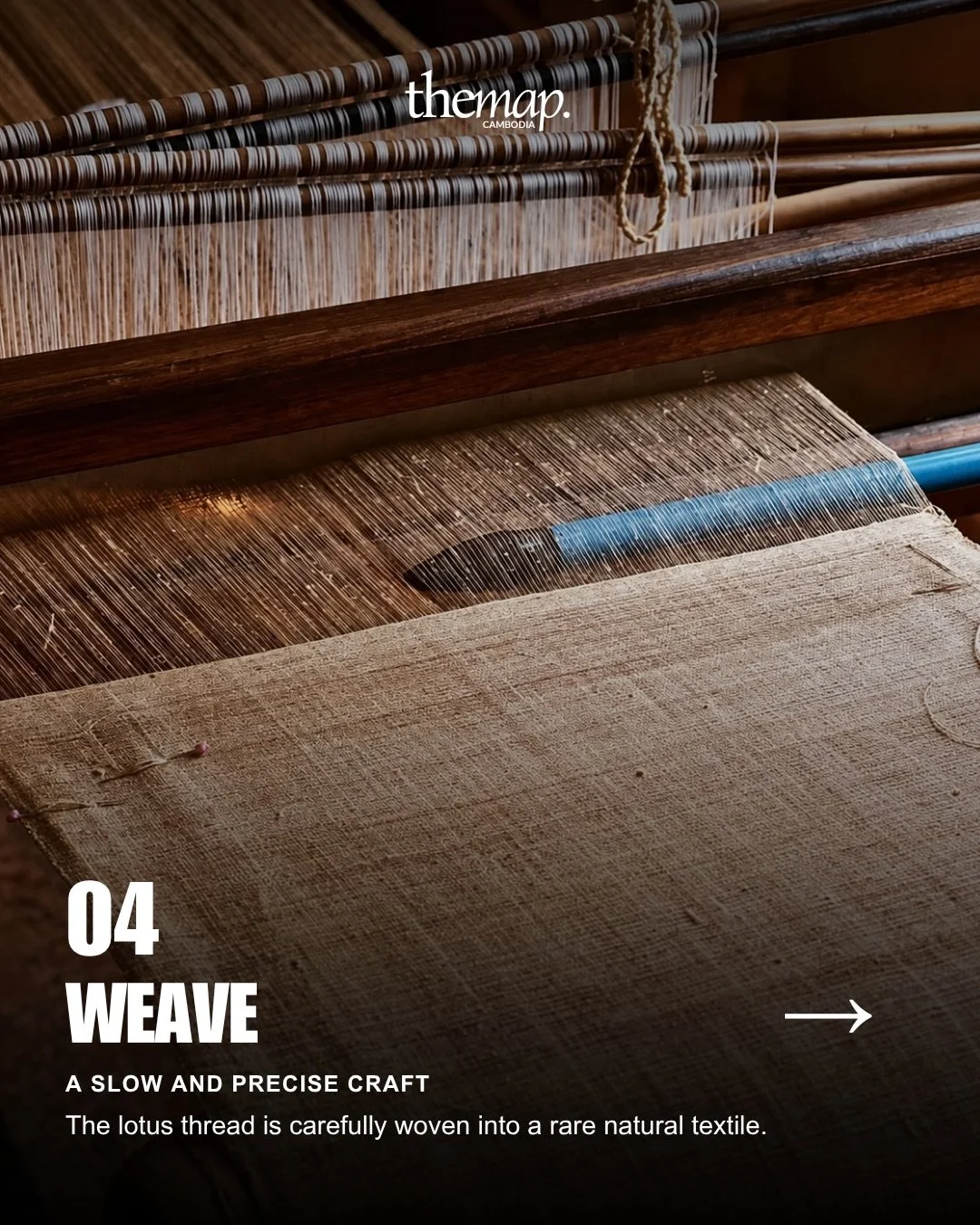
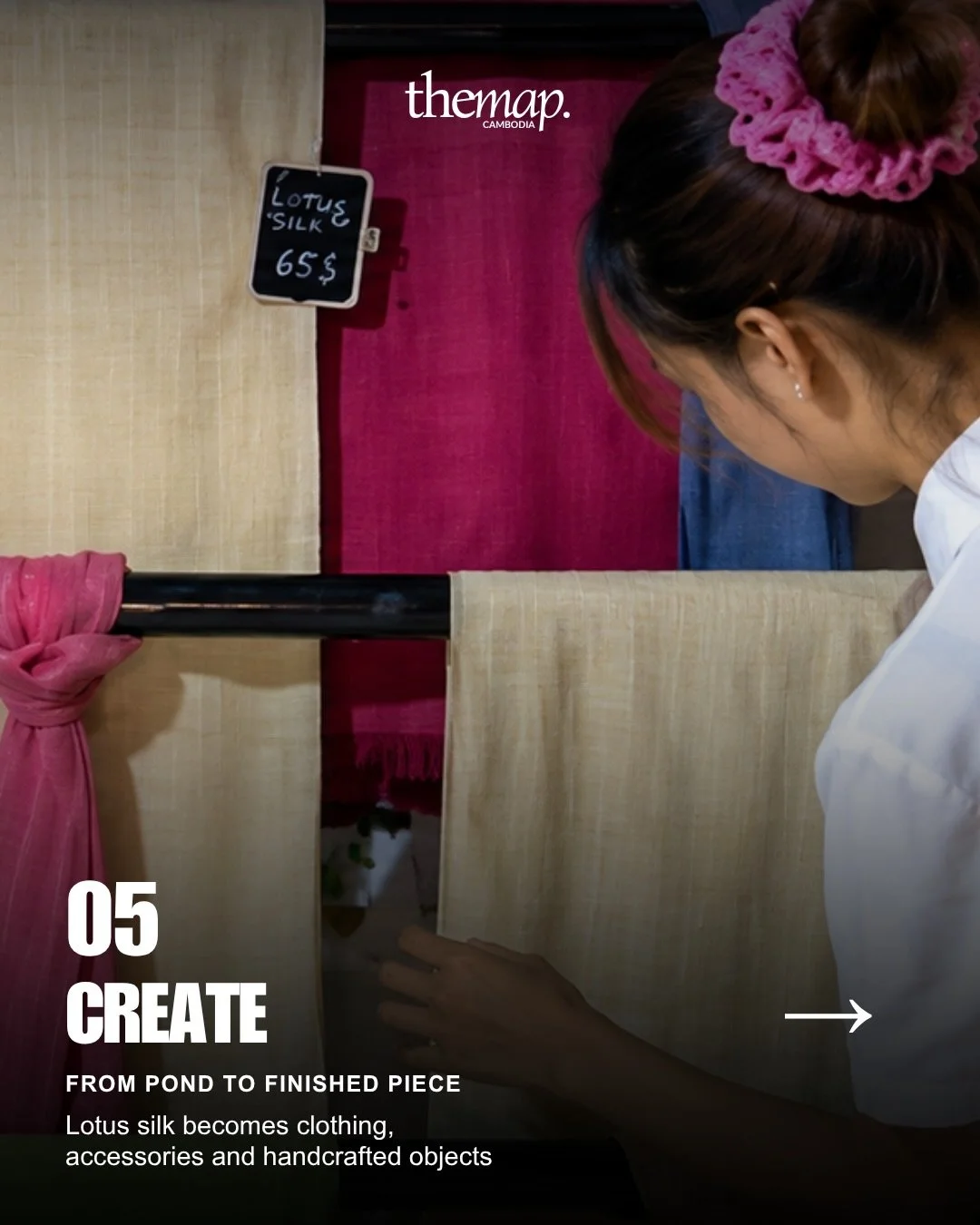
Images by The Map Cambodia and Lotus Silk Farm
3. Build a Destination Walking Street That Encourages Travelers to Stay Longer
Creating public spaces is perhaps the slowest of these three moves, because it needs official permission as well as partners, yet it may do the most to give visitors a reason to stay in Siem Reap into the evening. The Cambodia Branding Forum's place workshop gave its strongest support to a temporary riverside walking street on Achar Sva Street, alongside a mural trail in Wat Bo Village, and both still need funding, partners and approvals. The workshop's method was to start small, observe use and learn before expanding.
Evidence from elsewhere suggests that approach can pay. Living Streets' Pedestrian Pound review finds that better public space makes people wander, linger and meet friends, turning a shopping trip into an experience. In Osaka, a one-month annual street experiment on Midosuji Avenue drew visitors from neighboring streets, with a business-association report cited in a peer-reviewed study counting retail visits up 131 percent and sales up 136 percent from the previous year.
Those figures describe one event in a large Japanese city and do not predict Siem Reap's results. An evening street is one of the few ways to give visitors a reason to add a night. However, residents, vendors and drivers should help shape the design, because the Forum's Phnom Kulen discussion showed that communities need confidence and comfort in receiving visitors, not market access alone.
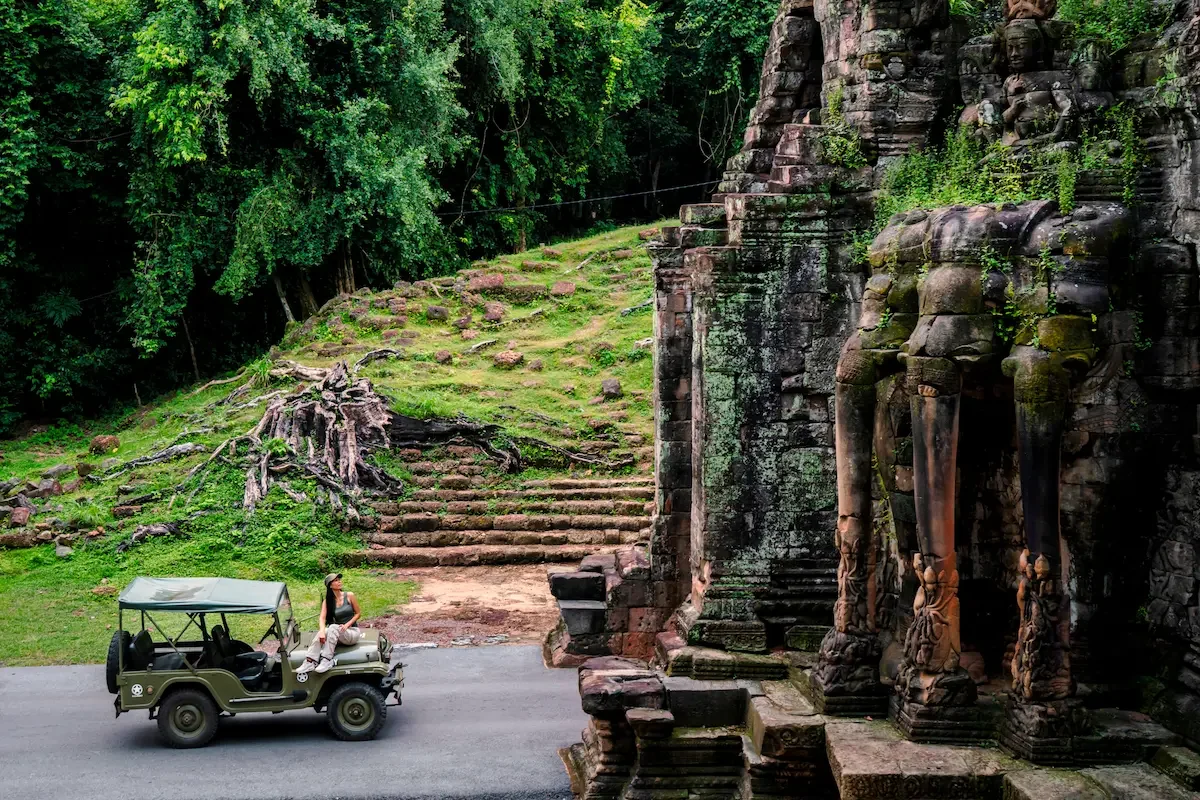
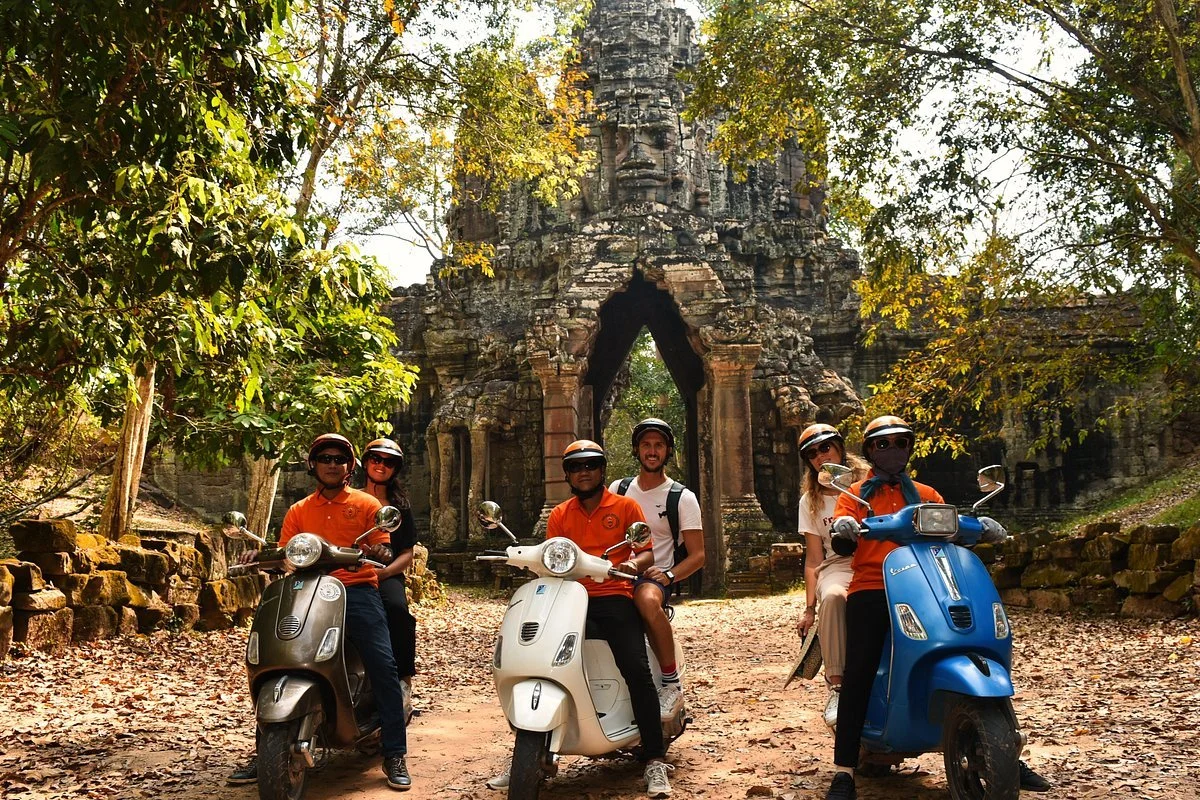
Photos by Adventures Cambodia
What Leaders Can Do Next
Can businesses like these help Siem Reap become a more resilient, higher-value destination? Possibly, but only under specific conditions. Jaya House, HAVEN, Lotus Silk Farm and many other businesses show how they can harness hospitality to create meaningful local jobs, supplier relationships, and community value creation.
The more decisive question is whether such businesses can work as partners, not as parallel enterprises. That shift would require conscious commercial choices. For starters, a hotel that places repeat orders with Cambodian craftsmakers and producers gives them revenue predictability to plan the year. A tour operator that combines a craft workshop alongside a hotel stay gives guests a reason to stay another night. A shared place centered on culinary and art gives residents and visitors an opportunity to interact and trade with one teacher. None of these requires a new attraction, and each draws on assets the city already has.
If hospitality and tourism leaders pursue these steps with clear terms, published results and local voices in both design and execution phases, Siem Reap could offer travelers a living city that visitors can discover over several days.