
Small Footprint, Big Impact: Independent Hospitality's Blueprint for a Better Travel Industry
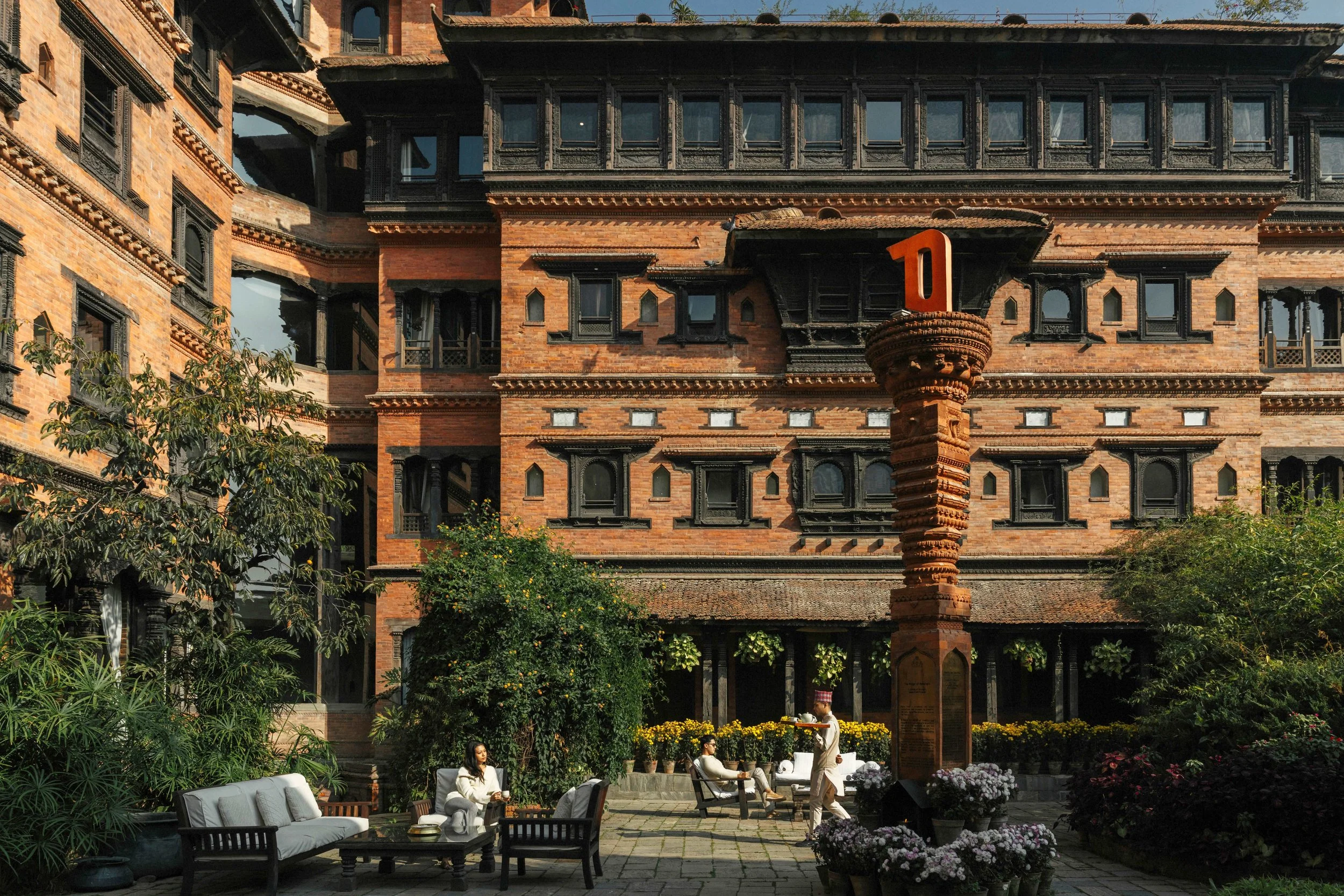
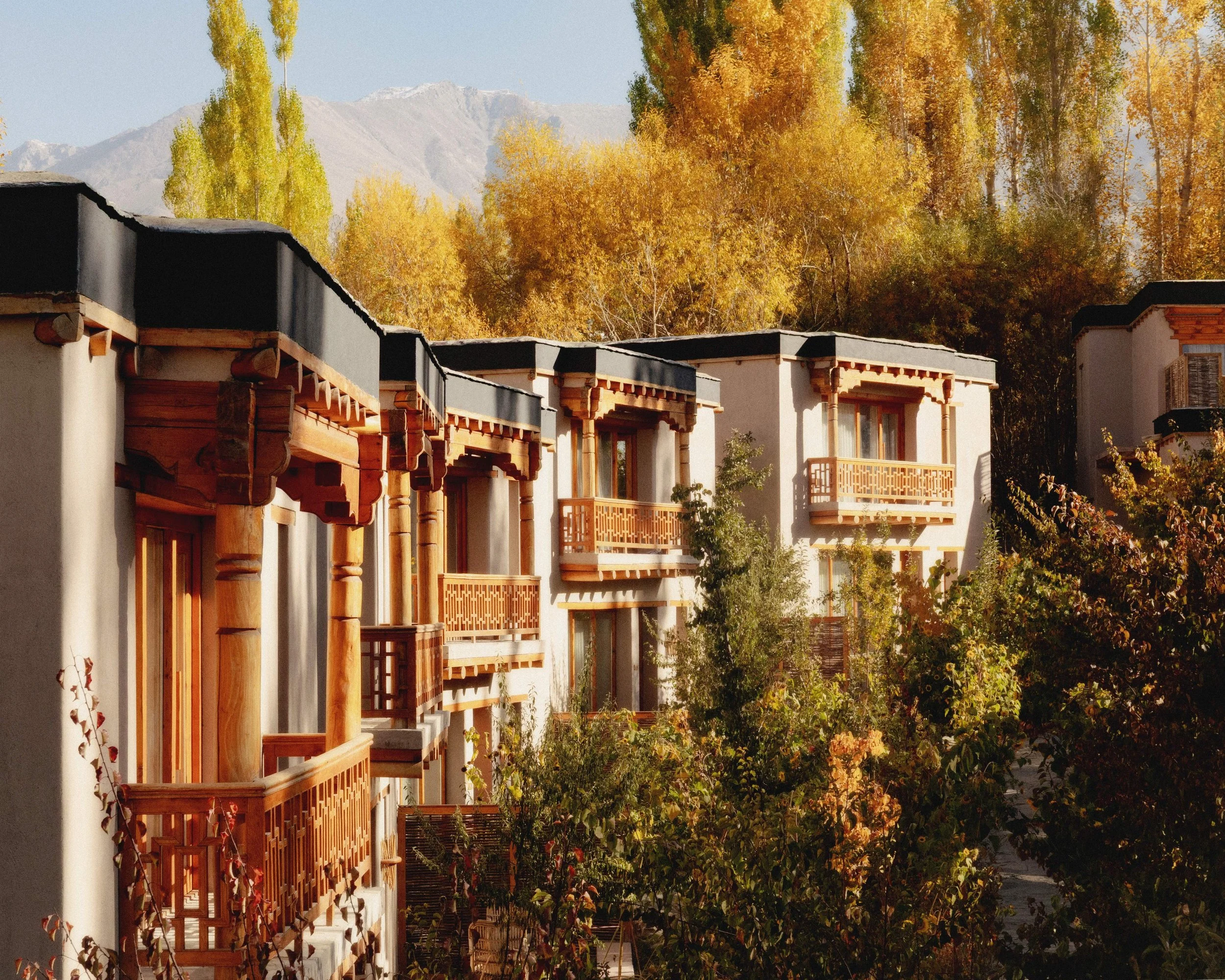
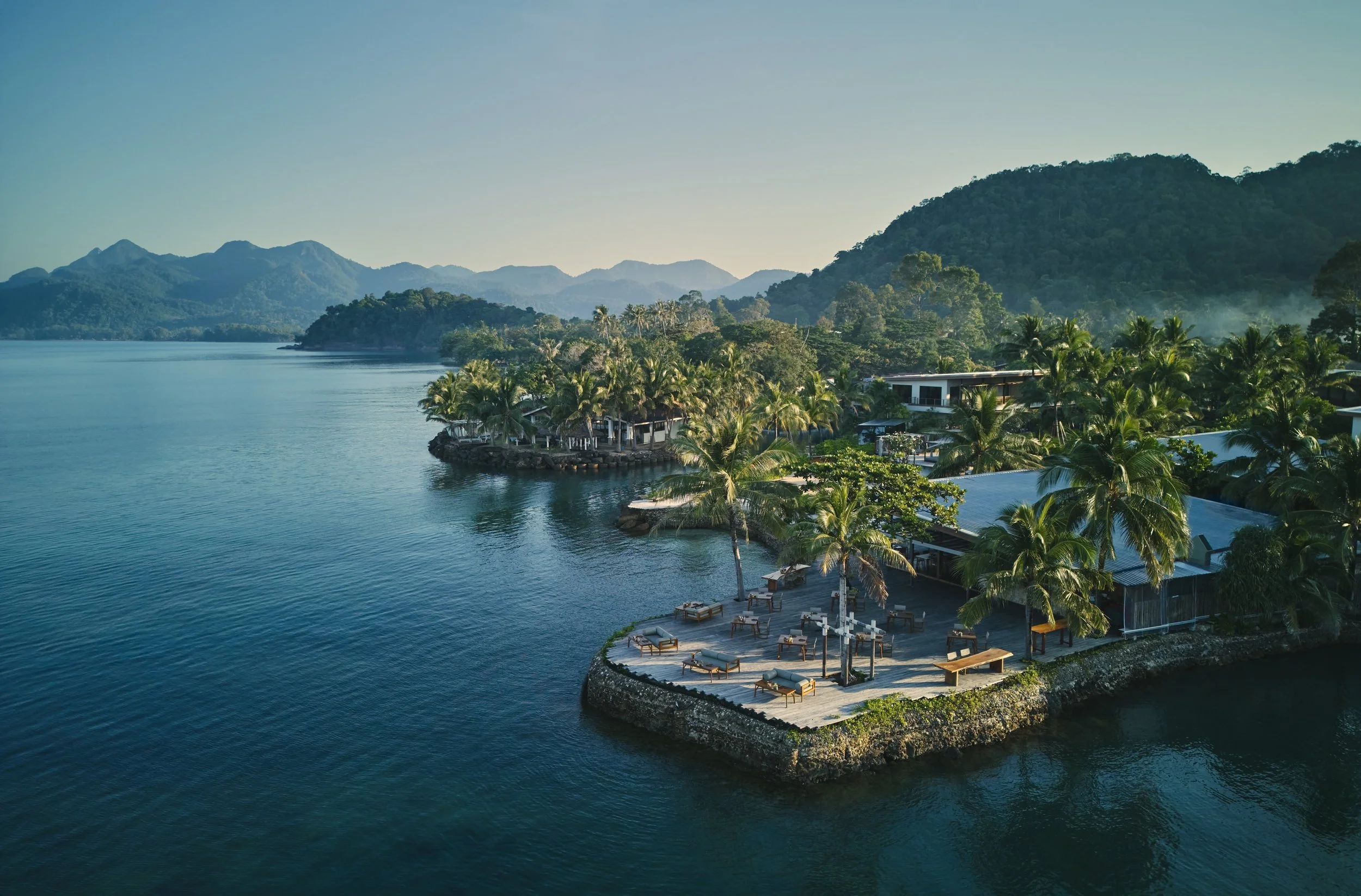
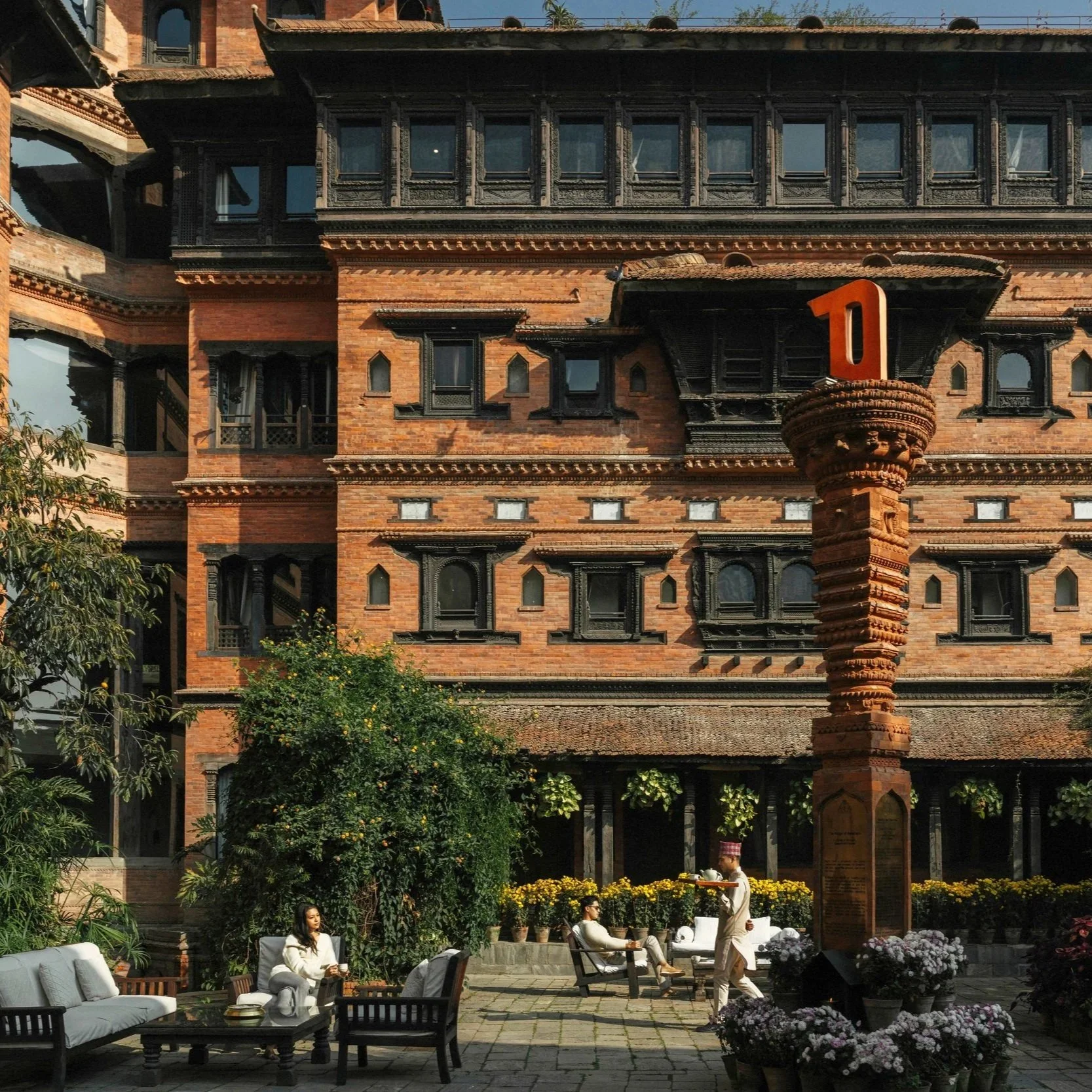
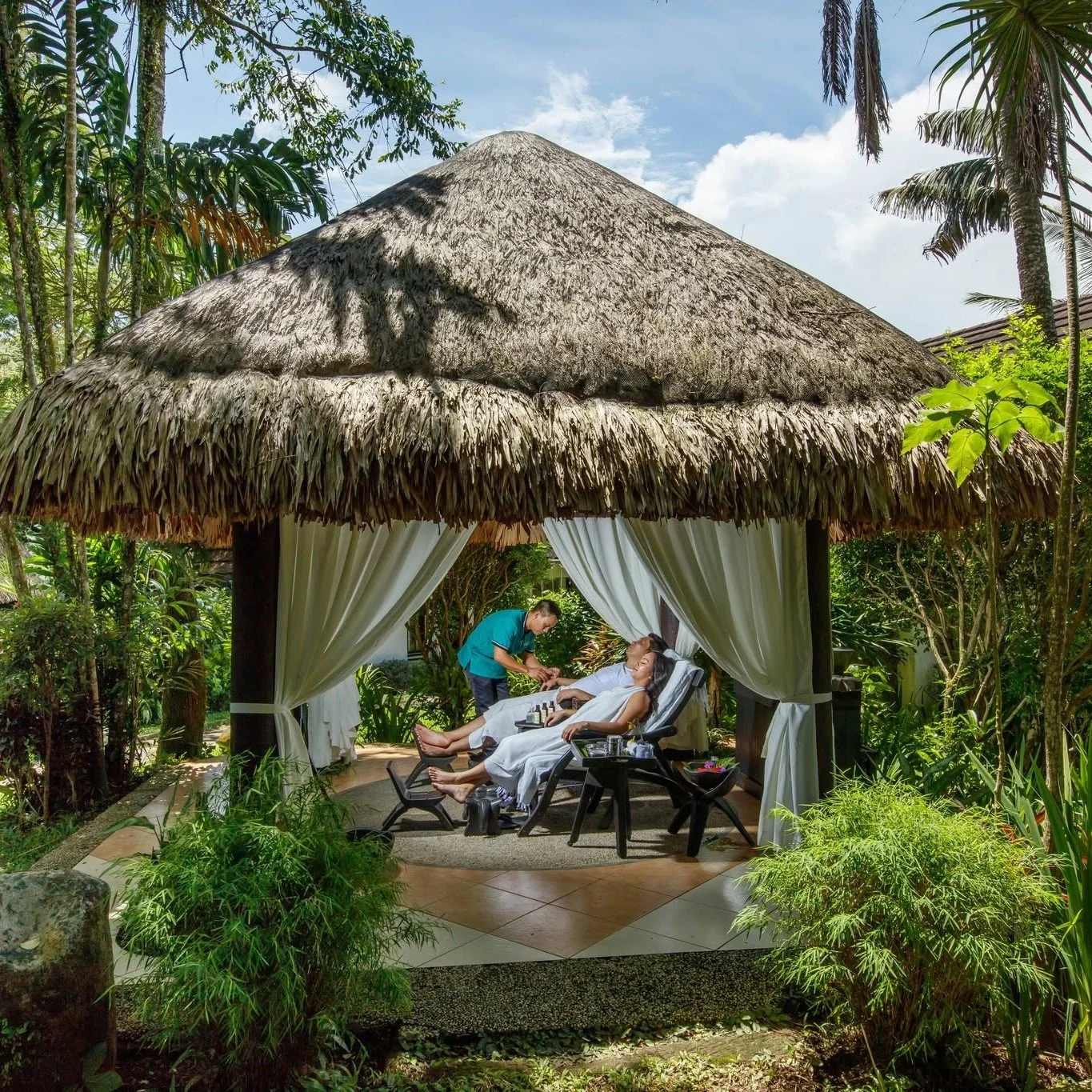
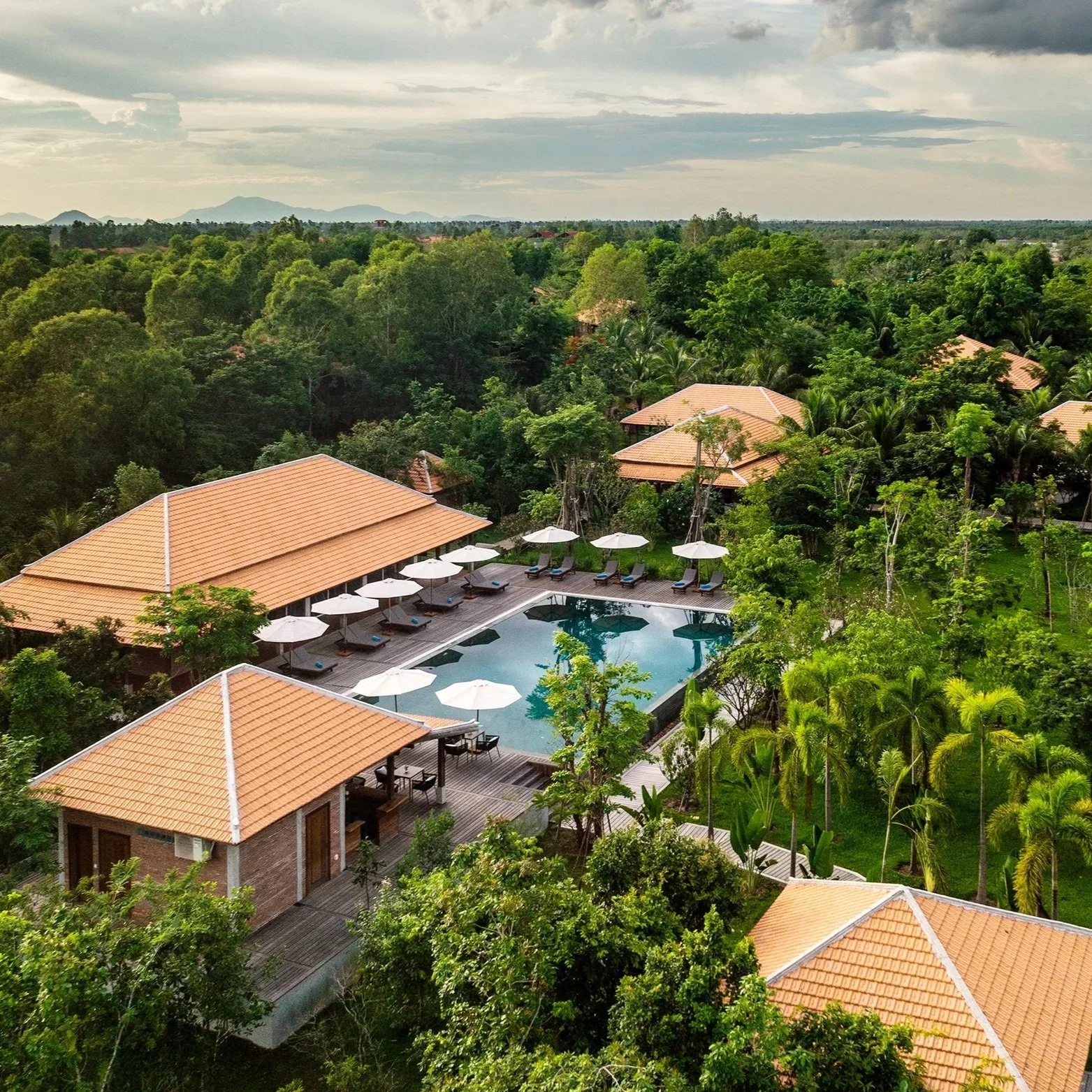
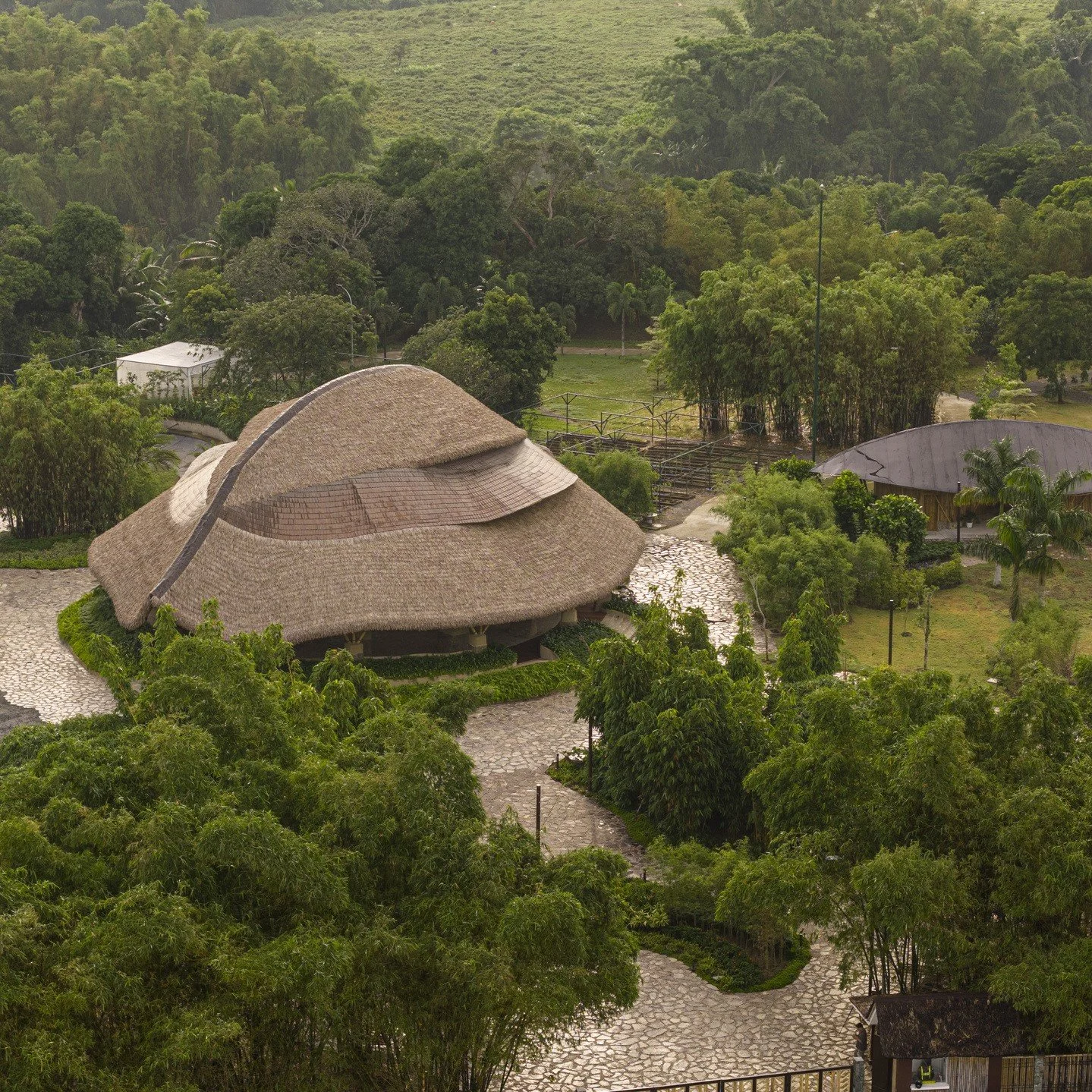
From left: The Dwarika’s, Nepal; Dolkhar, India; The Retreat Koh Chang, Thailand (a SLH hotel)
According to EHL Hospitality Business School, independent hotels make up more than 66% of hotels worldwide. In Thailand specifically, independent operators hold nearly 58% of its hospitality market, exceeding the combined share of international and domestic chains.
But market size is not the same as commercial resilience.
Cloudbeds' 2026 State of Independent Hotels report — based on 90 million bookings across 180 countries — found independent-hotel global RevPAR (Revenue Per Available Room) fell 5.4% in 2025, OTA share of bookings rose to 63.4% (approaching 80% in some markets), and labor now takes up 47–60% of operating expenses depending on region.
Independent hotels appear to dominate by volume and yet lose ground on margin, distribution, and bargaining power.
At the recent AST webinar, Small Footprint, Big Impact: Independent Hospitality's Blueprint for a Better Travel Industry, three leaders working at very different scales examined what it takes to close that gap:
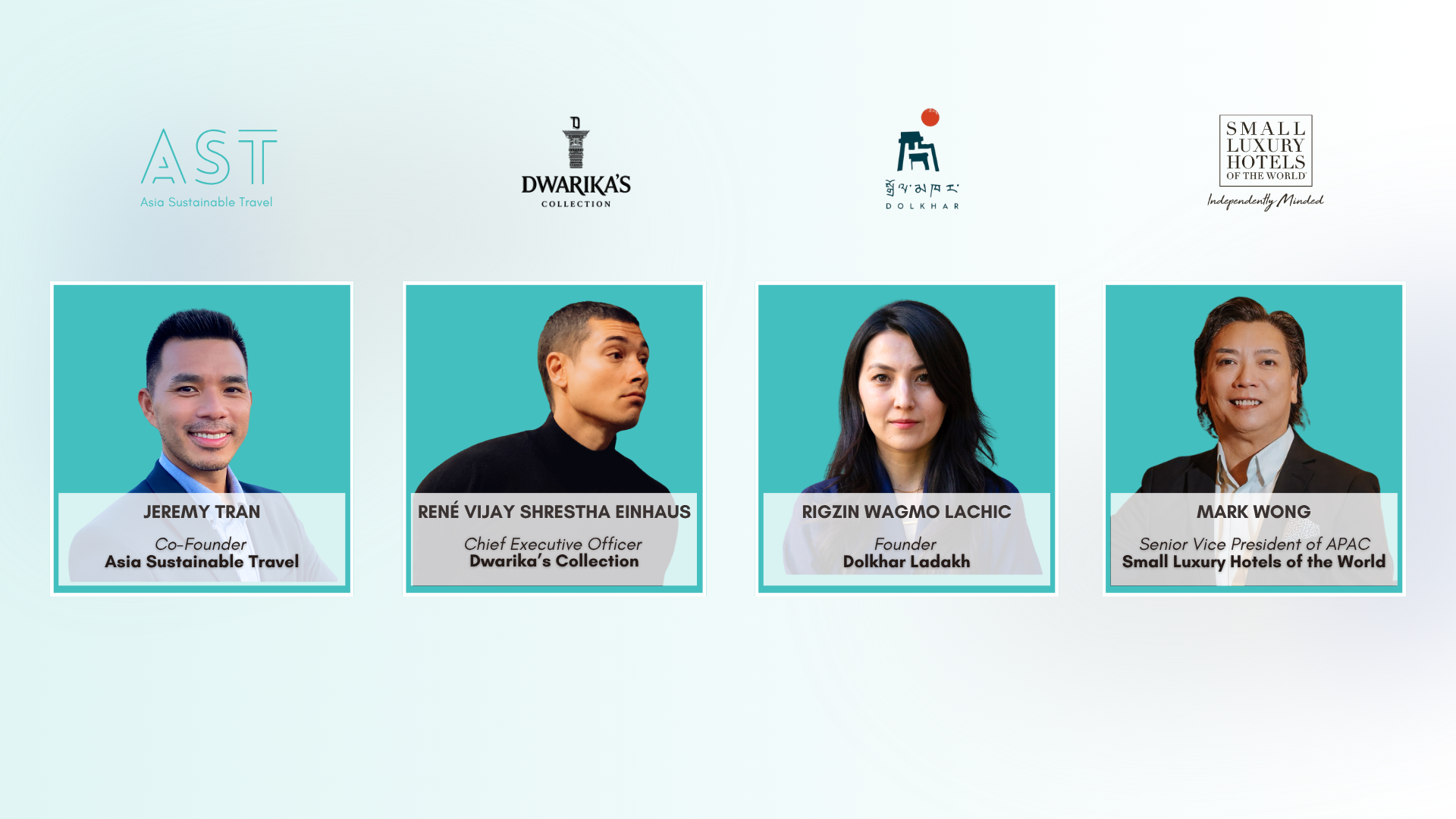
René Vijay Shrestha Einhaus, CEO & Owner, The Dwarika's Collection
Rigzin Wangmo Lachic, Founder, Dolkhar; President, All Ladakh Hotel and Guest House Association (ALHGHA)
Mark Wong, Senior Vice President Asia Pacific, Small Luxury Hotels of the World (SLH)
Their messages converged on one critical point: “proximity to place” is a real commercial asset, but only when it is engineered into sourcing, storytelling, financing, and destination governance. But when it is left for people to make any assumption, it is just a marketing slogan.
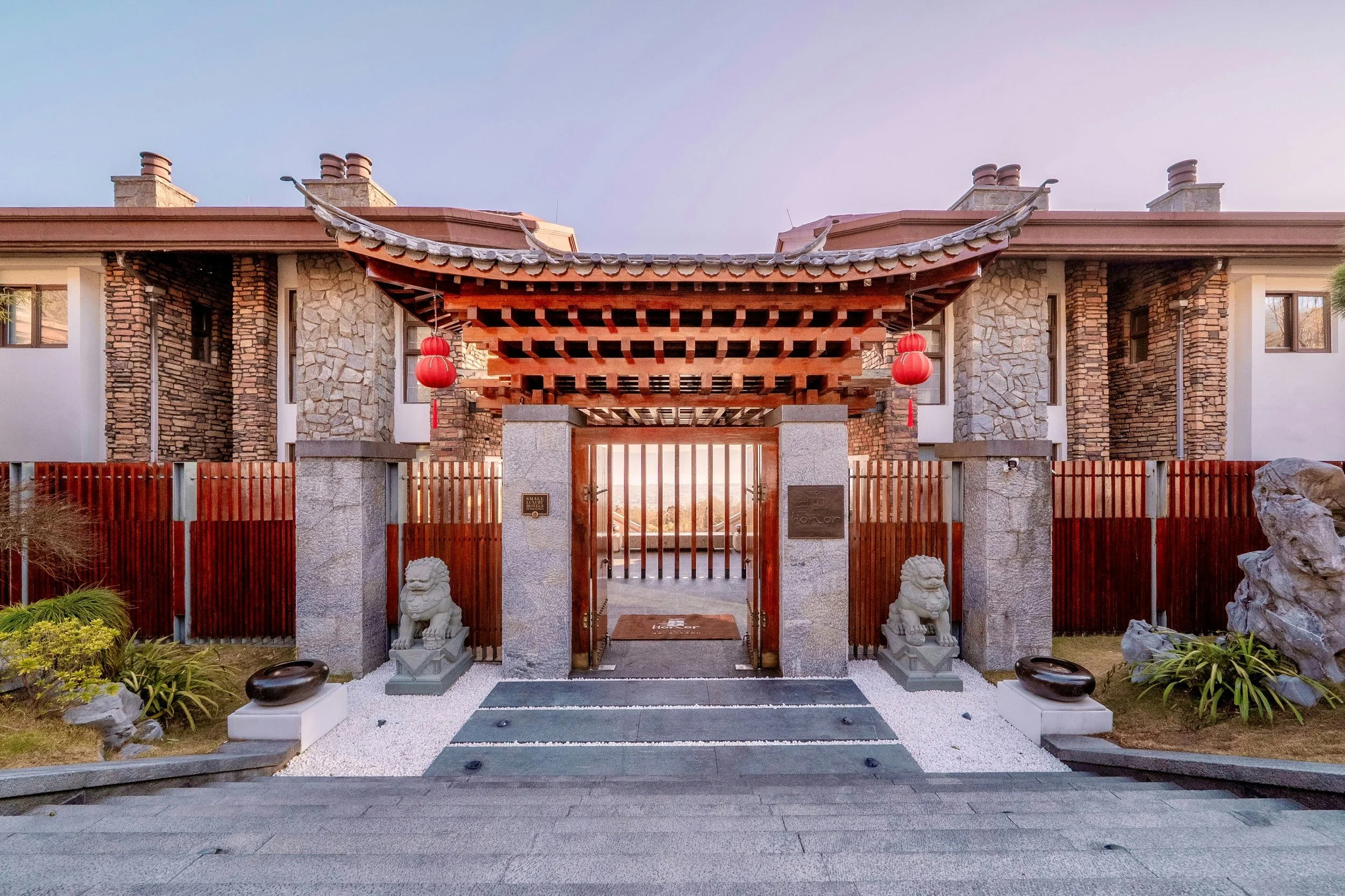
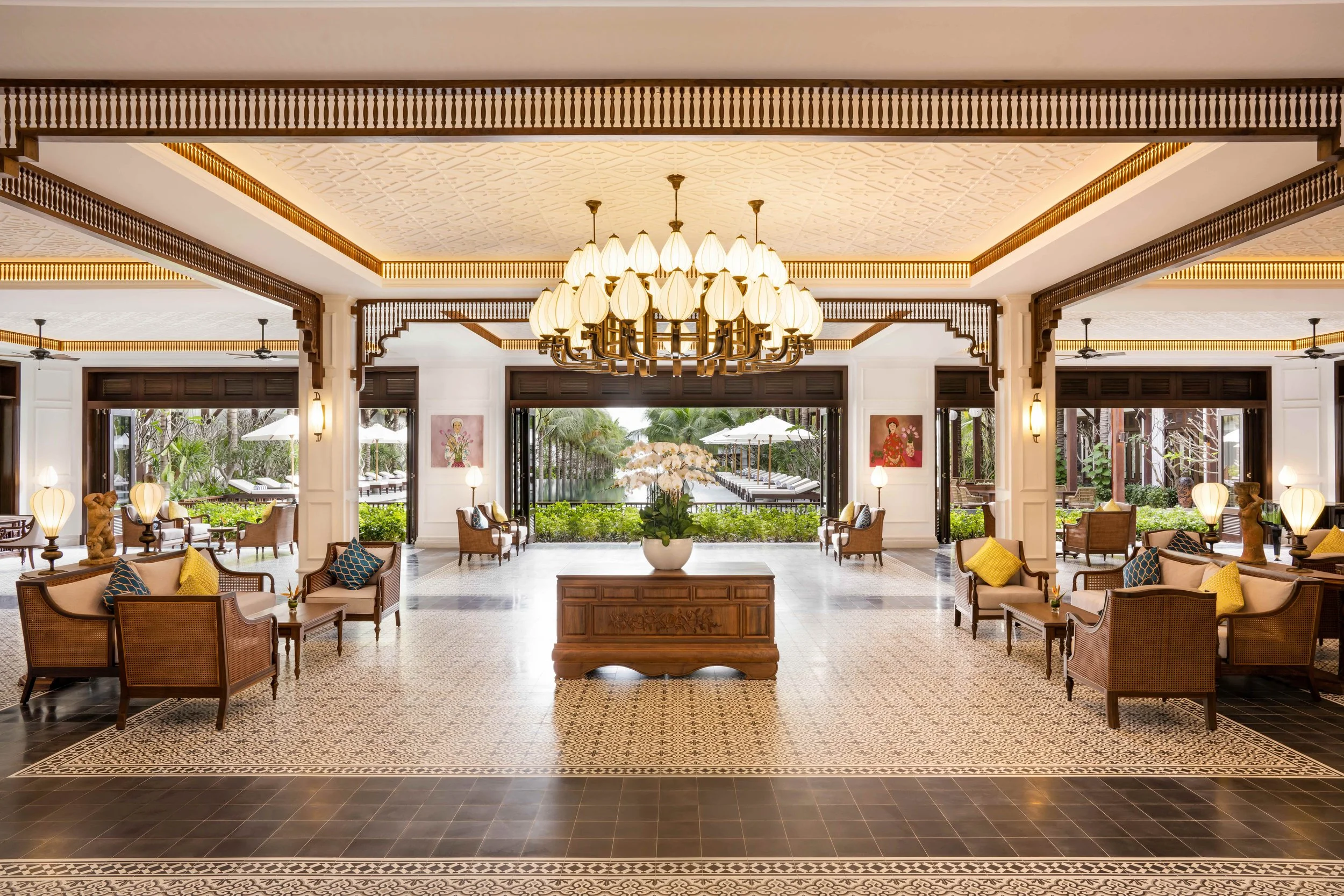
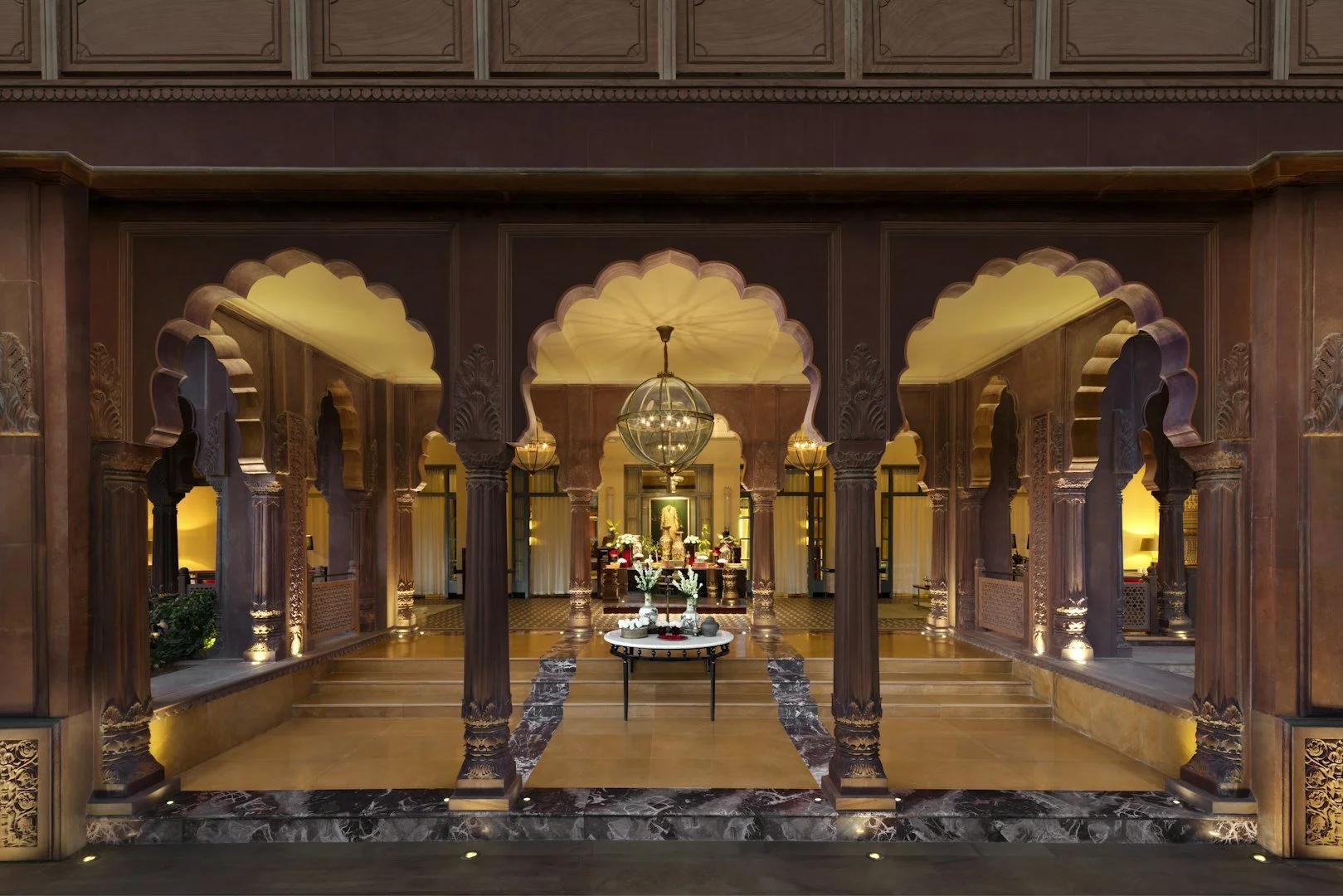
From left: Honor Resort Yun Shu Dali, China; The Anam Mui Ne, Vietnam; Narendra Bhawan Bikaner, India — all SLH hotels
What's at Stake
1.Structural weakness
Independent hospitality's structural weakness is not a lack of authenticity. It is often a lack of infrastructure: distribution network, marketing budget, and access to patient capital that hotel chains can spread across hundreds of properties. That imbalance shows up in two areas.
Distribution constraint
OTAs account for roughly 83% of hotel bookings in Asia Pacific, while bookings through hotels' own booking engines slipped from 11.8% in 2022 to 11.2% in 2025.
Asia Pacific independent hotels saw ADR fall 16.2% and RevPAR fall 17.5% in 2025, the steepest drop of any region.
Trust deficit
Asian travelers most likely define "sustainable" by local benefit: 29% rank travel spend reaching local communities first and 28% rank a deeper connection with the destination, while tours and experiences that support communities (35%) outrank certified accommodation (26%).
Globally, 85% of travelers say sustainable travel matters, but only 36% plan to stay at a certified property, and 37% don't trust that options labeled "more sustainable" truly are. 41% say clear communication would encourage more sustainable choices.
Peer’s influence carries more weight than brand messaging: 75% of Chinese and 63% of Singaporean travelers name peer recommendations as their top information source.
2. Destination and climate risk
An independent hotel sells the place it sits in. If communities are sidelined or a heritage building lacks modern reinforcement, the asset itself becomes more vulnerable
Shrestha Einhaus called Nepal's recent disaster a wake-up call for the entire world.
The panel's answer to address these stakes is not a bigger budget. It is operating decisions, from sourcing to the built environment to guest experience design, which make a claim visible and credible, layered on authentic and consistent storytelling.
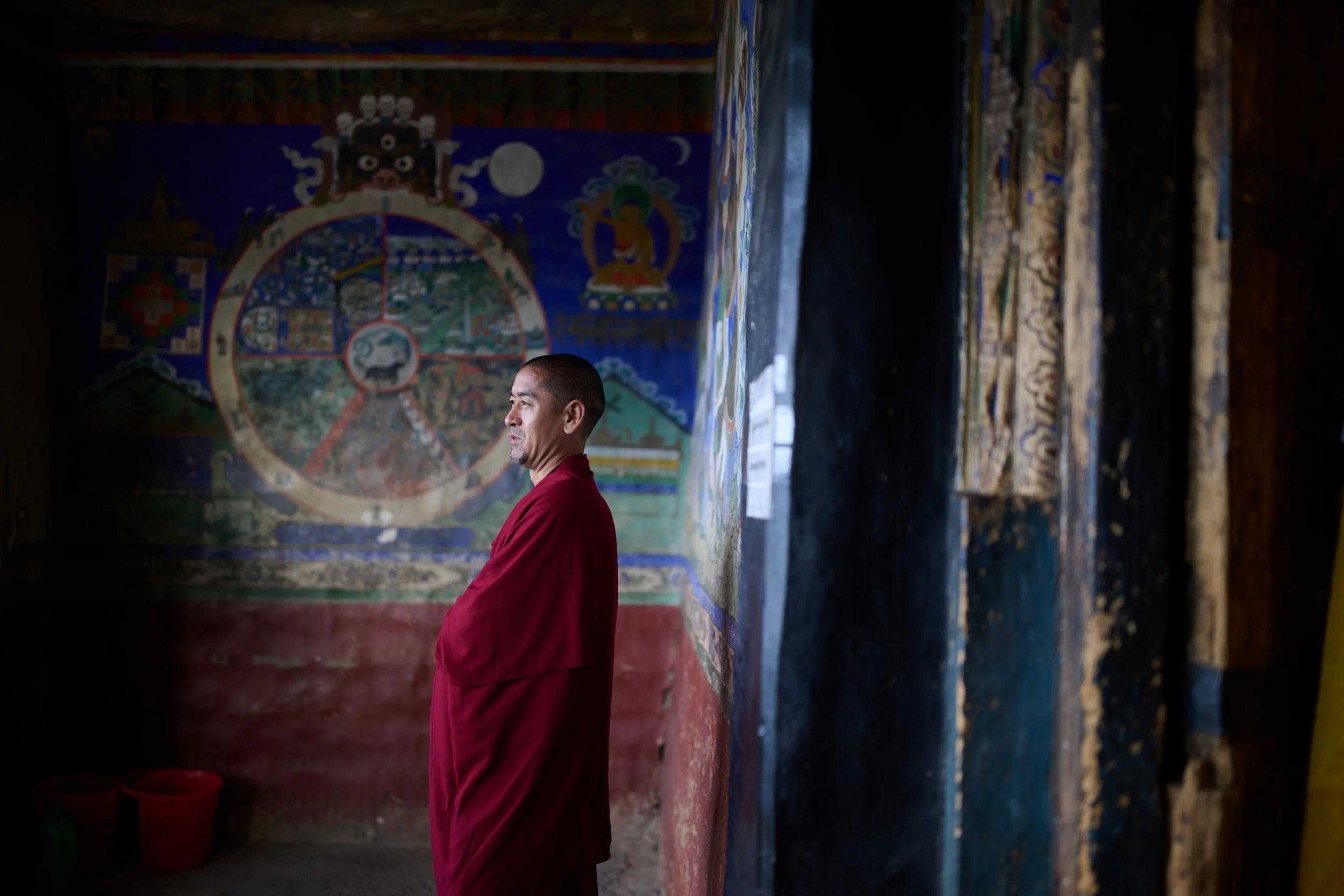
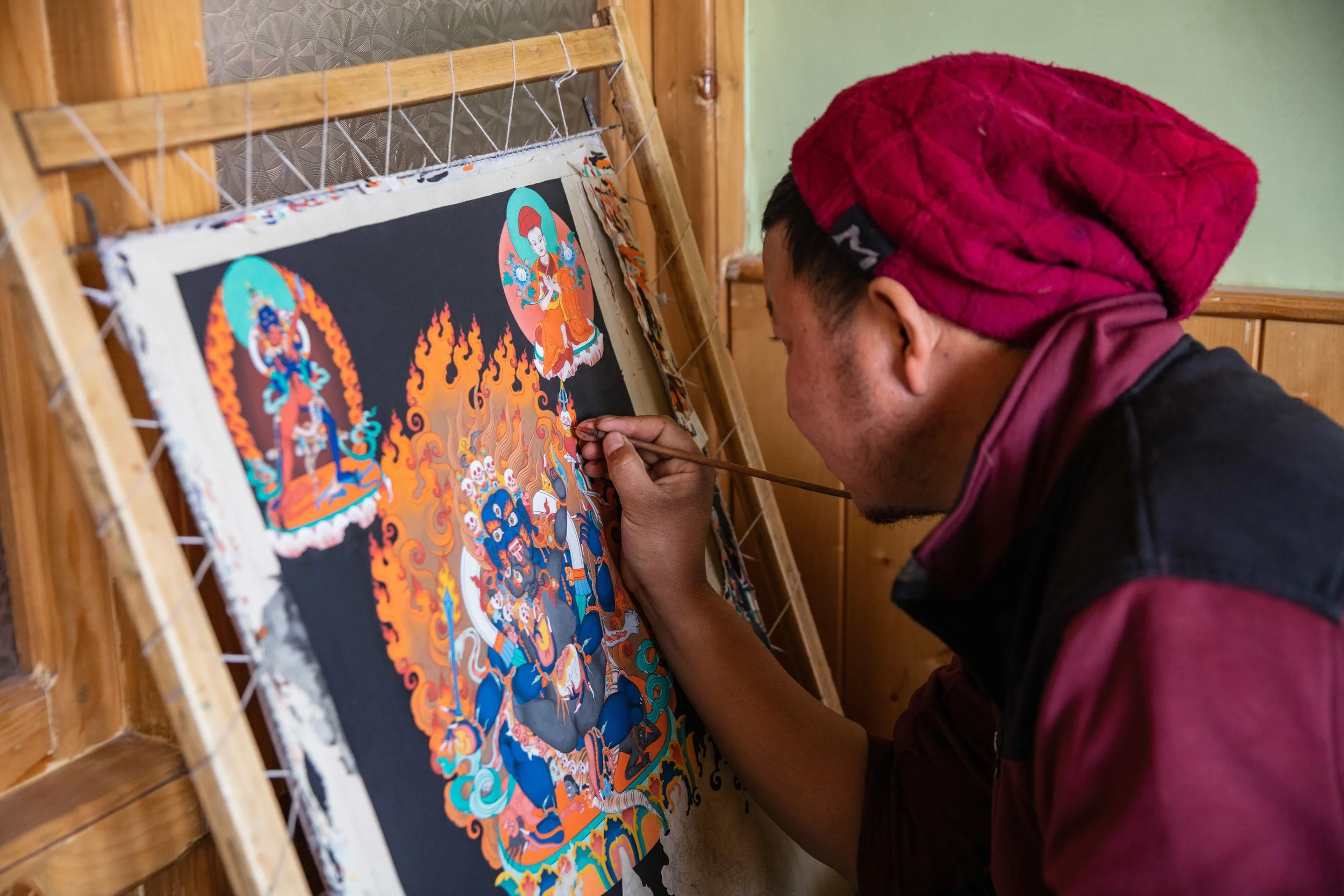

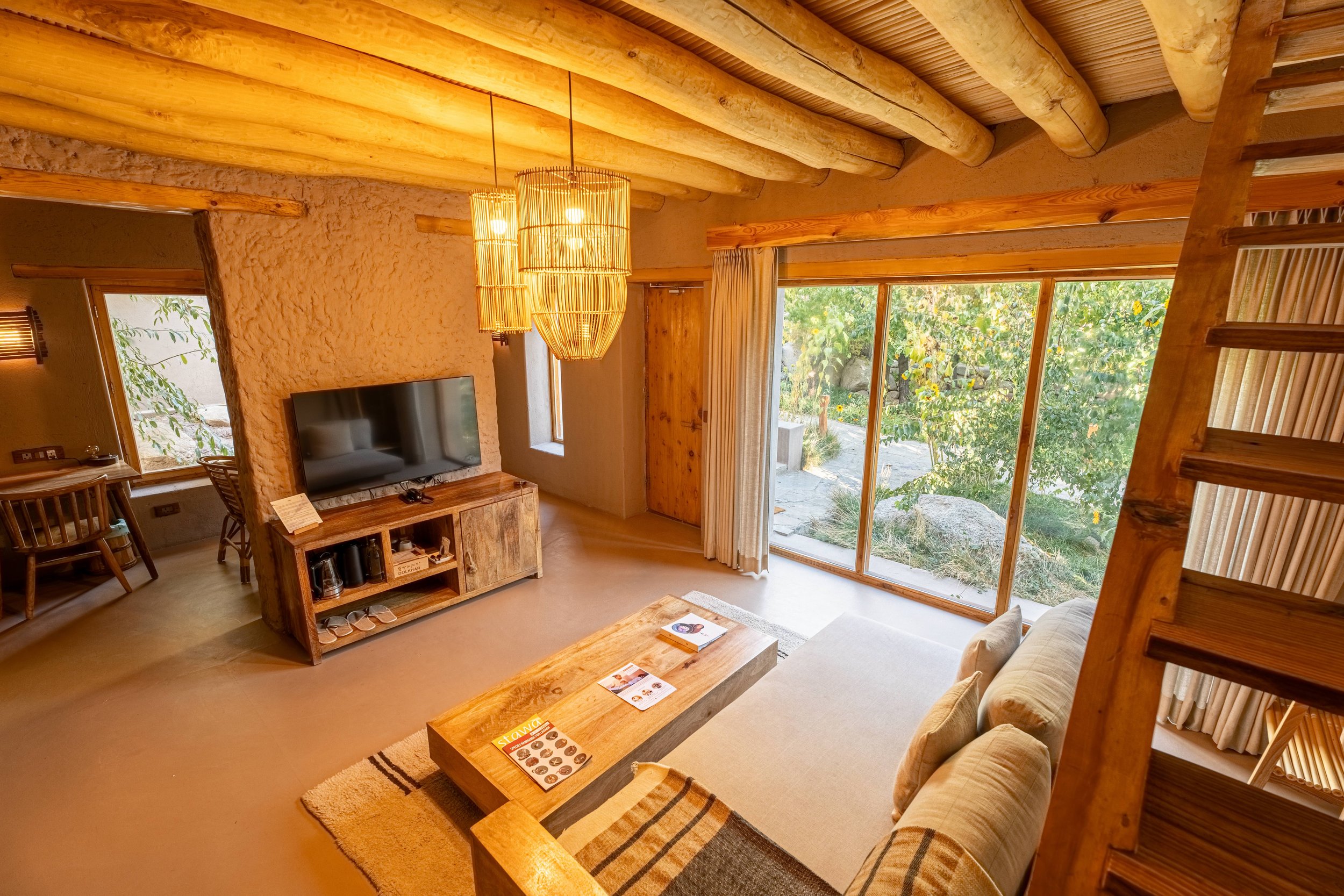
Images by Dolkhar
Three Proven Strategies from the Panel
1. Leverage hospitality to finance the culture you're trying to save, not just showcase it
What we heard
Dwarika's did not start as a hotel. In the 1950s, Shrestha Einhaus's grandfather began rescuing carved wooden windows and doors from buildings being demolished across the Kathmandu Valley, home of the Newar community and seven UNESCO World Heritage Sites in a single valley.
By the 1960s, he had opened a restoration workshop and hired artisans to repair the salvaged carvings. The hotel did not open until 1972, two decades later, financed specifically to sustain that restoration work. "The workshop was actually before the hotel," Shrestha Einhaus explained. Pieces once burned as waste are now, in his words, "exponentially more expensive... because people see the value in it."
Why it works
When craftsmanship generates hotel revenue directly, on-site, and visibly, guests are not asked to trust a claim; they are shown a functioning economy. The workshop is not a museum exhibit. It is the reason the hotel exists.
Consider these actions today:
Identify one local craft, trade, or agricultural practice tied to your property's region, and evaluate whether it can be meaningfully supported on-site rather than merely referenced in marketing copy.
If a live workshop or production space isn't feasible, commission recurring, visible work from named local artisans or artists rather than one-off decorative purchases.
Track and disclose what the practice costs to sustain, who benefits from it, and what it returns, commercially and socially. Vague heritage claims survive scrutiny far less than a number does.
2. Earn trust through consistent service and authentic storytelling
What we heard
Dolkhar launched in Ladakh with no multi-generational brand recognition, no marketing budget, and no distribution relationships. Rigzin Wangmo Lachic's answer was to let the guest experience do the selling. "We really had to let the property and the experience speak for itself," she said.
Recognition and validation followed over time, but she called consistency the most important factor. Because Dolkhar does not run on strict standard operating procedures, "it's almost like a big family is running a big home," and what the team said about the place had to match what guests found on arrival. She shared the story of the construction and the artisans even before opening, then stayed true to it.
For roughly two years, Dolkhar spent nothing on marketing, and it avoided the word "sustainable" entirely. "Sustainability became a byproduct of every decision we took," she said, and the label came from guests themselves.
Dwarika's, with over five decades of heritage behind it, arrived at the same discipline from the opposite direction. Facing new competition as global chains enter Kathmandu's luxury segment, Shrestha Einhaus's defense was structural consistency, not louder storytelling: "Every touchpoint that you have from A to Z needs to basically reflect what you're talking about," from the guest greeting, a namaste rather than a handshake, to on-site access to the restoration workshop and visits to nearby temples.
Why it works
Consistency and transparency, not scale or tenure, are what make a claim survive scrutiny.
A guest who experiences a coherent story firsthand becomes a more credible messenger and even an advocate than any campaign the hotel could fund. This is as true for a five-year-old independent property as it is for one operating since 1972.
Consider these actions today:
Time your sustainability or heritage messaging when the underlying decisions are already in place. A claim that follows guest experience, rather than precedes it, is harder to challenge.
Audit every guest touchpoint—arrival, dining, activities, checkout—to test whether it reinforces or contradicts your core story. One inconsistent moment can undercut the rest.
Invest in personalized guest experience quality over paid acquisition in year one. Authentic advocacy can compound over time.
3. Treat destination inclusion as a governance principle, not a hiring metric
What we heard
As President of the All Ladakh Hotel and Guest House Association (ALHGHA) and an advisor to sā Ladakh, the world's highest regenerative art biennale on climate, culture, and community, Lachic questioned how “inclusion” is often defined.
"It is very easy for us to say that tourism is inclusive because we employ local people," she said. "But we need to ask a much more fundamental question: who has the agency to decide how tourism develops in their own place?"
When communities participate only as employees while decision-making and revenue capture happen elsewhere, she warned, this creates a dynamic that pushes culture toward becoming performative.
Shrestha Einhaus extended the same logic to climate resilience. Referring to Nepal's recent seismic and flood-related disasters caused by melted glaciers and including, he rejected the idea that heritage authenticity and structural safety are in tension: "You cannot go and say, okay, I'm doing heritage, but I'm going to forget about safety."
He advocated for climate-adaptability standards being streamlined by integrating modern techniques to secure century-old structures against real, known risks.
Why it works
Providing ownership such as involving team members and stakeholders in decision-making helps catch problems early. → Check out AST Toolkit on how to engage your entire team.
In many cases, structural retrofitting undertaken before a disaster is far less costly than post-disaster repair and reconstruction.
Consider these actions today:
Map who in your destination has decision-making authority over how tourism develops, not just who is on payroll. If the answer is "mostly outside investors," that is the gap to close.
Give local partners a voice in shaping guest experiences involving their culture, including the right to decline, limit, or redesign how that culture is presented.
If you operate a heritage property in a climate- or seismic-exposed region, commission a structural risk assessment now, not after the next event forces one.


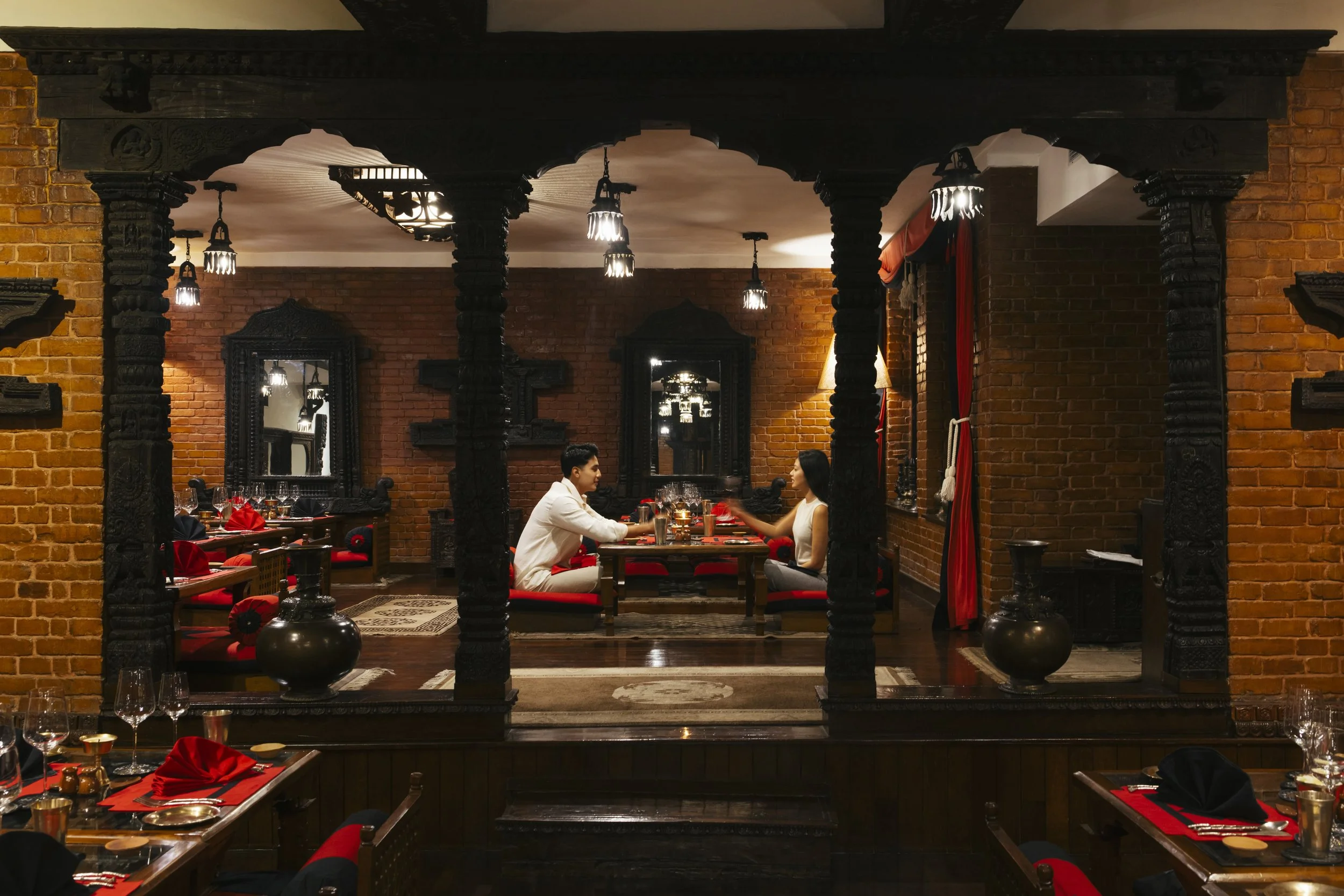
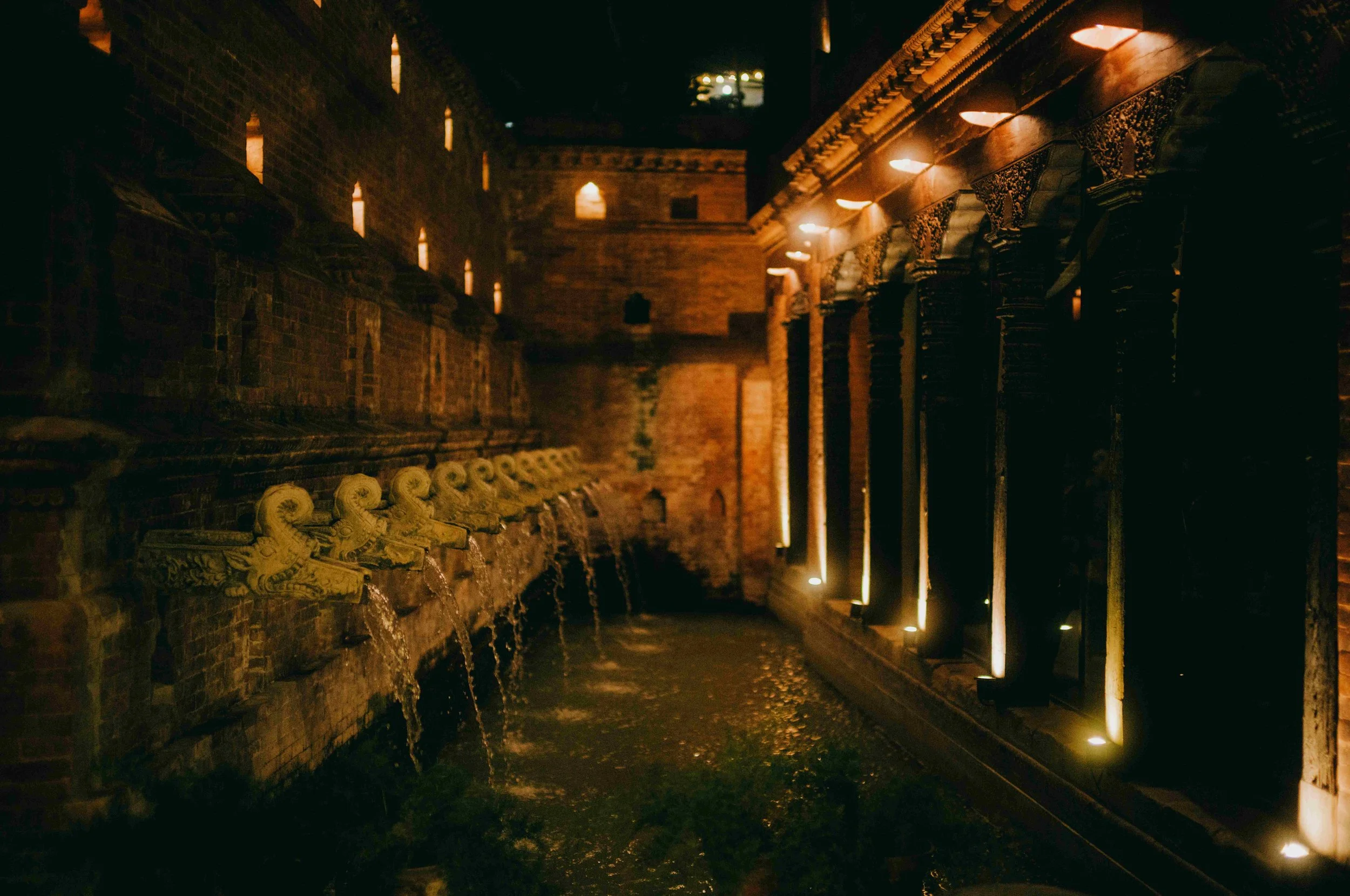
The Dwarika's. Images by The Dwarika's Collection
What the Industry Should Build Together
Asked what independent hoteliers should do collectively that almost none of them are doing today, the panel converged on two ideas: shared infrastructure and urgency calibrated to local cultural and environmental conditions.
1. Shared infrastructure beats individual scale
What we heard
Wong argued that SLH's core value to its members is not distribution alone. It is borrowed trust plus quality assurance, annual mystery inspections and consistency checks that let an unfamiliar, brand-new independent property earn guest confidence faster than it could alone. "We are basically a global platform for independent hotels to build this community...and learn from each other's best practices," he said.
Why it works
SLH’s positioning has depended on being selective about partnerships rather than pursuing growth alone. For example, instead of one undifferentiated list of 700-plus hotels, SLH now sorts its portfolio into narrower credentials: a sustainability-focused tier of more than 80 hotels vetted against GSTC-aligned criteria – Considerate Collection, a smaller wellbeing-focused tier – Wellbeing Collection, and a top selective tier of around 30 properties – Finest Collection.
The logic mirrors what Shrestha Einhaus and Lachic each built independently: a guest is more persuaded by a specific, verifiable claim than by scale alone. A network like SLH with its proprietary guest loyalty program SLH Club can help solve the discoverability challenge.
SLH's 2024 partnership with Hilton extends that same principle to booking infrastructure, a loyalty base and distribution system no single independent owner could build alone. This offers a practical response to the OTA-dependency problem.
The caveat
Collective infrastructure has limits. SLH can offer reach, quality assurance, mystery inspections, GSTC alignment, and a published sustainability standard due to become mandatory across the network by 2027, but it cannot manufacture the underlying story.
For example, Twinpalms Phuket, three of whose four Phuket properties are current SLH members, still had to build a distinct boutique identity to complement its SLH membership, amplifying credibility.
2. Urgency has to be calibrated locally, not standardized top-down
What we heard
Asked whether the industry should prioritize starting early or starting right on climate action, Wong refused the binary: "You should have started yesterday, the right way. If you're thinking about it right now, you're a bit too late."
SLH's own sustainability push began five years ago, which he now describes late, and added that no single company solves this alone: "It's the masses that will win at the end of the day."
Why it works
Wong called for a strategic division of roles and responsibilities to accelerate the climate-smart transition. A network can supply benchmarks, such as GSTC-based standards, and help members make sustainability stories quantifiable and defensible rather than greenwashed. It should not dictate how each hotel saves water or electricity, because every destination is different.
That matches Lachic's insistence that Ladakh's fragility requires locally governed solutions. Sharing infrastructure and knowledge can speed up the adoption of good climate-smart practices. But decisions about what to build, how fast to act, and at what cost still need to be calibrated to local conditions rather than dictated from the top.
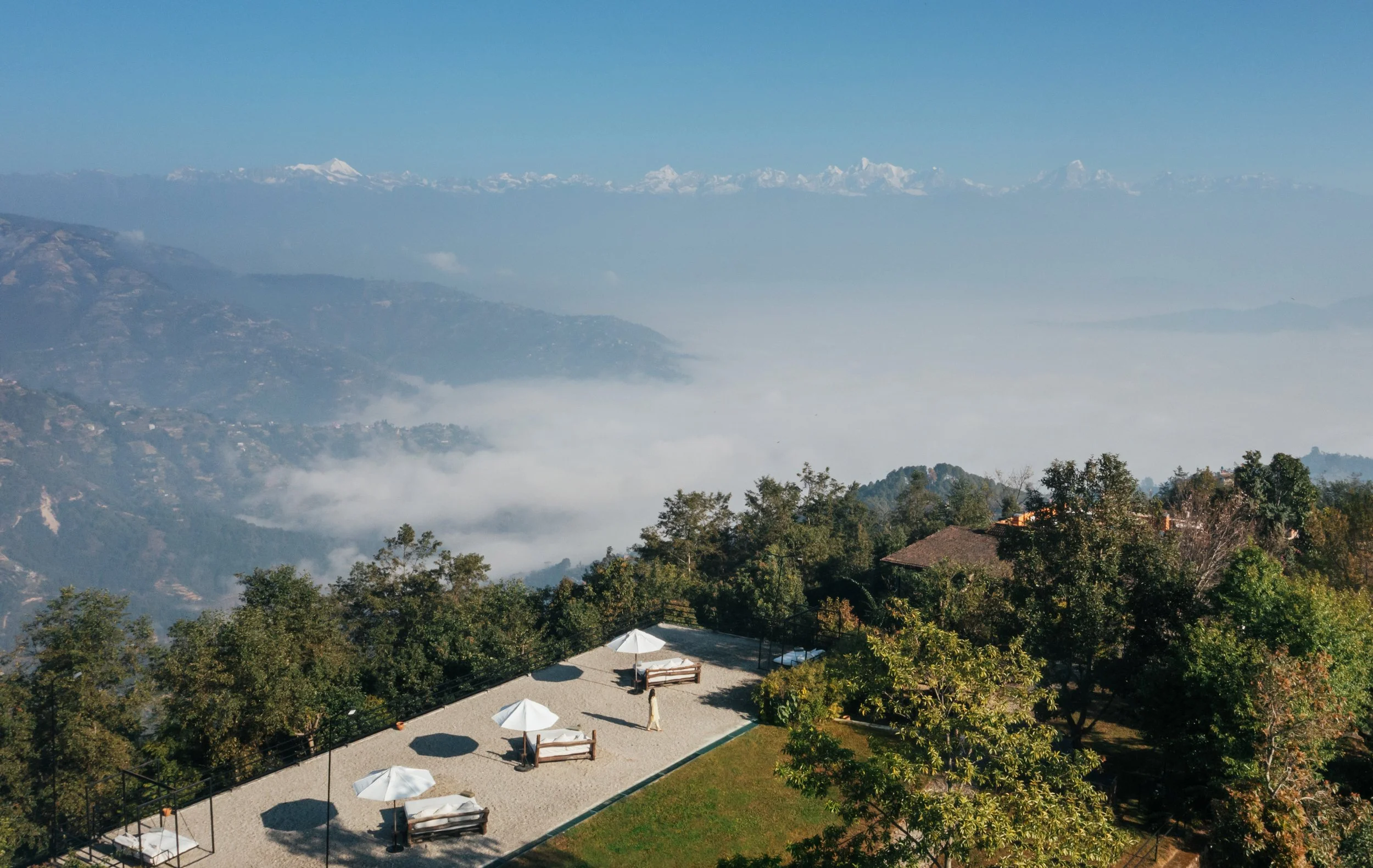

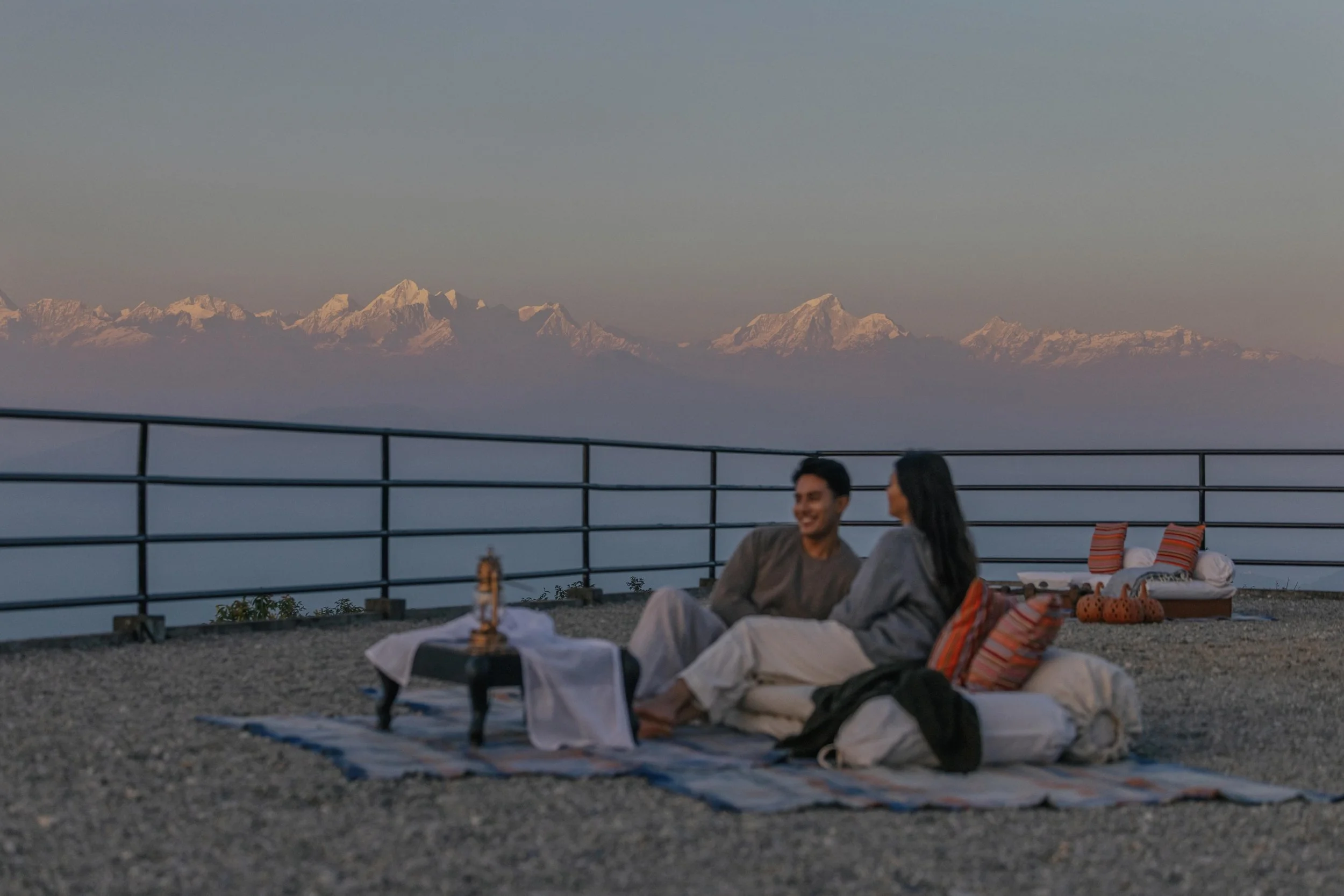
Dwarika’s Sanctuary. Images by The Dwarika’s Collection
Rapid-Fire Wisdom From the Panel
On whether independent brands should imitate chains
"That's the first mistake already," Wong said. "It should be authentic and original to what you are practicing and not imitate others, because it might not work for you." Look inward and listen to guests and community before adopting a playbook built for a different business model.
On the sustainability claim that doesn't survive scrutiny
Lachic's warning was that "Sustainability becomes synonymous with aesthetics. Something that looks local doesn't necessarily mean that it is local."
On the lowest-cost way to prove a claim
Shrestha Einhaus's answer cost nothing to implement: "Look at your neighborhood, look at the experiences that are around you, and include them in your guest experiences.”
On earning trust with zero name recognition
Lachic's answer was two words: transparency and consistency, the same principles that carried Dolkhar through two years without a marketing budget.
On convincing lenders and investors to finance an unconventional business model
Shrestha Einhaus offered no false comfort. "It's very difficult. My grandfather was called crazy for doing this. Banks didn't want to lend us money because they didn't believe in our vision." His closing point was that resilience is the cost of entry, but "if you can pull it off, there are a lot of advantages at the end."




From left: Exterior and Bar Oak of Tokyo Station Hotel; Entrance and Suite of Sowaka, Kyoto. Both are SLH hotels.
A Brief Action Plan for Independent Hotel Operators
Step 1: Audit what you already have.
Identify your local creative or artisan network, or cultural practice nearest to your property that is currently underused in guest experience design, not underused in marketing copy.
Step 2: Sequence claims after decisions, not before.
Make the sourcing, hiring, or structural investment first. Let guests discover and validate the story at their own pace.
Step 3: Map decision-making, not just employment.
For any community-facing experience, consult with key stakeholders who have the power to shape, limit, or decline it, and acknowledge their input in your communications.
Step 4: Join or build a peer network.
Whether through an association like the All Ladakh Hotel and Guest House Association (ALHGHA), a curated affiliation like SLH, or an informal regional group, treat knowledge-sharing on guest trust, distribution, and climate adaptation as infrastructure, not just networking.
Step 5: Assess structural and reputational risk now.
For heritage or climate-exposed properties, commission a resilience or structural risk audit before, not after, the next disaster forces you to confront this vulnerability.
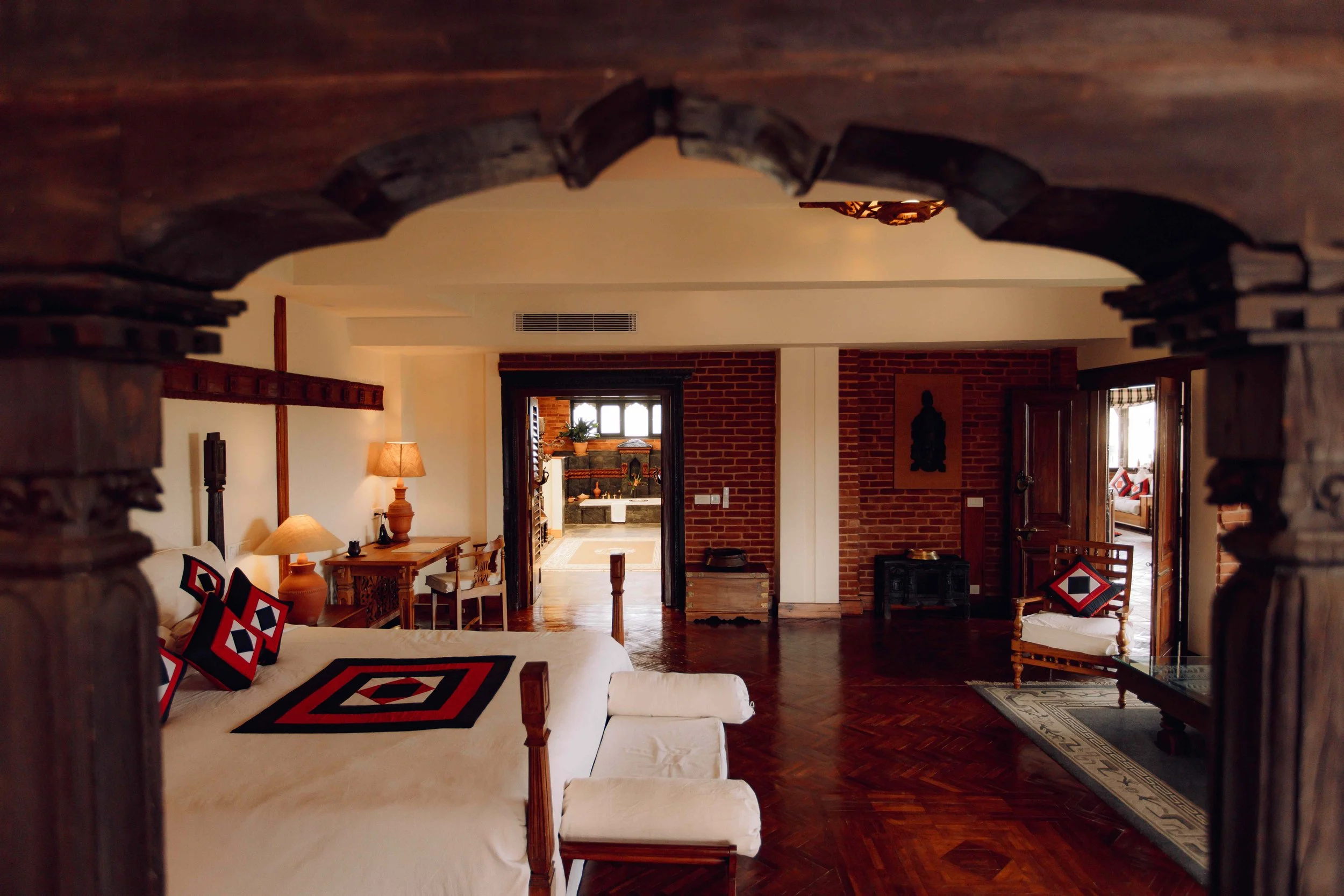
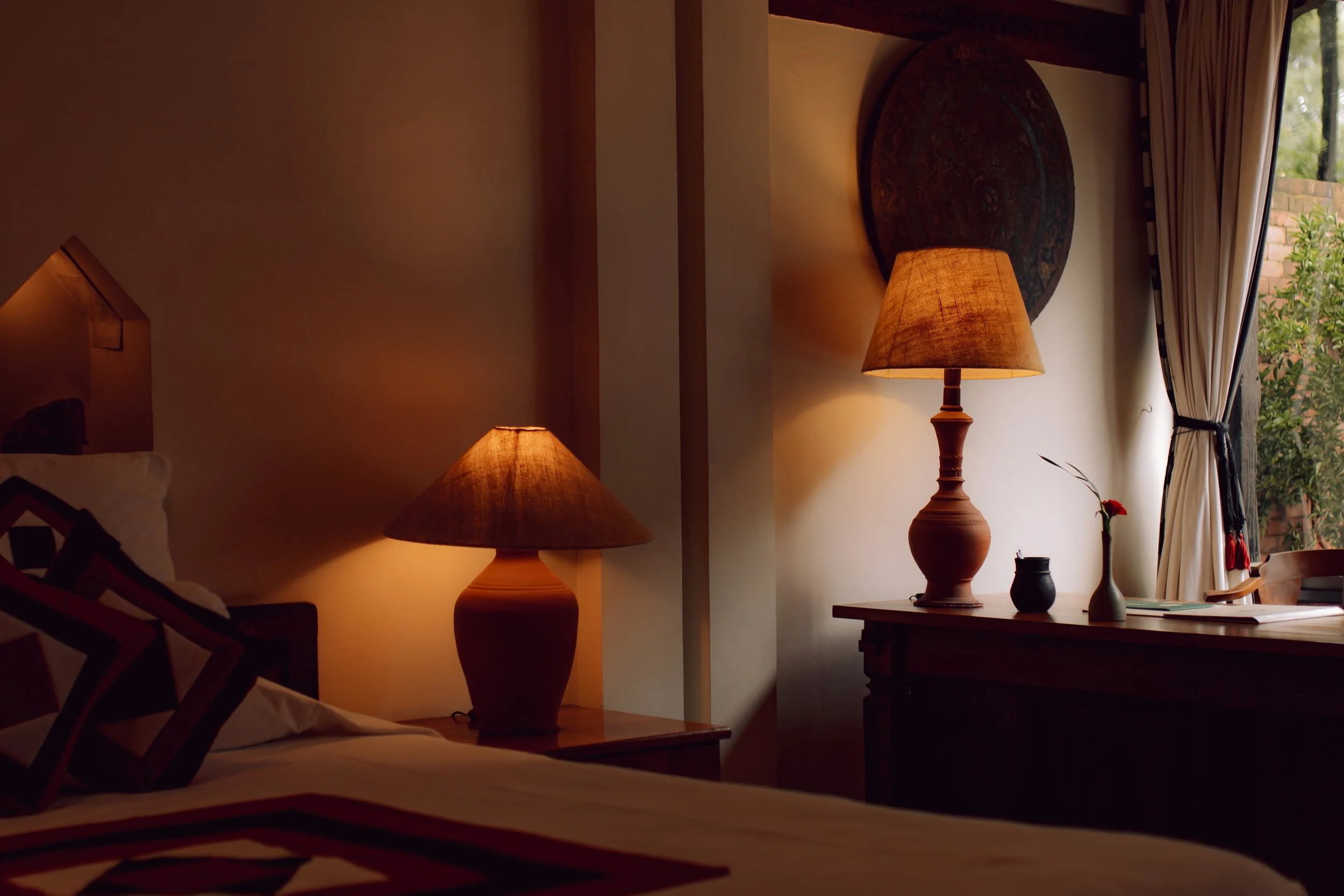

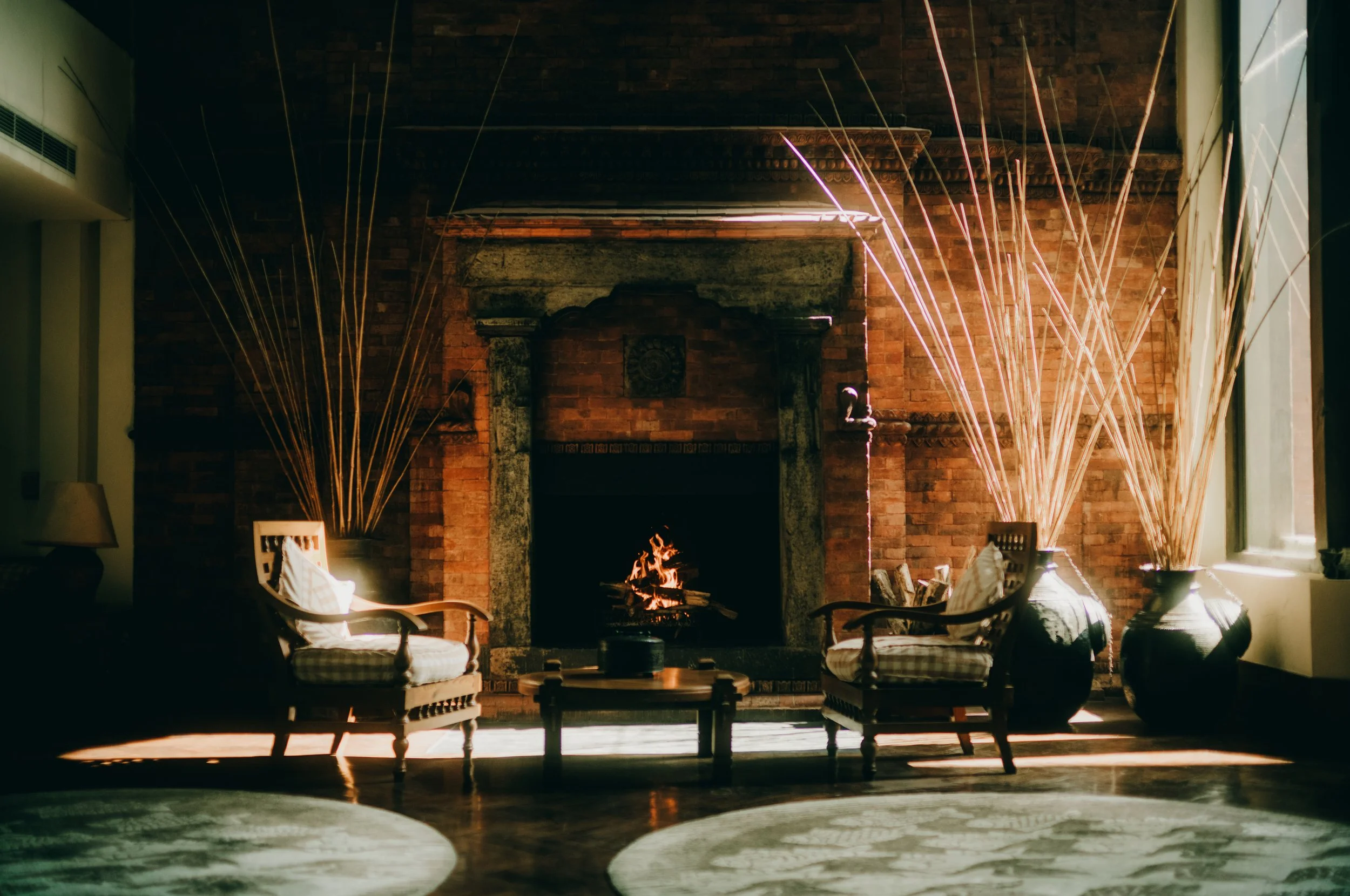
The Dwarika's. Images by The Dwarika's Collection
The Bigger Picture
Independent hotels are unlikely to outspend chains on marketing and distribution, and the panel suggested they shouldn't try. A more effective strategy is to build credibility through proof.
Dwarika's Collection built a hotel to help keep the Newar heritage alive, and five decades on, the on-property workshop remains one of its strongest brand assets. Dolkhar had no marketing budget for the first two years and let its guests tell the story, validating its brand value and positioning with no fluff. SLH shows what independent brands can achieve through shared infrastructure, provided each property keeps its own story.
The through line is that independence is not a size, a style or a sentiment. It is a set of values that anchor its operation, sourcing, service, ownership and risk that a guest, a lender and a community can each see for themselves.