

Why the Most Important Hotel Design Decisions Are Made Before a Guest Arrives
At the Hotel Design Summit Philippines, architects, operators, and developers looked at how hotel performance is shaped before a property opens. Across nine panels on land, energy, technology, wellness, and community, the discussion returned to the same issue: early design and planning decisions carry long operational and commercial consequences.
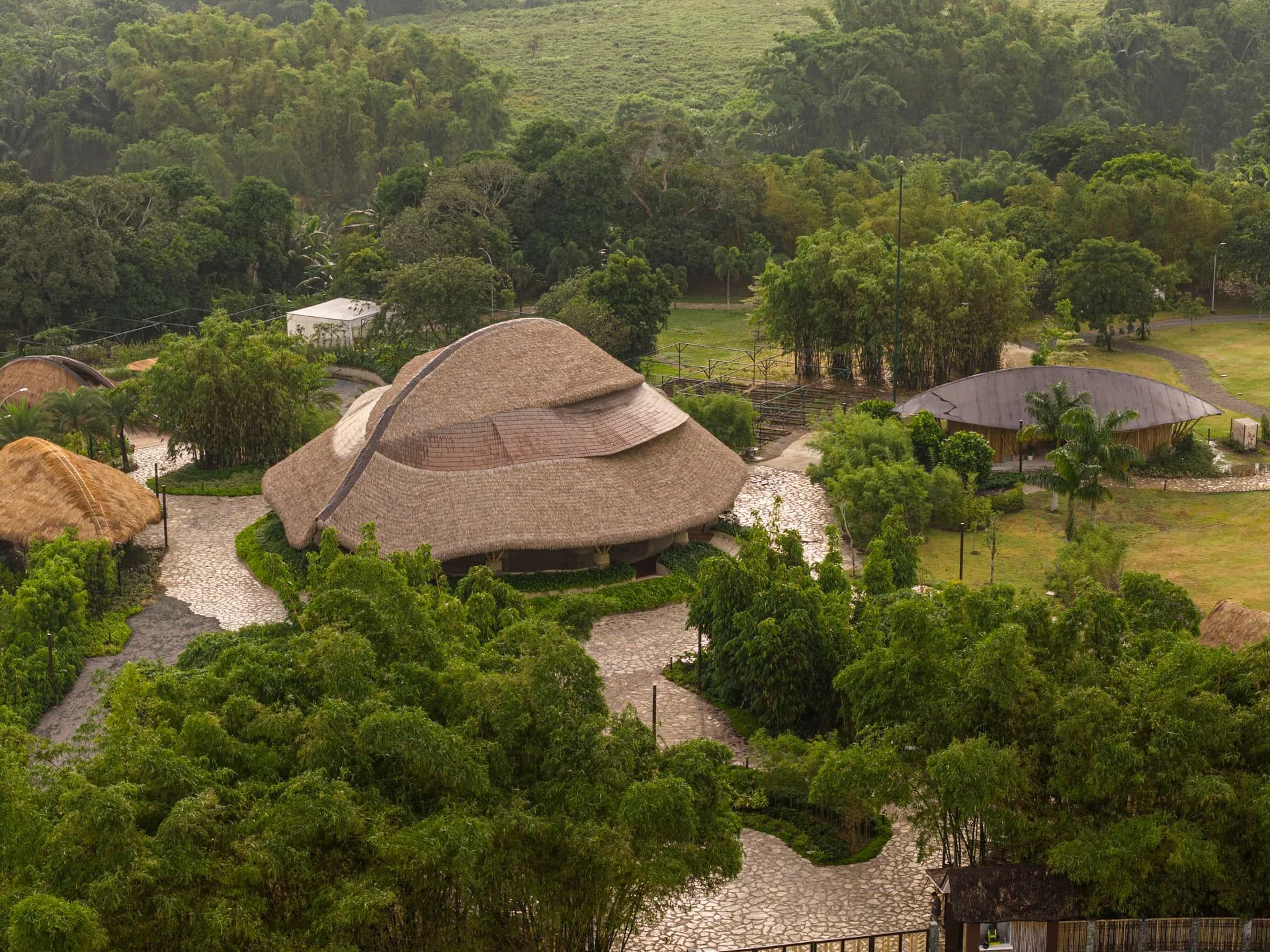
Plontur’s Kaway'an Eco Park in Cavite, Philippines. Eric Yambao, Founder and Principal Designer of Plontur, was a panelist at the Hotel Design Summit. Credit: Plontur
Some of the defining moments at the Hotel Design Summit Philippines came from friction. Not the friction of disagreement, but the productive tension between what a developer wants to build, what an operator needs to run, what a guest actually feels, and what the land itself can bear. Across nine panels, architects, interior designers, operators, and hoteliers kept returning to one unglamorous truth: the guest experience is decided long before check-in, in early choices about orientation, materials, staffing, energy, and respect for place.
The Hotel Design Summit Philippines (HDSP) was one of four summits at the 9th Hospitality Philippines Conference (HPC2026), a two-day gathering of investors, developers, operators, and design professionals. Day 1 paired the Hotel Investment Summit Philippines (HISP) with HDSP; Day 2 shifted to the Hotel Revenue Summit Philippines (HRSP) and the newly added Travel Byte Summit Philippines (TBSP). Within that larger program, HDSP focused on a more foundational question: how a property's physical and operational design shapes its commercial performance, resilience, and relationship with the surrounding community.
As Chair of HDSP for the second consecutive year, I had the privilege of seeing how these conversations built on one another. The strategic takeaways from all nine panels are synthesized below, in agenda order, as a practical reference for anyone navigating development decisions, design briefs, or operational trade-offs.
Panel 1 — Regenerative Hospitality: Reading the Land Before Drawing a Line


First photo, from left: Moderator Cathy Saldaña, Principal and CEO of PDP Architects; panelists Romolo Nati, Chairman and Founder, Italpinas Development Corporation; William Ti Jr., Principal Architect, WTA; and Felino Palafox Jr., Principal Architect-Urban Planner, Palafox Associates | Palafox Architecture Group, Inc.
The opening panel, moderated by Cathy Saldaña, Principal and CEO of PDP Architects, argued that resilience begins with reading the land before trying to engineer around its risks.
Romolo Nati, Chairman and Founder of Italpinas Development Corporation, treats climate risk in the Philippines as a history to be studied, not a surprise to be managed after construction. "We need to read the land, we need to read the landscape... because these are patterns; it's nothing new," he said. Flooding, landslides, and typhoon exposure leave a record. Developers who ignore that record inherit the consequences.
That discipline also has commercial implications. Nati pointed to the strength of local execution, noting that a magnitude 7.4 earthquake in the Philippines caused minimal damage and casualties compared with a weaker magnitude 4.6 quake in Italy years ago. Evidence, he said, that “the reinforced concrete in the Philippines is extremely solid.” He also directed attention beyond the capital, arguing that while Metro Manila is largely built out, some of the country’s biggest opportunities for resilient hospitality, residential, and commercial development are in the provinces.
Felino "Jun" Palafox Jr., Principal Architect-Urban Planner at Palafox Associates, made resilience legible in financial as well as human terms. "It's 90% less expensive to address the hazards before they become disasters," he said, highlighting that the savings include not only money but human lives, infrastructure, and agriculture. His point was that planning for floods and other climate risks has to consider the entire landscape system—from highlands to midlands to lowlands—because water does not follow political boundaries.
Palafox also offered the summit's most vivid example of professional conviction, recounting how he returned a USD 1 million design contract for a hotel project in Subic and was sued for PHP 50 million (roughly USD 796,000) after refusing instructions to destroy 366 old trees.
Nati widened the lens to operations. There is a constant pull between developers who want to shrink back-of-house space to maximize revenue and operators who want to enlarge it, and he sided firmly with the latter. Back-of-house planning cannot be treated as expendable, he argued, because employee well-being is fundamental to the quality of guest experience. Saldaña added a field example from Coron, where one resort moved laundry operations off-island to keep detergents and other chemicals away from nearby reefs; other properties later followed the model.
The panel closed with three definitions that lingered. For Palafox, regenerative hospitality rests on "sustainability, sense of place, atmosphere, and the ambiance of the place. It should be unique, memorable, and identifiable."
William Ti Jr., Principal Architect at WTA, reframed the metric entirely: "I think I want to measure a hotel in terms of being socially sustainable, rather than environmentally sustainable."
And Nati distilled the mindset into an instruction any developer can carry onto a site: "Listen to the people, listen to the territory, listen to the culture. Don't go there and dictate your own idea. Listen more than talk."
Panel 2 — Decarbonizing Hospitality: The Business Case Hidden in the Design Brief

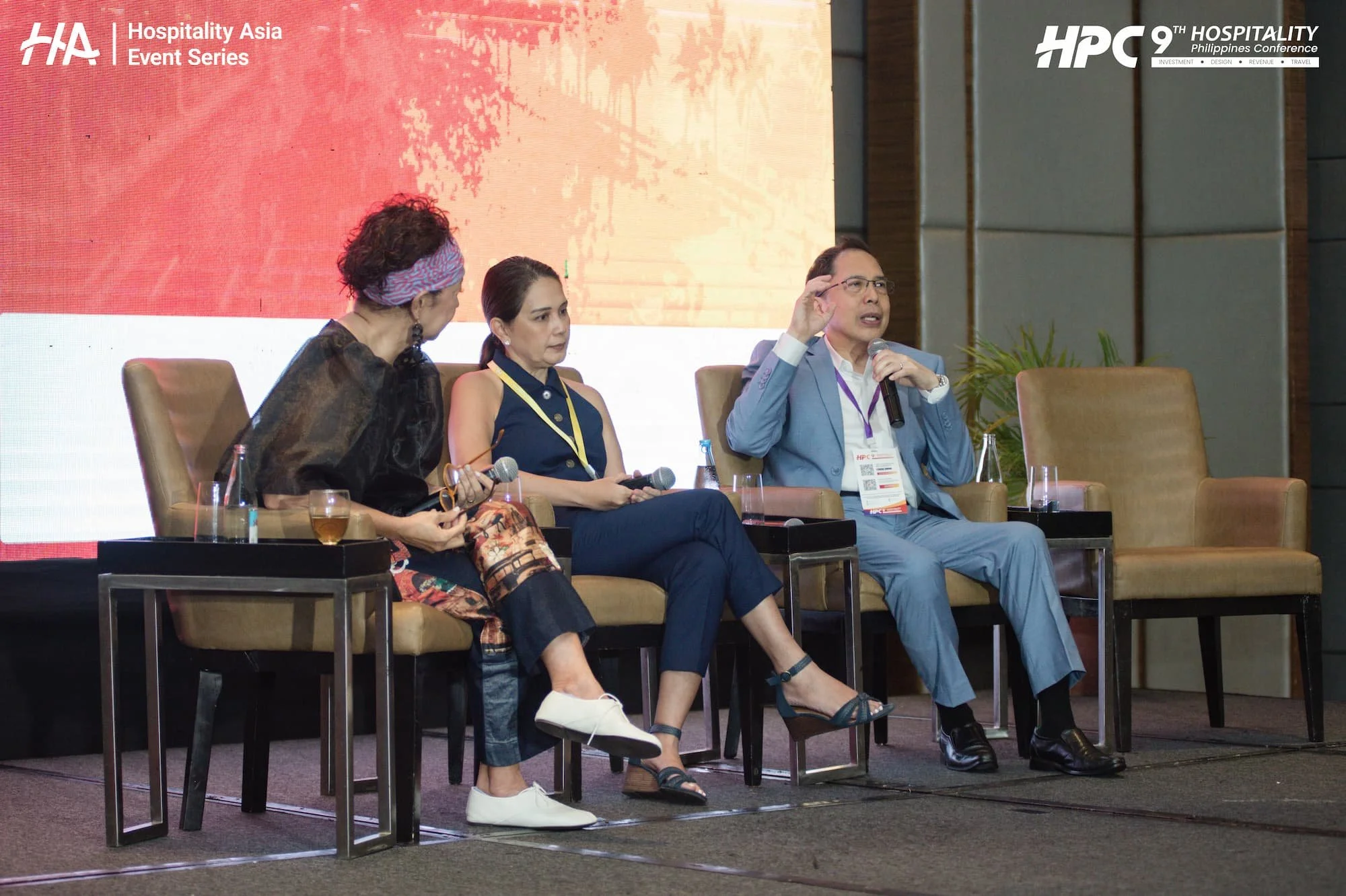
From left: Moderator Ruth Yu-Owen, President and CEO of Upgrade Energy Philippines; panelists Liza Morales, CEO of Philippine Geogreen Inc. and Ecoture Design Studio; and Alexander Ablaza, CEO of Climargy and President of the Philippine Energy Efficiency Alliance
If the first panel found resilience in the land, the second found savings in the drawings. Moderated by Ruth Yu-Owen, President and CEO of Upgrade Energy Philippines, the session went straight at one of the most persistent misconceptions in green development.
Liza Morales, CEO of Philippine Geogreen Inc. and Ecoture Design Studio, explained that some developers and operators often assume that an energy-efficient hotel will automatically cost 20% to 30% more to build. The panel countered that smart passive design at the pre-design stage can reduce energy demand and, in some cases, do so without adding to baseline construction cost.
The distinctions matter for how teams talk about the issue internally. Yu-Owen separated two ideas that are often confused: energy savings, a behavioral action such as turning off lights, and energy efficiency, a technological upgrade such as replacing a standard bulb with an LED, which delivers the same function with less energy.
Alexander Ablaza, CEO of Climargy and President of the Philippine Energy Efficiency Alliance, extended the idea, describing energy savings as a "first fuel" in which operators harvest waste energy from cooling, heating, LPG, and other fossil fuels, then cycle it back as useful energy.
Ablaza framed one recurring tension clearly: chief engineers may want to replace aging chillers, but CFOs often delay the spend until the asset is fully depreciated, leaving the property to absorb years of avoidable energy waste and volatile utility costs.
The practical remedies were concrete. Morales outlined passive strategies that pay off twice: placing major glazing away from the hottest sun exposure and toward cooler morning light; choosing a white roof over a black one to reflect rather than absorb heat; and reducing the need to oversize HVAC and chiller systems. Done well, those early decisions can lower both upfront capital expenditure and long-term operating costs.
Behavior and equipment can reinforce each other, too. Ablaza suggested maintaining common areas, such as lobbies, corridors, and function rooms, at the Department of Energy's prescribed temperature of 23°C to 24°C, which gently resets guests' thermal expectations.
Morales said that each 1-degree increase in the thermostat setpoint can save roughly 3% to 6% on cooling costs. In practice, she added, supplementing air conditioning with energy-efficient ceiling fans can allow operators to raise room setpoints materially—sometimes enough to deliver 20% savings, and in some cases even more.
Panel 3 — Authenticity and Hyper-Local Design: Reframing Luxury in Asia


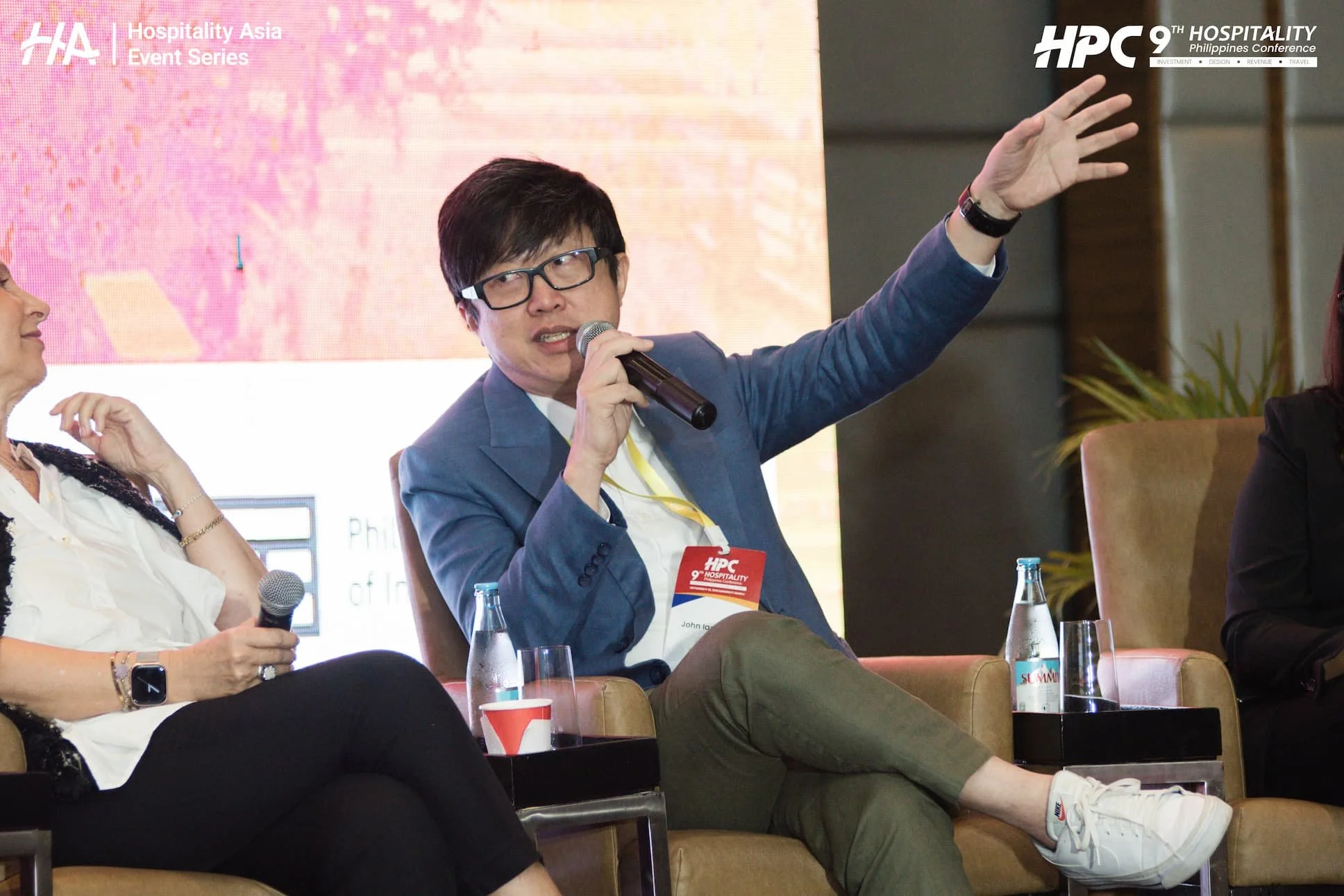

Moderator: Rhea Vitto Tabora, Co-Founder of Asia Sustainable Travel; Isabelle Miaja, Managing and Creative Director of Miaja Design Group; Ian Fulgar, Principal Architect at Fulgar Architects; and Toni Samala, General Manager of Eco Hotels
This was the panel I moderated, and it posed a direct challenge to a familiar model of luxury hospitality: the polished sameness of high-end interiors that could belong almost anywhere. Across interior design, architecture, and hotel operations, the discussion kept returning to a harder question—how to create properties that feel modern and elevated without losing their connection to the land, the community, and culture.
Ian Fulgar, Principal Architect at Fulgar Architects, approached authenticity from the level of planning and site strategy. He noted that resort development in the Philippines is expanding beyond Metro Manila into very different local contexts, each with its own culture, rituals, and character. For Fulgar, that makes hyper-local design less about applying a single “Philippine” style than about responding carefully to each place on its own terms.
He was also clear that the site itself should lead: “We should involve the local community as part of the design and really understand how we can make that site a landmark and just wrap the brand around it.”
Isabelle Miaja, Managing and Creative Director of Miaja Design Group in Singapore, has spent more than 30 years working across Asia, and she described design as the work of interpreting the real soul of a place rather than imposing a ready-made visual formula.
She warned against reducing authenticity to decoration—“putting a bunch of artifacts and calling this a design”—and argued instead for spaces that feel real, relevant, and alive in the present. That means bringing in local artists and makers from the beginning, not as an afterthought, and treating art as part of the design story rather than something applied at the end.
“The Philippines possesses an extraordinary richness of materials, traditions, stories and creative talent. When these are integrated with sensitivity and purpose, local identity does not limit luxury—it gives luxury its meaning, distinction and lasting value,” she said.
Toni Samala, General Manager of Eco Hotels, tied hyper-local design directly to sustainability. For her, authenticity begins with what is already native to a place and asks how it can be advanced rather than simply copied. If a project draws from the bahay kubo (traditional Filipino stilt house), she said, the goal is not to replicate it, but to push the engineering and design further so that both locals and guests can enjoy it.
She was equally clear about what authenticity is not: not decorative local flavor, but something functional and rooted in real craft. She grounded that idea in Eco Hotels’ own work, describing how its Tagaytay property began by scouting what was already available locally—lumber, homemade bricks, local artists, and even fallen trees that were reused as design elements. They made beds from repurposed wood pallets, and worked underused lumber back into the interiors. In that model, sustainability is not a finishing touch. It is the system, the story, and the design brief from the start.
Panel 4 — The Rise of Hybrid Hospitality: Hotels as Social Ecosystems

From left: Moderator Ulysses Nolan-Paredes, Head of Design, Engineering, and Sustainability at Phinma Properties; panelists Eric Yambao, Founder and Principal Designer of Plontur; and David Zaballero, Director and Design Manager at Arquitectonica
Ulysses Nolan-Paredes, Head of Design, Engineering, and Sustainability at Phinma Properties, opened the session by redefining what success in hospitality now measures. For decades, he said, hotels were judged by occupancy: how many people slept in their beds each night. That model is giving way to something broader. Hotels are no longer just in the business of selling rooms, but of “engineering communities,” moving beyond the old logic of the exclusive enclave to become, in his phrase, the “ultimate living rooms of our cities.”
David Zaballero, Director and Design Manager at Arquitectonica, described how that shift changes the design brief. Hotels, he explained, are becoming less private and more connected to the communities around them. Lobbies, bars, shops, and even some function spaces can serve not only guests but also local businesses, suppliers, artisans, and visitors passing through.
For Zaballero, that openness is not only a social responsibility but also a commercial opportunity. Guests increasingly want authentic experiences rather than the same chain stay they have known before, and hotels that tap into local life can better distinguish themselves.
That requires flexibility. Zaballero emphasized that hybrid hospitality begins with understanding how different users move through a property and planning spaces so those movements can coexist without friction. He pointed to pre-function areas, which often sit empty between events, and described how they can double as co-working space with a small café and strong connectivity.
Eric Yambao, Founder and Principal Designer of Plontur, brought a landscape-led perspective that treated open space as part of the hotel program, not leftover land. He pointed to modular thinking in architecture, so that lobbies, ballrooms, and banquet spaces can serve different uses over time, and for flexible open areas that can host events, support community use, and absorb spillover from interior spaces. In his view, architecture, interiors, and landscape have to be planned as one connected system.
Yambao emphasized that this only works when operations enters the conversation early. Too often, he said, operational requirements arrive at the tail end, after spaces have already been planned and difficult adjustments begin. His answer is to bring owners, operators, finance teams, and designers together before the design phase starts. Zaballero strongly agreed. Together, the panel made the case that hybrid hospitality is not simply about mixing uses under one roof. It is about designing hotels that can serve guests, locals, and different kinds of users across the day, with spaces flexible enough to support multiple functions and generate value beyond room nights.
Panel 5 — Experience Architecture: Designing Around the Reason Guests Come
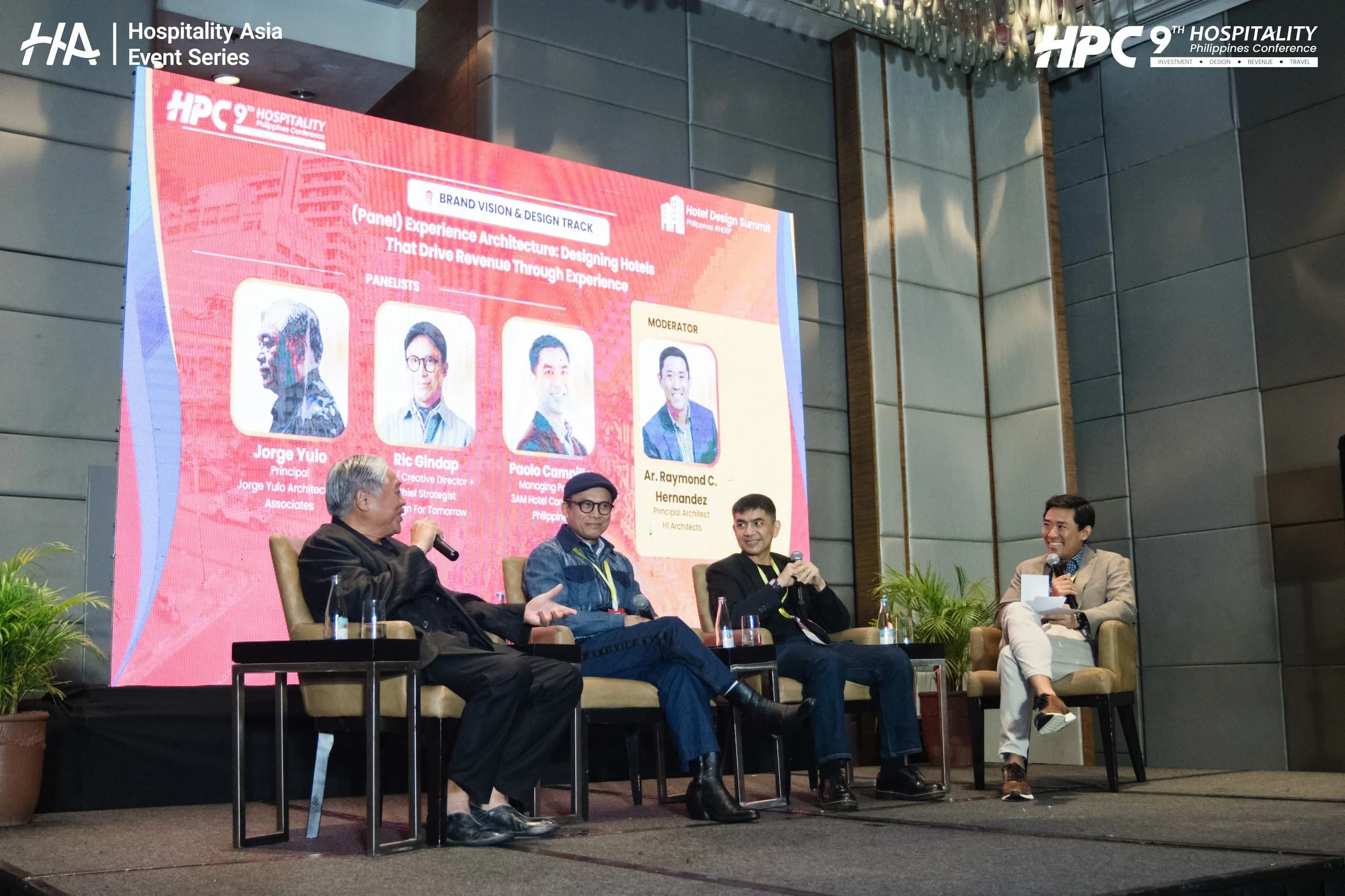

From left: Panelists Jorge Yulo, Principal at Jorge Yulo Architects & Associates; Ric Gindap, CEO, Creative Director, and Chief Strategist at Design For Tomorrow; Paolo Campillo, Managing Director of 3AM Hotel Consultants; and moderator Raymond C. Hernandez, Principal Architect at H1 Architecture
Moderated by Raymond C. Hernandez, Principal Architect at H1 Architecture, this panel drew a clear distinction between spending money on features and creating experiences that guests actually value. Paolo Campillo, Managing Director of 3AM Hotel Consultants, argued that guests are not looking to pay for extra amenities. They want experiences remarkable enough to be talked about, remembered, and returned to. His example was Spiral restaurant at the now-closed Sofitel Philippine Plaza, whose concept sharpened only after the team stopped asking how to build a better buffet and started asking how to create a dining experience people would travel for.
That belief came with a warning about how budgets get cut. Campillo distinguished value engineering—which asks what a spent dollar will continue to contribute over 5, 10, or 20 years—from blunt cost cutting, and warned against “value engineering away” the very reason people would choose the hotel in the first place. He grounded the point in operational reality, recalling a 1,400-room hotel project where he was brought in after the plans were largely complete and found only four front desks and no luggage room, a planning failure that would have shaped the entire guest arrival experience.
Ric Gindap, CEO, Creative Director, and Chief Strategist at Design For Tomorrow, positioned design as an alignment tool for ROI, vision, and experience. For him, design creates value when it is deliberate, focused, and specific to the brand being built; when it is not, the result is inconsistency between what a hotel claims and what it actually delivers. He put the risk plainly: “You cannot claim to be premium and deliver a standard service.”
Later, when the discussion turned to what hospitality means beneath the language of branding and luxury, Gindap reduced it to four essentials: generosity, delivering on promises, consistency, and making people feel welcome.
Jorge Yulo, Principal at Jorge Yulo Architects & Associates, described experience as something architecture builds through the senses. Sight matters, but so do subtler triggers, especially smell, which he noted can be powerful in memory recall and in creating a desire to return. He also emphasized that design works best when it stays grounded in users, operators, and cost. His formulation was concise: “Form and experience follow function. Function follows budget.” It is a discipline that keeps design accountable not only to narrative and emotion, but to the purpose a hotel serves.
Panel 6 — The Invisible Hotel: Technology That Removes Friction, Not Warmth


From left: Moderator Mary Anne Nicolas, Vice President, Business Cluster Head, General Manager of Aidea; panelists Patria Puyat - Vice President for Business Development at Megaworld Hotels & Resorts; CJ Noble, General Manager of CJ Noble Visuals; and Rookie Nagtalon, Board of Trustee at CIO Philippines
Moderated by Mary Anne Nicolas, Vice President, Business Cluster Head, and General Manager of Aidea, this panel returned to a cleaner principle than the usual automation talk: the best technology is the kind guests barely notice. CJ Noble, General Manager of CJ Noble Visuals, put it plainly: “Technology should remove friction, not hospitality.” He also described good technology as something that helps people make better decisions without making the technology itself the focus.
What made the panel persuasive was that the claims were backed by numbers. Patria Puyat, Vice President for Business Development at Megaworld Hotels & Resorts, described how a digital guest-management platform at Belmont Hotel Manila saved nearly 45,000 minutes of check-in time and generated about PHP 1.6 million (roughly USD 25,500) in upsell revenue from January to August (2026?). She also pointed to food-waste tracking at the 1,500-room Grand Westside Hotel, which saved almost PHP 500,000 (roughly USD 8,000) and prevented about 3,500 meals from being wasted in five months. Her framing kept people at the center. Technology in hospitality, she said, exists to help teams do their jobs better. Scaling means making service easier, but without losing the personal touch.
Rookie Nagtalon, Board of Trustee at CIO Philippines, supplied the precondition that many projects still neglect. “In order to have AI, you need data. You cannot manage something you do not see. If there's no information that you can work with, forget AI,” he said. His infrastructure guidance was practical. In greenfield projects, the backbone has to be planned early: fiber or cable, risers, trays, pathways, wireless access, data centers, and the physical spaces that support them. In brownfield properties, by contrast, smart systems have to work around structures that were never designed for them, often forcing cables into elevator shafts or concealed cladding in order to preserve the guest-facing environment.
Noble brought the conversation back to design. Building Information Modeling (BIM) and 3D visualization, he explained, make the project legible before it is built, allowing architects, operators, clients, and other stakeholders to align around the same experience and catch problems early. In that sense, the value of the technology is not the rendering itself, but the mistakes, redesigns, and retrofits it helps a team avoid later.
Across the panel, the underlying point was to use technology to make hospitality more seamless, more informed, and more personal—not more intrusive or impersonal.
Panel 7 — Wellness by Design: The Value in What Guests Never Notice


From left: Moderator Tulsi Grover, Founder of re.vorG; panelists Norman Agleron, Partner and Principal at HBA Manila; Iris Ocampo, Founder and Principal Interior Designer at IEO Studio; and Stephanie Joyce Orquiza, Founder and Principal Design Director at La Orquiza Interior
Moderated by Tulsi Grover, Founder of re.vorG, this panel stripped wellness of its marketing gloss and returned it to something more fundamental: how a hotel is supposed to make a guest feel. Norman Agleron, Partner and Principal at HBA Manila, emphasized that wellness is not a design style or “wellness theater,” but the outcome of design—something measured less by how a space photographs than by how a guest moves through it, sleeps in it, and remembers it. Iris Ocampo, Founder and Principal Interior Designer at IEO Studio, and Stephanie Joyce Orquiza, Founder and Principal Design Director at La Orquiza Interiors, reinforced the same distinction, placing human need, intuitive comfort, and thoughtful space planning above surface effect.
Ocampo pointed to one of the panel’s examples of tekenism in design. Biophilia becomes greenwashing when it is treated as decoration rather than as an experience. A statement plant or indoor tree changes nothing if the room still fails on air quality, sunlight control, fresh air, or comfort.
Agleron made a parallel case for restraint. Designers, he suggested, should plan around how guests actually behave—including the exhausted traveler arriving late and wanting only a shower and rest—rather than trying to choreograph idealized behavior. He also warned against filling every square meter simply because it is available, arguing instead for space, flow, and intuitive use. Ocampo made the point more concretely by questioning oversized closet configurations that assume long stays while neglecting the luggage access and circulation most guests need.
When the discussion turned practical, the panelists were consistent about where wellness should begin. Not with branded add-ons, but with the basics of rest and comfort: a better mattress, proper bedding, good blackout control, and a room layout that supports real rest. Orquiza emphasized acoustics, especially blocking hallway noise. Agleron stressed warm, well-placed lighting.
That led to a straightforward point for owners: if you want to invest in wellness, start with the bedroom and the fundamentals before moving to more specialized amenities. Features such as contrast recovery rooms or other dedicated wellness elements may have a role, especially in the right context, but only after the fundamentals are in place. Guests are more likely to return for comfort than for a wellness feature that only looks good in photos.
Panel 8 — Tropical Intelligence: Climate-Responsive Architecture for Island Hospitality

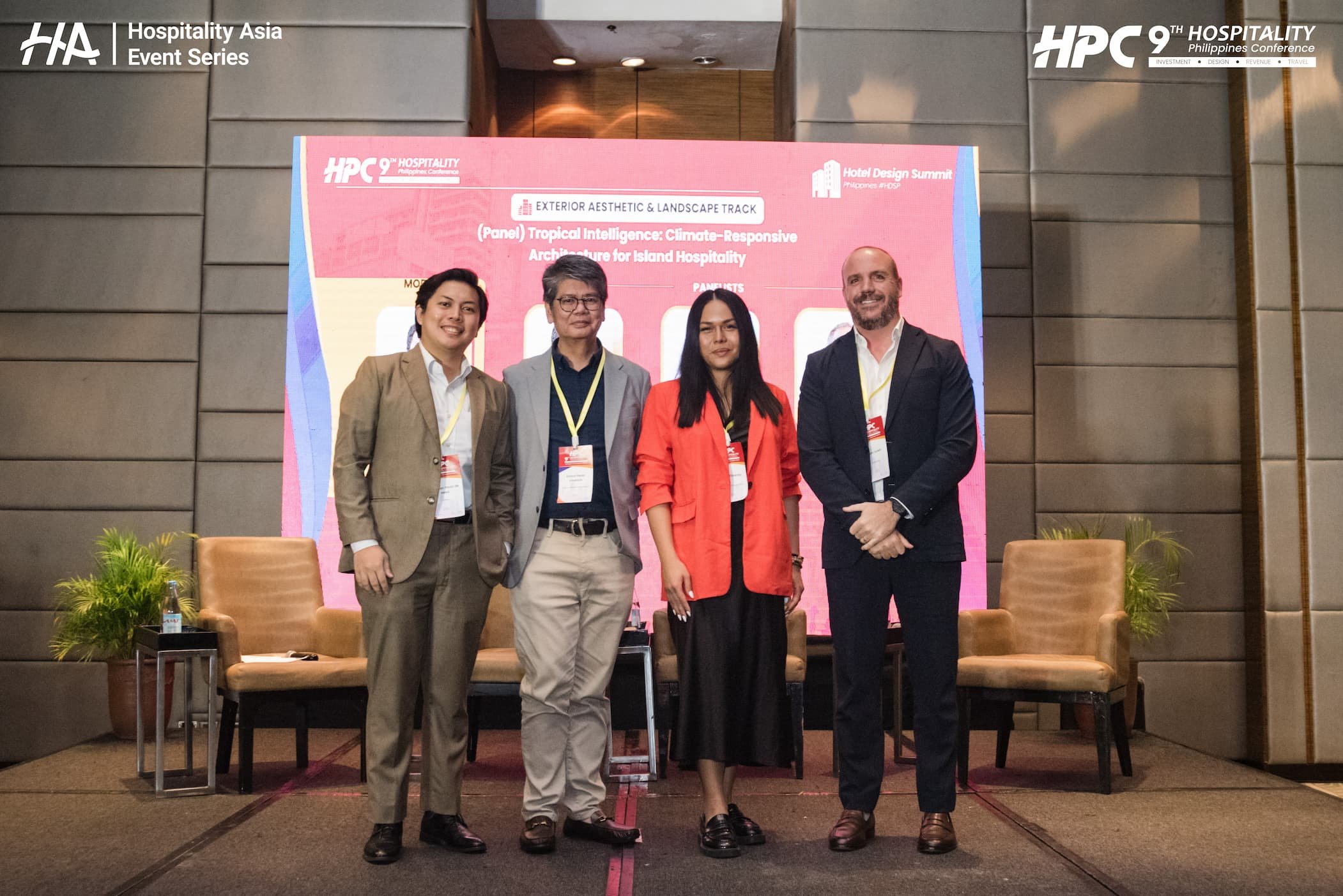
From left: Moderator German Paulo de Mesa, Partner and Director for Design and Innovations at Palafox; Enrico Paolo Vicencio, Principal Architect at PAGE Architecture and Design; Bejay Florendo, Design Director of DEQA Design Collaborative; and John Avrett, Founder and CEO of Hive Modular
Moderated by German Paulo de Mesa, Partner and Director for Design and Innovations at Palafox, this panel treated tropical design less as a visual language than as a matter of performance. The discussion stayed grounded in the realities of building in the Philippines: heat, humidity, storms, coastal exposure, difficult logistics, limited infrastructure, and the fact that even islands within the same region can demand very different responses.
John Avrett, Founder and CEO of Hive Modular, spoke from the builder’s perspective. His company completes most of a structure in a factory before delivering it to site, with 90% to 95% of the work finished in a controlled environment. For hospitality clients, he said, the main draw is speed. But he also pushed back against the idea that modular construction means uniform construction. Each site still has to be treated on its own terms, and each project still has to respond to local conditions and local expectations.
Bejay Florendo, Design Director of DEQA Design Collaborative, focused on the design decisions that matter most when time, budget, and site constraints make it impossible to do everything. In those situations, she said, the best design strategies are often the most basic: work with sun and wind. In island projects, that means understanding Amihan (the northeast monsoon) and Habagat (the southwest monsoon) well enough to shape the layout of lobbies, lounges, bars, and dining areas around airflow and temperature. In some cases, that allows public spaces to reduce the need for air conditioning, lower operating costs, and give guests a more natural experience of the place they came to enjoy.
Florendo also cited bamboo projects as an example of how climate-responsive design can connect material choice to local livelihoods. She described working with a supplier in Cagayan de Oro that plants bamboo on ancestral land and creates jobs in the process. She also mentioned projects using engineered bamboo as a structural material and in roofing. Her point was not simply that bamboo is visually appropriate for tropical projects, but that local materials can shape both how a building performs and how it relates to the community around it.
Enrico Paolo Vicencio, Principal Architect at PAGE Architecture and Design, emphasized how specific each site really is. Even within Palawan, he noted, conditions can vary from one stretch of coast to another: tides differ, wind differs, terrain differs, and plant life differs with them. That is why, for him, tropical intelligence starts with understanding the site as it is, including its endemic species, and designing with those conditions rather than flattening them out. Mangroves, where they exist, need to be protected. Existing plant communities should inform the development, not be cleared away and replaced later with imported landscape features.
Panel 9 — Designing the Next Tourism Hubs: Growth Beyond the Gateways
The closing panel returned to one of the summit’s broadest themes: that some of the country’s most promising hospitality growth lies beyond Metro Manila. Developers, the speakers observed, are increasingly looking to the Visayas and Mindanao—from Boracay and Siargao to less established sites near Puerto Princesa—to build around landscapes and identities that still feel locally distinct. Efren Aurelio, President, EA Aurelio Landscape Architects, pointed to one such emerging site: a beach suited for surfing just 40 minutes from Puerto Princesa International Airport.
But growth depends not only on the destination itself, but on access. For Aurelio, direct international flights to regional airports through a more open-skies policy would do more than almost anything else to ease Manila’s bottleneck and widen tourism flows.
David Cabigao, CEO & Principal Architect, KDAS Group, laid out the planning discipline behind that expansion. On larger greenfield sites, he said, his team tries to limit the built footprint to 30% and preserve 70% of the land in its natural state. In luxury hospitality, that is not a concession. It is what guests are paying for. Aurelio made the same point through landscape. In Panglao, Bohol, when a client asked whether mature coconut trees could be removed, his answer was direct: those trees were the asset. Preserving them was not sentimentality, but part of the hotel’s competitive appeal.
On resilience, Aurelio argued against the reflex to over-engineer waterways with concrete embankments and straightened channels, which can increase risk by accelerating water flow. Nature-based solutions such as gabion walls, swales, rain gardens, and large detention basins, he suggested, often perform better.
Cabigao added that resilience begins even earlier, with construction methodology and with resisting the urge to import a Manila mindset into provincial settings, expecting the same pace, assumptions, and solutions to apply everywhere. His closing point was simple and persuasive: if a local way of building already works, there is little value in over-engineering it.
Where to Put This to Work
Nine panels, dozens of voices, and one uncomfortable implication for anyone about to commit capital: most of the decisions that will make or break a property are cheaper to get right than to fix, and you make them long before you sell a single room. Here is how to act on that.
1. Pull your design timeline forward, and bring the right people with it.
The most expensive failures at the summit shared one cause: expertise that arrived too late.
The 1,400-room hotel with four front desks.
The IT infrastructure with no physical space to expand or maintain.
The tropical sustainability strategy quietly stripped out during budget cuts late in construction.
Bring your operations team and technology lead, and, where relevant, the surrounding community at the table during schematic design, not after.
2. Run the passive-design numbers before you accept any green premium.
Before your next capital request, ask your design team to model building orientation, glazing placement, roof color, and fan-assisted cooling.
If those choices let you downsize the chiller plant, you lower both build cost and operating cost in one move. And when finance and engineering disagree about replacing aging equipment, put the fuel-price exposure on the table early, before depreciation schedules make the decision for you.
3. Protect the one thing guests actually came for.
When value engineering begins, identify the reason people choose your property—the sense of place, the tree canopy, the sleep quality, the arrival experience—and treat it as non-negotiable. Cut elsewhere.
If you treat sustainability or authenticity as a feature rather than a system, it will be among the first things sacrificed when budgets tighten.
4. Treat place and community as assets, not costs.
What is specific to your site is what competitors cannot copy and what travelers increasingly pay for.
Audit the natural and cultural assets you already hold, then design to keep them rather than clear them.
Local hiring and local sourcing are not charity line items; they can reduce carbon emissions, strengthen local support, and make projects more resilient over time.
5. Spend on what guests feel, not on what looks good in a brochure.
The wellness panel prioritizes mattress, acoustics, and lighting control before trendier add-ons.
The same logic runs through the technology and hybrid-hospitality discussions. Invisible infrastructure, natural ventilation, and genuine human connection outlast amenities that look good at launch and gather dust by year two.
And before you invest in AI, build the data foundation that makes it usable. Without information to work with, as Rookie Nagtalon put it, forget AI.
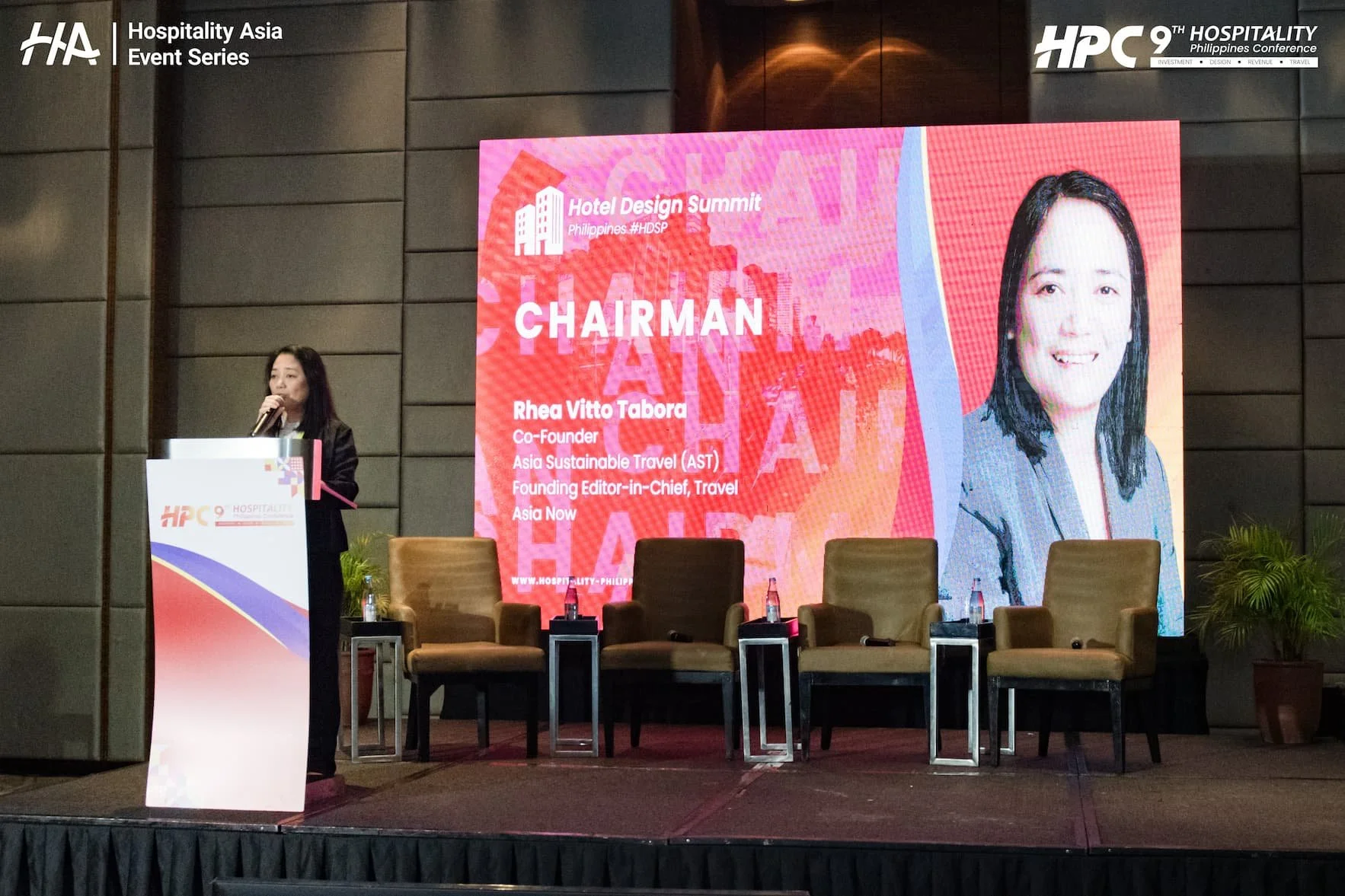
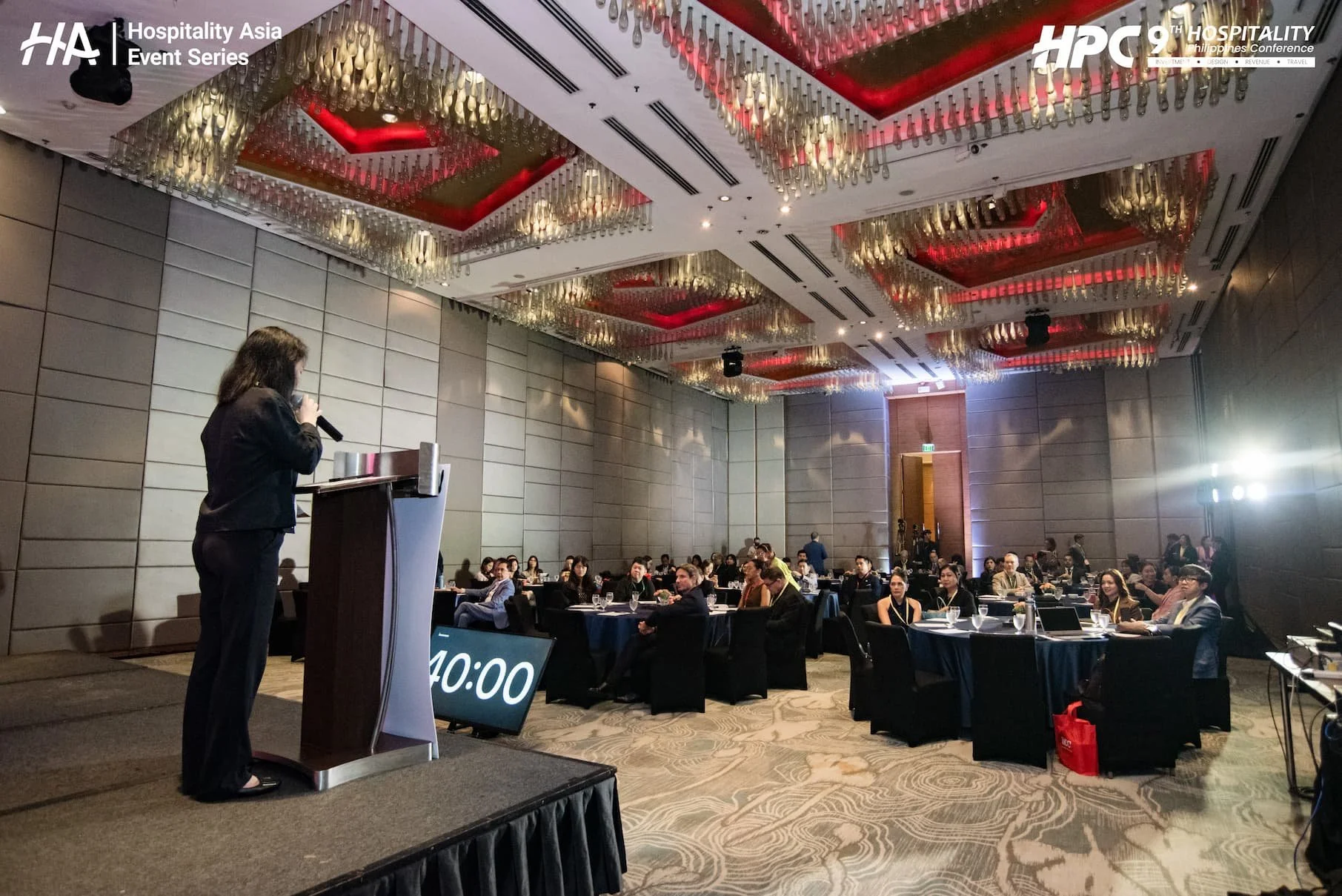
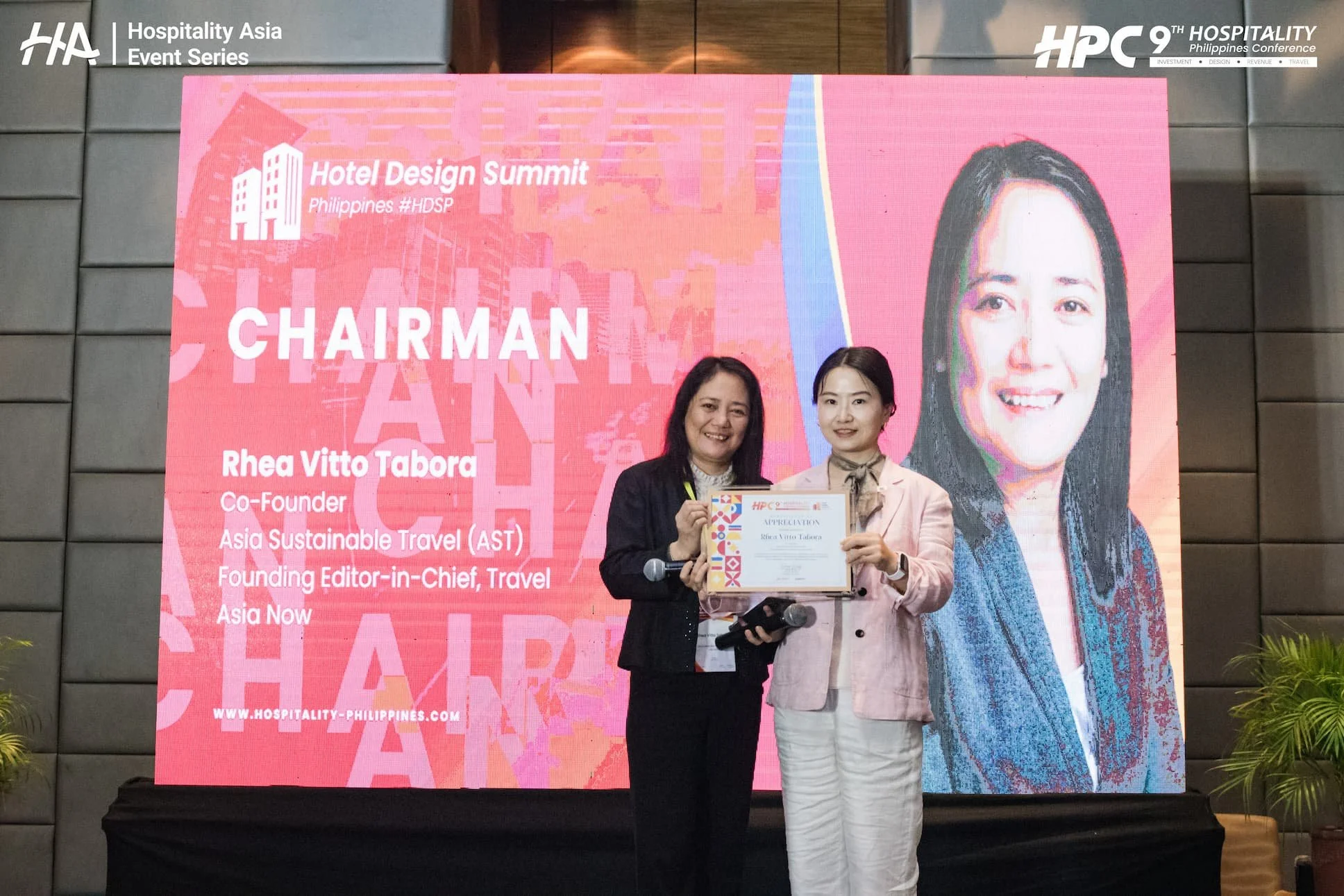
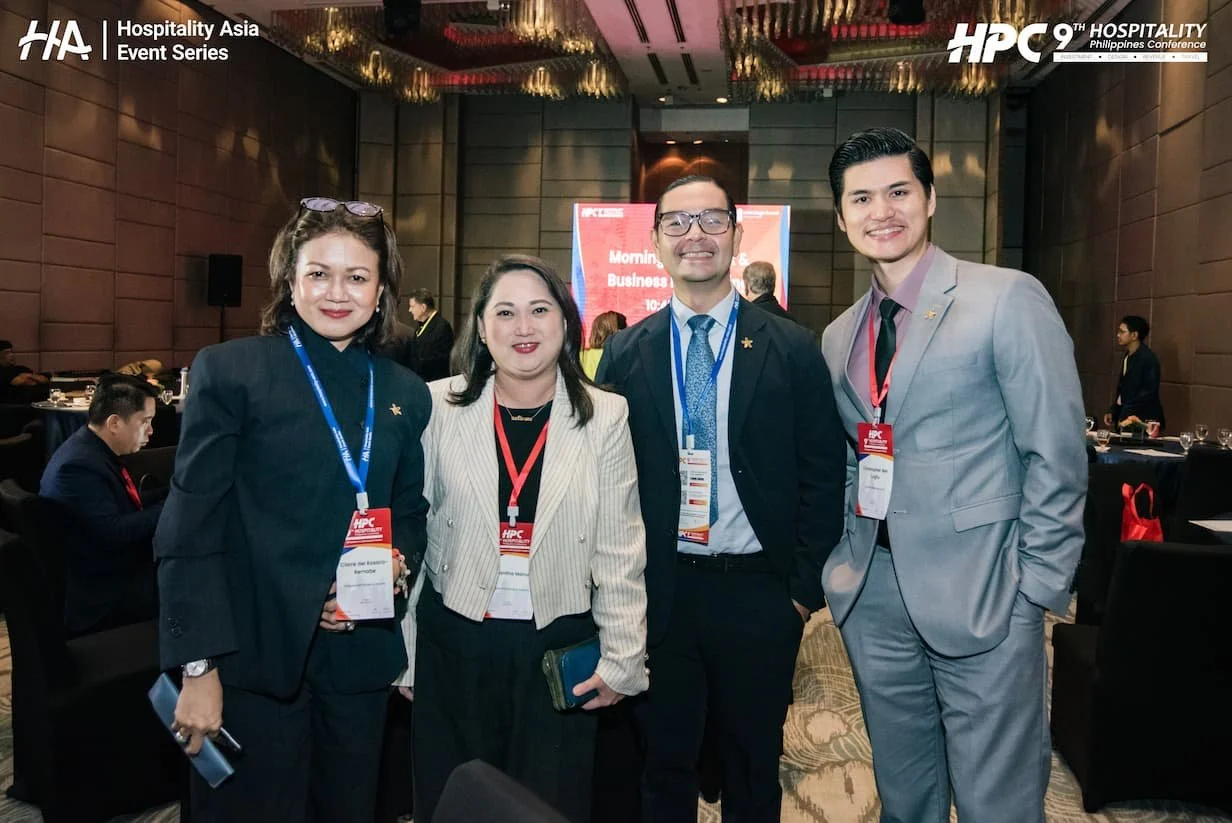
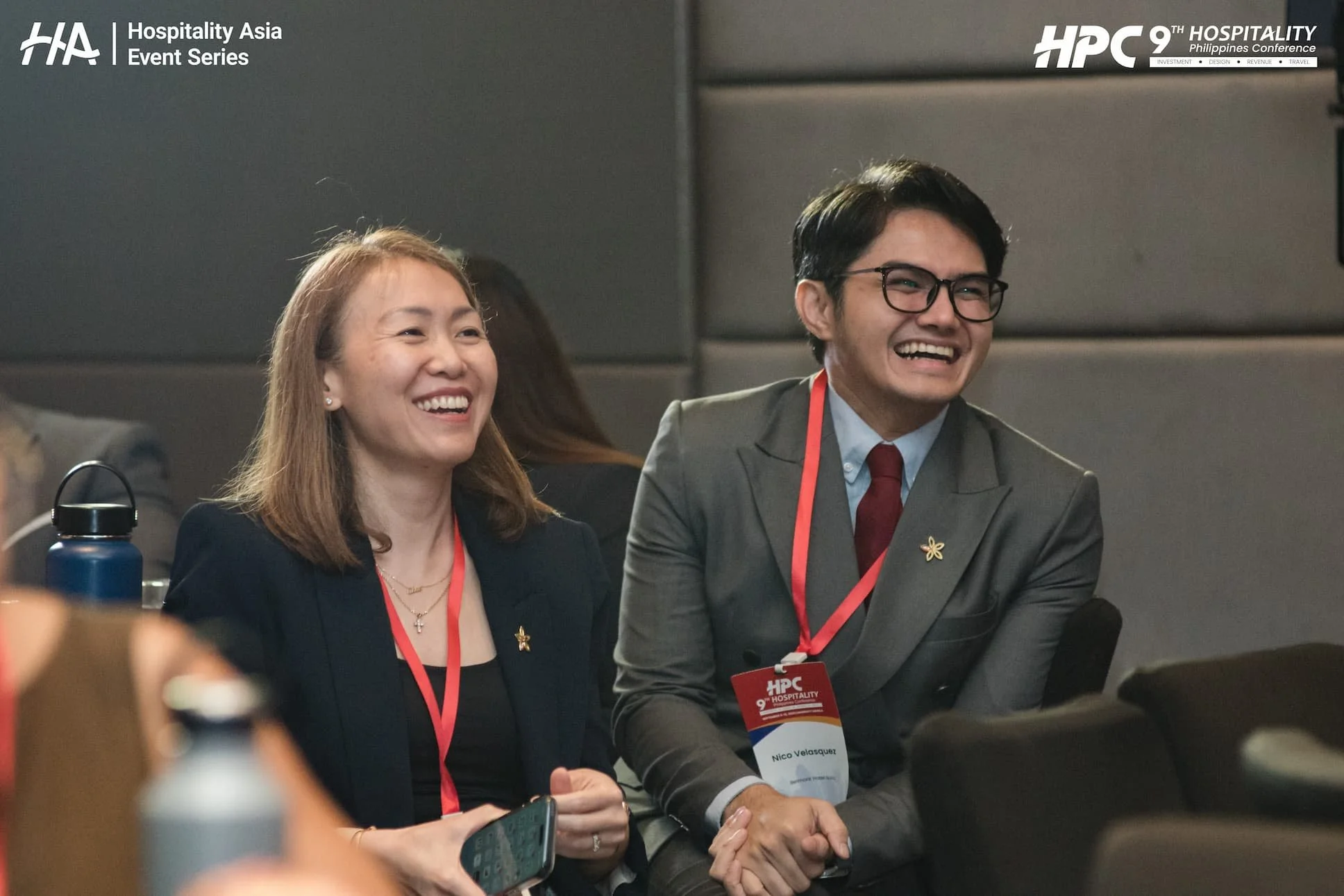
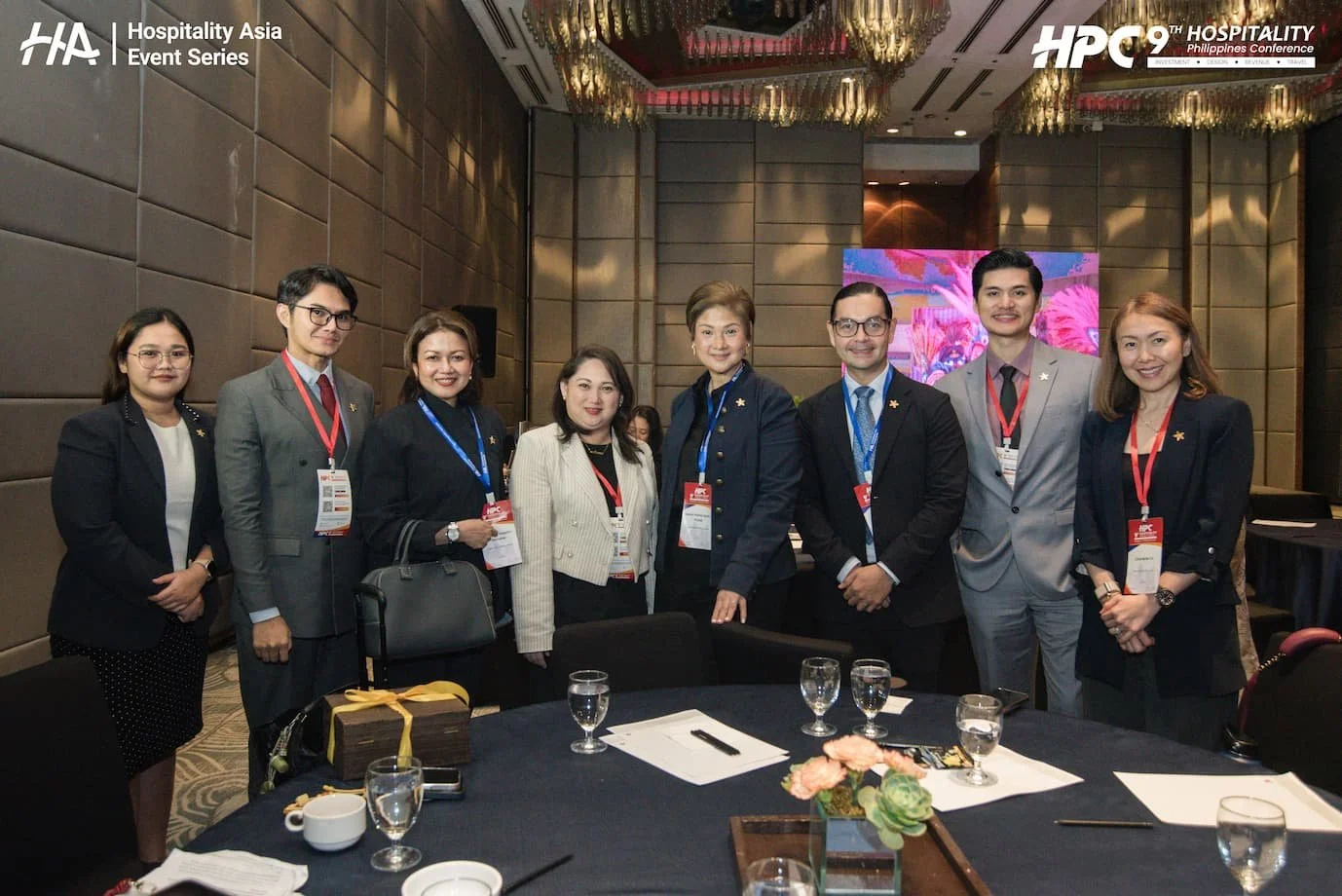
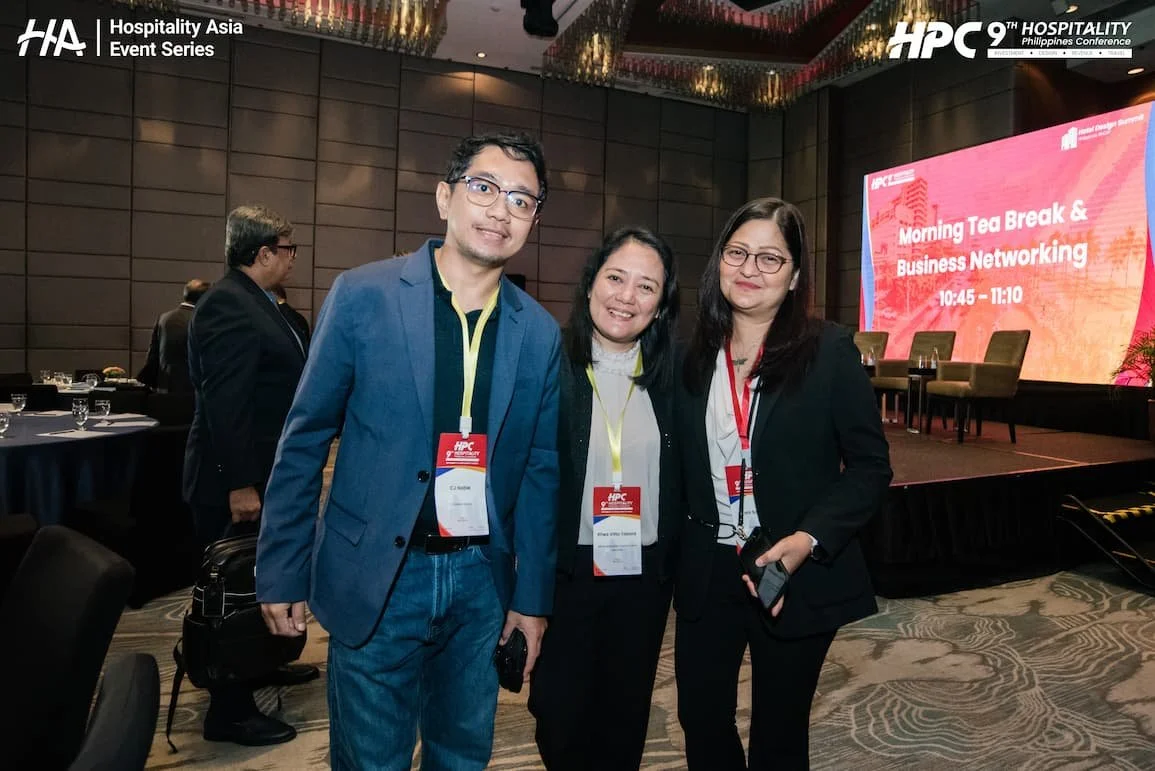
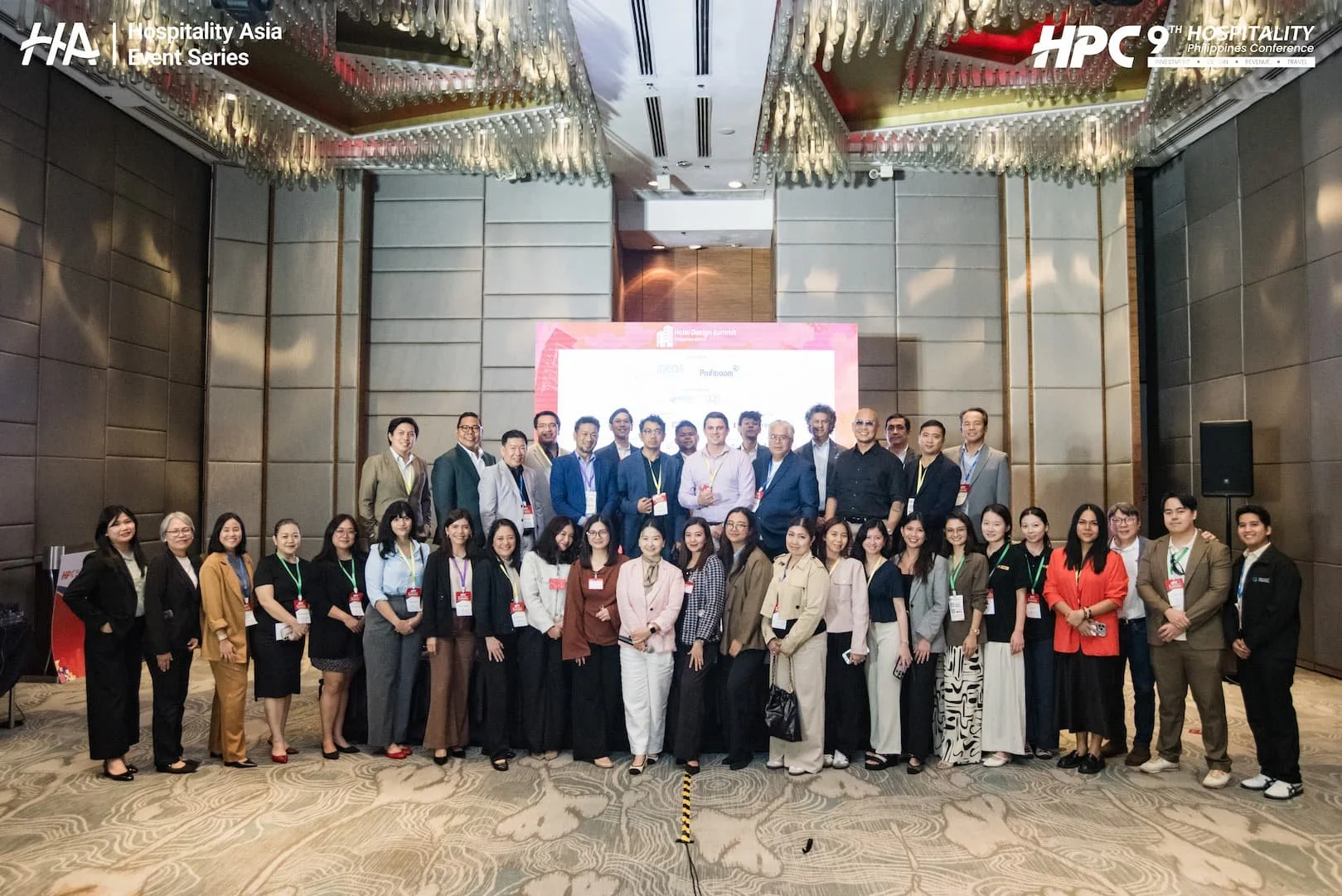
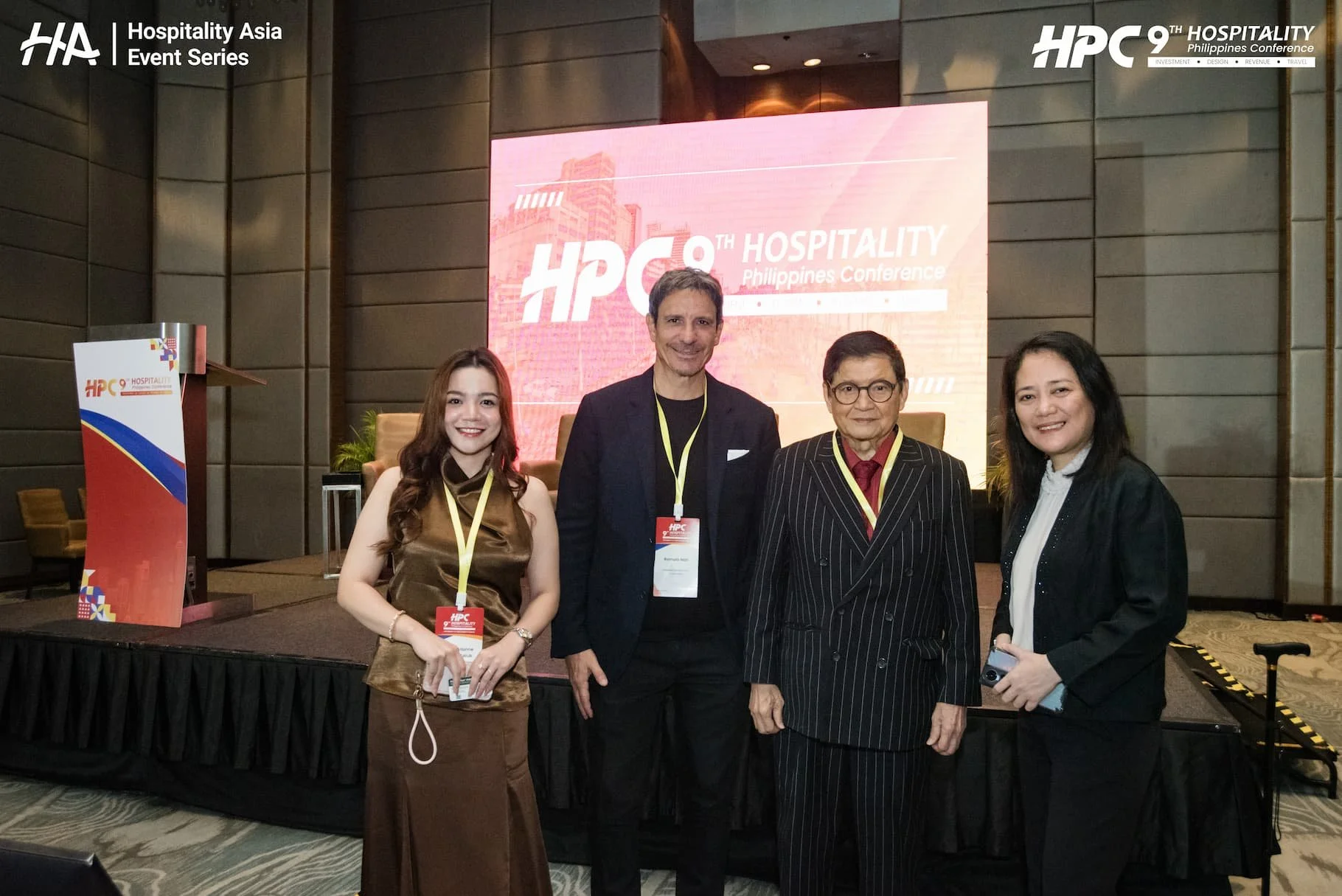
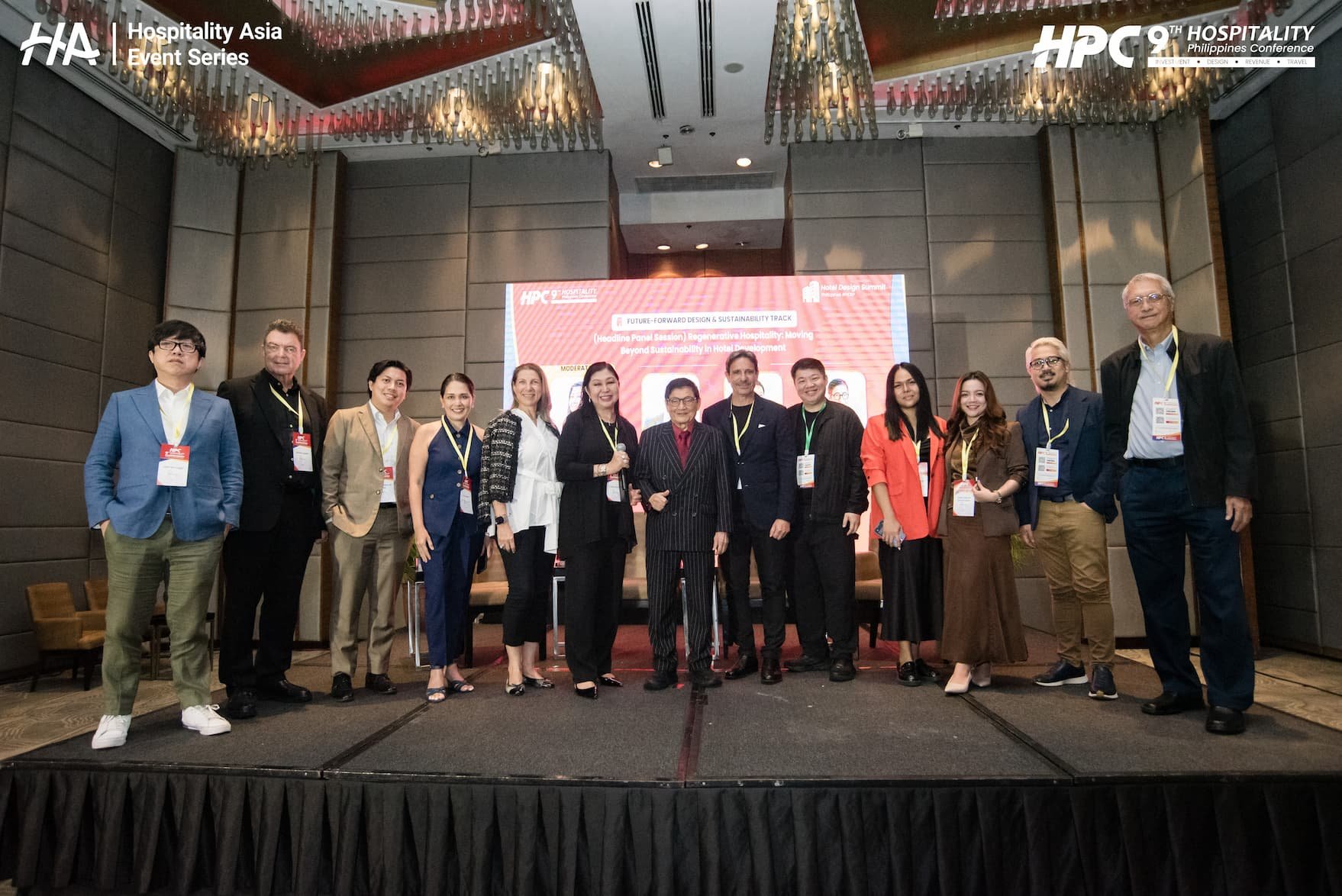
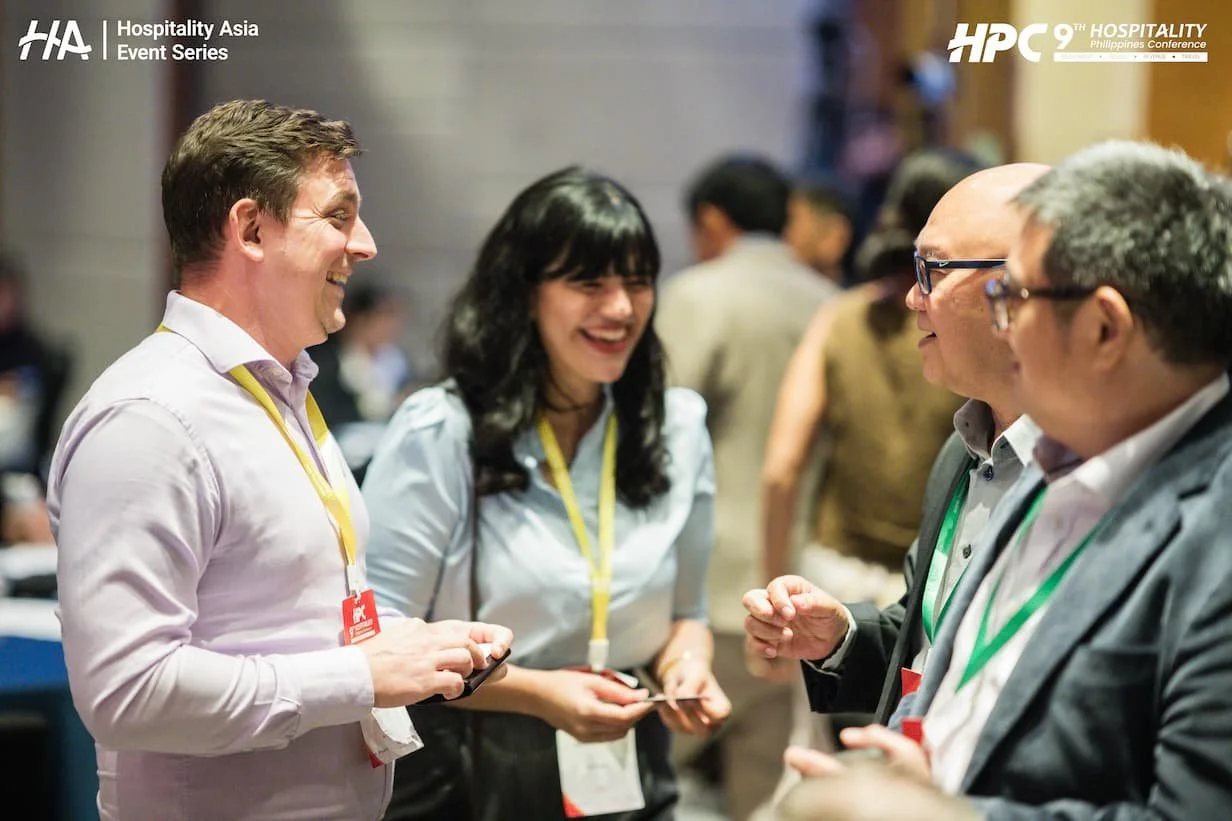
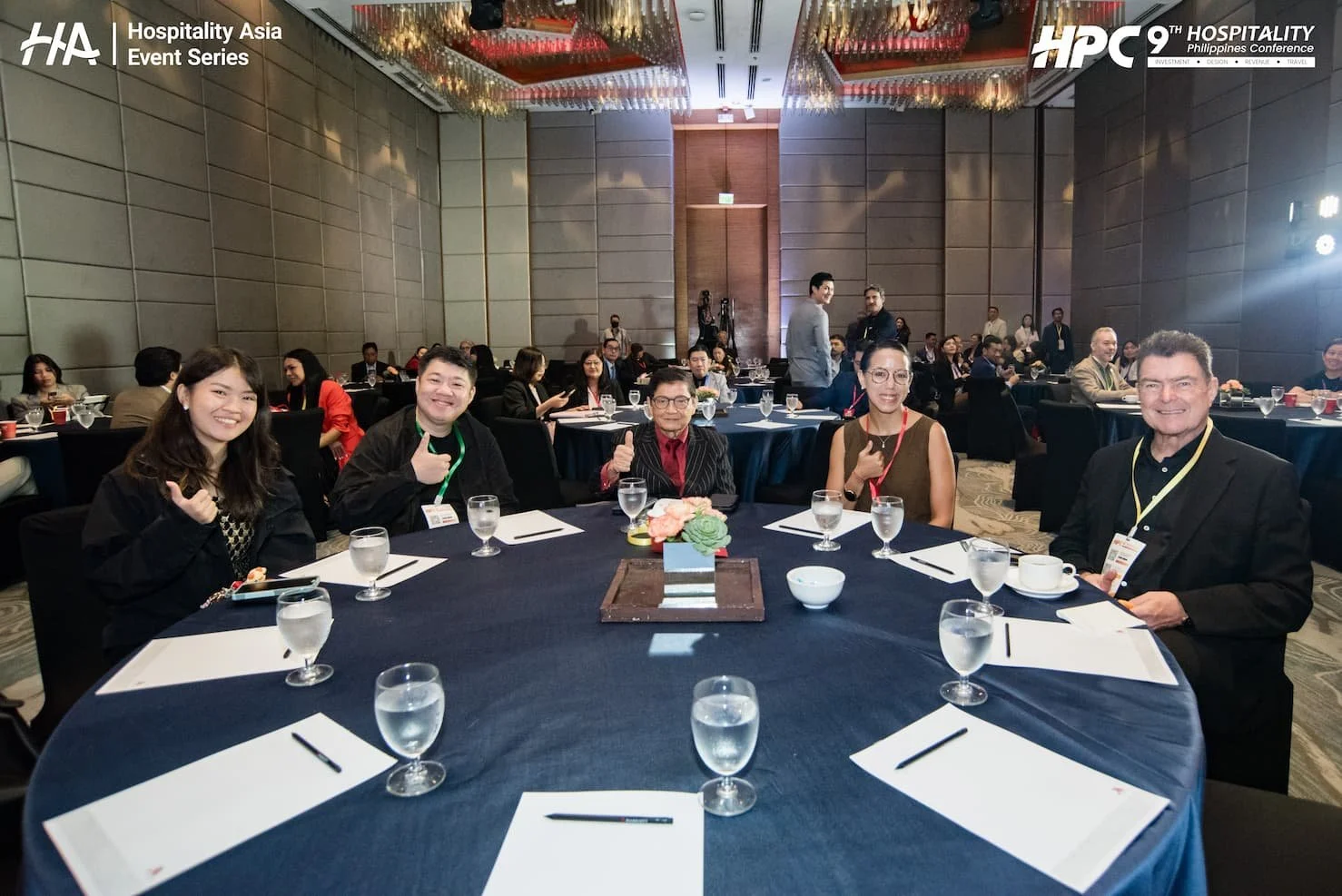
All photos by Lit Digital Hospitality Asia
Look out for Part 2 of our HPC2026 coverage, where we will feature the key takeaways from the Travel Byte Summit Philippines.
In the meantime, if you want to revisit the earlier editions of the Hospitality Philippines Conference, these two articles are worth reading:

![[Exclusive] Sustainable Tourism Impact Fund: How Patient Capital Unlocks Investments Conventional Financing Overlooks](https://images.squarespace-cdn.com/content/v1/63f6cdbdc249663d72082ecd/1786501208510-5198Q2DTS0U08ZD8FRMS/Local%2BAlike%2B-%2B57.png)