What Banyan Group's 100th Hotel Reveals About Scaling Sustainability

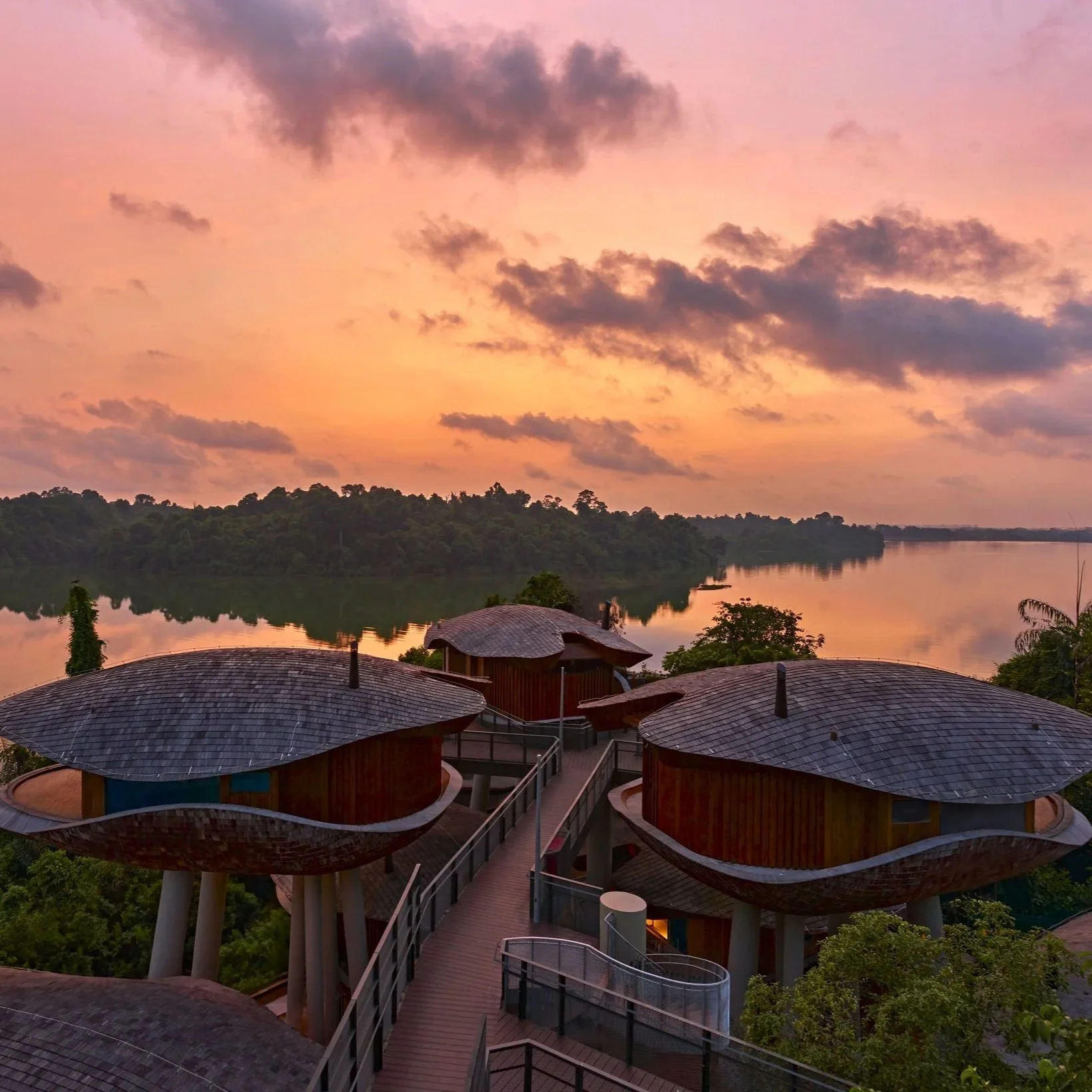
Photo by Mandai Rainforest Resort by Banyan Tree
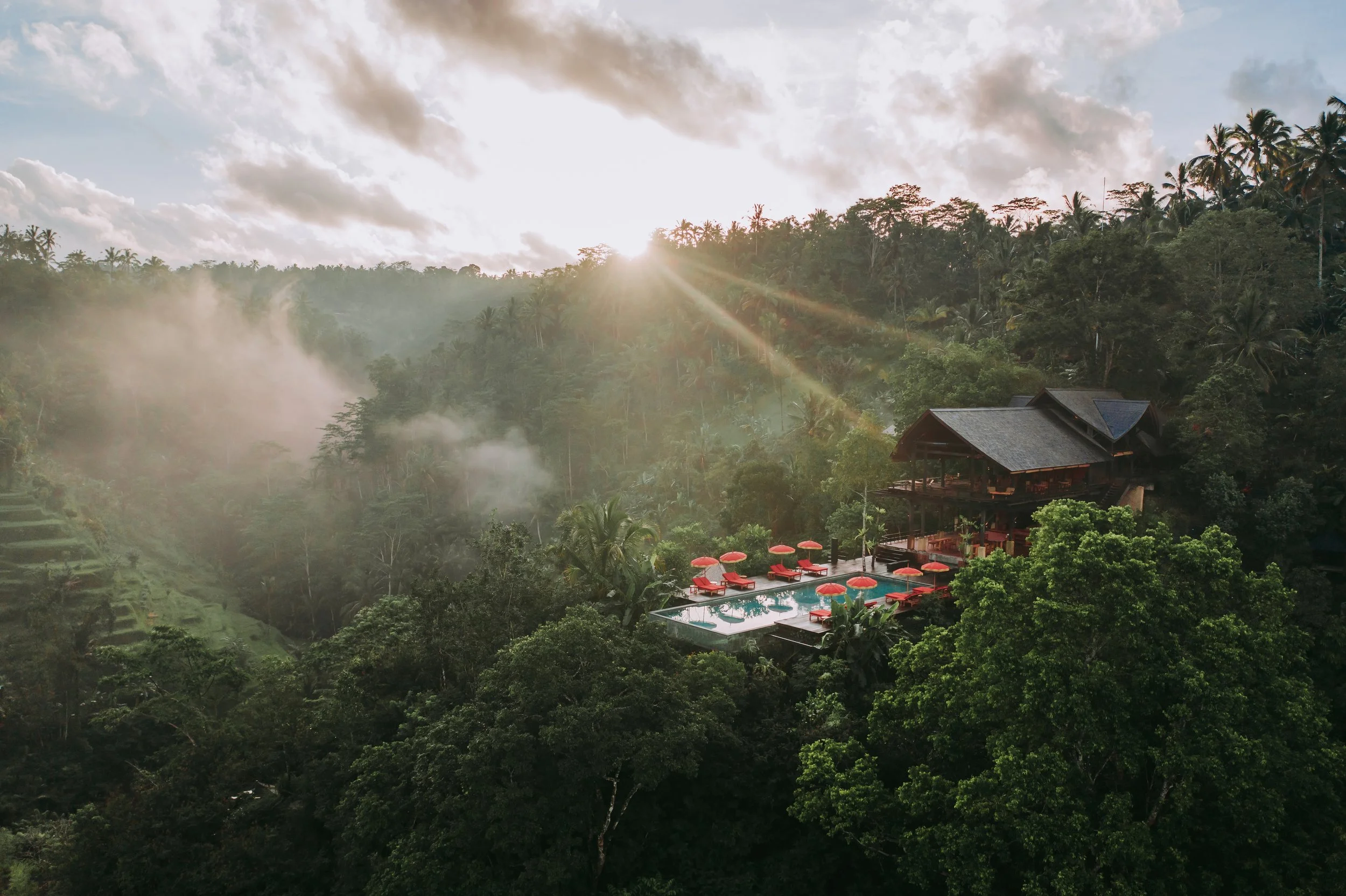
Mandai Rainforest Resort by Banyan Tree in Singapore has treehouses and reservoir views, and the polished surfaces expected of a luxury resort. But what caught my attention was a panel in its orientation room titled "In Memory of the Fallen Trees."
The resort’s builders used bark from the felled trees to make moulds for the resort's concrete walls. What looks, at first, like architectural texture is also a record of what construction removed. WOW Architects,the Singapore firm behind the project, has described the treatment as a “living memory of the forest.” The panel directs visitors to notice what a finished building can hide: even a carefully designed resort changes the place it occupies.
That acknowledgment is a fitting starting point for Banyan Group’s Singapore homecoming. Mandai Rainforest Resort is the group’s 100th hotel and its first in Singapore — a remarkable milestone for a company whose founding principle was shaped by rehabilitating former tin-mining land in Phuket, Thailand.
The resort embodies how that principle has traveled through time. Owned by Mandai Wildlife Group, it operates under the Banyan Tree brand. Its architecture, environmental commitments, conservation setting, and hospitality management are the byproduct of a partnership rather than the decisions of one company alone.
That arrangement mirrors Banyan Group’s asset-light growth model, in which the company operates across properties with different owners, capital priorities and management structures.
The question is not whether Banyan Group presents environmental stewardship as central to its brand ethos. It is whether the company can translate that ethos into enforceable, measurable systems when ownership, capital expenditure and operational authority are shared.


Photos by Mandai Rainforest Resort by Banyan Tree
A Brand Born From Environmental Restoration
Banyan Group’s Co-Founders Ho Kwon Ping and Claire Chiang did not initially set out to become hoteliers. Banyan Tree Phuket opened in 1994 on land at Bang Tao Bay scarred by decades of tin mining. Rehabilitating the site changed how the founders thought about their business. "In the process of having to rehabilitate it, we began to realize that how you design something has a tremendous impact on the environment," Ho Kwon Ping told Leaders magazine in 2013.
That history gave Banyan Group a founding idea: hospitality should respond to a place rather than simply occupy it. Over time, the group built that idea into initiatives including the Green Imperative Fund and the Rewilding Banyan Fund, through which US$1 is contributed from every direct booking to habitat restoration.

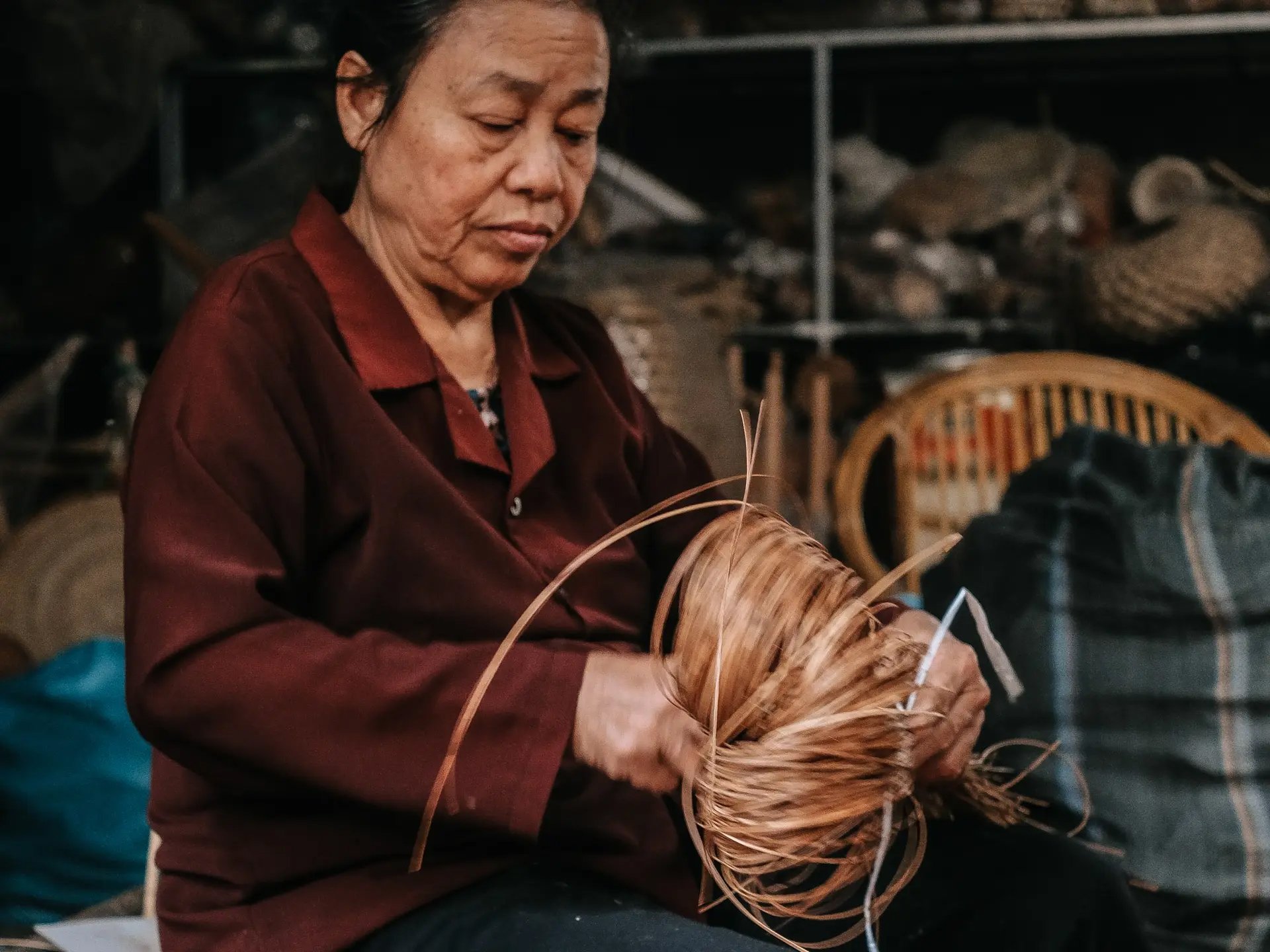


From Buahan, a Banyan Tree Escape - Greater Good Grants, Banyan Gallery - Crafts, Banyan Tree Anji’s SHE Ethnic Ribbon Weaving Tradition, Coral Reef Restoration Project In Sanya. Photos by Banyan Group
Growth Powered By Different Ownership and Management Arrangements
The Banyan Group’s 2025 annual report shows that 86 of the group's 100 hotels and resorts are properties in which it holds no equity interest. Residences generated S$197.6 million, approximately USD 154.48 million, in revenue, 41 percent of the group total and up from about 27 percent a year earlier. The figures underline the growing importance of Banyan Group’s asset-light model, which includes management agreements, brand licences and relationships with third-party developers.
A managed hotel, a franchised brand relationship, and a branded residence can give an operator different degrees of control over design, construction, capital expenditure, and daily operations. But all make the same underlying issue more urgent: the less a brand owns, the more it must rely on protocols, contracts, incentives, and verification.
A principle once exercised through direct development must now hold across different owners, investment priorities, and operating arrangements. Banyan Group says its 40 mandatory standards apply to both owned and managed properties.
Mandai Rainforest Resort offers a useful case study of how those standards operate at a property Banyan does not own.
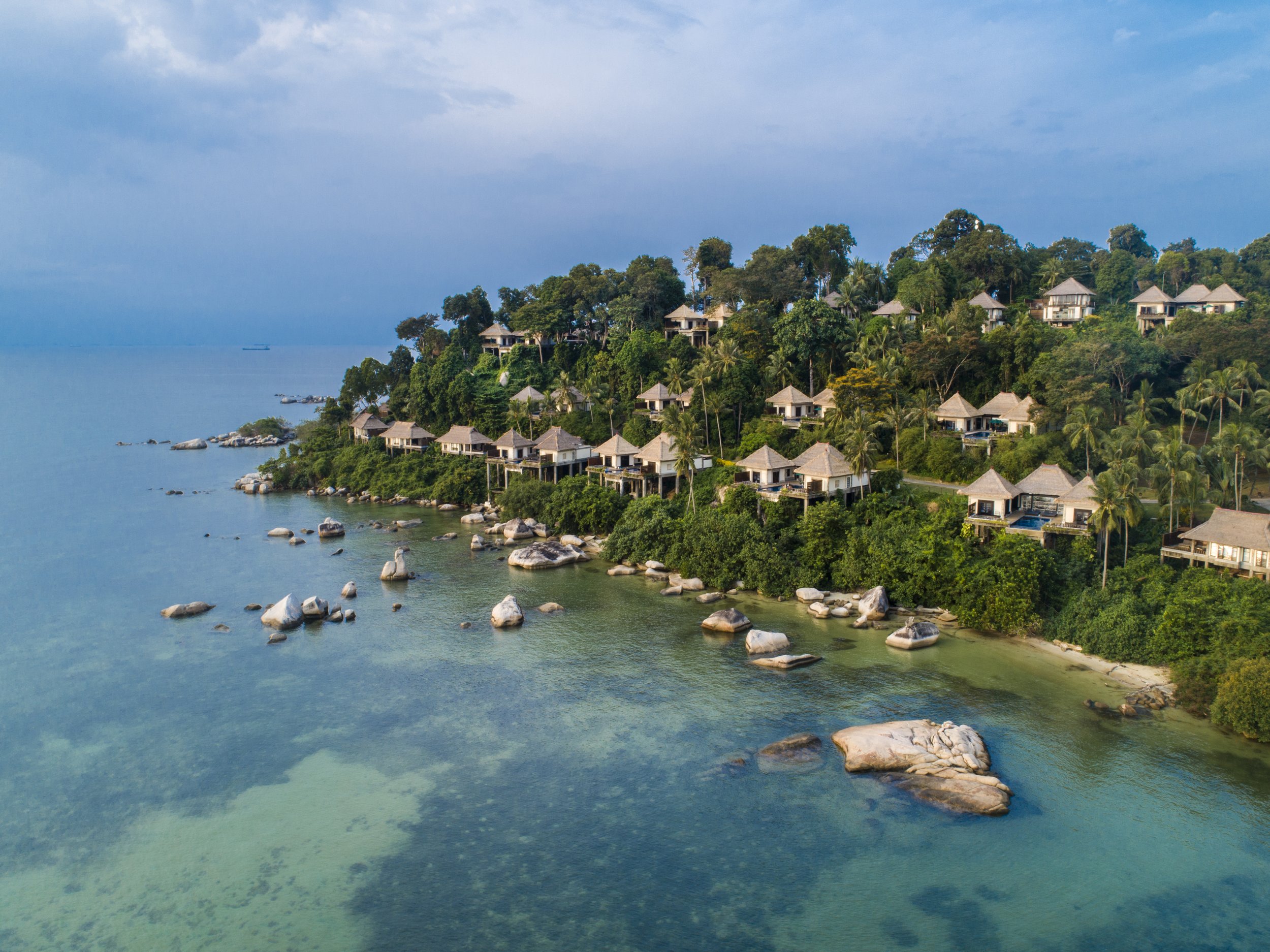
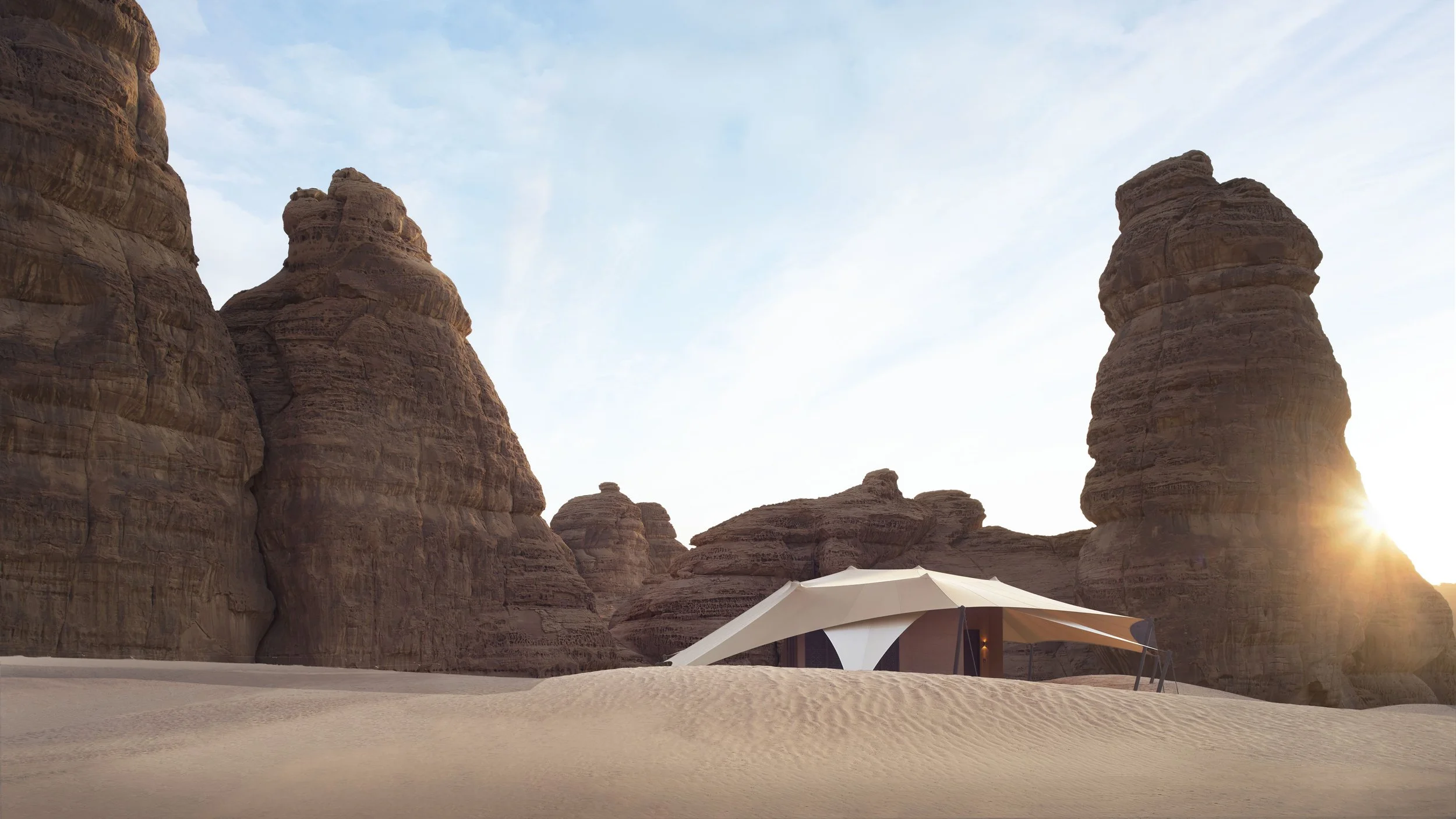
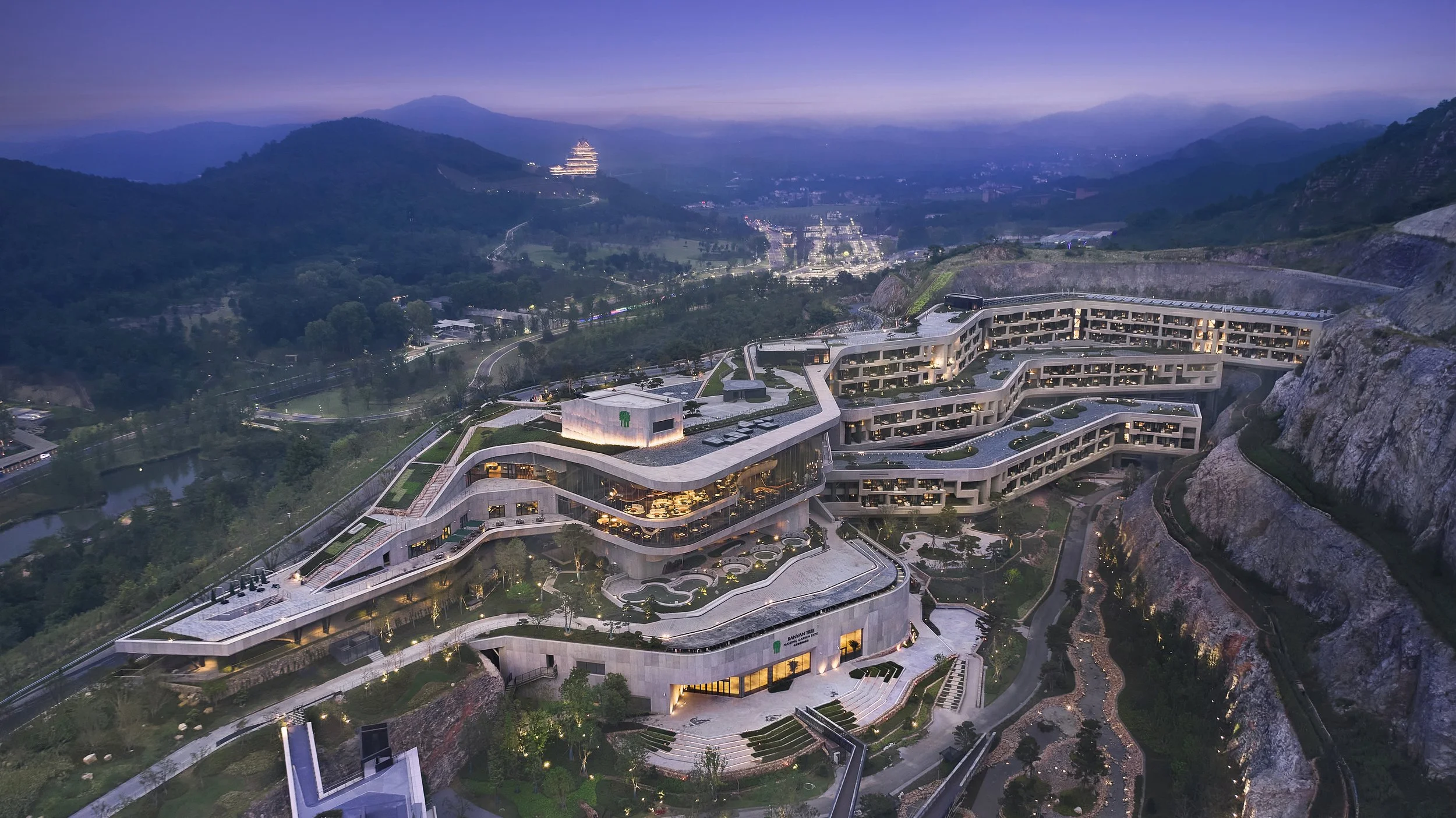
From left: Buahan, A Banyan Tree Escape, Banyan Tree Bintan, Banyan tree AlUla, Banyan Tree Nanjing Garden Expo Tree. Photos by Banyan Group
Designing With the Forest
Mandai Rainforest Resort’s physical features show what can happen when sustainability is embedded early in a project.
The 338-room property includes 24 elevated treehouses, and its main wings follow the site's topography and retained trees. Raised structures leave space for native wildlife to move underneath. The treehouses take their seed-pod form from the Purple Millettia, a local plant that does more here than decorate.
The resort's interpretive panels in the orientation room tell the same story from the inside, describing a design drawn from the layers of the rainforest, from emergent canopy to understory.
The 4.6-hectare resort sits on the site of Singapore Zoo's old back-of-house facilities, and the wider redevelopment lies outside the Central Catchment Nature Reserve, though close enough to sensitive habitat to demand substantial environmental planning.
Tree retention was part of the original brief. The 2019 plans committed to retaining more than half the site’s trees and adding new planting before construction began.
The resort also incorporates openable windows, naturally ventilated circulation spaces, 311 rooftop solar panels, and rainwater collection for irrigation and toilet flushing.
These are meaningful measures. They show that early decisions about landscape, water and energy systems can reduce impacts that are difficult and expensive to address once a hotel opens.


Photo by Mandai Rainforest Resort by Banyan Tree
Growing Through Values-Aligned Partnerships
For Banyan Group, Mandai illustrates a key asset-light growth strategy: working with owners whose environmental priorities align with the brand’s founding philosophy.
Mandai Wildlife Group’s conservation work gives the partnership a practical foundation. Its conservation arm, Mandai Nature, supported more than 40 conservation projects across Southeast Asia during the 2024–25 financial year, investing more than S$4.9 million (approximately USD 3.83 million) in biodiversity conservation.
Its impact report says those projects targeted more than 50 threatened species, protected nearly 458,000 hectares of critical landscapes and delivered economic benefits to more than 71,000 people.
Mandai Wildlife Group's five wildlife parks are home to some 21,000 animals representing nearly 1,000 species. 26% of the animal species in its care are threatened with extinction in the wild.
Banyan Group’s task is to translate that alignment into the guest experience and the resort’s daily operations. The property was designed and operates within an Environmental Management and Monitoring Plan, developed from the project’s Environmental Impact Assessment. The plan guides environmental mitigation across design, construction and operations, with provisions for review and adaptation over time.
The plan stipulates visible safeguards in both the site and the guest experience: a 15-metre setback from the reservoir intended to preserve habitat connectivity; tree-protection zones established during construction; low-lux, inward-facing lighting to reduce disturbance to nearby forest and water; and native planting intended to provide food and shelter for wildlife.
The resort’s operating measures include staff training and wildlife-response procedures, guest education on respectful behavior around flora and fauna, and evening swimming-pool closures intended to limit light and noise disturbance.


Mandai Wildlife Reserve. Photos by Mandai Wildlife Group
Internal Rulebook and Independent Assessment Keep a Brand's Claims Credible
Mandai Rainforest Resort shows that a sustainability claim needs two different forms of accountability: independent assessment of relevant aspects of the built environment and a management system that carries social and environmental commitments into daily operations.
The property is the only resort in Singapore to have received the BCA Green Mark Platinum Super Low Energy award for a new non-residential building. It also won the BCA Project of the Year Award 2025 in the Commercial Buildings category. Singapore’s Building and Construction Authority sets and assesses the Green Mark standard, reviewing evidence submitted by applicants and conducting site verification where required.
While these certifications assess aspects of the built environment’s performance, the Banyan Group’s Brand for Good framework sets 40 mandatory standards for environmental stewardship, community engagement and responsible operations across owned and managed properties alike.
General manager Michel Scheffers said Mandai Rainforest Resort submits its operating sustainability data to Banyan Group’s headquarters for consolidation into the annual report.
In 2025, the hotel portfolio achieved 85 percent compliance with the standards, against an annual target of 90 percent. The disclosure is more useful because it acknowledges that implementation is incomplete. But it also leaves important questions unanswered: which standards were missed, at which properties, what remediation is required, and whether repeated non-compliance has consequences.
Banyan Group has also begun to deepen its governance processes. Its 20th annual sustainability report included the company’s first double materiality assessment, examining both the impacts its operations have on people and nature and the financial risks and opportunities created by environmental, social, and governance issues.
These processes are less visible than with treehouses or rooftop solar panels. Yet they are what determine whether sustainability becomes a reliable management discipline rather than a collection of flagship stories.
Turning Founding Values Into Operating Practice
Claire Chiang, Banyan Group's Co-Founder and chairperson of its foundation, has stated the philosophy: "We don't need to be an owner, but we all have to be the stewards of the land that we are living in."
Banyan’s sustainability approach also extends beyond internal standards and compliance processes. At Mandai Rainforest Resort, general manager Michel Scheffers said guest donations collected from overnight stays are matched dollar for dollar for the Green Imperative Fund, which supports environmental action and community-based projects in destinations where Banyan operates. The fund supports initiatives including the Seedlings program and Greater Good Grants.
These initiatives help connect the brand’s commercial activity to local environmental and social investment. But they are not a substitute for the harder work of implementation, which includes ensuring that owners fund needed improvements, that older properties can meet evolving standards, and that sustainability expectations survive compressed development schedules and uneven infrastructure.
Banyan Group’s next phase will not be defined only by whether it can introduce another high-profile sustainable resort to the market. It will also depend on whether it can make its less visible systems – owner agreements, operating standards, and transparent reporting – as rigorous as the design brief at Mandai Rainforest Resort.
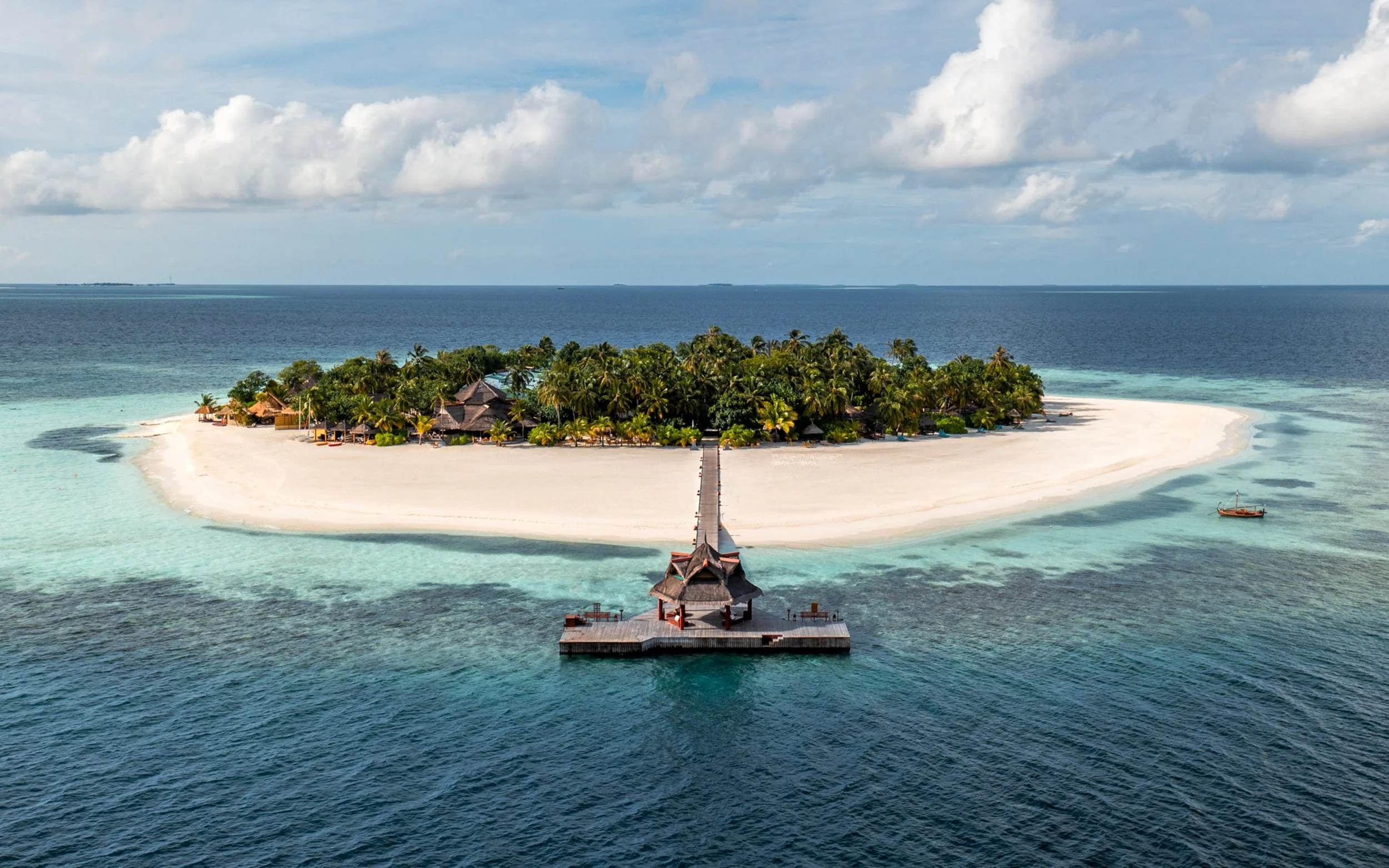
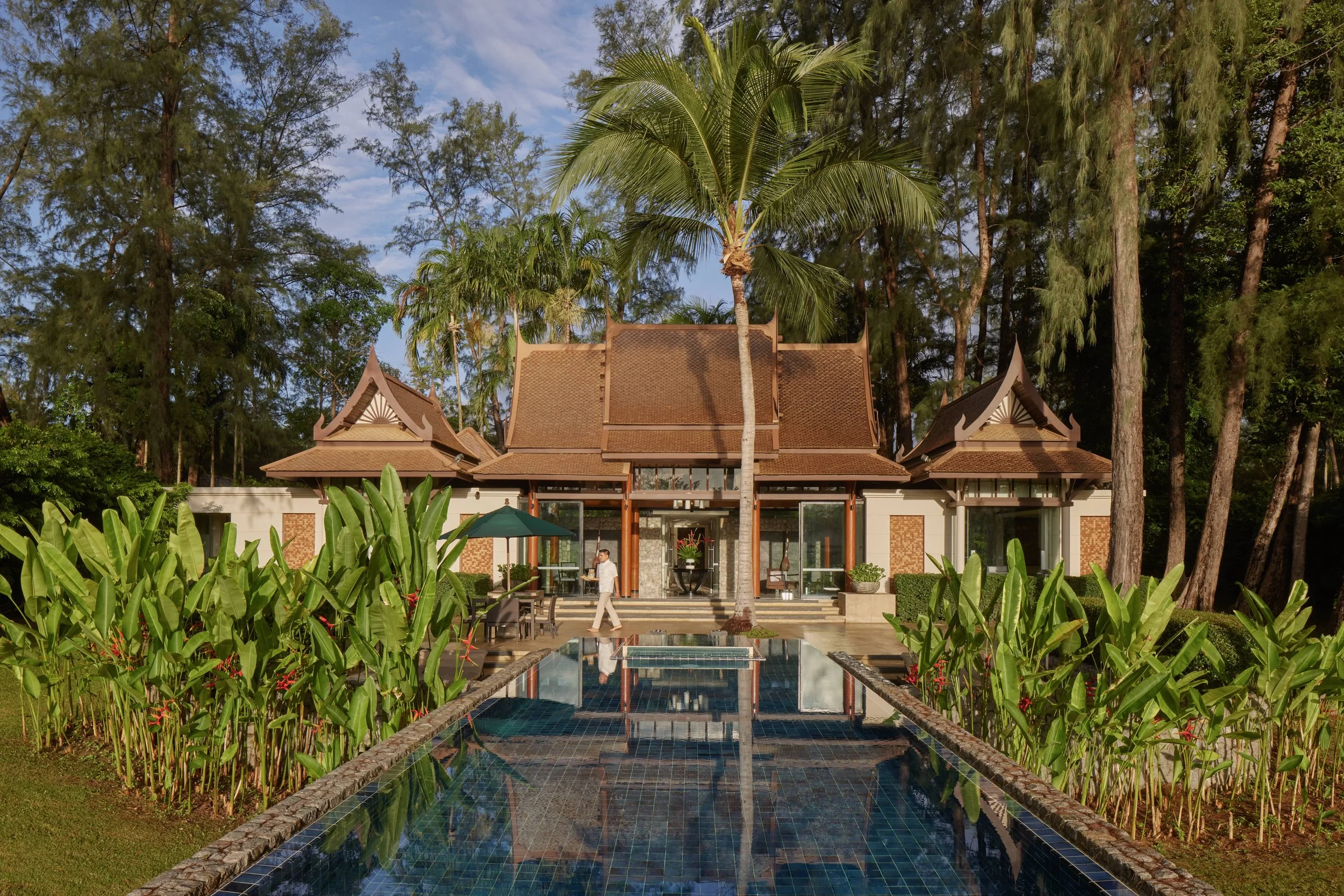
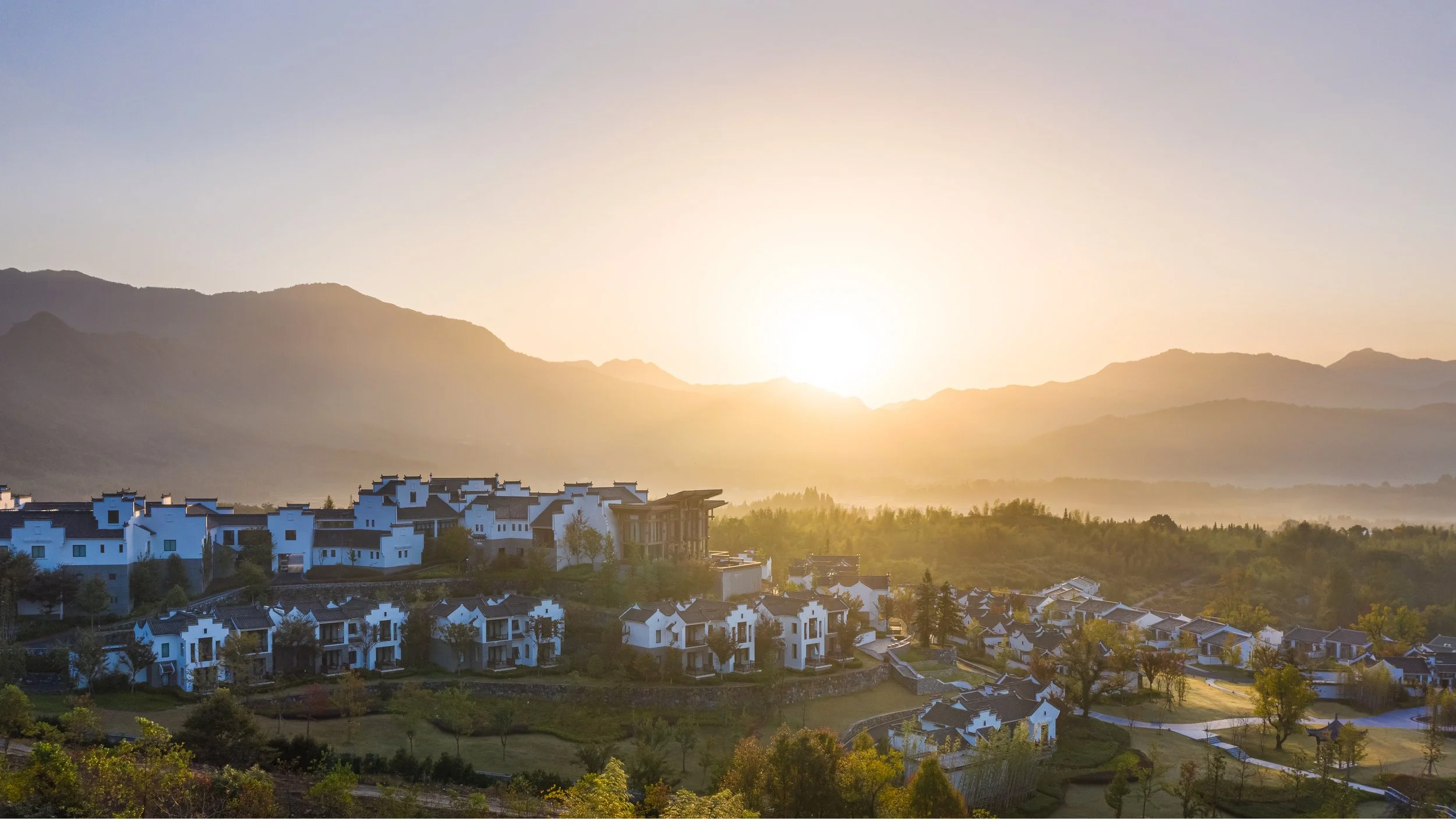
From left: Banyan Tree Vabbinfaru, Banyan Tree Phuket, Banyan Tree Huangshan. Photos by Banyan Group
The Lessons Beyond Mandai Rainforest Resort
Mandai Rainforest Resort offers a credible example of sustainability being integrated into a hotel’s design and operations. Its strengths include site-responsive architecture, a design brief that prioritized tree retention, resource-saving systems, a demanding building credential and operational measures that account for wildlife.
Mandai Rainforest Resort underscores that the built environment is necessary but insufficient: scaling sustainability depends on a company’s having robust governance.
The most transferable elements are not the treehouses or the bark-textured concrete walls. They are the mechanisms behind them:
Set the environmental brief early. Building orientation, retained vegetation, passive cooling and water systems are harder and more expensive to introduce after a hotel opens.
Make sustainability contractual and operational. Standards, training, data systems and incentives are especially important when the operator does not own the building.
Separate resource efficiency from total impact. Lower emissions and resource use matter, but biodiversity and land-use management also determine whether business growth aligns with climate and nature goals in the destinations it operates.
Embed values into operating systems. Banyan Group's journey from rehabilitating mined land to operating a wildlife-sensitive resort owned by another organization shows that stewardship must adapt to different places and ownership structures.
Publish property-level evidence. Guests, partners, and investors should be able to see what a flagship hotel uses, protects, funds and measures, not only company-wide reports.
Banyan Group’s achievement of reaching 100 hotels may not be proof that it has solved scaling sustainability. As Ho Kwon Ping put it around Mandai Rainforest Resort's opening, reaching property 100 felt "more like beating our chest, to say: 'Phew, we survived to 100.' Not, 'How great we are, at 100.'"
The milestone points to what scaling responsible hospitality requires: enforceable governance, collaborative owner relationships, and a willingness to share lessons and results. A founding philosophy can set the direction, but systems and evidence are what make it credible.