
Can Shinta Mani's Funding Model Withstand Cambodia's Tourism Downturn?
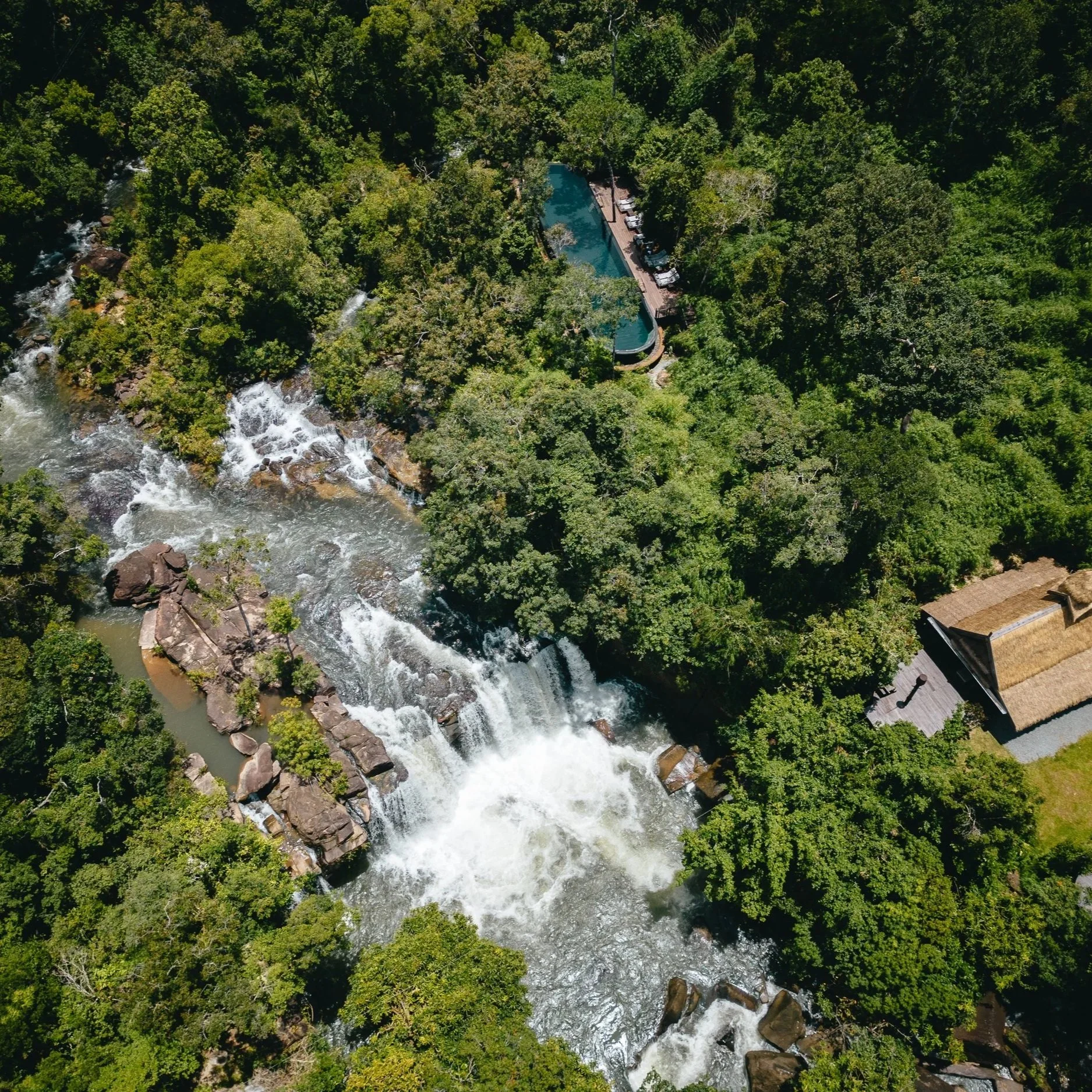
For more than two decades, Shinta Mani has been one of Asia's most compelling examples of hospitality as a force for social and environmental change: a business model in which hotel revenue helps fund education, healthcare, interest-free microfinance, practical support for rural communities, and environmental conservation.
Since 2004, the Foundation reports having delivered 360 hospitality graduates, over 2,000 water wells, over 20,000 water filters, over 4,600 bicycles, 270 interest-free micro-loans, and free dental care for nearly 24,000 Cambodian children.
Yet as Cambodia faces its sharpest tourism downturn since the pandemic, Shinta Mani confronts its toughest test: can a deeply committed, purpose-led hospitality brand remain commercially resilient — and keep delivering its social and environmental projects — when the guests who help fund it no longer arrive in the numbers they once did?
Custodians of the Cardamom Mountains: How a Tented Camp Helps Keep a Forest Standing
When the rangers assigned to Botum Sakor National Park, sitting in the foothills of the Cardamom Mountains in southern Cambodia, patrolled its lowland forests in 2013, they confiscated more than 3,000 snares, dozens of chainsaws, and dozens of homemade guns in a single year. The numbers are an outcome of a lack of robust policy enforcement, reflecting a national park stripped of meaning and protection, and a local population with few alternatives to the forest's extraction.
Botum Sakor National Park was, on paper, a protected area. In practice, the ecosystem and land had been hollowed out. According to the camp manager Allan Michaud, as much as 77% of the park had been sold off to various concession interests, leaving its biodiversity — home to sun bears, Sunda pangolins, Siamese crocodiles, and clouded leopards — with little institutional shield between itself and destruction.
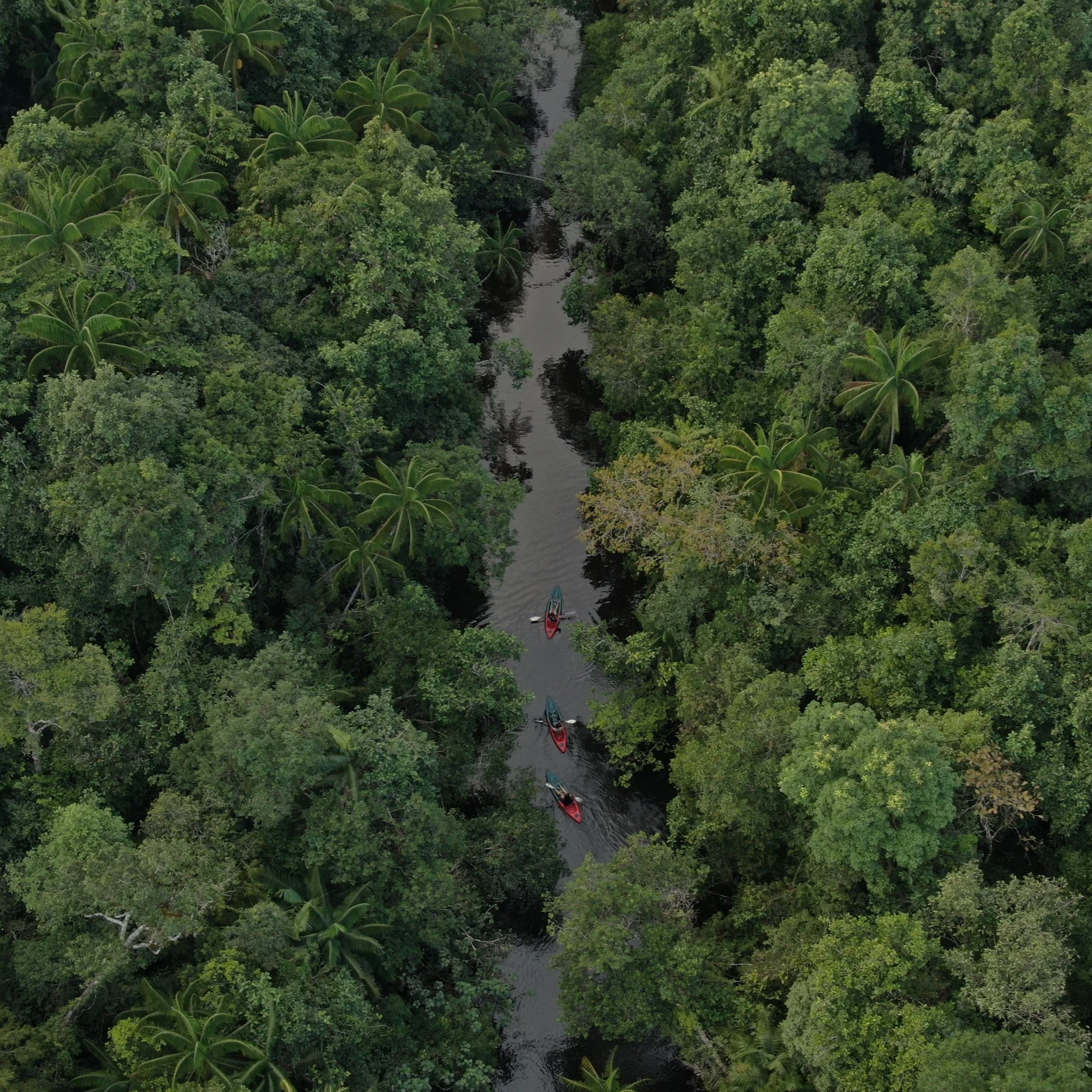
The question of what could actually reverse that trajectory led, eventually, to an unlikely answer: a pier on a river with no road attached, and 9 tents that would grow to 12 in 2024.
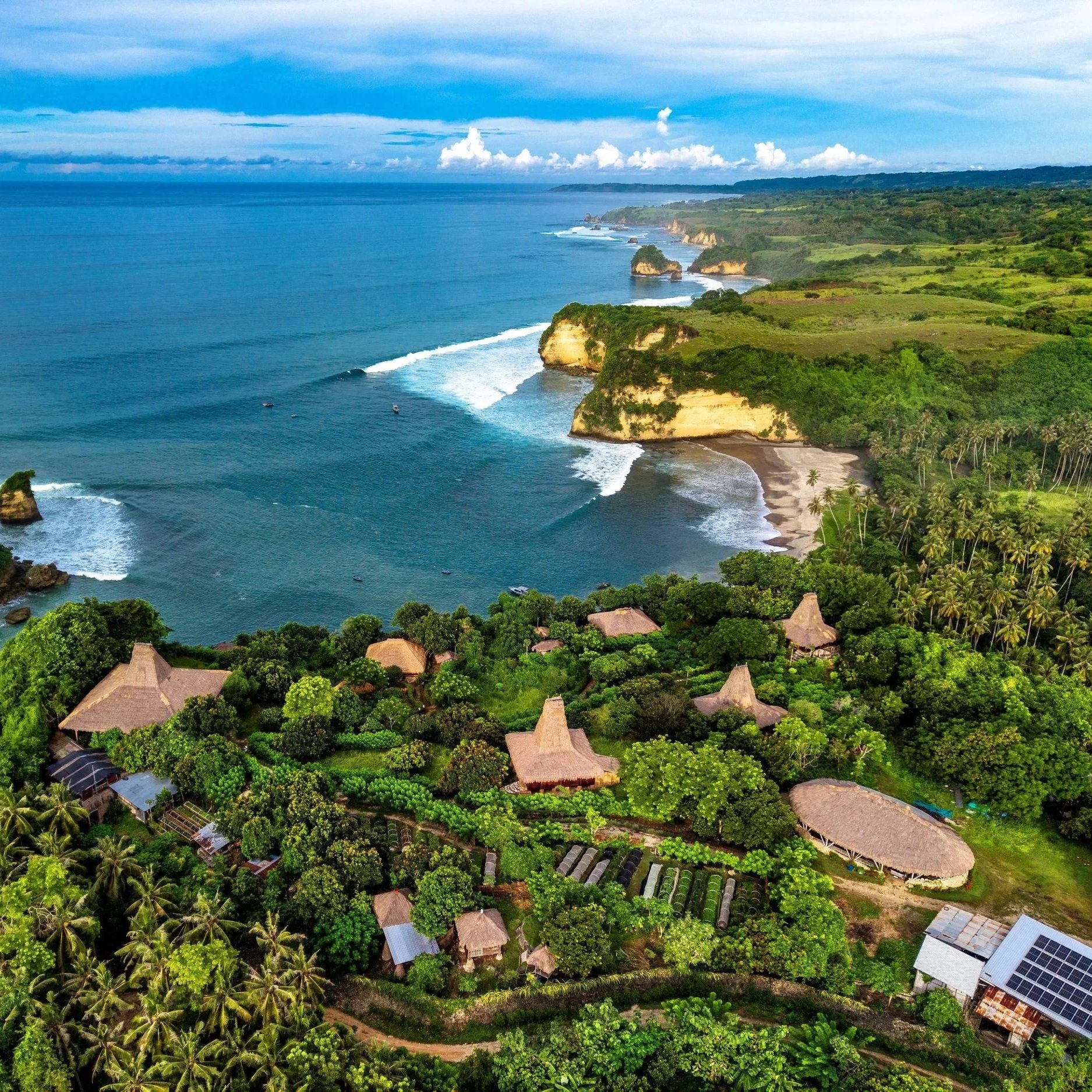
Can These Two Regenerative Hospitality Models Fix The Industry? Lessons from Zero Foodprint Asia and Ngalung Kalla
In Asian hospitality, sustainability and regeneration may often be discussed as though they must fit into a single model.
But the realities of the region tell a different story. A city hotel in Hong Kong, a regenerative retreat in Sumba, and a mountain resort in Nepal are not solving the same problems in the same way. What they share is a common challenge: how to move beyond “less harm” and toward something more enduring, more embedded, and more regenerative.
For this story, Asia Sustainable Travel spoke directly with Peggy Chan and Christian Sea, two hospitality changemakers working at opposite ends of the spectrum yet pushing toward the same goal. Their insights reveal why the future of sustainable hospitality in Asia will not be built through a single formula, but through multiple, complementary models.

Sustainable Tourism at the Edge: What These Two Remote Luxury Resorts Get Right
Across Asia, tourism growth is entering a more selective and consequential phase. As overtourism pressures intensify in established hubs, attention is shifting toward peripheral regions — places with cultural and environmental heritage, yet previously excluded from mainstream circuits.
In these contexts, the question is no longer whether tourism should arrive, but how it arrives, at what pace, and under whose terms. This notion of overtourism versus under-tourism was discussed at length in a recent AST Webinar.
Two pioneering resorts — Cap Karoso in Indonesia and Zannier Bãi San Hô in Vietnam — show how thoughtful design, local partnerships, and light footprints can redefine what progress looks like.
Together, they suggest that the next phase of Asian hospitality could be smaller in scale but far bigger in consequence.
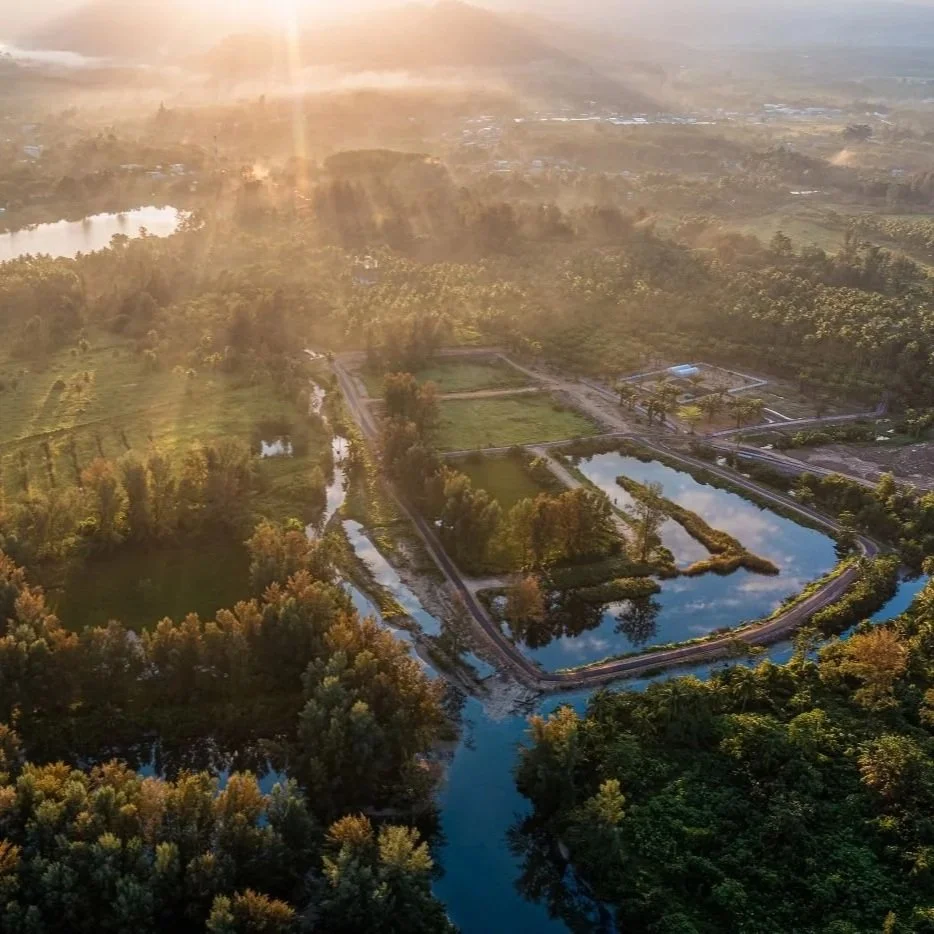
How Hotels Turn Sustainable Food Sourcing into A Brand Advantage
Global Hotels in Asia Put Responsible Food Sourcing on the Menu
JW Marriott Khao Lak Resort’s response to addressing food-related emissions and also providing healthy food has been to rebuild its food system from the ground up.
In April 2024, the resort launched the 27-acre JW Garden, perhaps one of the largest resort farms in Asia Pacific. The project was born from a simple question: What if a resort could grow food to cut imports, slash waste, and enrich its ecosystem, and at the same time create a richer experience for its guests?

How These Hotels Turn Urban Sustainability Challenges Into Scalable Impact
From Bangkok to Singapore, designing and operating a sustainable hotel in a city means contending with limited footprints, ever-shifting policies, and relentless pressure on space and resources. Achieving meaningful impact in these compact city centers requires more than good intentions. It demands innovation, discipline, and long-term thinking.
And yet, it is precisely in these high-pressure environments that innovation flourishes.
As population centers and global travel gateways, cities offer hospitality brands not only their toughest test but their clearest opportunity to lead.
In this article, we spotlight three hotels, Pan Pacific Singapore, Grand Hyatt Singapore, and Kimpton Maa-Lai Bangkok that have risen to the challenge. Rather than seeing constraints as deal-breakers, they’ve turned them into design prompts and operational innovations.
Their stories offer valuable lessons in how to embed sustainability into the urban guest experience, not as an add-on, but as a defining feature.

Rewriting the Script: How Vietnam’s Homegrown Hospitality Brands Are Reclaiming Luxury
Type “Vietnamese luxury hospitality” into Google or ChatGPT, and the top results still lean toward international names.
These global names have helped propel Vietnam into one of the most popular travel destinations in the world. Naturally, they also dominate the narrative and expectation of what luxury hospitality should look and feel like in Vietnam.
A quiet shift, however, is underway.
Across the country, a new class of Vietnamese-owned hospitality brands is emerging, not just as operators of world-class resorts, but as cultural authors reclaiming their own space in the narrative. From the reforested valleys of Mai Chau to the artisan islets of Hoi An, properties like Avana Retreat, Namia River Retreat, The Anam, and Ancient Hue are reframing luxury on their own terms: rooted in people, attuned to place, and driven by purpose.

What Makes These Two Businesses Vietnam’s Best-Kept Sustainable Travel Stories?
Only a handful of operators stand out for placing sustainability at the heart of their business. Even fewer succeed in doing so while achieving commercial viability, proving that travel businesses can thrive while centering the triple bottom line of people, planet, and profit.
To uncover what sets these trailblazers apart, AST hit the road with Chôm Chôm Travel and Oxalis, two of Vietnam’s leading adventure travel companies. What we found were not just tours, but transformative journeys that are rooted in community upliftment, ecological awareness, and a deep respect for place.

Become an AST member to unlock playbooks & connections to future proof your business. Join today.
Work with us
Ready to take your business to the next level — with purpose?
Take a look at our Media Kit.
From B2B content development, such as impact reports and newsletters, to speaking engagements and business match-matching, we offer a full suite of services designed to grow your business and drive enduring impact.
And we don’t stop there. 5% of all revenue goes directly to traceable social and environmental initiatives across Asia.