[Exclusive] Sustainable Tourism Impact Fund: How Patient Capital Unlocks Investments Conventional Financing Overlooks
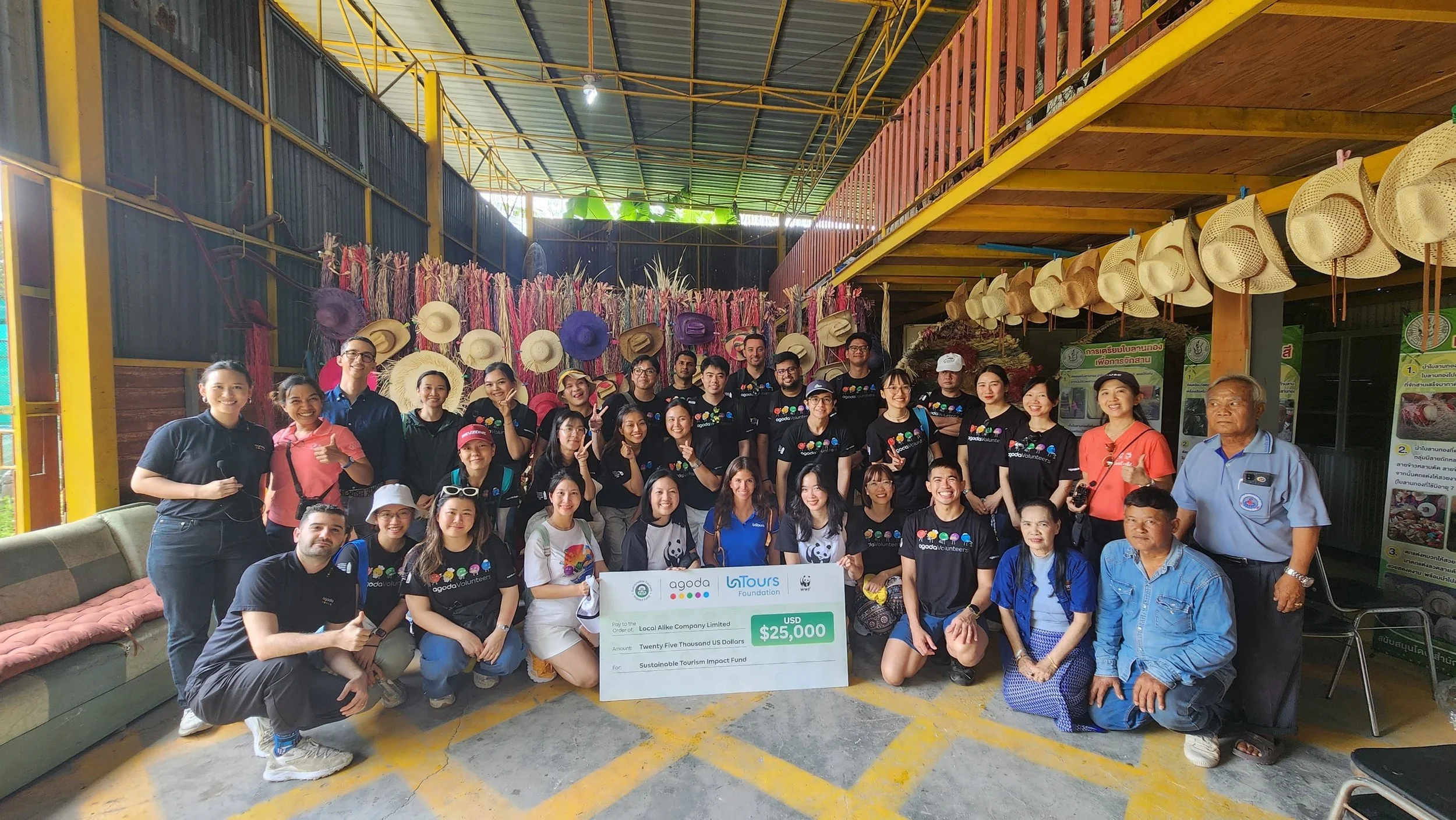
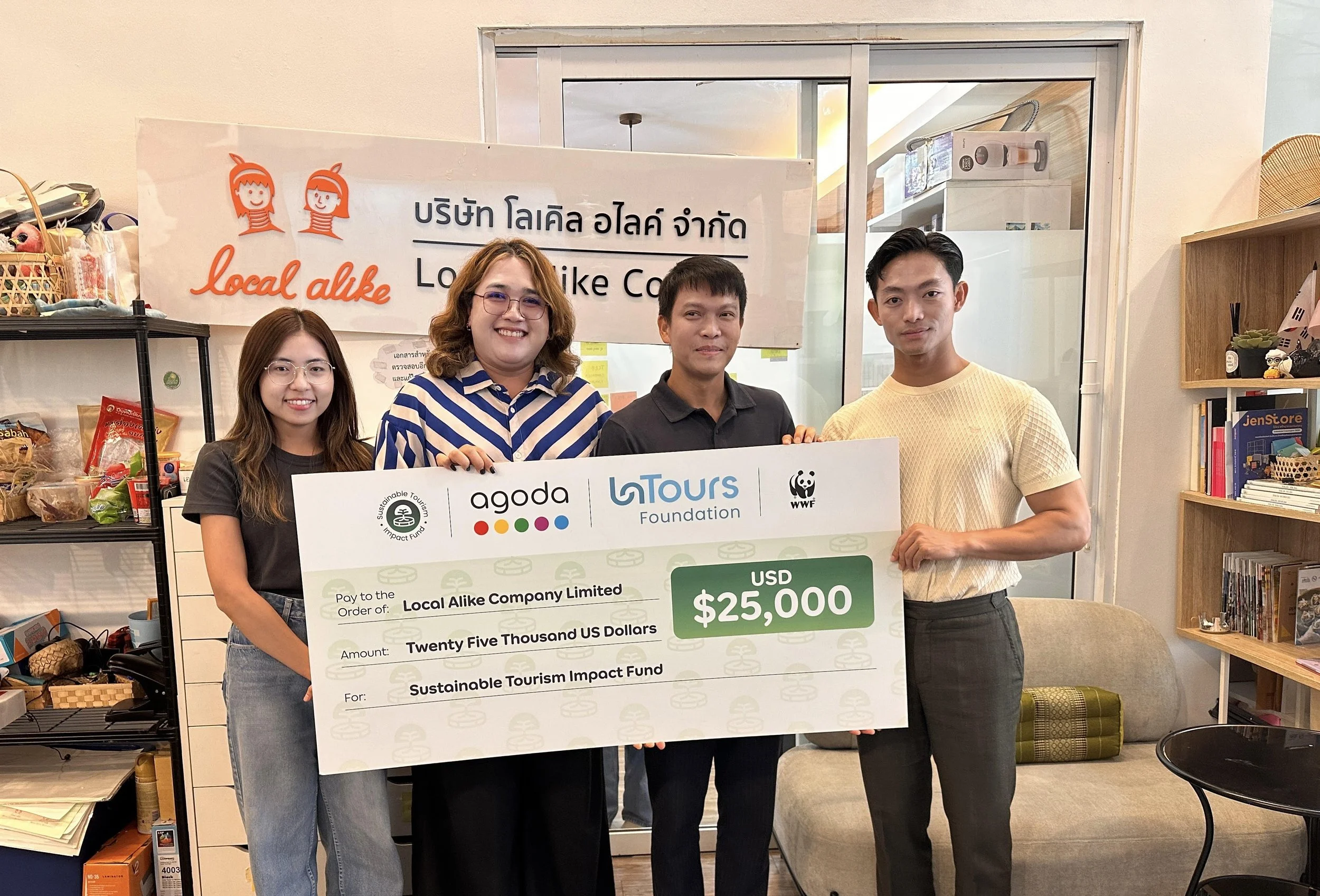
The Sustainable Tourism Impact Fund team presenting a loan of USD 25,000 to the Local Alike team in Thailand
“Jobs created is a headline number,” says Alessandra Atienza, Co-Founder of Eco Hotels in the Philippines. “Job quality is the real measure of social impact.”
She pointed out tourism’s fondness for big employment figures. In doing so, she also inadvertently highlighted a financing argument. Eco Hotels put a USD 25,000 loan from the Sustainable Tourism Impact Fund (STIF) into irrigation, cold-chain logistics, a chicken coop, and a charcoal kiln that turns farm waste into saleable briquettes. The investments have reduced dependence on external food suppliers, strengthened local operations, and created 25 full-time jobs paid roughly 18 percent above the regional agricultural minimum wage.
They are also the kind of pre-revenue infrastructure conventional lenders often avoid: “there are no receivables to collateralize,” Atienza says.
That is the critical financing gap STIF is designed to help bridge.
Every USD 1 from Agoda's Eco Deals program contributes to the World Wide Fund for Nature (WWF) Singapore’s conservation efforts. A portion of that funding is channeled to the Sustainable Tourism Impact Fund (STIF) and disbursed by the UnTours Foundation as enterprise loans to eligible tourism and hospitality businesses in Southeast Asia.
In under two years, STIF has backed five businesses that served 13,867 travelers, supported 221 jobs, and helped plant more than 220,000 corals.
The early figures suggest that a modest, well-designed financing model can support visible activity in a short time.
Drawing from on-the-record interviews with every partner in the model, this reporting by AST asks whether the five-business pilot can become a credible financing pathway for tourism's underserved micro-, small-, and medium-sized enterprises (MSMEs).
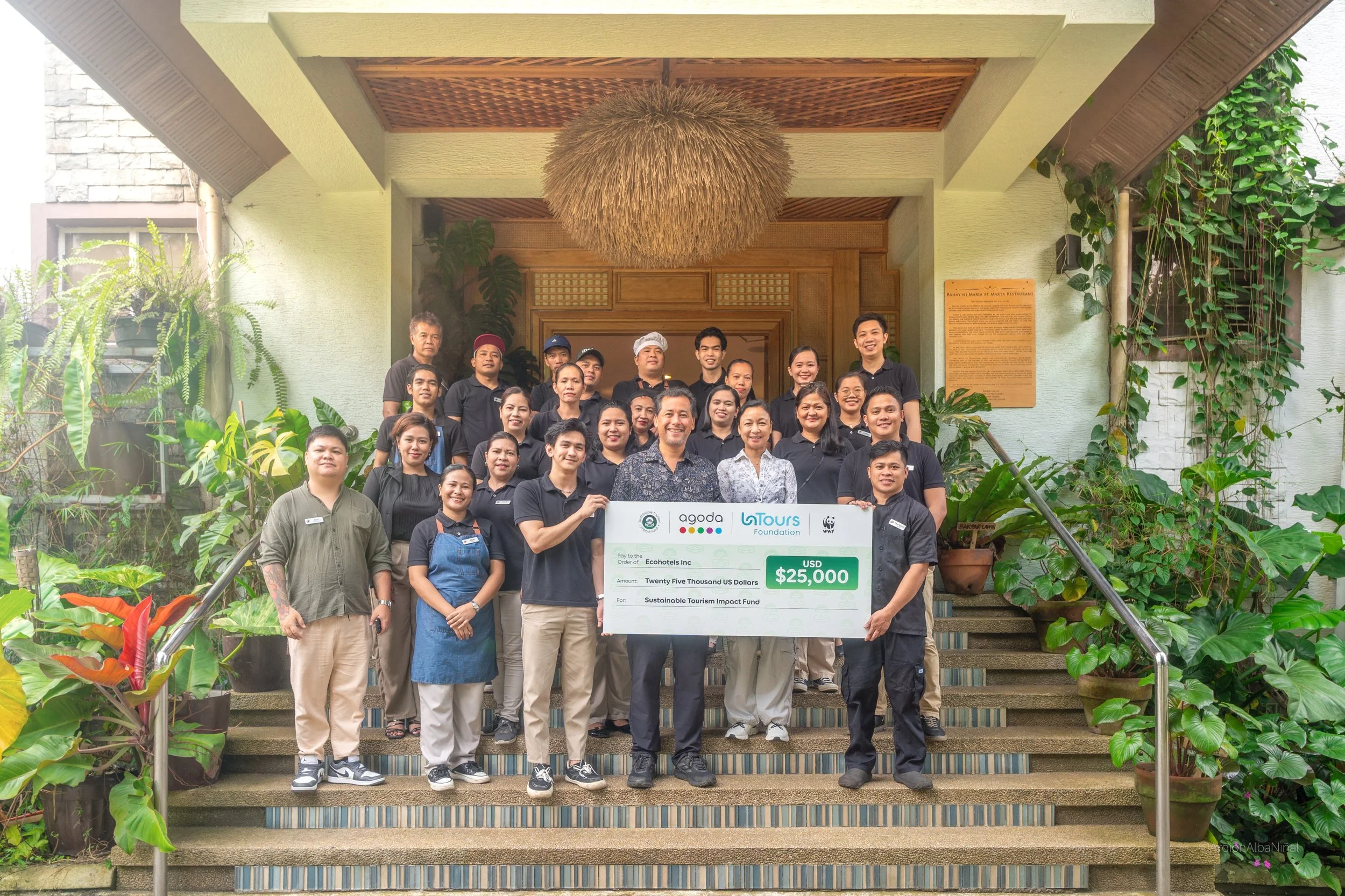
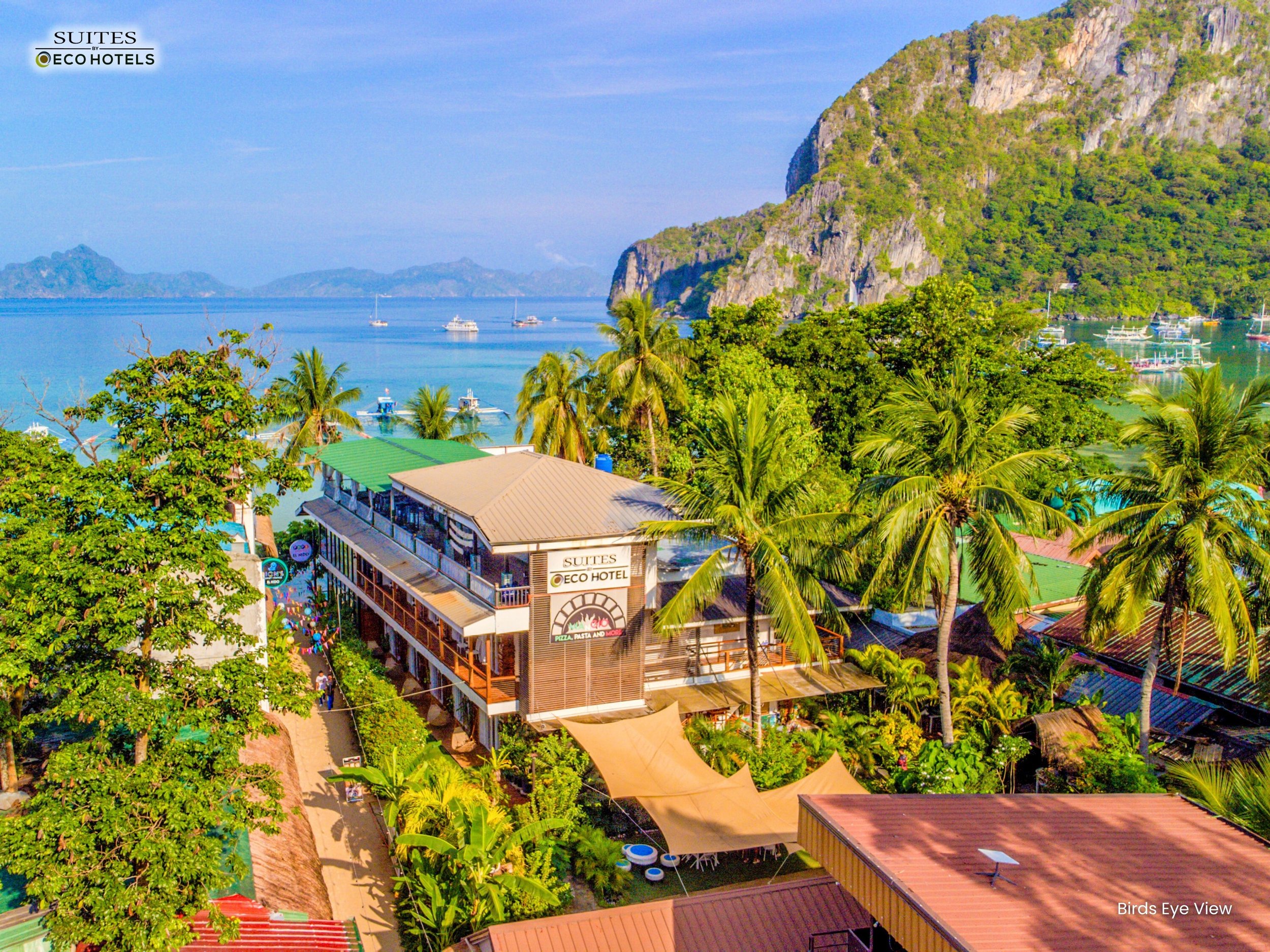
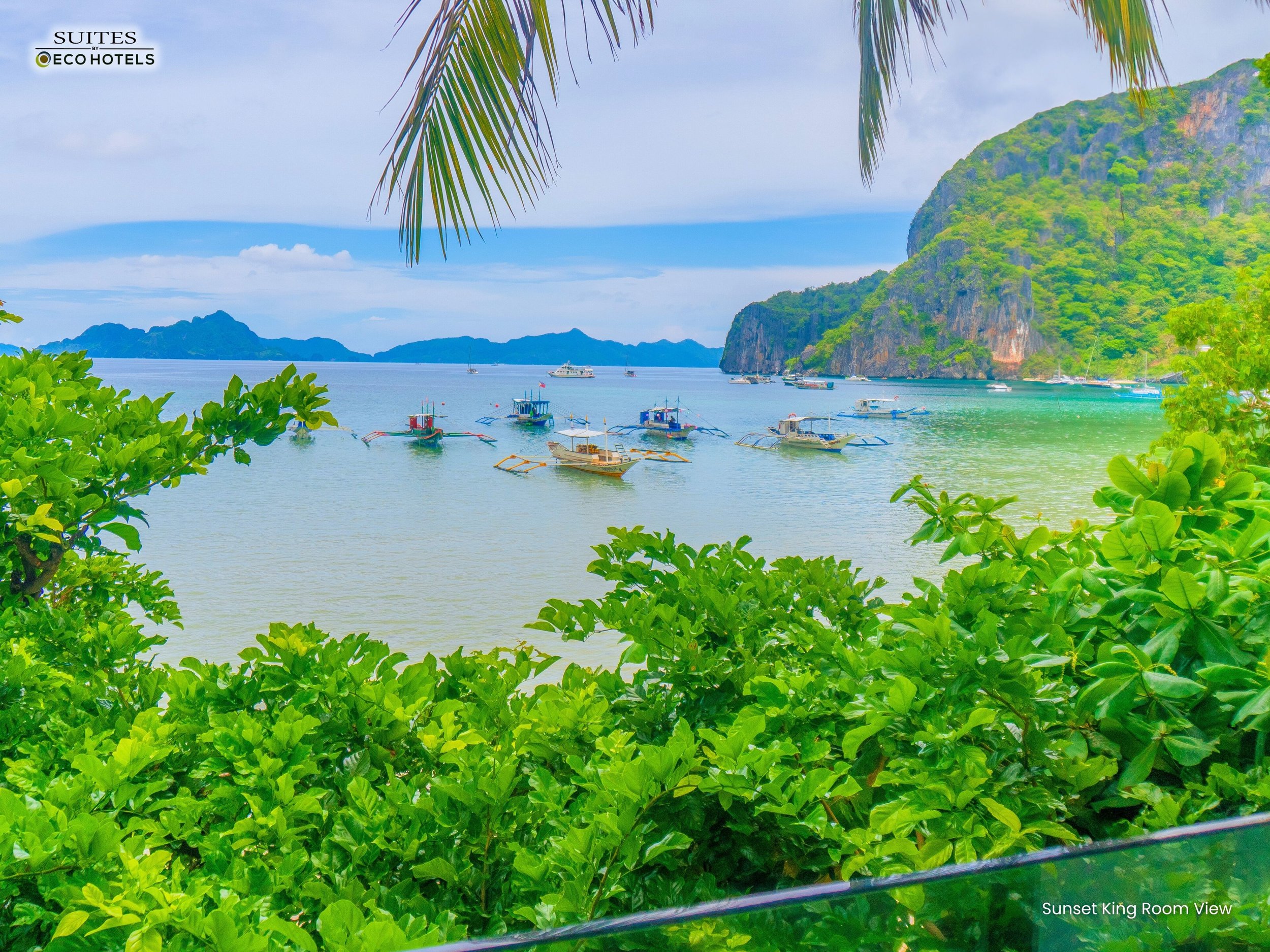
From left: The Eco Hotels Philippines team receiving the STIF loan of USD 25,000; Suites by Eco Hotels Philippines
The Missing Middle: Too Small for Banks, Too Important to Ignore
Eco Hotels and the other four STIF investees are not outliers. MSMEs – community-based tour operators, small hotels, nature-based enterprises, and experience providers – account for up to 80 percent of tourism businesses worldwide.
Their local roots can keep visitor spending in local supply chains and support products based on cultural and environmental distinctiveness rather than volume.
Those same characteristics can make their businesses difficult to finance. Their most valuable assets — local relationships, ecological knowledge, and pre-revenue infrastructure — are hard to collateralize.
Grants are typically too small or episodic for equipment and operating upgrades. Commercial lenders require predictable cash flow and security.
The demand side of this equation is already there. An Agoda survey found that 77 percent of travelers now consider sustainable options when booking.
The result is a financing vacuum sitting squarely between charity and credit — precisely where STIF positions itself, without pretending to replace either one.
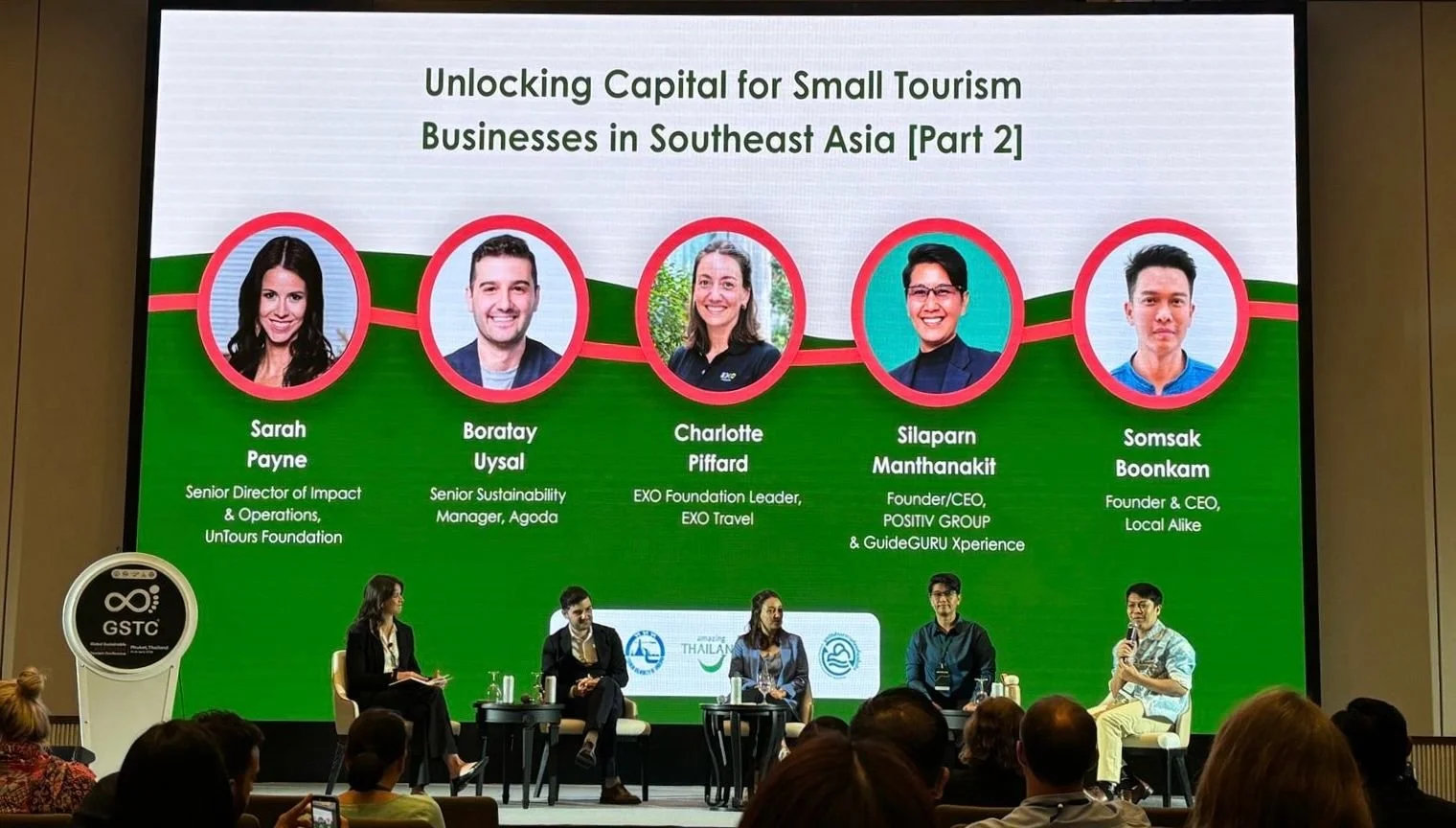
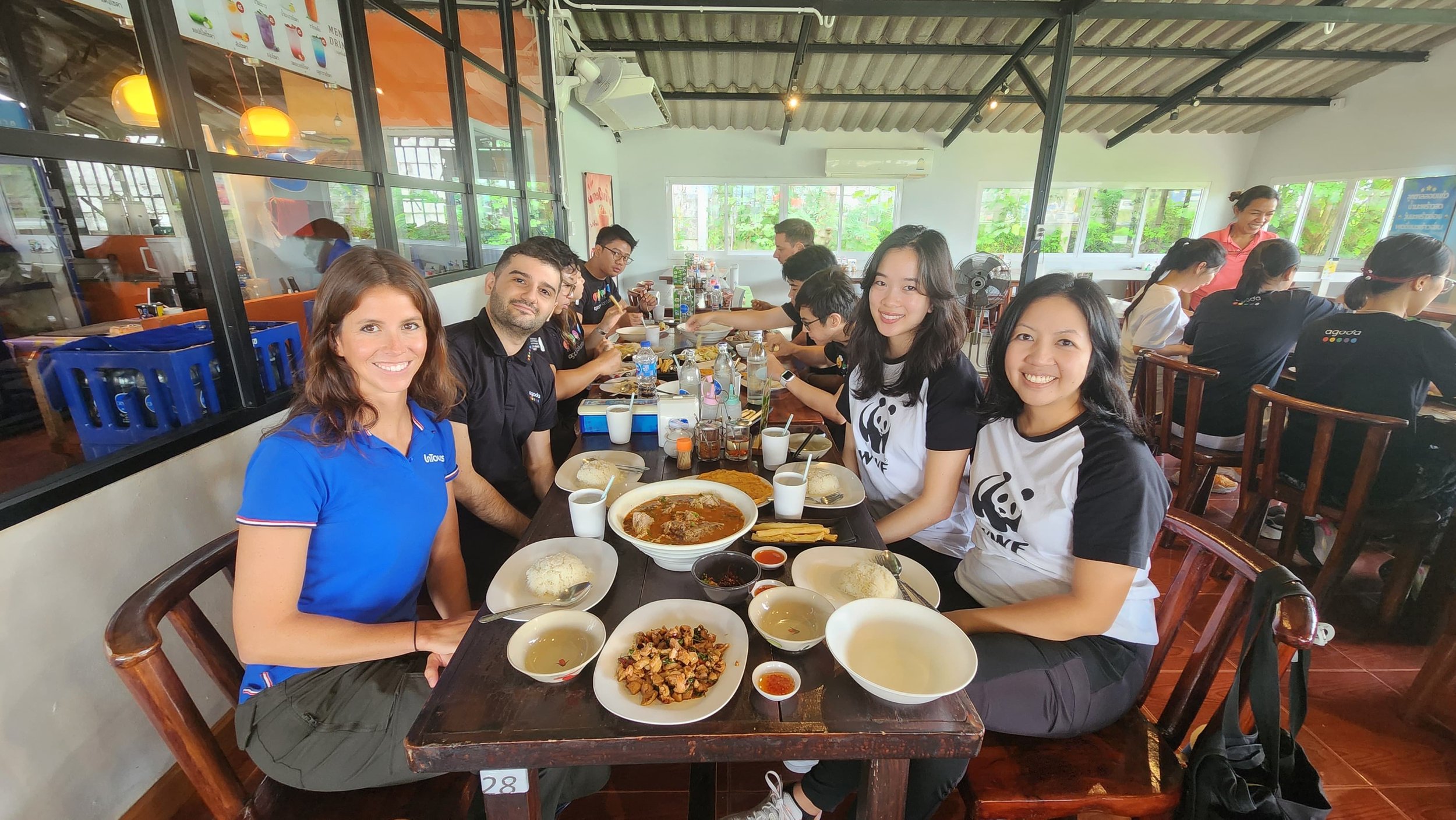
From left: the STIF team at GSTC2026; the STIF team with Local Alike team. Photos by the UnTours Foundation
A Blended-Finance Model Built on Existing Infrastructure
Since 2022, Agoda has donated USD 1 per completed Eco Deals booking to support WWF’s conservation efforts, raising USD 2.89 million across nearly 10,000 properties.
Separately, UnTours launched its Reset Tourism Fund in 2023, with an ambition to build a USD 10 million pool of flexible capital. It has backed more than 60 tourism businesses across 25 countries and six continents from Kapawi Ecolodge, an Indigenous-owned rainforest lodge in Ecuador to Wheel The World, a platform verifying accessibility at hotels and attractions worldwide.
STIF is where those two systems meet. Rather than build new lending infrastructure, Agoda directs a portion of its ongoing WWF-Singapore donations through the UnTours Foundation as loan capital for tourism enterprises in Indonesia, Malaysia, the Philippines, Singapore and Thailand.
In 2025, Agoda increased its annual fundraising from USD 1 million to USD 1.5 million, with USD 150,000 of the additional funding allocated to STIF.
Agoda’s Senior Sustainability & Inclusion Manager, Boratay Uysal, says the initial allocation began deliberately small: “We started with a modest allocation to the Sustainable Tourism Impact Fund because we wanted to better understand how this impact financing approach could work in Asia, while preserving the core impact we already create with WWF-Singapore.”
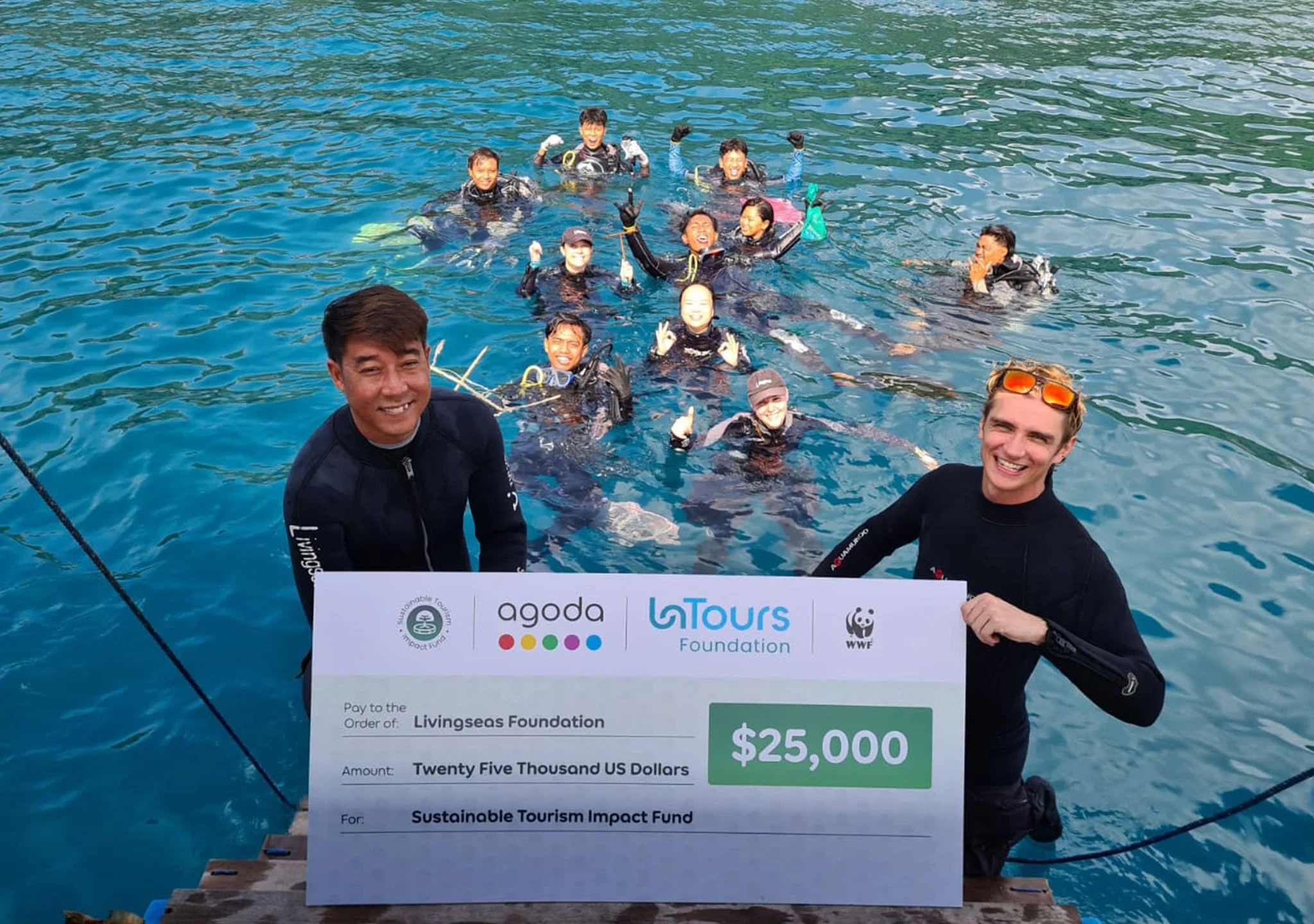
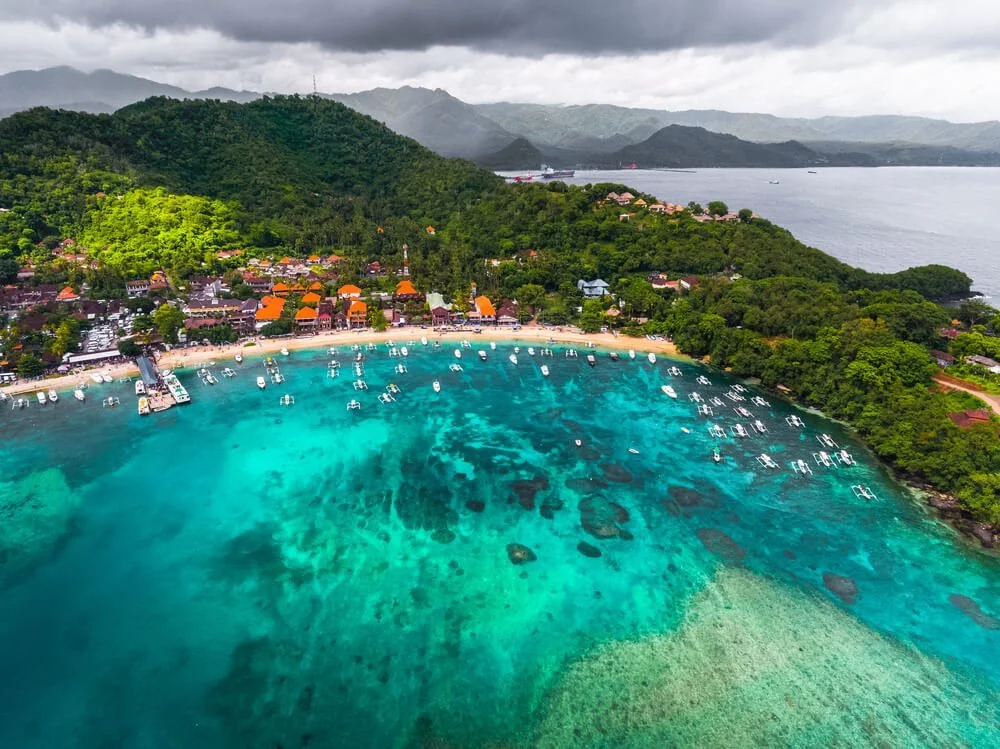
From left: Livingseas Foundation receiving the STIF loan of USD 25,000. Photo by Livingseas Foundation
Three Partners, One Investment Committee
Agoda: Finances the pool through Eco Deals donations, participates in every investment decision, supplies technical support and marketing.
WWF-Singapore: Vets applicants against an environmental and social safeguards framework, provides advice when requested on appropriate environmental approaches
UnTours Foundation: Manages applications and due diligence, disburses and collects loans, serves as ongoing point of contact for portfolio companies
Every decision requires unanimity. On paper, that structure could slow decision-making. In practice, UnTours Foundation’s Reset Tourism Fund Managing Director Sarah Payne frames it as the model's structural advantage.
“While having three partners requires a good deal of coordination, collaboration among the partners is one of the program's greatest strengths — each brings a different perspective on financial viability, conservation impact, and tourism expertise,” she says.
She notes that the full cycle from application to disbursement runs four to six months, “but notably, most of that time is spent on due diligence rather than the approval step itself.”
No viable business has withdrawn because of the timeline, Payne adds.
“While having three partners requires a good deal of coordination, collaboration among the partners is one of the program's greatest strengths — each brings a different perspective on financial viability, conservation impact, and tourism expertise.”
— Sarah Payne, Managing Director of Reset Tourism Fund, UnTours Foundation
Investable Sustainability: Who Qualifies?
Applicants must be located in one of five markets — Indonesia, Malaysia, the Philippines, Singapore, or Thailand — and connected specifically to accommodations or tour operations.
Beyond geography and sector, three additional filters apply.
They must demonstrate existing sustainability commitments, avoid extractive industries, and show a financial record sufficient to repay a loan.
WWF-Singapore's Mayj Tolentino, Director of Growth and Partnerships, is upfront that there's no simple checklist. “There is not a single set of actions that guarantees STIF eligibility, as each business is assessed according to its location, operations, and environmental and social risks.” She suggests prospective STIF investees seeking to strengthen their readiness to focus on three priorities: measuring environmental baselines for reducing footprint, protecting biodiversity and habitats, and delivering community benefit through fair employment and responsible sourcing.
Once an applicant clears that threshold, UnTours Foundation compiles due diligence into an investment memo, and all three partners vote. Unanimous agreement is required before any capital moves.
Tolentino describes WWF-Singapore's due diligence as “a standardized environmental and social safeguards framework across applicants, supplemented by sector and location-specific indicators.” Crucially, she emphasizes ecosystem type doesn't predetermine an application's odds: “A strong application in a community forest could score as highly as one focused on coral reef restoration, provided it demonstrates meaningful, measurable, and lasting environmental benefits.”
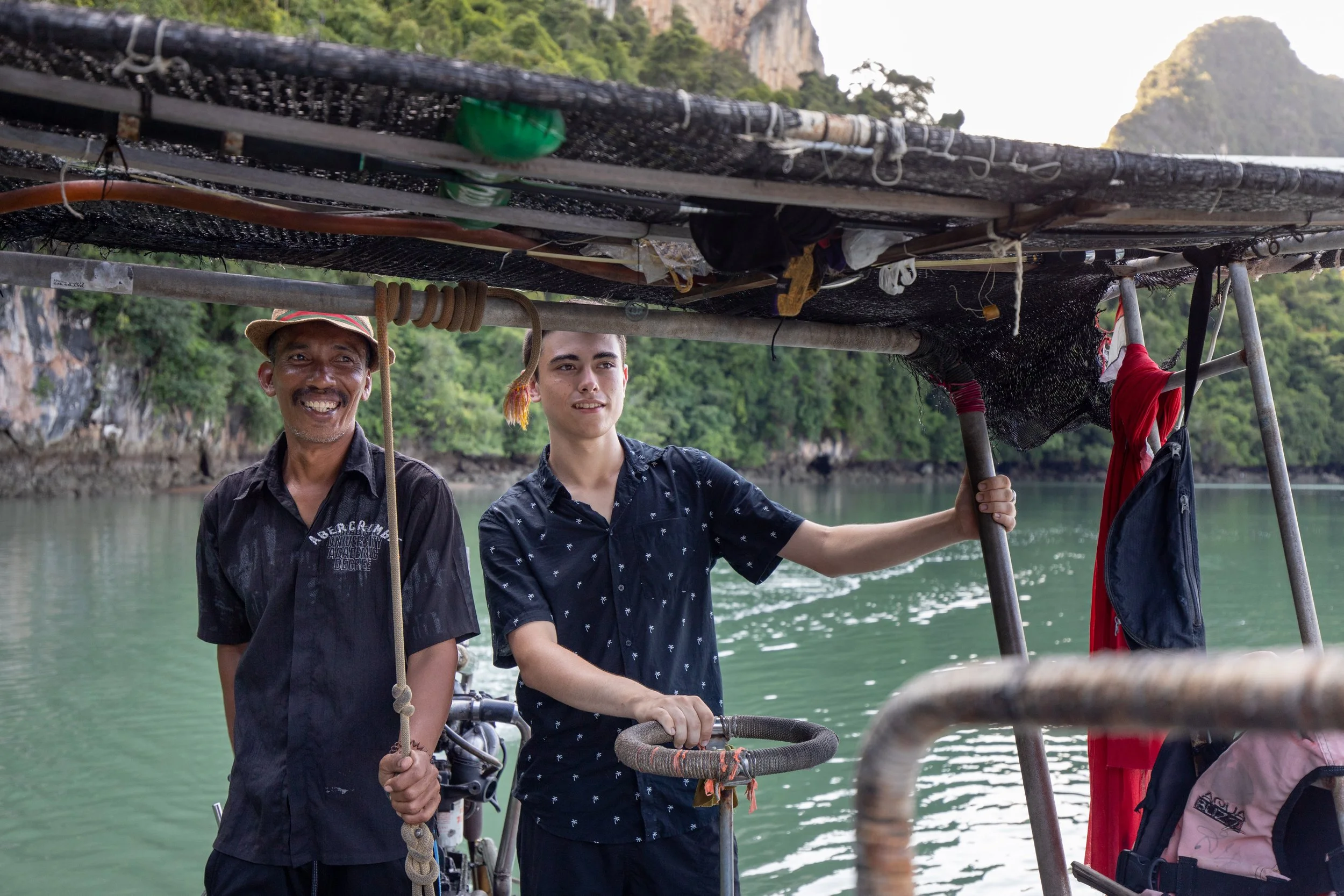
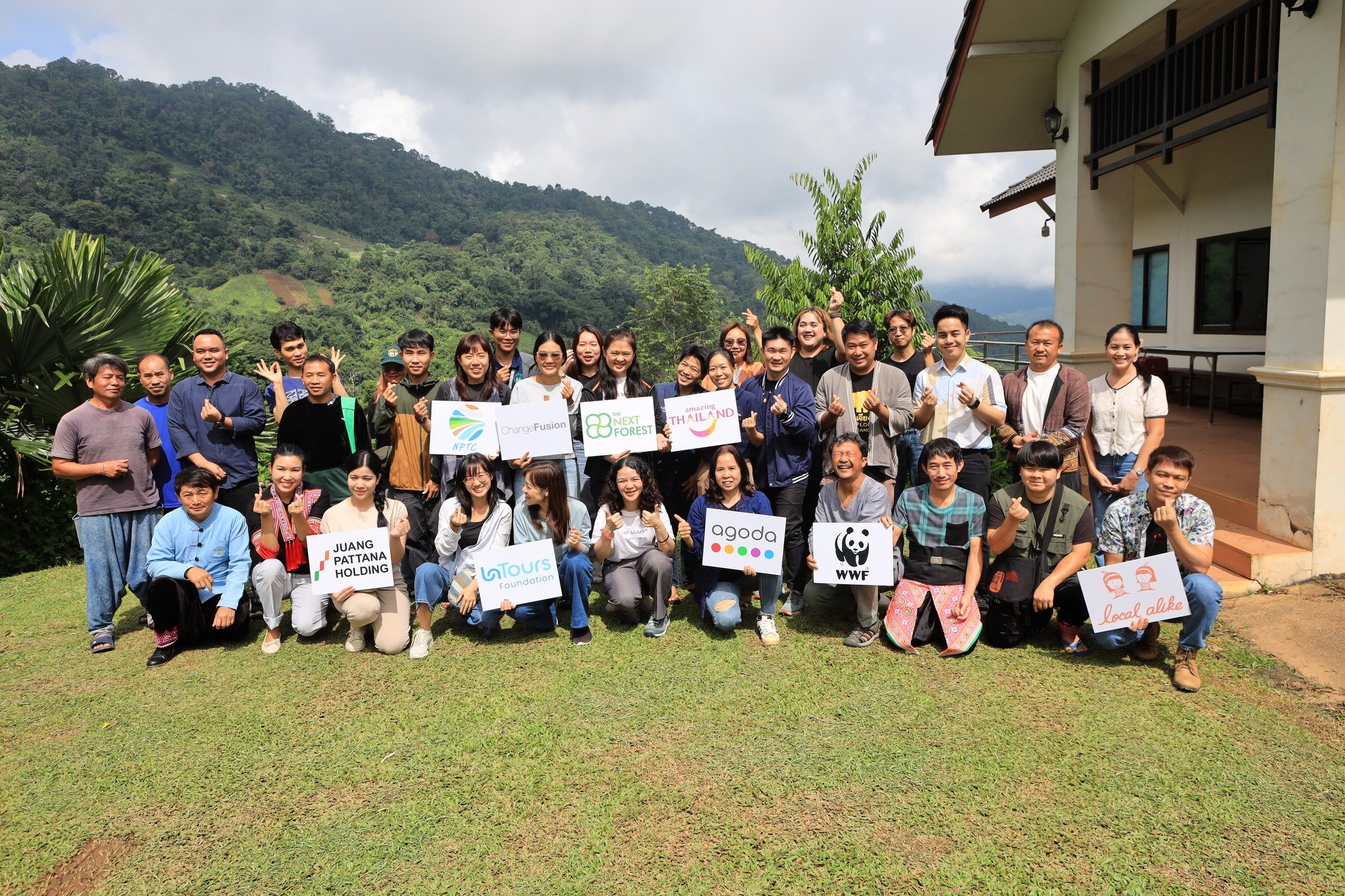
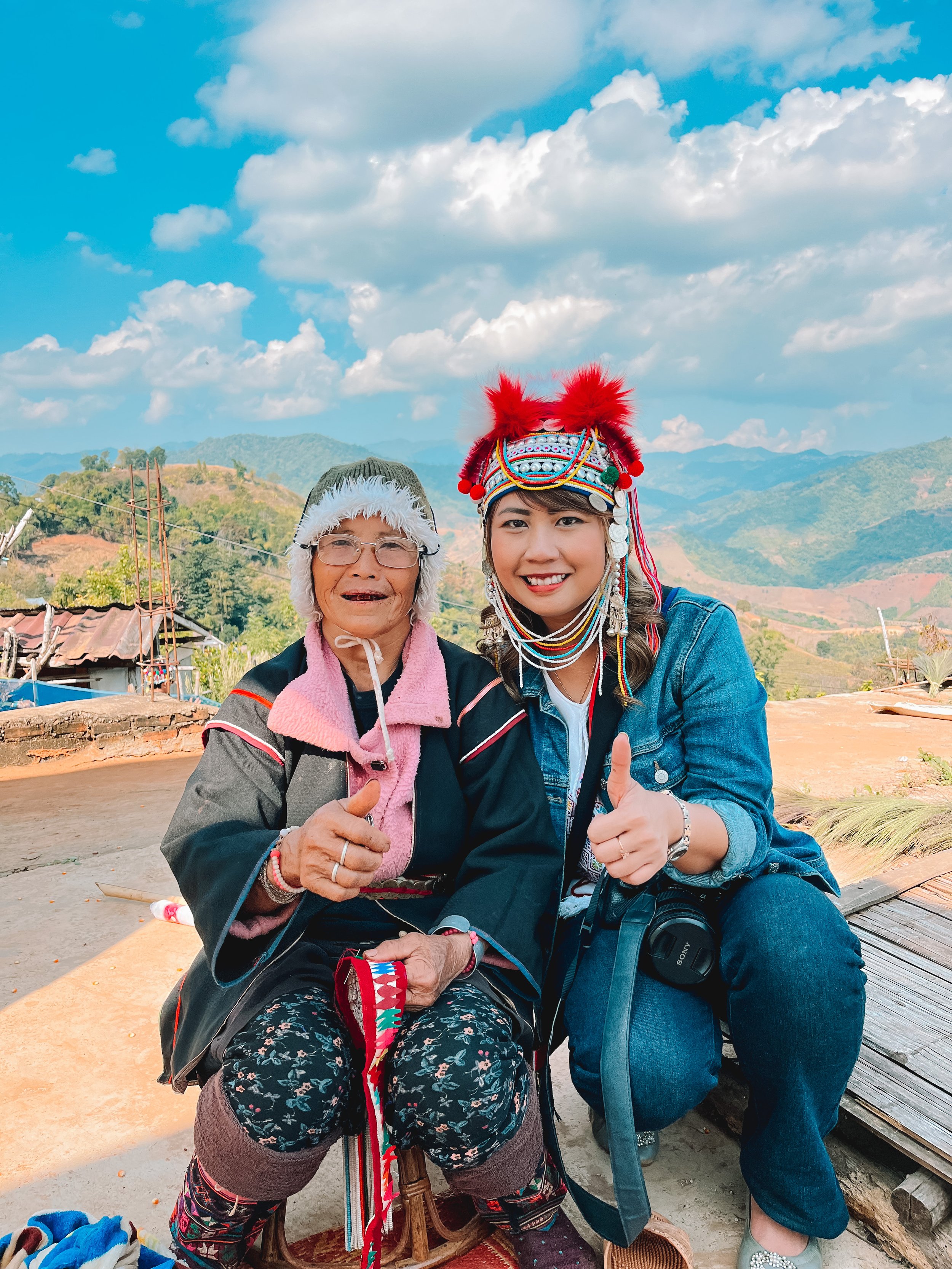
Case in point: The Bangkok-founded enterprise and STIF Investee Local Alike fits that logic. The two-time Thailand Tourism Awards winner retains 70 percent of tourism revenue within the communities it works with, a third-party-validated indicator that links tourism activity to local value retention.
“There is not a single set of actions that guarantees STIF eligibility, as each business is assessed according to its location, operations, and environmental and social risks.”
— Mayj Tolentino, Director of Growth and Partnerships, WWF-Singapore
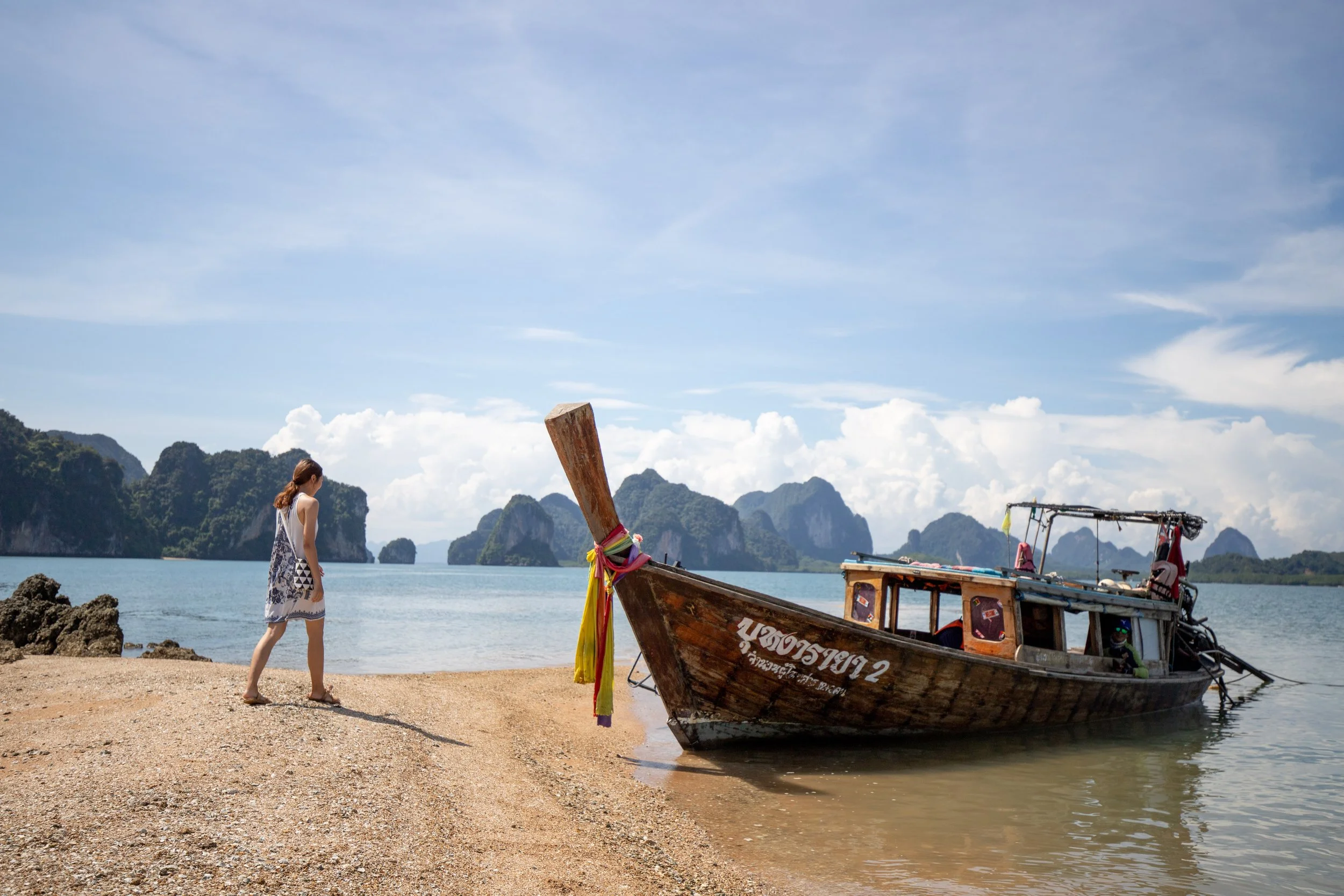
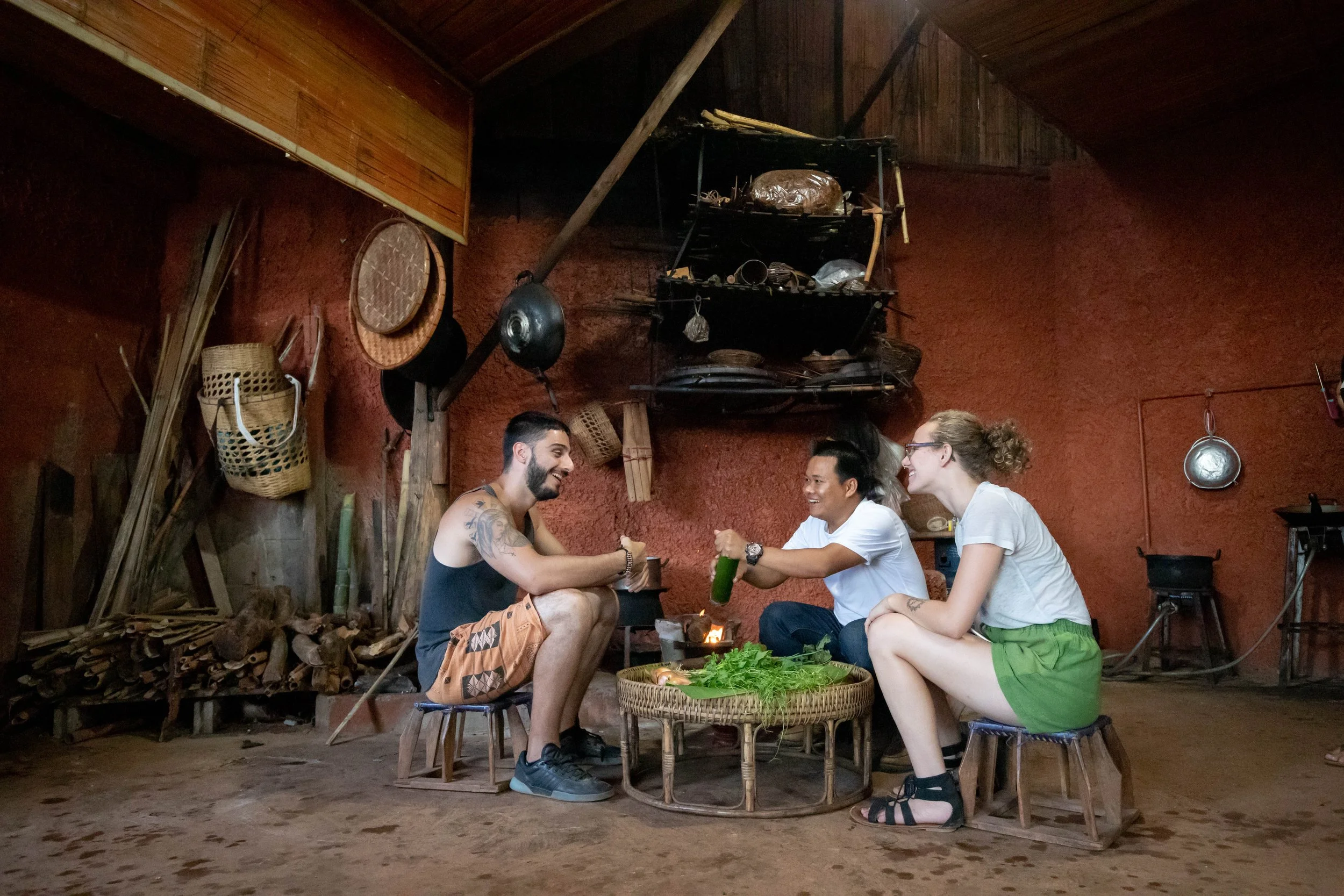
Photos by Local Alike
More Than Capital: Market Access, Technical Support, and Institutional Credibility
STIF’s value goes beyond its capital proposition. Agoda can offer distribution, marketing, and executive mentorship. WWF-Singapore provides sustainability guidance, and the affiliation with STIF can also give investees institutional credibility.
For experience-led investees like Sejiva and Bambike, Agoda's support starts with distribution. “We first explore how their products can be onboarded onto our platform and then how we can support them with dedicated marketing,” Uysal says, adding that Agoda is exploring executive mentorship connecting investees with its own business leaders on “AI and digital marketing to commercial strategy.”
WWF-Singapore also offers mentoring opportunities to guide investees in their sustainability journey throughout the loan term.
Patient Capital and Repayment Pathways
STIF is designed to fill the gap between grants and conventional bank credit. Payne explains: “Loans averaging [USD] 25,000 are enough to help small businesses make meaningful investments such as purchasing equipment, hiring staff, improving facilities, expanding product offerings, or bridging seasonal cash flow.”
Payne is transparent about her organization’s encouraging performance: “As a relatively young fund, most of the Reset Tourism Fund portfolio is still in its initial repayment cycle.” UnTours Foundation’s Reset Tourism Fund has retired 14 of 58 loans made to date, with all five current STIF investees still in "active repayment."
Loans target an annual interest rate of under 5 percent. Repayment runs 1–3 years via UnTours Foundation's Flywire partnership, limiting cross-border transaction costs. Payne says the flexibility and affordability of these loans are essential to guarantee program sustainability and longevity since repaid capital recycles into new loans.
That model could carry a currency risk. Loans are U.S dollar-denominated while investees earn in rupiah, baht, and pesos. “Exchange rate movements can affect the local currency cost of repayment,” Payne says.
UnTours Foundation mitigates this through underwriting, not hedging, by sizing loans to what a business can absorb given currency volatility and political conditions. Still, the currency risk sits mostly with the borrower.
No STIF investee has reported currency risk as a concern to date, but none has completed a full three-year cycle, so the model’s longer term repayment performance remains unproven.

Photos by Local Alike
What the Early Numbers Show
Across five investees in 2025, STIF-backed businesses served 13,867 travelers, created 44 new jobs, and supported 221 jobs in total, generating USD 5.5 million in combined portfolio revenue. Livingseas Asia alone planted 220,000 corals and restored 3,481 square meters of reef off Bali.
These are encouraging indicators although Tolentino is careful about what these numbers actually prove. For example, “figures such as corals planted, restoration area and survival rates are important short-term indicators of restoration effort. But they should not, on their own, be interpreted as evidence of wider ecosystem recovery,” she says.
Five Businesses, Five Ways STIF Unlocks Opportunities

Local Alike, Thailand: Financing the Work Before Revenue
For Local Alike, regenerative tourism is not a product that can be deployed like a franchise. It requires local ownership, distinctive cultural or environmental assets, experience design, and the capacity for communities to operate independently.
After COVID-19 pushed Local Alike into an operating loss, access to capital became a barrier. “As a social enterprise, our focus on impact sometimes makes it harder to fit traditional financing criteria, especially when revenues are uncertain,” Founder Somsak “Pai” Boonkam says. Continuing to support partner communities while managing its own financial instability created a difficult tension between mission and survival.
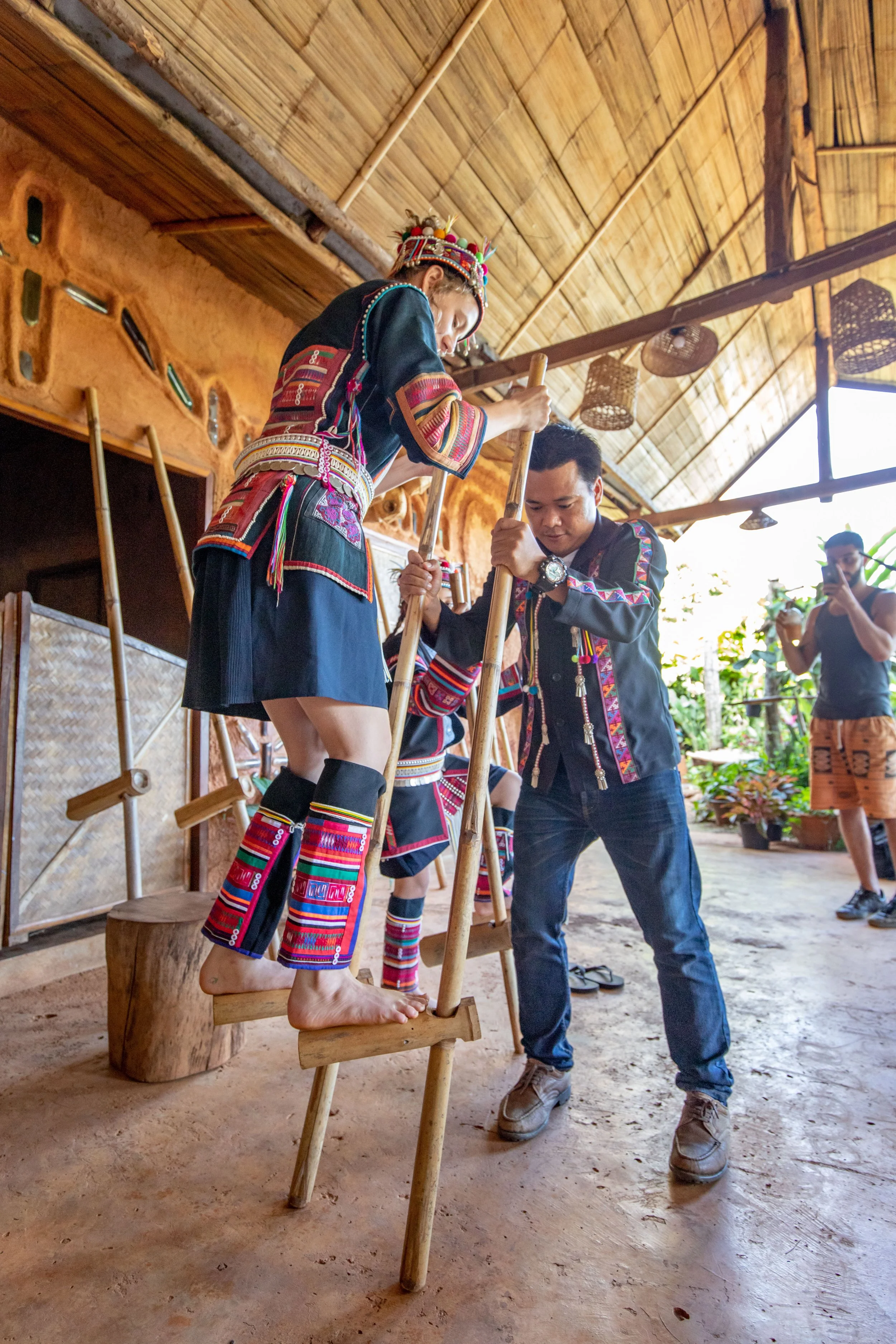
The STIF loan gave Local Alike more than a cash cushion. It helped the company shift from conventional community-based tourism toward a regenerative, or nature-positive, model that aims to restore ecosystems and strengthen communities.
Expanding from three pilot communities to seven prospective destinations is “not about rolling out a cookie-cutter franchise,” Boonkam says. Each site requires six to twelve months of fieldwork before launch, followed by long-term support toward self-sufficiency.
STIF provided baseline capital that helped secure matching support from other partners. The funding covers field exploration, capacity-building workshops, and experience design, from forest-bathing routes to community spaces that revive local traditions.
The STIF loan’s impact, Boonkam argues, extends beyond the communities it finances. In Baan Mae Sa Noi, Local Alike brought national park officials and local villagers together to map activities that could support livelihoods without breaching conservation rules. The fieldwork became what he calls a “living blueprint” for Thailand’s Regenerative Tourism Practice Guidelines.
“The sheer credibility of having Agoda and WWF as the cornerstone forces behind the Sustainable Tourism Impact Fund opened doors with government counterparts that would have otherwise taken us years to unlock,” Boonkam says.
Local Alike’s experience suggests that patient capital can matter not only for what it buys, but also for the institutional relationships it helps smaller operators enter.

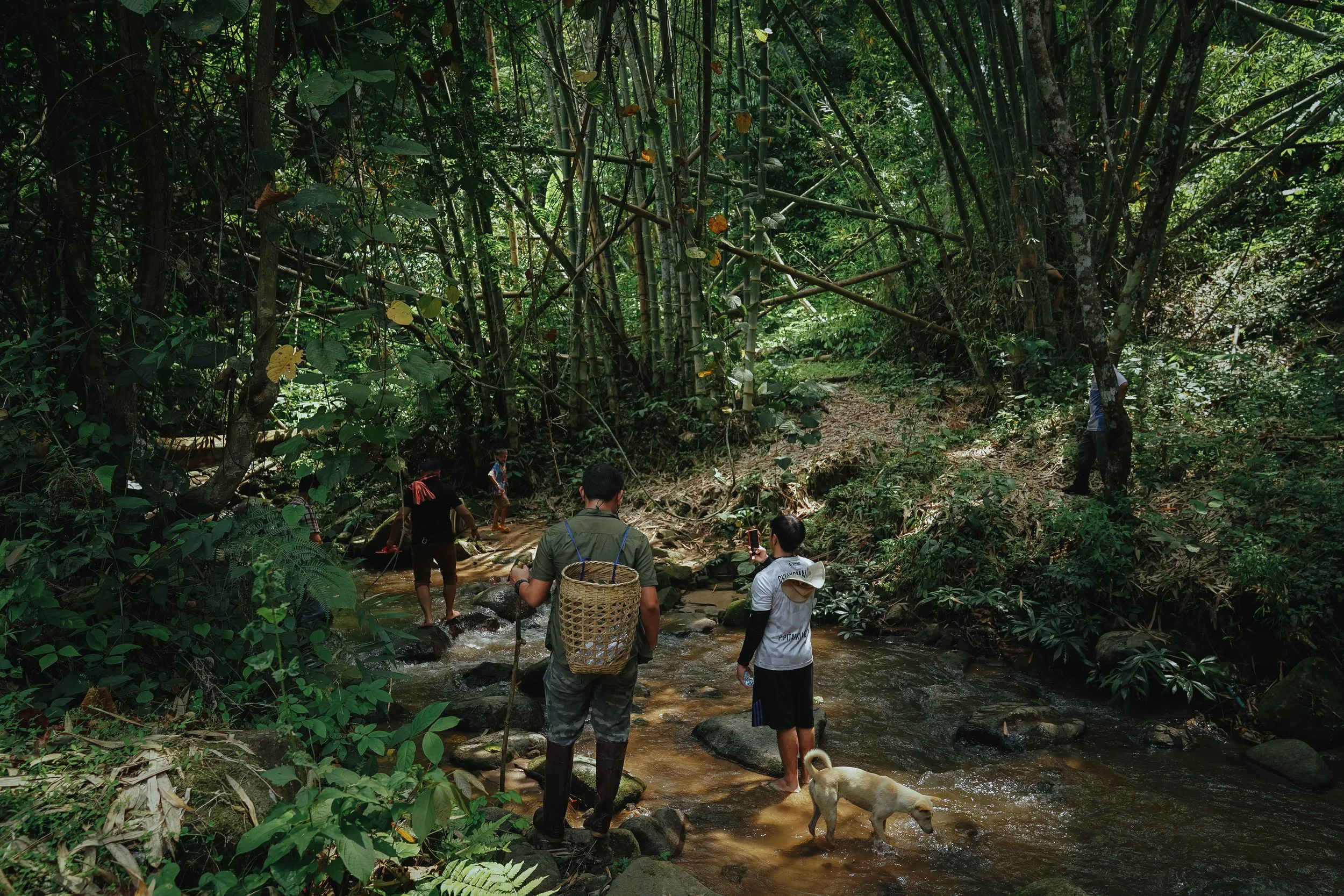
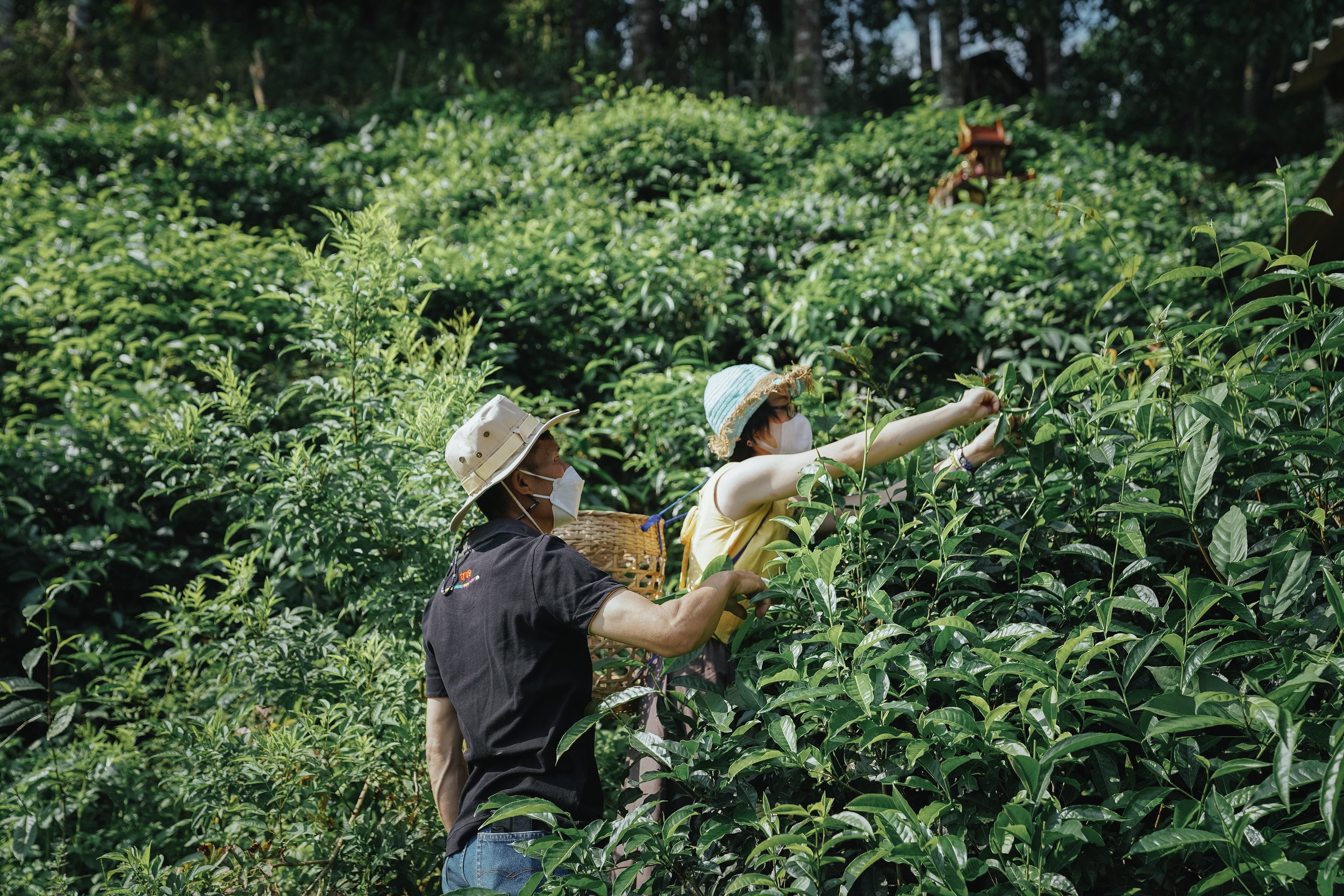
Photos by Local Alike
Sejiva, Indonesia: Financing the Market Before It Exists
When Sejiva launched just over two years ago, its challenge was not simply to sell trips. It was to make regenerative travel meaningful to consumers who rarely connected leisure with tangible positive impact.
For its three co-founders, that meant leaving a familiar B2B model to build a direct-to-consumer brand — an expensive transition requiring early investment in people, digital infrastructure, and content before dependable returns. “Brand building requires significant upfront investment,” Co-Founder Matteo Bierschneider says.
STIF gave Sejiva leeway to take risks it could not otherwise afford. The company hired specialized staff, upgraded design and email-marketing tools, and expanded content production. STIF provided Sejiva the “financial cushion to run innovative, impact-driven products, such as coral planting trips in the Thousand Islands near Jakarta,” Bierschneider highlights.
Sejiva reported early traction, evidenced by a growing Jakarta-based community, stronger digital traffic, and a steady increase in direct inquiries and bookings.
The loan’s role shifted again when arrivals declined and domestic airfares rose. “While STIF was not designed as an emergency fund, it acted as a crucial financial buffer,” according to Bierschneider, allowing Sejiva to maintain its marketing momentum.
For Sejiva, the loan from STIF first financed product-market fit, then resilience during a downturn. The remaining test is whether early audience-building and subsidized departures convert into recurring demand and repayment capacity.
“[Sustainable Tourism Impact Fund] gave us the financial cushion to run innovative, impact-driven products, such as our coral planting trips in the Thousand Islands near Jakarta.”
— Matteo Bierschneider, Co-Founder, Sejiva
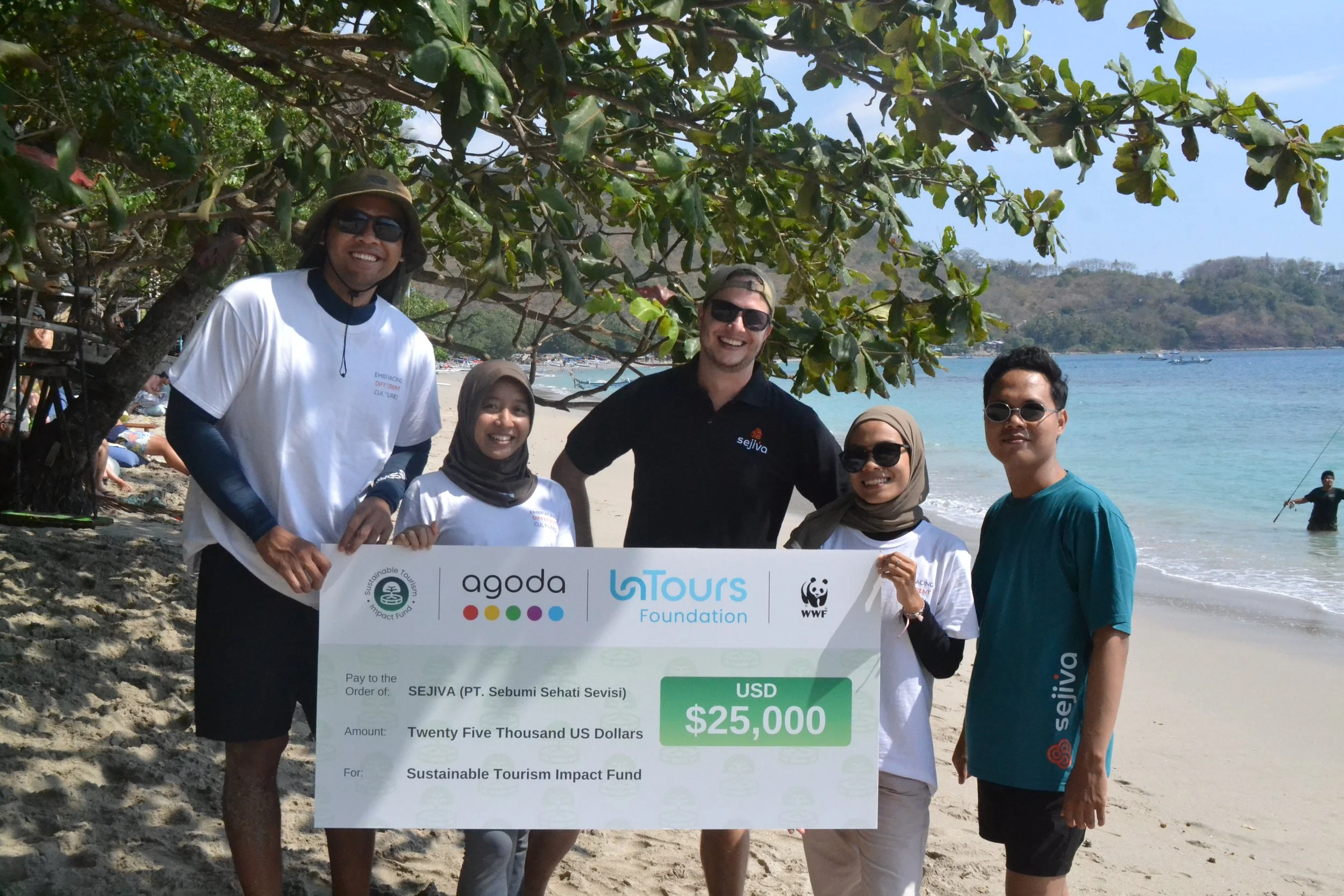
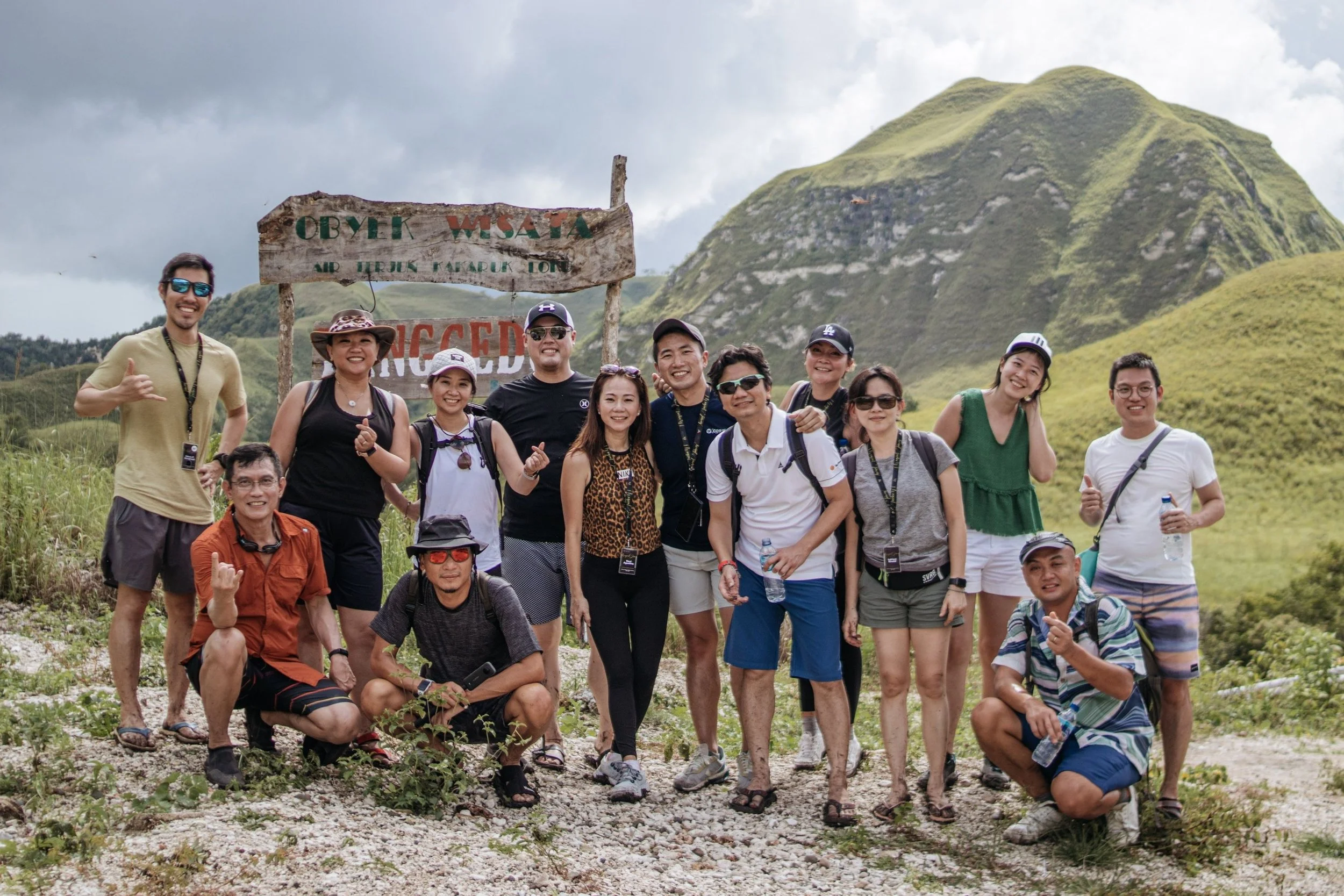
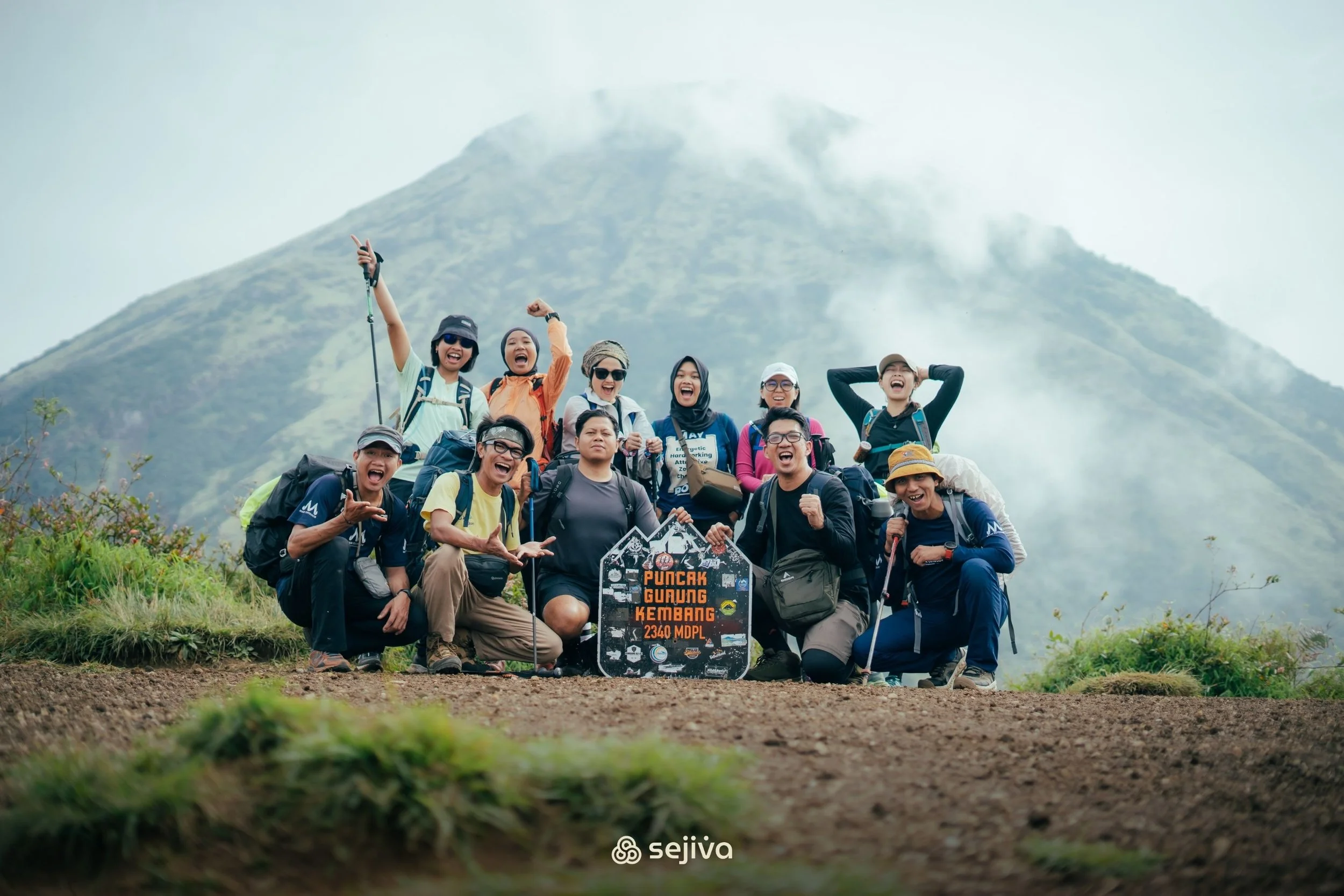
Photos by Sejiva
Livingseas Asia, Indonesia: Financing Capacity and Credibility
Livingseas Asia used its USD 25,000 STIF loan to reduce two recurring costs: staff accommodation and dive-tank rentals.
Half of the loan funded a 200-square-meter parcel for future staff housing. Although the site remains undeveloped, the aim is to shift accommodation from a recurring operating expense to a capital asset. The other half funded an in-house compressor and tank inventory, allowing Livingseas to expand dive operations without comparable rental costs.
The immediate benefit is greater capacity. Owning equipment reduces reliance on rented tanks, while former suppliers remain available if demand exceeds the company’s inventory.
Operational efficiency is only half the story. Livingseas also aims to show that coral planting translates into ecological recovery. It conducts random sampling across restored and unrestored sites, tracking benthic cover and fish assemblages by quantity and species diversity.
The approach cannot attribute every ecological change to Livingseas, but it offers a stronger basis for assessing whether biodiversity is improving faster at restored sites than through natural recovery alone.
“Coral cover is only a single metric,” Founder Leon Boey says. “Ultimately, a good fish assemblage is necessary to show a reef in recovery.”
STIF has also strengthened the company’s institutional credibility. Boey says it has created a “halo effect” that opens doors. In February 2026, Livingseas began conservation programming with Ayodya Resort Bali.
The next test is whether lower unit costs, stronger ecological evidence, and resort visibility translate into durable revenue without compromising scientific rigor.
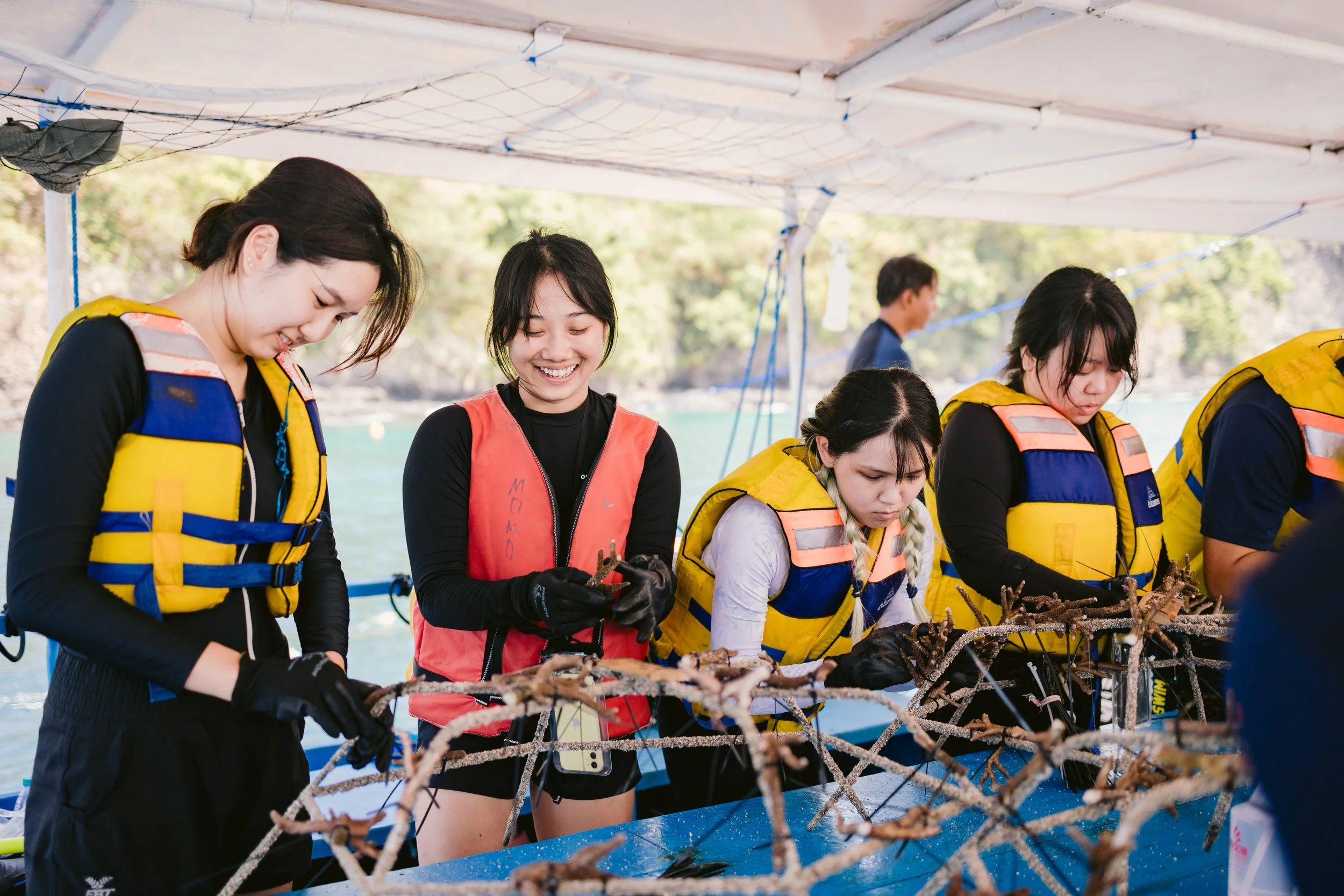
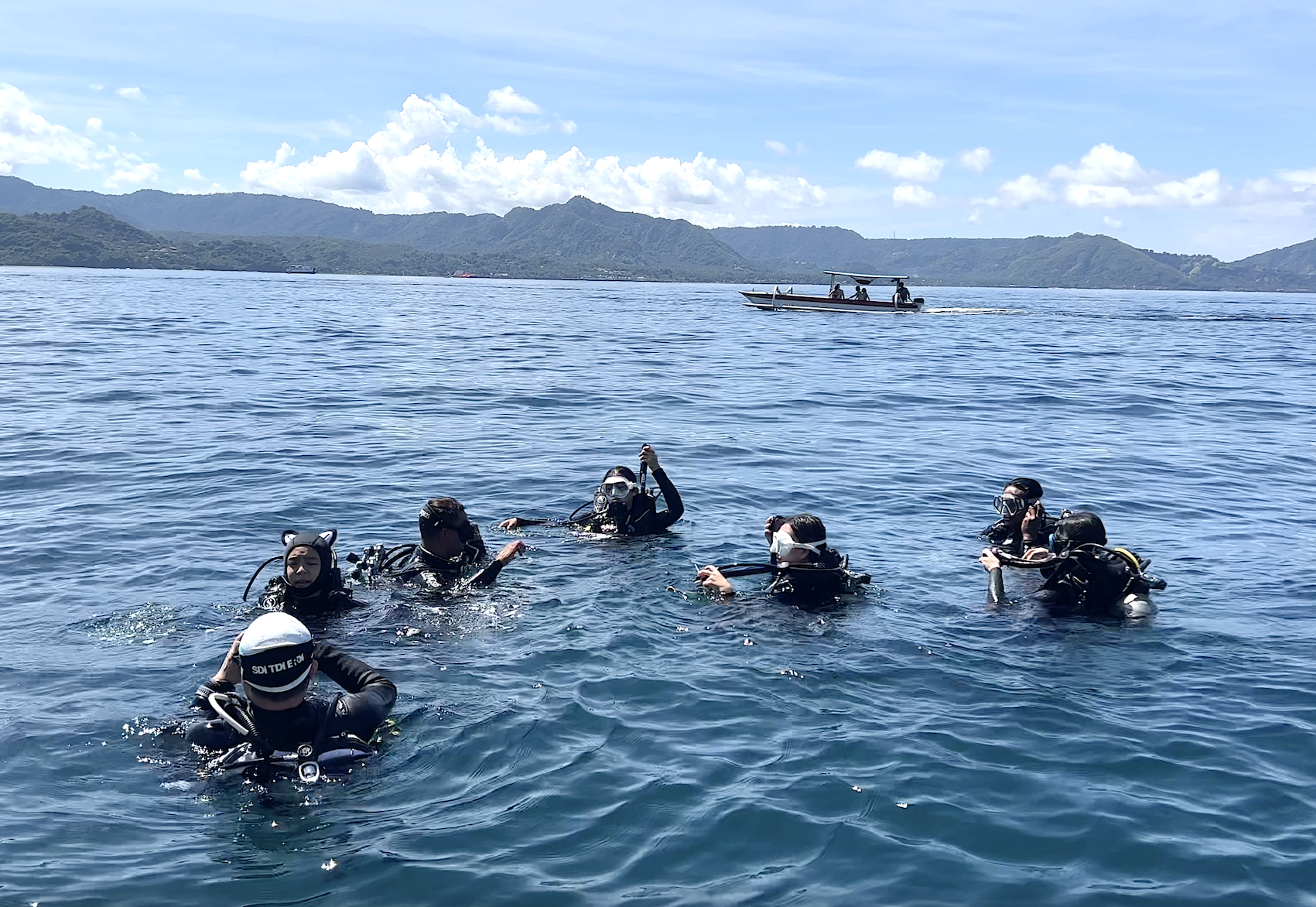
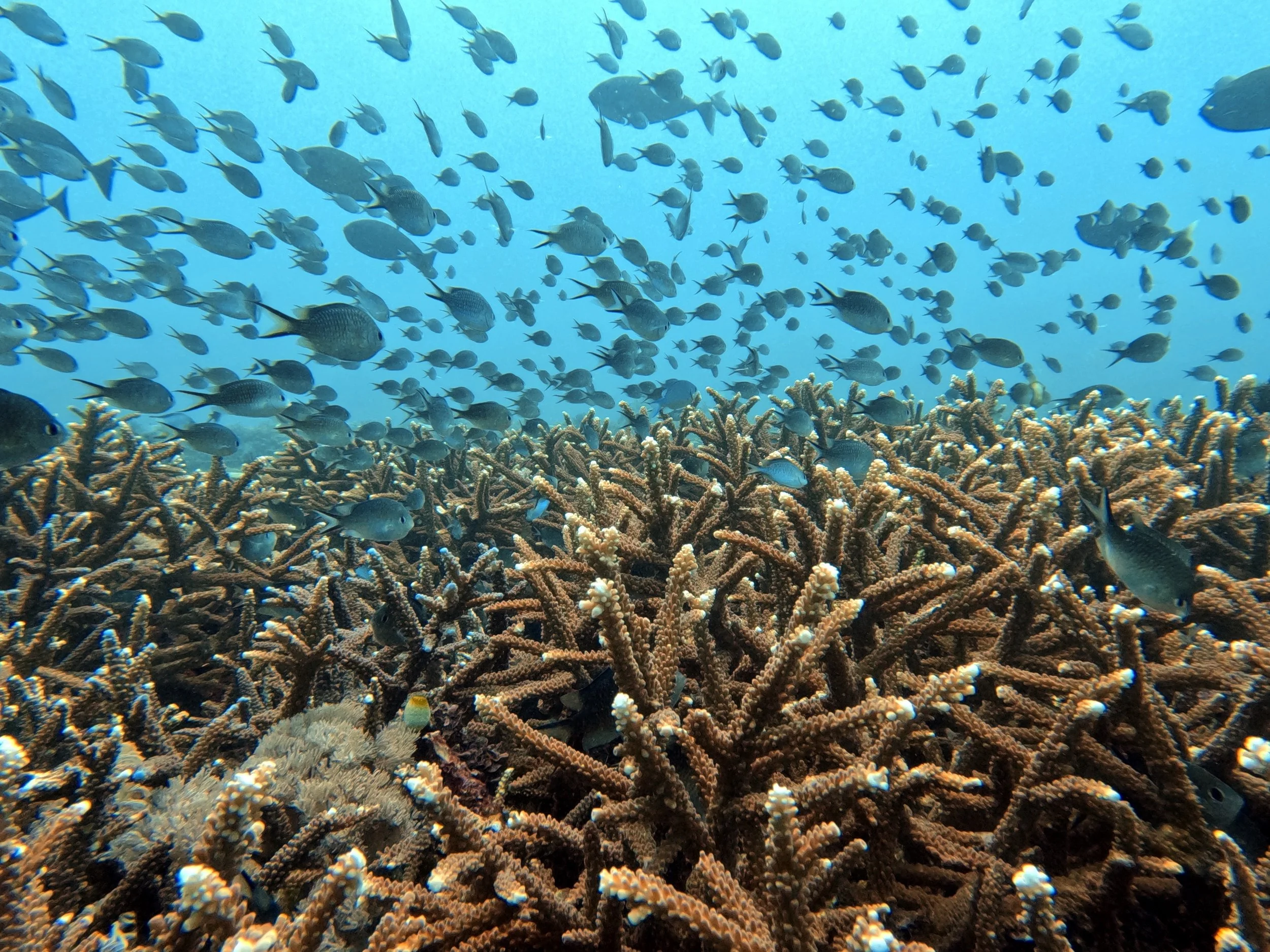
Photos by Livingseas Asia
Bambike, Philippines: Financing the Expansion with a New Model
Bambike’s Manila business already showed that purpose-driven urban heritage tourism could work commercially. Batangas was a different proposition: a coastal setting and an unproven operating model combining renewable energy, low-impact lodging, bamboo mobility, marine conservation, community tourism, and circular-economy experiments.
The STIF loan lowered the risk of that expansion.
The capital supported solar power for the site and café, Bambungalows, an expanded bike fleet, and electric Bamboat prototypes for lower-impact coastal mobility.
More importantly, it created room to test how these components work together before the full model was proven. At Ligtasin Cove, Bambike is exploring whether solar energy, low-impact accommodations, bamboo mobility, reef and turtle conservation, and community tourism can form a viable regenerative destination.
The experimentation now extends to biochar, seaweed-based fertilizer, bamboo processing, and a broader bamboo innovation hub.
For Founder Bryan Benitez McClelland, the value was as much psychological as financial. “The STIF capital was very helpful in giving us the confidence to innovate and expand into a new geography with a very different operating model...it gave us a financial cushion to experiment,” he says.
The remaining test is whether these experiments can become a coherent, self-sustaining model before Bambike attempts to replicate it elsewhere.
“The STIF capital was very helpful in giving us the confidence to innovate and expand into a new geography with a very different operating model.”
— Bryan Benitez McClelland, Founder, Bambike
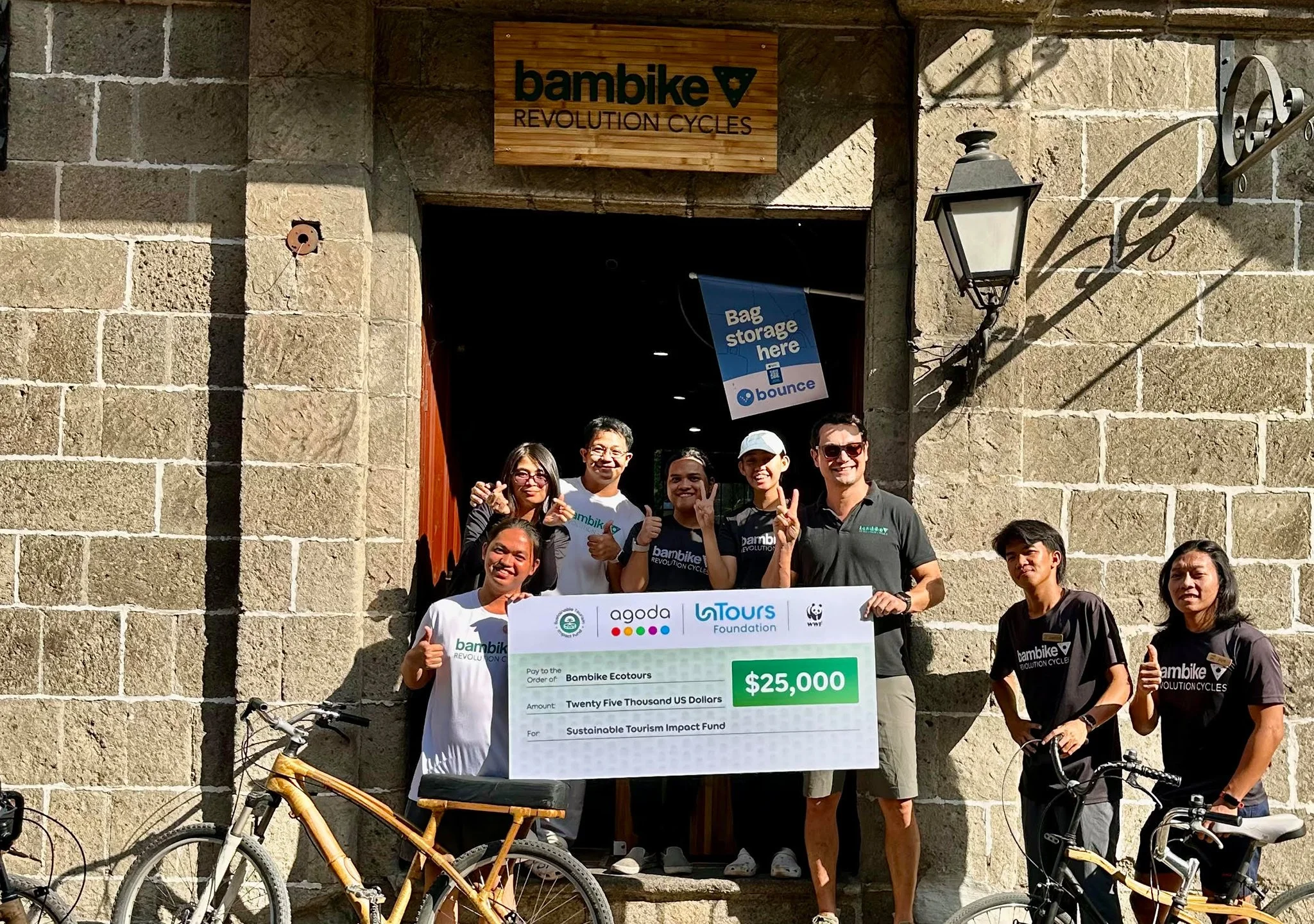
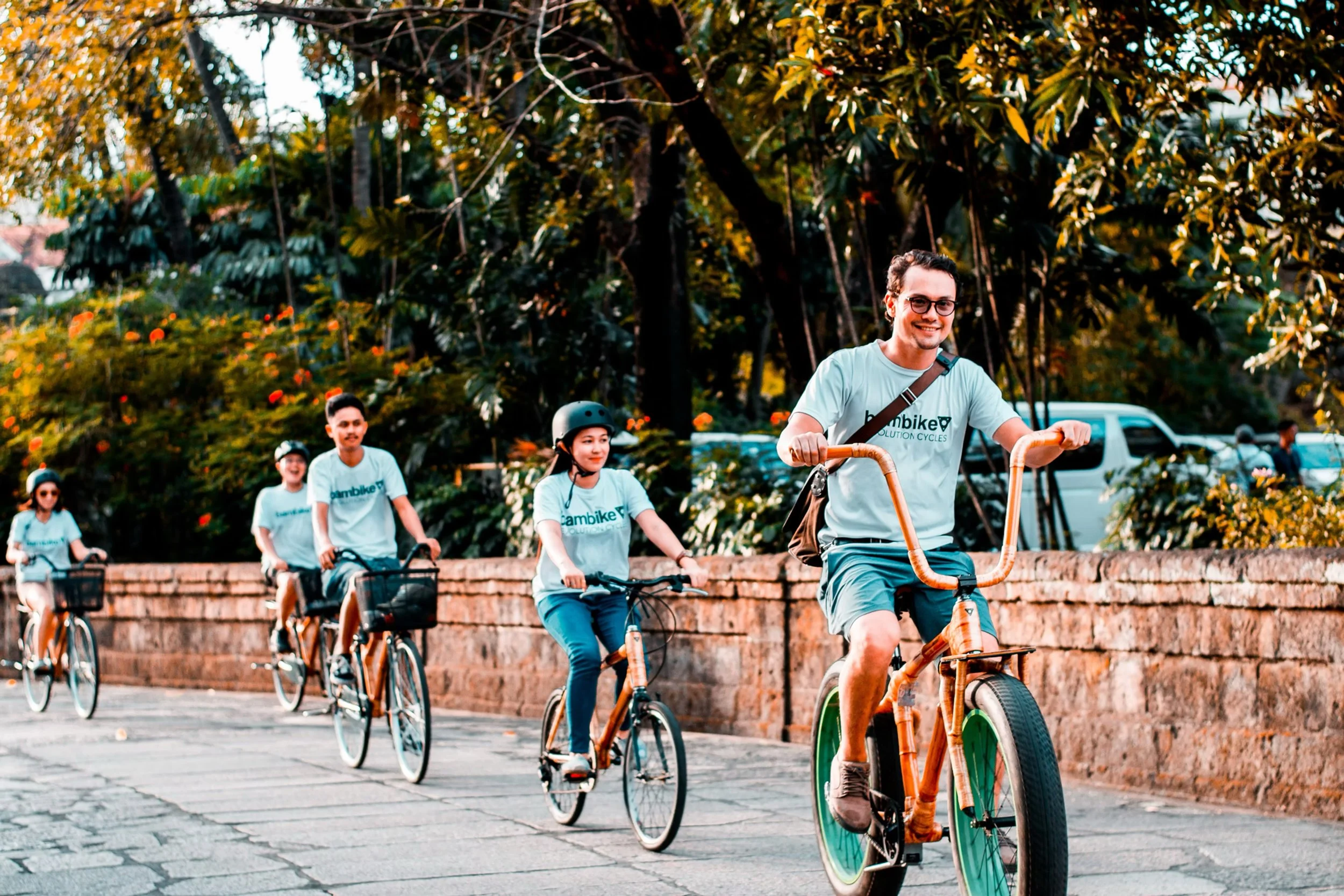
Photos by Bambike
Eco Hotels, Philippines: Financing a Circular Operating System
For Eco Hotels, the STIF offered much-needed capital to develop a circular supply chain: the hotel supports the restaurant, the restaurant supports Bahay Farms, the farms employ local residents, and agricultural waste returns to the system as fuel and a saleable product.
The USD 25,000 loan financed the expansion of Bahay Farms in Candelaria, Quezon, including land preparation, irrigation, a chicken coop, postharvest facilities, and cold-chain logistics. Using bamboo from its own supply reduced construction costs. The kiln converts banana stalks, corn cobs, coconut shells, cogon grass, and other farm waste into briquettes and wood vinegar.
The commercial success is beginning to take shape. Sourcing greens, root crops, eggs, chicken, and pork directly from its farms has reduced external food-procurement spending by approximately 20 percent. Because its bamboo and agricultural waste are internally sourced, its briquettes can replace purchased LPG and charcoal at a production cost 57 to 72 percent below conventional fuel. It expects the infrastructure to fully amortize by late 2027 or early 2028, after which the savings should become margin.
These returns — lower food and fuel costs, supply resilience, briquette revenue, and stronger margins — are difficult for conventional lenders to collateralize because they do not arrive as immediate receivables.
The social return is equally notable. All 25 jobs created in 2025 are full-time, with wages averaging roughly 18 percent above Quezon Province’s agricultural minimum, plus meals, skills training, and a 13th-month bonus. The briquette program also provides supplemental income through a zero-waste livelihood stream.
Co-Founder Alessandra Atienza says Eco Hotels has not explored financing products beyond the STIF. But producing part of its own food and fuel may strengthen its future lending case by reducing exposure to external food and energy costs.
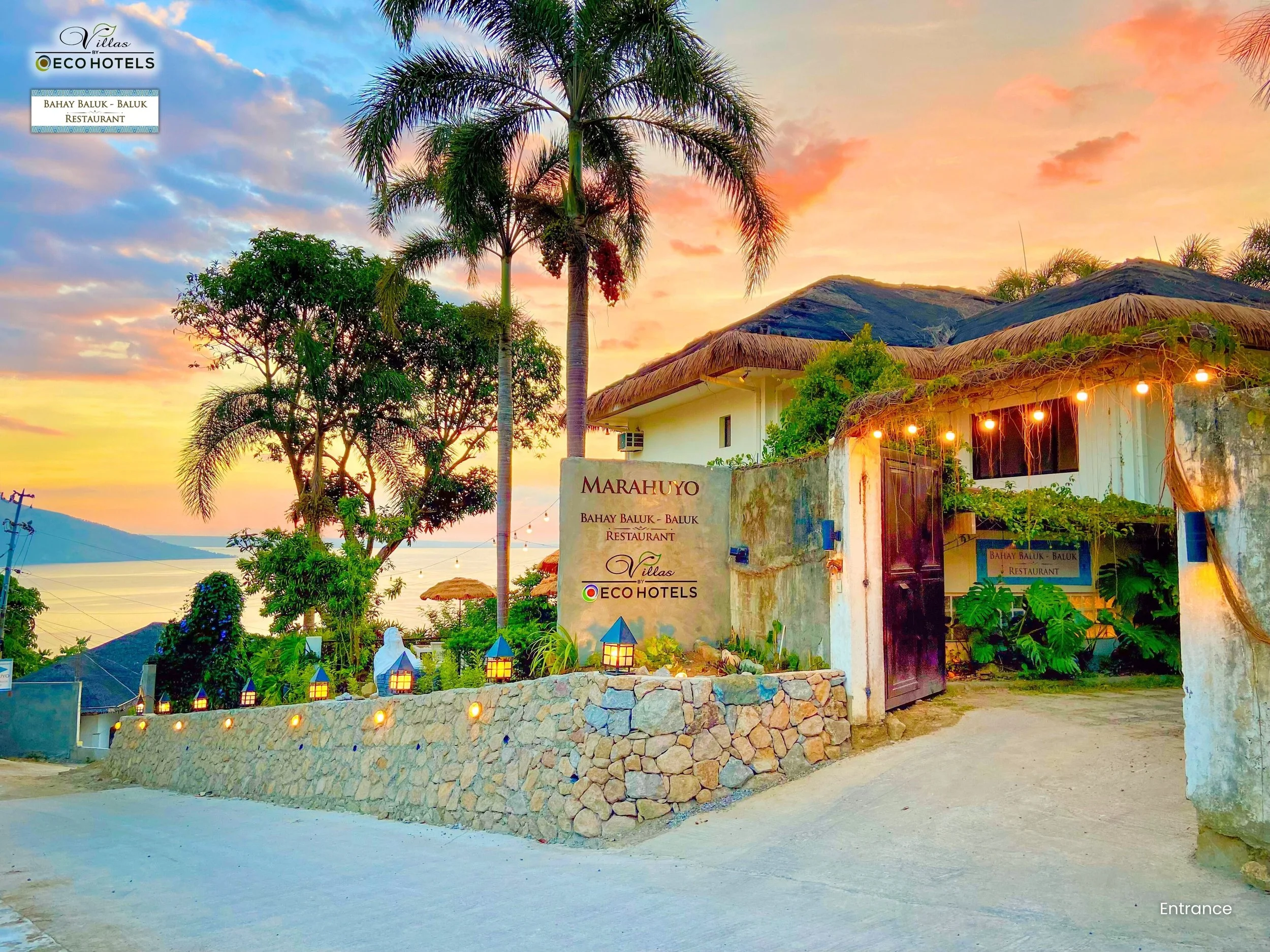
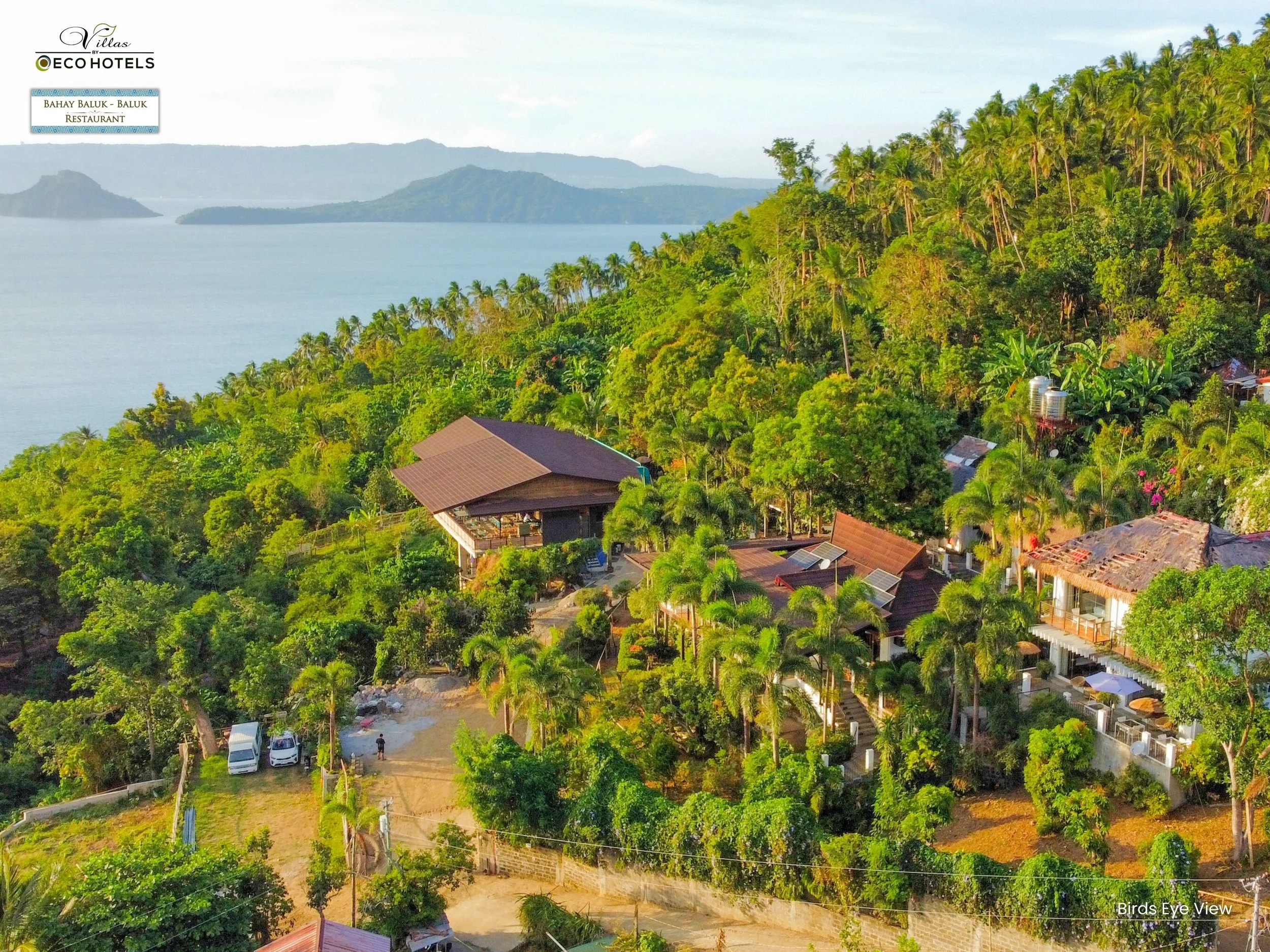
Photos by Eco Hotels Philippines
What’s Next for STIF?
STIF’s significance lies less in its current scale than in the financing proposition it is testing. The model pairs capital with institutional credibility, technical support, and disciplined underwriting. Five investments may not be enough to establish a scalable model for tourism finance. But they offer an early evidence base for building a pathway that could direct more patient capital toward businesses generating local economic value and measurable environmental benefit.
Uysal says the initial five-market footprint was chosen for its stronger pipeline of tourism MSMEs and the partners’ ability to evaluate, deploy, and support capital locally. “As we build our capabilities and gain more experience together, our ambition is to expand eligibility to more markets covered under our broader partnership with WWF.”
If that expansion follows, STIF will draw interest from MSME owners seeking patient capital and mission-driven investors looking for a replicable tourism-finance model. The central challenge will be whether it can grow without diluting the local ownership, environmental rigor, and repayment discipline that give its first five investments credibility.
“As we build our capabilities and gain more experience together, our ambition is to expand eligibility to more markets covered under our broader partnership with WWF.”
— Boratay Uysal, Senior Sustainability & Inclusion Manager, Agoda