From Conviction to Infrastructure: What It Takes to Sustain APAC's Responsible Tourism Movement
Field Reporting from The Long Run's APAC Regional Hub Meeting 2026
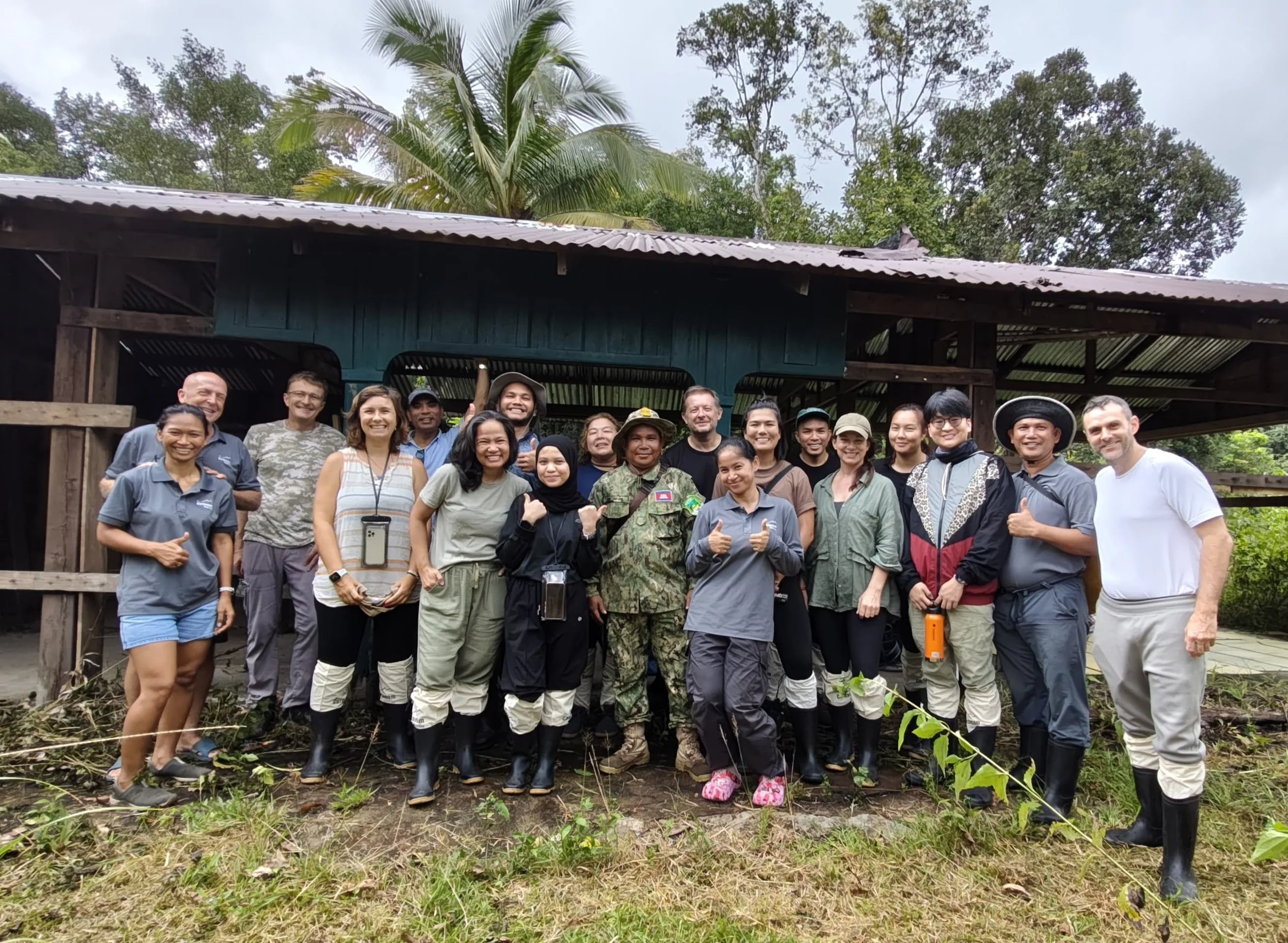
Cardamon Tented Camp’s team members and The Long Run APAC Regional Hub Meeting 2026’s delegates.
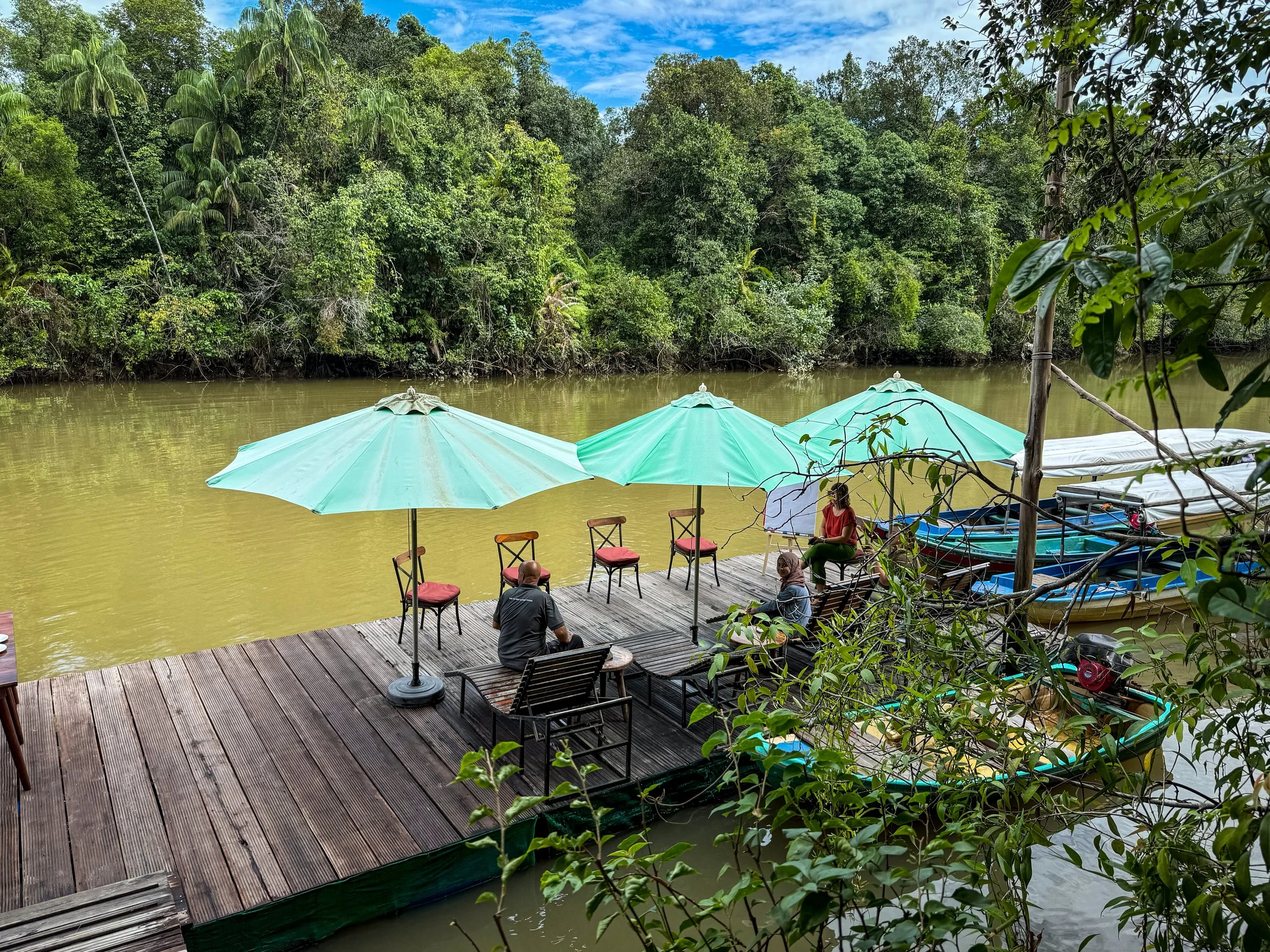
The 20-minute boat ride upriver offers an immediate lesson in what responsible tourism looks like when it is built around place rather than convenience.
Lowland rainforest closes in along the waterways of Cambodia’s Botum Sakor National Park. There is no road to Cardamom Tented Camp, no phone signal, and little chance of arriving by accident. It’s the kind of "low-density experiences" that the industry increasingly would sell as the new luxury.
Asia Sustainable Travel attended as the only media invitee to The Long Run's APAC Regional Hub Meeting this June.
The Long Run's members collectively protect and regenerate over 23 million acres of nature globally, according to the organization. This year’s APAC gathering brought together responsible tourism and hospitality leaders from organizations including Khiri Travel, Minor Hotels, Lost Road, Knai Bang Chatt, The Datai Langkawi, The Habitat Foundation, Song Saa Private Island, Tiger Mountain Pokhara Lodge, and Nikoi and Cempedak Islands.
The author arrived with two questions to test.
First, whether CTC's off-grid, conservation-led operation actually lives up to its promise that a guest's stay keeps the forest standing.
Second, what does it take to sustain responsible tourism in Asia-Pacific when travel demand, airline capacity, capital investment, public policy, and guest trust are all under pressure?
Three days of site visits, ranger briefings, working sessions, and candid conversations surfaced a clear answer. Making responsible tourism durable takes more than just committed business leaders, strong sustainability language, or travelers willing to pay more.
What It Takes
Based on the author’s reporting, conversations, and site observations at the meeting, these are the five conditions that emerged as critical to allow responsible tourism to not only perform well in a favorable circumstance, but also to withstand pressure.
Patient capital and mission-locked governance
Local agency and adaptable implementation
Diversified and protected funding
Evidence-based communication that earns trust
Collective market and policy infrastructure
These five conditions do not replace The Long Run’s 4Cs — Conservation, Community, Culture, and Commerce. Nor do they represent an official addition to the framework. They represent a synthesis of what participants' experiences point to as essential for delivering on those commitments over time."
A quick note on sourcing: this article also draws on quotes and figures published in The Long Run's own recap.
Cardamom Tented Camp’s Conservation-Led Model
The operating model of Cardamom Tented Camp (CTC) is designed around a simple proposition: guest revenues should help keep the forest standing.
During a walk through the camp’s operations, manager Allan Michaud described change in the terms that matter most to people who have spent years in Cambodia’s forests.
“It had been a long while since I hadn’t heard chainsaws revving 24/7,” he said.
Behind that silence is nearly seventeen years of conservation work on the concession. A growing number of species that were once on the brink of extinction, such as Marbled Cat and White-eared Night Heron, have returned to the protected area. It’s a recovery no single metric can fully capture.
Forest protection requires secure land access, ranger capacity, effective enforcement, community relationships, long-term financing, and evidence that pressure on the forest is declining.
CTC’s model brings several of those elements together through a three-way partnership involving Wildlife Alliance, YAANA Ventures, and Minor Hotels. Wildlife Alliance works across forest protection, ranger support, and community engagement. YAANA Ventures operates the tourism business. Minor Hotels contributes capital and operational support.
The aim is to turn a remote hospitality asset into a dependable source of conservation finance.
A conventional hotel may support environmental work through discretionary corporate social responsibility spending. A conservation-led tourism business makes protection part of the operating model itself.
CTC’s experience also illustrates the limits of the model. Its development timeline reflects the vulnerability of remote tourism: a five-year target became an eight-year path after the COVID-19 pandemic and severe flooding.
Conservation hospitality is not an asset class built for investors demanding immediate returns. It requires capital that can absorb disruption, delayed payback, and the reality that ecological recovery does not follow quarterly reporting cycles.
→ Read AST's full feature on Cardamom Tented Camp: How a Tented Camp Helps Keep a Forest Standing.
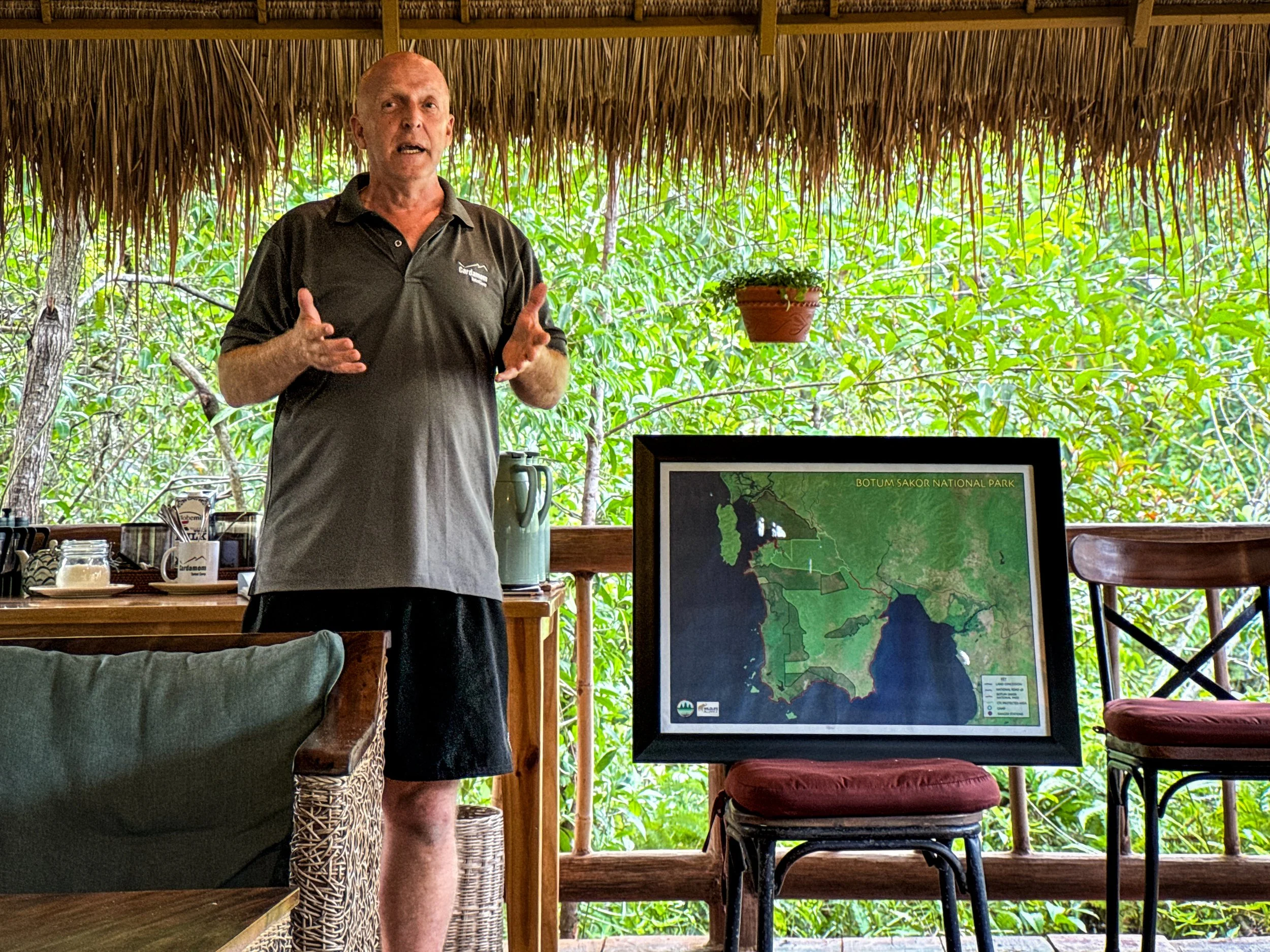
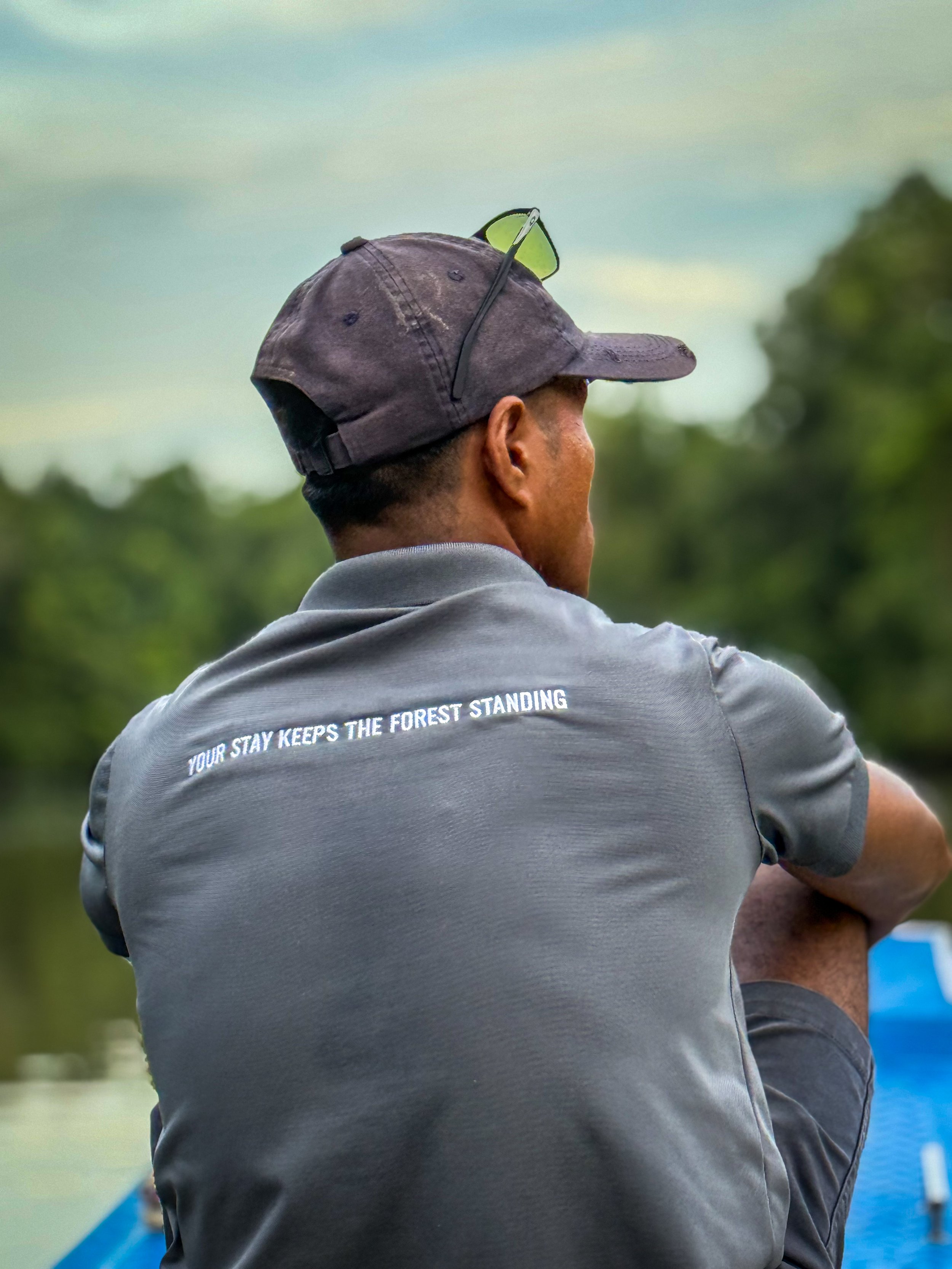
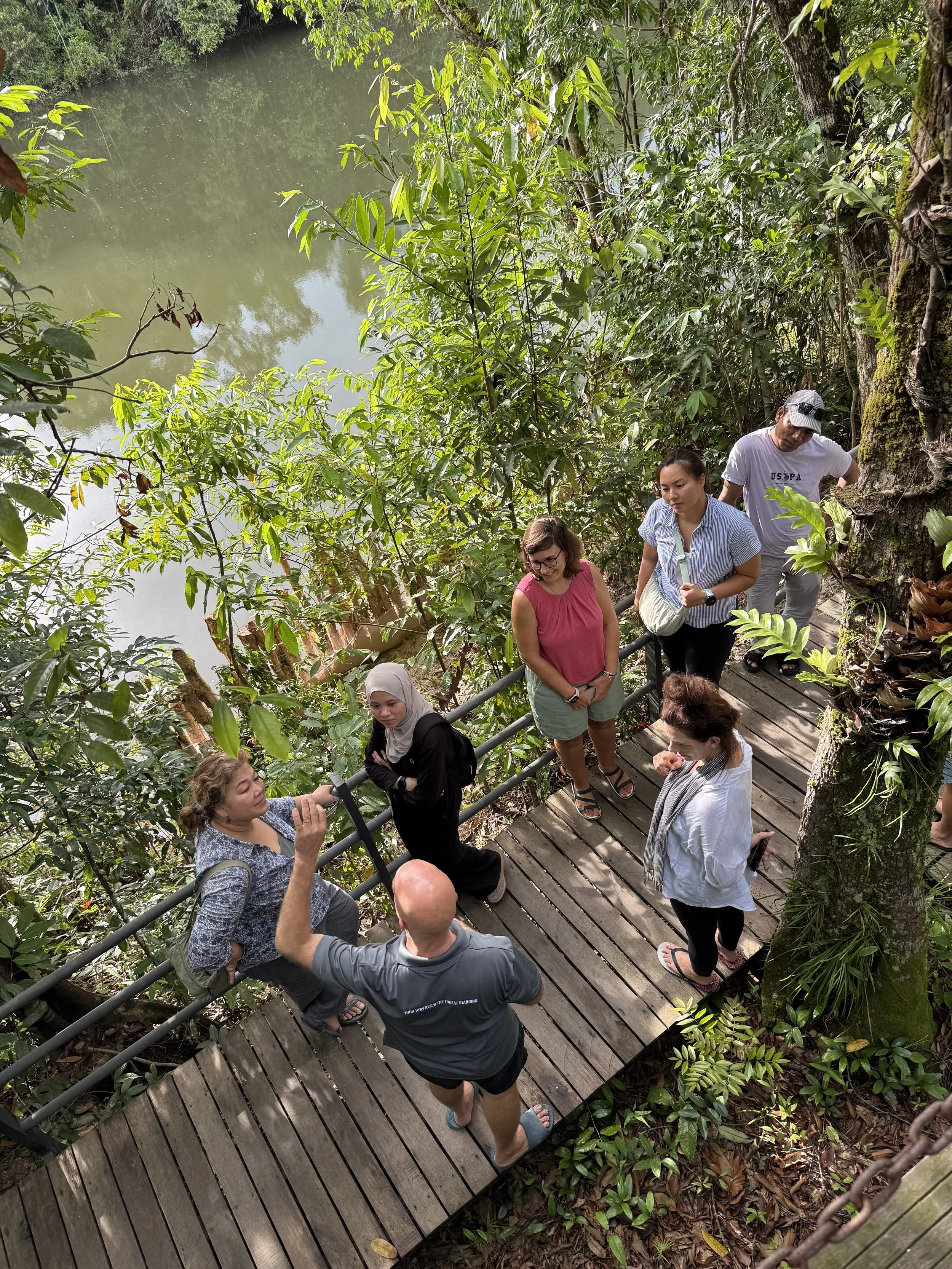
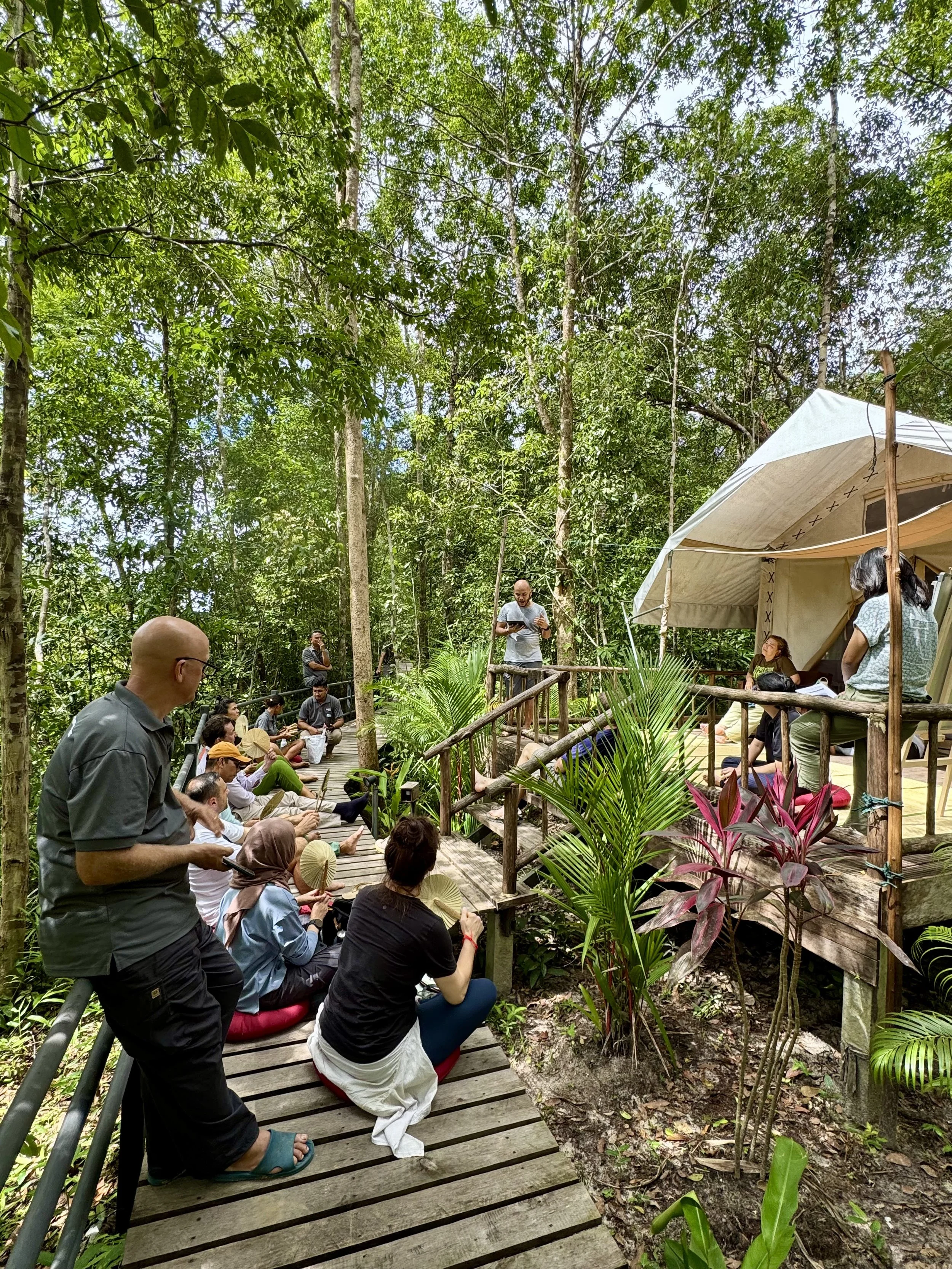
Meetings at Cardamom Tented Camp. Photos by author; top right by Olivier Marchesin.
1. Patient Capital and Mission-Locked Governance
Responsible tourism needs capital and governance structures that protect conservation and community commitments when commercial conditions are under stress.
When conservation competes with short-term financial targets, it is often vulnerable precisely when a business experiences pressure. When it is built into concessions, partnerships, governance, and planning, it is harder to cut without undermining the business’s purpose.
A mission-locked model can take different forms, for example:
Conservation commitments written into concession agreements or long-term contracts
Governance structures that give conservation partners meaningful standing in operational decisions
Reinvestment policies that protect mission spending from short-term budget cuts
Investors willing to accept longer and less predictable return horizons
Financial arrangements that prevent environmental and community commitments from becoming optional marketing claims
For APAC’s responsible tourism sector, this is critically important. Many nature-based properties depend on long-haul travelers, limited air access, and premium rates. While those factors can help produce strong returns in a healthy market, they can also expose properties to sudden shocks — from public-health crises and currency shifts to conflict-related changes in aviation routes.
The businesses most likely to sustain their mission are not necessarily those with the strongest sustainability statements. They are the ones whose financial and governance structures make it difficult to abandon those commitments.
The lesson from CTC is not that every tourism business must become a tented camp in a rainforest. It is that conservation cannot remain an optional budget line if it is expected to endure during a downturn.
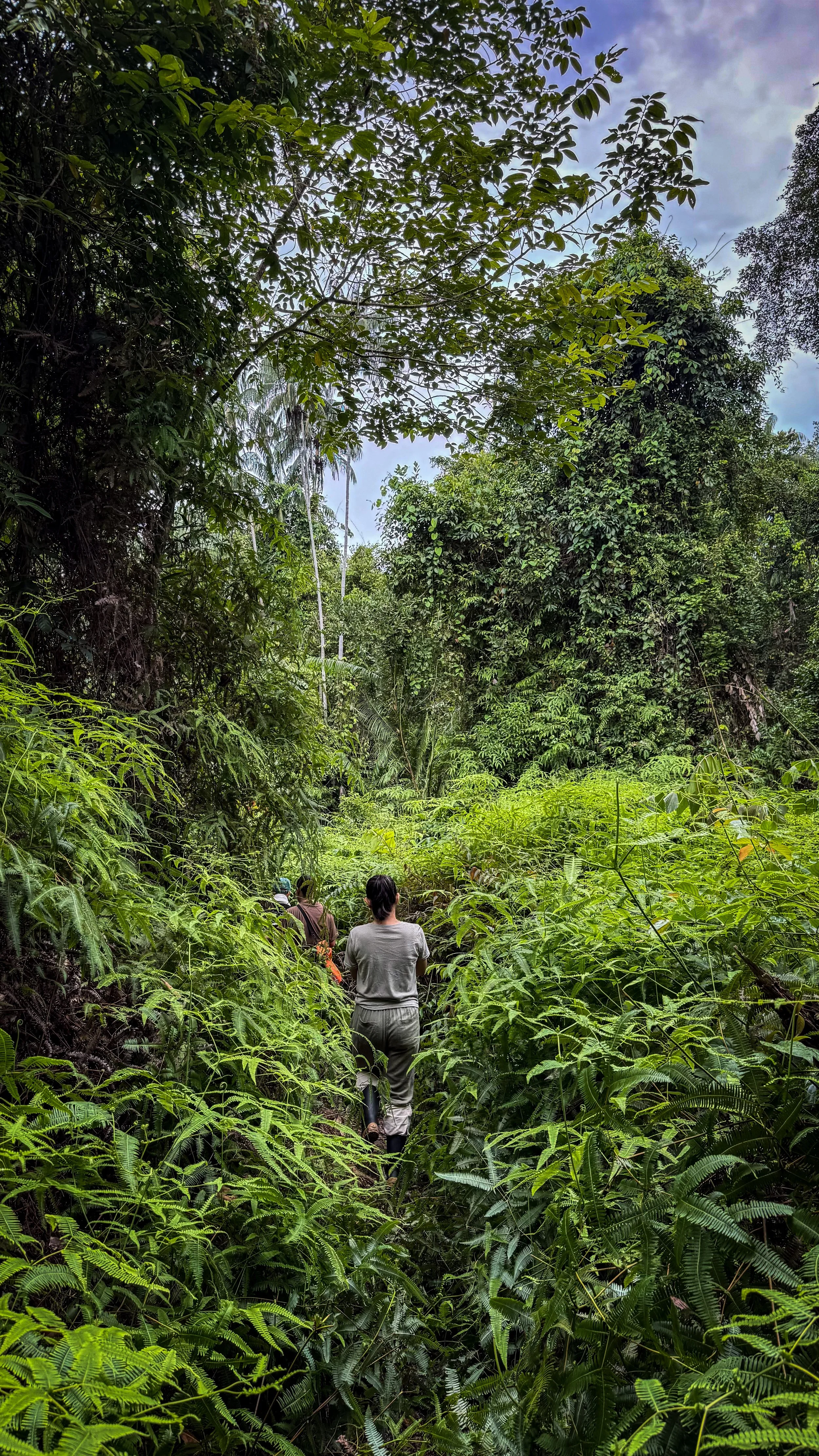
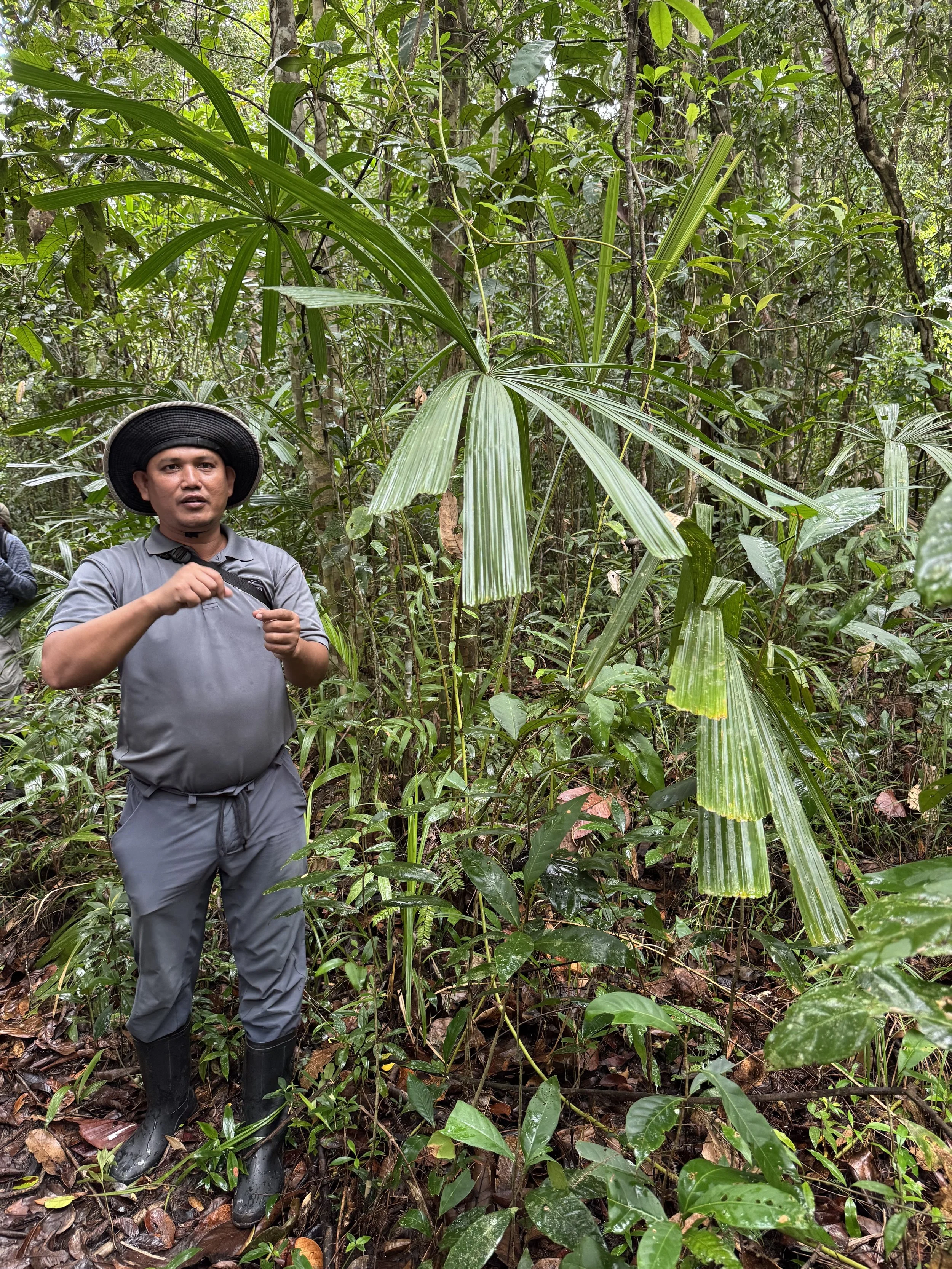
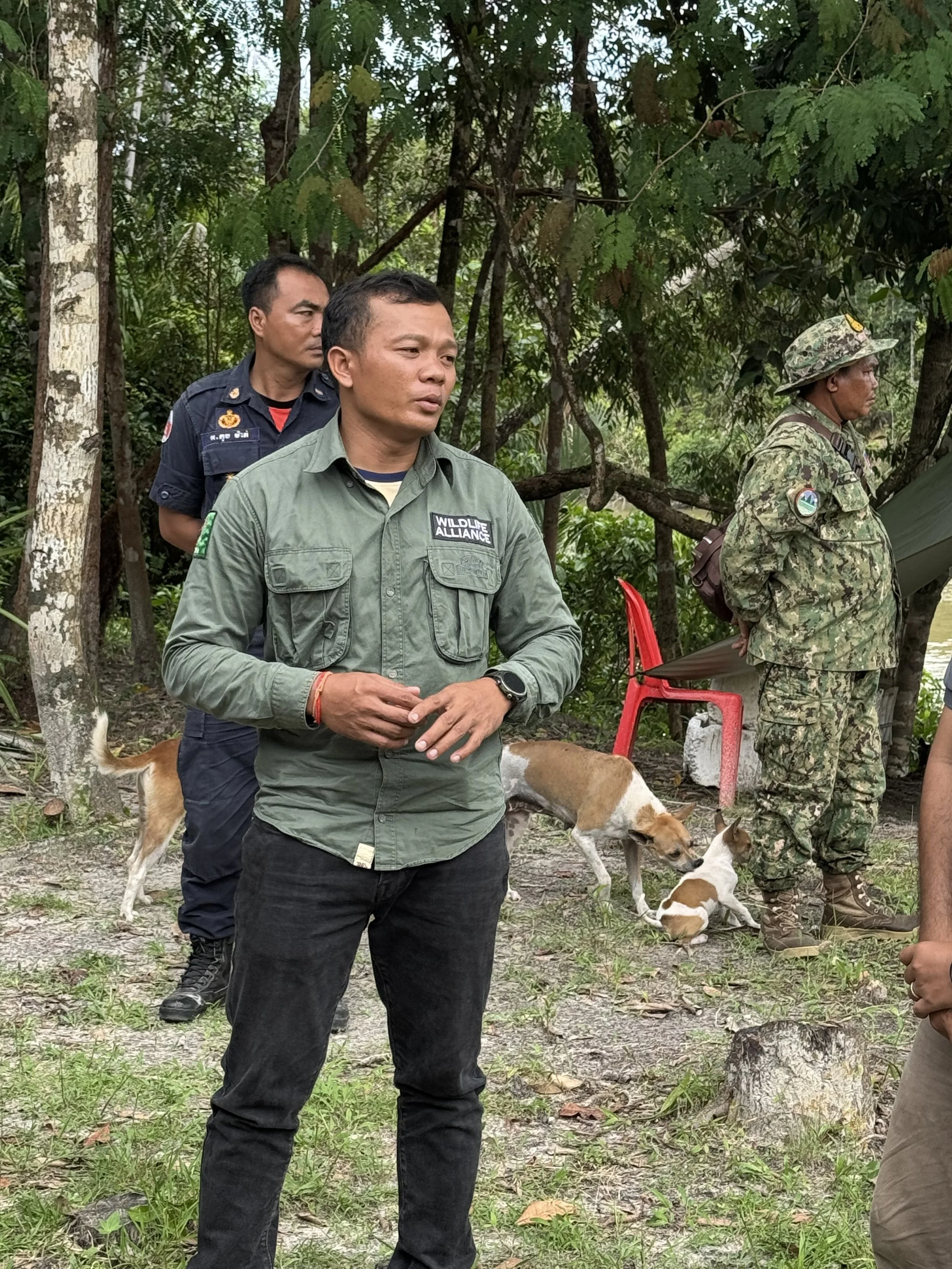
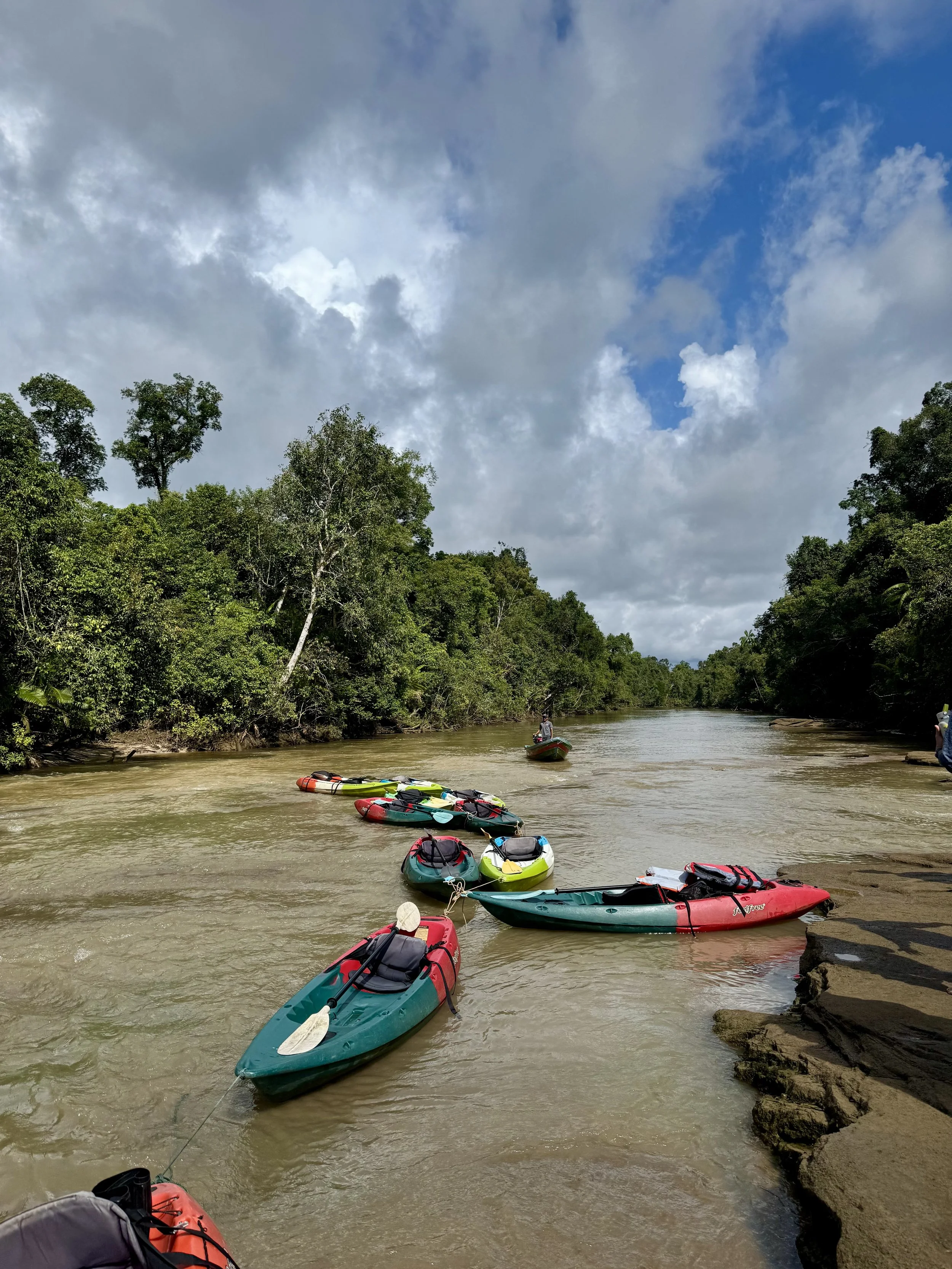
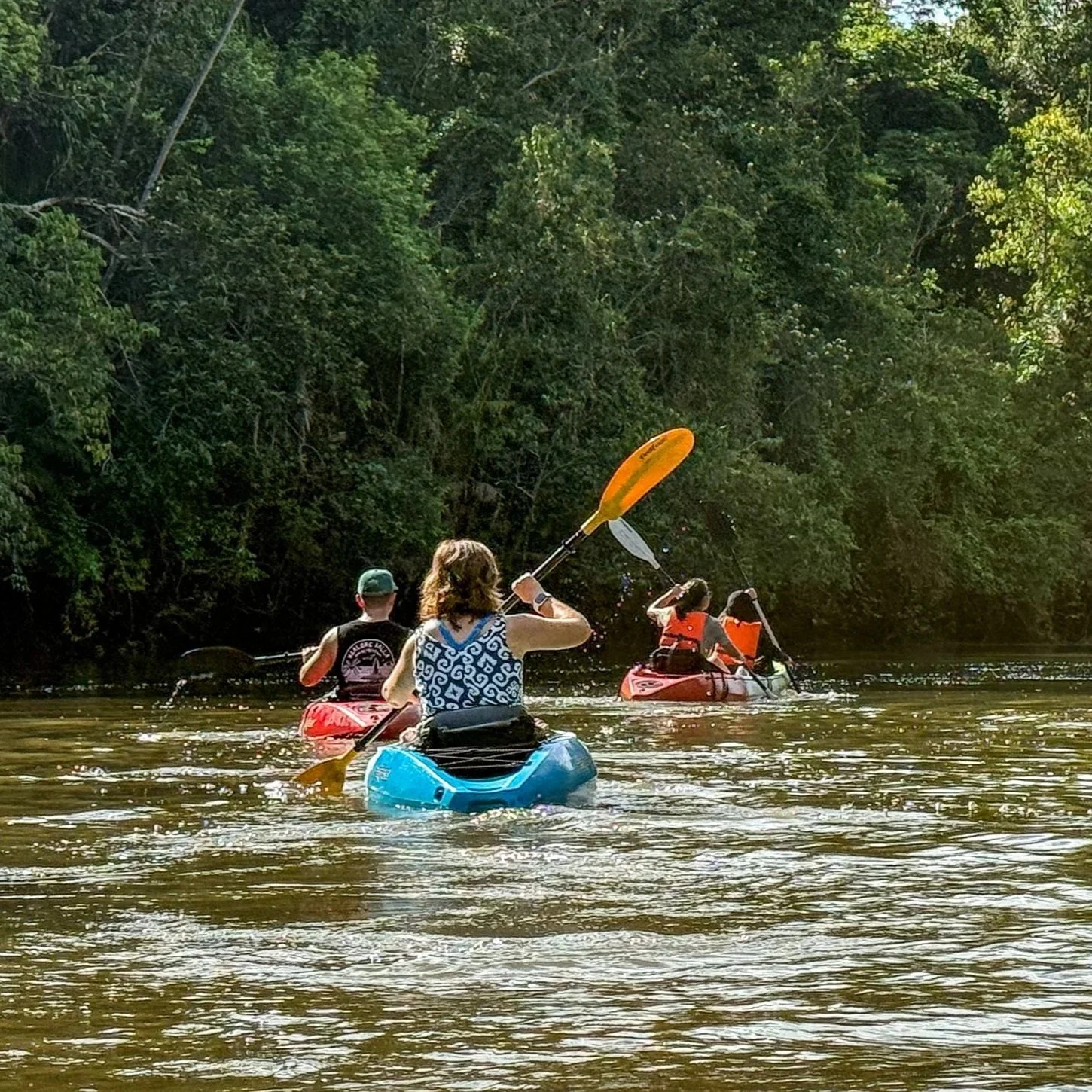
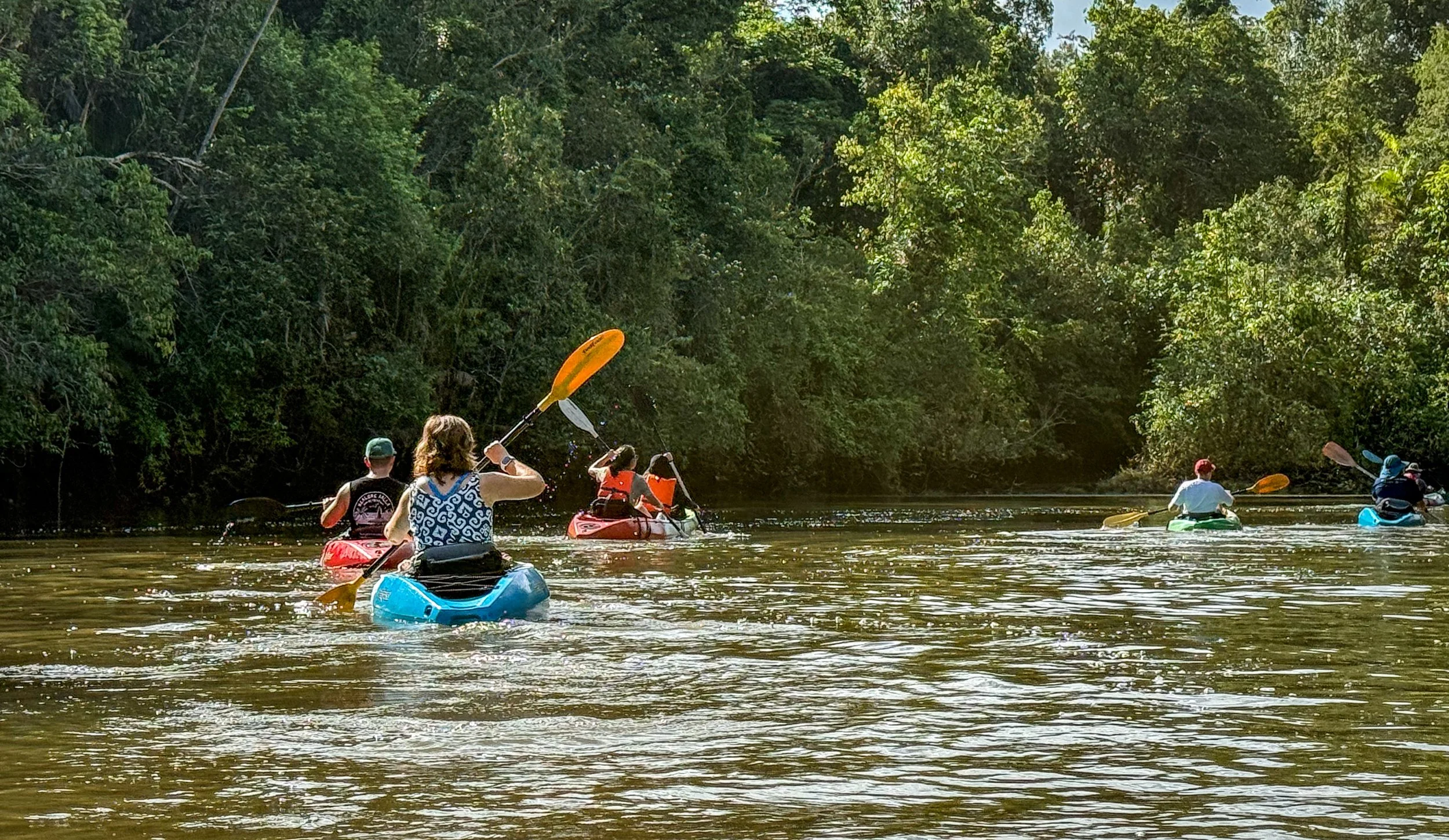
From top left clockwise: Forest walk, meeting with rangers, kayaking at Botum Sakor National Park. Photos by author.
2. Local Agency and Adaptable Implementation
Global frameworks can set ambition, but local partners need real influence over how tourism operates, who benefits, and what success looks like.
The Long Run’s framework is organized around Conservation, Community, Culture, and Commerce.
Its central premise is that responsible tourism cannot sustain any one of these areas by neglecting the others. Commerce is the funding mechanism intended to support Conservation, Community, and Culture. But the meeting repeatedly returned to a critical caveat: a global framework only works when it can be translated into local relationships, local priorities, and local decision-making.
The Datai Langkawi offers one of the clearest test cases of applying the 4Cs within its local context. Remi Gimorelli of The Datai Langkawi told us how a 2018 sustainability committee matured into the four-pillar Datai Pledge.
The brand’s food-sourcing initiative illustrates how those pillars can intersect. Seeking to reduce dependence on food imports while creating local economic value, the resort identified 90 nearby farmers and financed four as an initial pilot. The strategy relied less on directives than on demonstration. When neighboring farmers saw visible results, they expressed interest in participating.
The initiative works as farmers are treated as partners in an economic transition rather than as beneficiaries of a corporate program.
Meaningful community investment means setting examples and empowering rather than mandating from the periphery — often requiring a willingness to rebalance local political and economic dynamics, not just write checks.


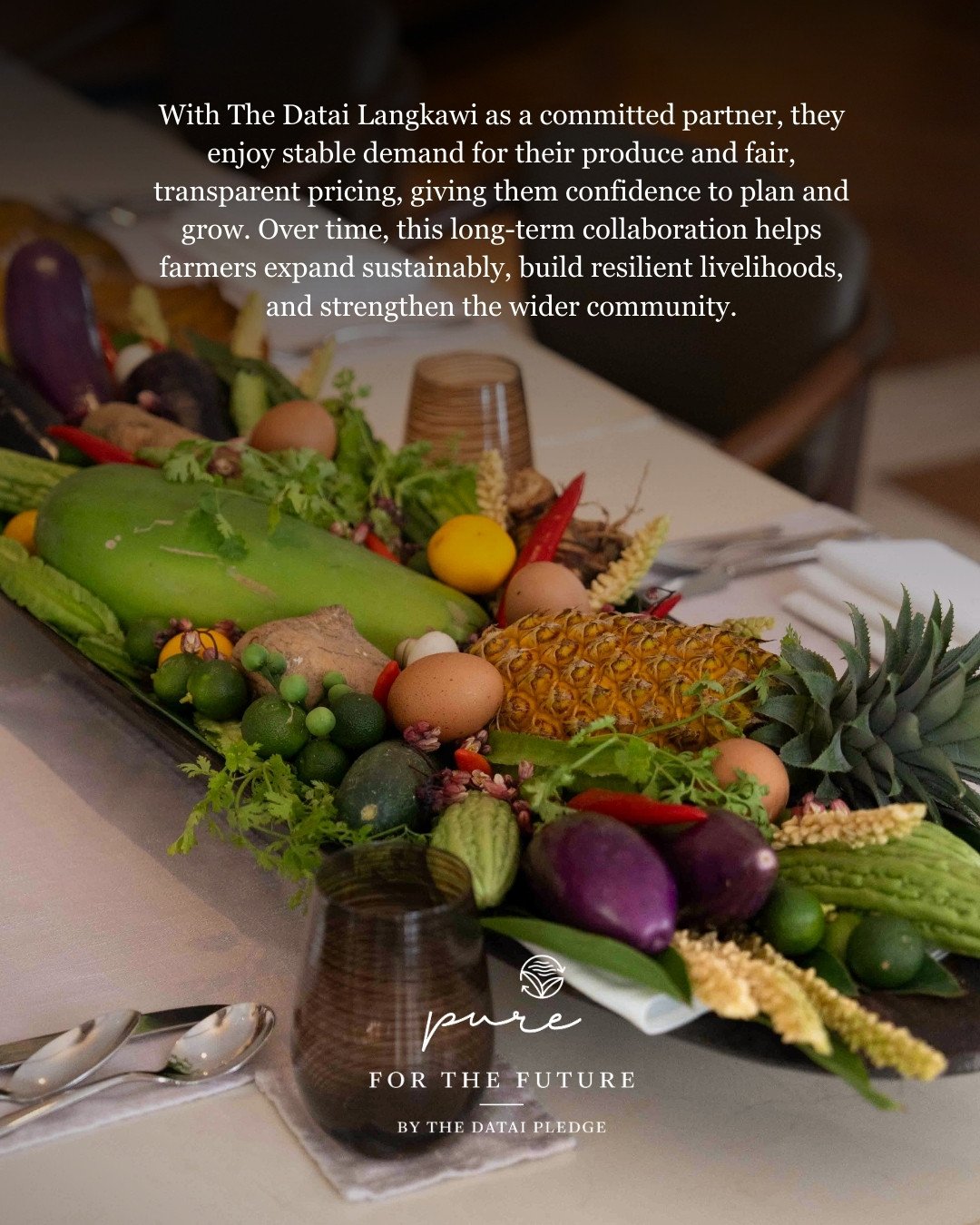

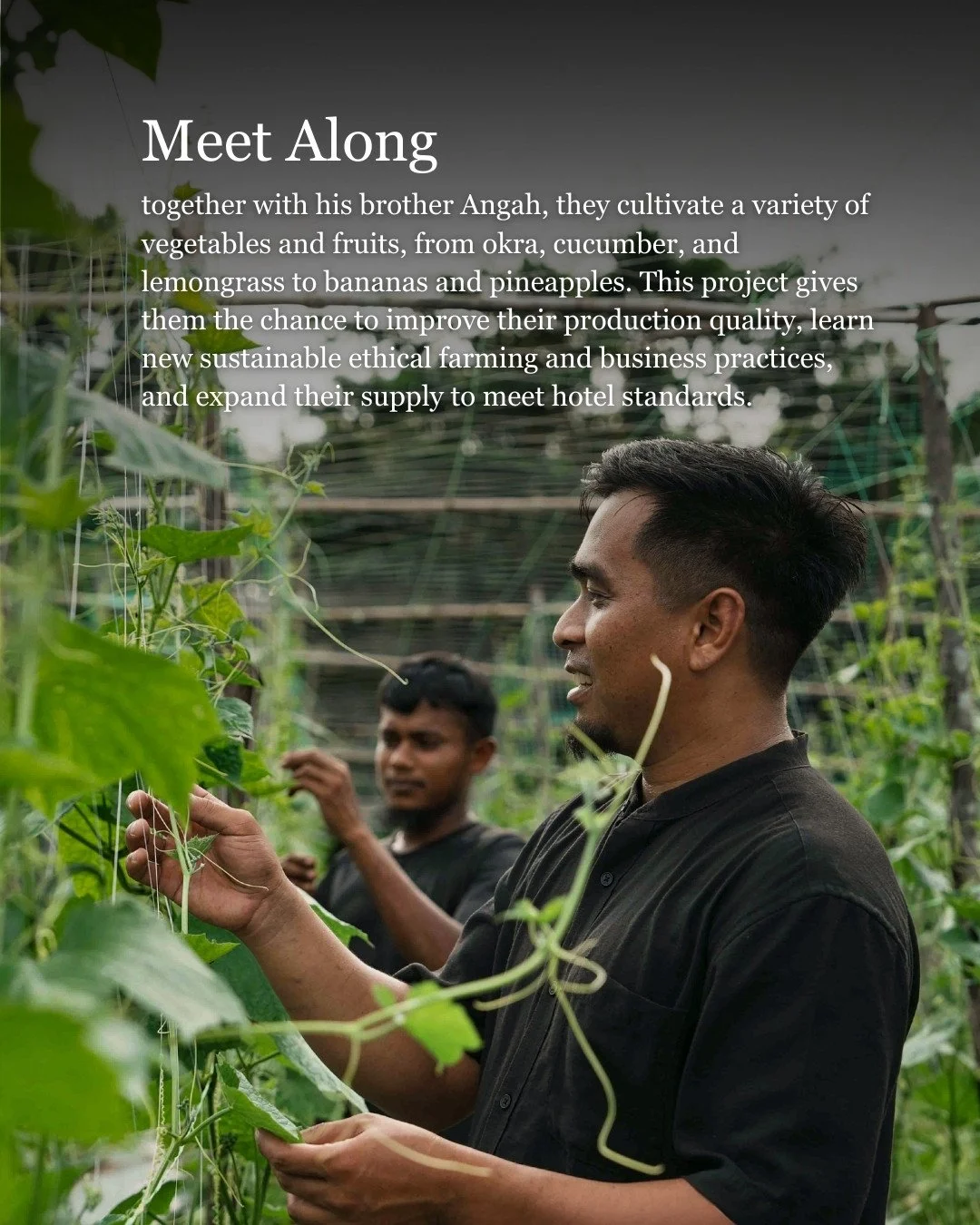
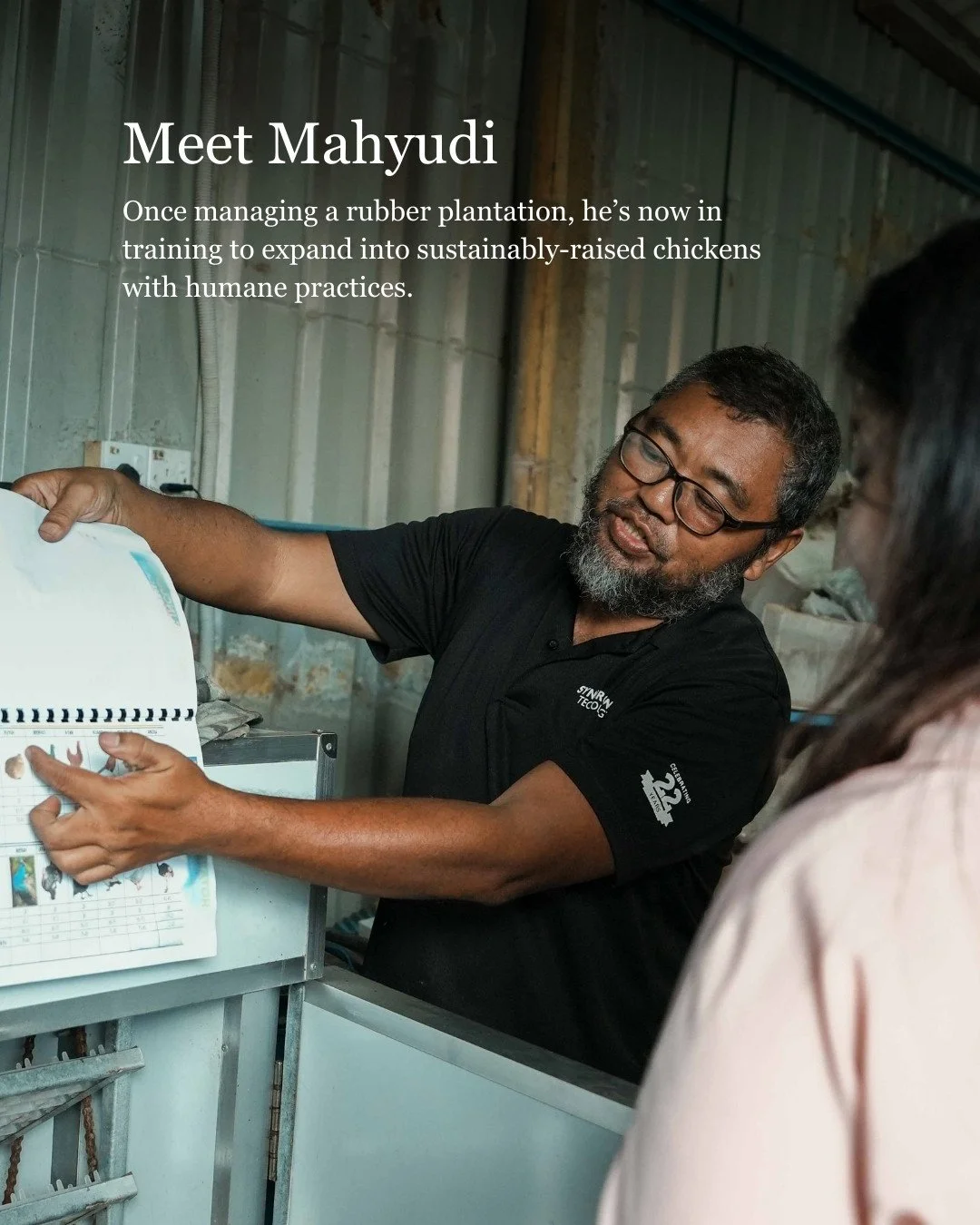
Photos by The Datai Pledge
3. Diversified and Protected Funding
Commerce can fund conservation, community, and culture only when impact spending is protected from dependence on a single revenue source.
One of the most powerful sessions tackled an important question that was on everyone’s mind: how does Commerce actually fund the other 3Cs?
Different businesses have taken different approaches.
Khiri Travel's answer is guest opt-in 50 cents per traveler per day, capped at $10, funding Khiri Reach. The Datai's is a default, opt-out charge of roughly RM48 — about $12 — per room per night. Nikoi and Cempedak Islands’ answer is varied sources of funds including guest donations, fundraising, and corporate partnerships.
The three models reveal not just different mechanics, but also different theories of guest psychology.
The most resilient model could build on a portfolio, rather than a single mechanism.
A responsible tourism business may need:
Room-night contributions or guest levies to create a predictable baseline
Donations for projects that guests can understand and follow
Corporate partnerships to support larger capital needs
Philanthropic funding or grants for early-stage experimentation
Earned revenue from tours, products, training, or local enterprises
Reserve funds that protect essential conservation work during downturns
Demand-side research suggests a growing base of travelers is open to this kind of proposition. Agoda's 2026 Sustainable Travel Survey found that 77 percent of Asian travelers considered sustainability important when choosing travel options, up from 68 percent the previous year. But “important” here does not automatically mean travelers will accept vague fees, pay higher prices without explanation, or remain loyal during an economic downturn.
The sector still has to earn that support. It does so by showing where money goes, who benefits, what changes, and why a guest’s decision matters.
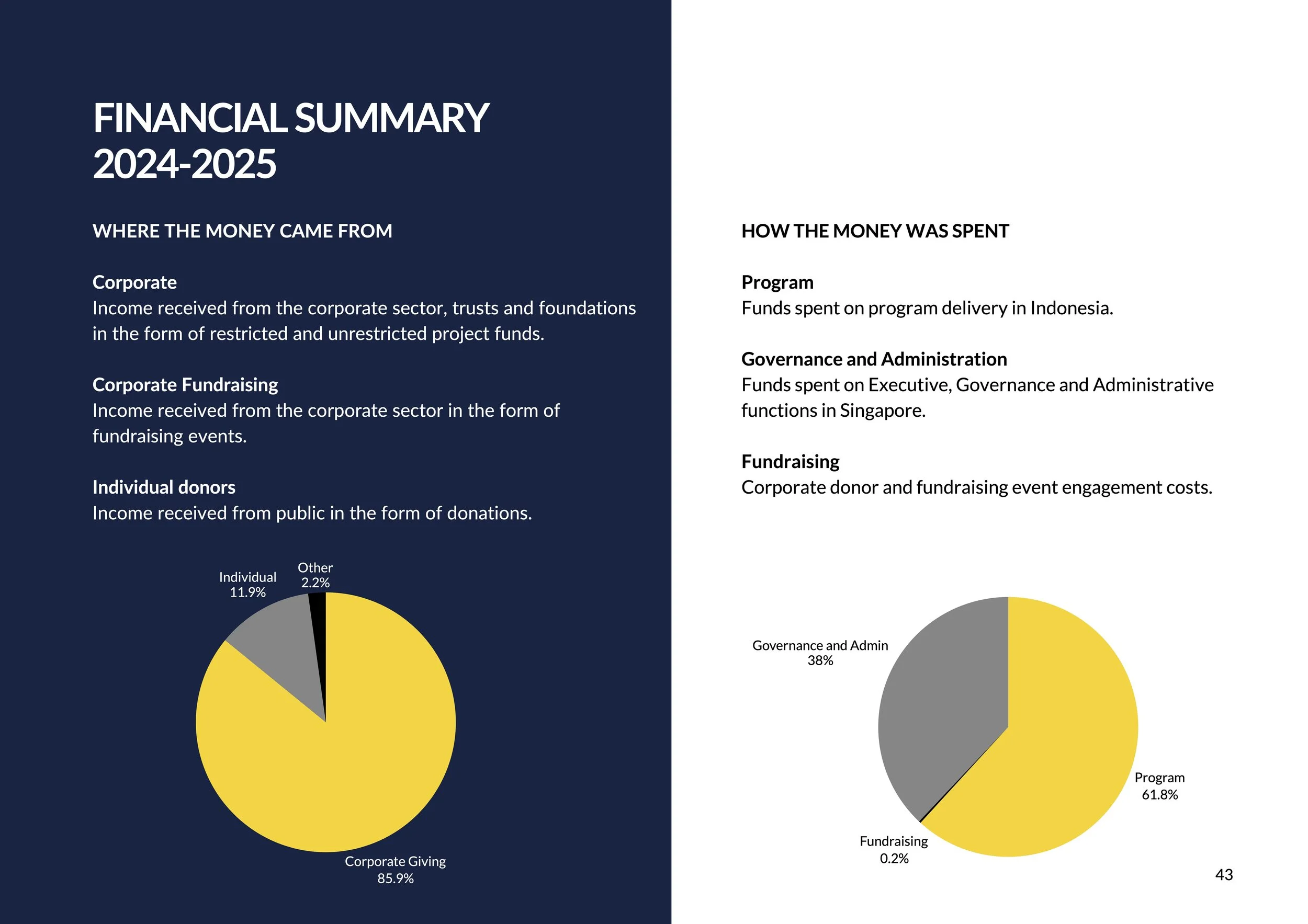
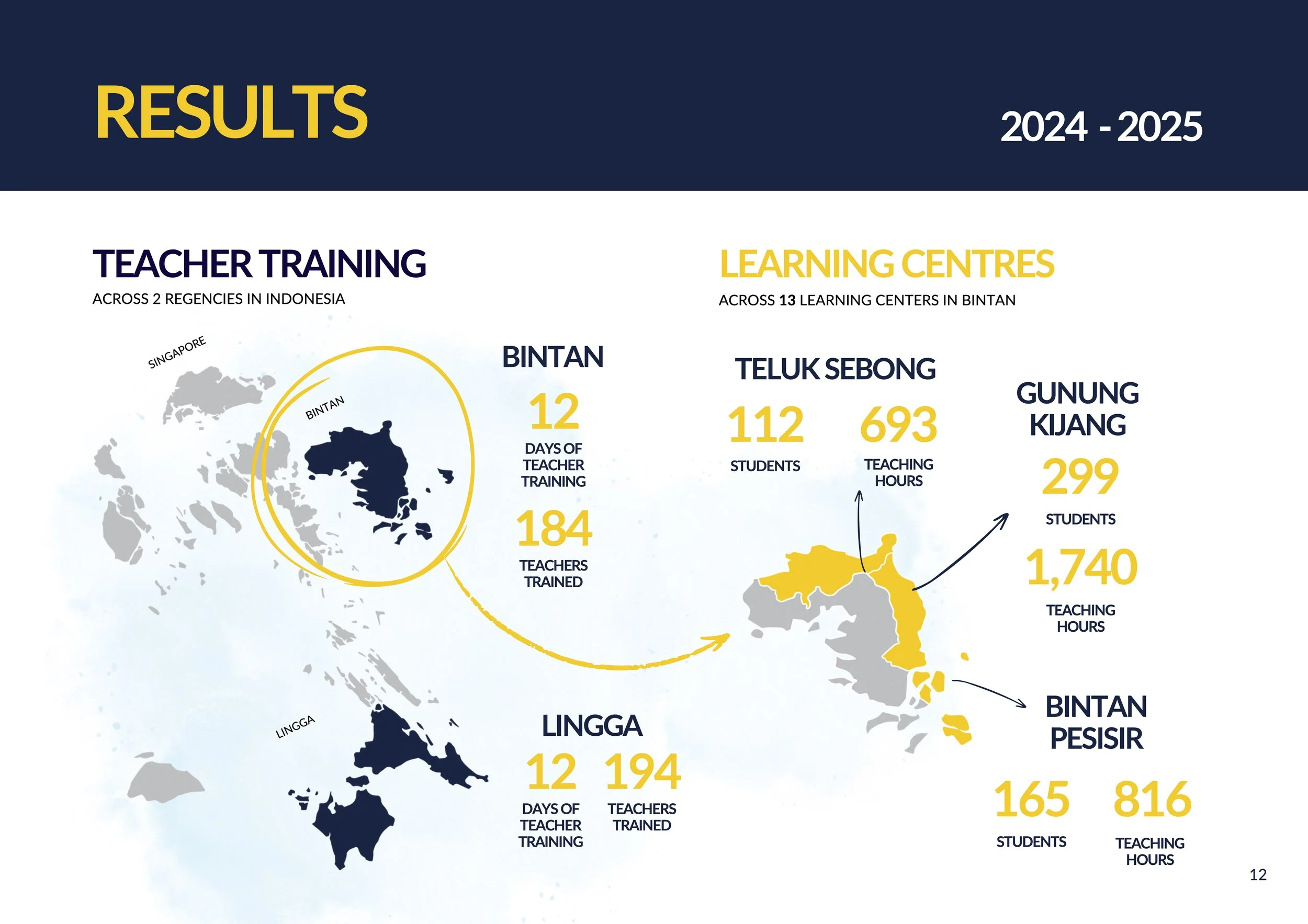
Example of funding and impact reporting from The Island Foundation’s 2024-2025 Annual Report
4. Evidence-Based Communication That Earns Trust
In a market crowded with sustainability claims, businesses must show clear, specific, and proportionate evidence of what a guest’s spending changes.
At the meeting, when Natalie Van Ogtrop of YANNA Ventures asked the delegates whether CTC over-communicates its impact, the room's verdict was that it under-communicates in a market saturated with sustainability claims and growing suspicious of them.
Guest suspicion came from a myriad of reasons. A University of Surrey study of over 800 hotel guests suggested that many hotel guests are skeptical of sustainability claims, with a majority believing that hotels may exaggerate their environmental performance or omit important details. That skepticism is understandable in a market saturated with generalized promises: “eco-friendly,” “responsible,” “green,” and “sustainable” are frequently used without showing what they mean in practice.
The response should not be more claims. It should be better evidence.
Using CTC as an example, credible communication might include:
The area of forest covered by the conservation arrangement
How tourism revenue is allocated between operations, conservation, and community initiatives
Ranger patrol capacity and examples of enforcement outcomes
Independent or third-party monitoring where available
Biodiversity data explained with appropriate limits and context
Local employment, procurement, training, and enterprise outcomes
The practical limits of the model, including its exposure to low occupancy and travel disruption
Effective communication connects a guest’s choice to a specific result. Instead of saying, “Your stay supports the planet,” explain what a stay funds, who carries out the work, what has changed, and what remains unresolved.
That requires a more disciplined standard for impact reporting. Not every outcome can be reduced to a single metric, especially in complex ecosystems. But operators should distinguish among activities, outputs, and outcomes.
→ Check out CTC’s 2025 Impact Report here.
The delegates also suggested letting staff and guests share their perspectives authentically, rather than having agencies that have never set foot on site default to over-produced, tone-deaf language.
Our take is that this shift demands a different scorecard that breaks from mass-market logic. Reach alone appears to carry diminishing returns. It is building resonance with the right audience that likely converts.
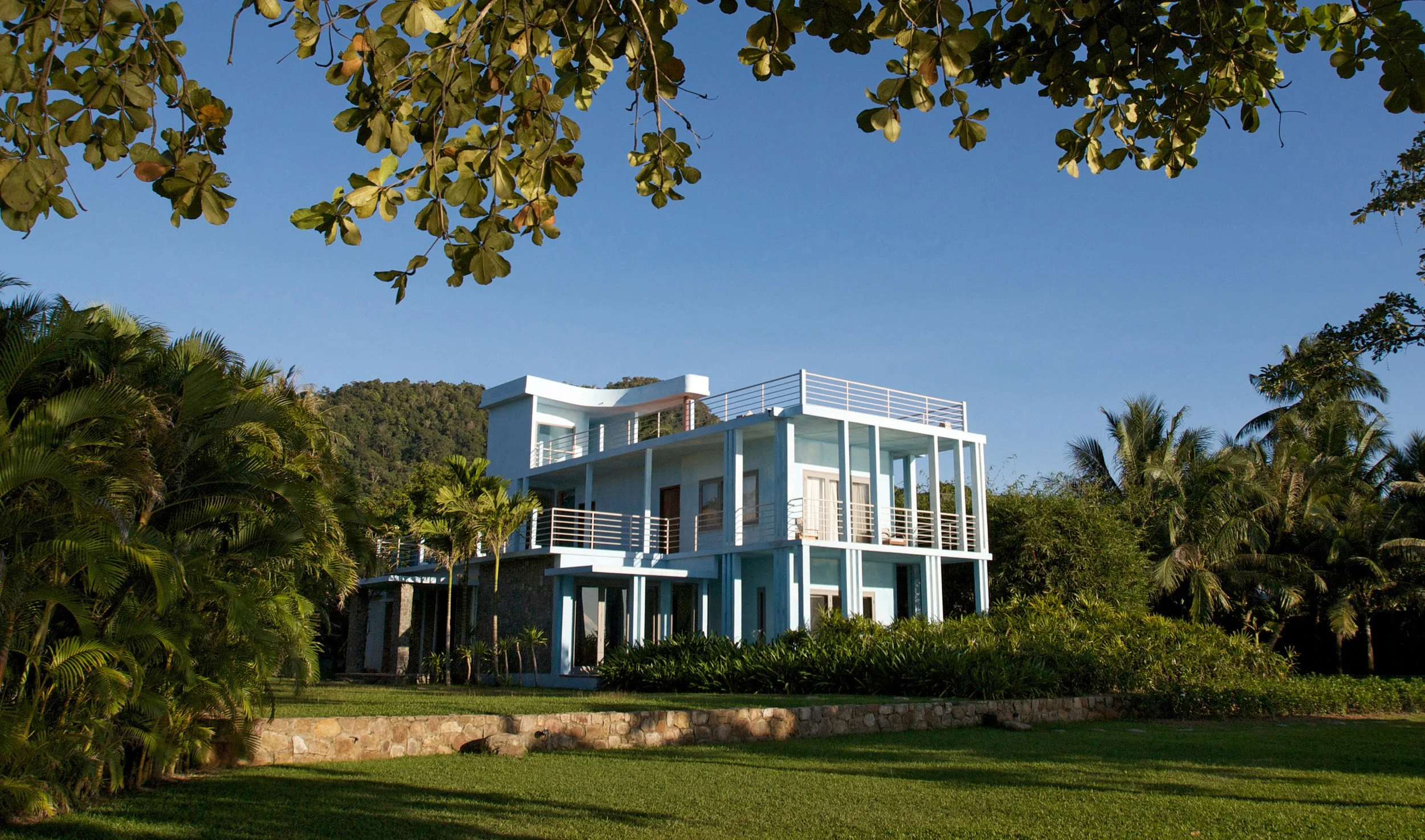
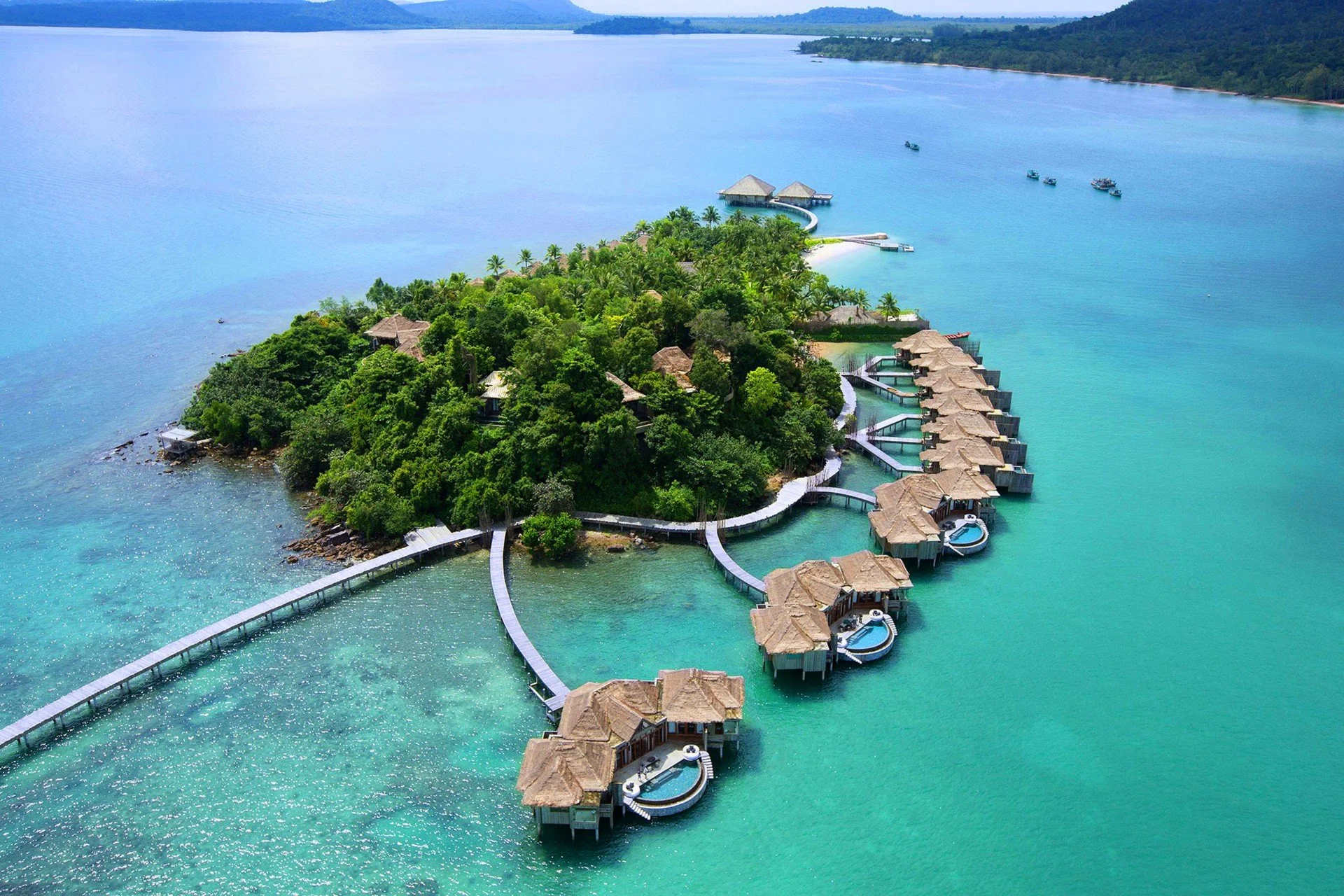
From left: Knai Bang Chatt, Song Saa Private Island. Photos by brands.
5. Collective Market and Policy Infrastructure
Even the best-run responsible tourism business cannot solve weak air connectivity, fragmented distribution, unstable policy, or regional disruption on its own.
The most revealing discussions at the meeting took place on the final working afternoon, after a boat transfer to the new ranger station. Delegates came together to identify threats that appeared no single lodge, hotel group, tour operator, or conservation organization could solve.
Delegates raised concerns about thinner flight connectivity to secondary destinations, high airfares, regional instability, slow or inconsistent government action, weak domestic demand, and price competition that penalizes businesses unwilling to cut labor, conservation, or community spending.
In the six weeks before the meeting in June, airlines removed 1.7 million seats from intra-Southeast Asia routes and 1.4 million from Southeast Asia–Northeast Asia routes amid the disruption linked to conflict in the Middle East.
For remote destinations, fewer flights can quickly become fewer guests, higher costs, and greater pressure on already fragile business models.
This is why “what it takes” cannot be answered at the property level alone.
A lodge can build a responsible procurement program. A hotel can charge a conservation levy. A tour operator can fund community projects. But none can independently restore air access, reform land-use policy, guarantee stable conservation concessions, or solve fragmented destination marketing.
This is where networks such as The Long Run can offer value. Peer groups can help businesses share methods, compare performance, make referrals, pool marketing resources, and advocate for policy conditions that individual businesses cannot secure alone.
The required infrastructure has to operate at several levels:
Individual businesses: Mission-protected budgets, transparent impact reporting, local partnerships, and diversified revenue
Destination Management Organizations (DMOs): Joint marketing, shared sales systems, referral networks, and coordinated visitor experiences
Industry groups: Standards, peer learning, common measurement tools, and collective advocacy
Governments across all levels: Stable concessions, effective protected-area management, local rights protections, connectivity, and accountable regulation
Investors and funders: Longer time horizons, blended finance, flexible capital, and realistic expectations about returns
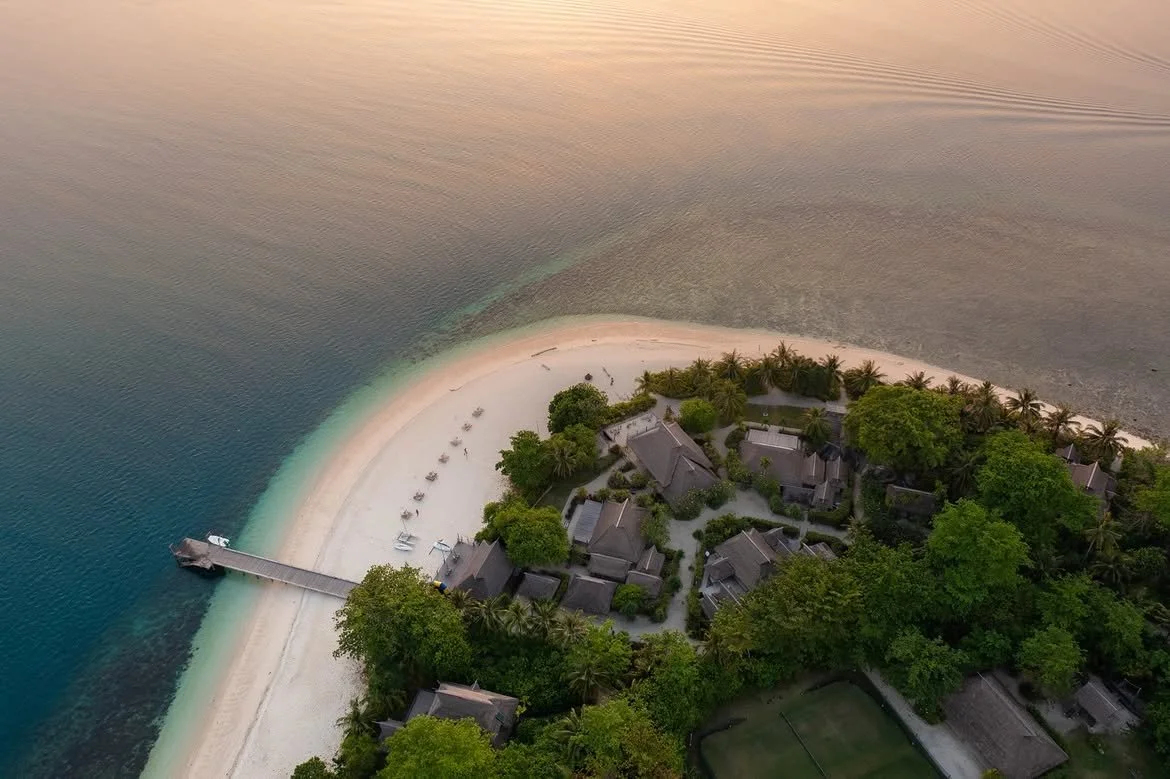

From left: Nikoi Island, Tiger Mountain Pokhara Lodge. Photos by brands.
What It Takes, in Full
CTC demonstrates that a conservation-led tourism model can operate in a difficult setting: a remote protected landscape dependent on a complex partnership, long-term financing, and a tourism market that can shift quickly.
Its experience should not be treated as proof that responsible tourism has solved its central challenges. It is evidence that a more integrated model can work under specific conditions.
The three-day meeting provided a clearer diagnosis. APAC's sustainable tourism movement is not short on conviction.
What it lacks is not intent but enabling conditions:
mission-locked capital investment in conservation, with commitments built into governance and contracts;
communities treated as partners to enable agency;
revenue streams that do not depend on one source;
transparent, evidence-based communication;
networks capable of responding to market and policy failures.
These are structural and operational gaps that are fixable with the right infrastructure.
Responsible tourism has already proved it can inspire. The next test is whether the industry can build the infrastructure to make it last.

![[Exclusive] Sustainable Tourism Impact Fund: How Patient Capital Unlocks Investments Conventional Financing Overlooks](https://images.squarespace-cdn.com/content/v1/63f6cdbdc249663d72082ecd/1786501208510-5198Q2DTS0U08ZD8FRMS/Local%2BAlike%2B-%2B57.png)