Custodians of the Cardamom Mountains: How a Tented Camp Helps Keep a Forest Standing
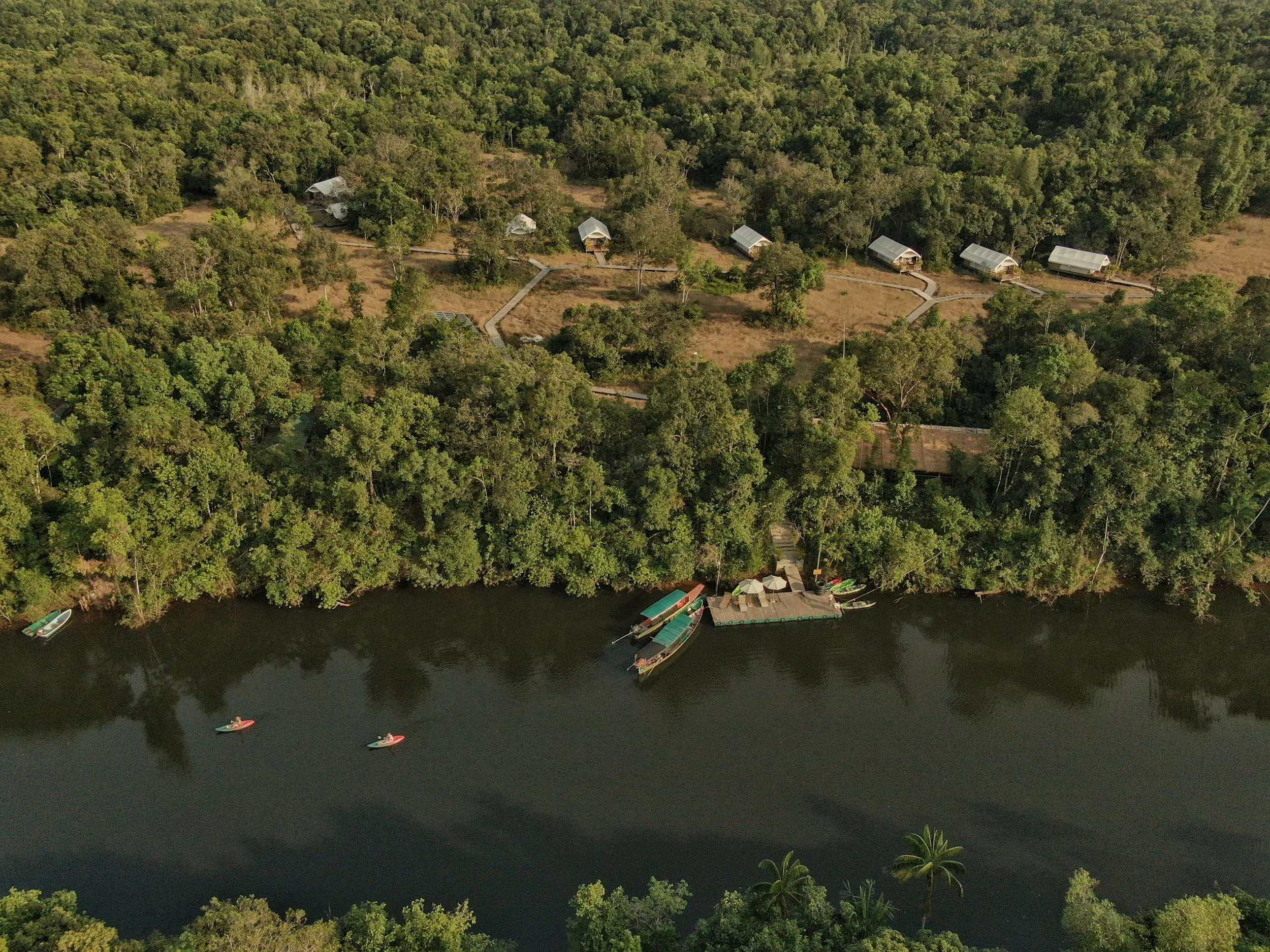
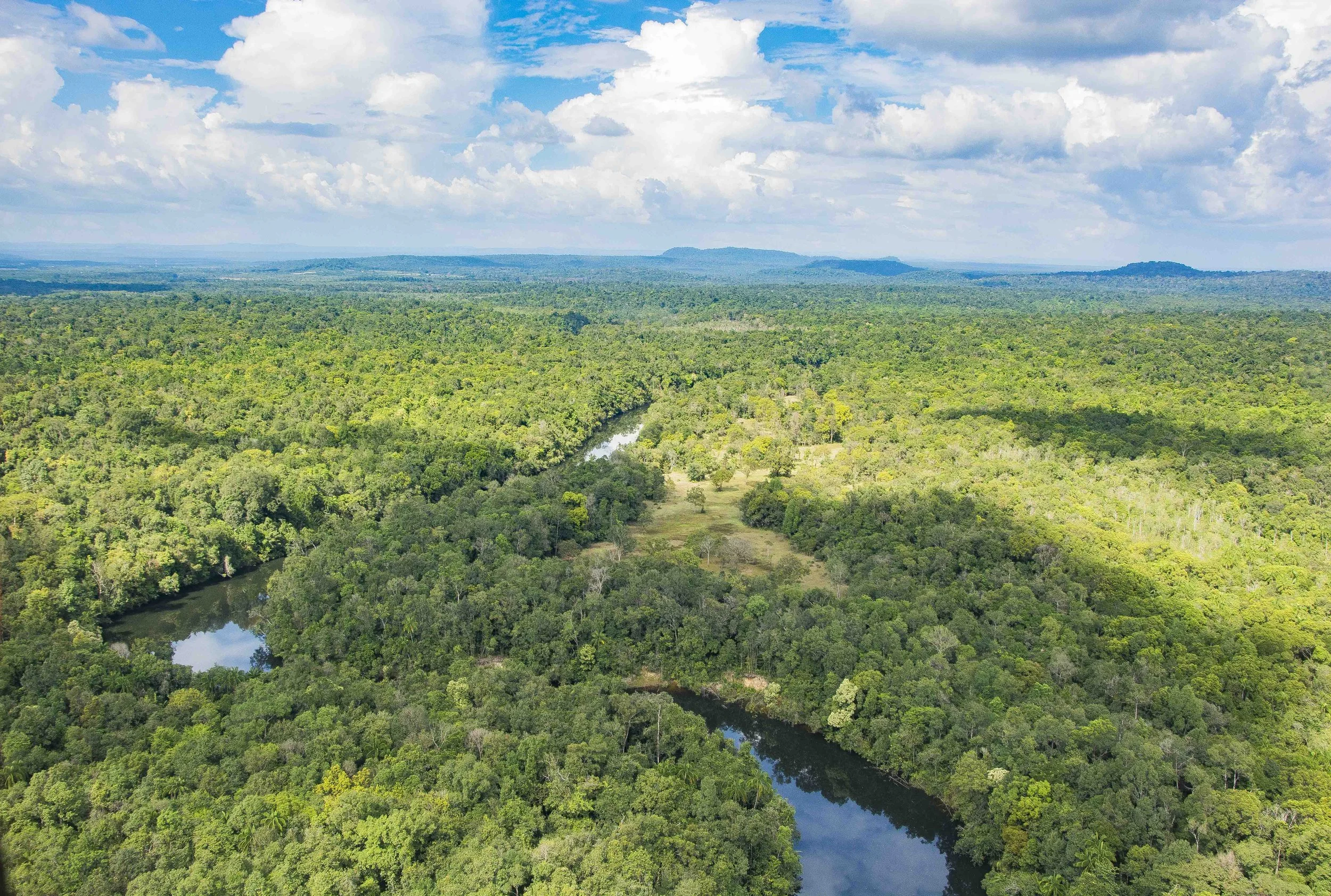
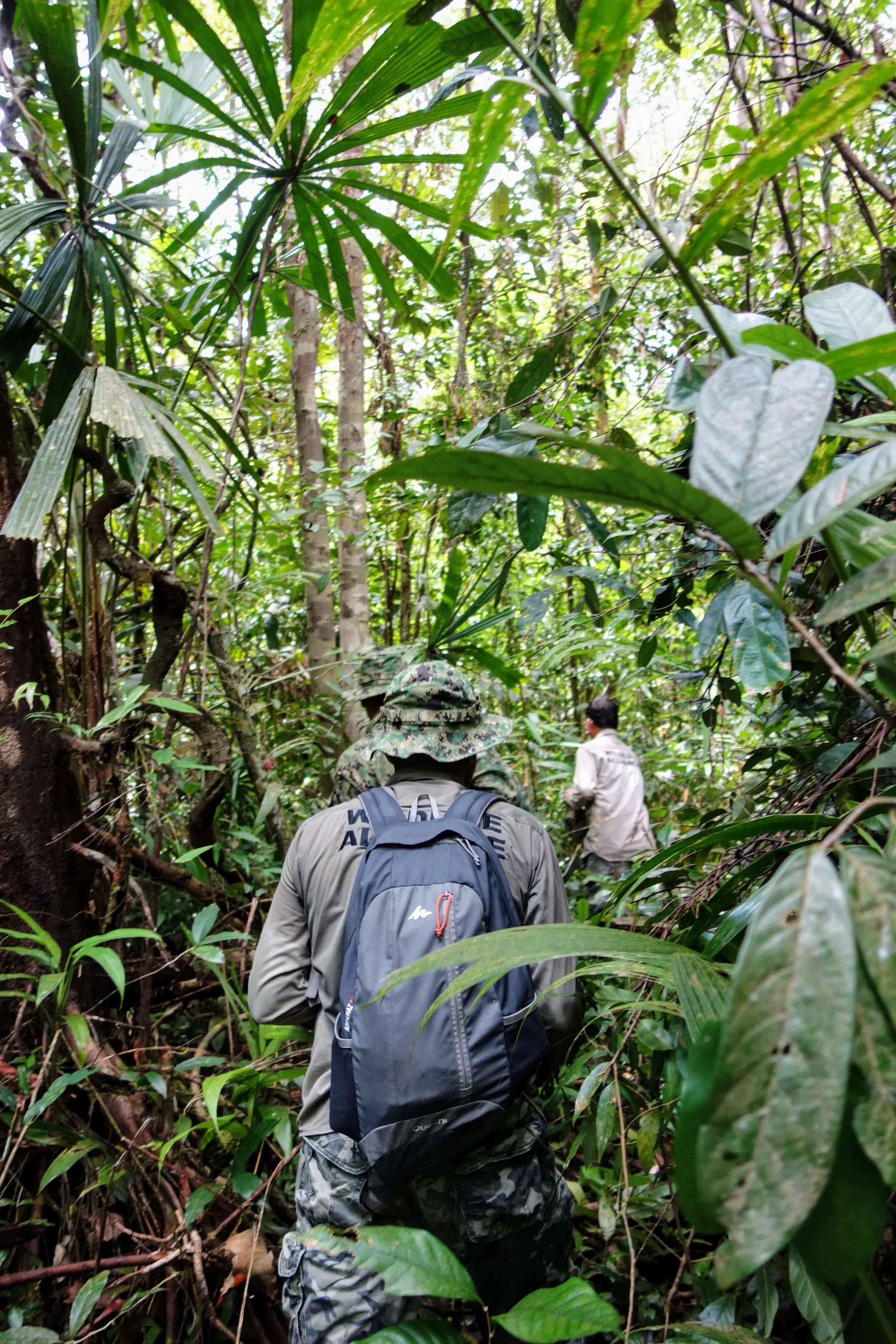
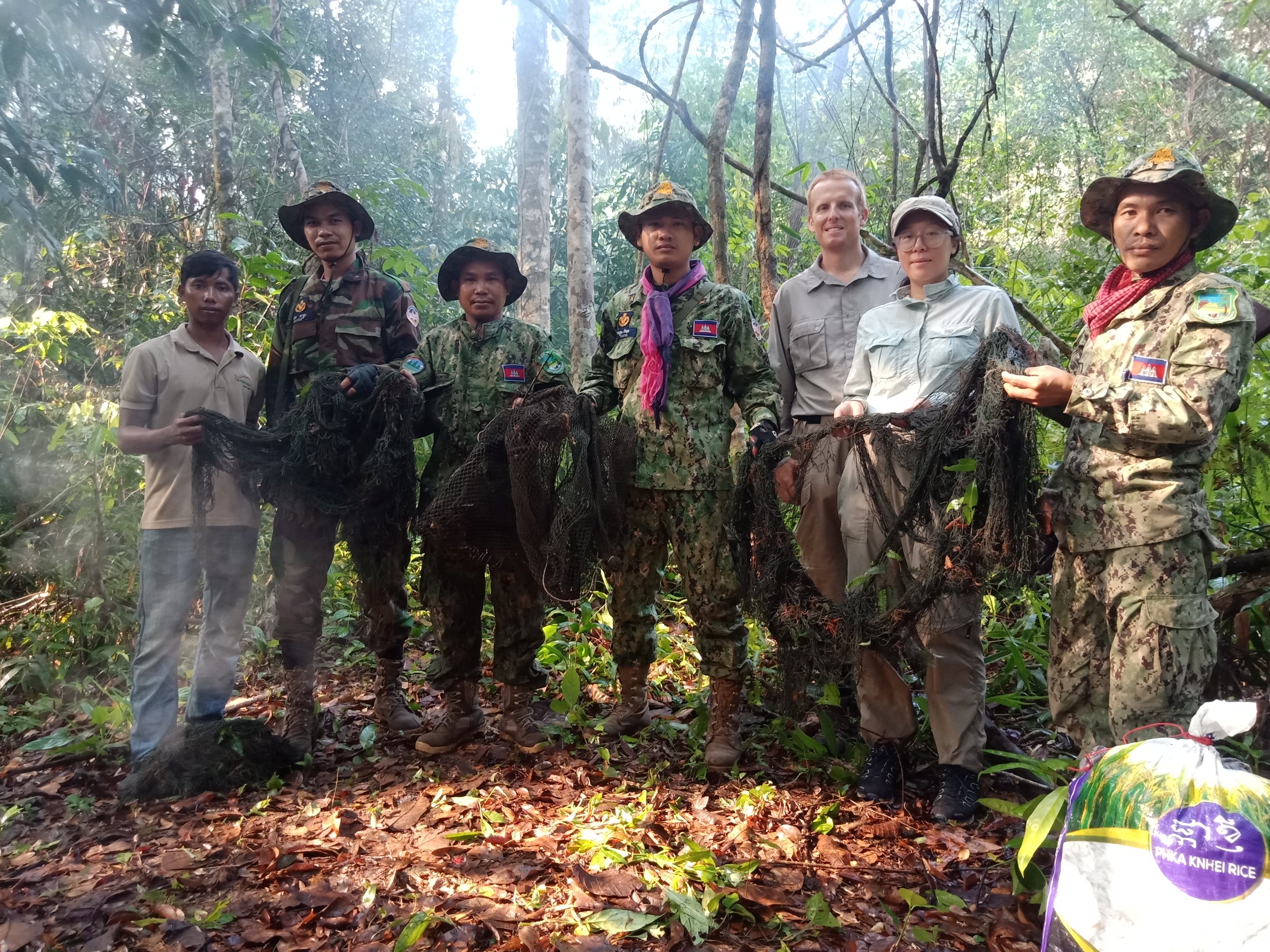
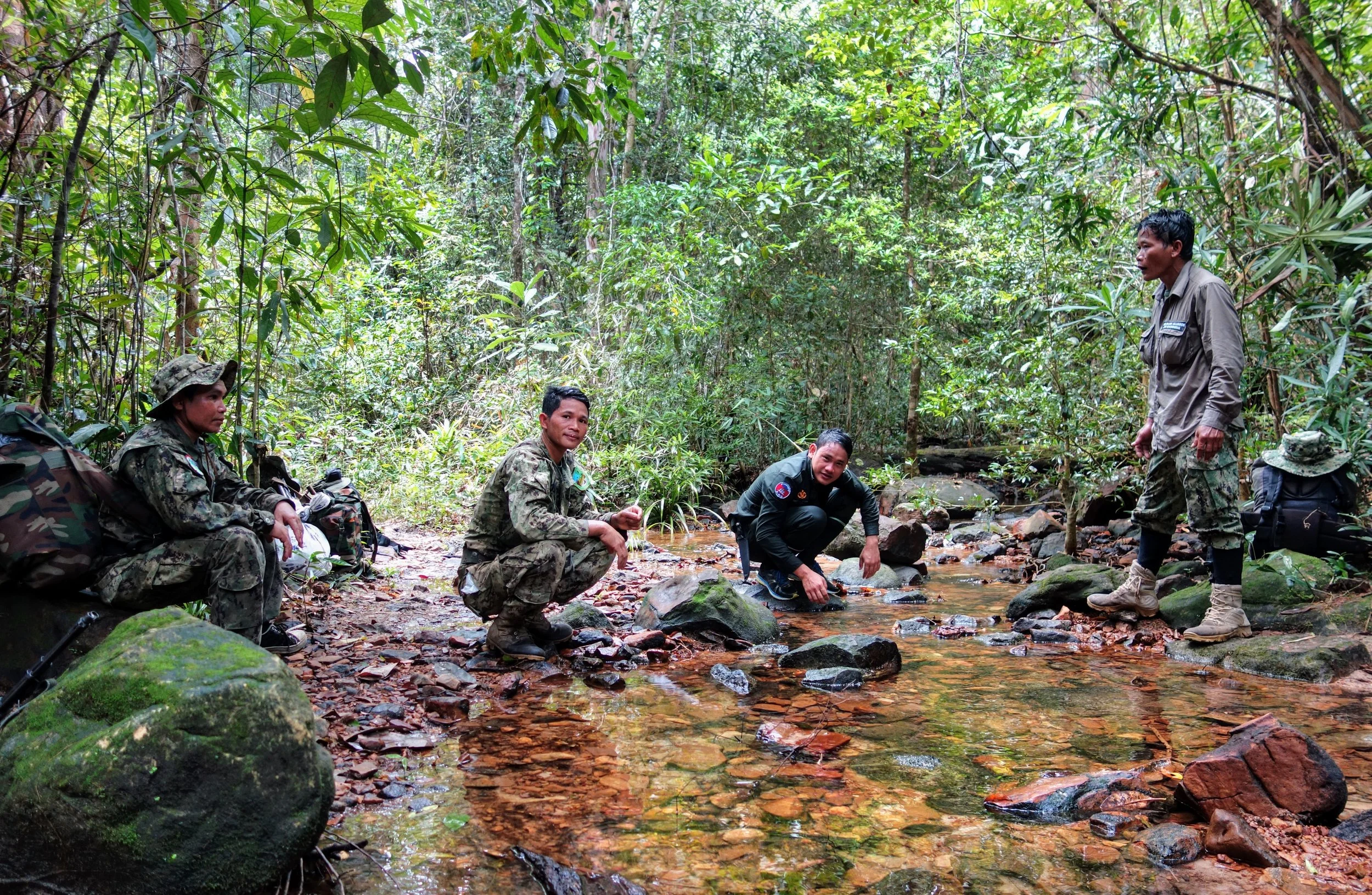
When the rangers assigned to Botum Sakor National Park, sitting in the foothills of the Cardamom Mountains in southern Cambodia, patrolled its lowland forests in 2013, they confiscated more than 3,000 snares, dozens of chainsaws, and dozens of homemade guns. The numbers are an outcome of a lack of robust policy enforcement, reflecting a national park stripped of meaning and protection, and a local population with few alternatives to the forest's extraction.
Botum Sakor National Park was, on paper, a protected area. But in reality, the ecosystem and land had been hollowed out for years. According to Cardamom Tented Camp’s manager Allan Michaud, as much as 77% of the park had been sold off to various concession interests, leaving its biodiversity — home to sun bears, Sunda pangolins, Siamese crocodiles, and clouded leopards — with little institutional shield between itself and destruction.
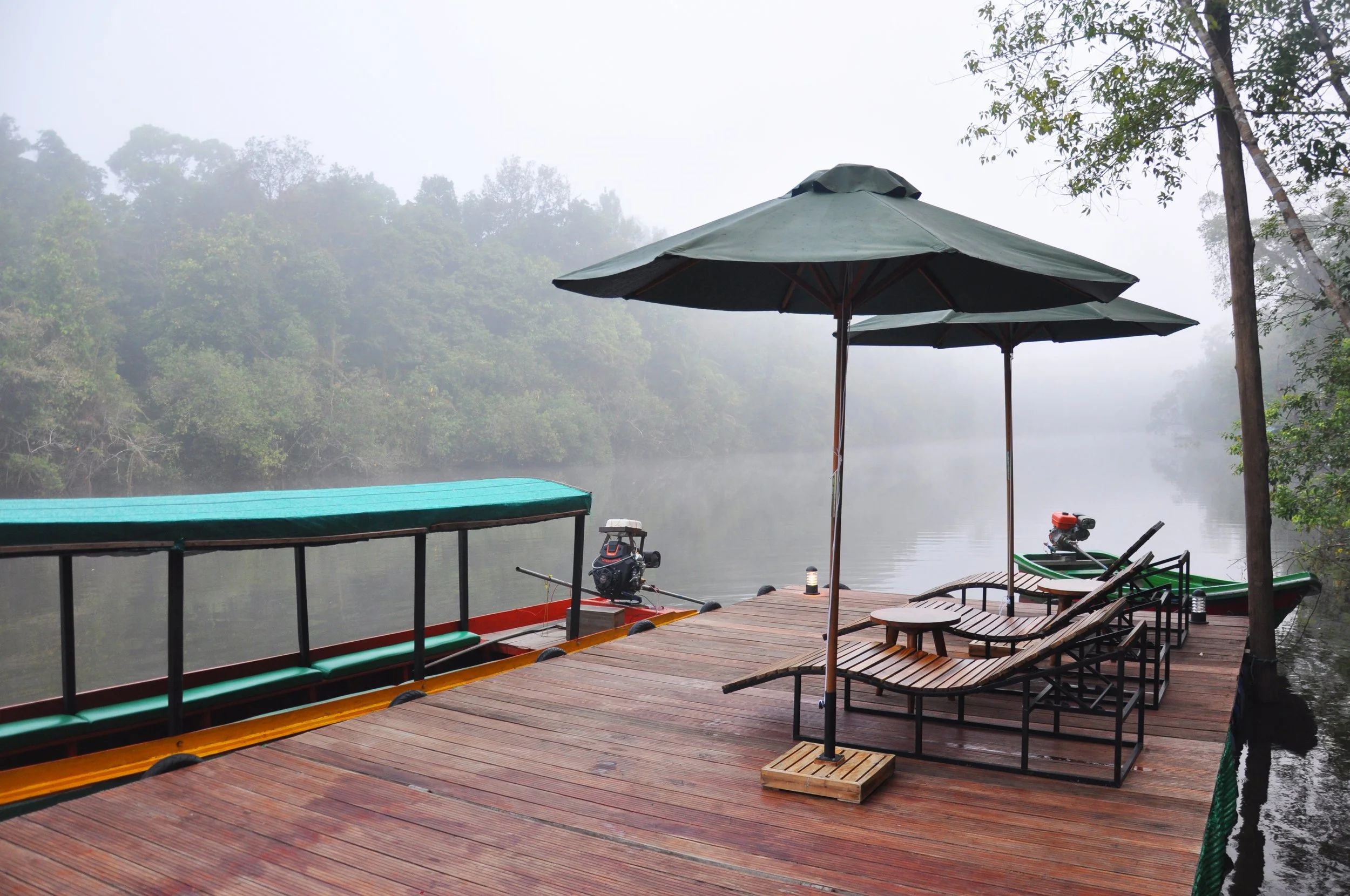
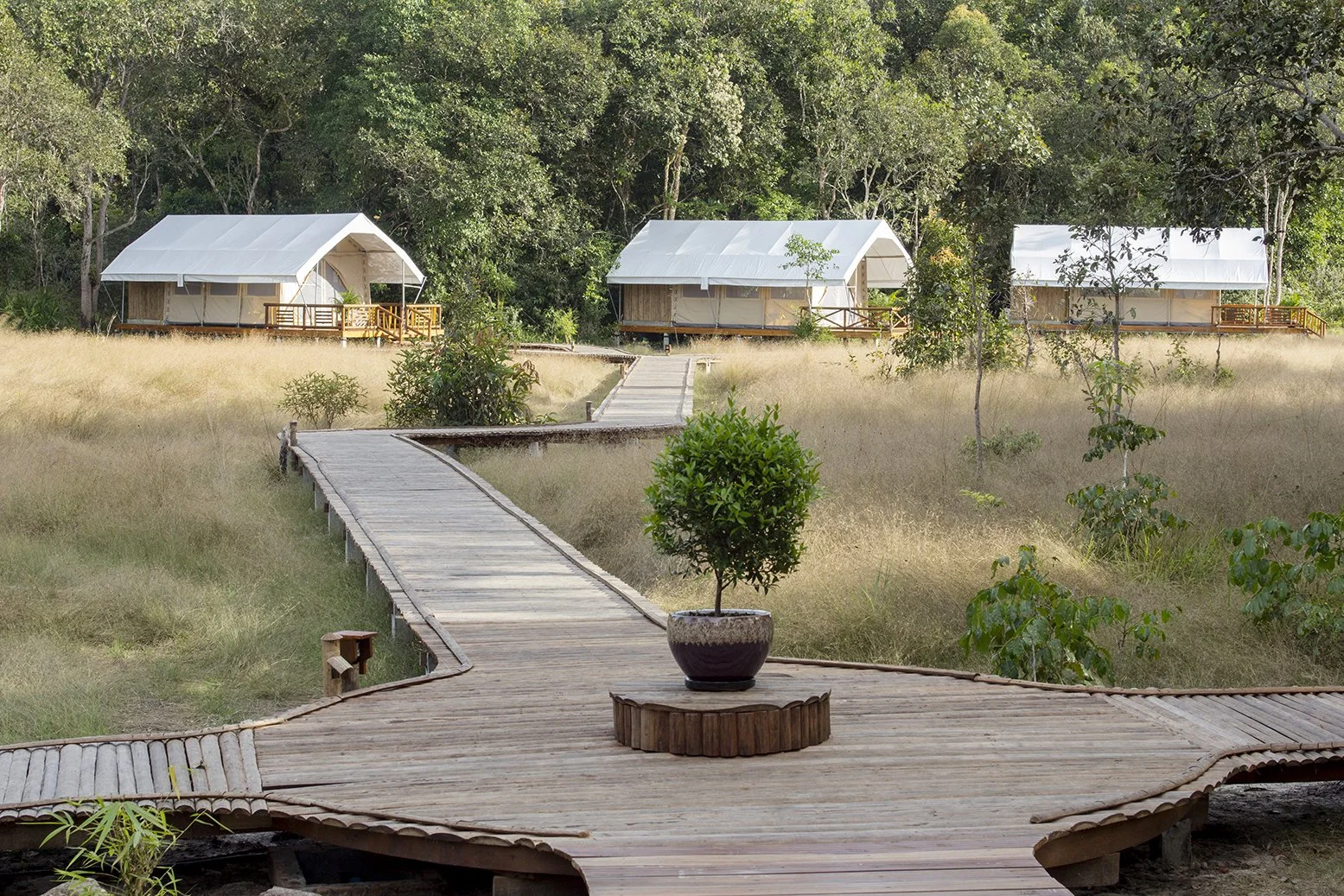
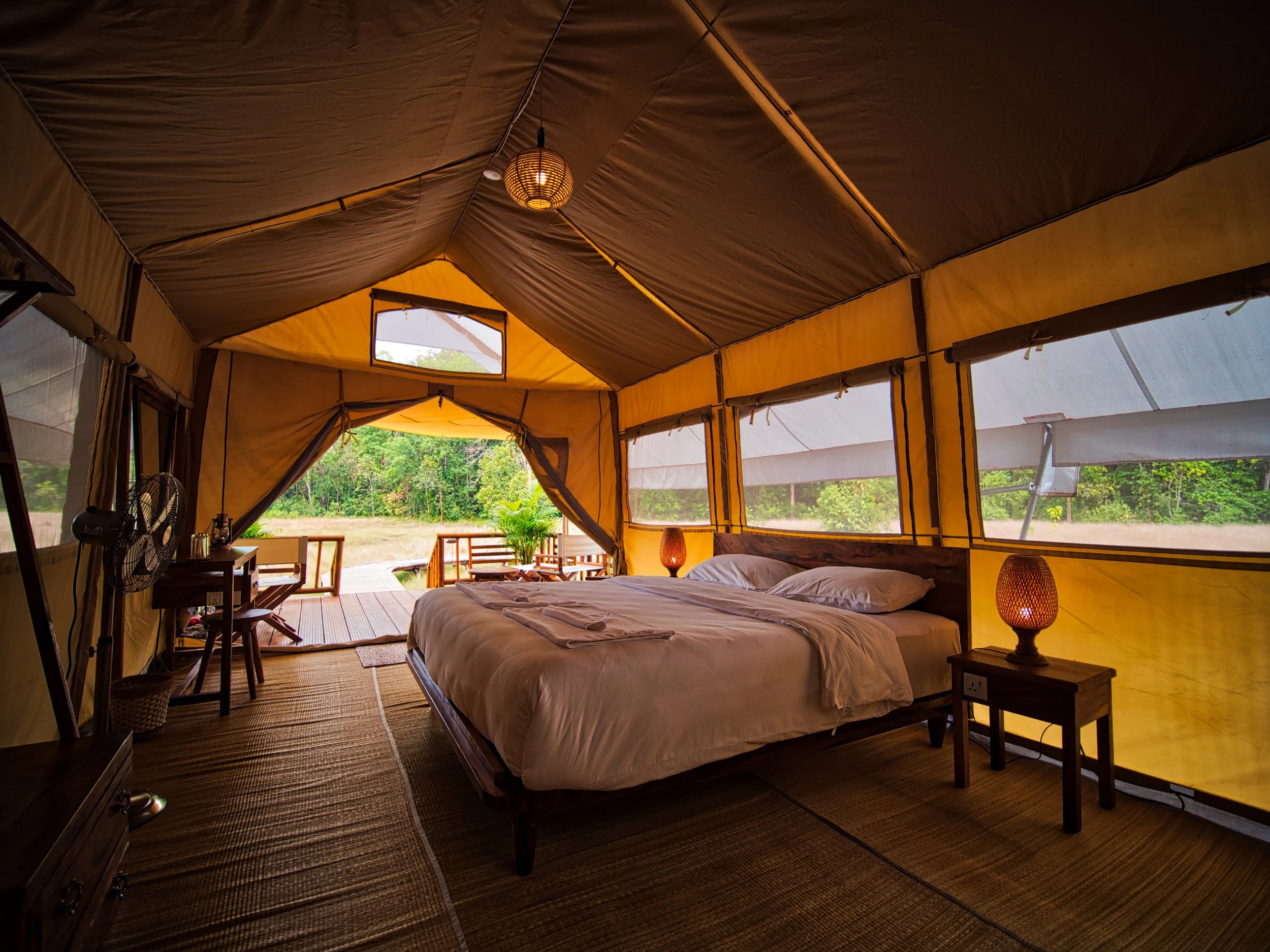
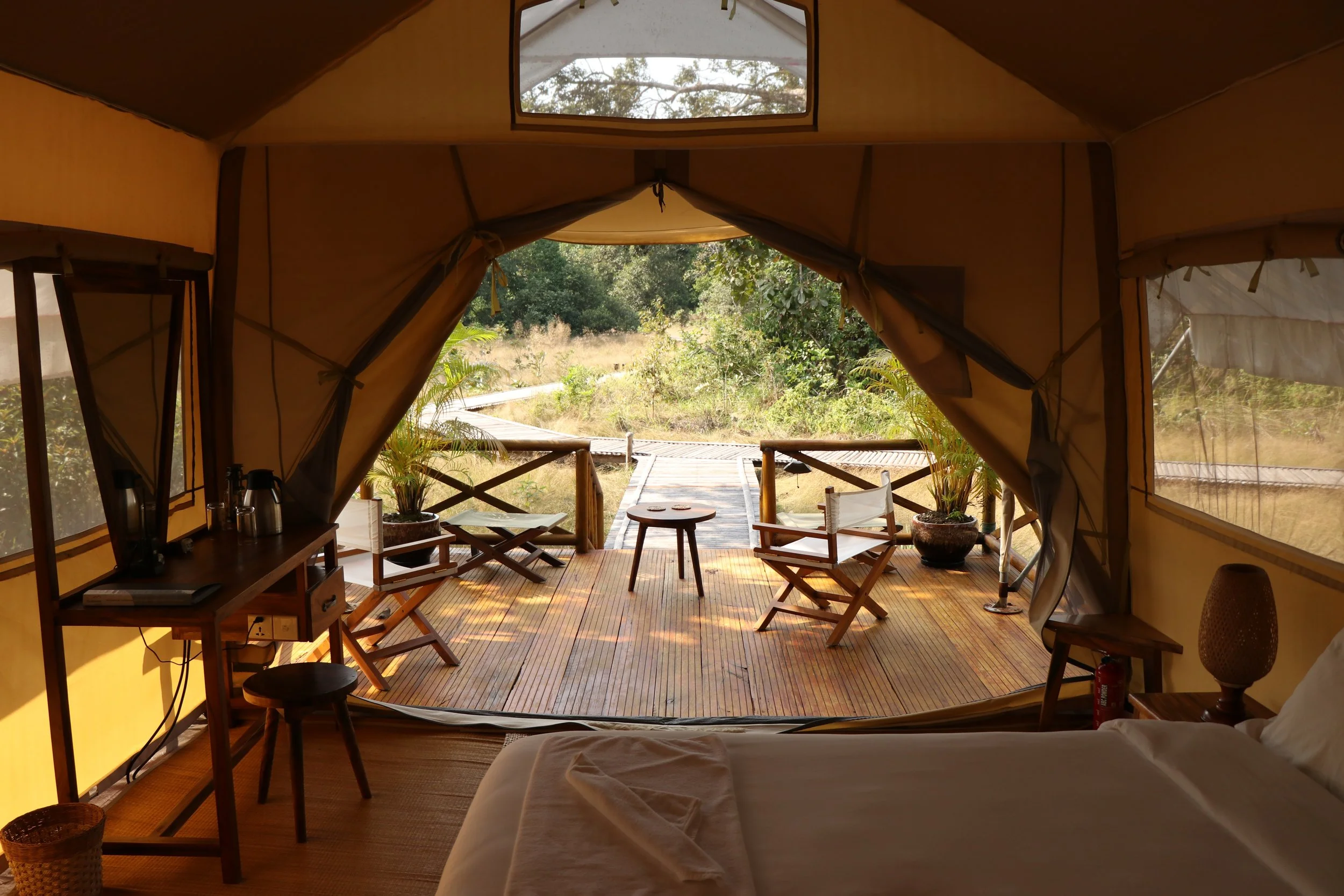
The question of what could actually reverse that trajectory led, eventually, to an unlikely answer: a pier on a river with no road attached, and 9 tents that would grow to 12 in 2024.
A Complementary Alliance
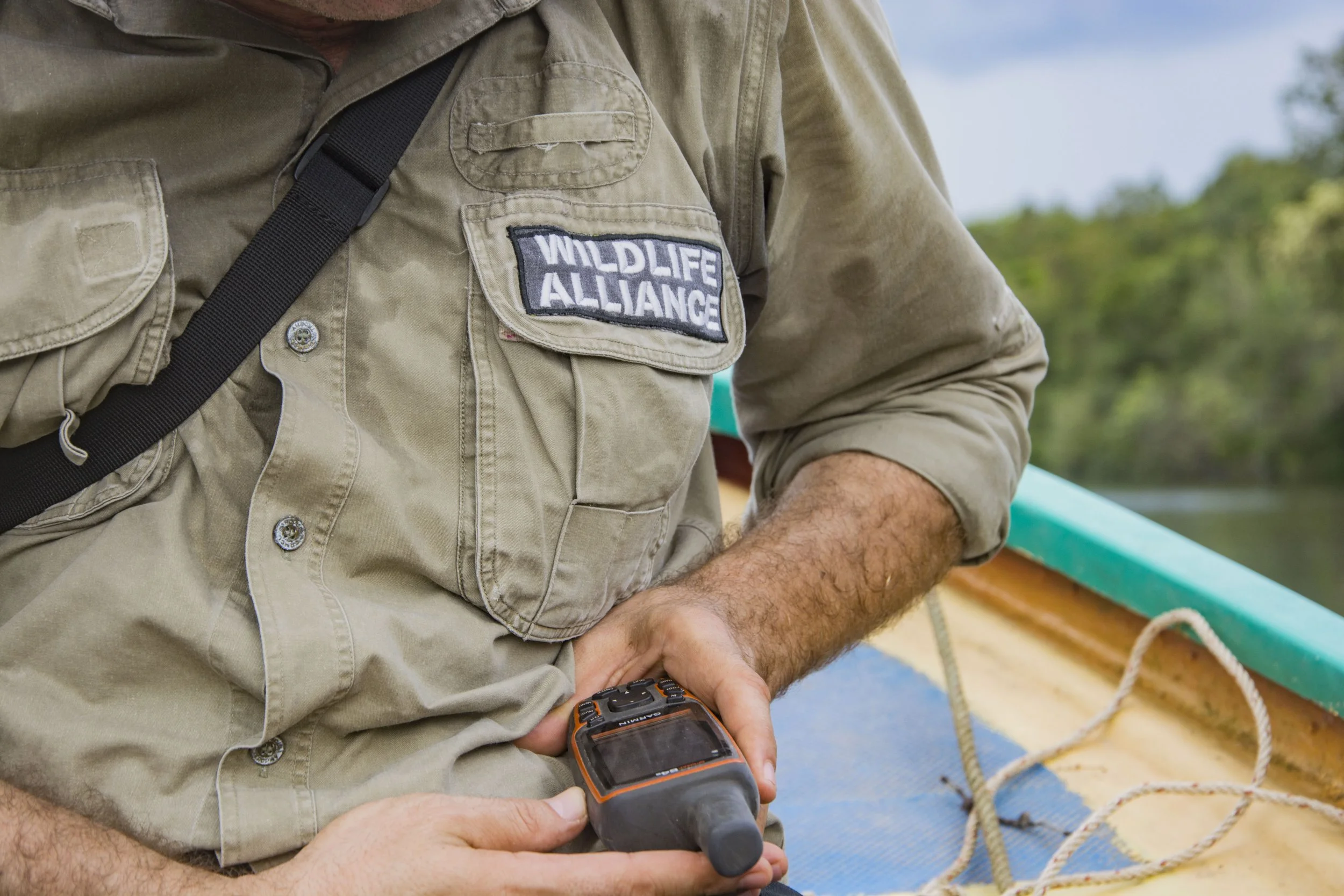
Cardamom Tented Camp was the creation of a three-way institutional partnership that, from the outset, binds hospitality with conservation accountability. YAANA Ventures brings sustainable tourism expertise. Wildlife Alliance, the Phnom Penh-based conservation NGO that has been managing the land concession since 2009, oversees field operations and ranger networks. Minor Hotels offers the financial backing and operating discipline of a global hotel group to build for impact rather than rapid return.
The partnership works because the three partners complement each other.
YAANA Ventures knows how to build a guest experience in a remote, ecologically sensitive environment. Wildlife Alliance understands the forest, its threats, and the communities who live around it. Minor Hotels masters how to make the business work at scale.
The concession itself — 18,073 hectares of lowland and coastal habitat linking wildlife corridors to the Cardamom Mountains — is a government-granted 50-year Eco-Tourism, Eco Lodge and Conservation Concession by the Royal Government of Cambodia.
It is structured as two distinct zones – a 5,000-hectare Economic Land Concession (ELC) designated for low-impact development and 13,073-hectare Conservation Zone to be protected under Wildlife Alliance's guidance.
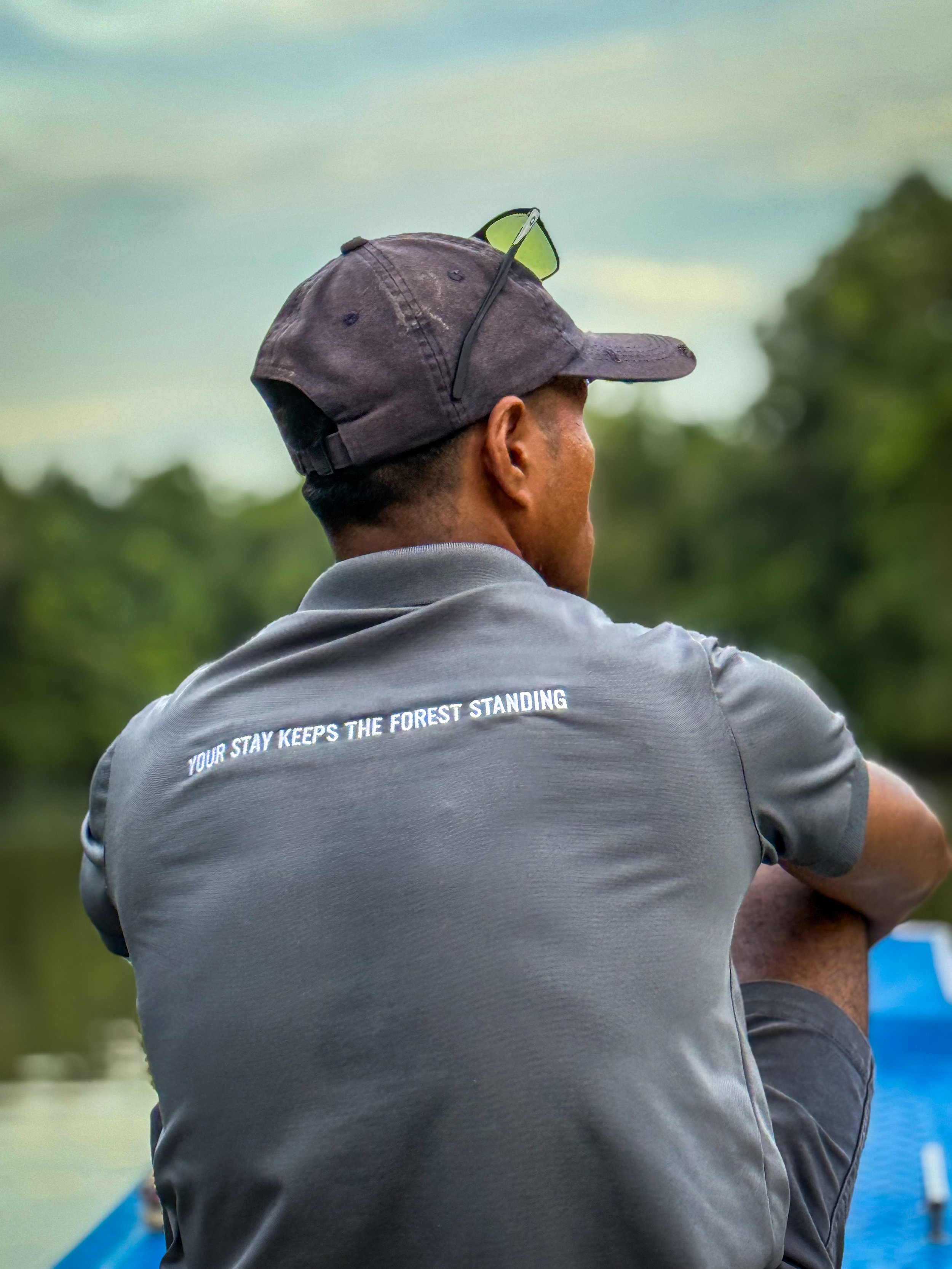
There would be no profit taken out of this three-party enterprise. All earnings are reinvested back into the forest. The founding principle was simple enough to fit on a sign: "Your Stay Keeps the Forest Standing."
A percentage of every guest stay flows directly into Wildlife Alliance's ranger operations. It is not a donation mechanism bolted onto a hospitality experience. It is the logic of the business.
A Camp Built Against the Odds
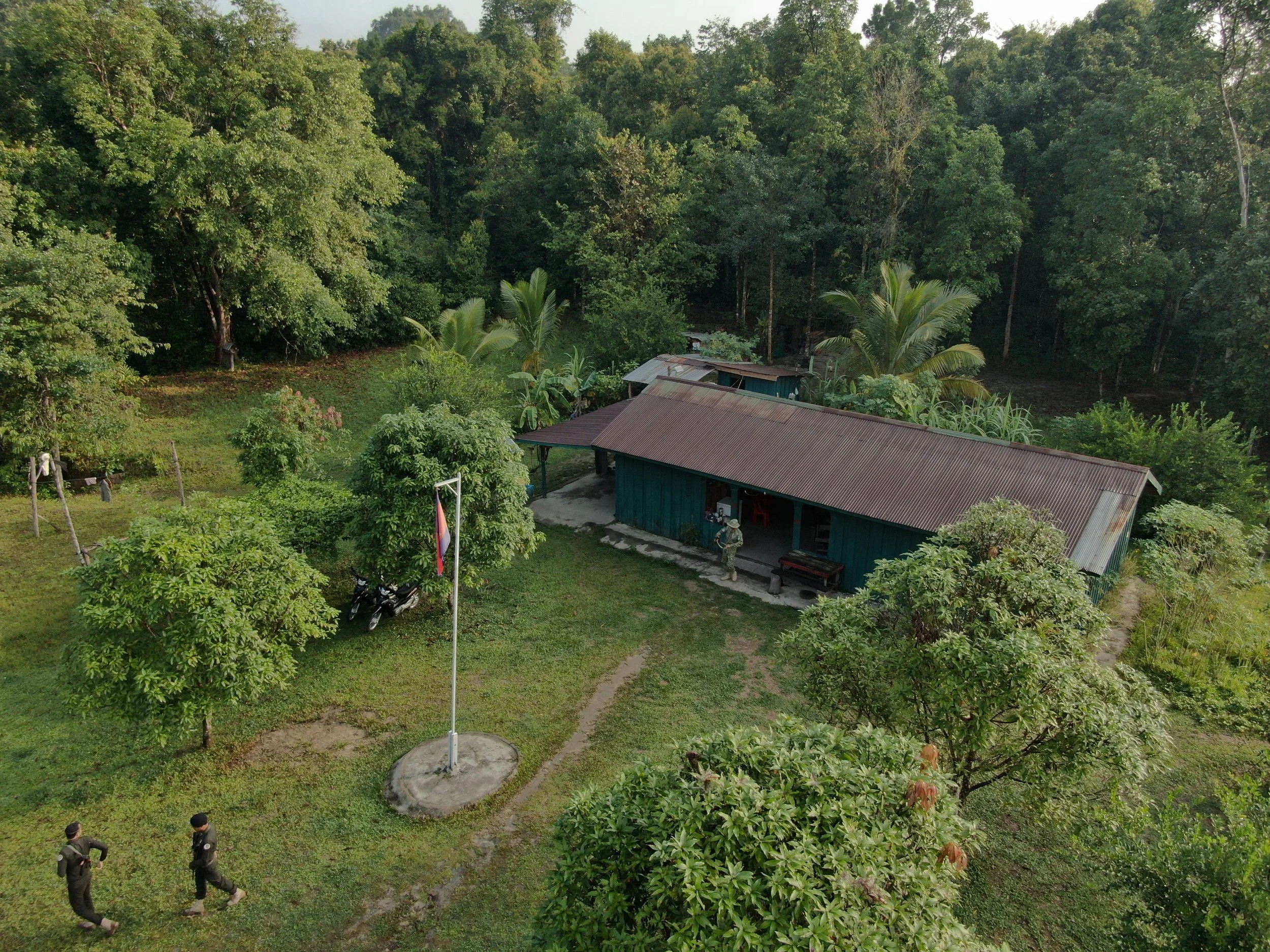
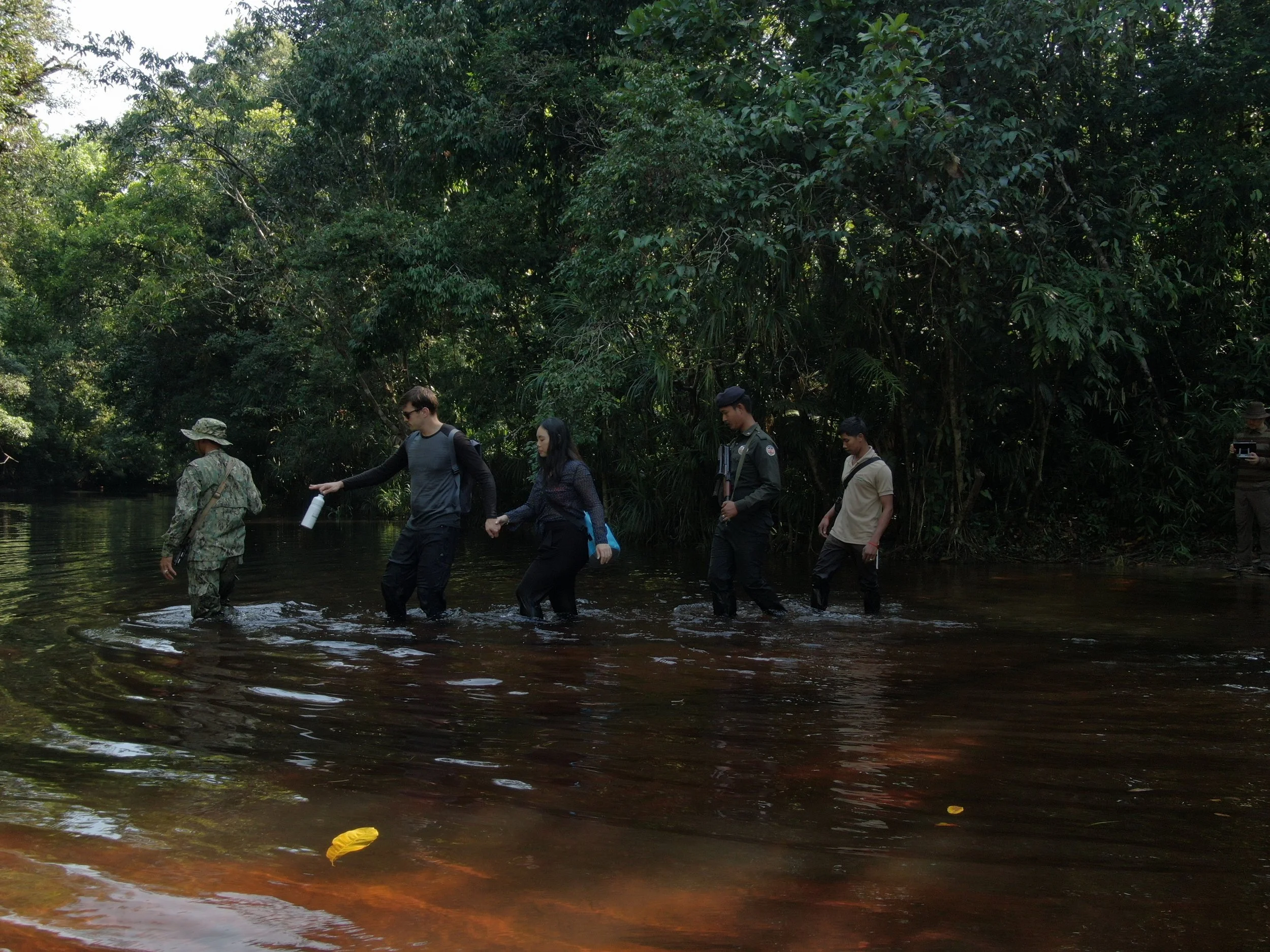
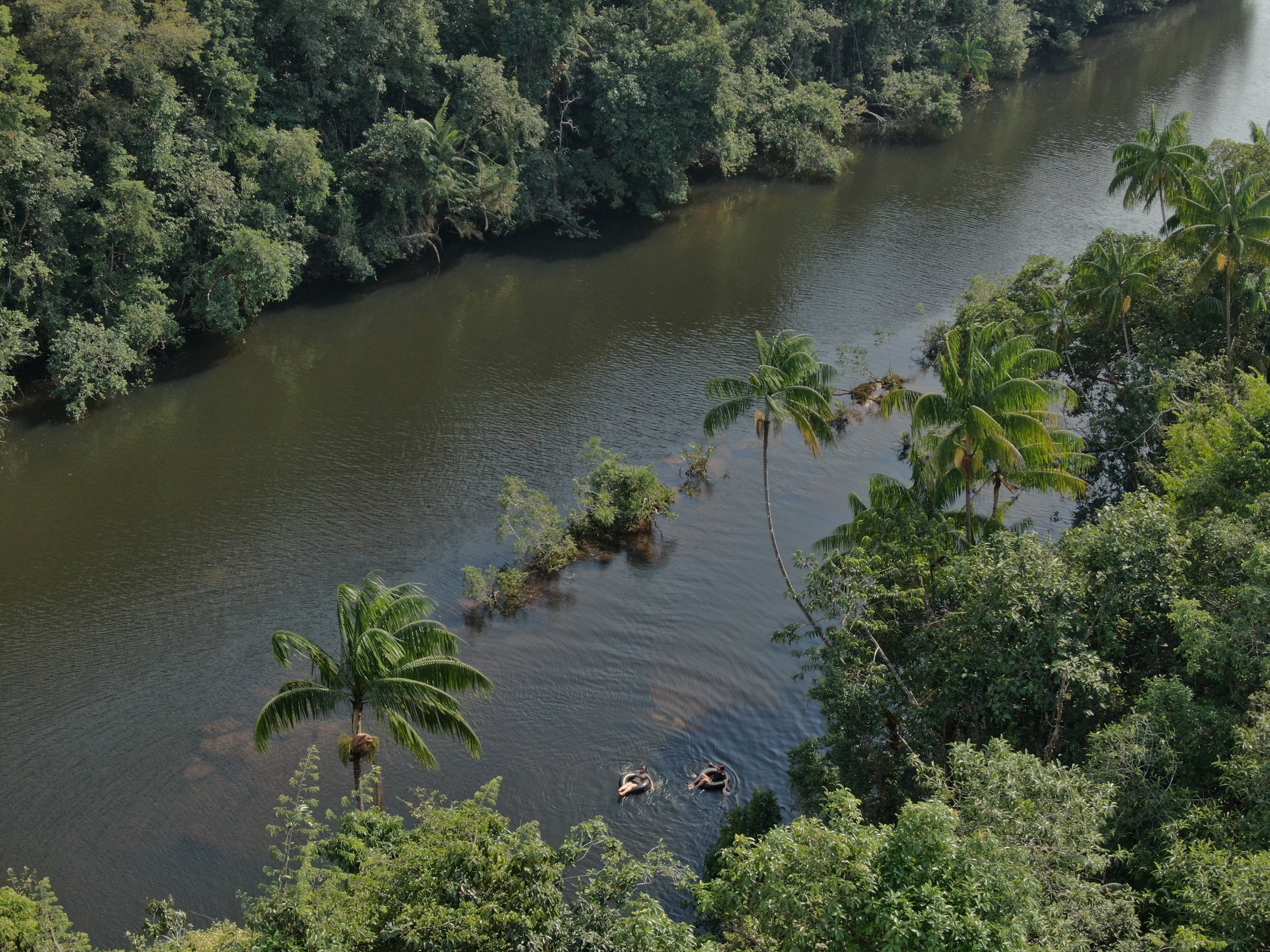
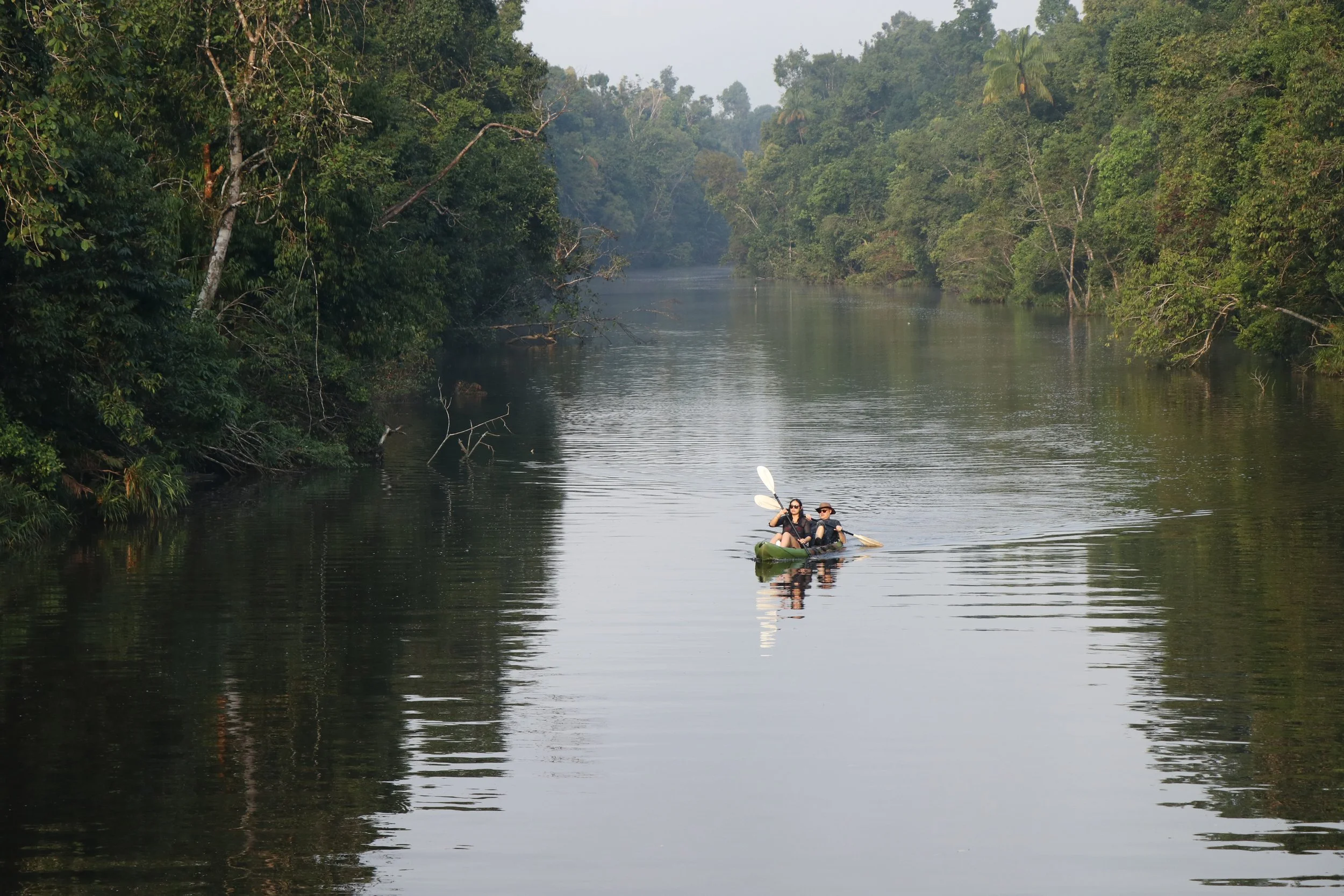
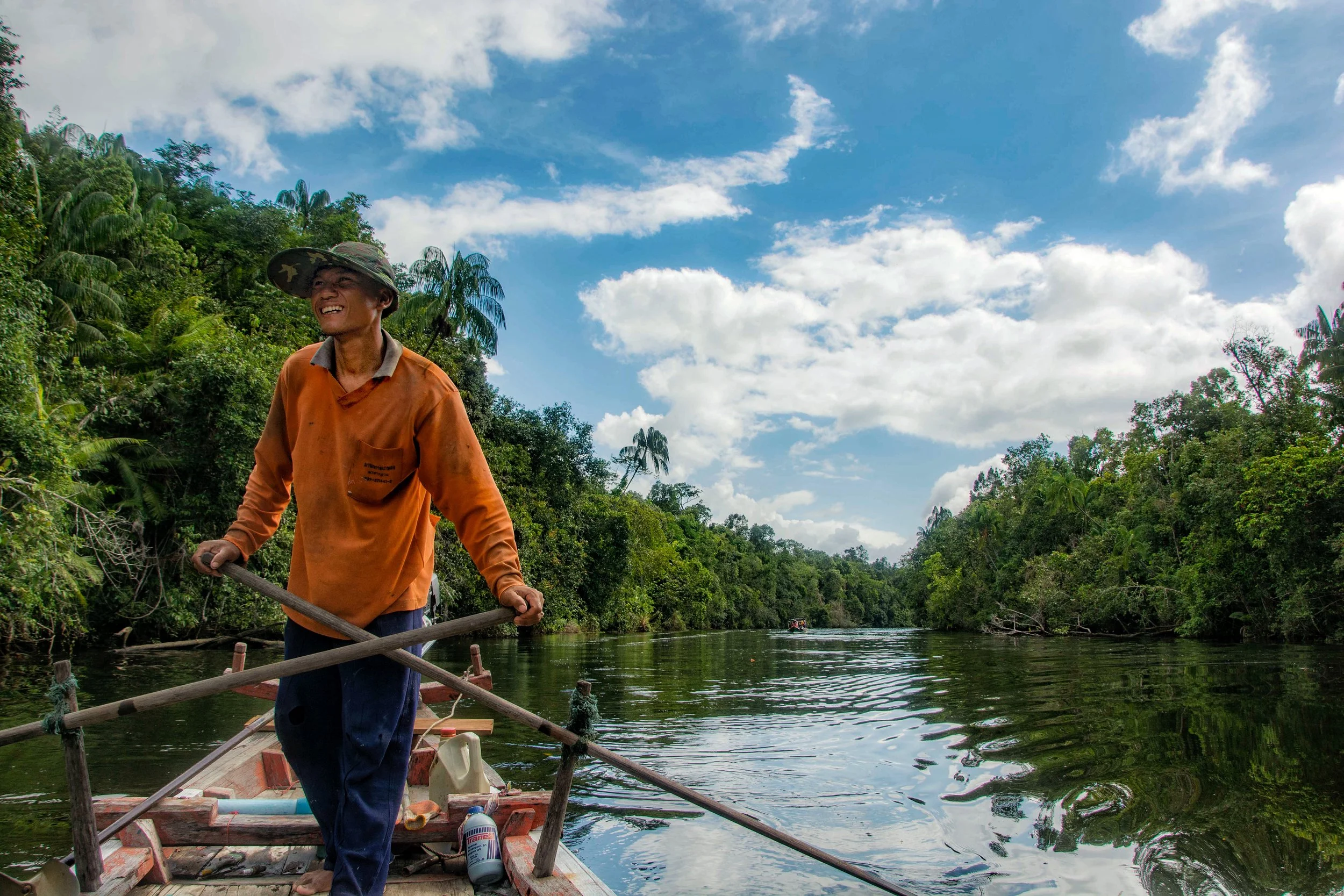
Built in 2017, the campsite lacked road access; there were two ways to reach it: by river boat or by hiking through the forest. This means every item needed to build or operate the camp — from solar panels to mattresses to kitchen equipment — had to be brought in by water.
Construction during the wet season, which could effectively shut down access for up to several months at a time, added layers of logistical hurdles that tested the partnership's resolve before a single guest arrived.
After being up and running for a couple of years, COVID-19 arrived. The camp, like many nature-based tourism operations globally, shut its doors during the pandemic. The closure, in a nutshell, created a significant payroll delay and conservation funding gap.
The three partners held the business together, sustained the ranger teams, and weathered the crisis.
When global travel began to recover, so did Cardamom Tented Camp.
But in recent months, a decline in cross-border flight connections to Cambodia — partly attributable to the diversion of aviation resources caused by the conflicts in the Middle East — created fresh headwinds for international visitor arrivals, the camp’s primary market.
Proof in the Numbers
According to the camp manager Allan Michaud, despite many setbacks, the camp reached its original 5-year target in year eight. It is an honest reflection of this model of conservation-led hospitality, and how long it has taken for an ecosystem built from scratch to generate revenue, build community trust, and restore biodiversity.
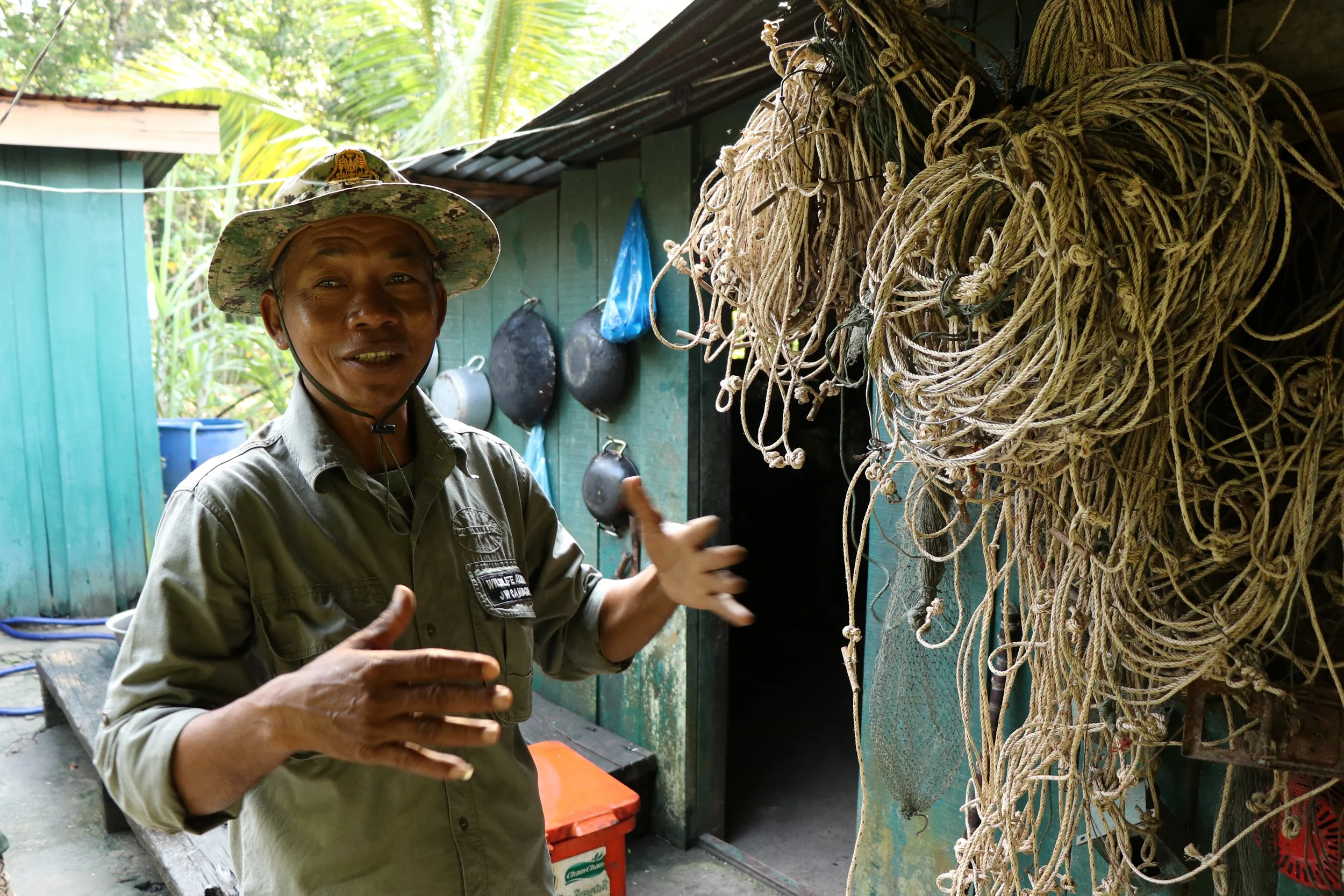
According to the camp’s 2025 Impact Report, rangers carried out 620 patrols across the concession, covering 47,474 kilometers by vehicle and boat and an additional 7,745 kilometers on foot through lowland rainforest and river channels. Those patrols removed 819 illegal snares from the forest, dismantled 15 incursion camps, and seized 22 chainsaws.
For context, when Wildlife Alliance rangers first began active patrols in January 2014, they pulled 2,215 snares from the forest in a single year. By 2018, that figure had fallen to 351 — a drop of more than 80% in four years, sustained not by legislation but by consistent on-the-ground presence and persistence. Since 2016, chainsaws and firearms had disappeared from confiscation records.
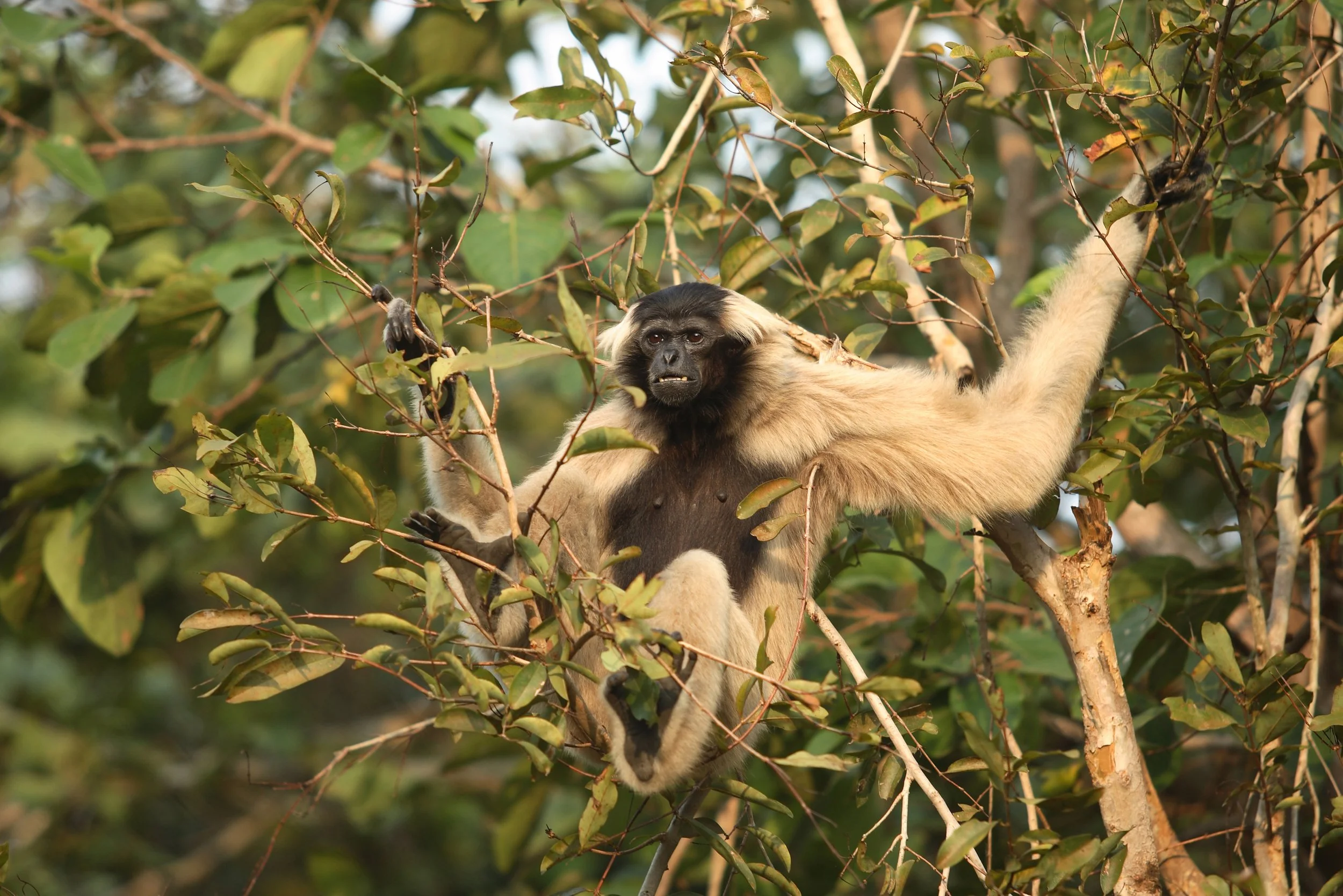
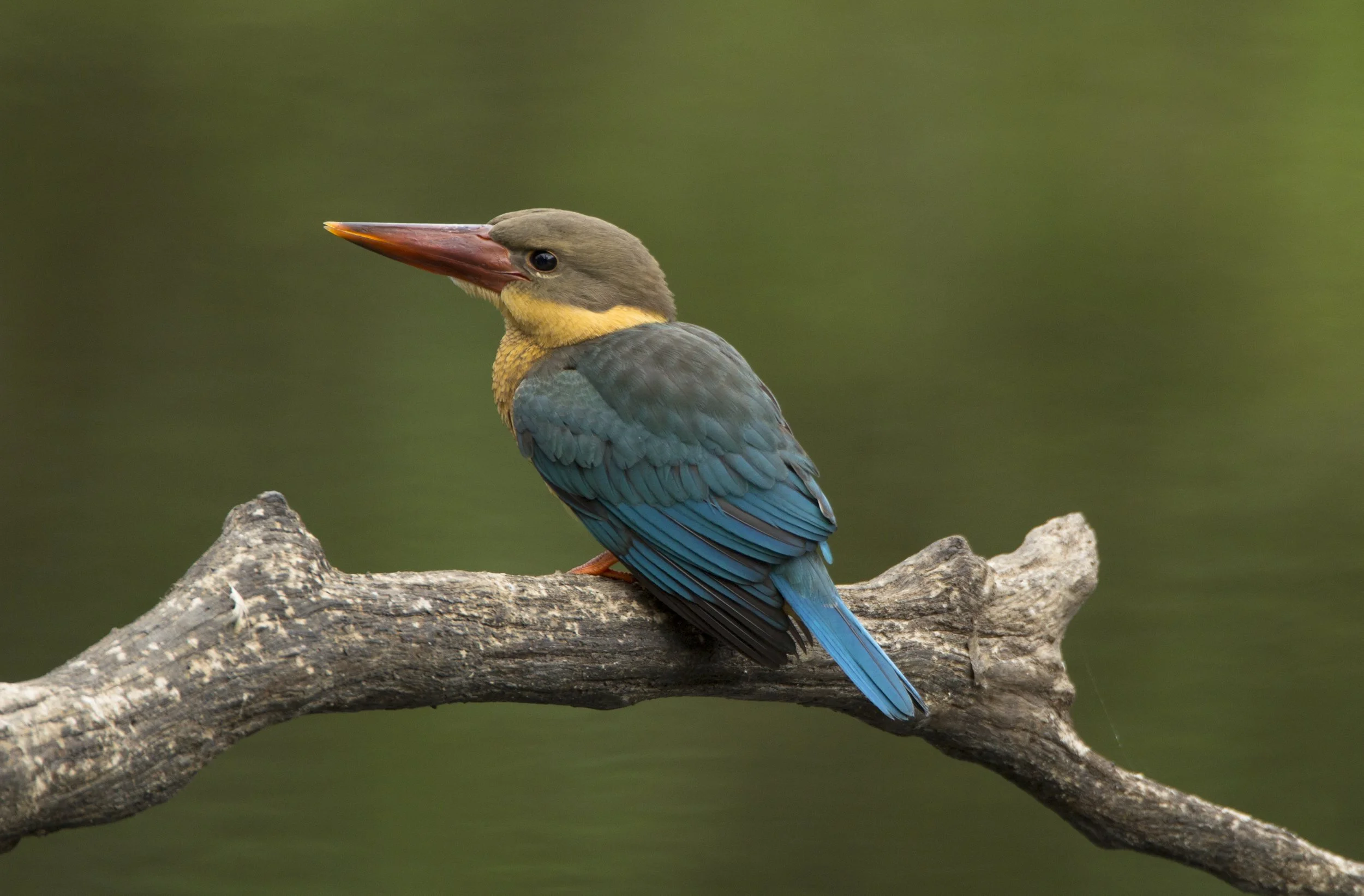
Perhaps the most powerful signal came not from a ranger report but from monitoring cameras. After nearly 17 years of conservation work on the concession, a growing number of species on the brink of extinction have been spotted in the protected area, a return that no metric can fully capture. It is an achievement that every conservationist and animal rights advocate would appreciate.


Sustainability at its Core Operation
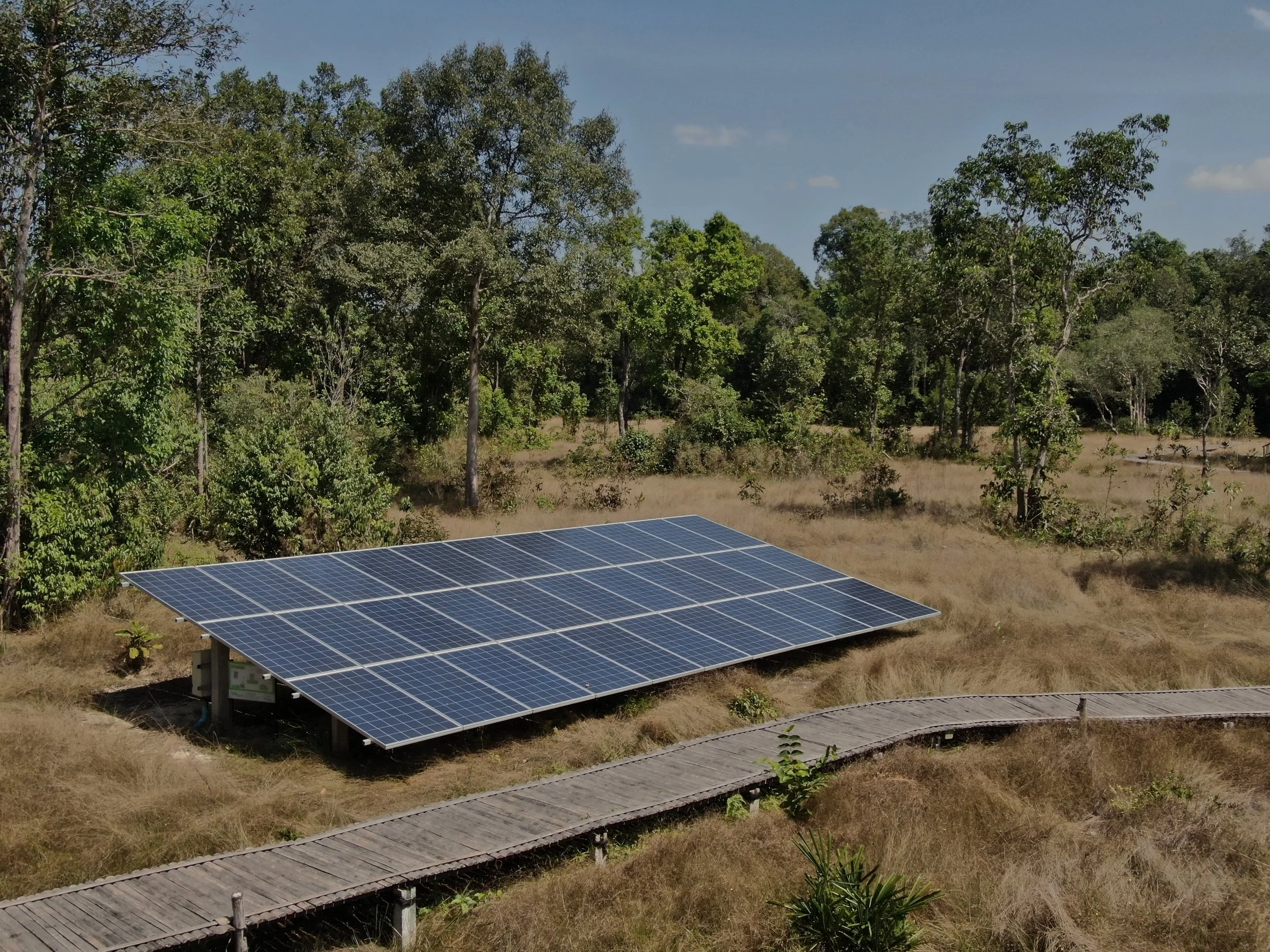
The camp's approach to sustainability is a design philosophy embedded into every operational system. The site runs on solar energy. In 2025, it generated 13,816 kWh, up 39% from 9,960 kWh in 2024, driving a 35% reduction in diesel consumption from 1,400 liters to 915 liters year-on-year. A fourth 9 kWh battery was added to the solar system in December 2024, bringing total storage to 36 kWh.
Wastewater at the camp passes through a rock, stone, and sand filtration system designed to serve up to 60 people, comfortably above the camp’s total capacity of 45 including staff. Drinking water, meanwhile, comes from the camp’s well and is filtered through a reverse osmosis system, allowing the lodge to avoid bottled water altogether.
Waste is separated into multiple streams — plastic, cardboard, cans, metal, cooking oil, beer bottles — and sent to local recyclers. In 2025, 882 kg of recyclable waste was collected and sold, generating approximately $40 per staff member through a recycling incentive program. Even the 1,320 beer bottles consumed on-site were returned to the brewer.
The kitchen operates on a set-menu model, a practical decision that also serves as a tool against food waste in a remote environment where resupply is expensive, slow, and ecologically impactful. The camp grows its own herbs and vegetables on-site — butterfly pea, mint, and cucumbers were introduced in 2025 — reducing packaging and transport impacts while connecting guests to the food system around them.
Community Investment is A Long Game
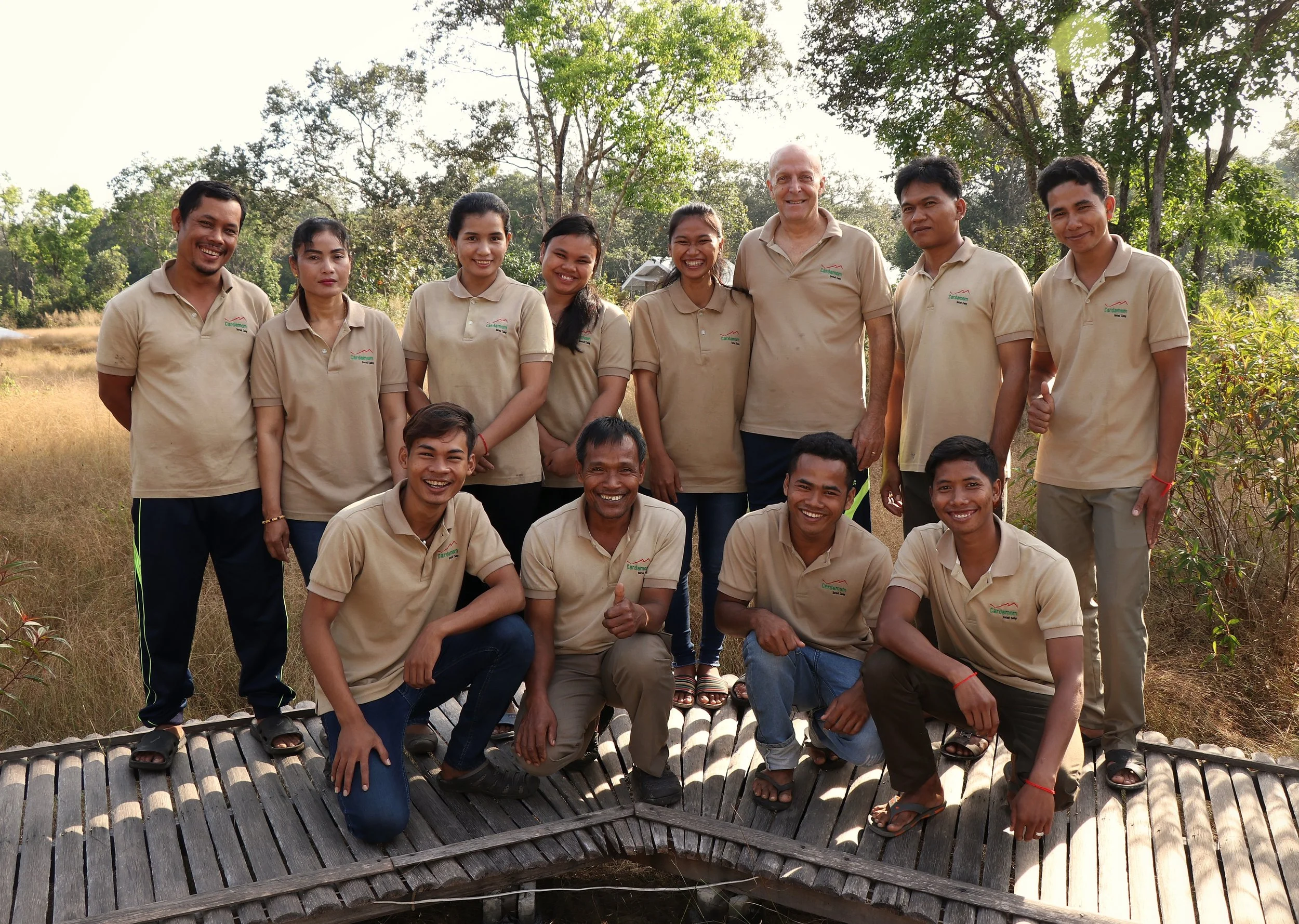
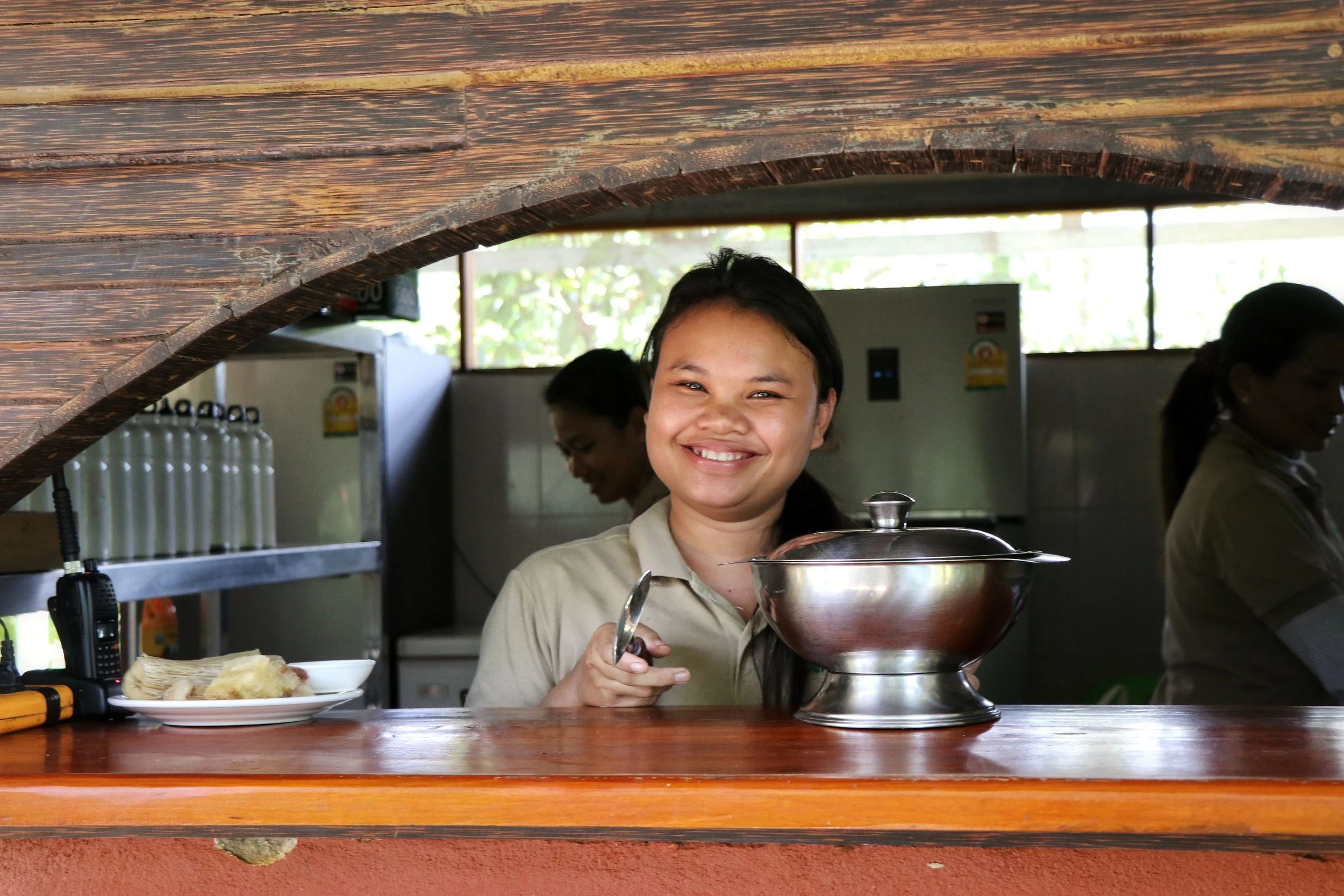
The camp employs 18 staff, the majority drawn from surrounding villages and towns, and provides them with a comprehensive employment package including health and accident insurance, paid holidays, sick pay, and free food and accommodation. These are not peripheral commitments — they are foundational in building trust, and that trust is what makes conservation sustainable over the long run.
In 2025, the camp extended its community work to Chi Phat, a nearby village where community leaders had already begun basic waste management nearly a decade earlier. Together with Khiri Reach, Cardamom Tented Camp launched a pilot project with 20 households, introducing a three-stream waste separation system — organic, recyclable, and landfill — built on an educational foundation. It is a model that reflects a valuable lesson: conservation works most effectively when local communities are engaged on their own terms, not recruited as instruments of someone else's agenda.
In 2026, the camp introduced an artist-in-residence program, featuring Khmer artists Im Pesey, 21 June to 5 July, with two more residencies planned for the year. It is a symbolically significant initiative as it is an acknowledgment that culture is not separate from conservation, and that the Khmer traditions embedded in this landscape deserve the same protection as the species within it.
One Key Lesson for the Industry
The story of Cardamom Tented Camp embodies a growing movement of nature-based tourism across Asia. As the Six Senses Laamu case in the Maldives illustrates, the most durable conservation outcomes emerge when hospitality operations embed ecological protection as part of the company’s business, not a discretionary program that disappears when RevPAR falls. As Donsol's whale shark protection model in the Philippines demonstrates, the communities with the most direct stake in an ecosystem's health become its most effective stewards. Cardamom Tented Camp is making the same argument from the forest floor of southwest Cambodia.
What distinguishes this model is not its size, but the three-way partnership among Minor Hotels, YAANA Ventures, and Wildlife Alliance. That structure proved resilient enough to withstand a global pandemic, natural disasters, and macroeconomic shocks without breaking the link between revenue and ranger patrols.
As a member of The Long Run, the camp uses the 4Cs framework — conservation, community, culture, and commerce — as a way to balance competing priorities.
For Cambodia, the stakes are particularly high. The country lost decades of institutional capacity during the Khmer Rouge era and its aftermath, and its natural systems absorbed that loss alongside its human ones. Botum Sakor National Park represents a rare recovery story — a piece of lowland coastal forest, once partly traded away, that is being reclaimed not by government decree but by business activism that makes conservation viable.
The wildlife has returned because the forest has been protected, year after year, by rangers backed by guests who understand what their room rate is paying for.
That is what "Your Stay Keeps the Forest Standing" actually means. It’s not a marketing slogan, but a guiding business principle.
All photos provided by Cardamom Tented Camp, except last photo by Olivier Marchesin.