Six Senses Laamu: the Case for Nature-Positive Hospitality
For years, decarbonization has been the organizing principle of corporate climate action. Boards debate emissions trajectories. Brands announce net-zero commitments. Companies purchase carbon credits to cover what operational changes could not yet eliminate. It is a coherent, regulation-aligned framework that stakeholders can report against, investors can evaluate, and consumers can be persuaded by.
It remains a necessary strategy.
But as a complete account of what sustainability demands from the travel industry, it has always carried a significant blind spot.
Travel and tourism do not run on carbon accounting alone. They run on living systems: coral reefs attract divers, forests shelter wildlife, clean rivers sustain destinations, and healthy landscapes give travelers a reason to visit in the first place. When these systems degrade, visitor numbers fall and operating costs climb, eroding business revenue.
That gap is what the biodiversity positivity movement — also known as nature positivity — is asking the industry to confront.
The Kunming-Montreal Global Biodiversity Framework, adopted by 196 nations in 2022, sets the terms plainly: halt biodiversity loss, put it on the path of recovery by 2030 from a 2020 baseline, and achieve full recovery by 2050.
It is among the most ambitious environmental commitments ever made at a global scale. It asks something fundamentally different from businesses than carbon accounting does.
For the travel and hospitality sector, this is not about acquiring another sustainability label or finding a new narrative to tell consumers. It is a call to rethink what value, risk, and responsibility mean in an industry whose core asset has always been nature itself.
Asia has more at stake in this shift than most. The region is home to some of the planet's richest and most fragile ecosystems — from the bleaching reefs of the Coral Triangle to the shrinking rainforest corridors of Borneo and Sumatra. Those ecosystems are also, in many cases, the precise reason travelers choose Asia over anywhere else.
Protecting them is not a conservation responsibility separate from a business strategy. It is a business strategy.
A Multilateral Research Foundation
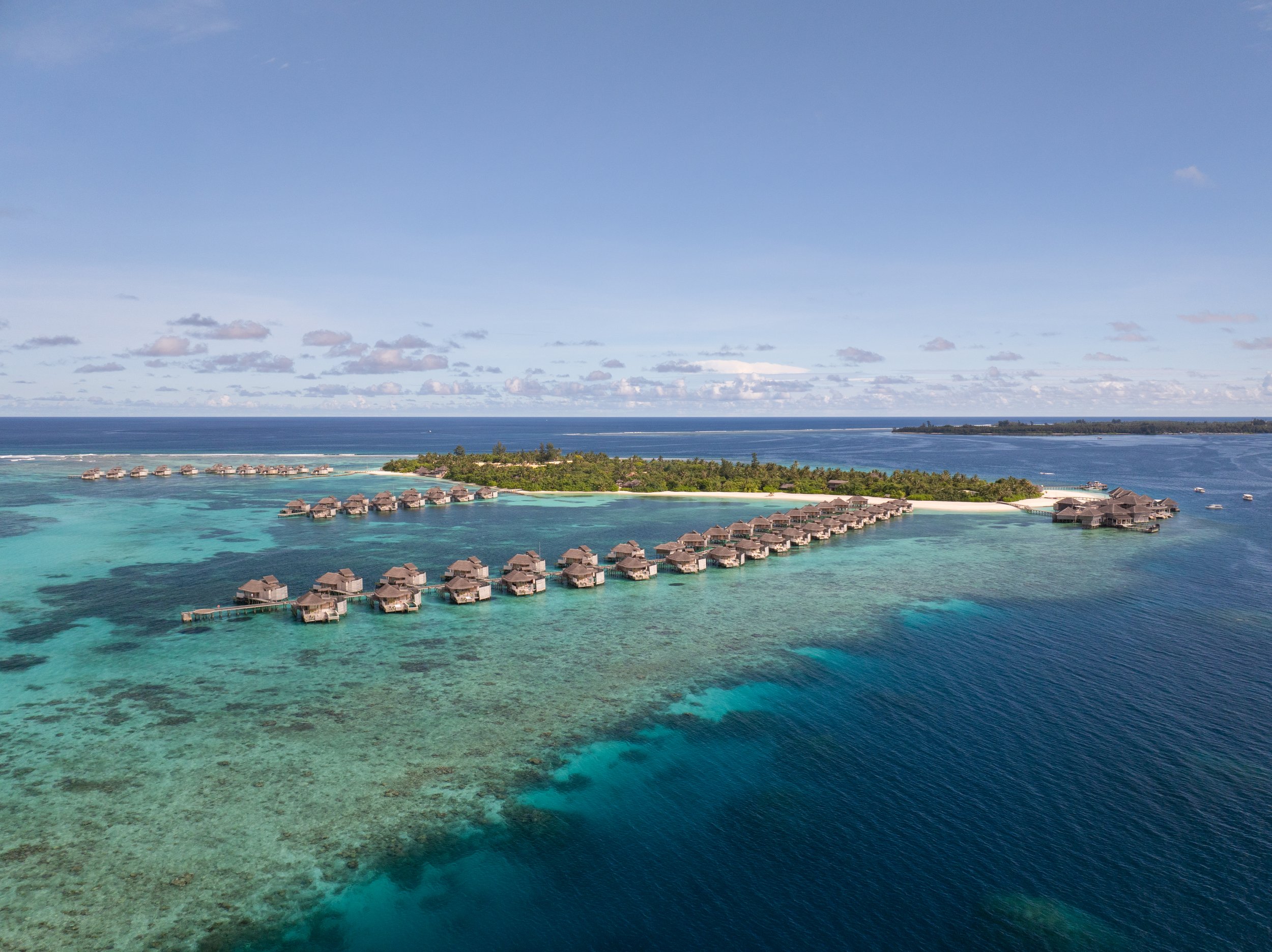
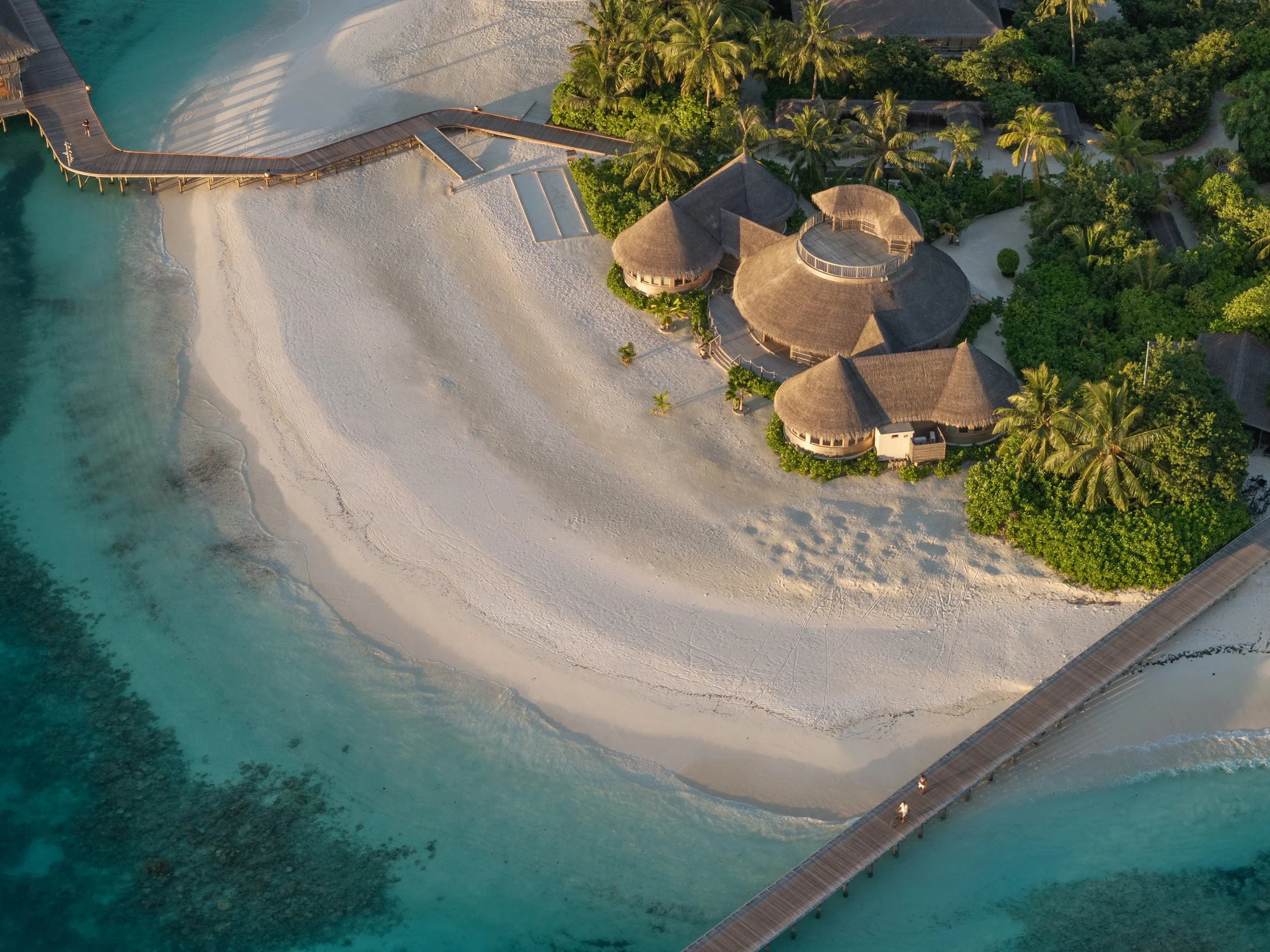
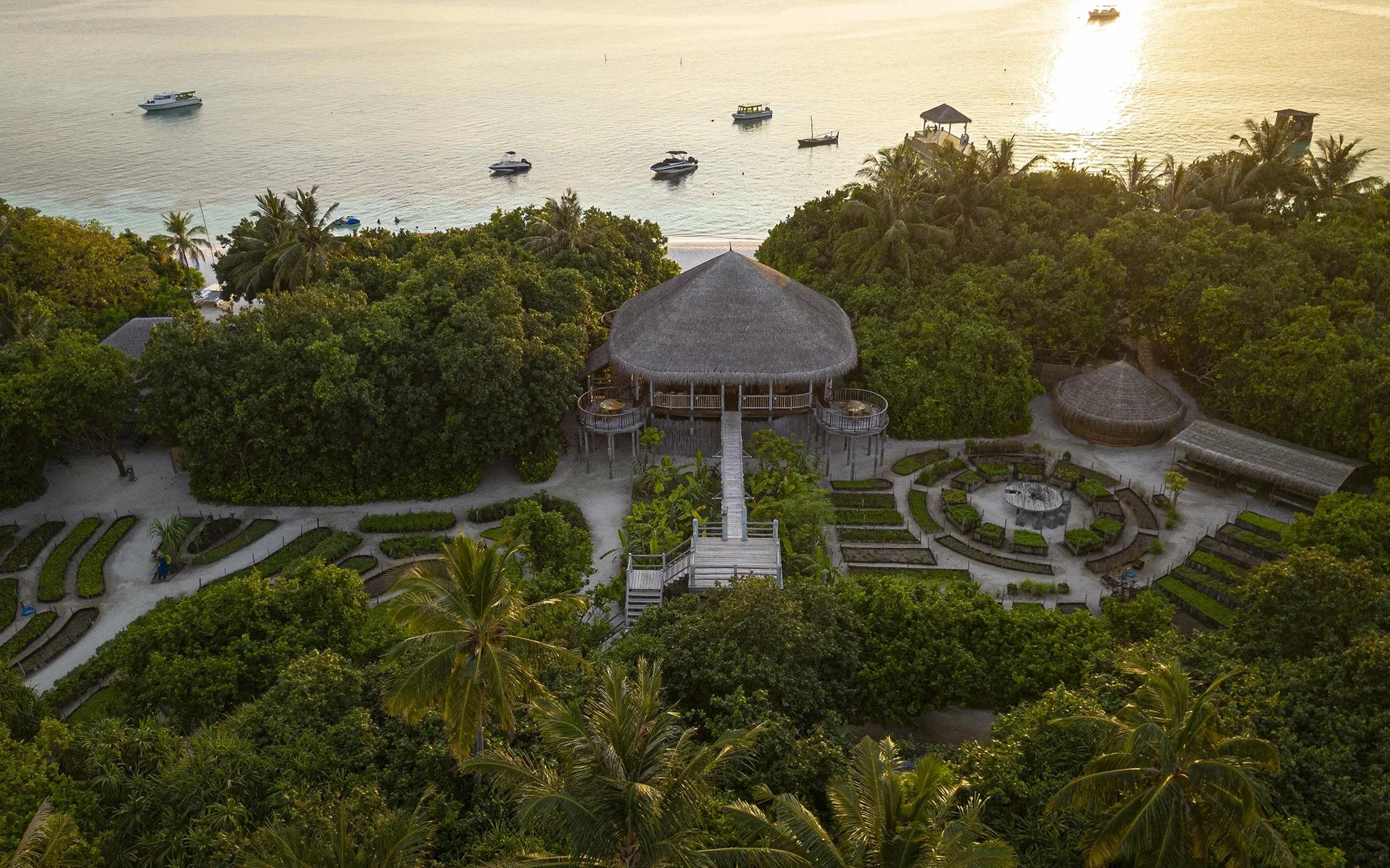
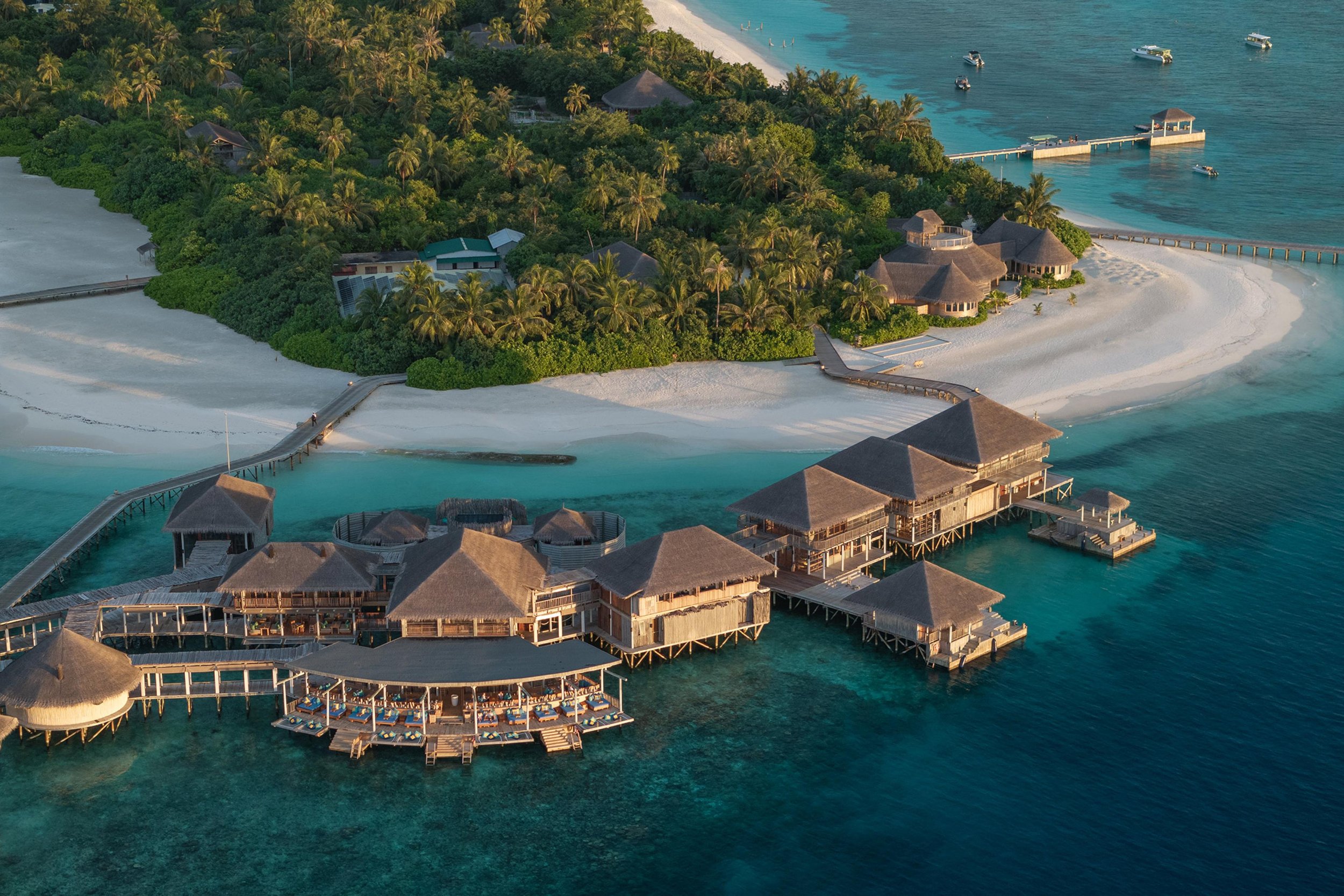
A few hospitality operations illustrate this argument as concretely as Six Senses Laamu in the Maldives, where the Maldives Underwater Initiative (MUI) has been conducting research-grade marine science since 2011 — now formalized as a team of ten marine biologists working alongside three partner NGOs: the Manta Trust, the Blue Marine Foundation, and the Olive Ridley Project.
The success of this multilateral partnership is evidenced in its most recent annual report. Since its larval restoration program began in 2023, MUI has released over 4 million coral larvae onto degraded reefs around Laamu — including 1.2 million in a single December 2024 spawning event. In parallel, the initiative has actively protected 385,000 square meters of seagrass meadows surrounding the resort.
These figures suggest a serious restoration effort and a stronger ecological management approach, though long-term resilience will depend on broader climatic conditions beyond any single resort’s control.
Laura Jones, Director of Sustainability and Conservation at Six Senses Laamu, draws a precise ecological distinction between the two interventions. "Coral reefs and seagrass meadows are interconnected foundations of marine biodiversity in the Maldives, but they operate on very different levels of fragility and recovery speed."
That distinction shaped the resort's response when the Maldives experienced a severe global bleaching event in 2024, driven by El Niño conditions compounded by long-term ocean warming. "Our response was to combine coral larval restoration, microfragmentation, and ex-situ nursery systems to restore genetic diversity and abundance," Jones explains. "This means the reef is likely recovering faster than it would have unaided." Seagrass, by contrast, required a different philosophy. "Since 2019, Six Senses Laamu has protected our seagrass, enabling it to regenerate naturally," says Jones. "Now we have 385,000 m² of thriving seagrass meadows that provide habitat for marine life, protect our coastlines, and capture carbon."
The ecological logic is that seagrass protection is about preventing collapse, while coral restoration is about accelerating recovery. Together, they represent a two-track model of marine ecosystem management that distinguishes between what needs to be defended and what needs to be rebuilt.
Jones also highlights the commercial return of MUI. Guest reviews that mention seagrass are over 95% positive, with many visitors describing it as the best snorkeling of their lives, with turtles, sharks, and rays visible right outside their villas. MUI was recently cited as a contributing factor in Six Senses Laamu's nomination as one of Time Magazine's World's Greatest Places of 2026.
Jones says, "When we protect the ocean and nature, we are protecting our business and guest attractions."
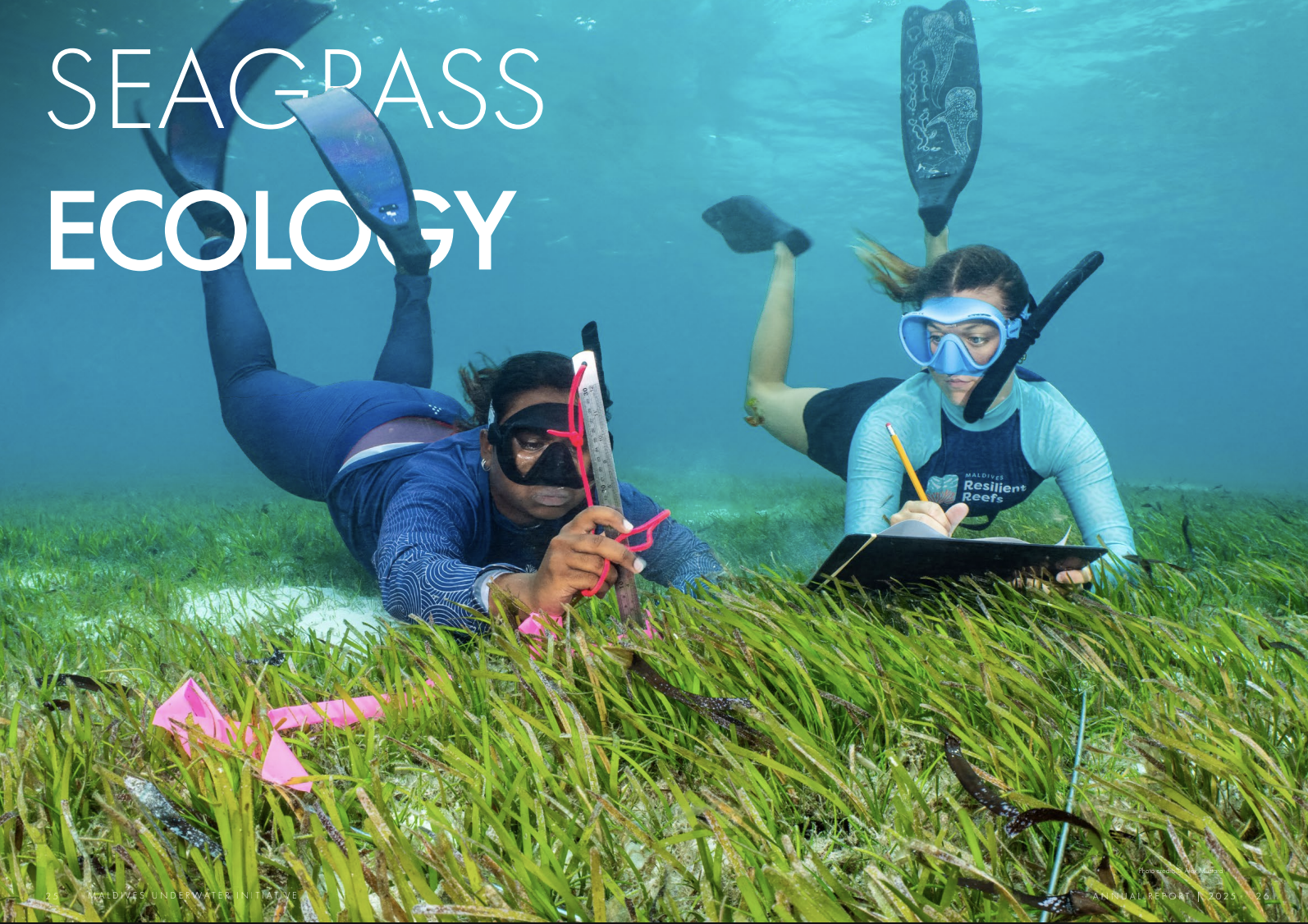
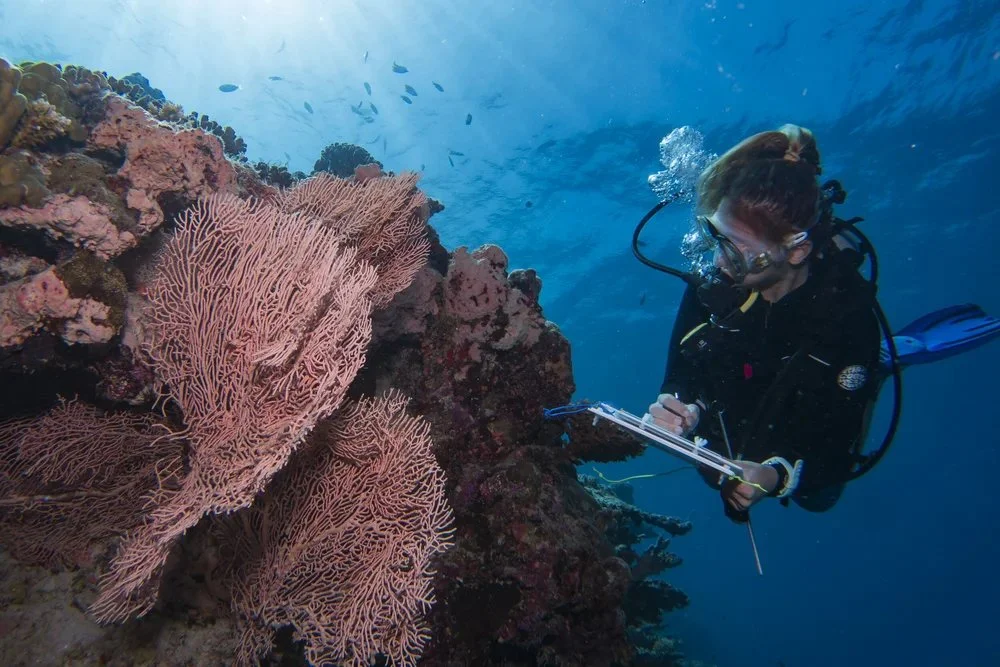
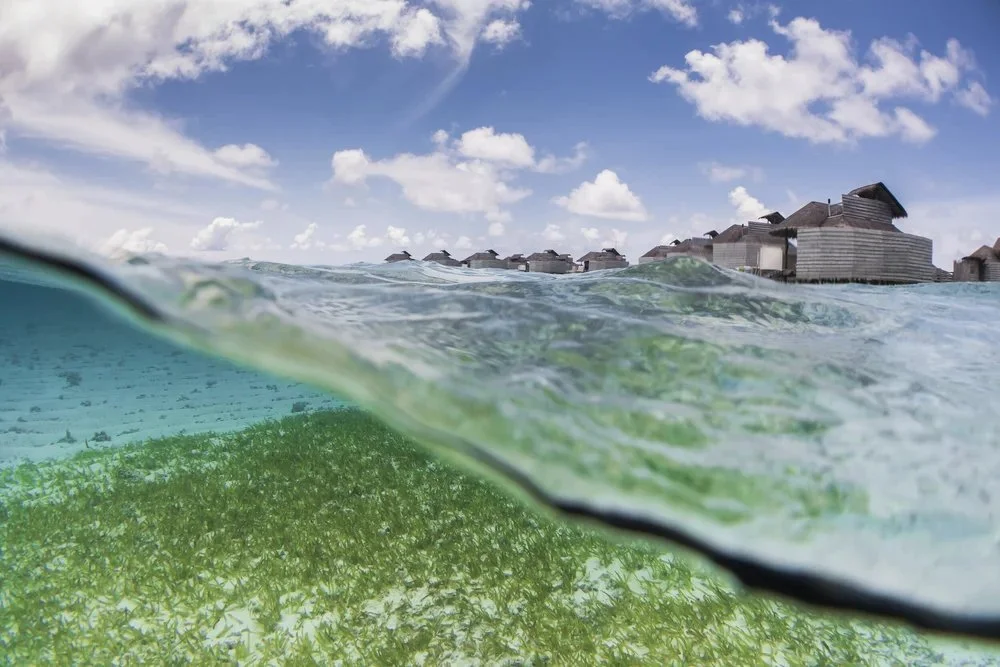
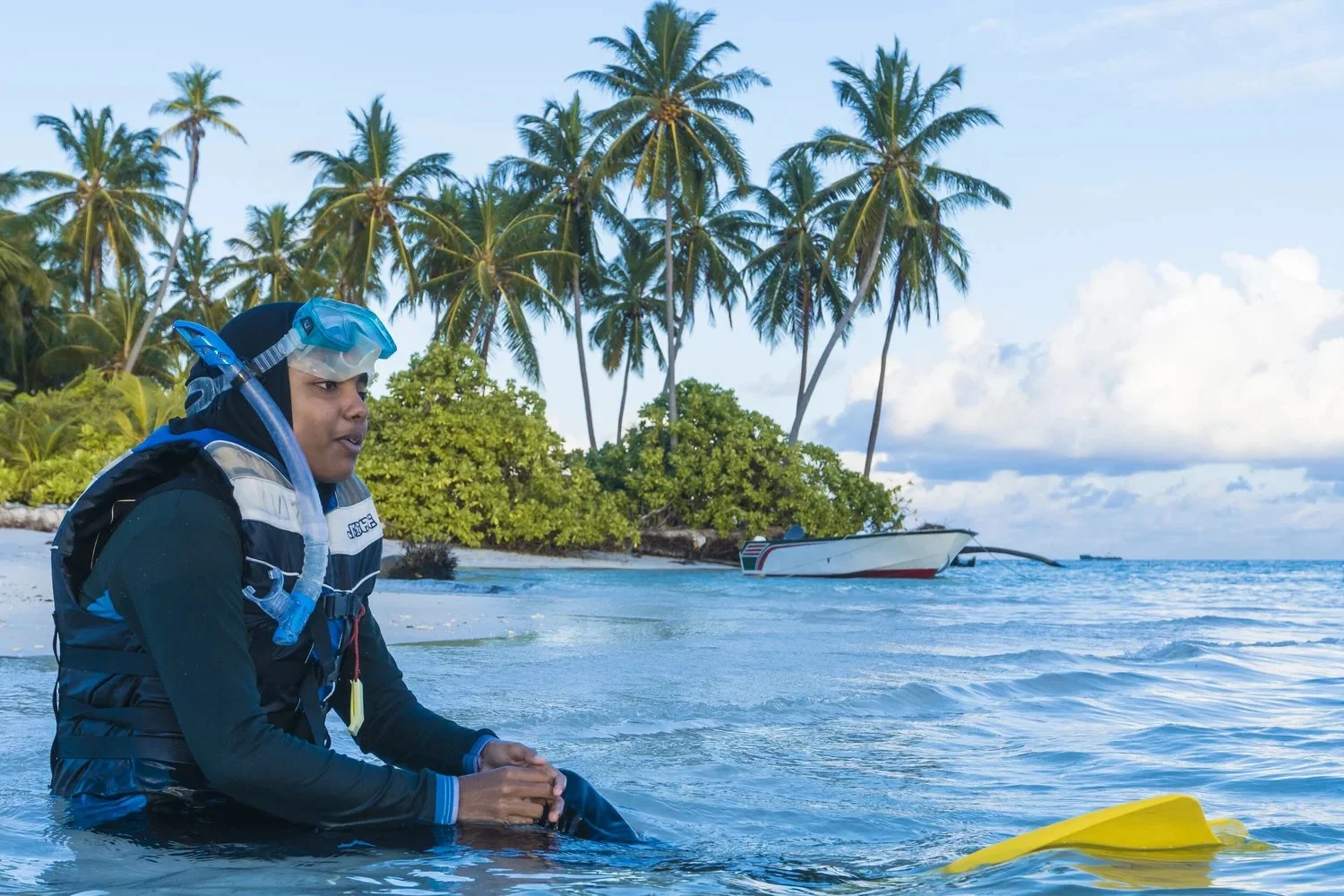
Photos by Six Senses Lamuu
Conservation That Reshapes Guest Appreciation for the Natural World
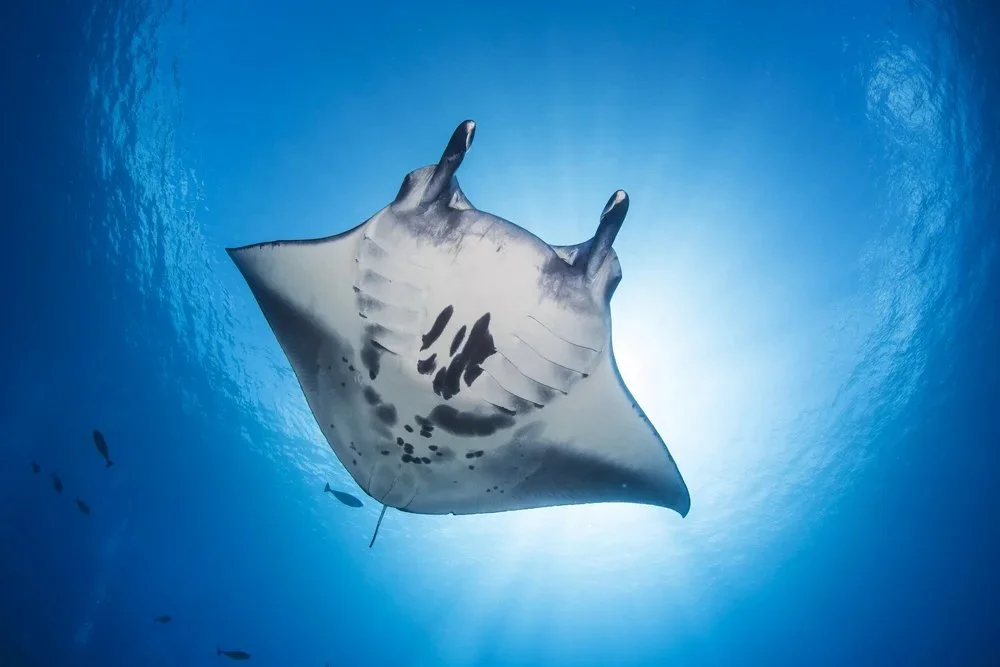
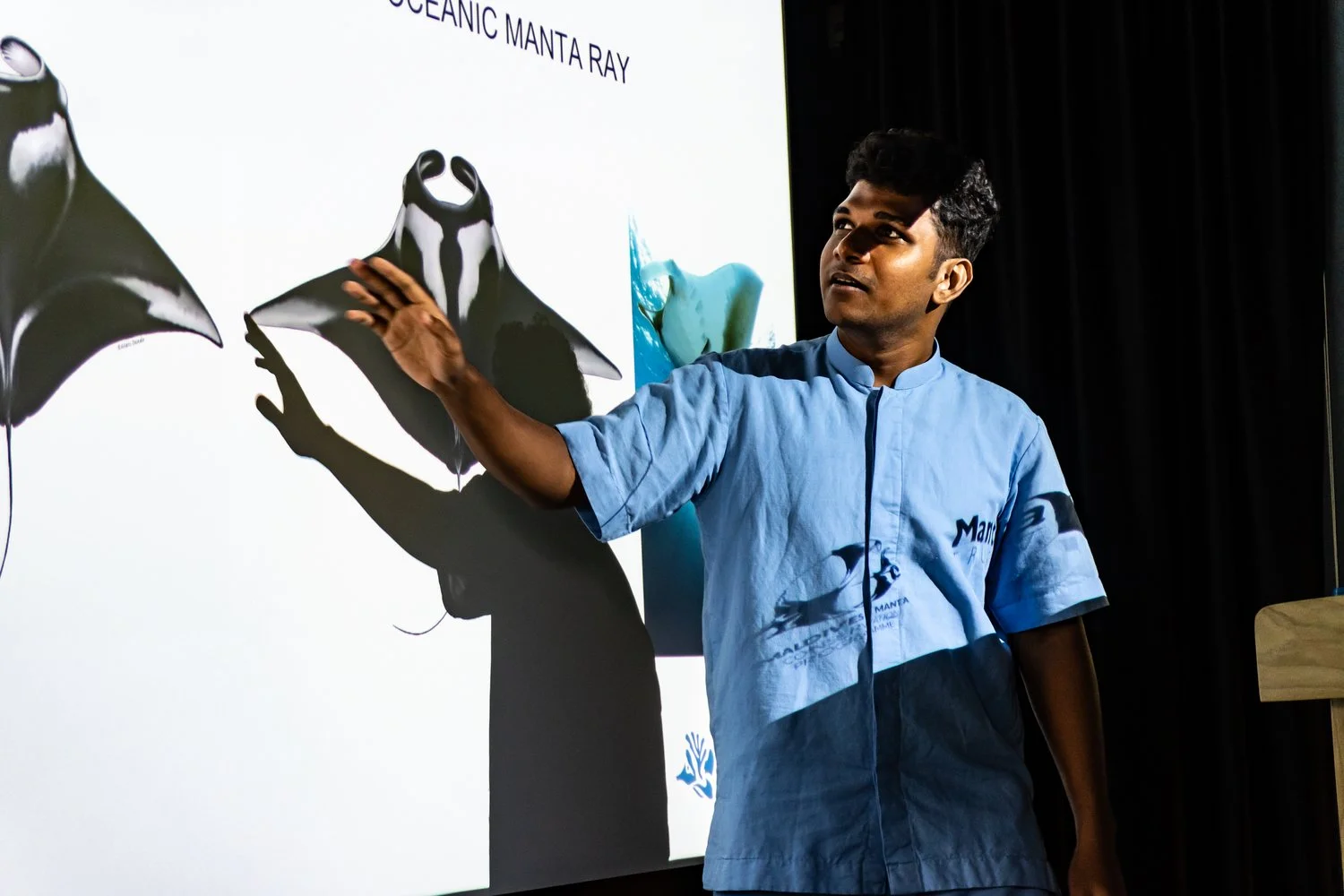
MUI's work extends well beyond reef restoration. In 2017, Six Senses Laamu became the site of a historic scientific moment in partnership with the Manta Trust. The resort helped pioneer the world's first contactless underwater ultrasound scanner for studying wild manta ray reproduction, which led to the first scans of a manta ray pup in the wild.
The challenge, as Jones acknowledges, is translating that level of scientific rigor into lasting behavioral change in the guests who encounter the manta ray.
"The moment a guest realizes they have encountered a known animal, it becomes something much more tangible. If a manta they have just dived with has been part of our ultrasound research, we can sometimes share whether it has been recorded as pregnant. That layer of understanding creates a deeper emotional connection to the animal and the ecosystem around the guests. It is that sense of connection, curiosity, and wonder that stays with guests long after they leave our resort."
There is the distinction between nature tourism as passive consumption and nature tourism as participatory science. It represents one of the most underexploited opportunities in high-end hospitality. The guest who leaves a property having genuinely understood something about a living system is not merely a satisfied customer. They are a potential advocate for the policy and funding frameworks that protect it.
Photos by Six Senses Lamuu
The Architecture of Guest-Funded Conservation
Six Senses Laamu finances its conservation and community programs through the Regenerative Impact Fund, a mechanism mandated at the corporate level that directs 0.5% of total revenue, 50% of bottled water sales, 100% of soft toy sales, and voluntary guest donations into environmental and social programs across Laamu Atoll.
Every guest’s stay directly contributes to MUI and the resort's broader programs.
That corporate mandate operates not at the discretion of a single general manager but as a non-negotiable group-wide commitment, which means that the program's continuity is insulated from the typical hospitality pressure to cut sustainability budgets when RevPAR contracts.
It also raises a question the broader industry has not yet answered satisfactorily: what governance structures are necessary to protect nature-positive investment through ownership transitions, brand acquisitions, and economic downturns?
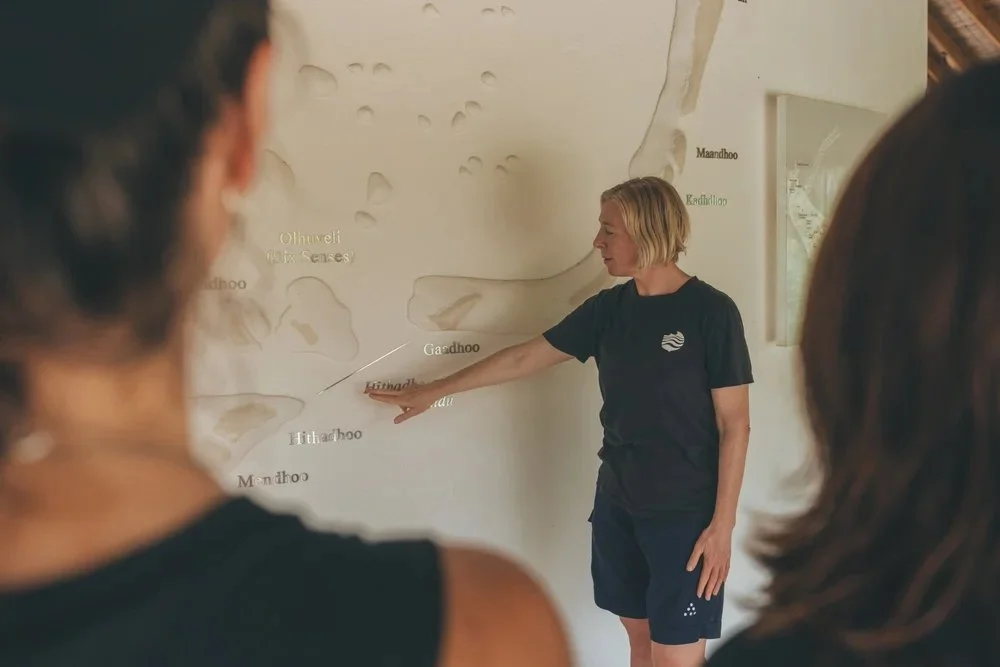
When asked about the emerging question of biodiversity credits, Jones acknowledges that MUI's data infrastructure — continuous monitoring, multi-species baselines, third-party NGO verification — could theoretically support a credible credit issuance. Her team is watching the space closely, she says, with a priority focus on delivering "tangible and long-term outcomes, supported by robust data, strong local partnerships, and continuous monitoring."
“We often say sustainability is a journey, so while we haven't put efforts towards developing a biodiversity credit strategy yet, we are always adapting to emerging frameworks."

Photos by Six Senses Lamuu
Moving from Resort-Oriented to Community-Led Approach
Jones shares that resort-led community engagement most often breaks down around communication and access. Her team at Six Senses Laamu has had to learn how to work around long response times, unanswered calls, and layers of bureaucracy by being more flexible, patient, and at times quite creative.
The team had to think about our role and move away from being “the idea driver.”
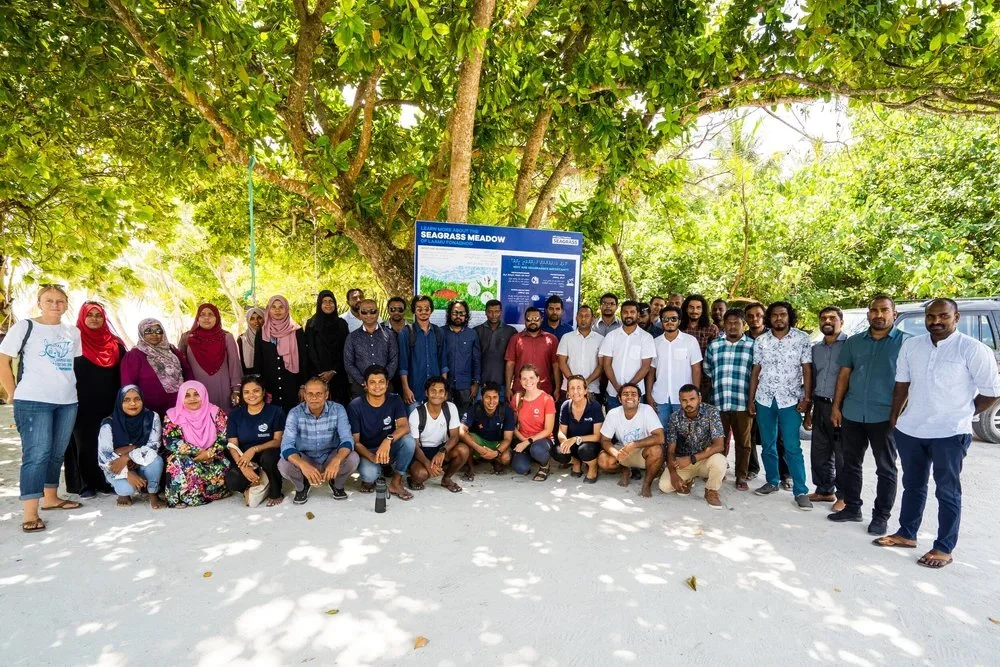
“We've learned that the most meaningful projects come directly from the community. Many of the initiatives we've helped deliver — supporting access to safe drinking water, a special needs classroom, a sustainable greenhouse — came from the community, not us."
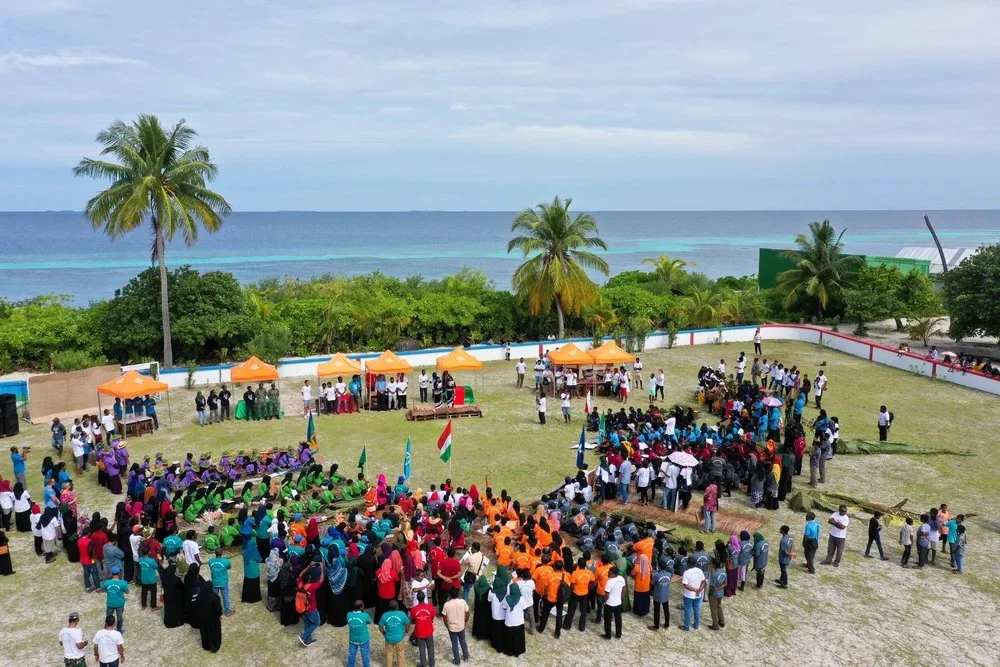
In 2025, MUI reached 3,790 local community members across Laamu Atoll. In 2026, the resort is evolving its community engagement program into "Atholhu Buru" — a Dhivehi phrase meaning, broadly, "island rounds."
It is a structured program in which the team visits each inhabited island in the atoll directly, rather than waiting for communities to navigate an application process.
"We'd like to see a future where our local role is to support rather than steer," Jones says.
That difference between a resort that exports conservation to surrounding communities and one that is genuinely embedded within them is arguably the most important design question facing nature-positive hospitality at scale.
Photos by Six Senses Lamuu
What the Industry Has to Decide
The Six Senses Laamu model is not a plug‑and‑play blueprint for every hospitality brand. It depends on sustained investment in scientific staff, long-term data collection, community relationships built over years rather than seasons, and leadership willing to trade short-term gains for long-term ecological health.
It also requires a corporate governance structure willing to protect that investment when market conditions deteriorate. It is likely that many hospitality groups are not yet structured, financially, organizationally, or culturally to meet those conditions.
Regulation and markets are moving in that direction. Alongside the Kunming-Montreal Global Biodiversity Framework, which sets the political mandate in 196 countries, the EU’s Corporate Sustainability Reporting Directive (CSRD) is raising the bar on how companies report environmental and biodiversity impacts. CSRD does not stop at Europe’s borders. Non‑EU companies with significant EU-sourced revenue, and suppliers and partners in their value chains, are increasingly being drawn in through disclosure requests and data demands.
For Asia-based travel and hospitality brands that sell into Europe, work with European tour operators, or seek EU-based capital, nature-related performance and data are therefore shifting from a “nice to have” narrative to an auditable expectation.
The opportunity cost of waiting is rising. The ecosystems that make Asia’s destinations exceptional are under active pressure from warming oceans, land degradation, and over‑extraction. Brands that invest now in ecological measurement, active restoration, community partnerships, and credible biodiversity data will find themselves ahead of the regulatory curve, ahead of rapidly shifting guest expectations, and ahead of a maturing nature-credit market.
Photos by Six Senses Lamuu

![[Exclusive] Sustainable Tourism Impact Fund: How Patient Capital Unlocks Investments Conventional Financing Overlooks](https://images.squarespace-cdn.com/content/v1/63f6cdbdc249663d72082ecd/1786501208510-5198Q2DTS0U08ZD8FRMS/Local%2BAlike%2B-%2B57.png)